




Suzuki Celerio: Exhaust
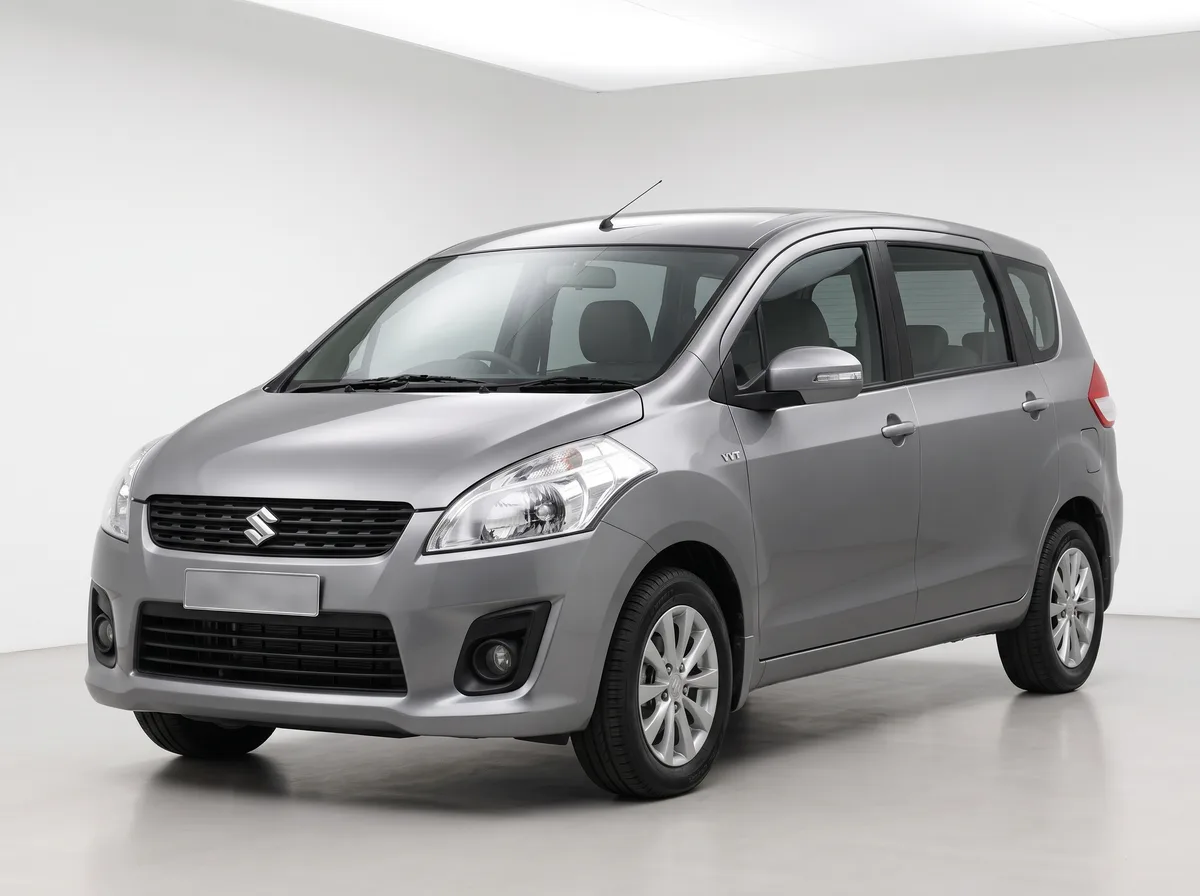
The Celerio sold here as the Celerio that replaced the Alto here in 2015, and the later car that followed it, so we work from the generation rather than the name on the tailgate to find Suzuki Celerio second-hand parts, matched to your car
Used, aftermarket and reconditioned parts. Not supplied by Suzuki Auto South Africa.
How a Celerio exhaust enquiry gets answered
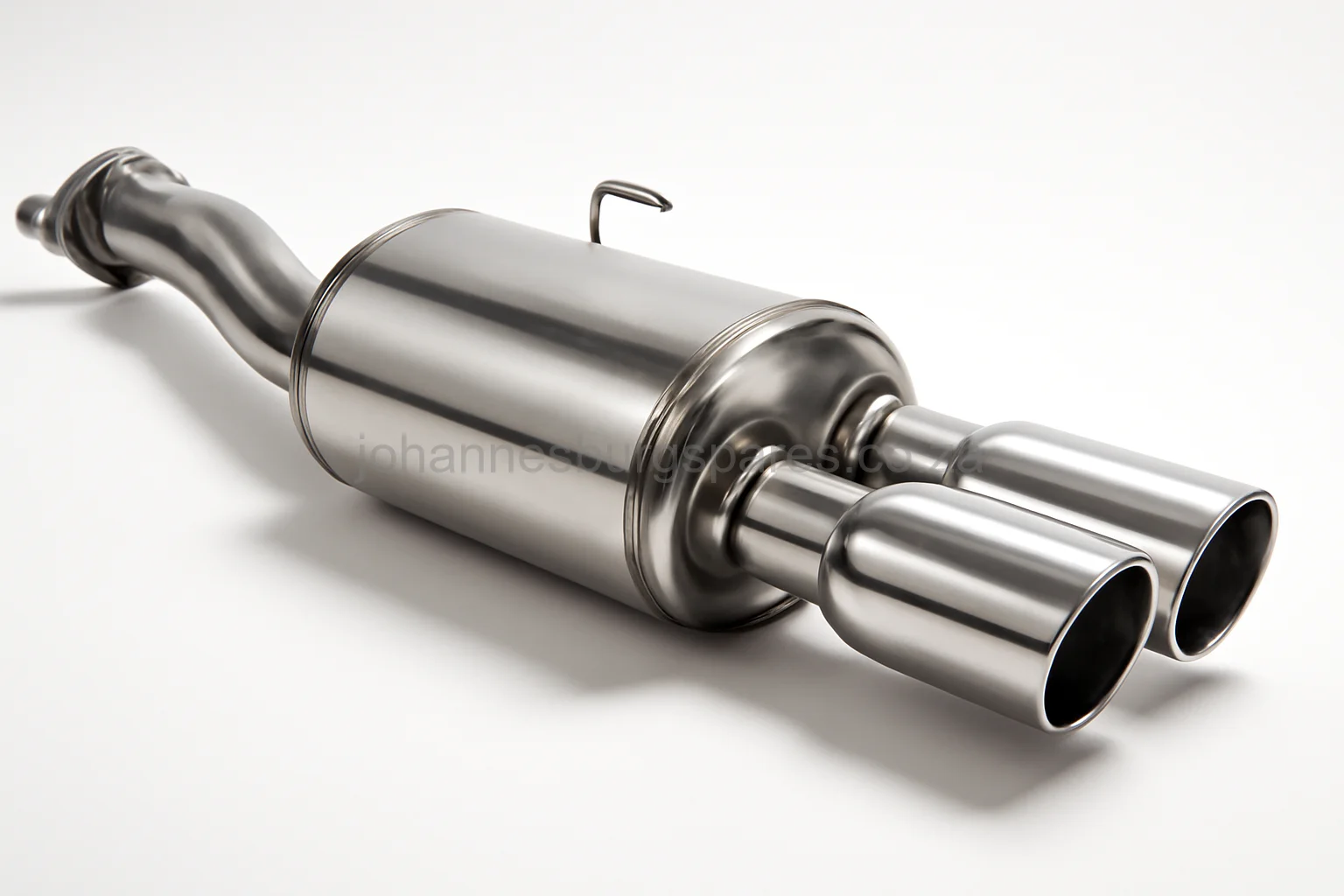
Suzuki's current local range is petrol, so exhaust work here is about catalytic converters and lambda sensors rather than the DPF systems that dominate the diesel marques. Cylinder count is the thing people get wrong: most of the range is a three- or four-cylinder with a single system, but the older Grand Vitara was also sold here as a V6, and a V6 is a different exhaust layout entirely from the manifolds back. The naturally aspirated and turbocharged Vitara derivatives differ from each other too, and the rear-drive Super Carry and Eeco are routed unlike anything else.
The decision in front of you is usually whether the section that has failed can be replaced on its own or whether corrosion has already taken the neighbouring joints with it. To get you a straight answer on it we need the derivative — on a Vitara whether it is the 1.6 or the 1.4 turbo, and on an older Grand Vitara whether it is a four-cylinder or a V6.
The car
Suzuki Celerio, year of manufacture, and the derivative if you know it.
The code
VIN or registration number. A photo of the licence disc works just as well.
The problem
What has failed, or what you need replaced. A photo helps for anything cosmetic.
Celerio Exhaust, component by component
The derivative — on a Vitara whether it is the 1.6 or the 1.4 turbo, and on an older Grand Vitara whether it is a four-cylinder or a V6 will settle most of these. Pick the component and we'll confirm the rest.
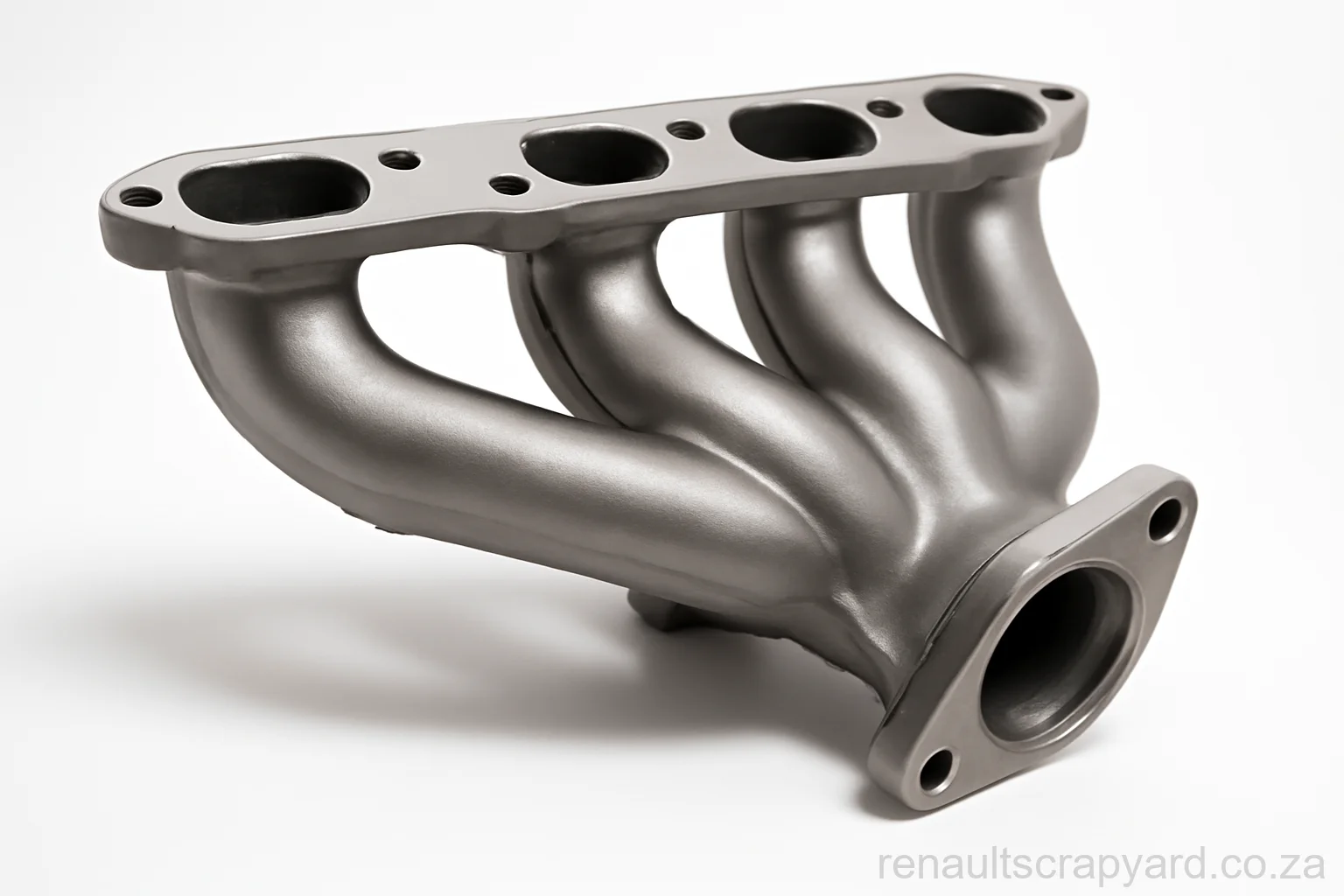
Exhaust Manifold
Exhaust manifolds for Suzuki petrol engines, several of which carry the catalyst in the casting itself
View exhaust manifold →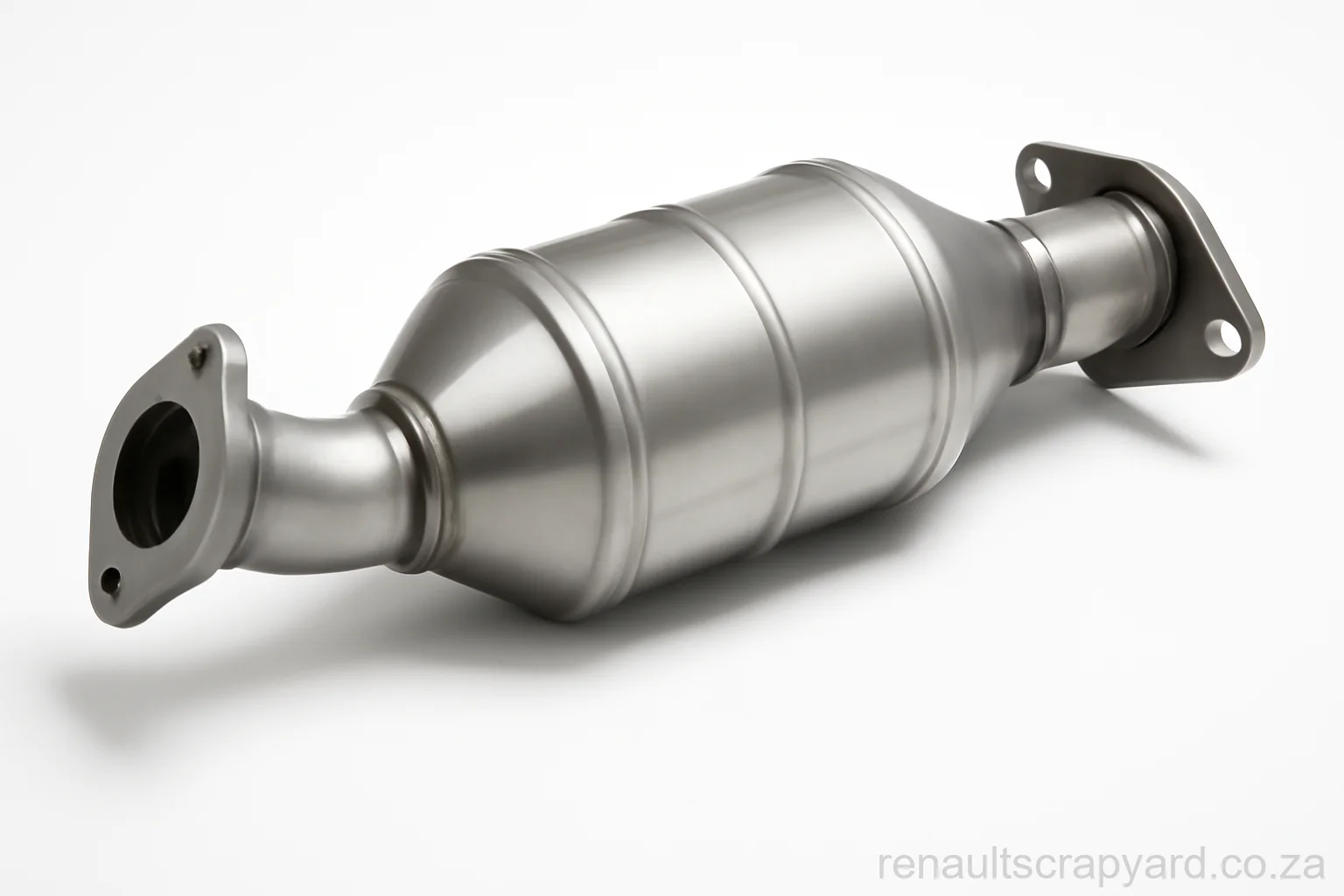
Catalytic Converter
Catalytic converters for Suzuki petrol models, both direct-fit and the universal units an exhaust shop welds in
View catalytic converter →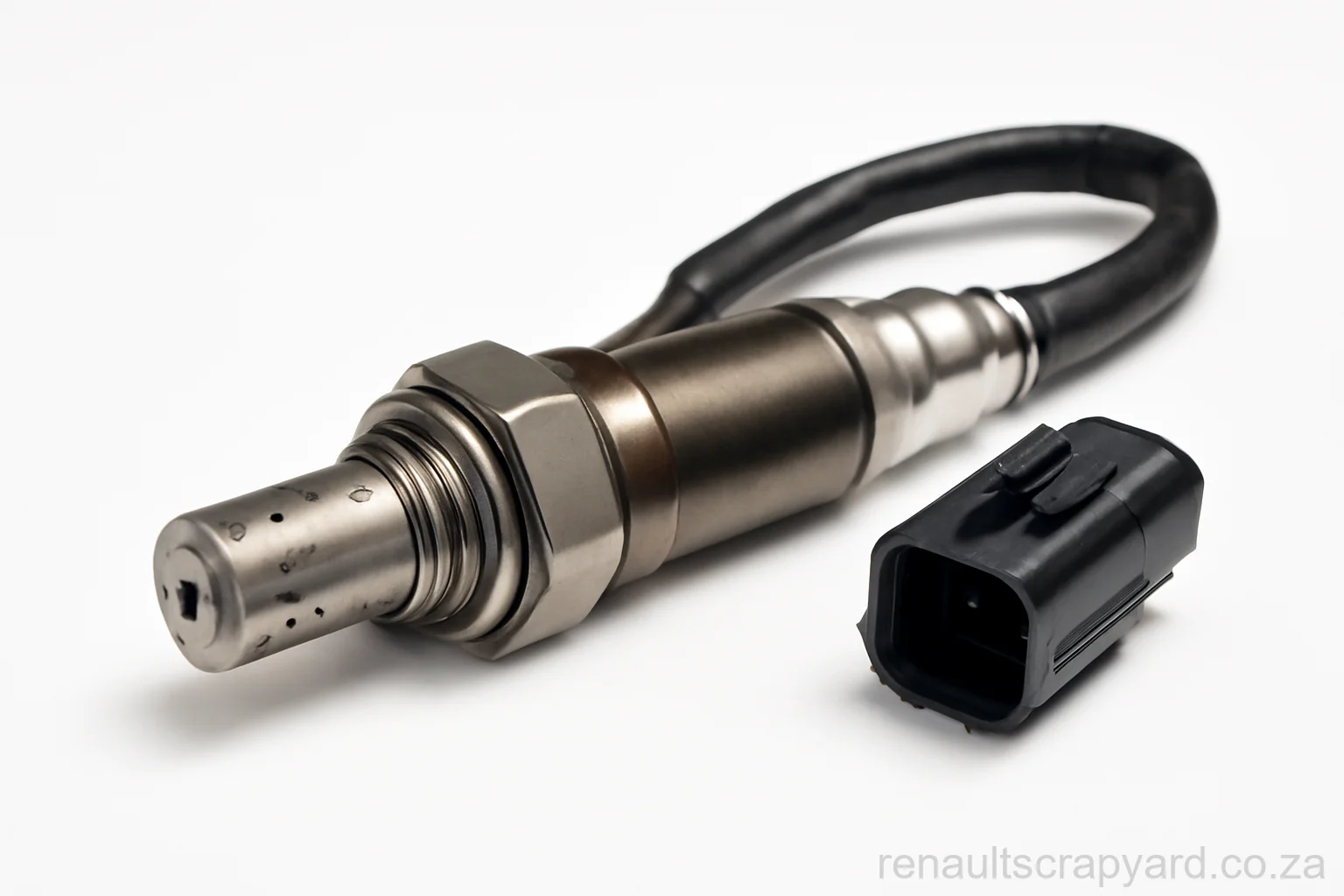
Oxygen Sensors
Upstream and downstream lambda sensors for Suzuki petrol engines
View oxygen sensors →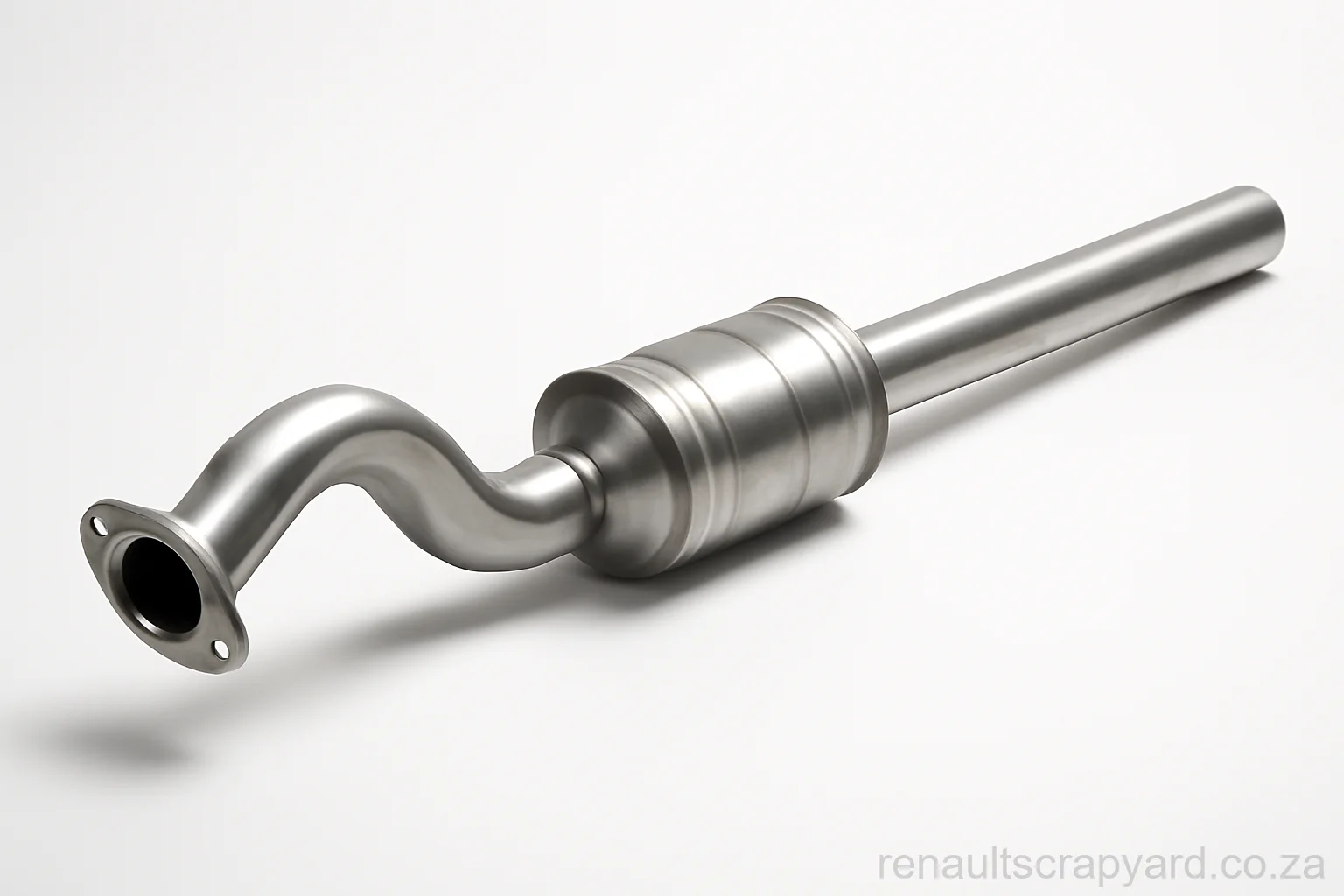
Exhaust Pipes
Front, centre and rear pipe sections for Suzuki exhaust systems
View exhaust pipes →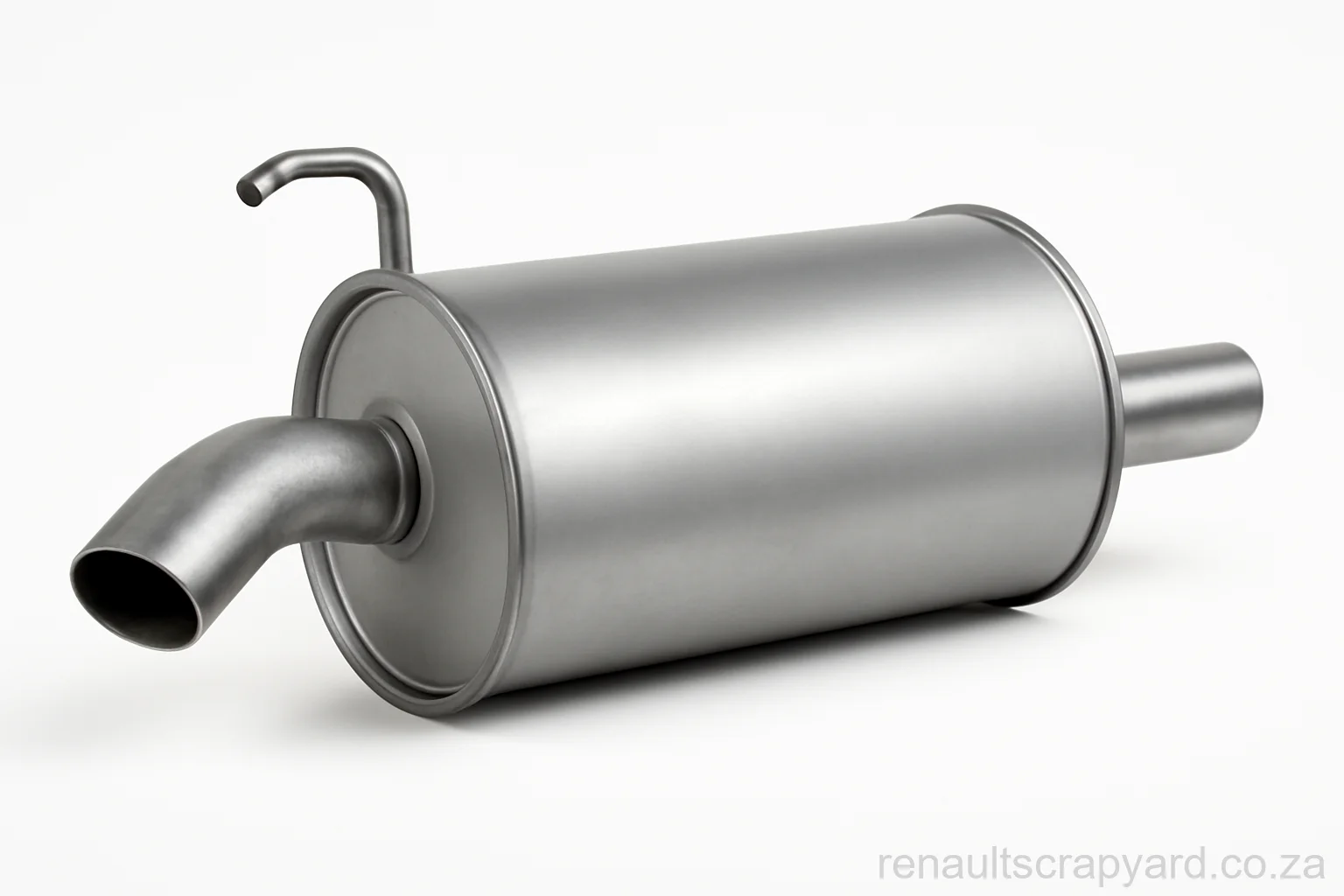
Muffler
Rear silencer boxes for Suzuki models, the part that usually rots out first on the whole system
View muffler →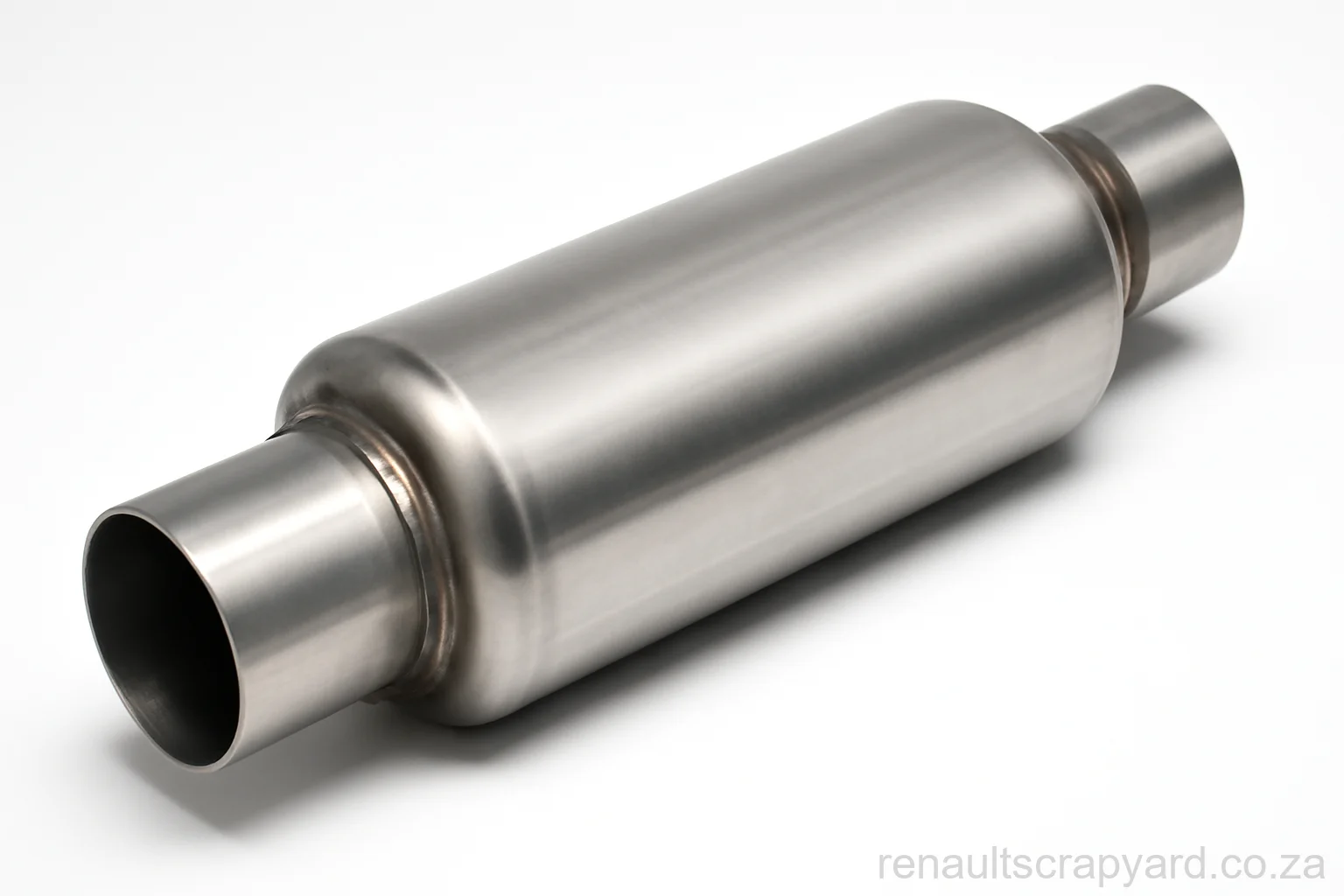
Resonator
Centre resonator boxes that take the drone out of Suzuki exhaust systems
View resonator →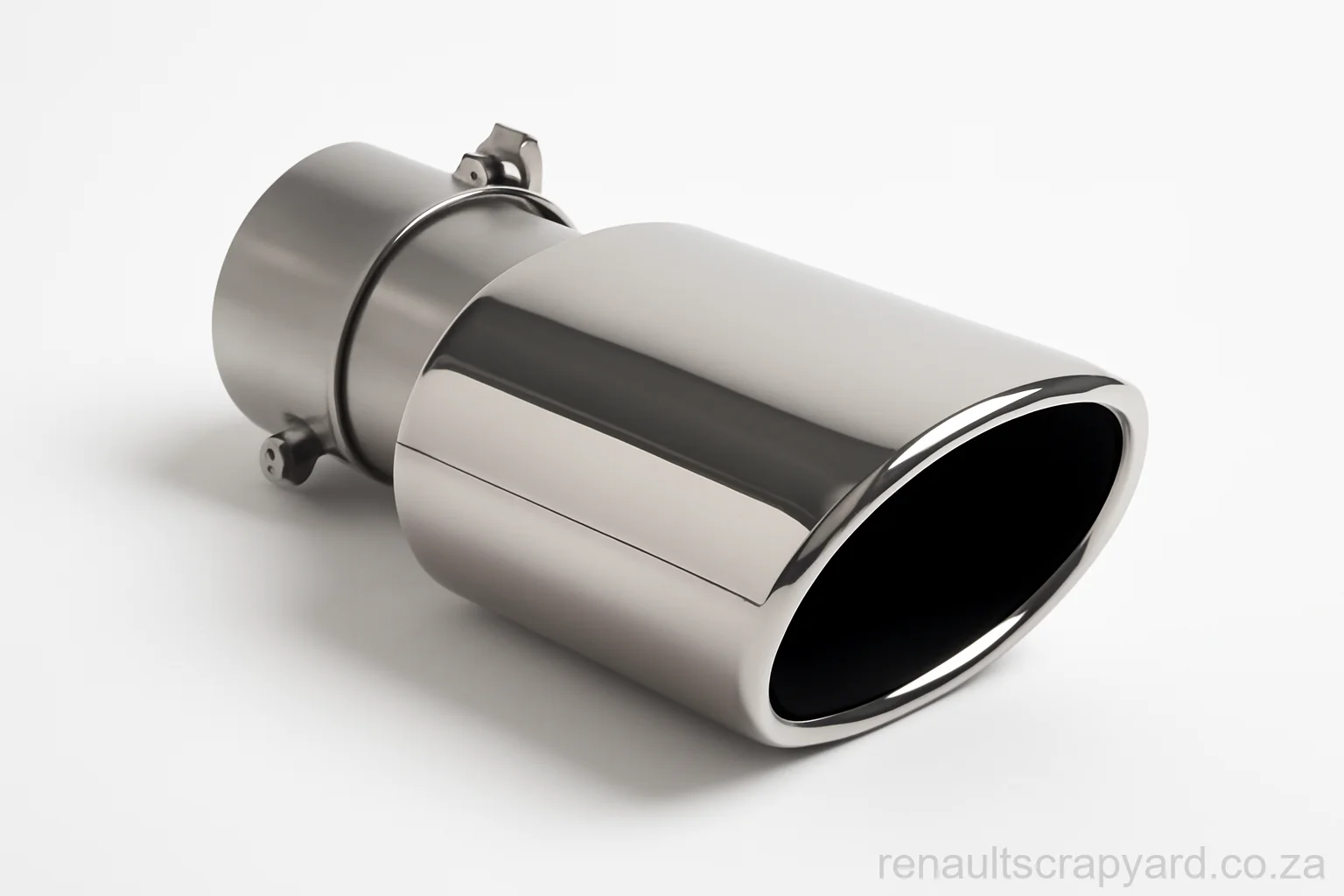
Tailpipe
Tailpipe sections and outlets for Suzuki exhaust systems
View tailpipe →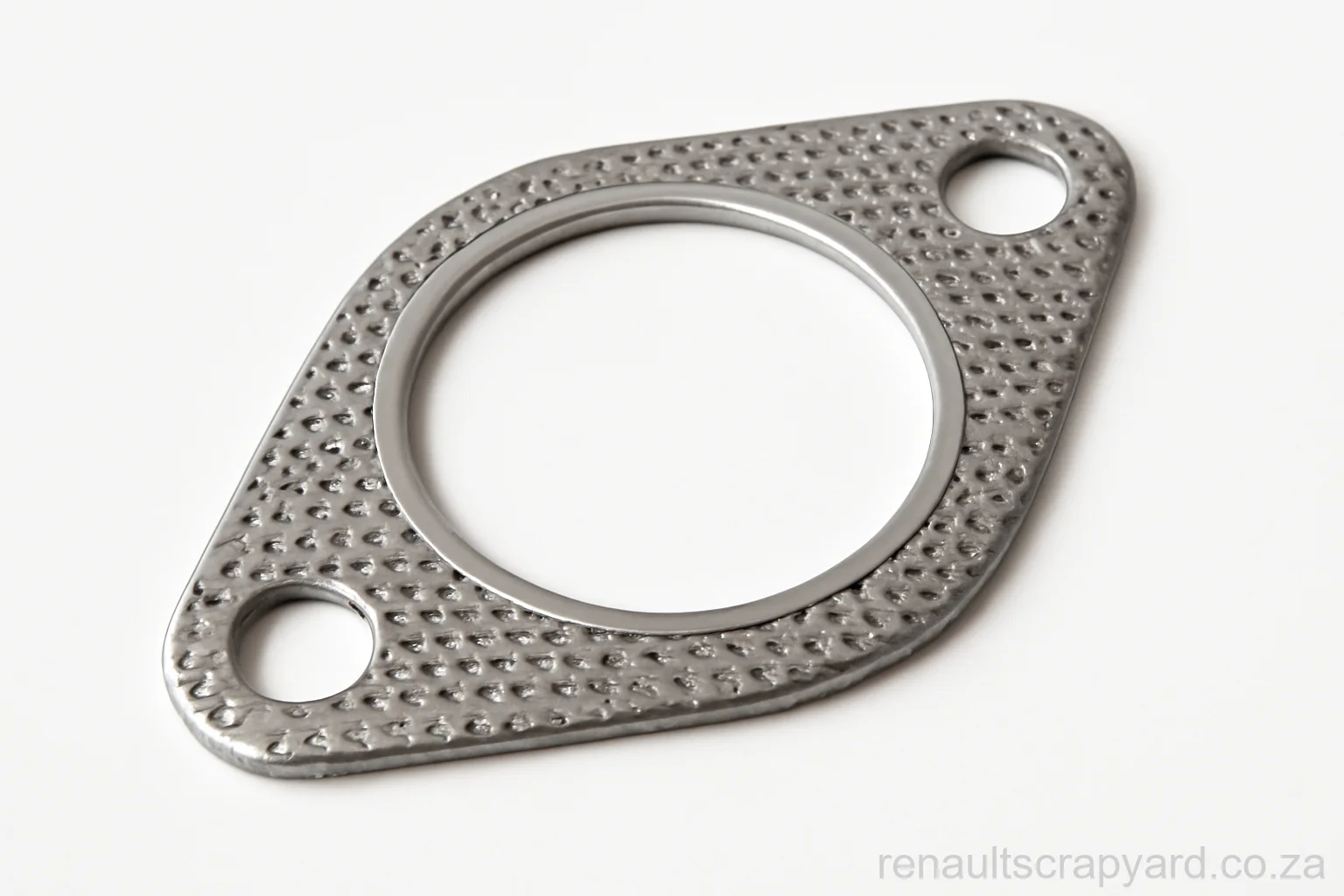
Exhaust Gaskets
Manifold and flange gaskets for Suzuki exhausts, the cheap parts that stop a tick becoming a blow
View exhaust gaskets →
Exhaust Hangers
Rubber hangers and mounting brackets that carry the exhaust under Suzuki models
View exhaust hangers →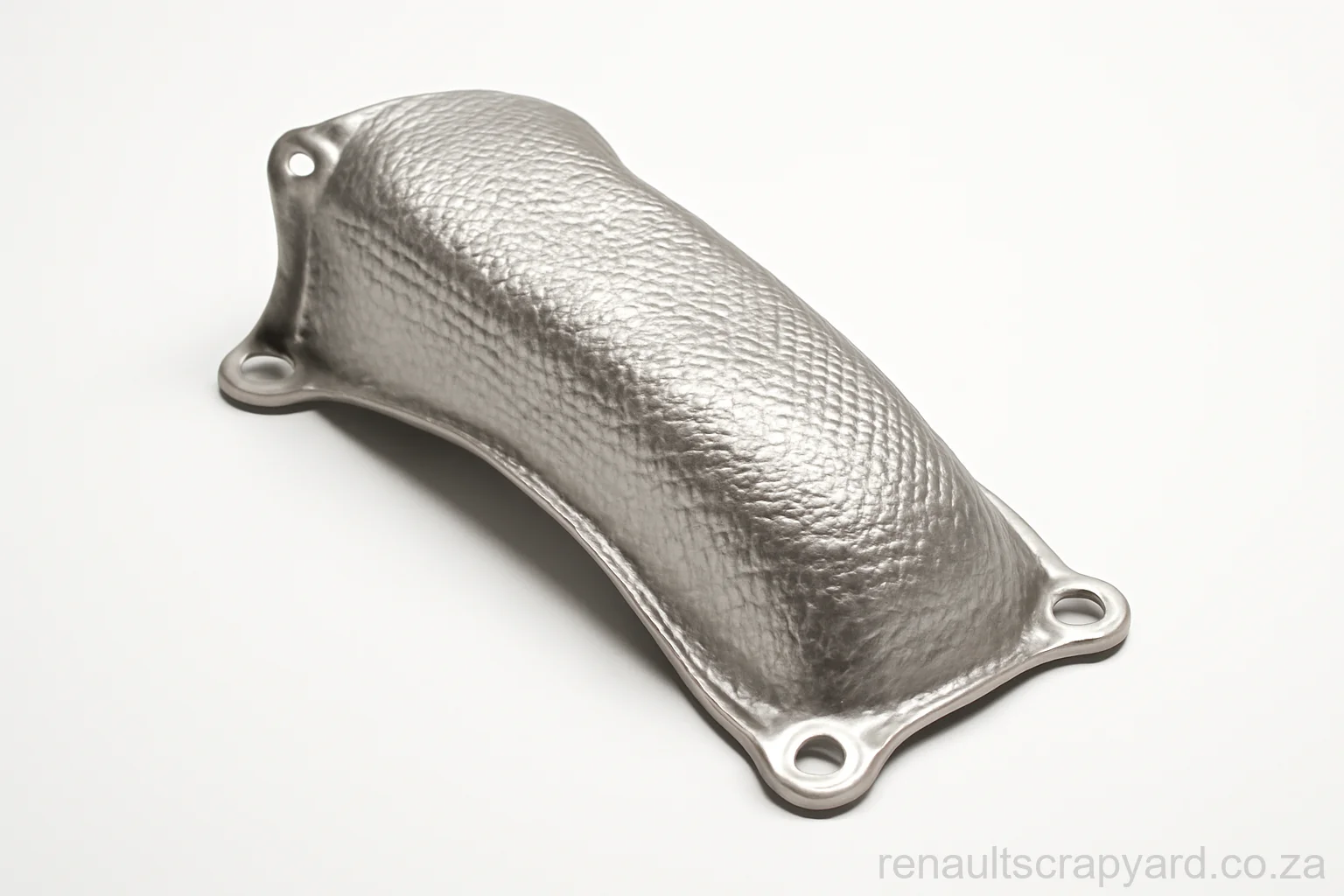
Heat Shields
Underbody and manifold heat shields for Suzuki models — usually replaced because a rusted shield is rattling, not because it failed
View heat shields →
Exhaust Clamps
U-bolt and band clamps for joining Suzuki exhaust sections
View exhaust clamps →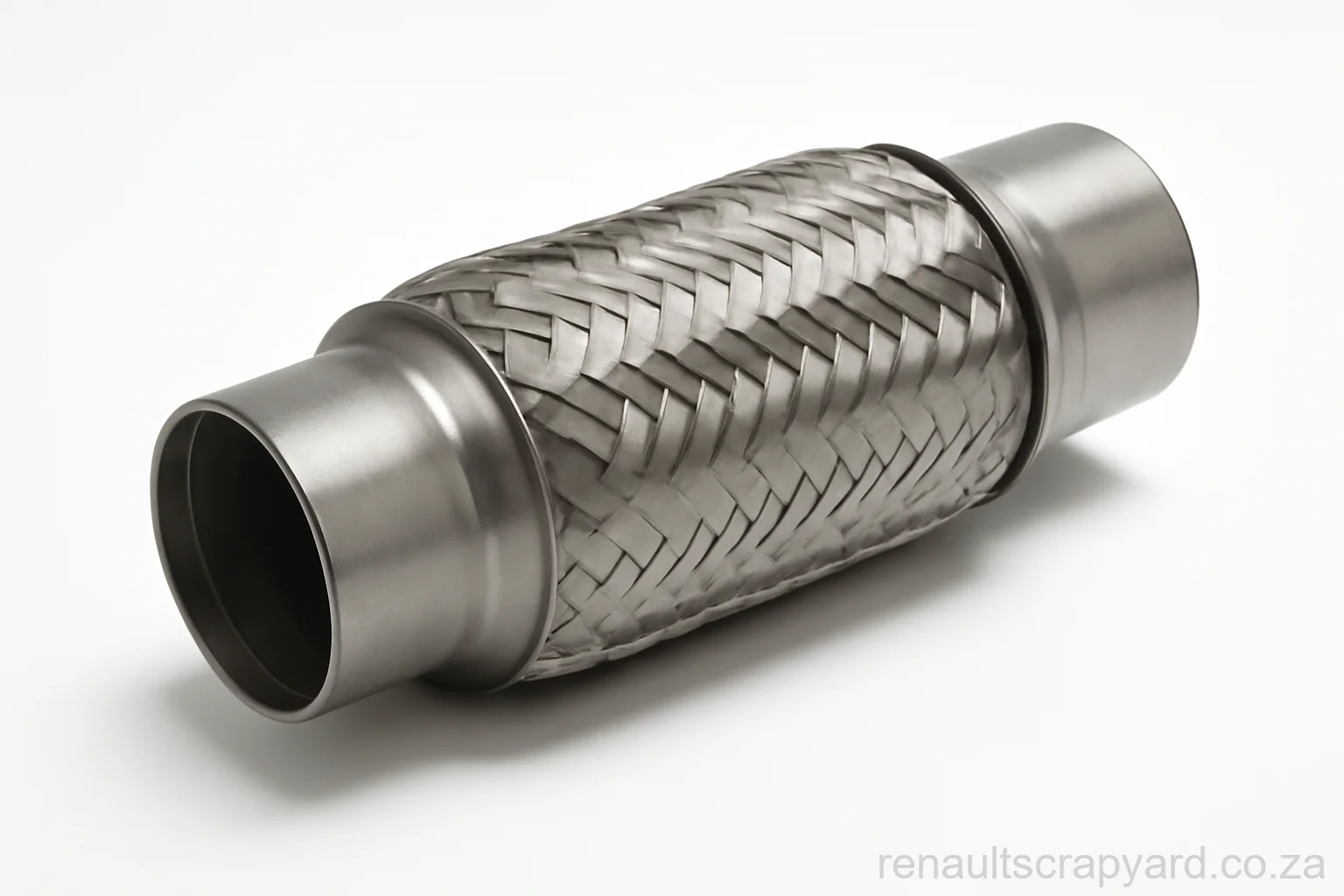
Flex Pipe
Flexible braided sections that absorb engine rock before it cracks a Suzuki exhaust downstream
View flex pipe →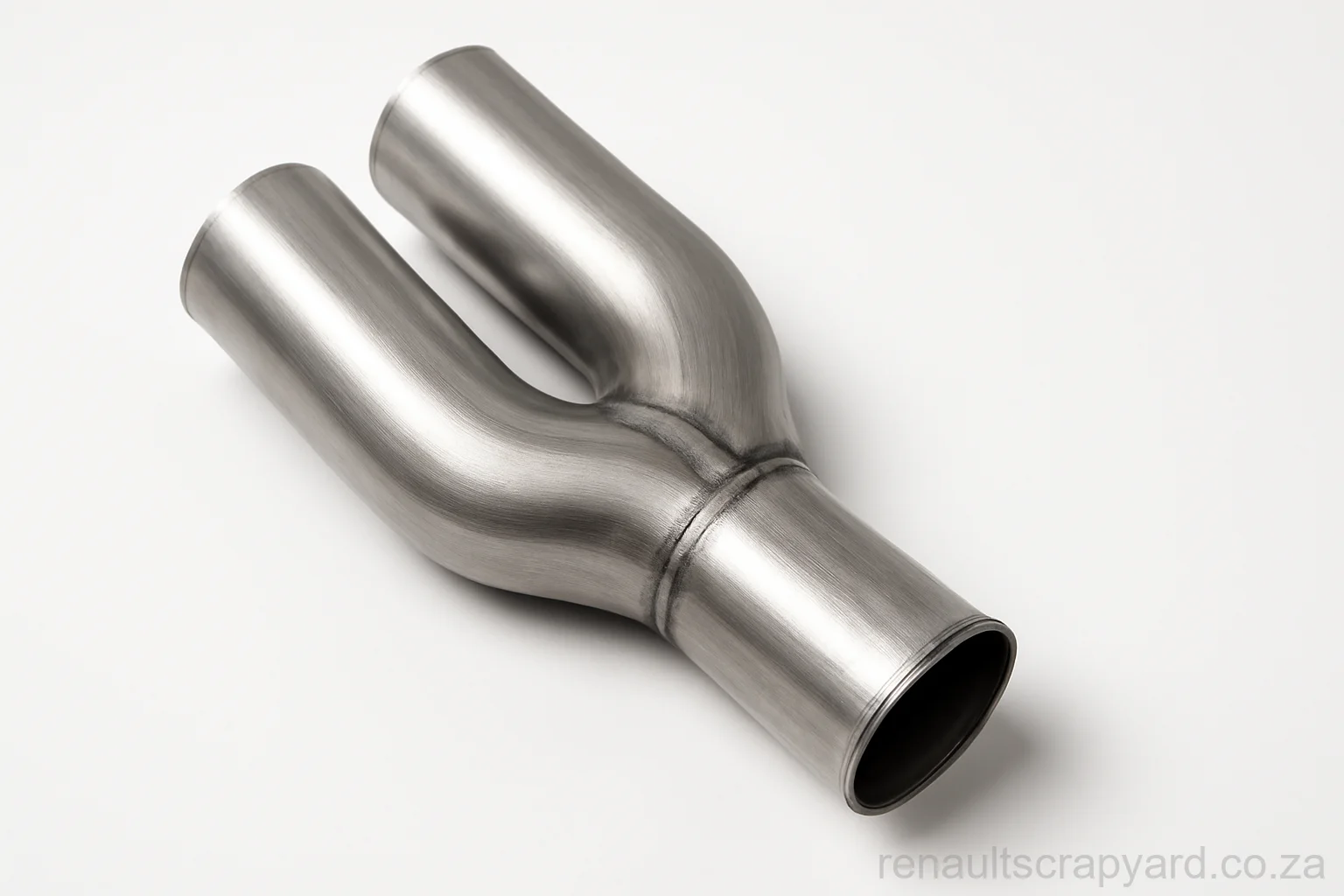
Y-Pipe
Y-section connectors, relevant on the older V6 Grand Vitara and on custom Suzuki exhaust work
View y-pipe →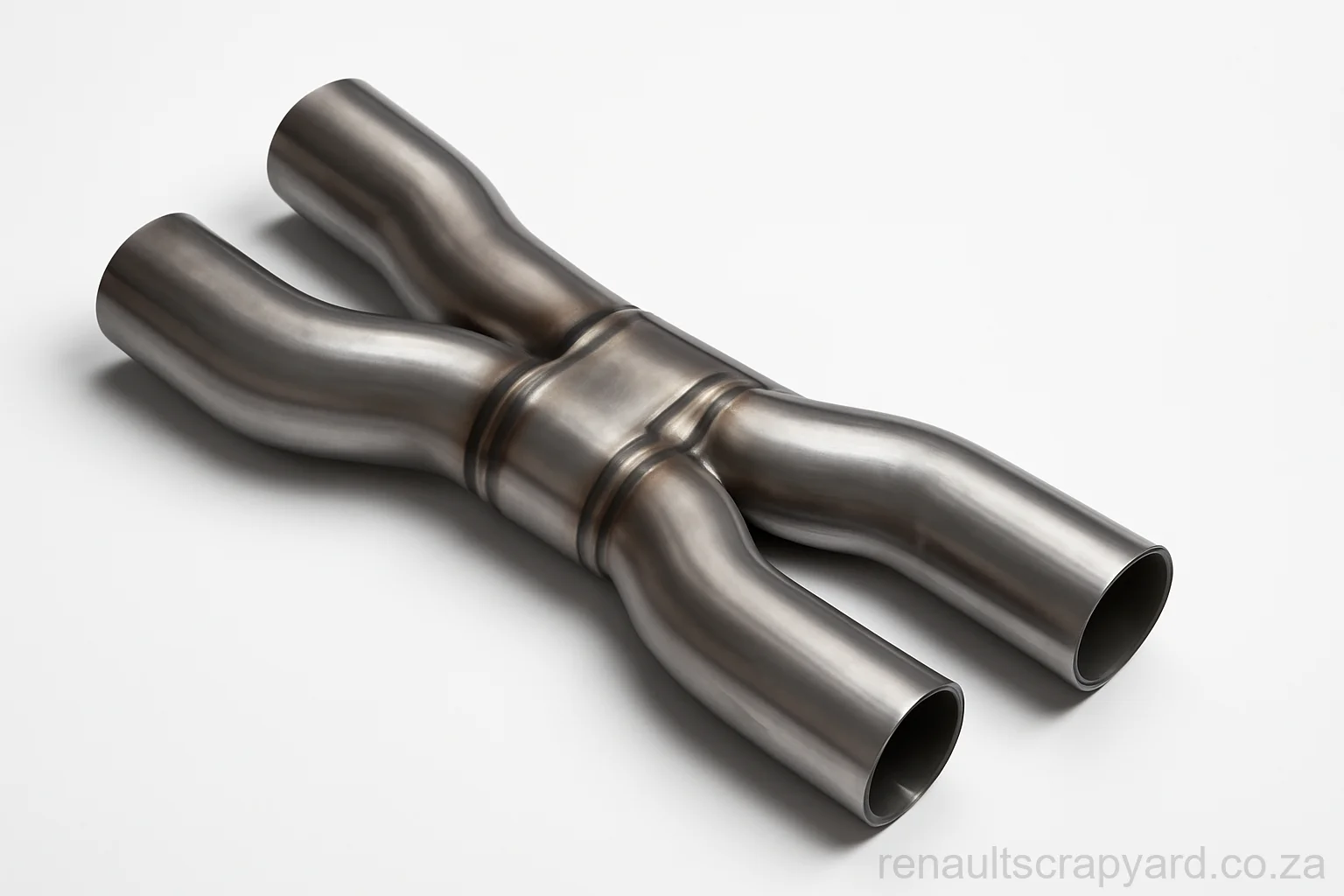
H-Pipe
H-section crossover pipes for the twin-bank Suzuki applications and custom exhaust builds that use them
View h-pipe →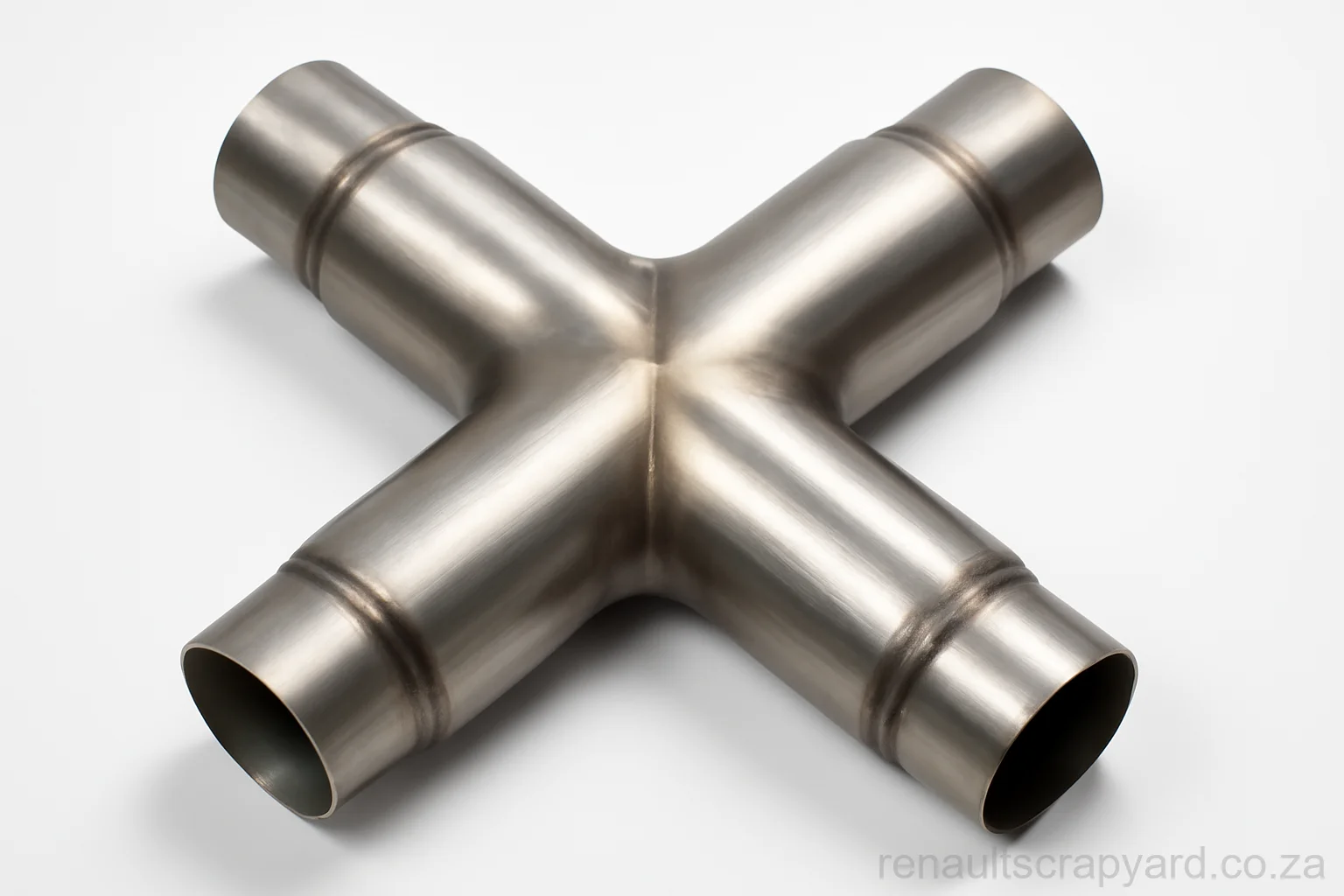
X-Pipe
X-section crossovers used in performance exhaust builds on twin-pipe Suzuki applications
View x-pipe →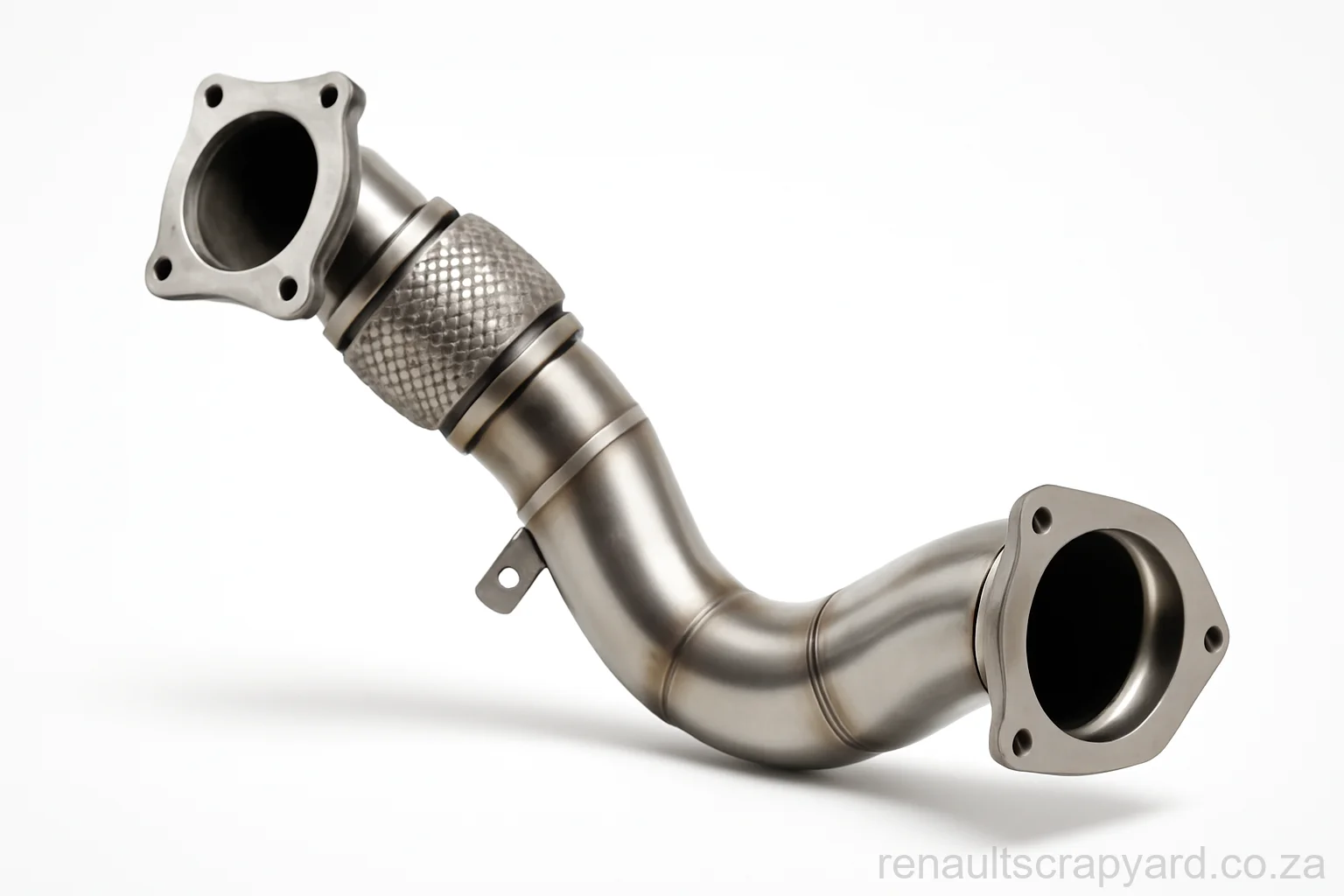
Downpipe
Turbo downpipes for the Boosterjet Suzuki models — the Swift Sport and the turbocharged Vitara among them
View downpipe →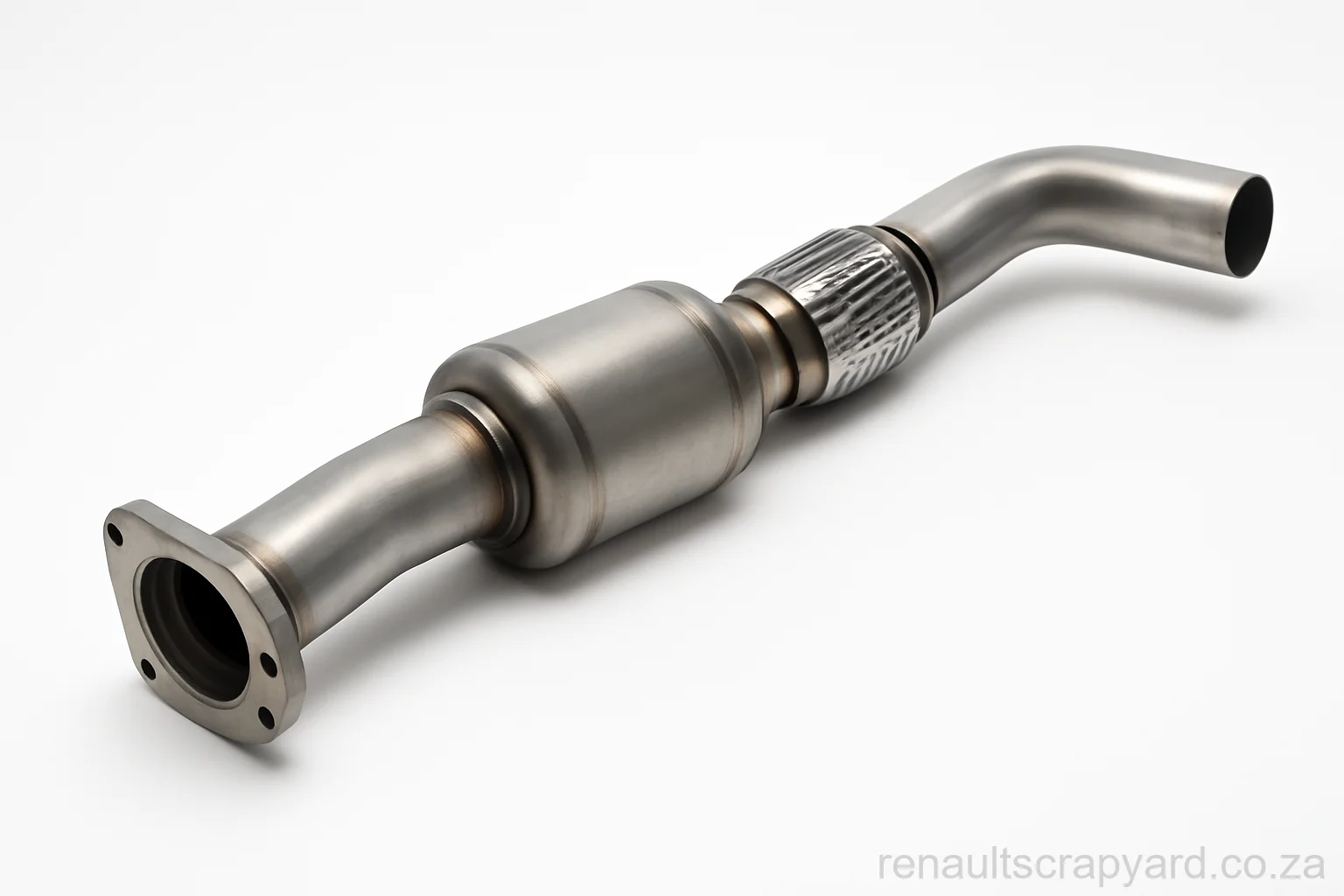
Mid-Pipe
Centre pipe sections linking the front of a Suzuki exhaust to the rear silencer
View mid-pipe →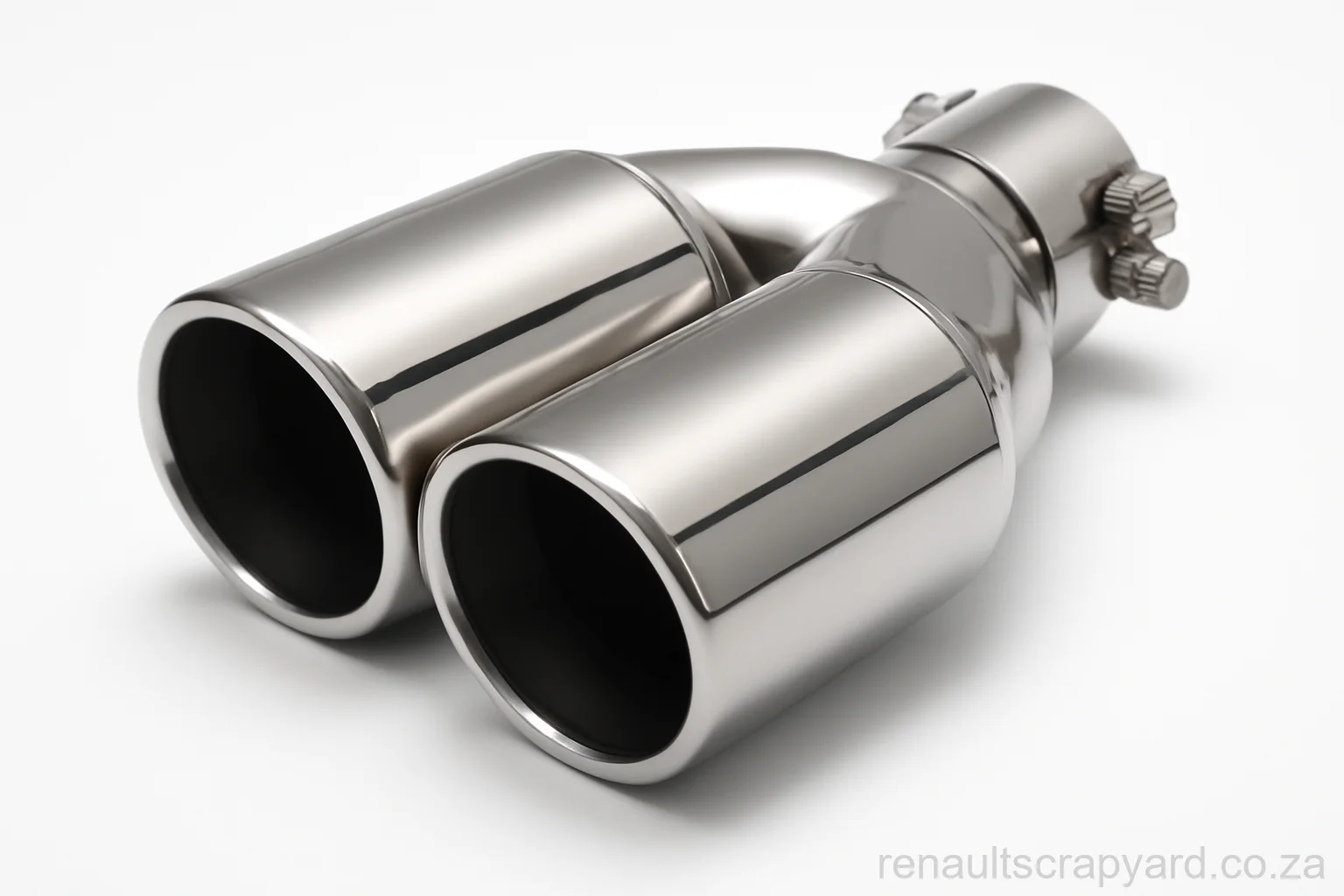
Exhaust Tips
Slip-on and bolt-on tips that tidy up the rear of a Suzuki
View exhaust tips →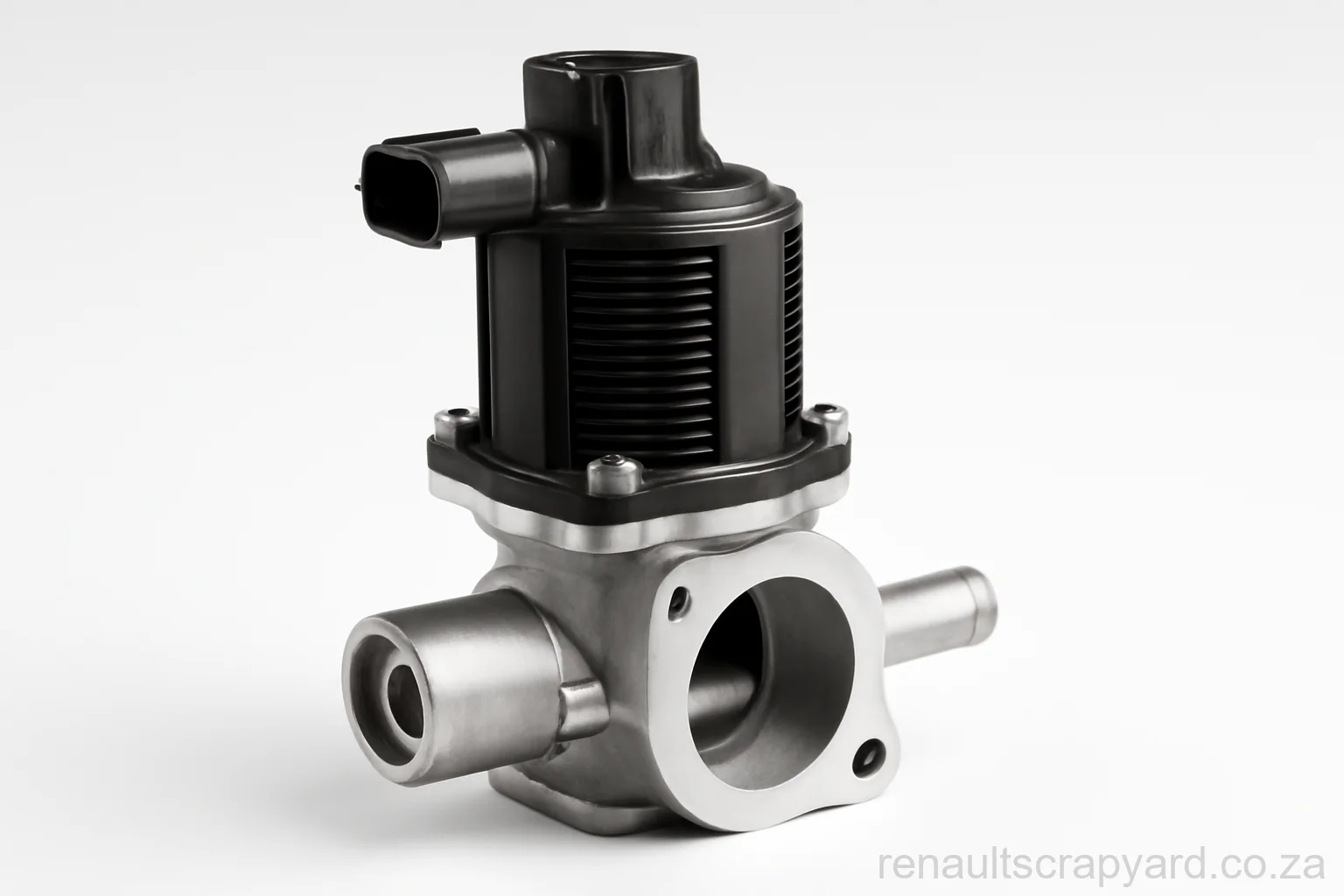
EGR Valve
EGR valves and coolers for the Suzuki petrol engines fitted with exhaust gas recirculation
View egr valve →Sorting the derivative out first
The Celerio reached South Africa as the Celerio that replaced the Alto here in 2015, and the later car that followed it, running K10B 1.0 three-cylinder and K10C DualJet 1.0 three-cylinder on the later car. Exhaust fitment splits on the generation long before it splits on trim. The automated-manual derivatives carry clutch actuation hardware that the plain manual simply does not have, and the two are not interchangeable — say which gearbox the car has when you enquire. Find your derivative below, then send the code from the VIN plate with your enquiry.
- Suzuki Celerio 1.0 GA
- Suzuki Celerio 1.0 GL
- Suzuki Celerio 1.0 GL AMT
Not sure which derivative you own? Send the VIN with your enquiry and we'll confirm compatibility before anything is dispatched.
Celerio Exhaust: the things that actually decide fitment
What shifts across the years
There is no single Celerio for parts purposes — the Celerio that replaced the Alto here in 2015, and the later car that followed it have all been sold here.
The automated-manual derivatives carry clutch actuation hardware that the plain manual simply does not have, and the two are not interchangeable — say which gearbox the car has when you enquire.
Useful to know: the Celerioshares its 1.0 three-cylinder with the Alto and the S-Presso, so donor stock is far deeper than Celerio numbers alone suggest. The Toyota Vitz sold here is also reported to be a rebadged Celerio — worth checking as a donor, but confirm by part number before you buy.
What we check on exhaust
- •The generation code — the Celerio parts list splits on it
- •Which engine you have; this one was sold with K10B 1.0 three-cylinder and K10C DualJet 1.0 three-cylinder on the later car
- •The derivative — on a Vitara whether it is the 1.6 or the 1.4 turbo, and on an older Grand Vitara whether it is a four-cylinder or a V6
- •Where the car sits either side of its facelift
Locally, the Celerio is mostly bought on price and run on a budget, so quality used and aftermarket parts are usually the sensible answer rather than a compromise. That is the wear pattern we source against, and it is why we ask what the car does rather than only what it is.
Before you order Celerio exhaust
Does exhaust fitment change across Celerio generations?
Yes. The automated-manual derivatives carry clutch actuation hardware that the plain manual simply does not have, and the two are not interchangeable — say which gearbox the car has when you enquire. With the Celerio that replaced the Alto here in 2015, and the later car that followed it to choose between, exhaust is not something we quote off the model name alone.
Which Celerio engines were sold here, and does it affect exhaust?
K10B 1.0 three-cylinder and K10C DualJet 1.0 three-cylinder on the later car. Exhaust fitment often follows the engine family rather than the nameplate, so the code on the block is worth reading before you order.
Could exhaust from another model fit my Celerio?
Sometimes, and it is worth knowing where: shares its 1.0 three-cylinder with the Alto and the S-Presso, so donor stock is far deeper than Celerio numbers alone suggest. The Toyota Vitz sold here is also reported to be a rebadged Celerio — worth checking as a donor, but confirm by part number before you buy. Where the hardware is genuinely shared it widens the pool we can search for exhaust. We verify the overlap before offering it — we never assume it.
The background reading on exhaust, independent of which model you drive, sits on the Exhaust page for the whole Suzuki range .
Other systems on the Celerio
Need exhaust for your Celerio?
Send us the derivative — on a Vitara whether it is the 1.6 or the 1.4 turbo, and on an older Grand Vitara whether it is a four-cylinder or a V6 and we'll confirm the right exhaust for your Celerio before we quote a price.