
Swift Brakes, Identified Before It Ships
The exact derivative, and whether the rear is drum or disc — a quick look through the wheel settles it — that is what turns a brakes enquiry into Suzuki Swift parts, matched to your car
Used, aftermarket and reconditioned parts. Not supplied by Suzuki Auto South Africa.
The three things that settle this
Suzuki builds light cars, and light cars run smaller brake hardware than the equivalent from a European marque — which is why parts that look close on a shelf are frequently not. Derivative matters more than model here: within a single Suzuki nameplate the entry car and the top spec can run different setups, and rear drums persist on the budget end of the range long after rivals moved to discs.
The decision in front of you is usually whether friction material alone will do, or whether the discs have already been skimmed as far as they safely go. To get you a straight answer on it we need the exact derivative, and whether the rear is drum or disc — a quick look through the wheel settles it.
The car
Suzuki Swift, year of manufacture, and the derivative if you know it.
The code
VIN or registration number. A photo of the licence disc works just as well.
The problem
What has failed, or what you need replaced. A photo helps for anything cosmetic.
Narrow down brakes for the Swift
The exact derivative, and whether the rear is drum or disc — a quick look through the wheel settles it will settle most of these. Pick the component and we'll confirm the rest.

Brake Pads
Front pad sets for Suzuki models, plus rear pads on the versions that run discs all round
View brake pads →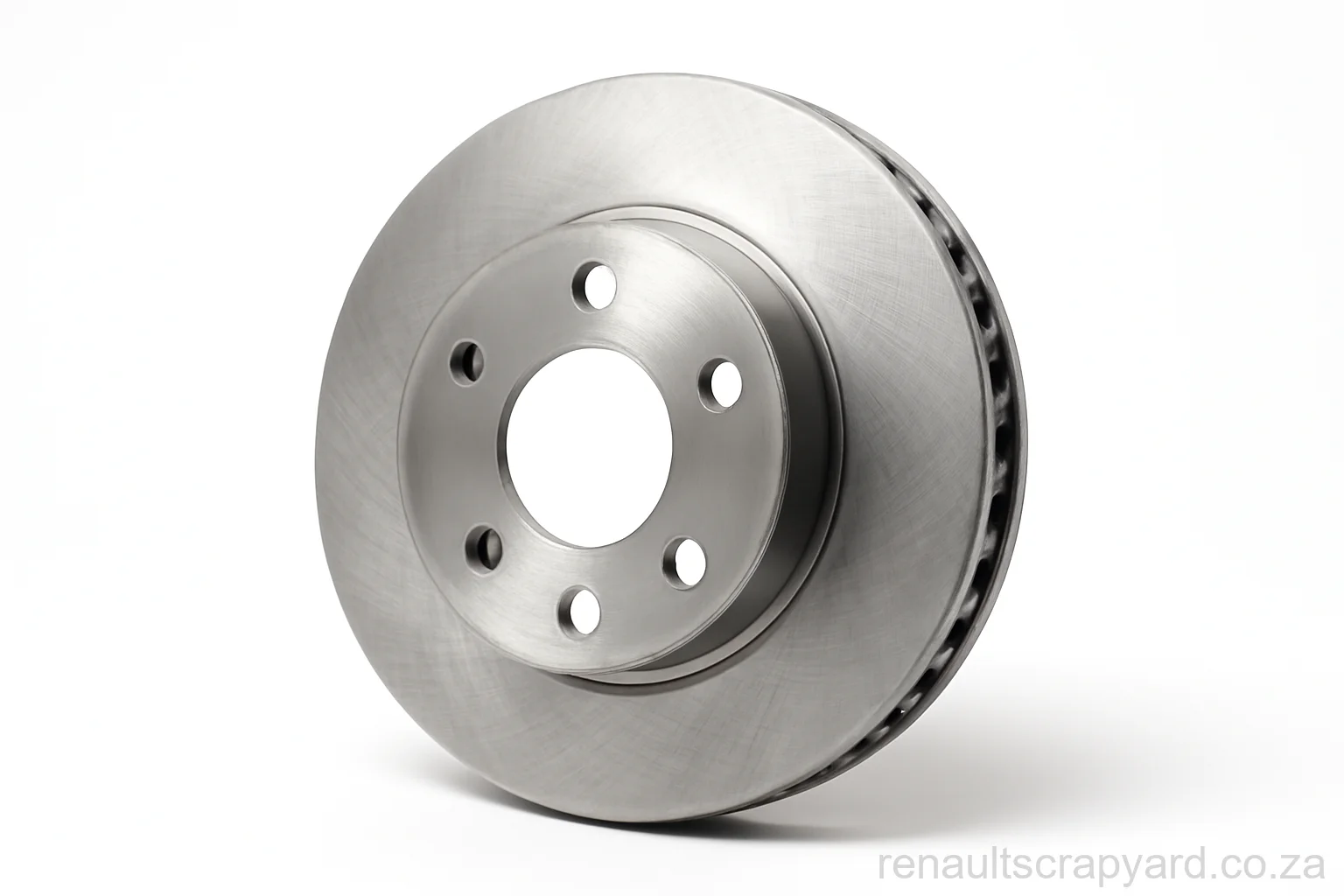
Brake Rotors
Front brake discs for Suzuki models, plus rear discs on the variants that carry them
View brake rotors →
Brake Calipers
Caliper bodies, carriers and slide pins for Suzuki front brakes, including reconditioned exchange units
View brake calipers →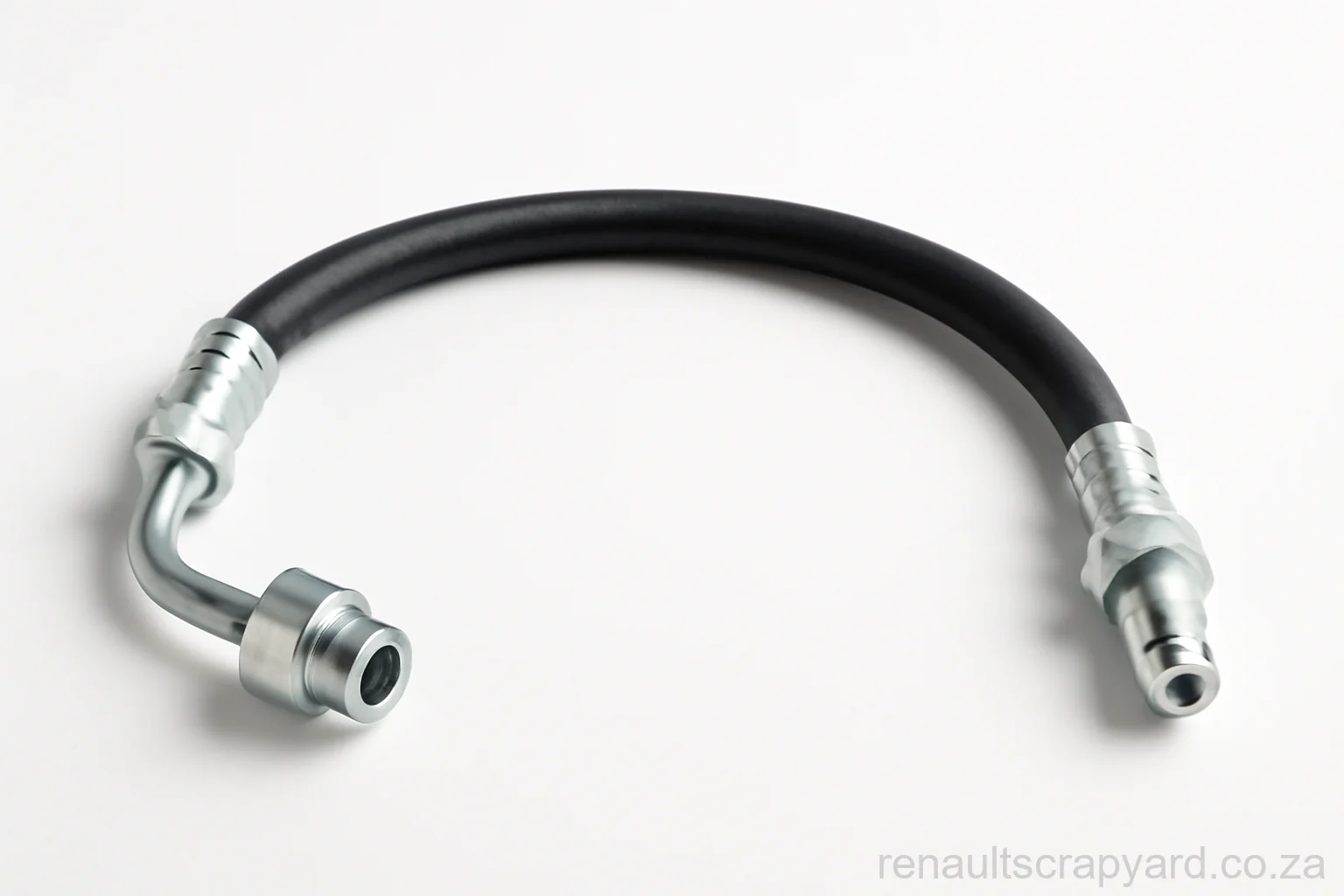
Brake Lines
Hard pipe and flexible hoses for Suzuki brake hydraulics, the parts a roadworthy test fails you on for corrosion
View brake lines →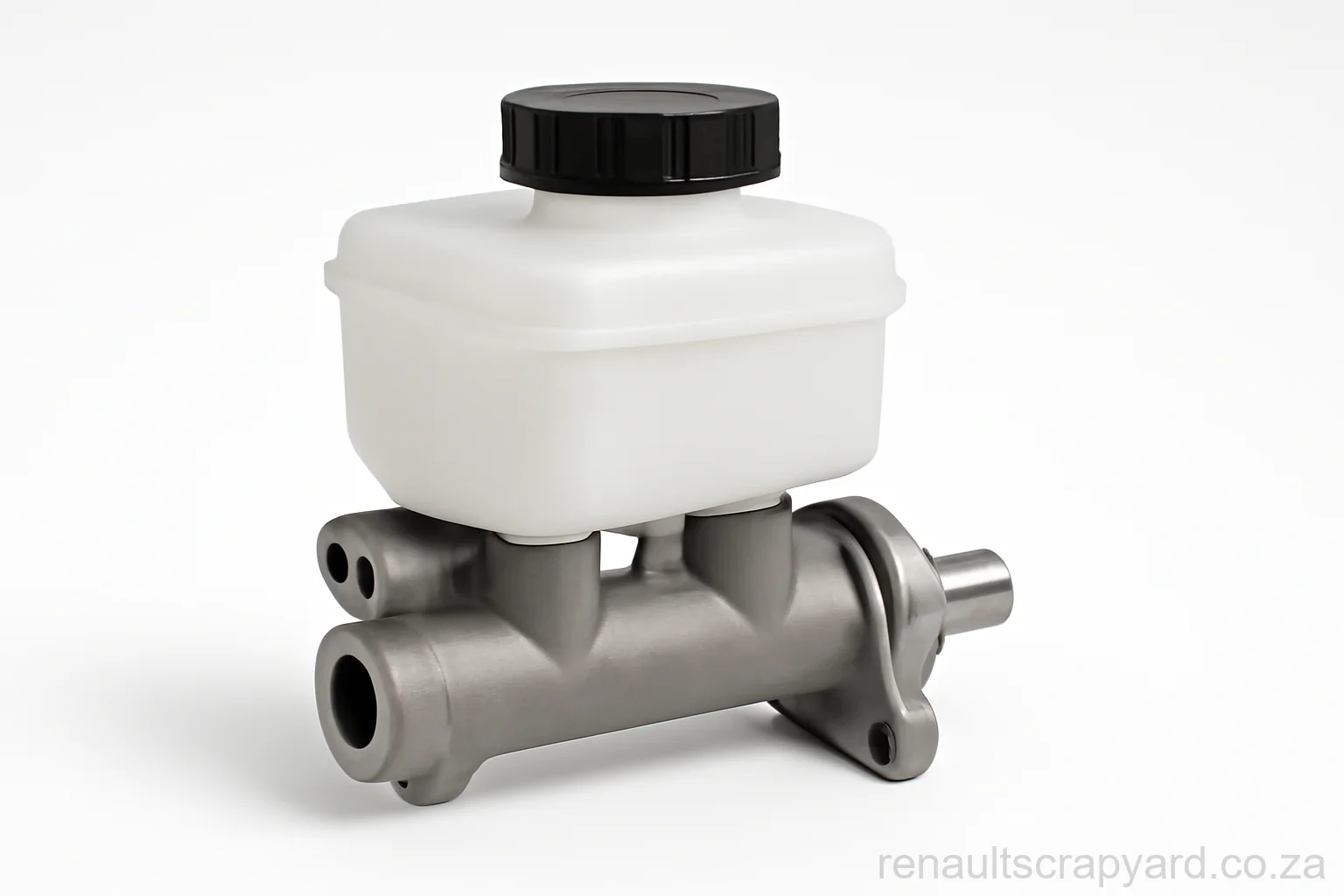
Brake Fluid
DOT 3 and DOT 4 fluid for Suzuki hydraulic systems, replaced on interval rather than only when something fails
View brake fluid →
Master Cylinder
Brake master cylinders and reservoirs for Suzuki models, the culprit when the pedal sinks with no visible leak
View master cylinder →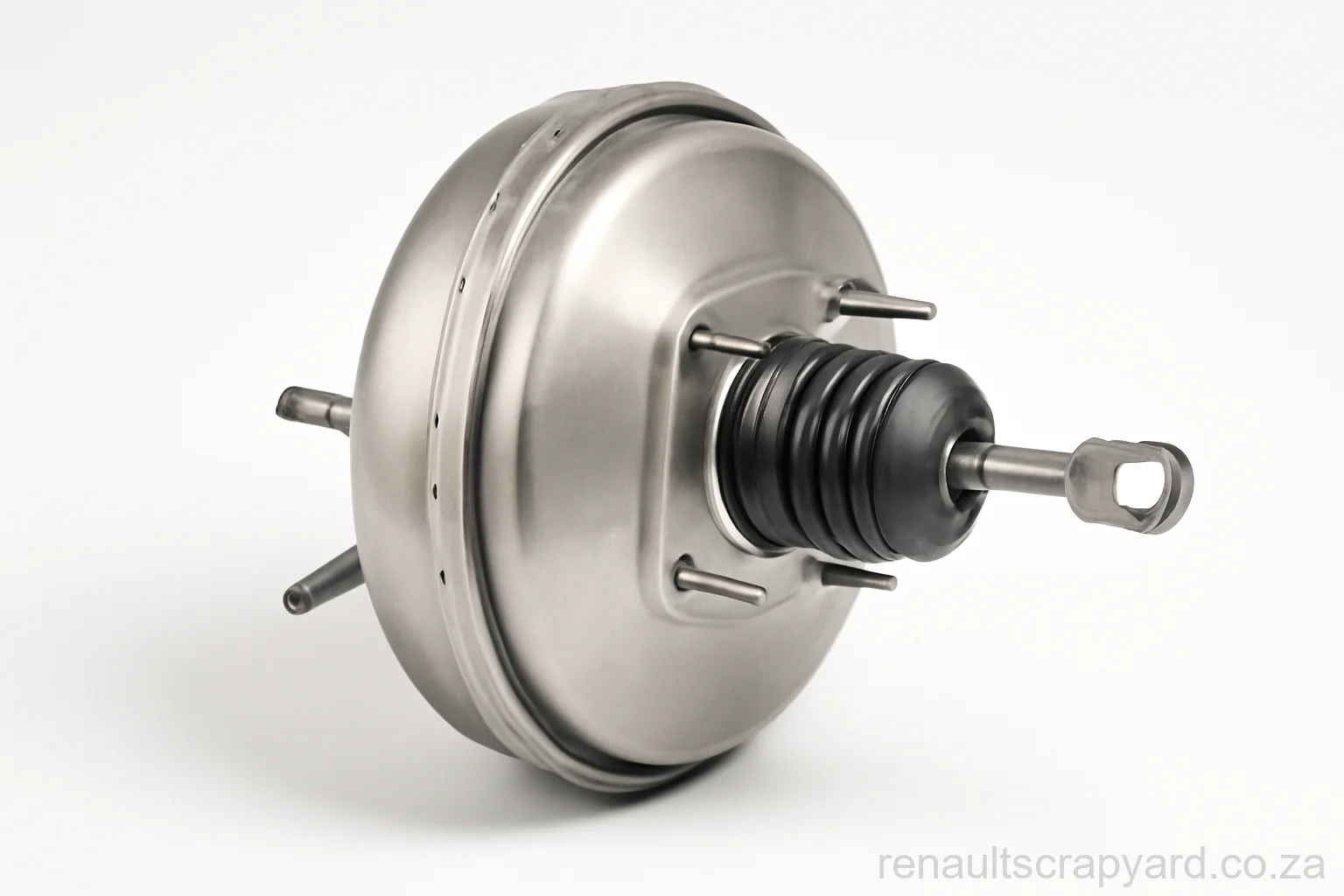
Brake Booster
Vacuum servos for Suzuki brakes, and the check valve and hose that usually fail before the booster itself does
View brake booster →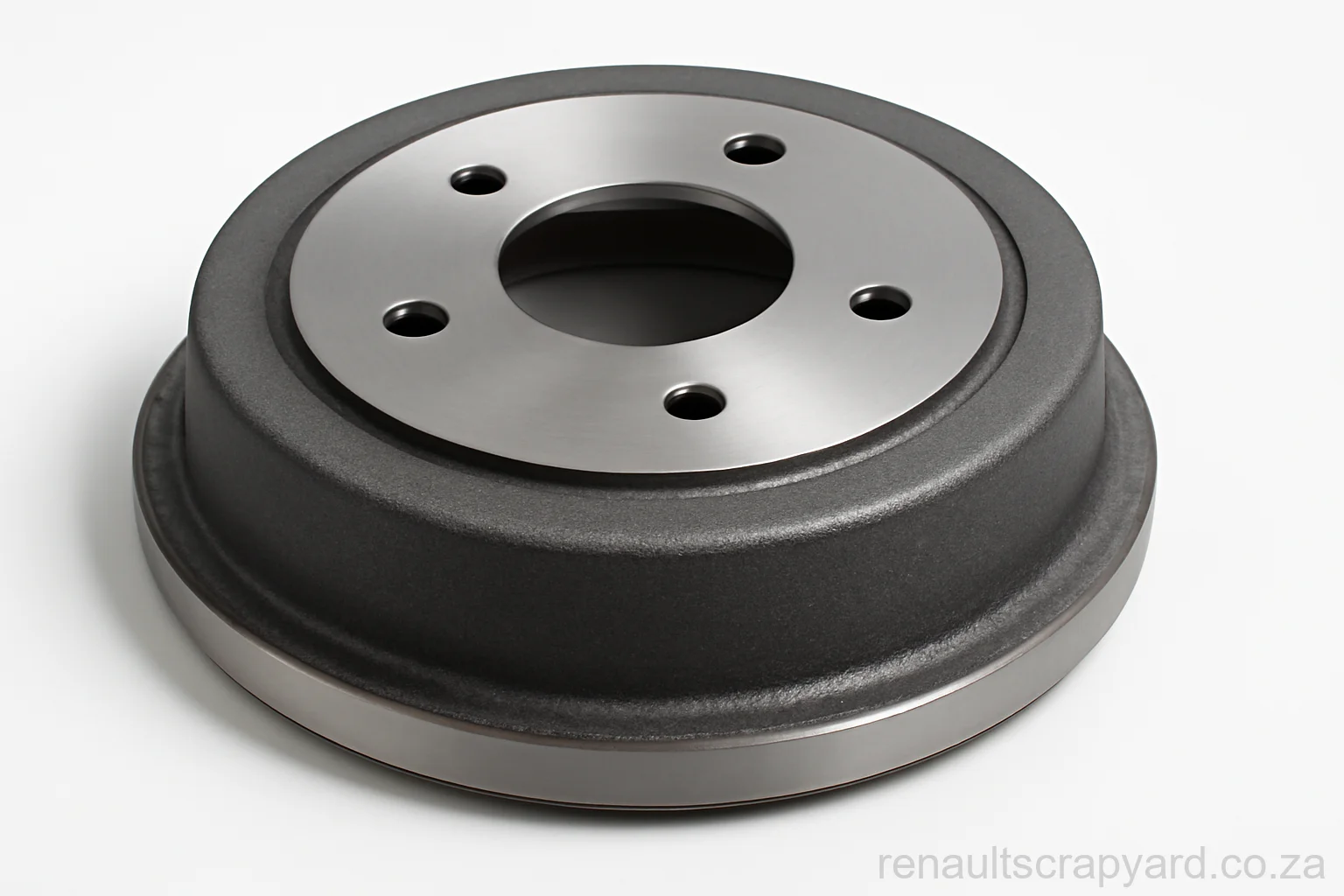
Brake Drums
Rear drums for the Suzuki models that use them — the Swift, Celerio, S-Presso and Alto among them
View brake drums →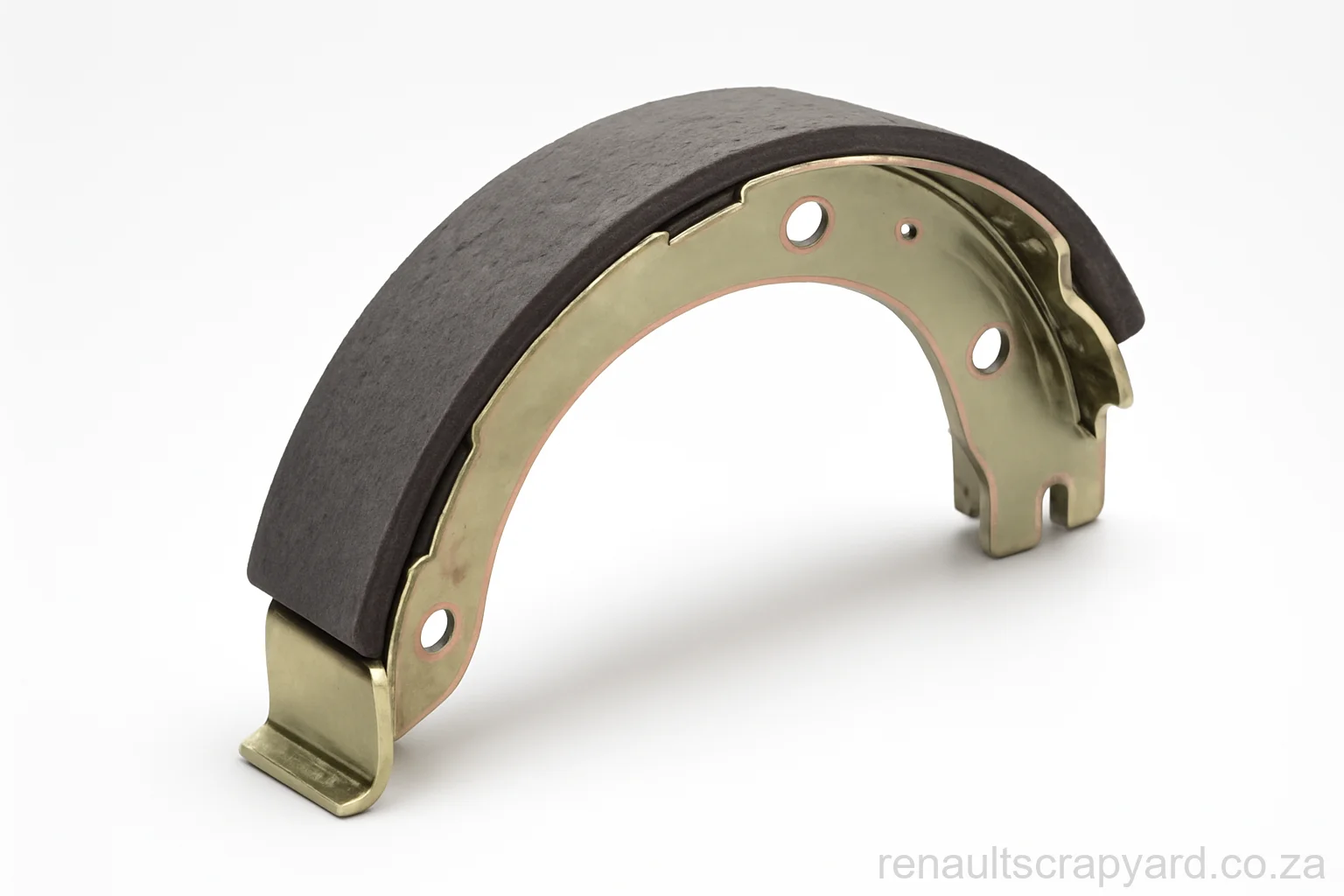
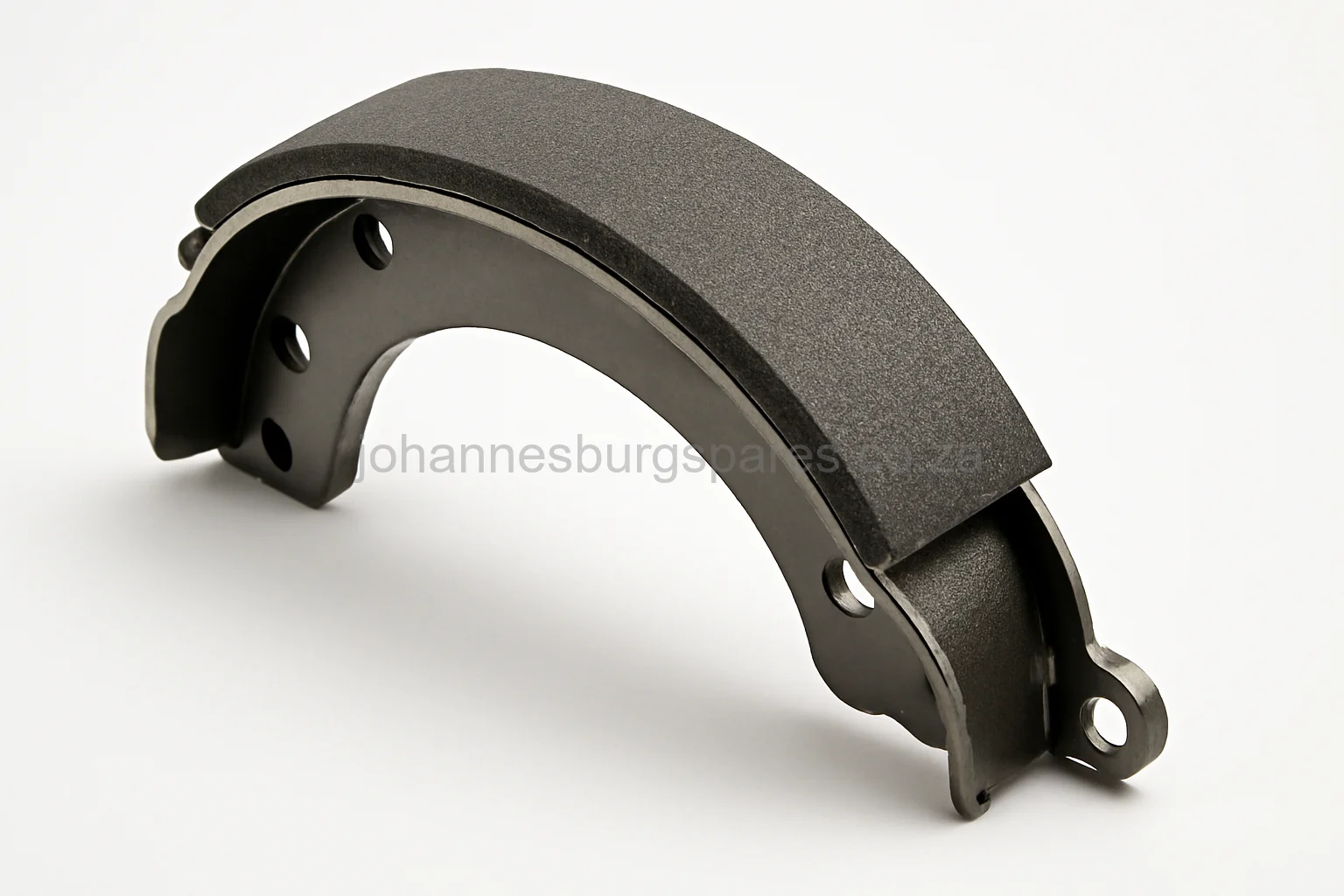
Brake Shoes
Rear shoe sets and the springs, adjusters and hold-down kits that should go on with them
View brake shoes →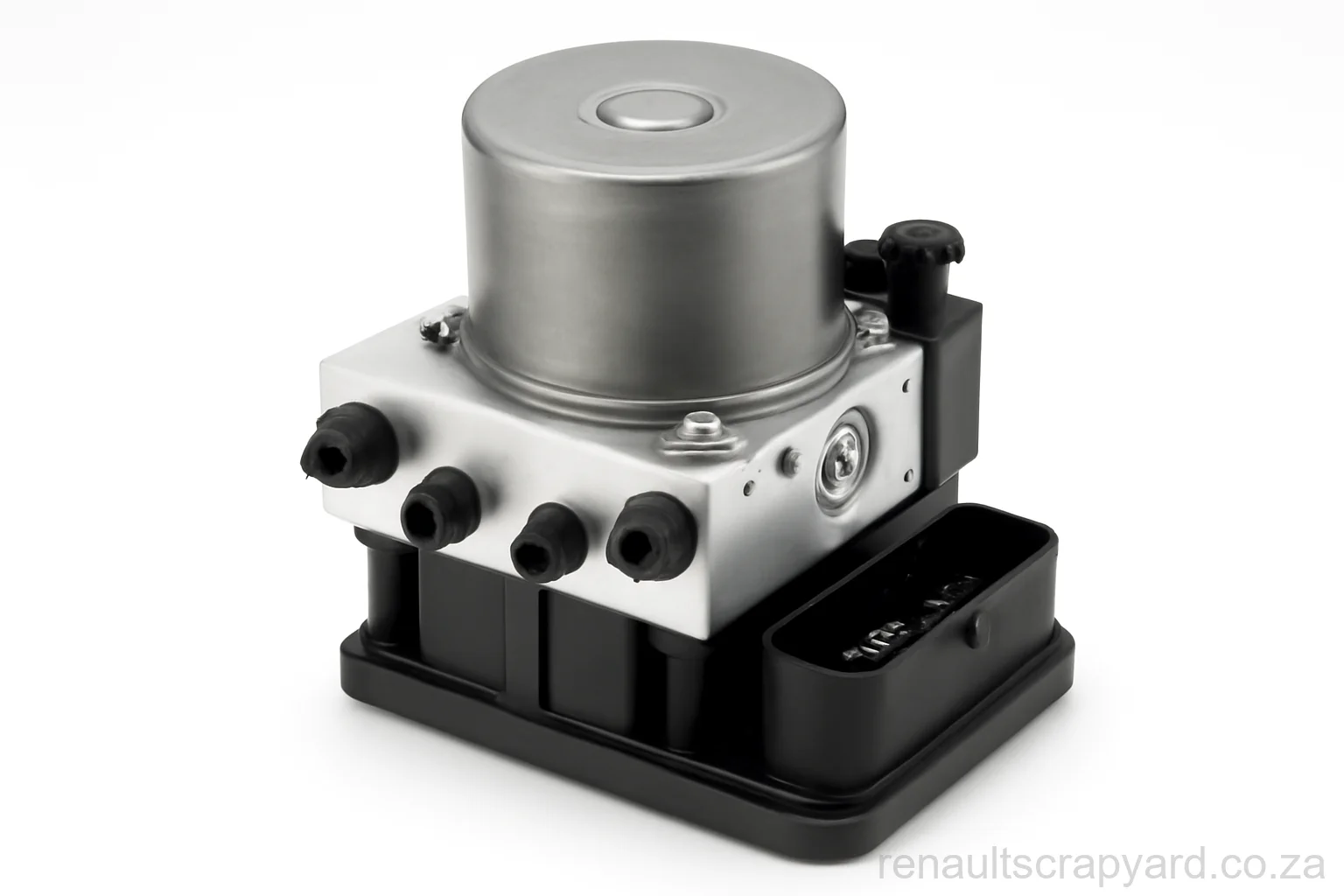
ABS Module
ABS pumps, modulators and wheel-speed sensors for Suzuki models with anti-lock brakes
View abs module →Matching brakes to your Swift
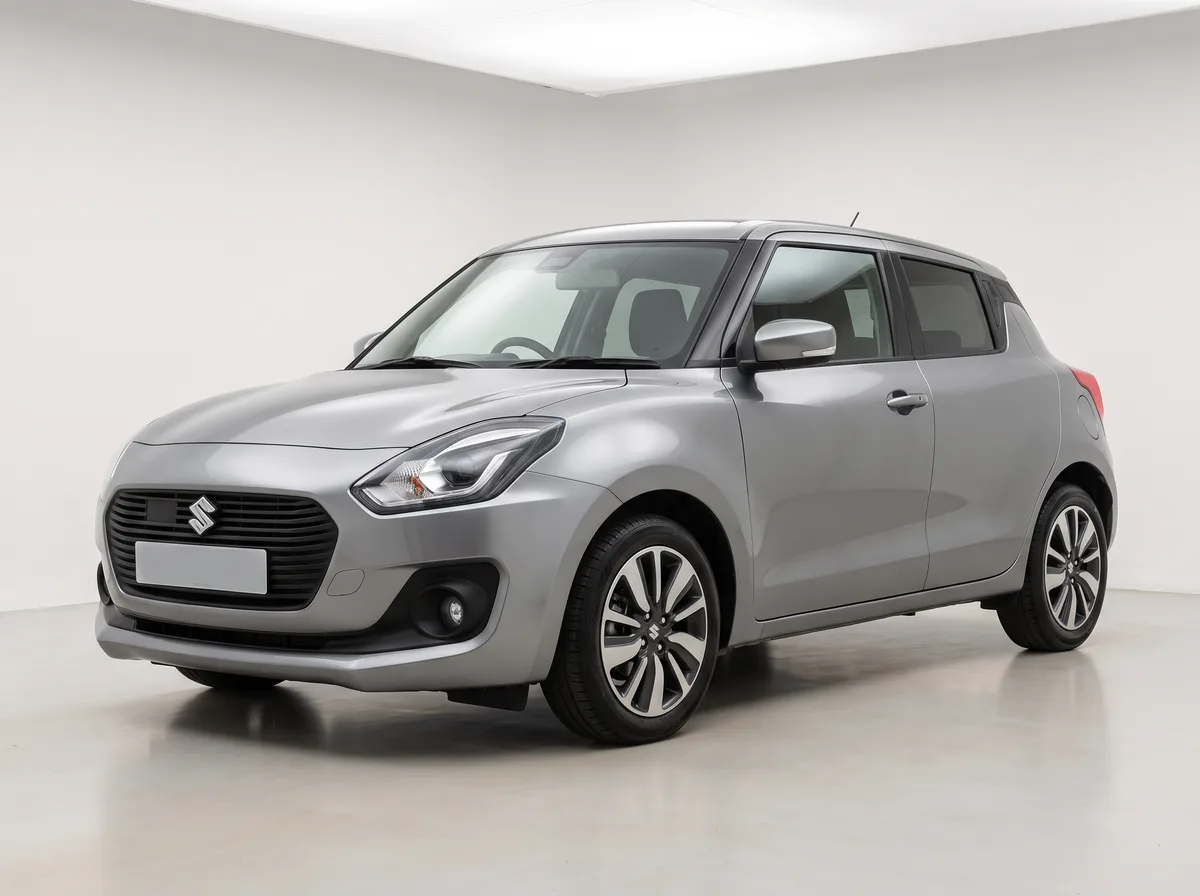
The Swift reached South Africa as the RS-series cars, then the 2011–2017 Swift, the 2018–2024 car, and the current fourth-generation model, running M13A 1.3 and M15A 1.5 (RS-series), K14B 1.4 (2011–2017), K12M 1.2 (2018–2024) and Z12E 1.2 three-cylinder (current car). Brakes fitment splits on the generation long before it splits on trim. The switch from the four-cylinder K12M to the three-cylinder Z12E in the newest Swift is the hardest break in the model's local history — nothing that bolts to the engine carries across it, so the year of manufacture settles the question before anything else does. Find your derivative below, then send the code from the VIN plate with your enquiry.
- Suzuki Swift 1.3 GLS (RS)
- Suzuki Swift 1.5 GLS (RS)
- Suzuki Swift 1.4 GL (2011-2017)
- Suzuki Swift 1.4 GLS (2011-2017)
- Suzuki Swift 1.2 GA
- Suzuki Swift 1.2 GL
- Suzuki Swift 1.2 GLX
Not sure which derivative you own? Send the VIN with your enquiry and we'll confirm compatibility before anything is dispatched.
How we pin brakes to your particular Swift
What shifts across the years
There is no single Swift for parts purposes — the RS-series cars, then the 2011–2017 Swift, the 2018–2024 car, and the current fourth-generation model have all been sold here.
The switch from the four-cylinder K12M to the three-cylinder Z12E in the newest Swift is the hardest break in the model's local history — nothing that bolts to the engine carries across it, so the year of manufacture settles the question before anything else does.
Useful to know: the Swiftthe K12M is the same unit fitted to the Dzire and the Ignis of the same period, so an engine-part hunt does not have to begin and end with Swifts.
What we check on brakes
- •The generation code — the Swift parts list splits on it
- •Which engine you have; this one was sold with M13A 1.3 and M15A 1.5 (RS-series), K14B 1.4 (2011–2017), K12M 1.2 (2018–2024) and Z12E 1.2 three-cylinder (current car)
- •The exact derivative, and whether the rear is drum or disc — a quick look through the wheel settles it
- •Where the car sits either side of its facelift
Locally, the Swift is mostly the default first car, driving-school car and city commuter in South Africa, which means an odometer reading understates how many cold starts and how much stop-start traffic the mechanical parts have actually absorbed. That is the wear pattern we source against, and it is why we ask what the car does rather than only what it is.
Suzuki Swift Brakes — questions we get asked
Does brakes fitment change across Swift generations?
It does. The Swift reached South Africa as the RS-series cars, then the 2011–2017 Swift, the 2018–2024 car, and the current fourth-generation model, and the switch from the four-cylinder K12M to the three-cylinder Z12E in the newest Swift is the hardest break in the model's local history — nothing that bolts to the engine carries across it, so the year of manufacture settles the question before anything else does — which is exactly why we pin the generation down before quoting brakes.
Which Swift engines were sold here, and does it affect brakes?
M13A 1.3 and M15A 1.5 (RS-series), K14B 1.4 (2011–2017), K12M 1.2 (2018–2024) and Z12E 1.2 three-cylinder (current car). Brakes fitment often follows the engine family rather than the nameplate, so the code on the block is worth reading before you order.
Could brakes from another model fit my Swift?
Sometimes, and it is worth knowing where: the K12M is the same unit fitted to the Dzire and the Ignis of the same period, so an engine-part hunt does not have to begin and end with Swifts. Where the hardware is genuinely shared it widens the pool we can search for brakes. We verify the overlap before offering it — we never assume it.
Do brake parts swap between Swift generations?
Not reliably, no. Four generations have been sold here and the front disc diameter, the pad shape and the caliper carrier all moved between them, with further changes at the mid-life facelifts. Rear setups vary by derivative as well, so two Swifts of the same year can want different shoes or different rear discs. Give us the VIN and we will match the exact part rather than the model name.
The Swift is a light car, so why do the front brakes still judder?
Judder felt through the pedal and the steering wheel under braking is usually uneven disc thickness or run-out at the hub rather than anything dramatic. A light car has small front discs, and small discs come up to temperature quickly on a long descent off the Highveld or in constant stop-start traffic, which is where thickness variation gets laid down. Worth checking the rears are pulling their weight too, because a seized rear caliper slide or a stuck handbrake mechanism pushes all the work forward. If the shudder only happens pulling away from cold and not under braking, that is the clutch, not the brakes.
Does my Swift have stability control, and does that change what I order?
It depends on the age. ABS with brake assist and electronic brakeforce distribution has been standard on the recent cars, but the 2018-generation Swift only gained an electronic stability programme at its 2021 facelift, so a pre-facelift car of that shape does not have it. That matters for brake work because the hydraulic modulator, the wheel-speed sensors and sometimes the hub that carries the sensor ring differ between the two. Send your VIN and the year through the quote form so we quote against the right system.
More general brakes questions, plus the part explainer and outside reading, are on the Brakes page for the whole Suzuki range .
Related categories for the Swift
Swift Brakes — quoted against your derivative
Send us the exact derivative, and whether the rear is drum or disc — a quick look through the wheel settles it and we'll confirm the right brakes for your Swift before we quote a price.