




Cooling for the Suzuki Swift
Which derivative it is, whether the engine is turbocharged, and whether it has already run hot — that is what turns a cooling enquiry into Suzuki Swift second-hand parts, matched to your car
Used, aftermarket and reconditioned parts. Not supplied by Suzuki Auto South Africa.
Before you send the Swift enquiry
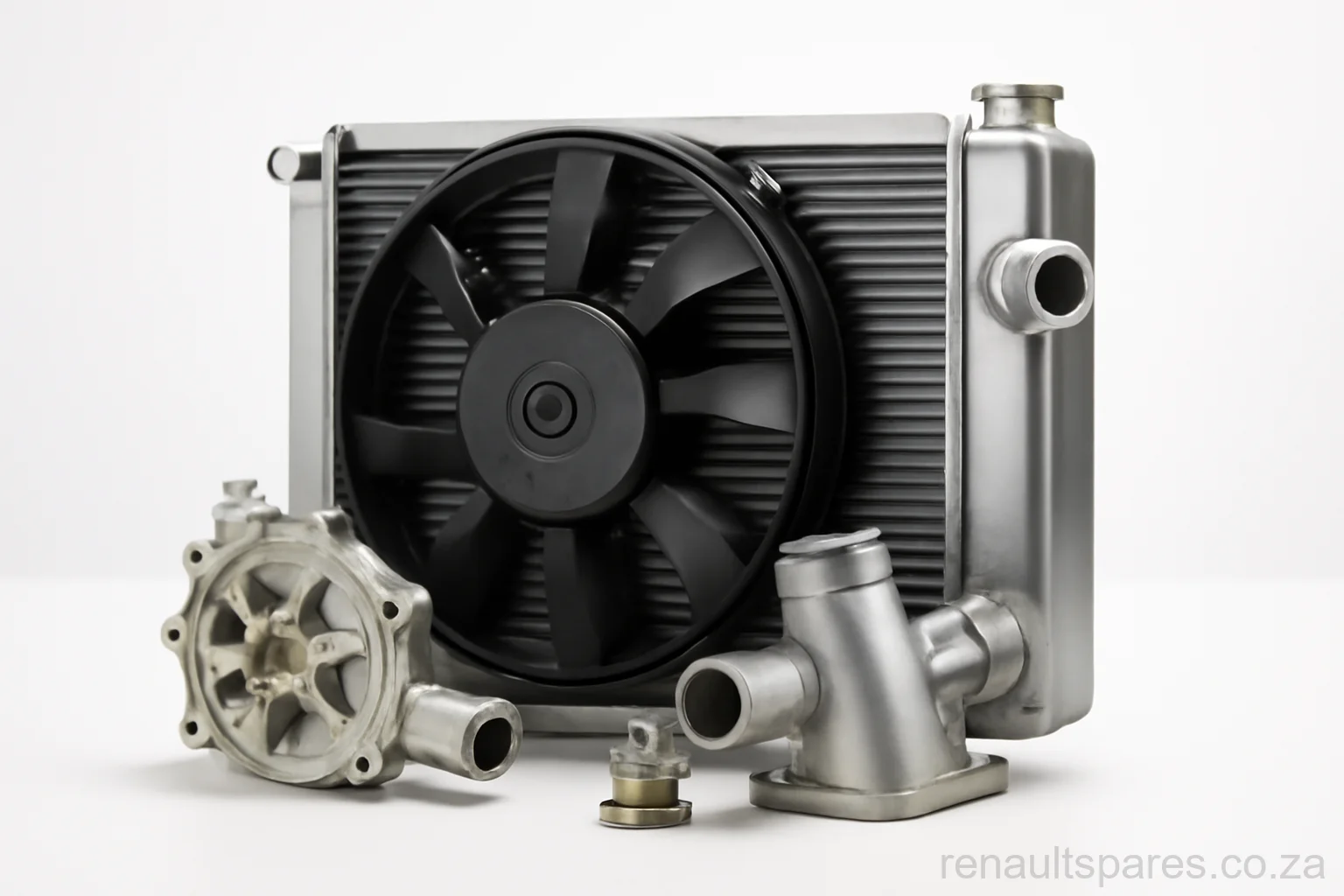
Suzuki's small engines run compact cooling packs with little margin, and South African summer traffic is exactly the condition they have least of it in. Where a nameplate spans a naturally aspirated and a turbocharged derivative — the Vitara being the obvious case — the turbo car carries additional charge-air hardware that the 1.6 simply does not have.
The decision in front of you is usually whether swapping the one component that let go is enough, or whether the rest of the system has already been cooked alongside it. To get you a straight answer on it we need which derivative it is, whether the engine is turbocharged, and whether it has already run hot.
The car
Suzuki Swift, year of manufacture, and the derivative if you know it.
The code
VIN or registration number. A photo of the licence disc works just as well.
The problem
What has failed, or what you need replaced. A photo helps for anything cosmetic.
Narrow down cooling for the Swift
Which derivative it is, whether the engine is turbocharged, and whether it has already run hot will settle most of these. Pick the component and we'll confirm the rest.

Radiators
Radiators for Suzuki models, with the plastic end tanks and seams that crack with age
View radiators →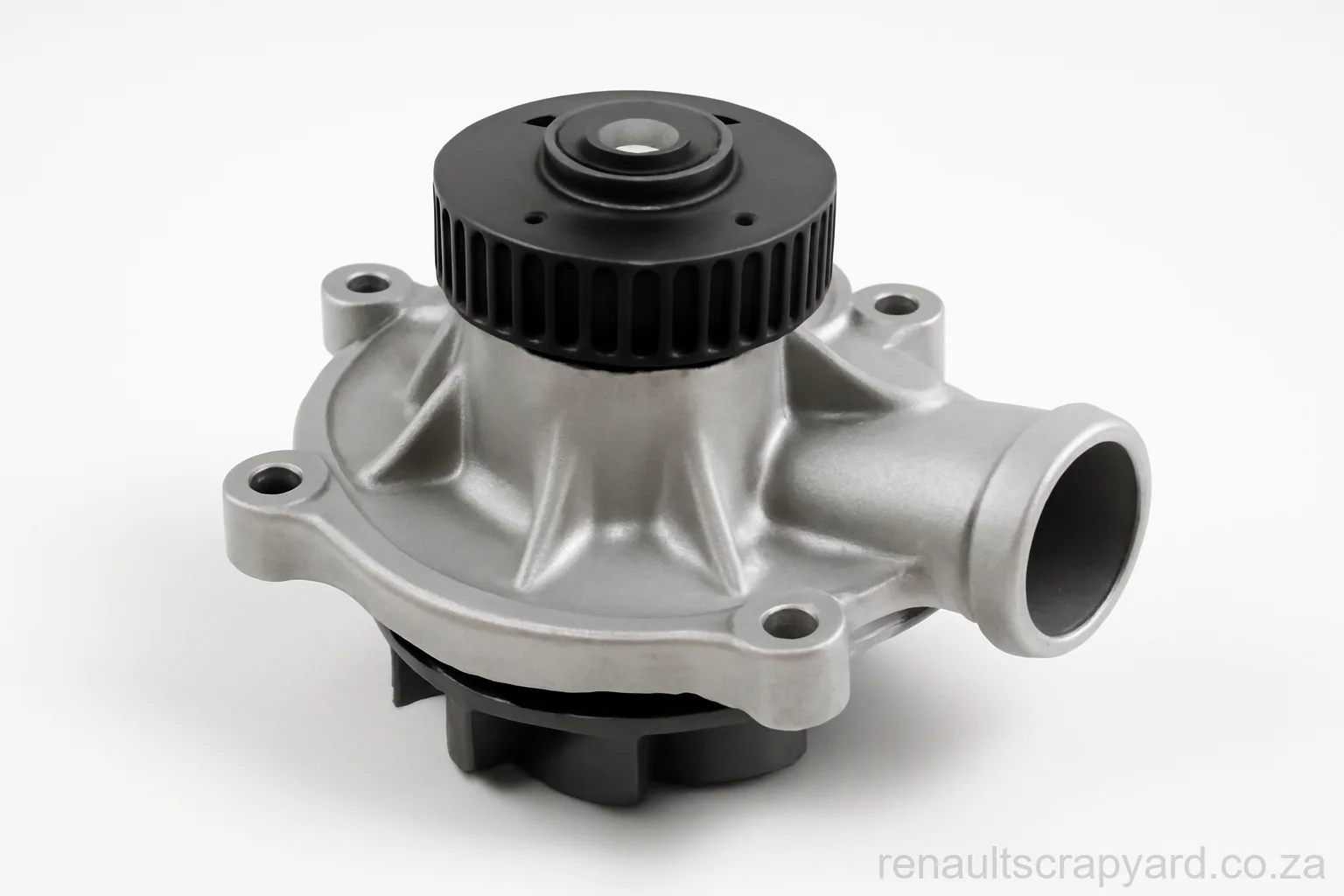
Water Pumps
Water pumps for Suzuki petrol engines, with the gasket or O-ring that must go on with them
View water pumps →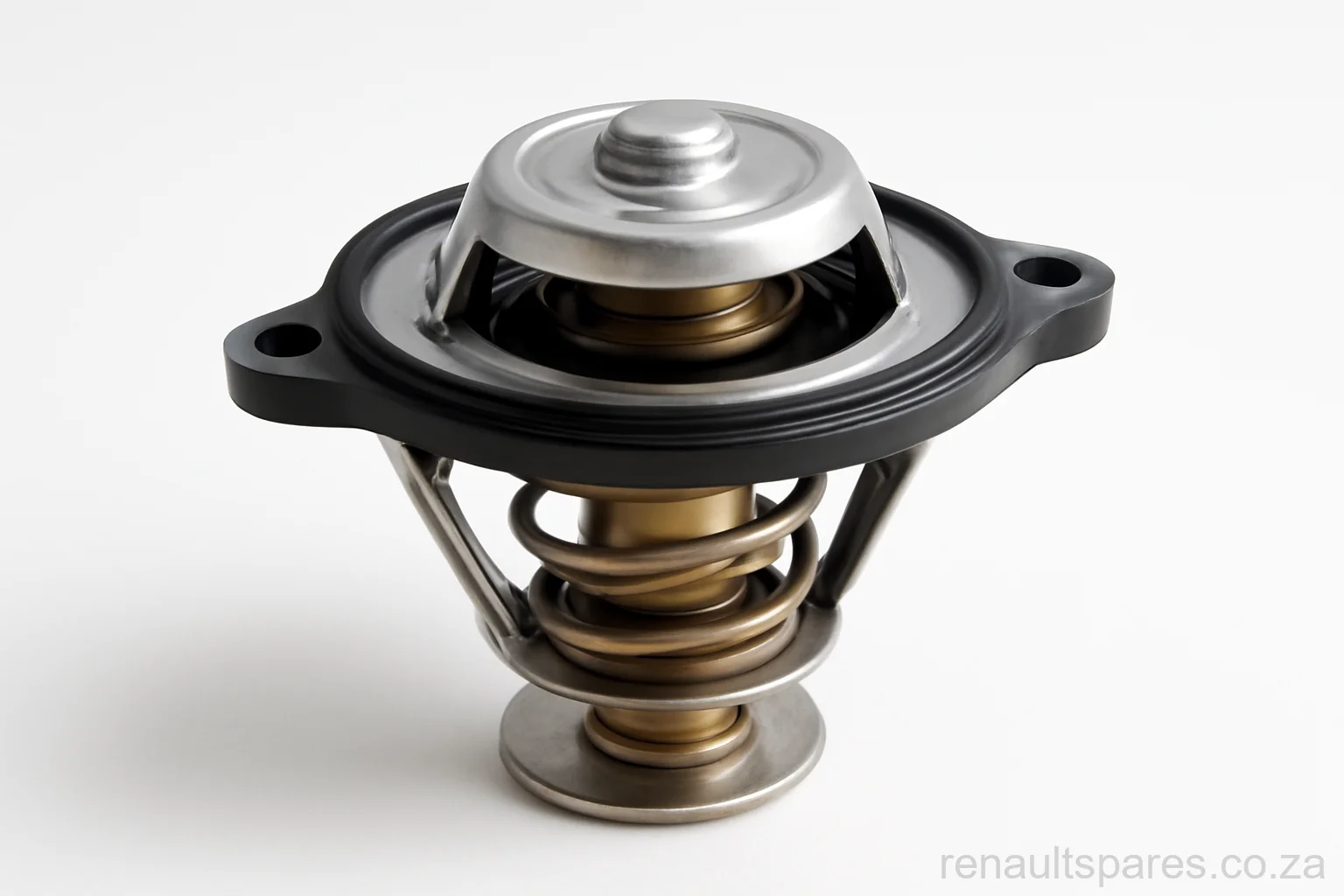
Thermostats
Thermostats and housings for Suzuki engines, including the plastic housings that warp and weep
View thermostats →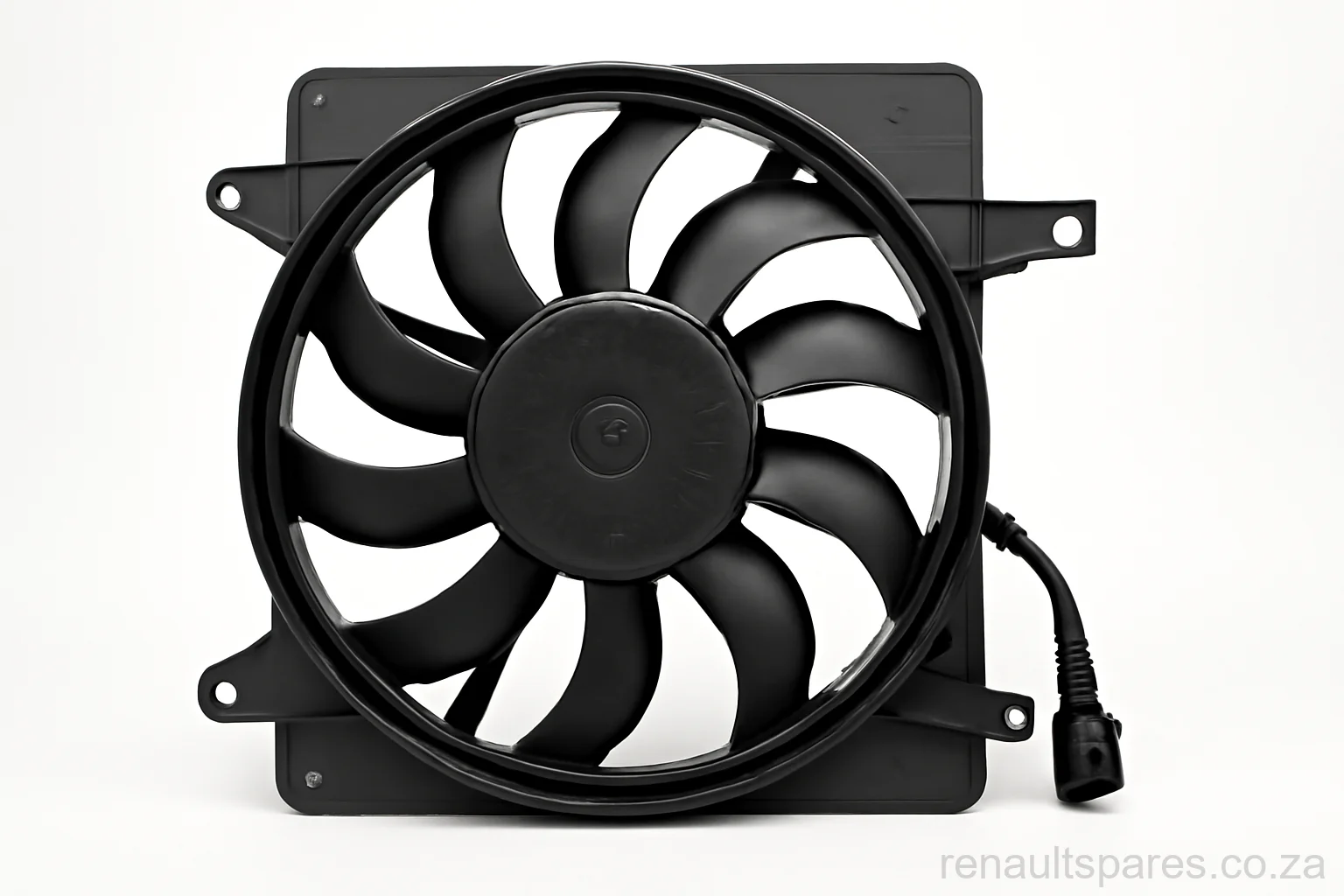
Cooling Fans
Electric fan assemblies, motors and resistor packs for Suzuki models
View cooling fans →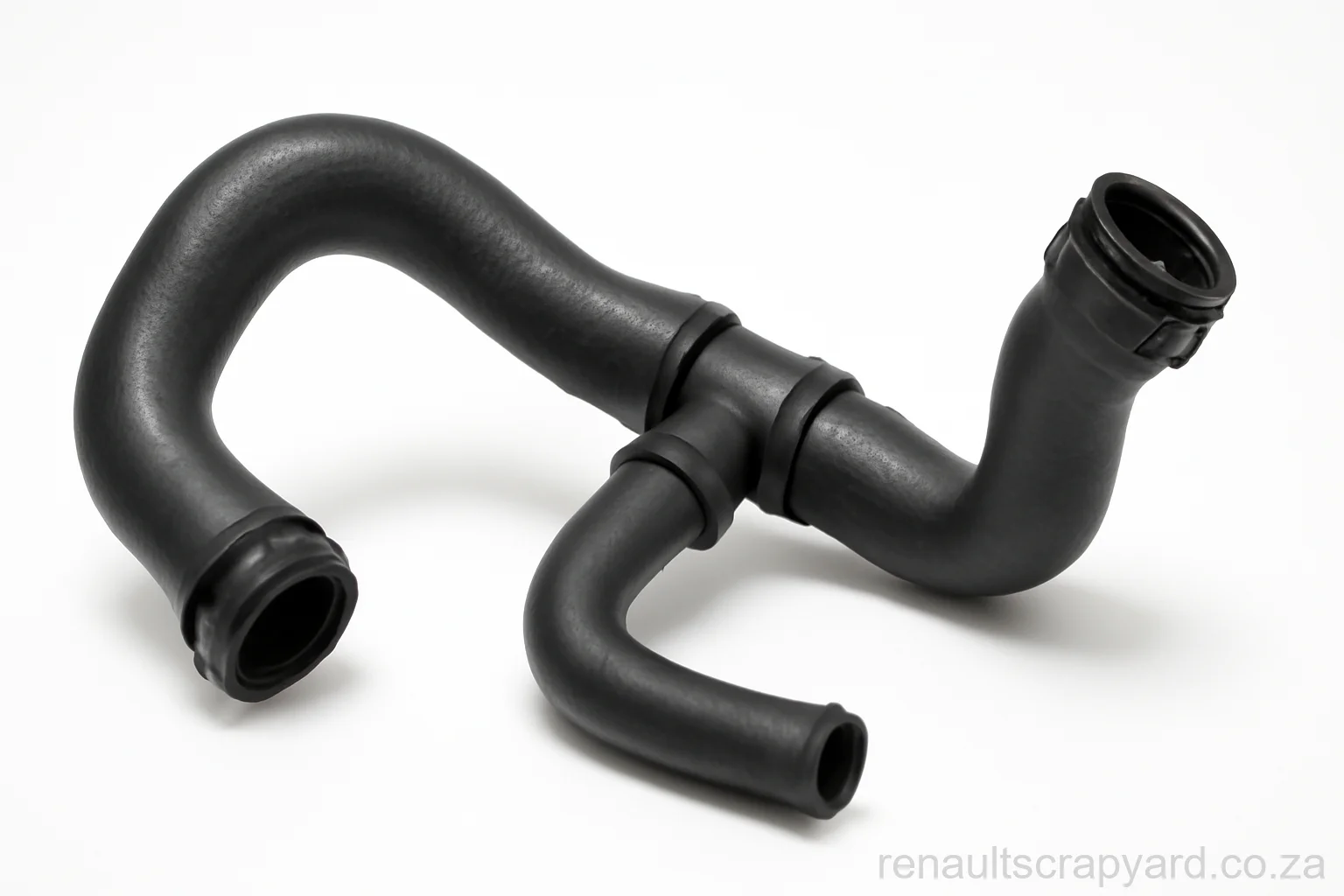
Radiator Hoses
Top, bottom and bypass hoses for Suzuki cooling systems
View radiator hoses →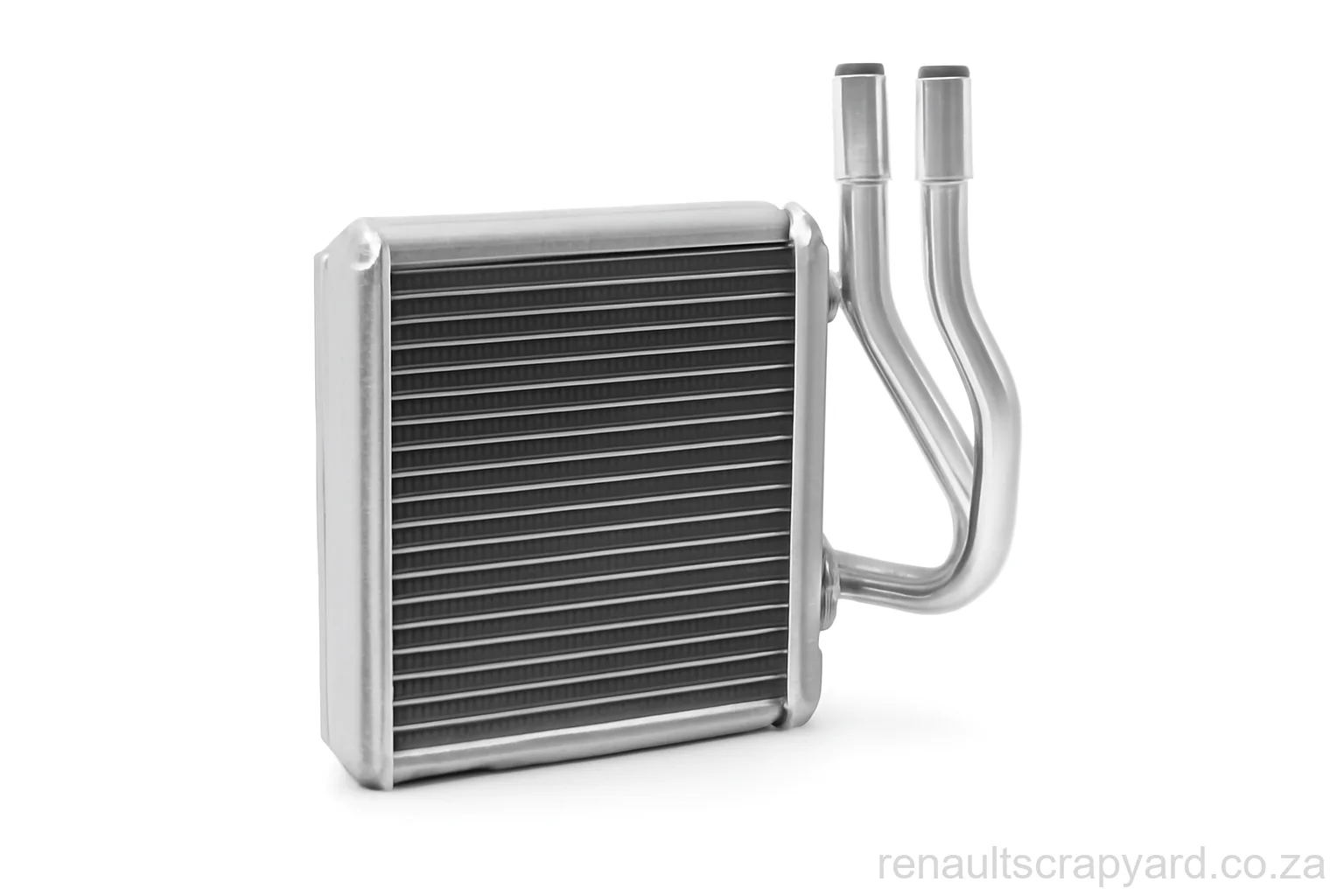
Heater Cores
Heater matrices for Suzuki cabins, the leak behind a sweet smell and a misted windscreen
View heater cores →
Coolant Reservoirs
Expansion bottles, caps and level sensors for Suzuki cooling systems
View coolant reservoirs →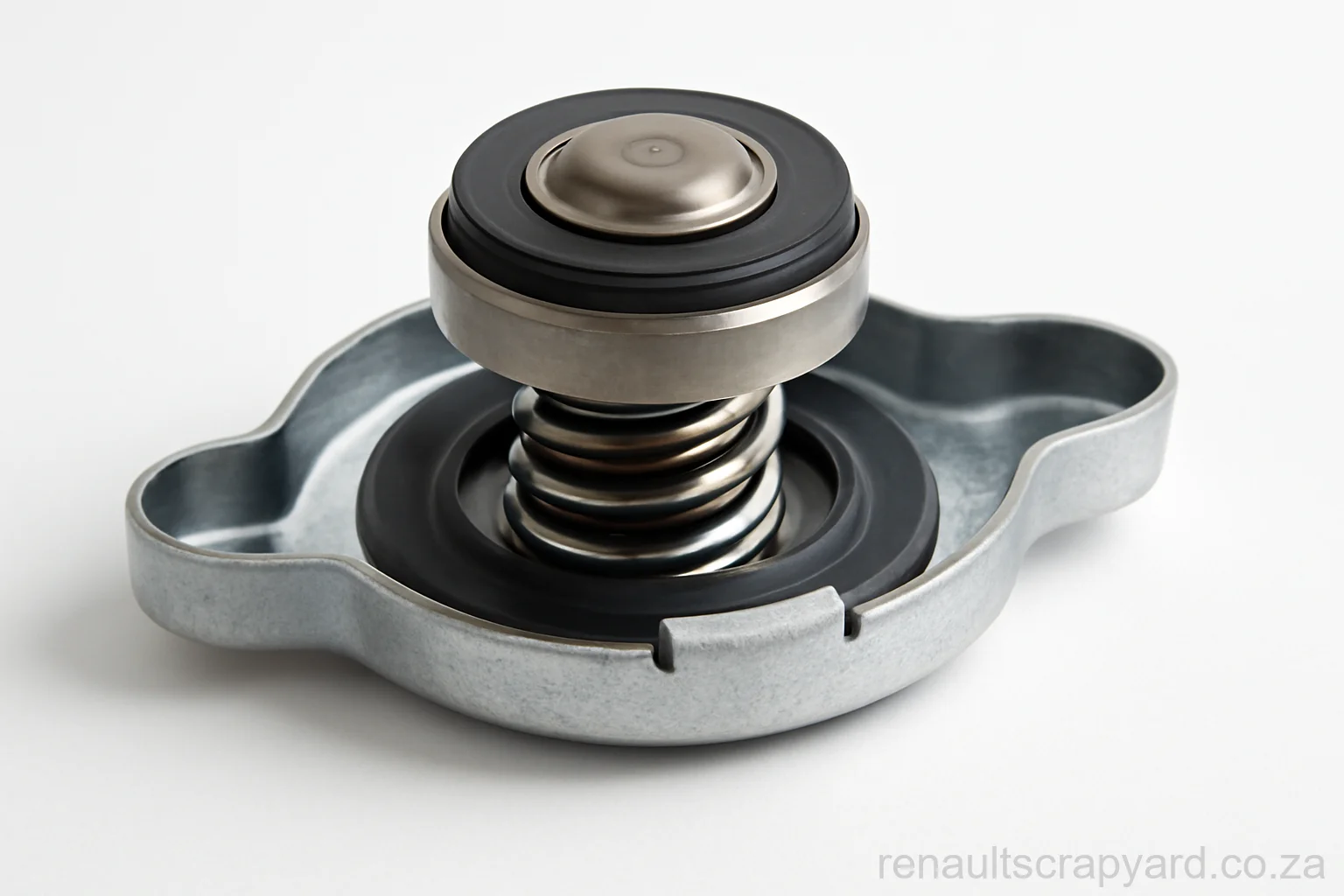
Radiator Caps
Pressure caps in the correct rating for Suzuki cooling systems
View radiator caps →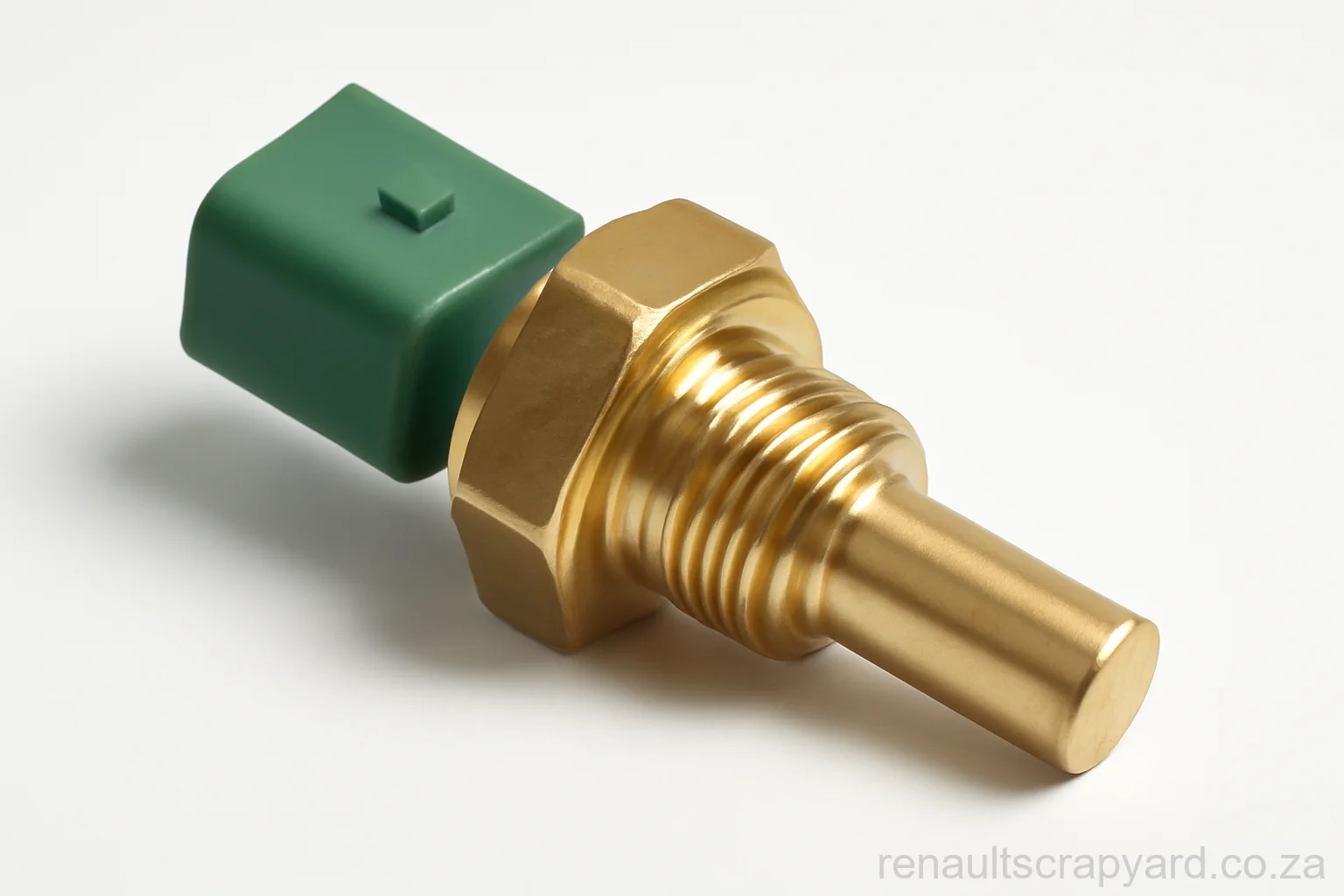
Temperature Sensors
Coolant temperature sensors and fan switches for Suzuki engines
View temperature sensors →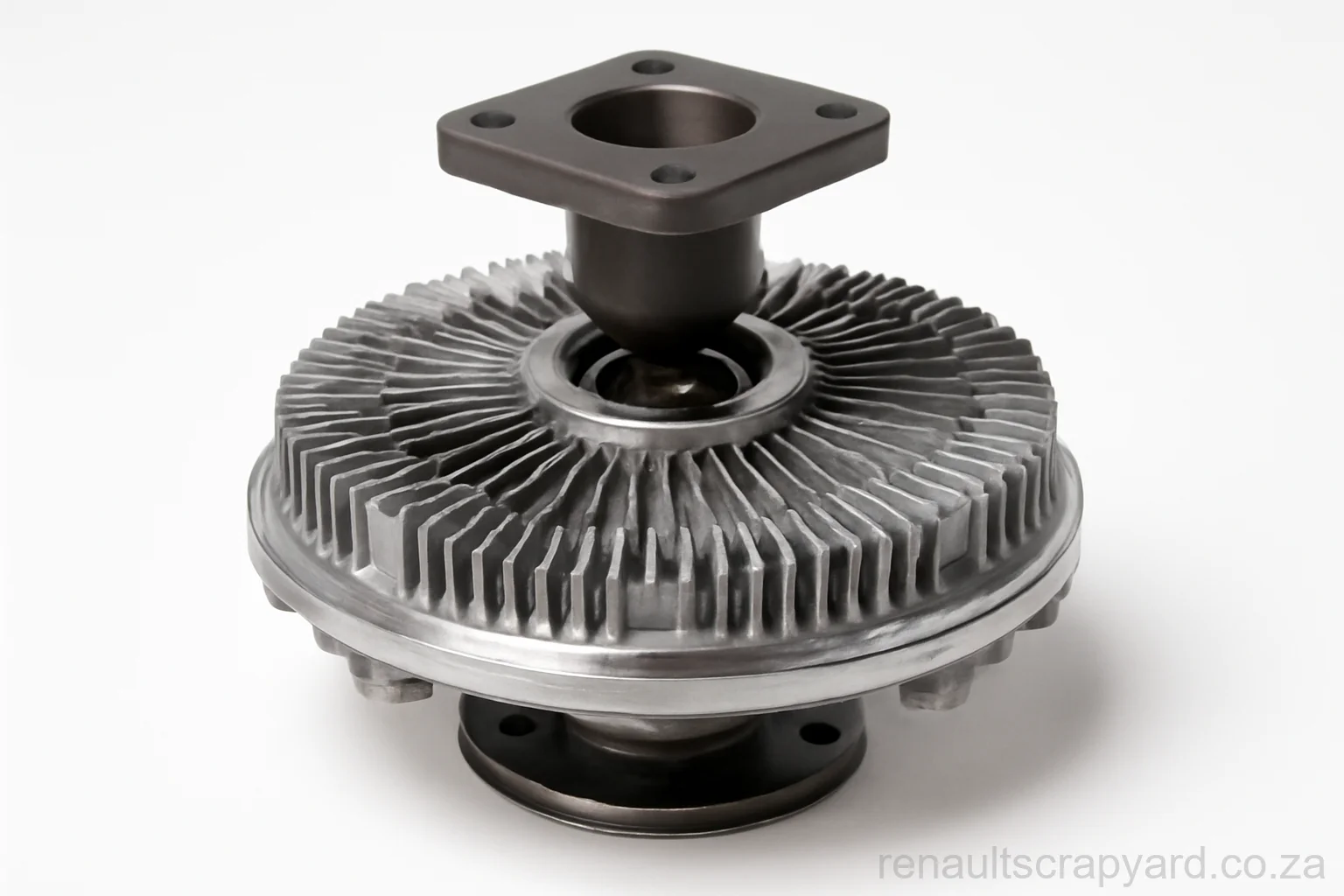
Fan Clutches
Viscous fan couplings for the belt-driven Suzuki cooling fans, as fitted to the Jimny and older Vitara
View fan clutches →Sorting the derivative out first
The Swift reached South Africa as the RS-series cars, then the 2011–2017 Swift, the 2018–2024 car, and the current fourth-generation model, running M13A 1.3 and M15A 1.5 (RS-series), K14B 1.4 (2011–2017), K12M 1.2 (2018–2024) and Z12E 1.2 three-cylinder (current car). Cooling fitment splits on the generation long before it splits on trim. The switch from the four-cylinder K12M to the three-cylinder Z12E in the newest Swift is the hardest break in the model's local history — nothing that bolts to the engine carries across it, so the year of manufacture settles the question before anything else does. Find your derivative below, then send the code from the VIN plate with your enquiry.
- Suzuki Swift 1.3 GLS (RS)
- Suzuki Swift 1.5 GLS (RS)
- Suzuki Swift 1.4 GL (2011-2017)
- Suzuki Swift 1.4 GLS (2011-2017)
- Suzuki Swift 1.2 GA
- Suzuki Swift 1.2 GL
- Suzuki Swift 1.2 GLX
Not sure which derivative you own? Send the VIN with your enquiry and we'll confirm compatibility before anything is dispatched.
Swift Cooling: the things that actually decide fitment
What shifts across the years
Owners are often caught out by how much rides on the generation code, and the Swift ran the RS-series cars, then the 2011–2017 Swift, the 2018–2024 car, and the current fourth-generation model here.
The switch from the four-cylinder K12M to the three-cylinder Z12E in the newest Swift is the hardest break in the model's local history — nothing that bolts to the engine carries across it, so the year of manufacture settles the question before anything else does.
Useful to know: the Swiftthe K12M is the same unit fitted to the Dzire and the Ignis of the same period, so an engine-part hunt does not have to begin and end with Swifts.
What we check on cooling
- •The generation code — the Swift parts list splits on it
- •Which engine you have; this one was sold with M13A 1.3 and M15A 1.5 (RS-series), K14B 1.4 (2011–2017), K12M 1.2 (2018–2024) and Z12E 1.2 three-cylinder (current car)
- •Which derivative it is, whether the engine is turbocharged, and whether it has already run hot
- •Where the car sits either side of its facelift
Locally, the Swift is mostly the default first car, driving-school car and city commuter in South Africa, which means an odometer reading understates how many cold starts and how much stop-start traffic the mechanical parts have actually absorbed. That is the wear pattern we source against, and it is why we ask what the car does rather than only what it is.
Suzuki Swift Cooling — questions we get asked
Does cooling fitment change across Swift generations?
It does. The Swift reached South Africa as the RS-series cars, then the 2011–2017 Swift, the 2018–2024 car, and the current fourth-generation model, and the switch from the four-cylinder K12M to the three-cylinder Z12E in the newest Swift is the hardest break in the model's local history — nothing that bolts to the engine carries across it, so the year of manufacture settles the question before anything else does — which is exactly why we pin the generation down before quoting cooling.
Which Swift engines were sold here, and does it affect cooling?
M13A 1.3 and M15A 1.5 (RS-series), K14B 1.4 (2011–2017), K12M 1.2 (2018–2024) and Z12E 1.2 three-cylinder (current car). Cooling fitment often follows the engine family rather than the nameplate, so the code on the block is worth reading before you order.
Could cooling from another model fit my Swift?
It can. The K12M is the same unit fitted to the Dzire and the Ignis of the same period, so an engine-part hunt does not have to begin and end with Swifts. That gives us somewhere else to look when cooling is slow to turn up under the Swift name, though we still confirm the match against your VIN first.
For the general side of cooling — what it does, the symptoms of a failure, and what to look at before you buy — see the Cooling page for the whole Suzuki range .
Related categories for the Swift
Swift Cooling — quoted against your derivative
Send us which derivative it is, whether the engine is turbocharged, and whether it has already run hot and we'll confirm the right cooling for your Swift before we quote a price.