
Brake Calipers for Suzuki Vehicles
Used, aftermarket and reconditioned parts. Not supplied by Suzuki Auto South Africa.

Part of our full range of Suzuki brakes .
Suzuki Brake Calipers by model
Pick your Suzuki and the next page will tell you exactly what we need to know before quoting.
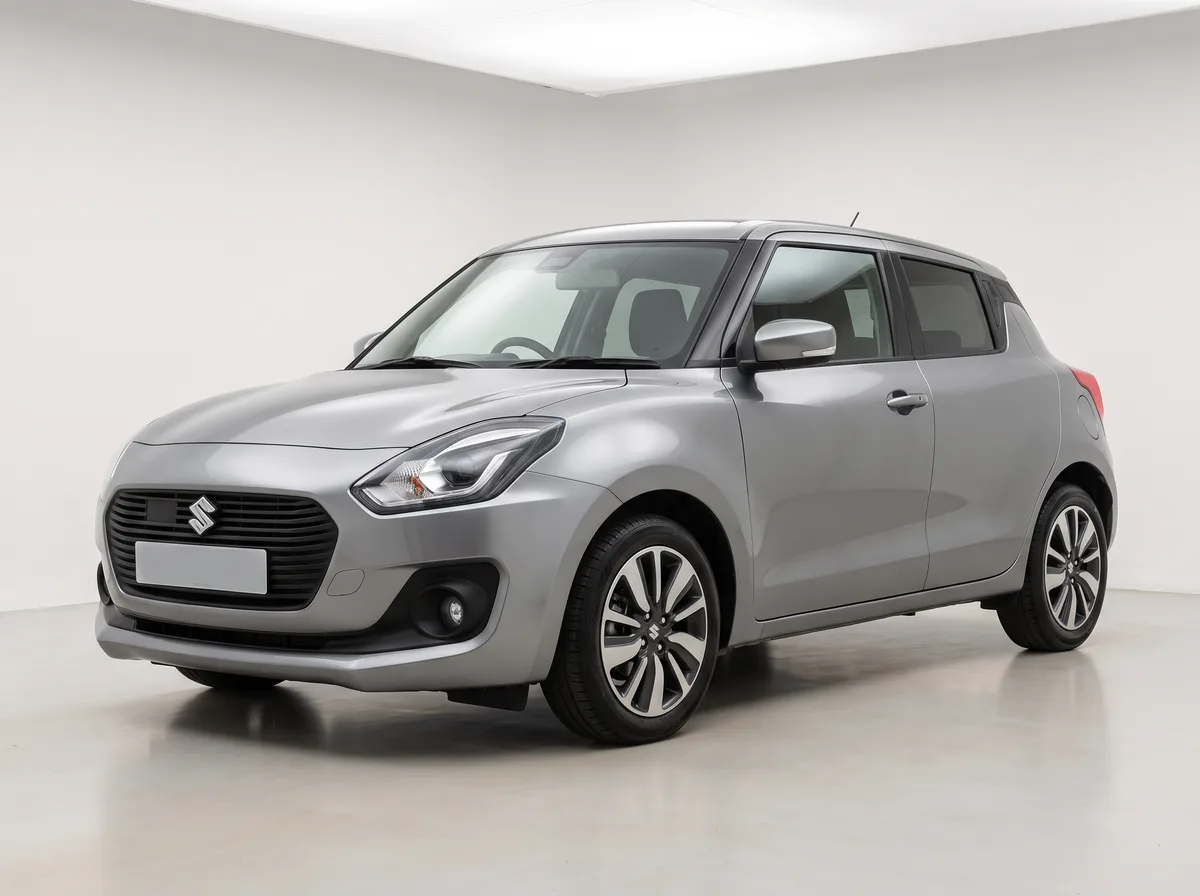
Suzuki Swift
hatchback
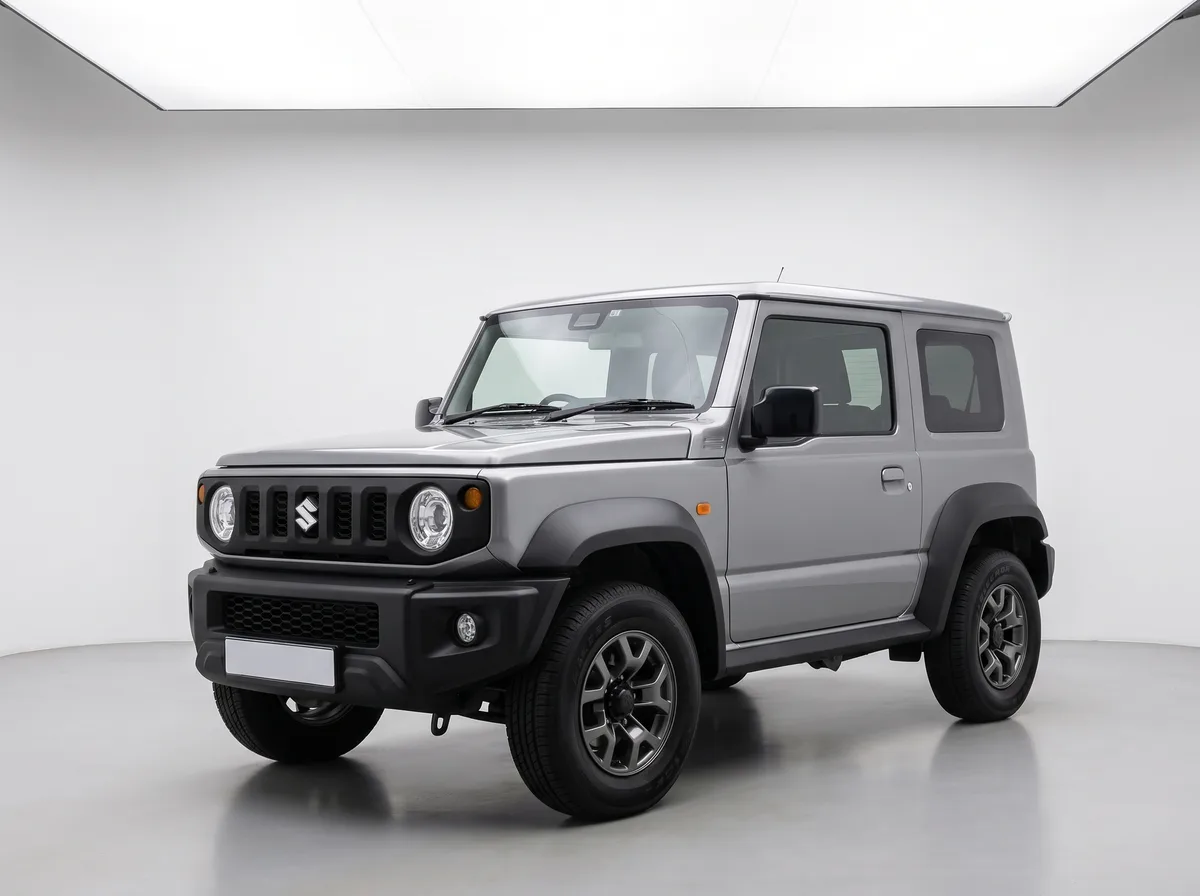
Suzuki Jimny
suv
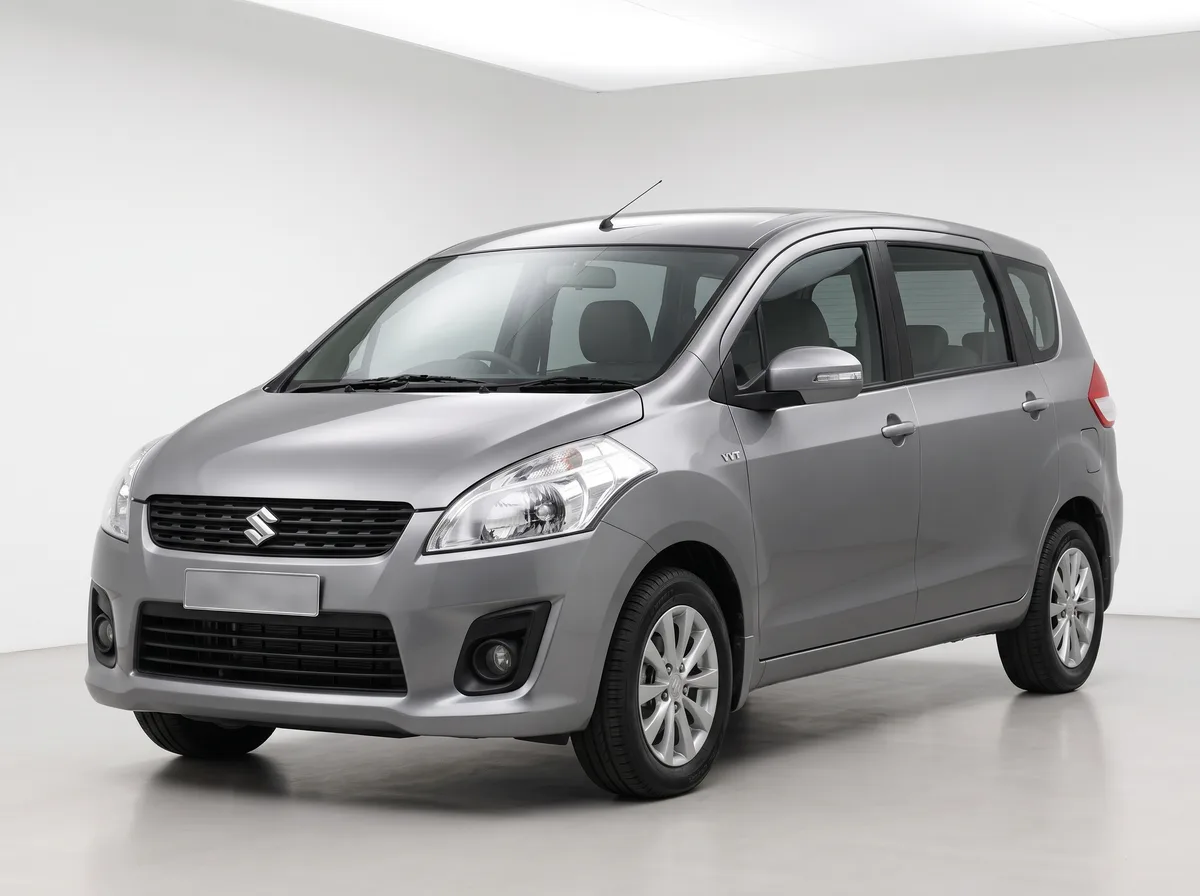
Suzuki Ertiga
mpv
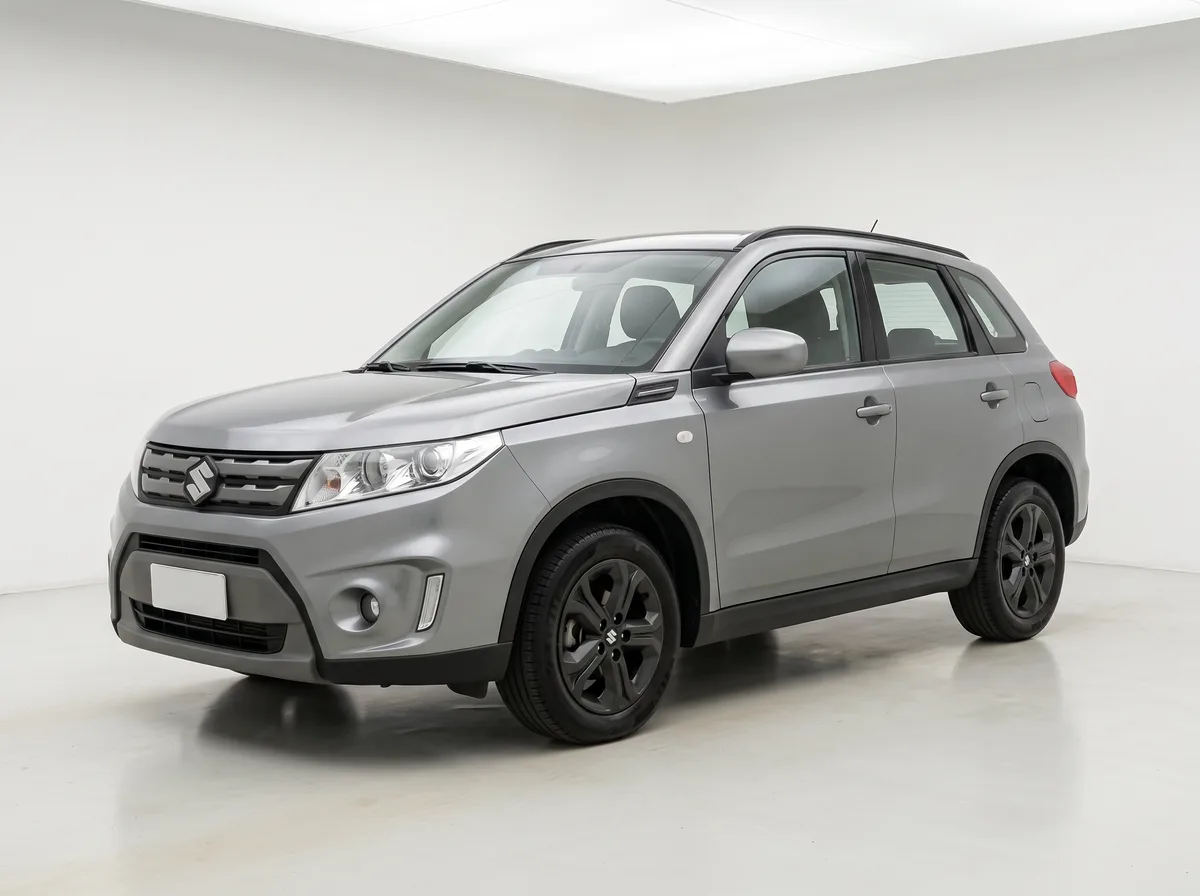
Suzuki Vitara
crossover
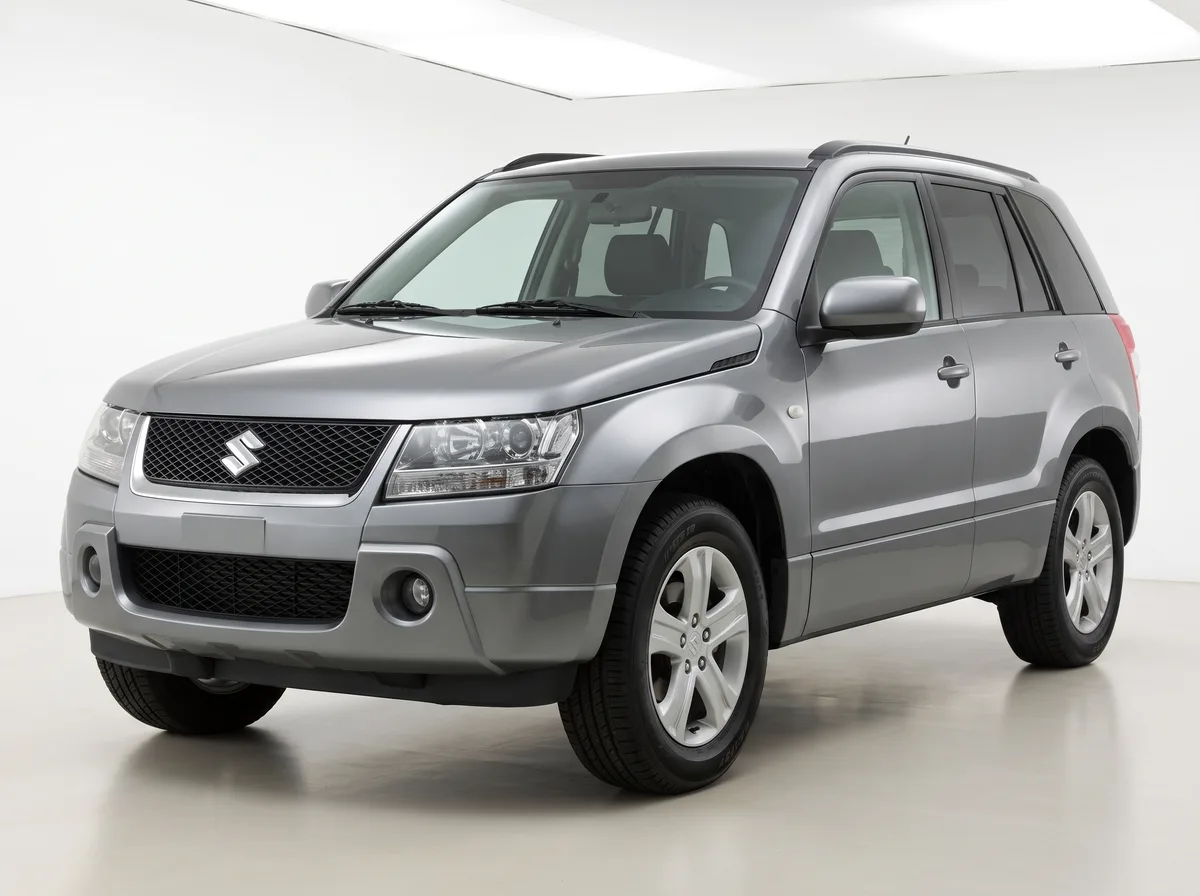
Suzuki Grand Vitara
suv
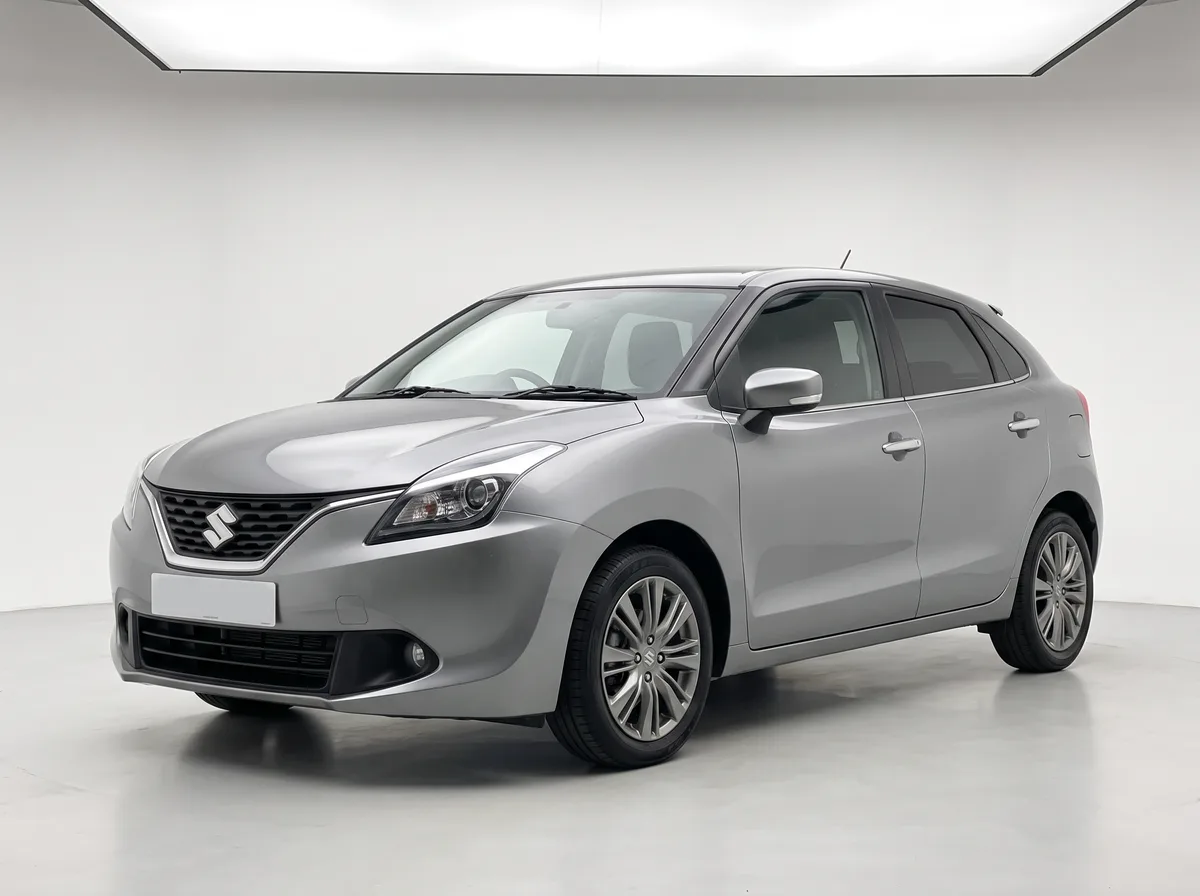
Suzuki Baleno
hatchback
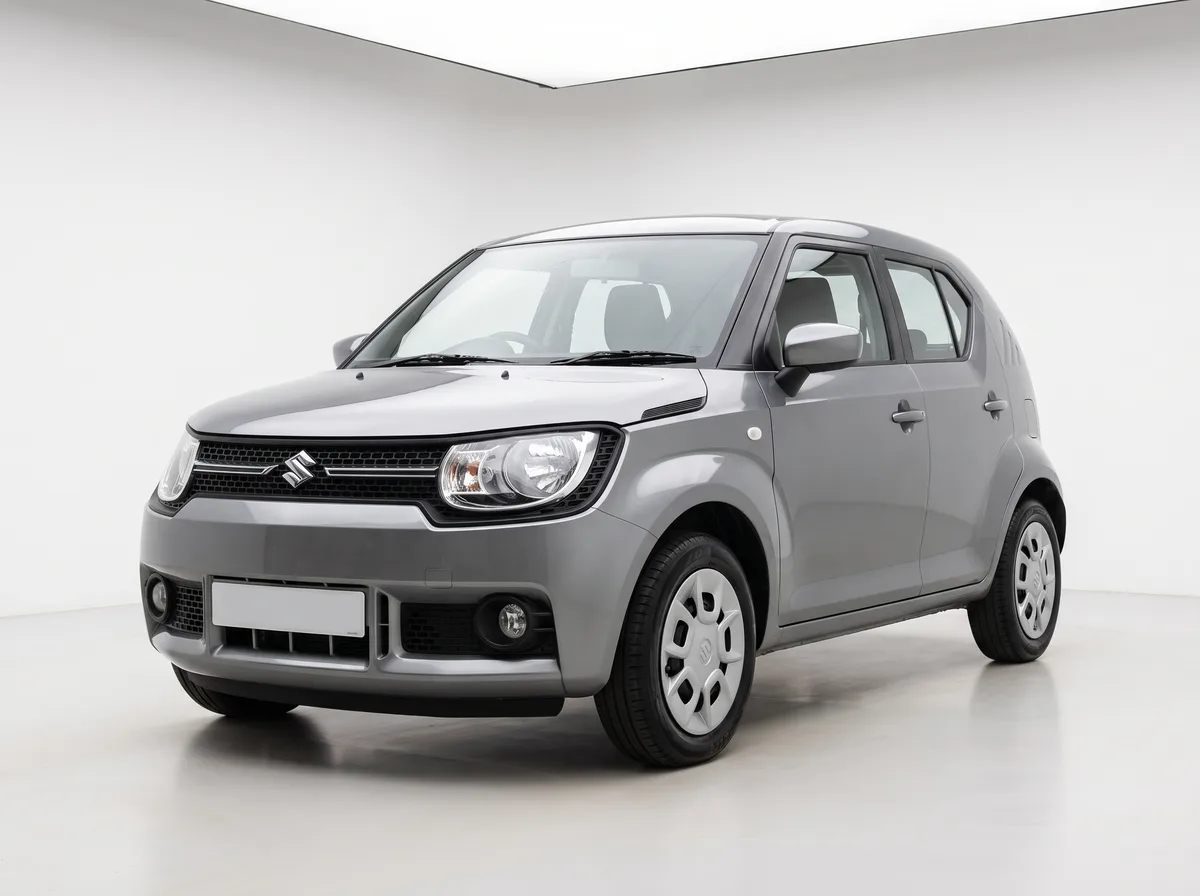
Suzuki Ignis
hatchback
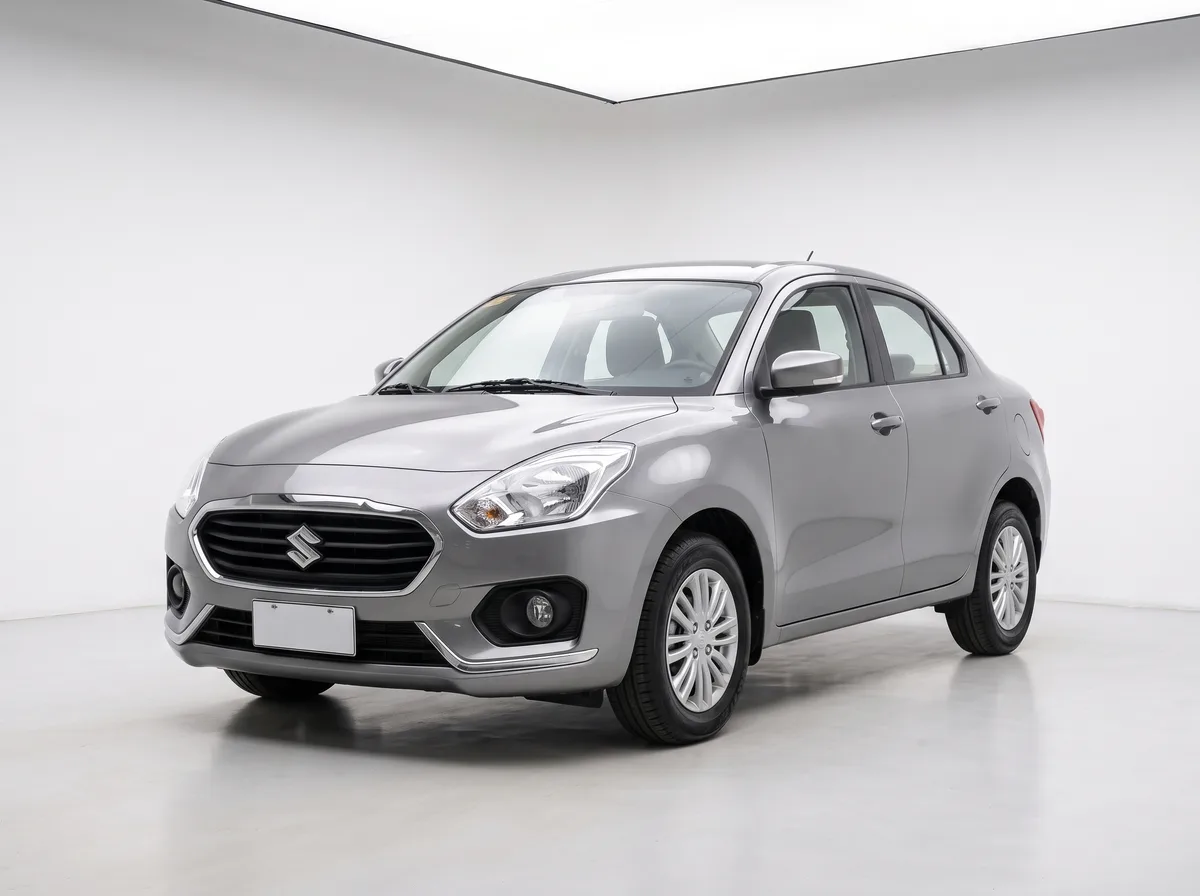
Suzuki Dzire
sedan
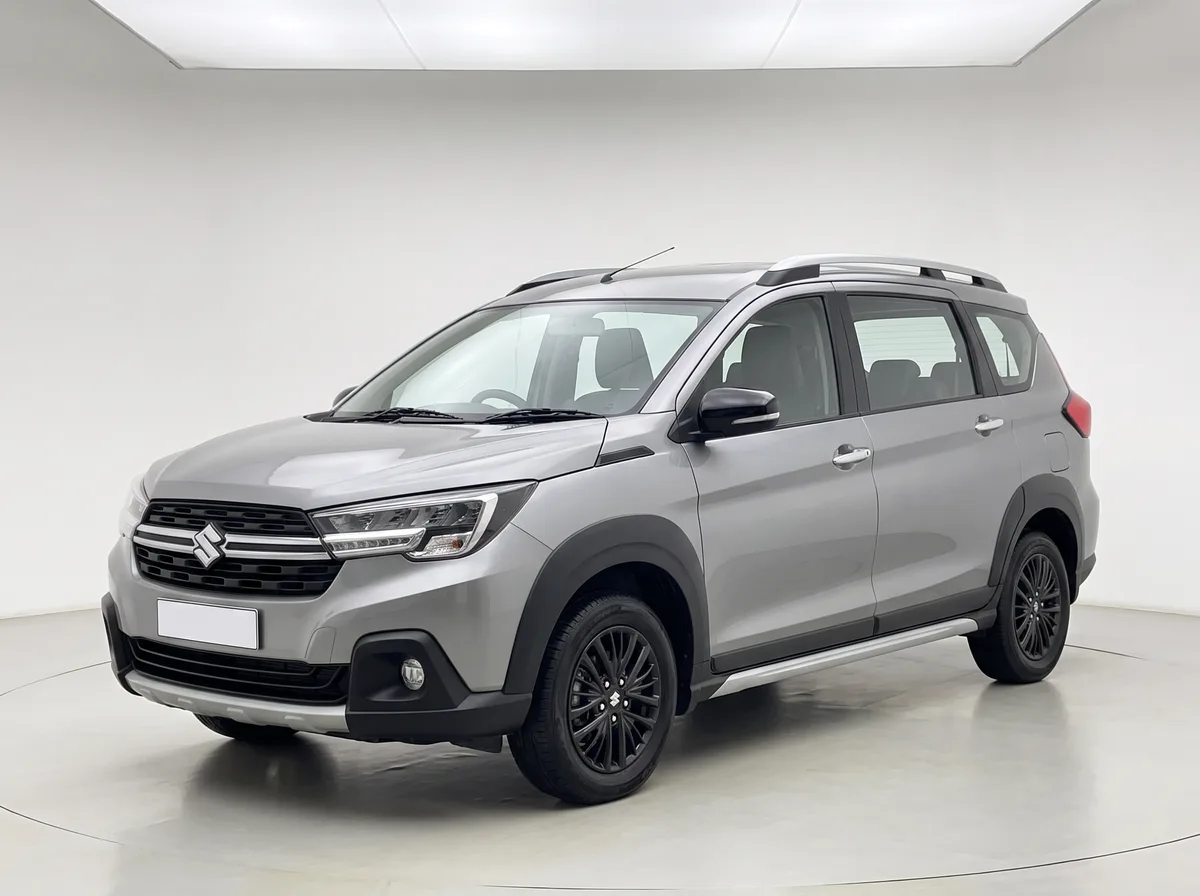
Suzuki XL6
mpv
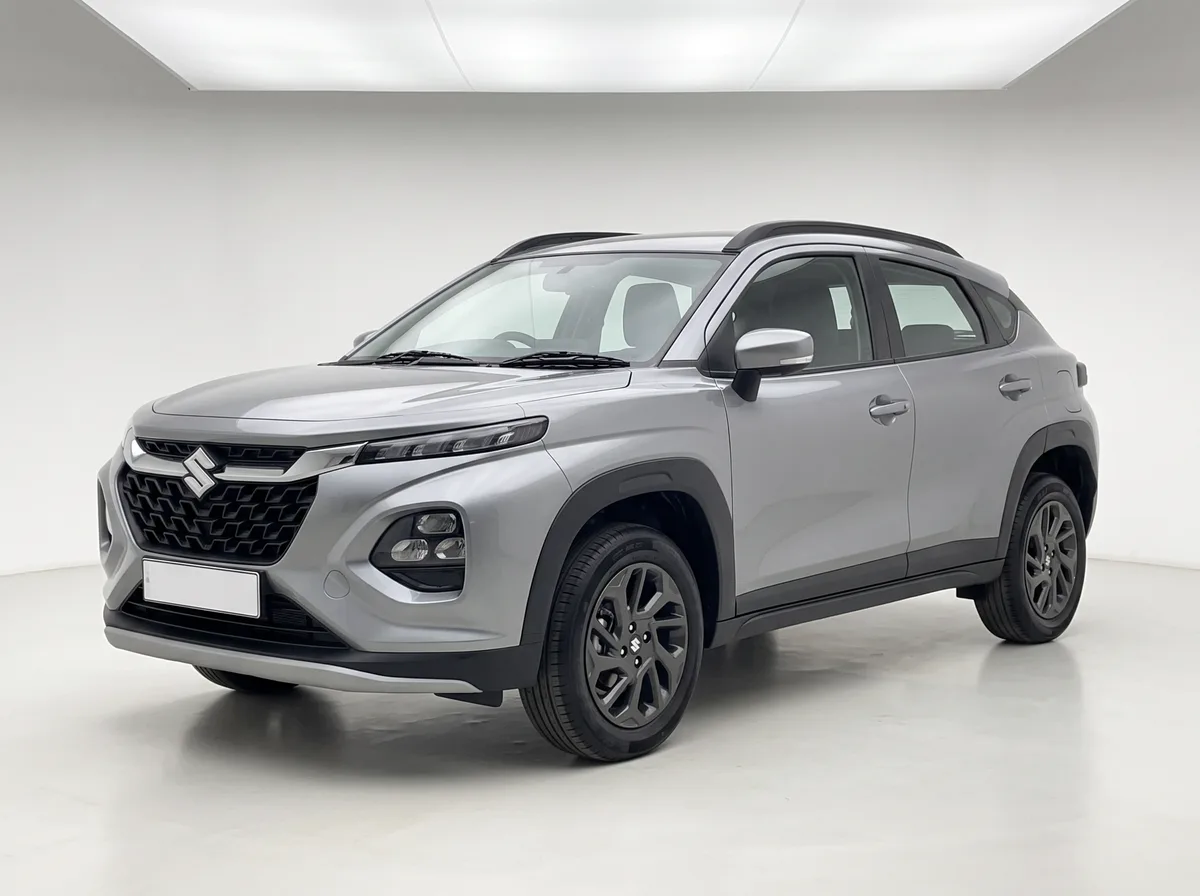
Suzuki Fronx
crossover

Suzuki Brezza
suv
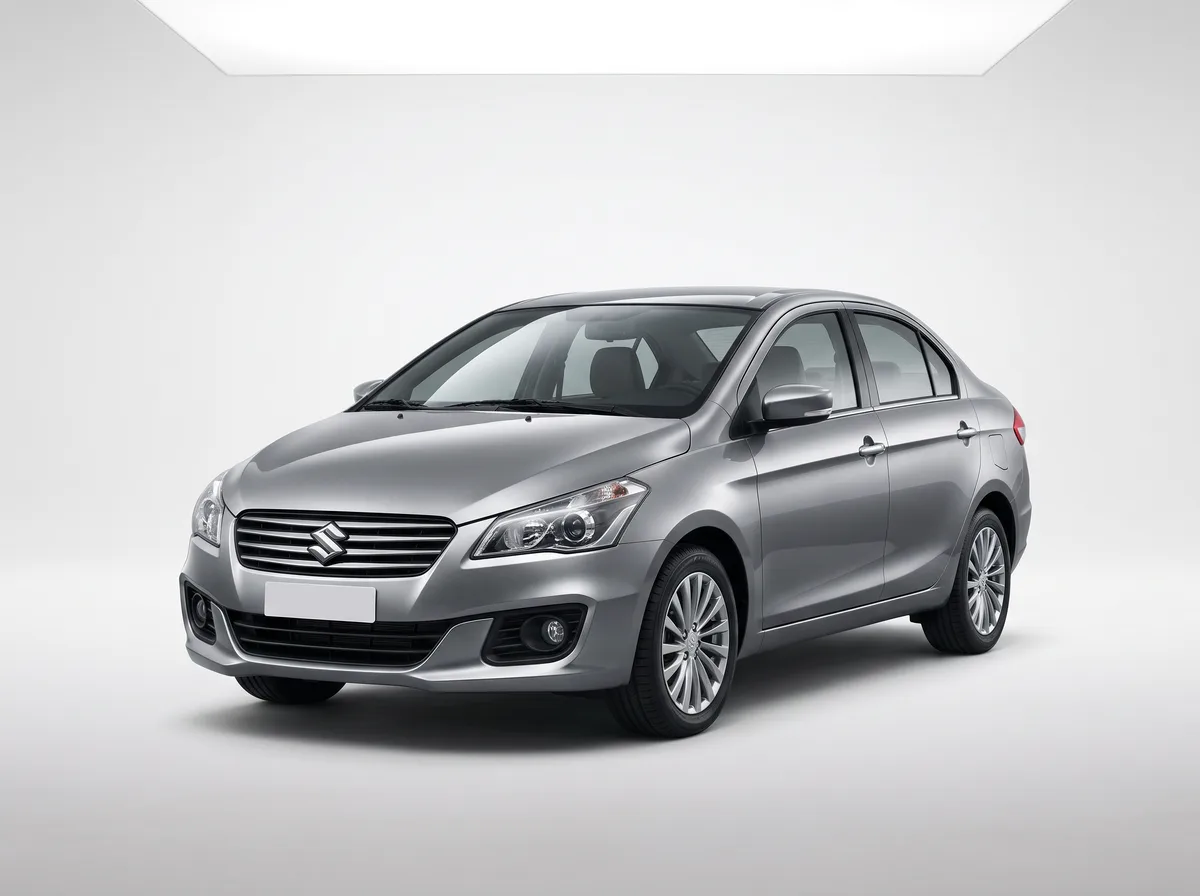
Suzuki Ciaz
sedan
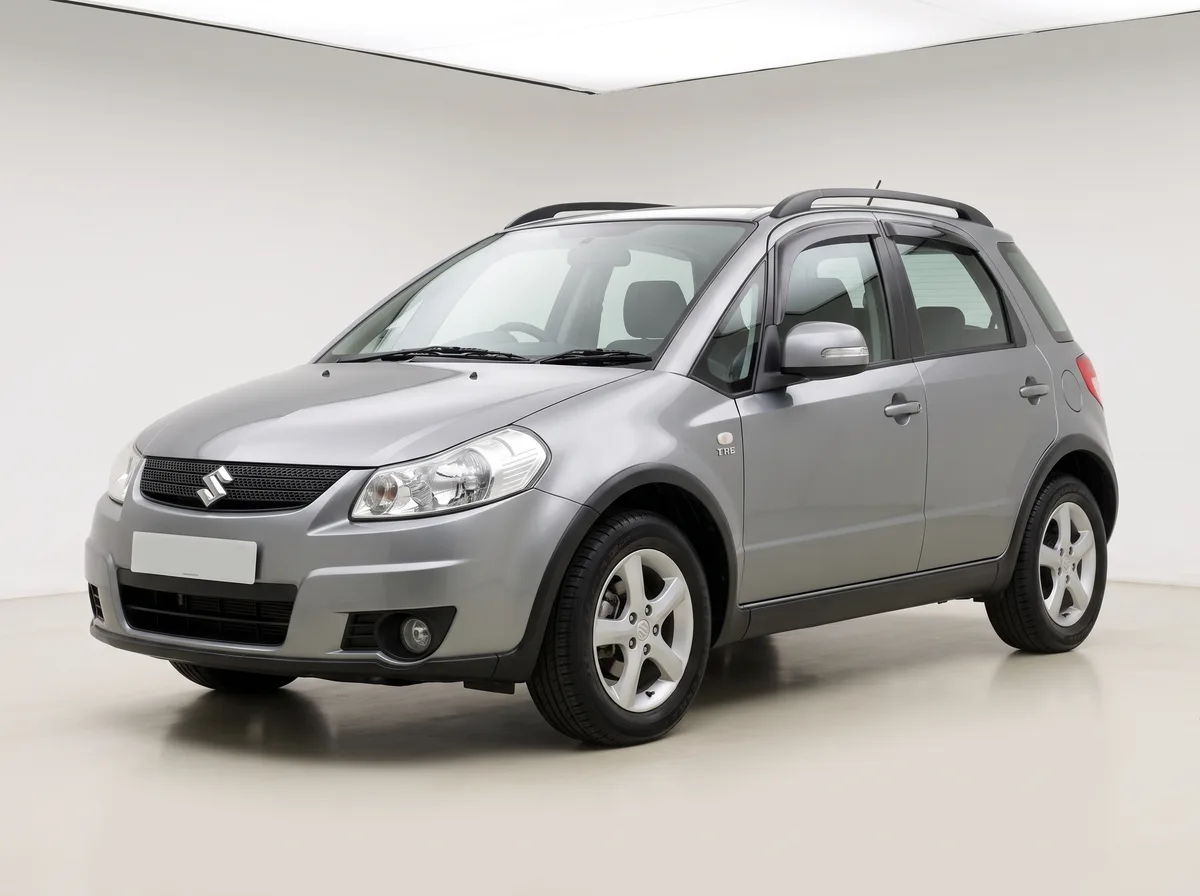
Suzuki SX4
crossover
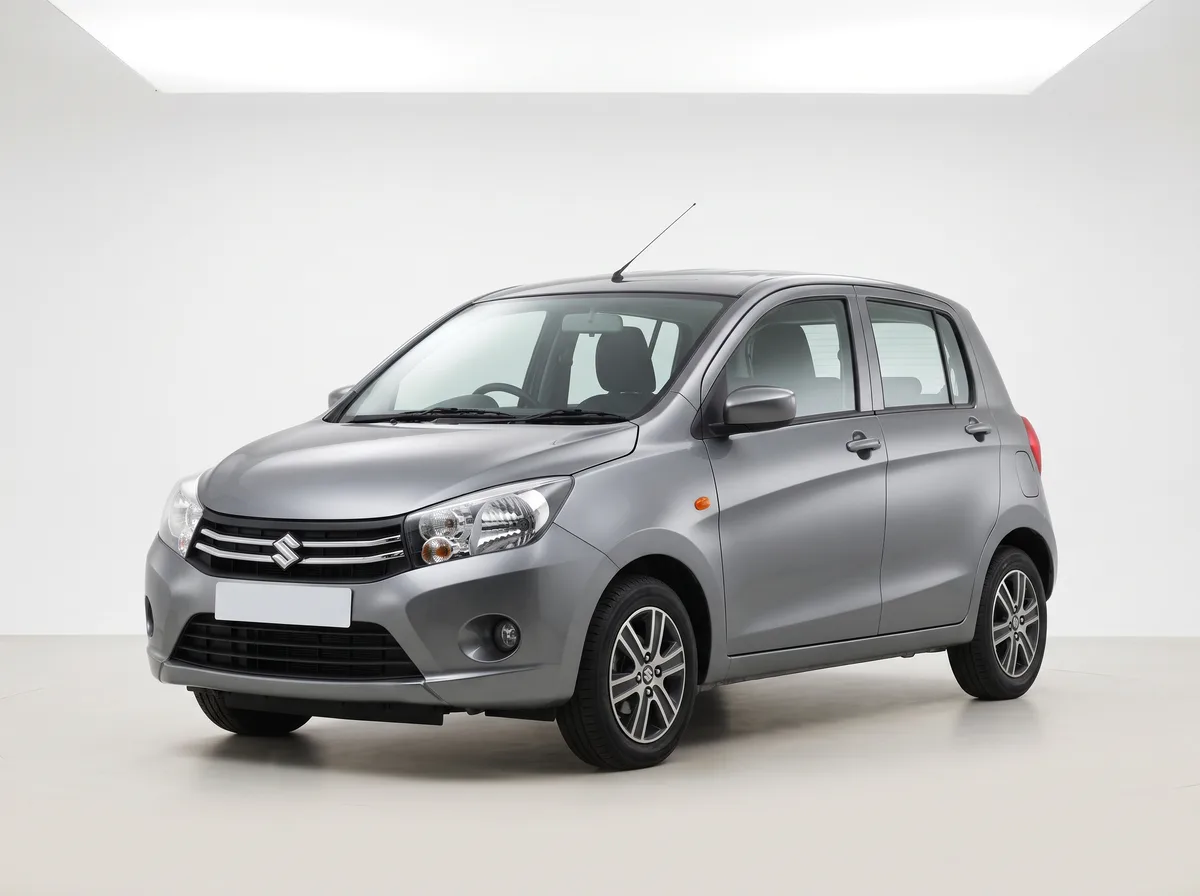
Suzuki Celerio
hatchback
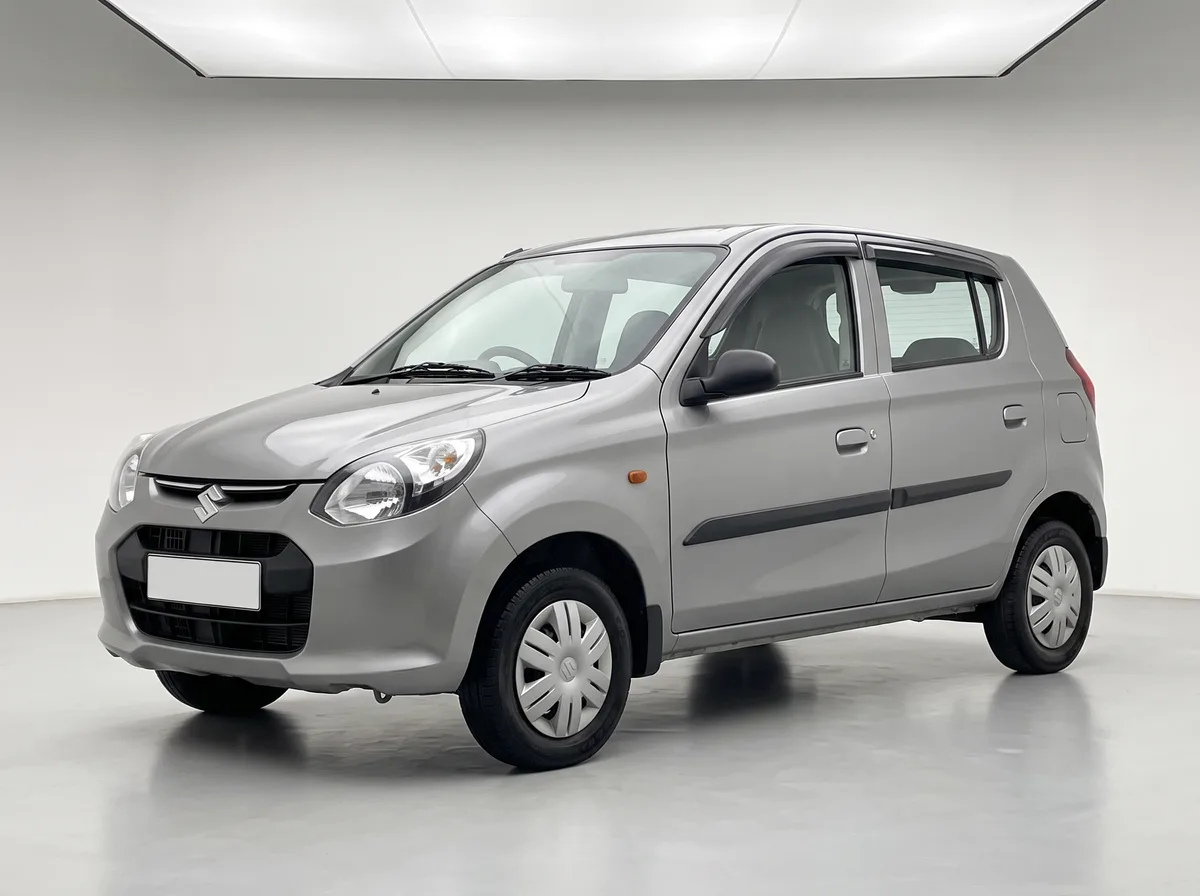
Suzuki Alto
hatchback
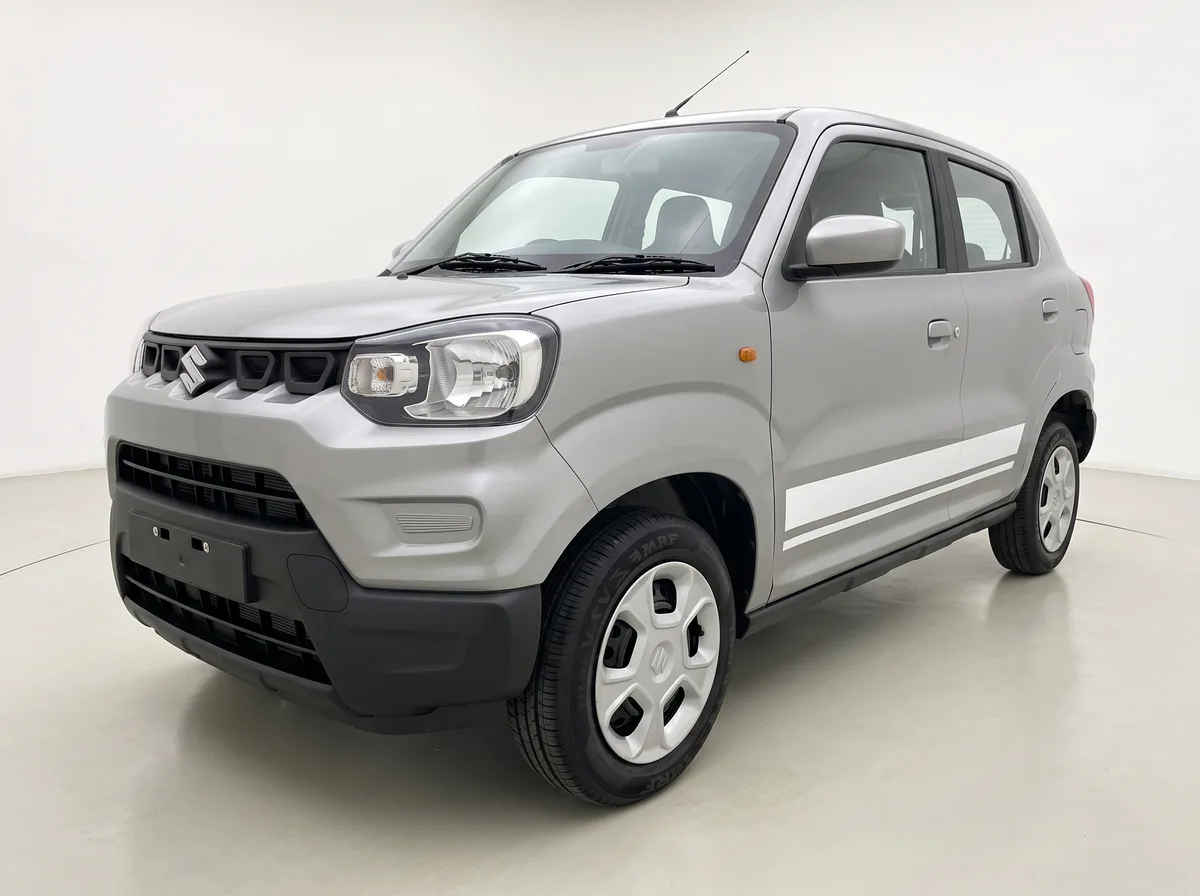
Suzuki S-Presso
hatchback
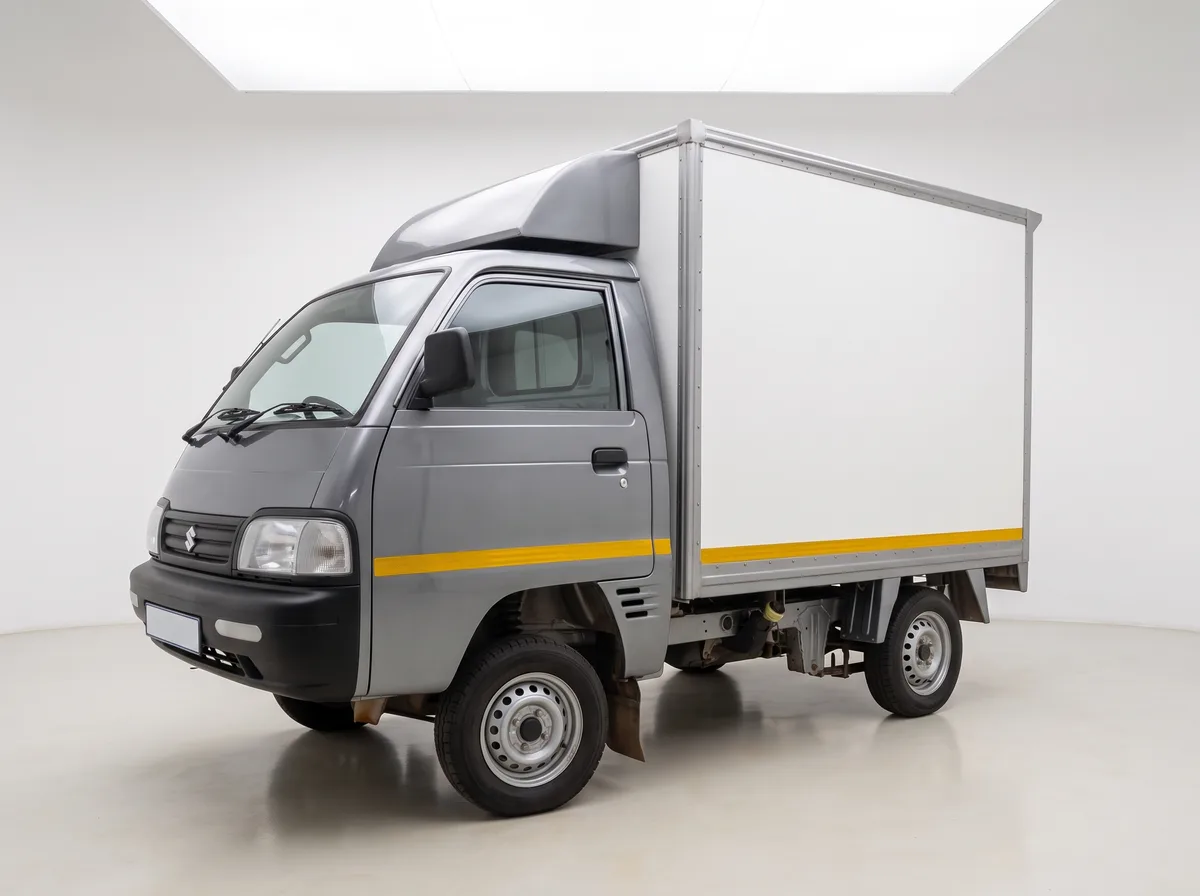
Suzuki Super Carry
commercial
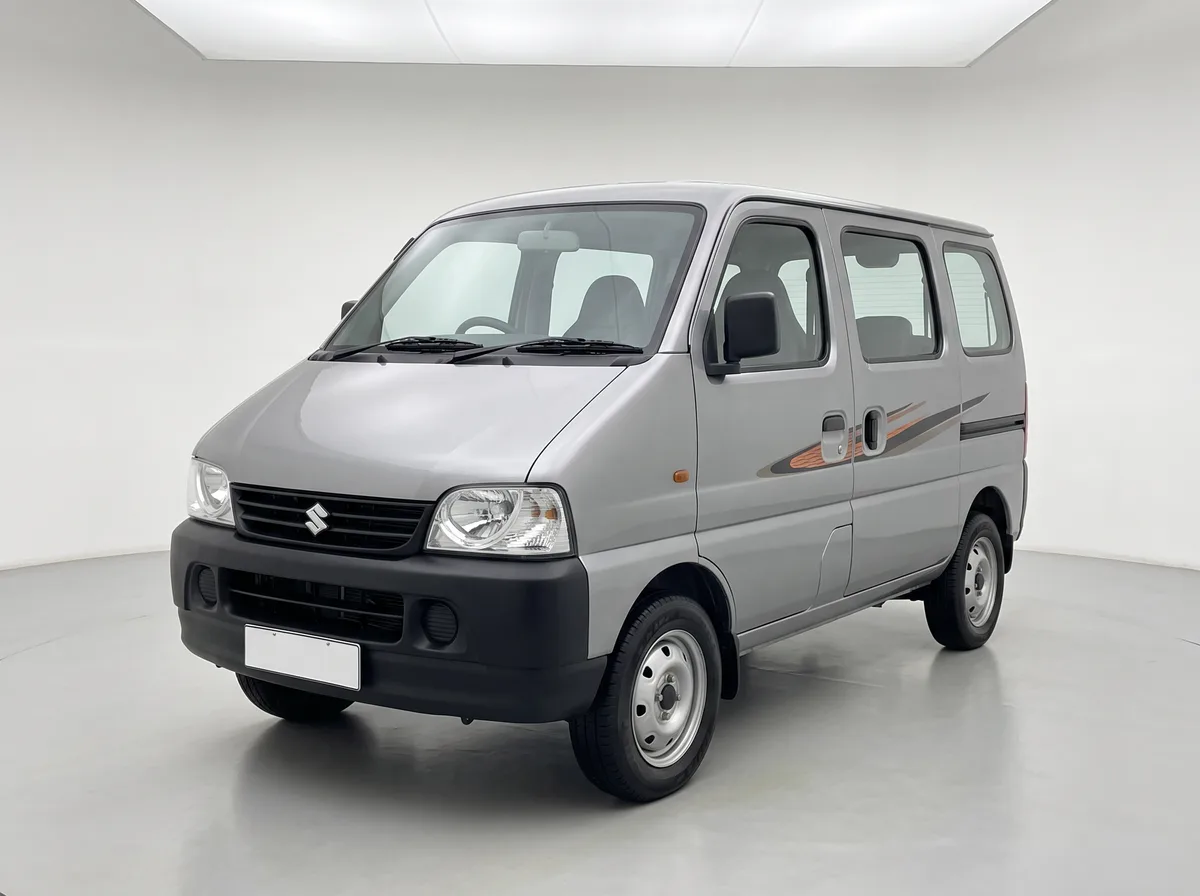
Suzuki Eeco
van
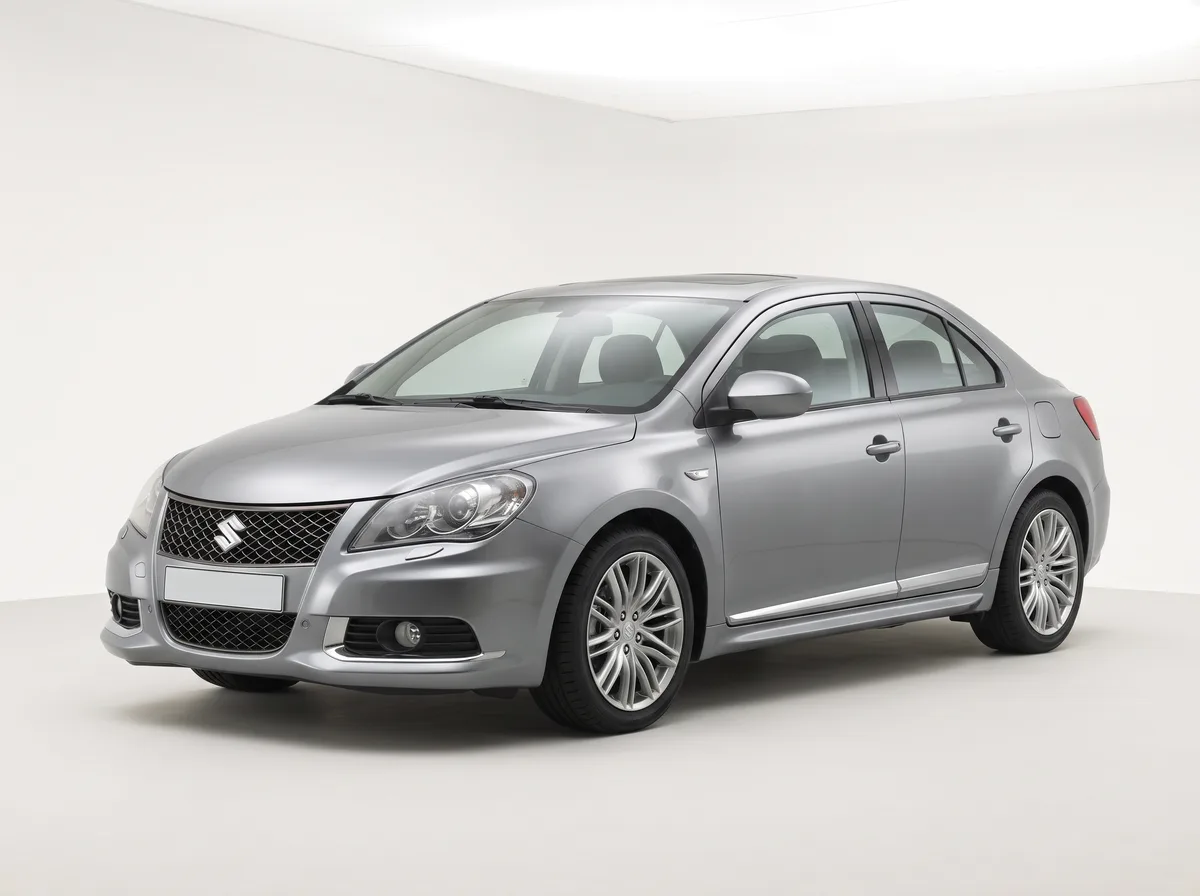
Suzuki Kizashi
sedan
The questions we ask before we price brake calipers
- What you are really deciding
- Whether friction material alone will do, or whether the discs have already been skimmed as far as they safely go.
- Where Suzuki differs
- Suzuki builds light cars, and light cars run smaller brake hardware than the equivalent from a European marque — which is why parts that look close on a shelf are frequently not. Derivative matters more than model here: within a single Suzuki nameplate the entry car and the top spec can run different setups, and rear drums persist on the budget end of the range long after rivals moved to discs.
- Where the car was built
- Something worth knowing about this marque in particular: a large share of the Suzuki range sold in South Africa is built by Maruti Suzuki in India, while the Jimny comes out of Japan. Cars that look the same on the road can therefore sit on different supply chains, which is one reason we would rather check than assume.
- What to send us
- The exact derivative, and whether the rear is drum or disc — a quick look through the wheel settles it. With that in front of us we can normally settle the right brake calipers without a back-and-forth.
Brake Calipers, explained
Calipers carry the piston that squeezes the pads onto the disc, and the slide pins that let the body float across it. When a pin dries out or a piston seizes, one pad does all the work, and on a light Suzuki that shows up quickly as a pull under braking with one wheel down to metal while the other still looks new.
How you know brake calipers are on the way out
Recognise any of that? Tell us the model and year and we will go and check what we can get hold of for you.
Before you order Suzuki brake calipers
What decides which brake calipers fits my Suzuki?
Suzuki builds light cars, and light cars run smaller brake hardware than the equivalent from a European marque — which is why parts that look close on a shelf are frequently not. Derivative matters more than model here: within a single Suzuki nameplate the entry car and the top spec can run different setups, and rear drums persist on the budget end of the range long after rivals moved to discs. In practice the decision in front of you is whether friction material alone will do, or whether the discs have already been skimmed as far as they safely go.
What do you need from me to quote brake calipers?
The exact derivative, and whether the rear is drum or disc — a quick look through the wheel settles it. With that we can usually confirm the right part quickly, and we'll tell you whether we're quoting new, aftermarket or good used rather than leaving you to guess.
Can a seized caliper be freed rather than replaced?
Sometimes. If the slide pins are the problem, cleaning the bores and fitting fresh pins, boots and the correct high-temperature grease usually restores normal operation. A piston pitted with rust is another matter, because a seal kit only works if the bore itself is clean, and a scored bore will chew the new seal.
Do calipers have to be replaced in pairs?
Across an axle, yes. Two calipers in different condition clamp unevenly and the car steers itself every time you brake hard. It is also the moment for fresh pads and a proper look at the disc, since a seized caliper has almost certainly cooked both.
What is the difference between a caliper and a carrier?
The carrier is the fixed bracket bolted to the hub that holds the pads and locates the slide pins. The caliper body is the part with the piston, and it floats on those pins. Threads strip and carriers corrode, so work out whether you need one, the other, or both.
Why did the caliper seize in the first place?
Moisture, mostly. Old brake fluid holds water that rusts the piston bore from the inside, while coastal air and winter road grit attack the slide pins from the outside. A car that stands for weeks is the classic candidate, and the handbrake mechanism on a rear caliper is usually first to stick.
Which caliper does my car need?
Piston count, bore size and bracket spacing change between derivatives sold under the same model name, and the rear handbrake arrangement matters too. Use the quote form with your model year and engine code and we will confirm fitment before you commit to anything.
Further reading on brake calipers
Independent sources, not ours. Worth a look if you want the background before you enquire.
More Suzuki parts
Front pad sets for Suzuki models, plus rear pads on the versions that run discs all round
Brake RotorsFront brake discs for Suzuki models, plus rear discs on the variants that carry them
Brake LinesHard pipe and flexible hoses for Suzuki brake hydraulics, the parts a roadworthy test fails you on for corrosion
Brake FluidDOT 3 and DOT 4 fluid for Suzuki hydraulic systems, replaced on interval rather than only when something fails
Master CylinderBrake master cylinders and reservoirs for Suzuki models, the culprit when the pedal sinks with no visible leak
Brake BoosterVacuum servos for Suzuki brakes, and the check valve and hose that usually fail before the booster itself does
Brake DrumsRear drums for the Suzuki models that use them — the Swift, Celerio, S-Presso and Alto among them
Brake ShoesRear shoe sets and the springs, adjusters and hold-down kits that should go on with them
Where we send brake calipers
Pick your area to see how the part would reach you.
Struggling to identify the right brake calipers?
The exact derivative, and whether the rear is drum or disc — a quick look through the wheel settles it is all we need. We cross-reference it against what we can source and come back with what fits.