
Buy Brake Pads for Your Suzuki
Used, aftermarket and reconditioned parts. Not supplied by Suzuki Auto South Africa.

Part of our full range of Suzuki brakes .
Start from the car
Start from the car — it's the faster route if you already know which Suzuki you're dealing with.

Suzuki Swift
hatchback

Suzuki Jimny
suv

Suzuki Ertiga
mpv

Suzuki Vitara
crossover
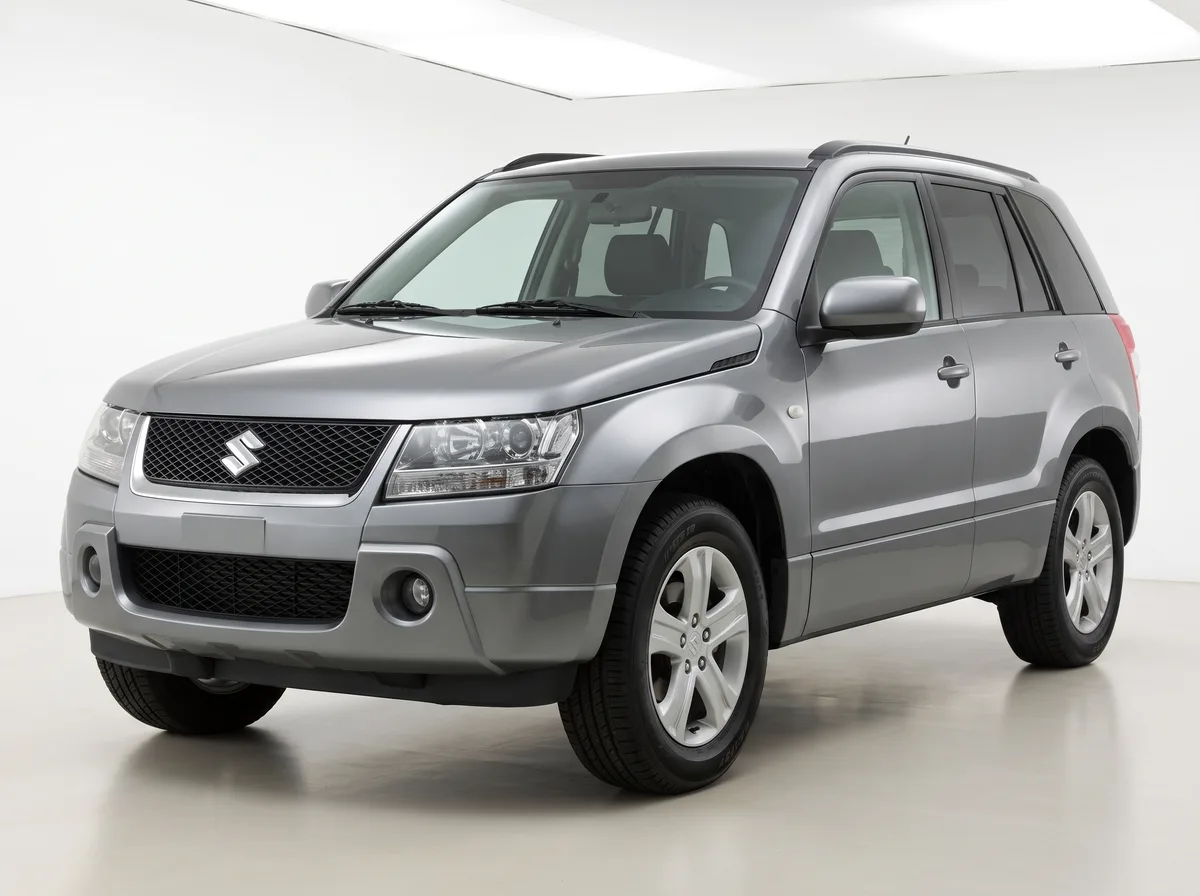
Suzuki Grand Vitara
suv

Suzuki Baleno
hatchback
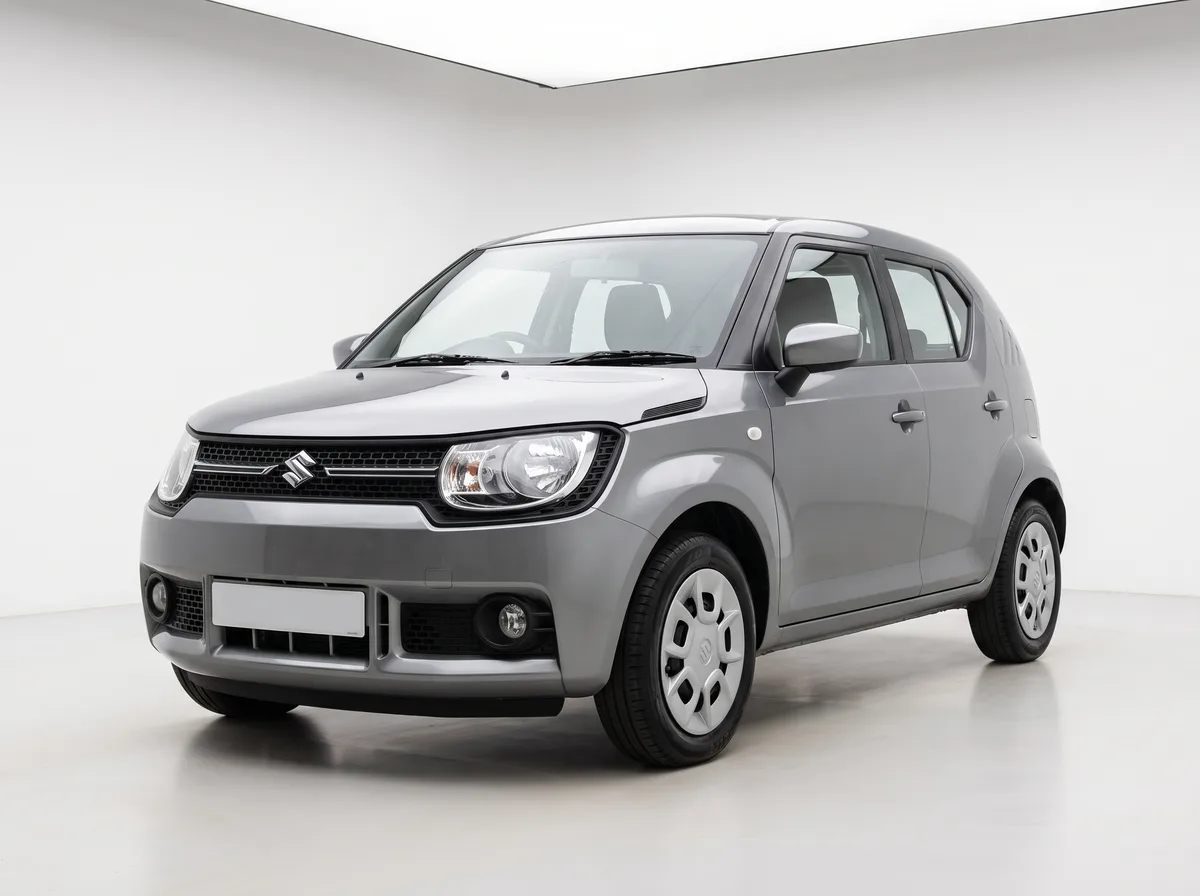
Suzuki Ignis
hatchback

Suzuki Dzire
sedan
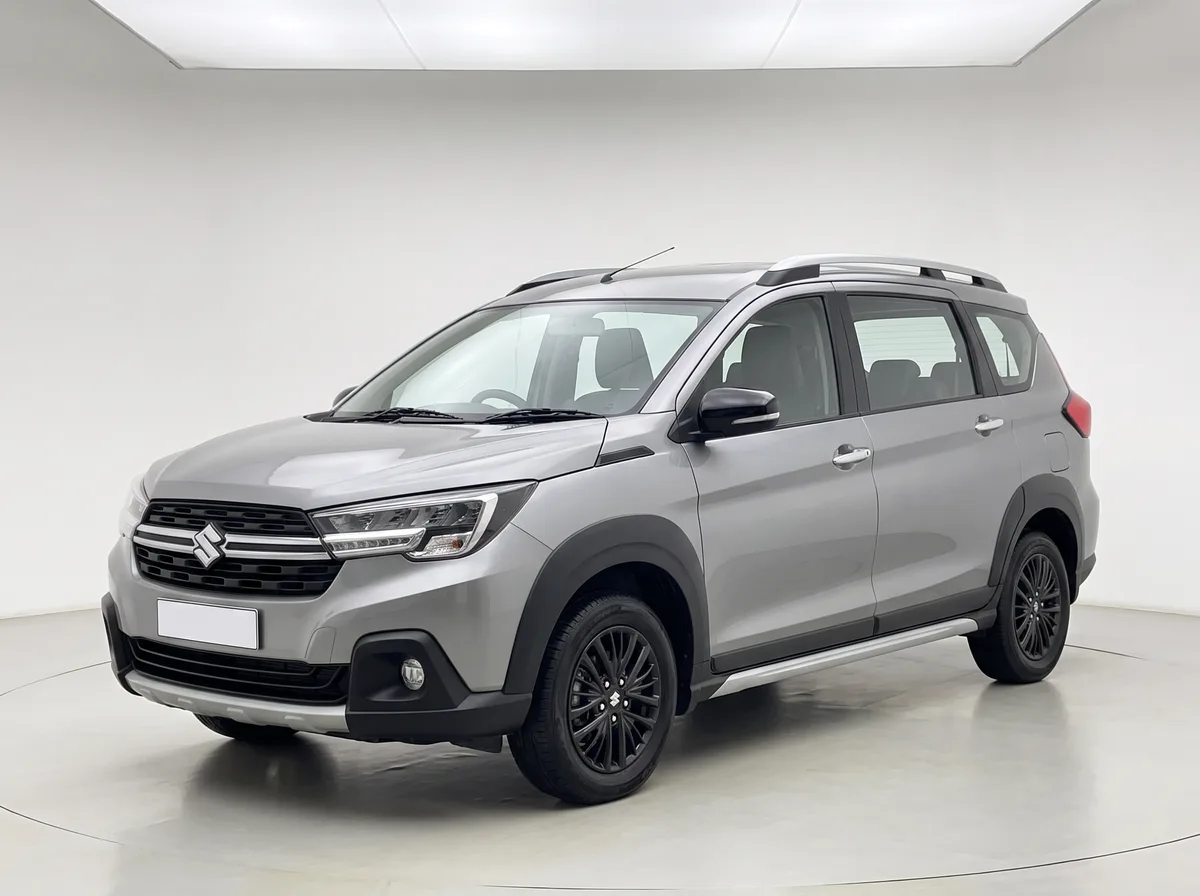
Suzuki XL6
mpv

Suzuki Fronx
crossover

Suzuki Brezza
suv

Suzuki Ciaz
sedan

Suzuki SX4
crossover
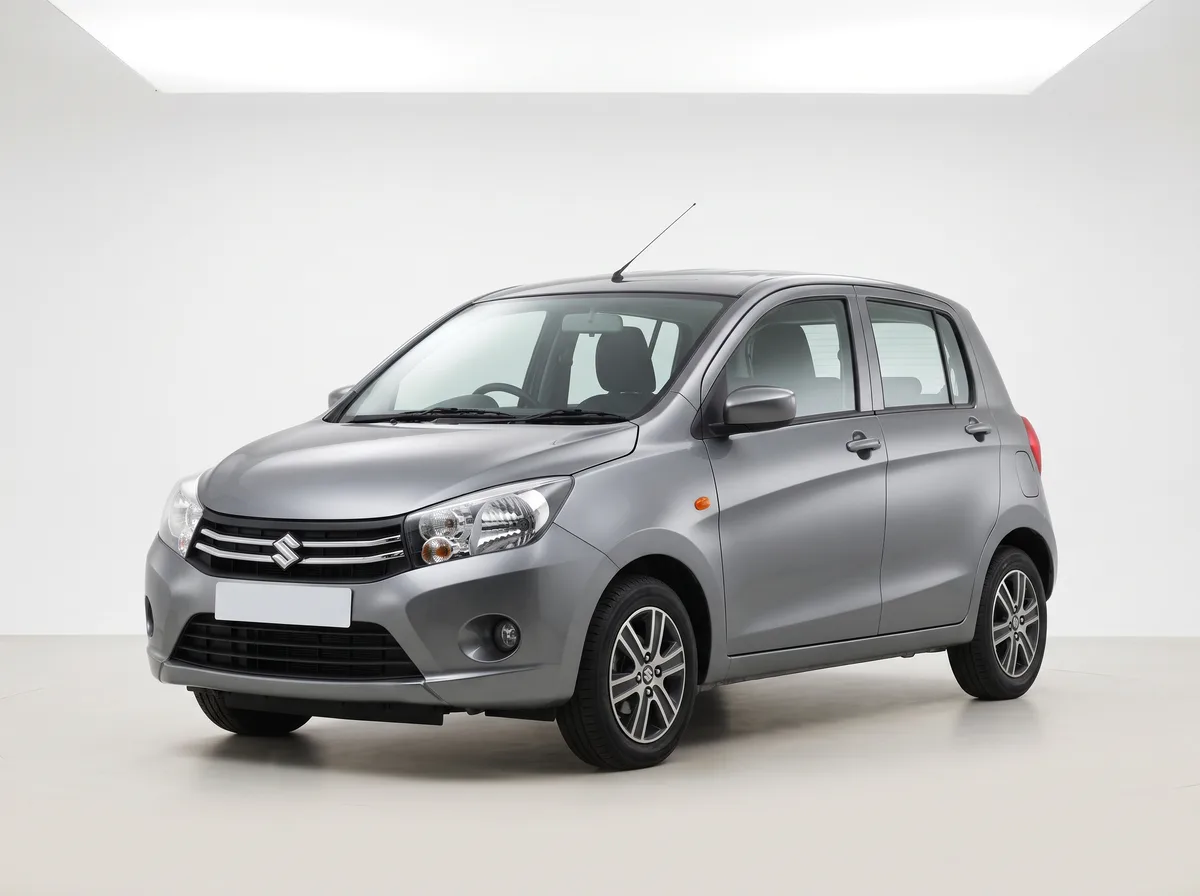
Suzuki Celerio
hatchback
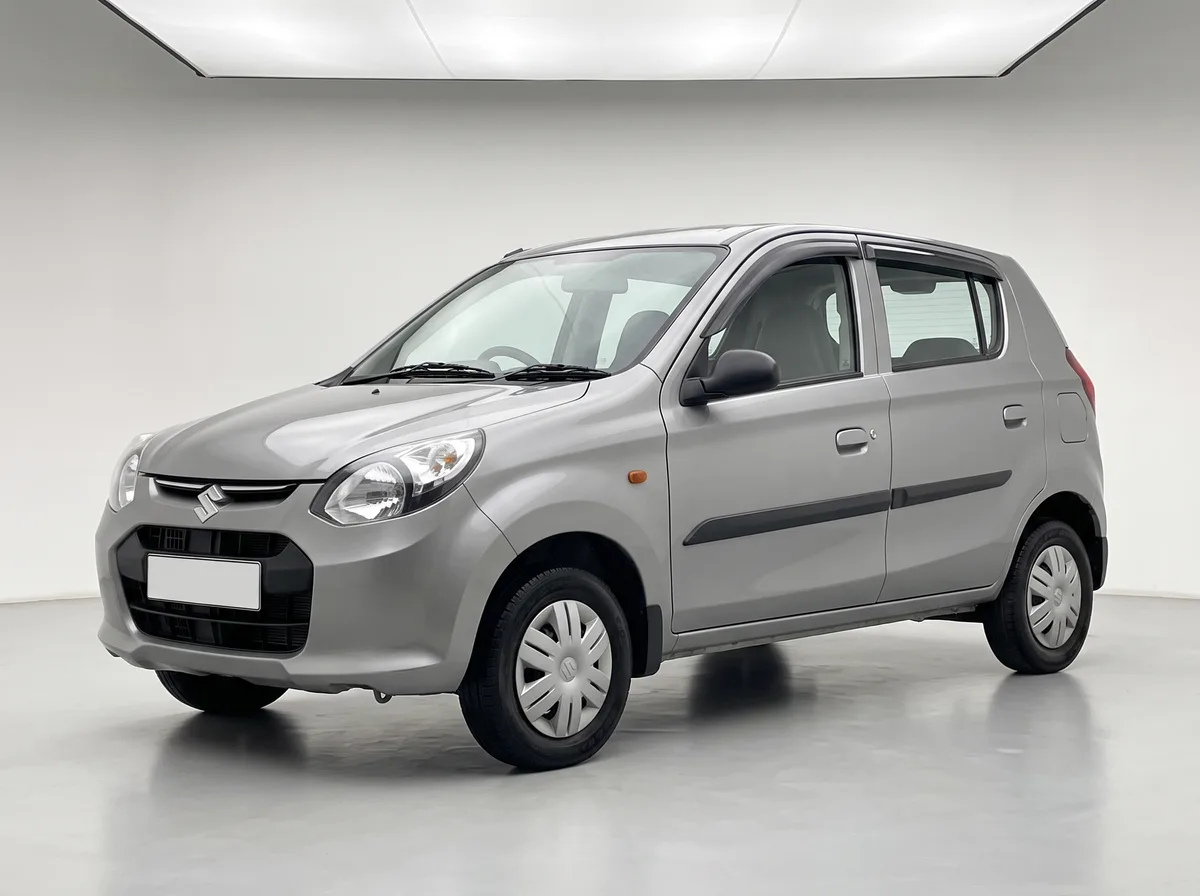
Suzuki Alto
hatchback
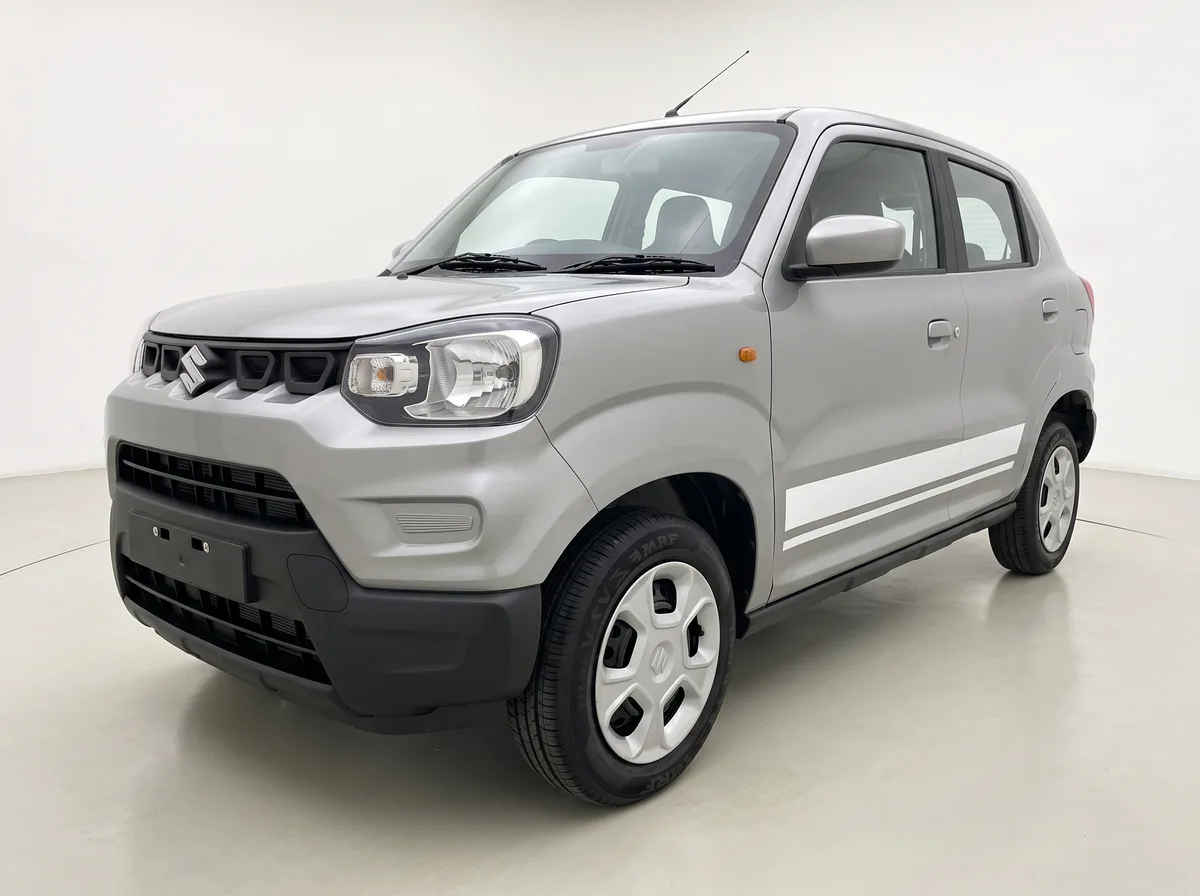
Suzuki S-Presso
hatchback
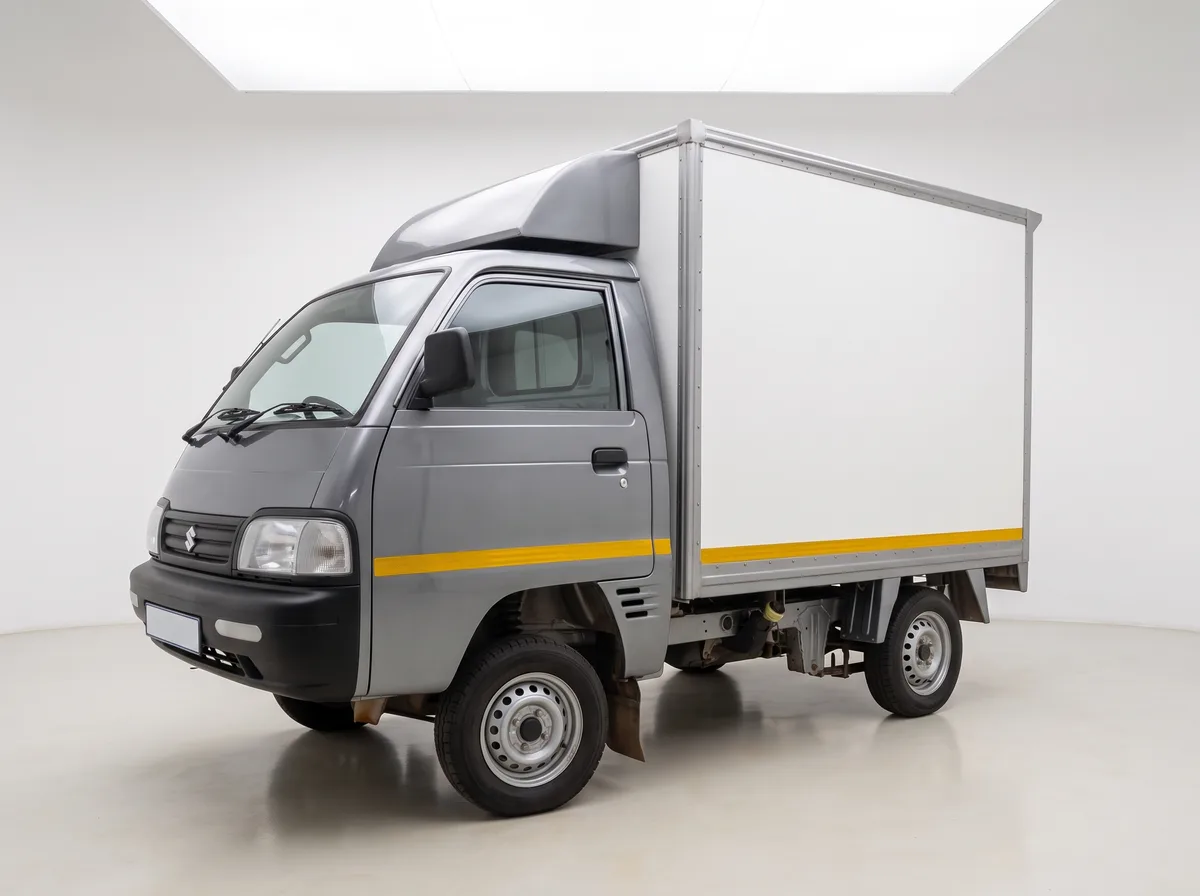
Suzuki Super Carry
commercial
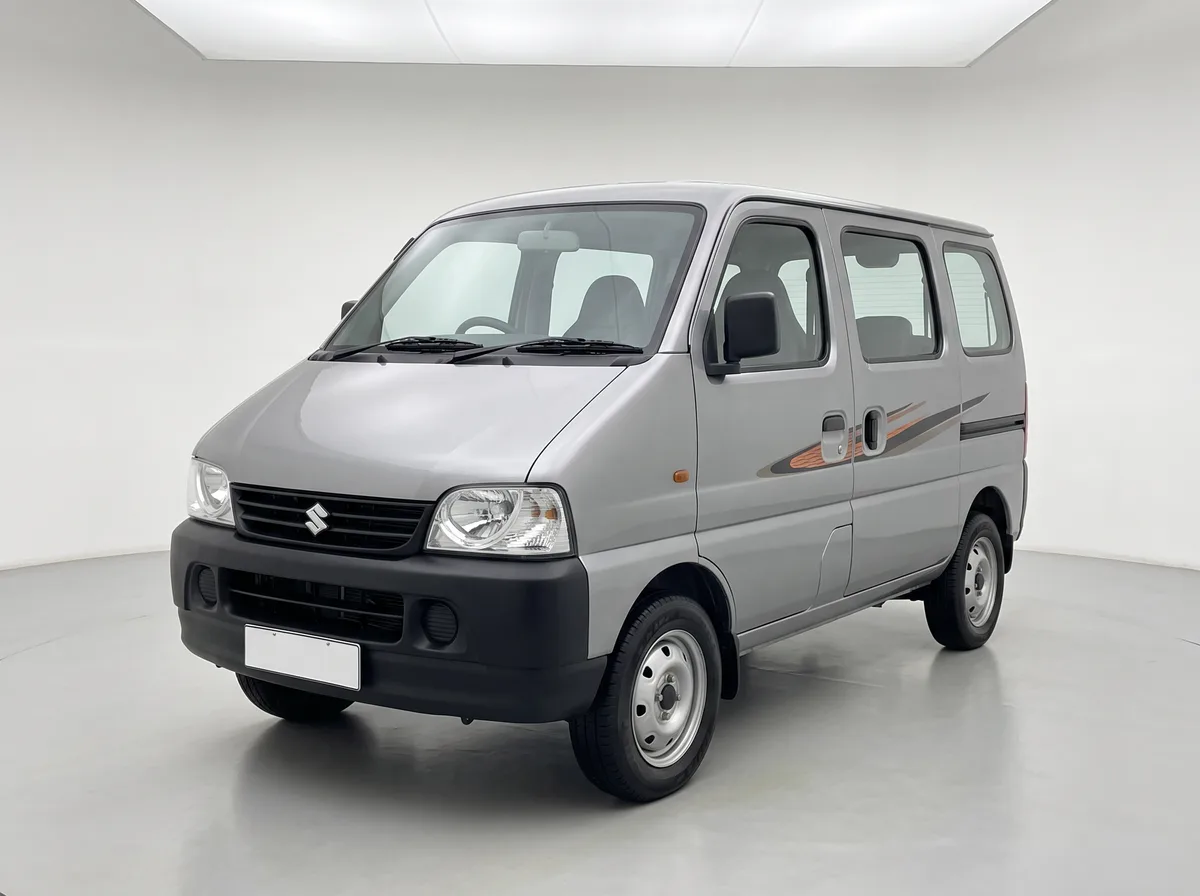
Suzuki Eeco
van
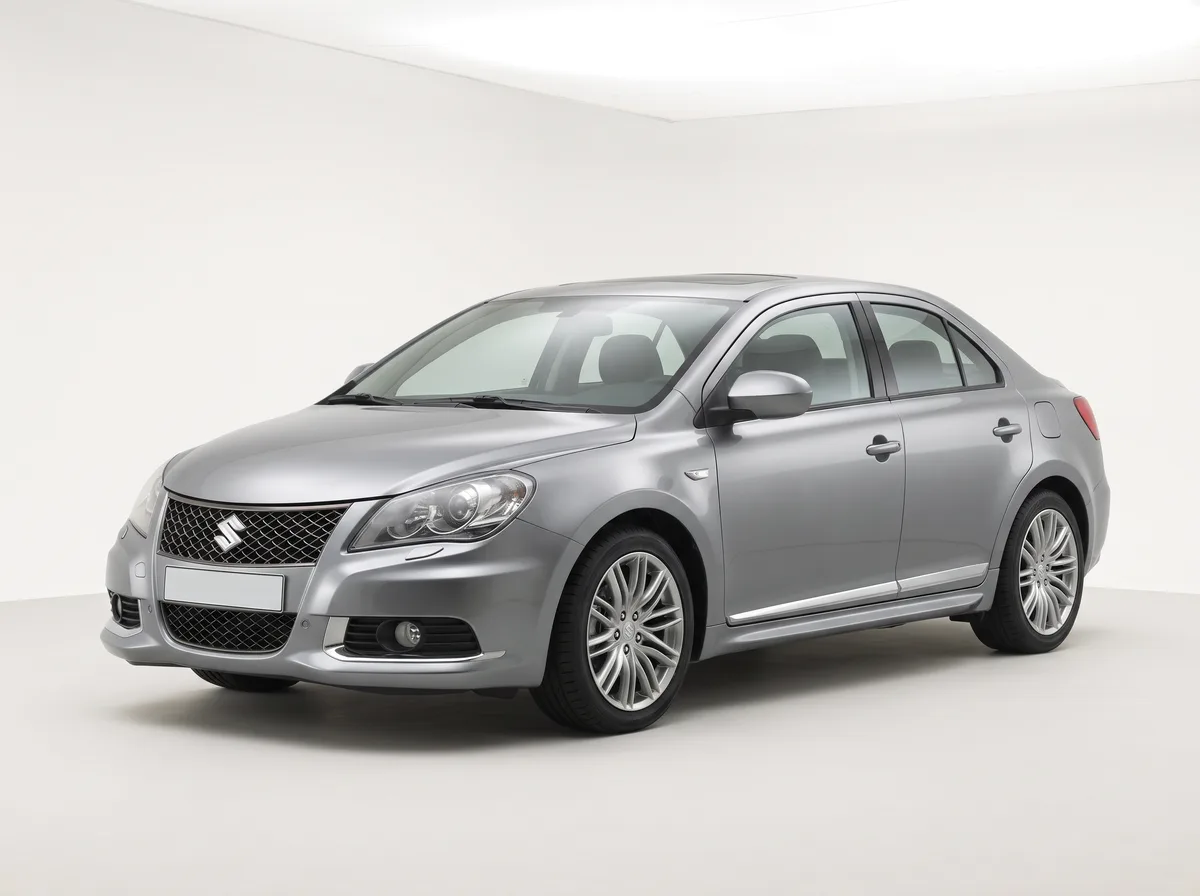
Suzuki Kizashi
sedan
Choosing brake pads for a Suzuki without guessing
Suzuki builds light cars, and light cars run smaller brake hardware than the equivalent from a European marque — which is why parts that look close on a shelf are frequently not. Derivative matters more than model here: within a single Suzuki nameplate the entry car and the top spec can run different setups, and rear drums persist on the budget end of the range long after rivals moved to discs.
In plain terms, the call you have to make is whether friction material alone will do, or whether the discs have already been skimmed as far as they safely go — and the model name on the boot lid is not enough information to make it.
Include the exact derivative, and whether the rear is drum or disc — a quick look through the wheel settles it when you ask us about brake pads. Two questions up front beats a part that has to be couriered back.
Brake Pads, explained
A brake pad is a block of engineered friction material bonded to a steel backing plate, and the compound it is made from decides how the car behaves. Organic compounds are quiet and gentle on discs but fade sooner when they get hot. Semi-metallic compounds cope far better with sustained heat, which suits a car that regularly comes down a long pass, at the cost of more noise and more dust. Ceramic compounds sit between the two and keep the wheels cleaner. None of these is simply better than the others — the right answer depends on where the car actually drives.
New pads also need bedding in, which owners are rarely told. A fresh pad has not yet transferred an even layer of material onto the disc face, so the first few hundred kilometres want a series of moderate stops rather than one hard emergency stop, which bakes an uneven deposit into the disc and sets up a judder that never quite goes away. The other half of the job is the disc. Fitting new pads to a disc already at its minimum thickness gives you a repair with very little life in it, because a thin disc cannot shed heat and warps.
How you know brake pads are on the way out
Recognise any of that? Tell us the model and year and we will go and check what we can get hold of for you.
Suzuki Brake Pads FAQs
What decides which brake pads fits my Suzuki?
Suzuki builds light cars, and light cars run smaller brake hardware than the equivalent from a European marque — which is why parts that look close on a shelf are frequently not. Derivative matters more than model here: within a single Suzuki nameplate the entry car and the top spec can run different setups, and rear drums persist on the budget end of the range long after rivals moved to discs. In practice the decision in front of you is whether friction material alone will do, or whether the discs have already been skimmed as far as they safely go.
What do you need from me to quote brake pads?
The exact derivative, and whether the rear is drum or disc — a quick look through the wheel settles it. With that we can usually confirm the right part quickly, and we'll tell you whether we're quoting new, aftermarket or good used rather than leaving you to guess.
How should I bed in new brake pads?
A series of firm but not violent stops from moderate speed, with a chance to cool between them, over the first stretch of driving. That lays down an even transfer film on the disc. What ruins it is one hard stop from high speed on cold new pads, especially if you then hold the car stationary on the pedal, because the pad bakes a patch of material into one spot on the disc.
Can I fit new pads to discs that are at their wear limit?
You can, but it is a short-lived repair. A disc worn to minimum thickness has less metal to absorb and shed heat, so it runs hotter, distorts and sets up a shudder that the new pads then wear into unevenly. Discs carry a minimum thickness figure and a vernier will tell you in a minute whether yours are past it.
Which pad compound suits South African driving?
It depends on the route. A car that lives in metro traffic is served well by a quieter, lower-dust compound. A car that regularly descends a long pass, or carries a full load of people and luggage on holiday routes, is better off with a compound rated for sustained heat that will not fade at the bottom of the hill. Tell us how and where the car is driven and we will recommend accordingly.
Why do my brakes squeal even though the pads are not worn out?
Squeal is vibration at high frequency, not necessarily wear. The usual culprits are missing or dry anti-rattle shims and clips, a glazed pad surface from gentle city driving, or dust and rust built up on the disc edge. Cleaning the carriers, fitting the correct hardware and applying the right lubricant to the pad backing normally settles it.
Do I have to replace pads on all four wheels together?
No. Replace them axle by axle — both sides of the front together, both sides of the rear together. Fronts do most of the braking work and typically wear out roughly twice as often as rears, so it is entirely normal for them to be on a different schedule. Mixing new and worn across one axle causes pull under braking.
Further reading on brake pads
Independent sources, not ours. Worth a look if you want the background before you enquire.
Related categories
Front brake discs for Suzuki models, plus rear discs on the variants that carry them
Brake CalipersCaliper bodies, carriers and slide pins for Suzuki front brakes, including reconditioned exchange units
Brake LinesHard pipe and flexible hoses for Suzuki brake hydraulics, the parts a roadworthy test fails you on for corrosion
Brake FluidDOT 3 and DOT 4 fluid for Suzuki hydraulic systems, replaced on interval rather than only when something fails
Master CylinderBrake master cylinders and reservoirs for Suzuki models, the culprit when the pedal sinks with no visible leak
Brake BoosterVacuum servos for Suzuki brakes, and the check valve and hose that usually fail before the booster itself does
Brake DrumsRear drums for the Suzuki models that use them — the Swift, Celerio, S-Presso and Alto among them
Brake ShoesRear shoe sets and the springs, adjusters and hold-down kits that should go on with them
Where we send brake pads
We take brake pads enquiries from across the country. These pages cover how it works from each area.
Not sure which brake pads your Suzuki takes?
The exact derivative, and whether the rear is drum or disc — a quick look through the wheel settles it is all we need. We cross-reference it against what we can source and come back with what fits.