
Suzuki Brake Rotors for Sale in South Africa
Used, aftermarket and reconditioned parts. Not supplied by Suzuki Auto South Africa.
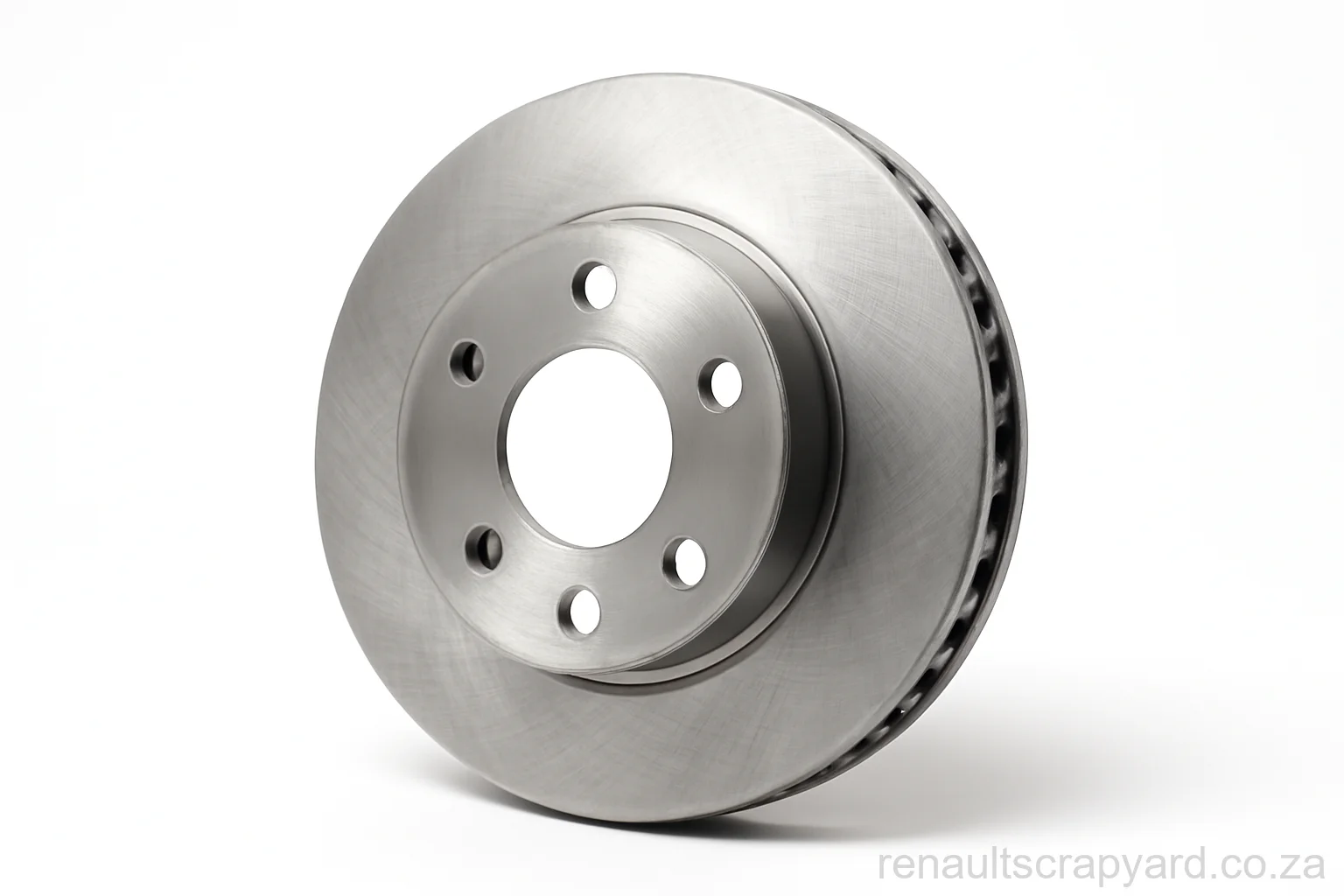
Part of our full range of Suzuki brakes .
Suzuki Brake Rotors by model
The generation matters more than the nameplate. These pages spell out which is which.
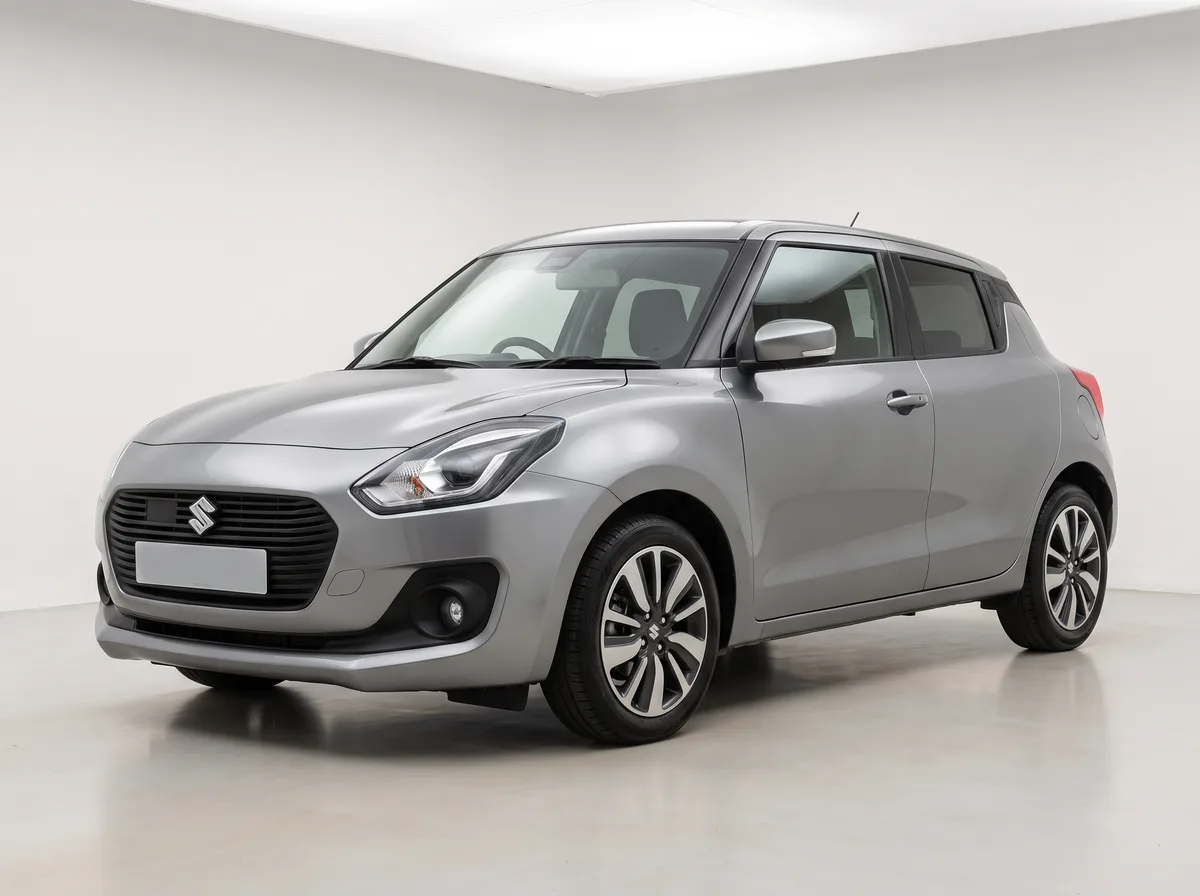
Suzuki Swift
hatchback
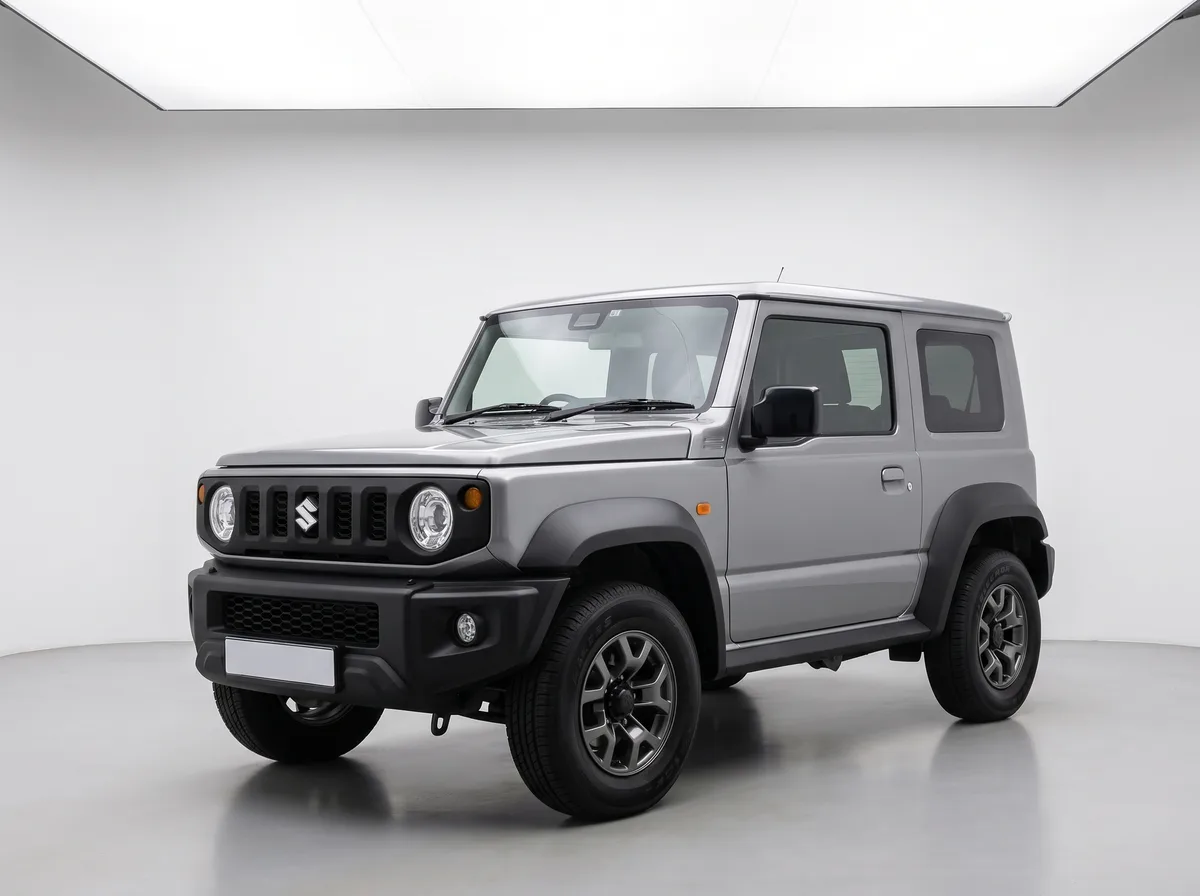
Suzuki Jimny
suv
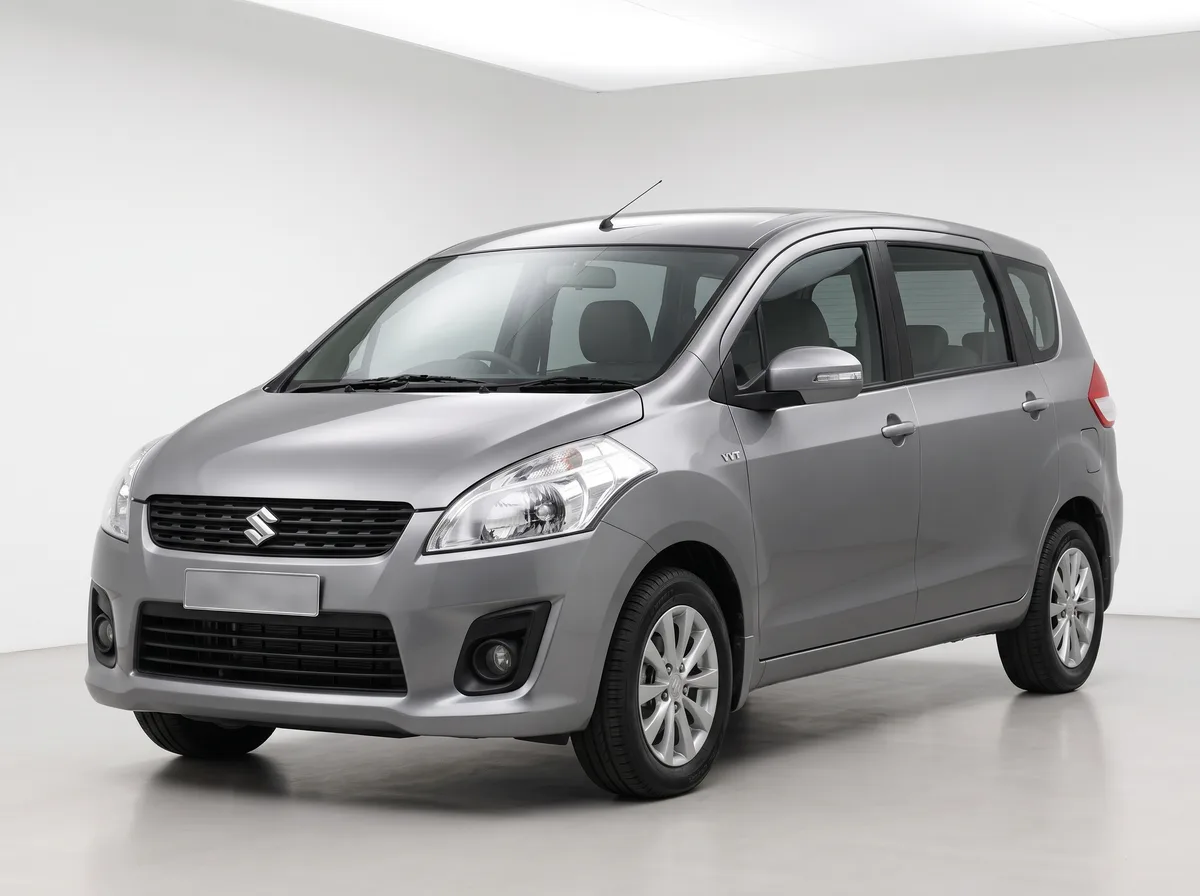
Suzuki Ertiga
mpv
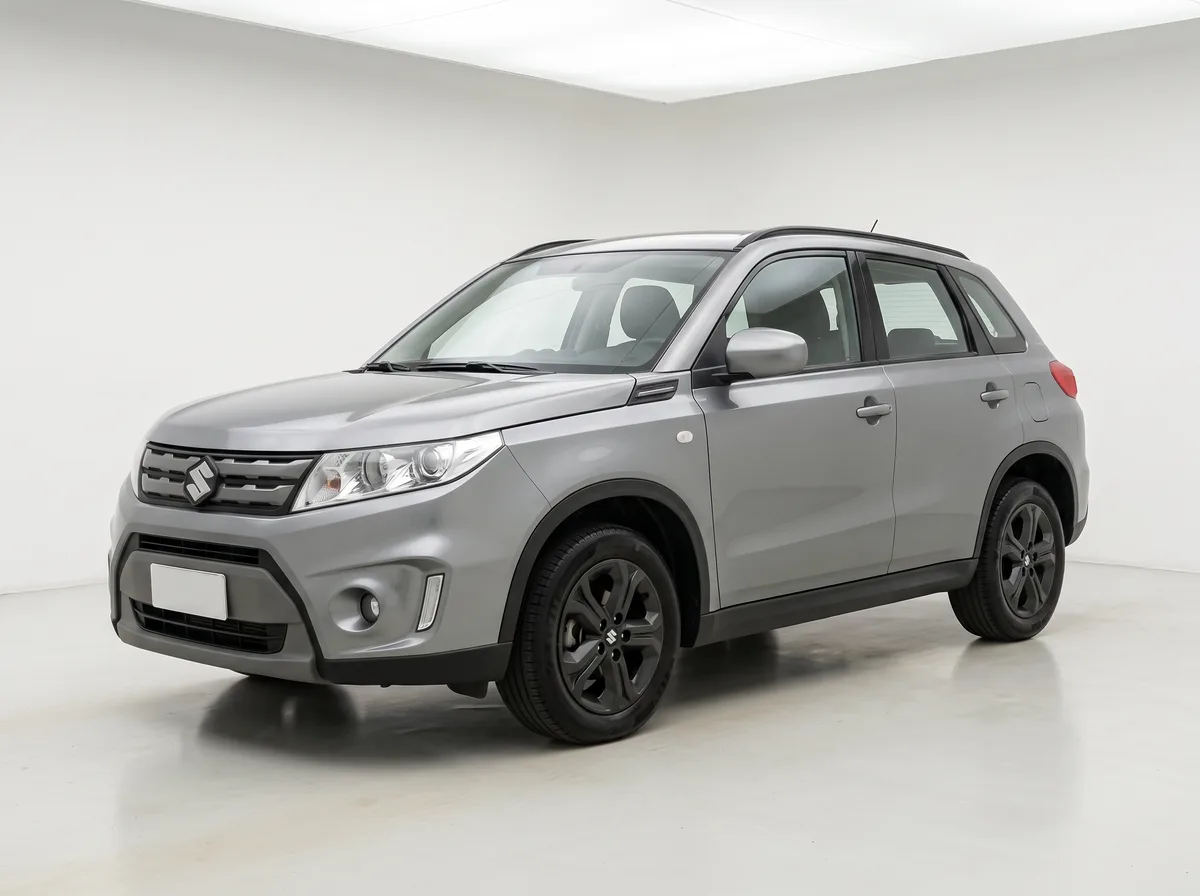
Suzuki Vitara
crossover
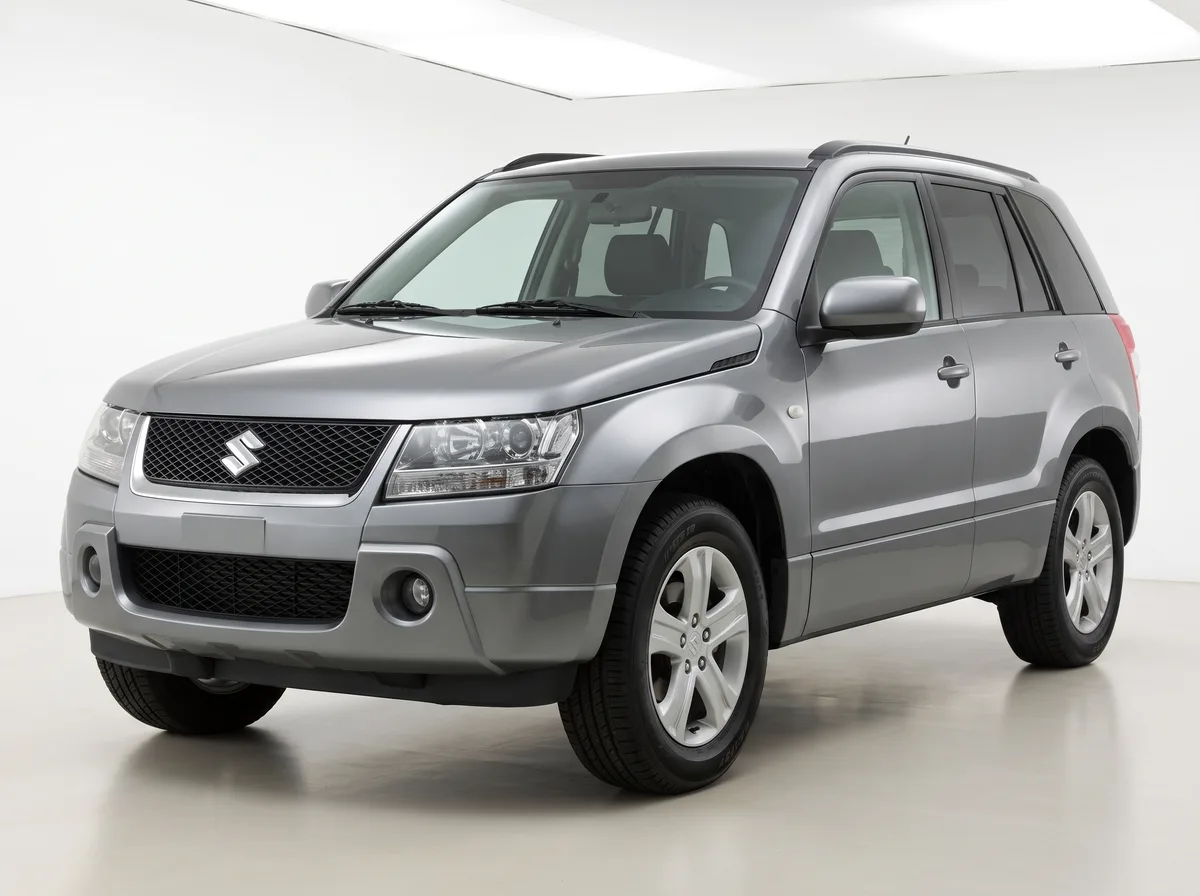
Suzuki Grand Vitara
suv
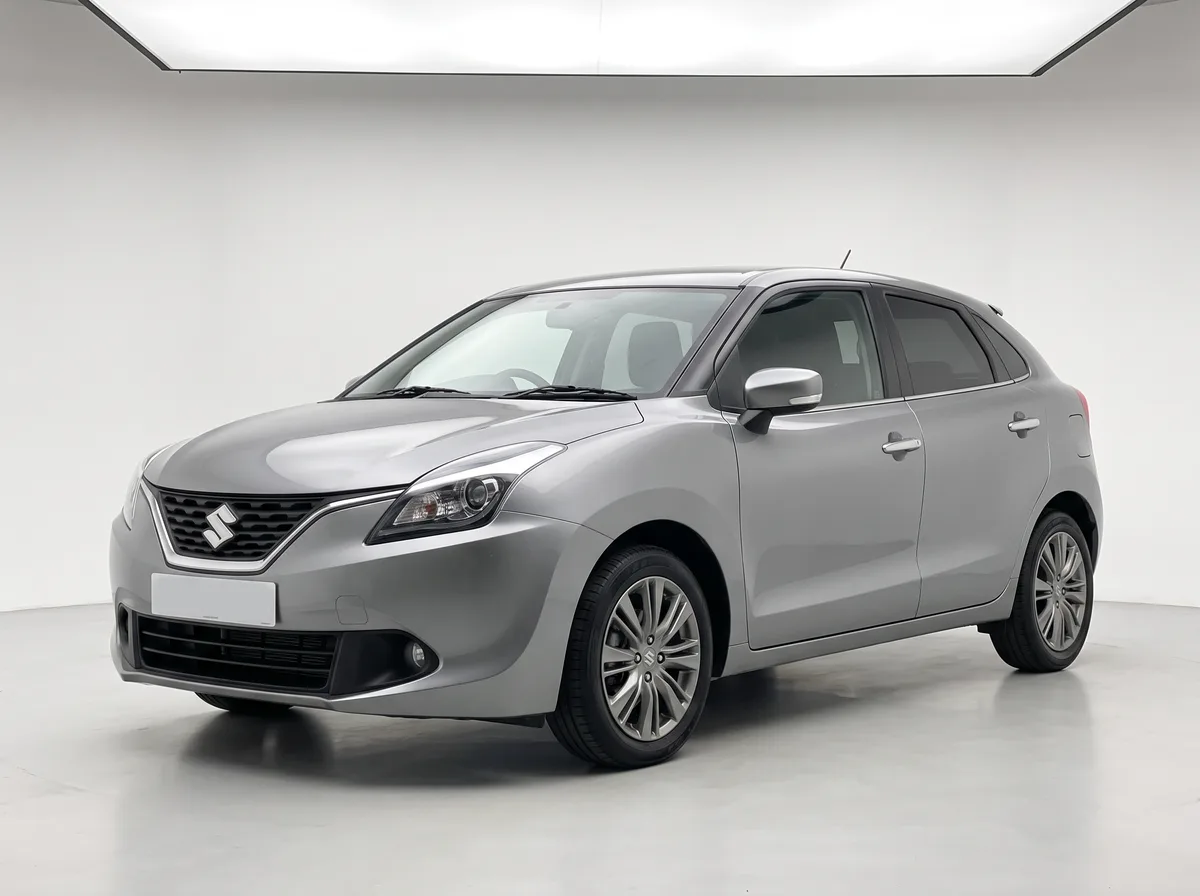
Suzuki Baleno
hatchback
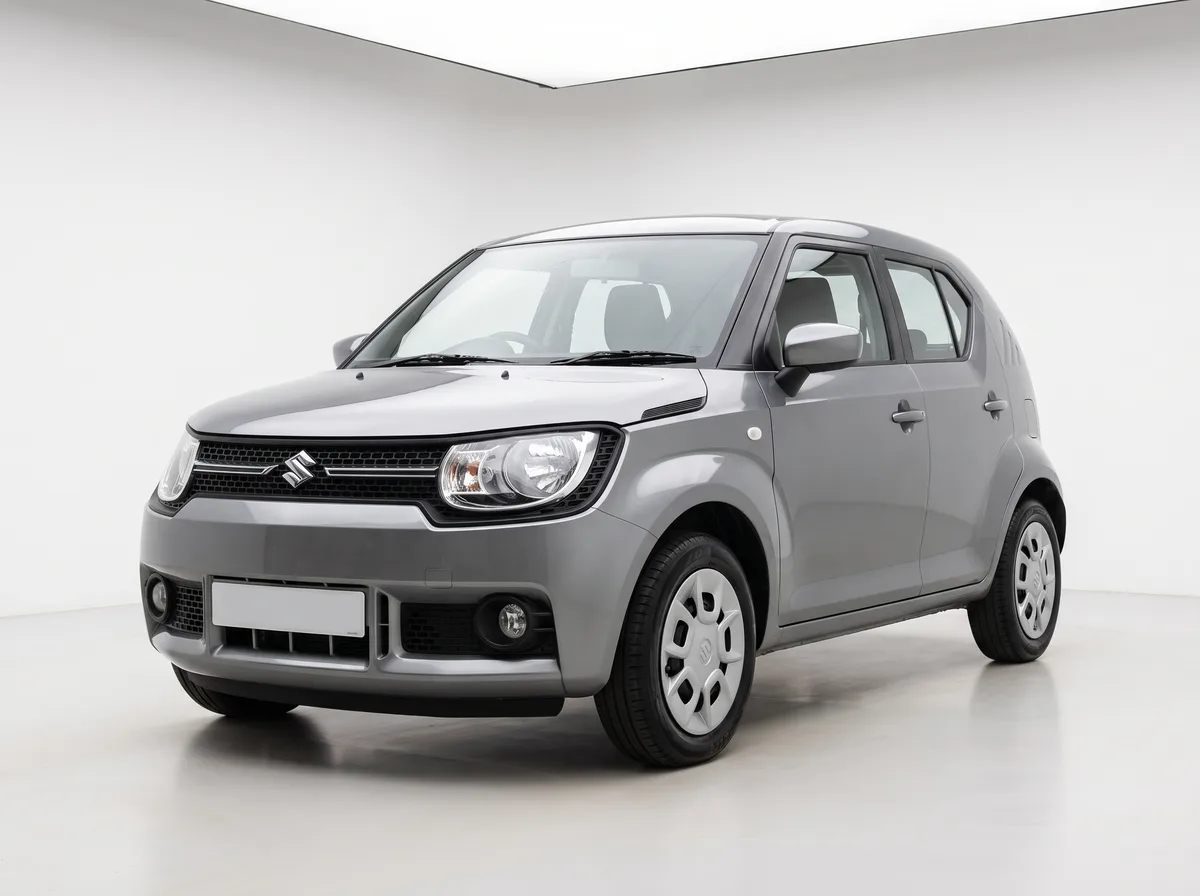
Suzuki Ignis
hatchback

Suzuki Dzire
sedan
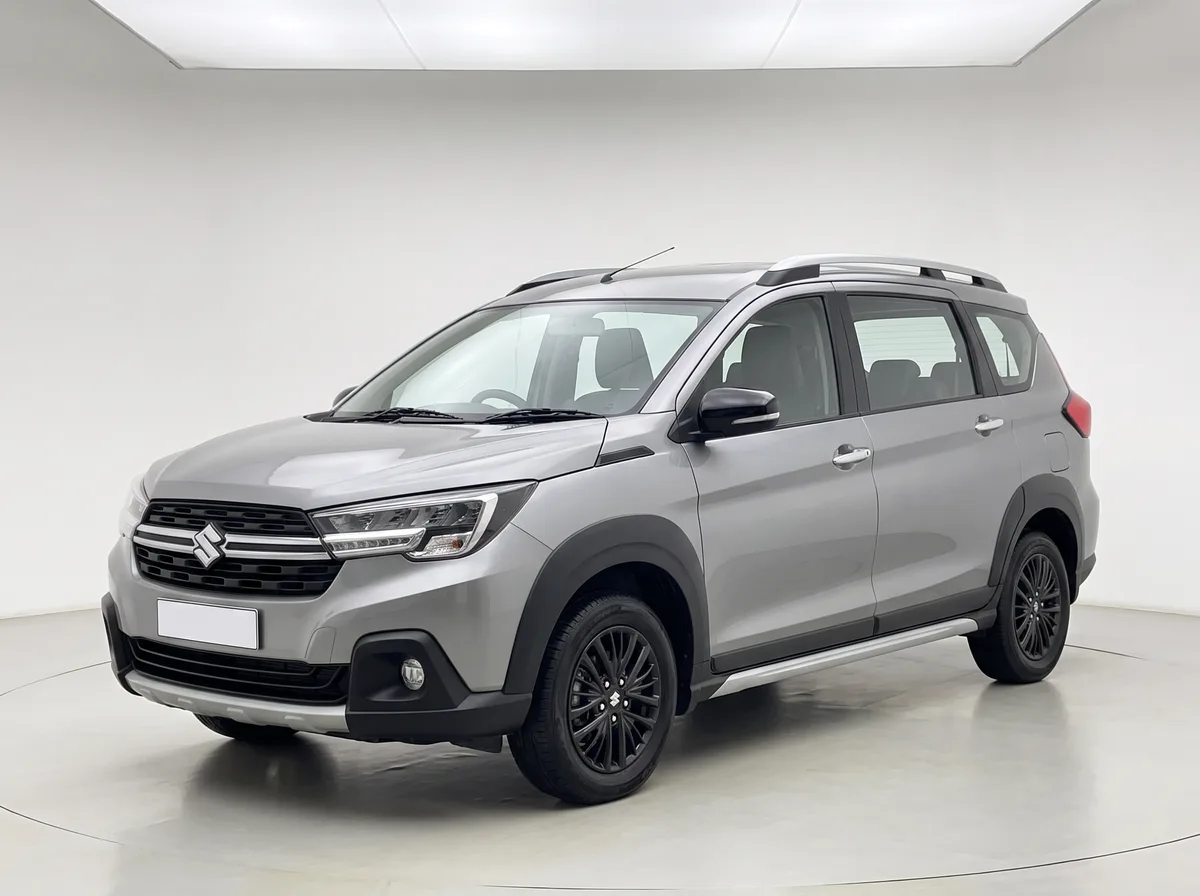
Suzuki XL6
mpv
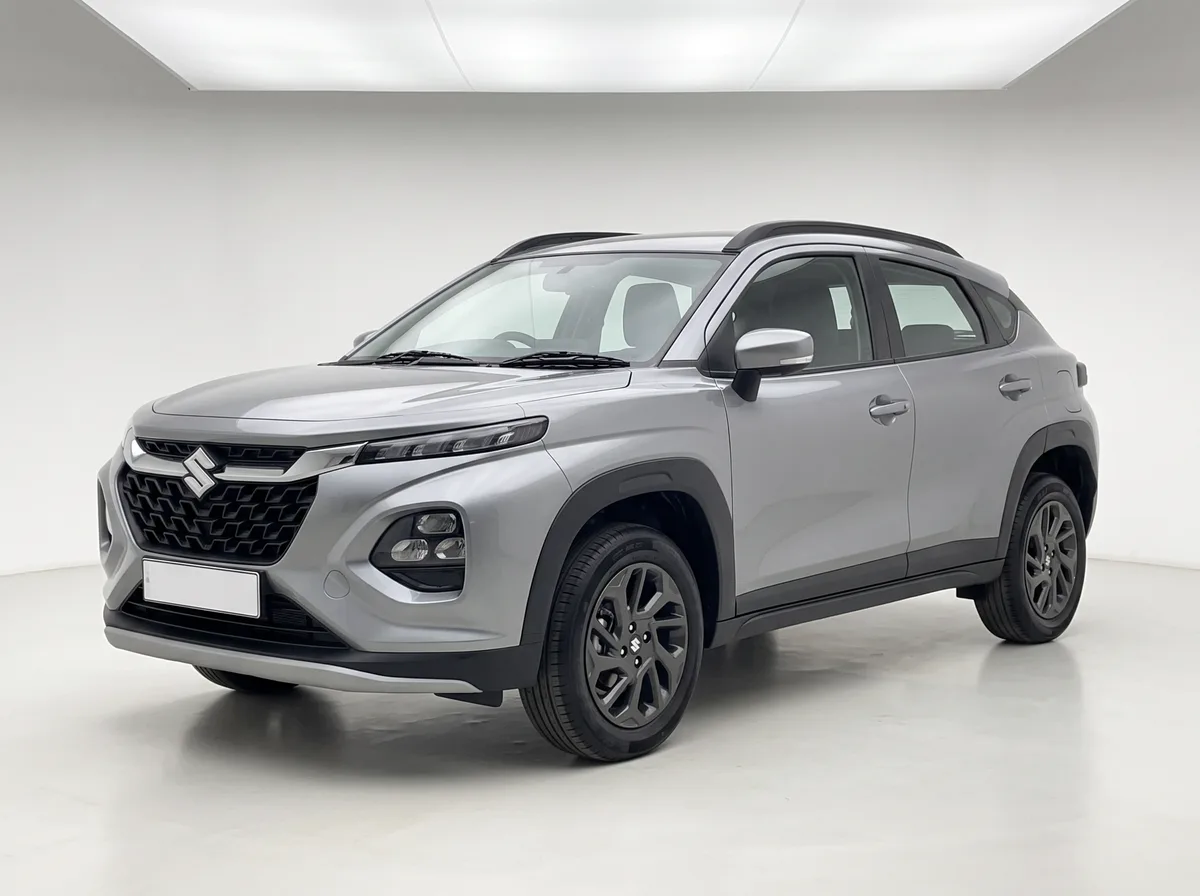
Suzuki Fronx
crossover

Suzuki Brezza
suv

Suzuki Ciaz
sedan
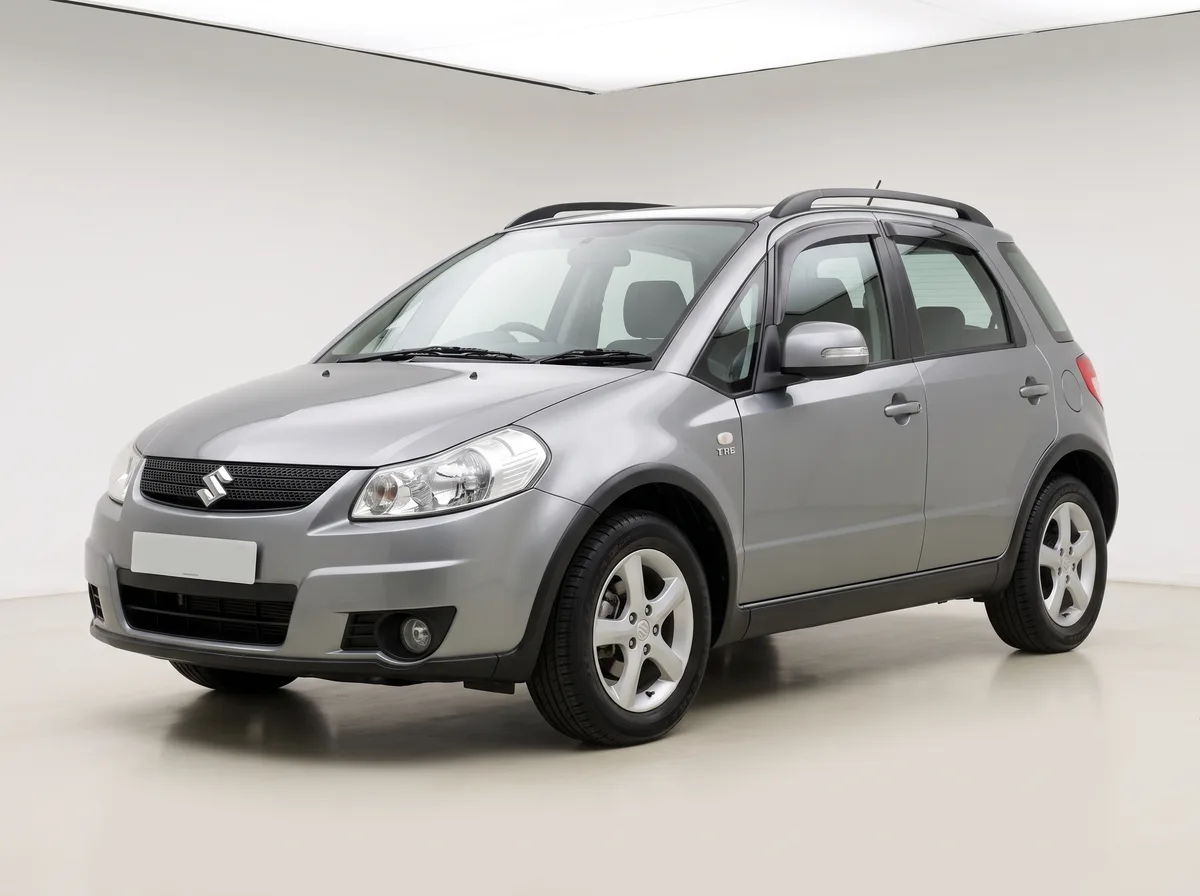
Suzuki SX4
crossover
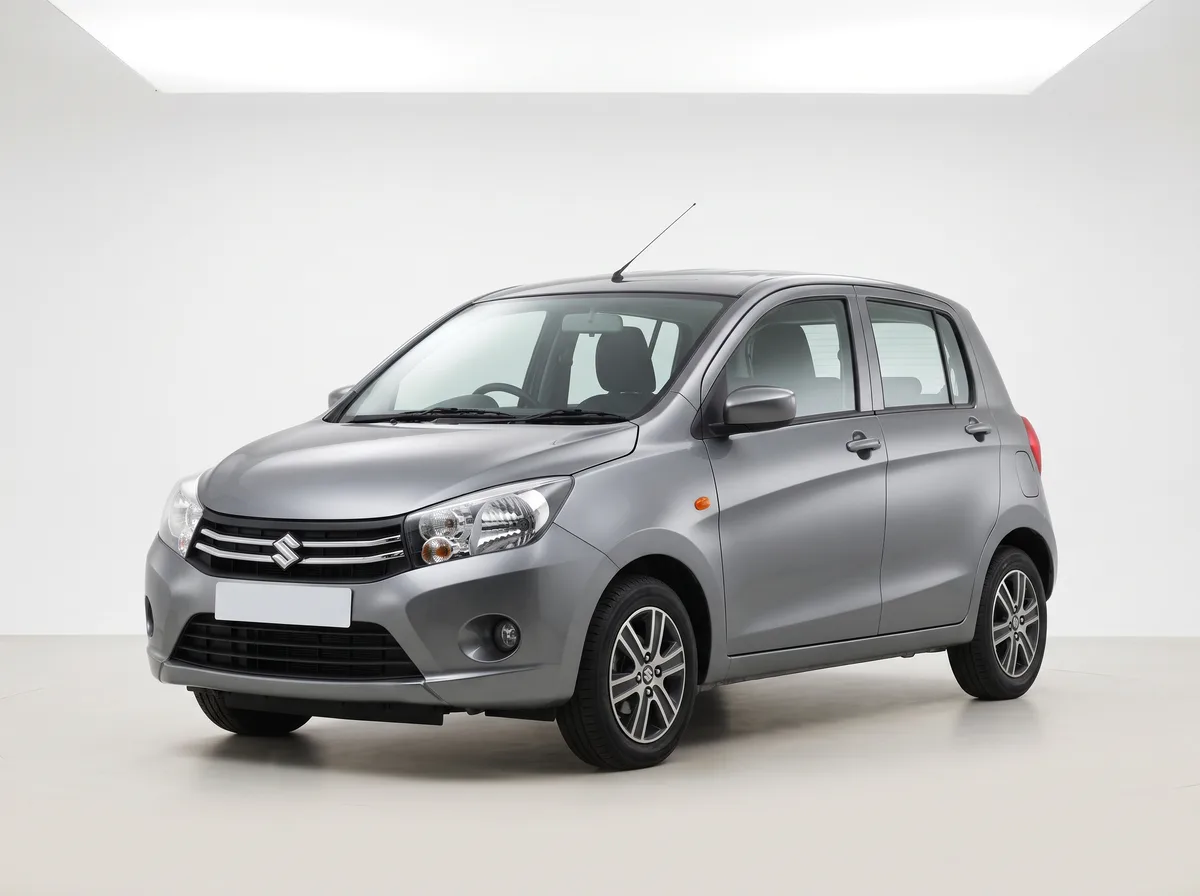
Suzuki Celerio
hatchback
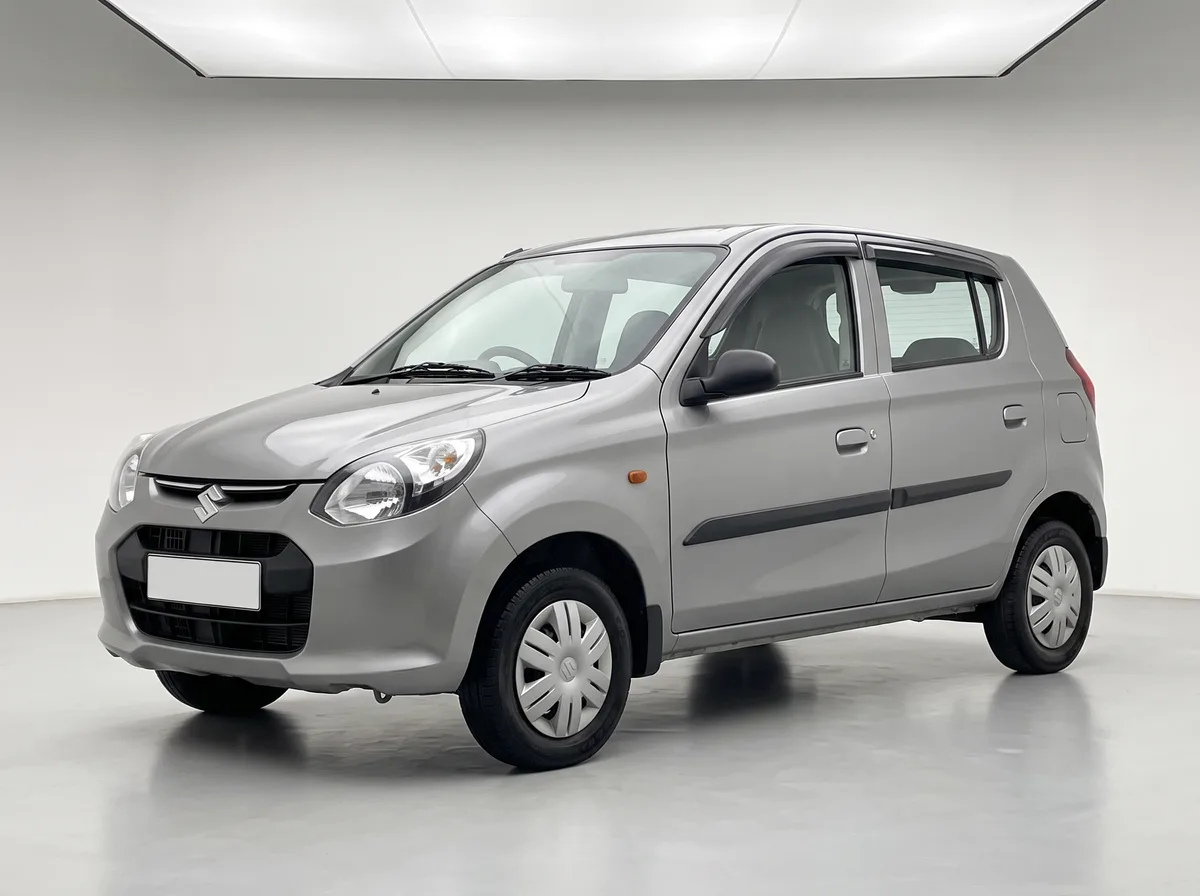
Suzuki Alto
hatchback
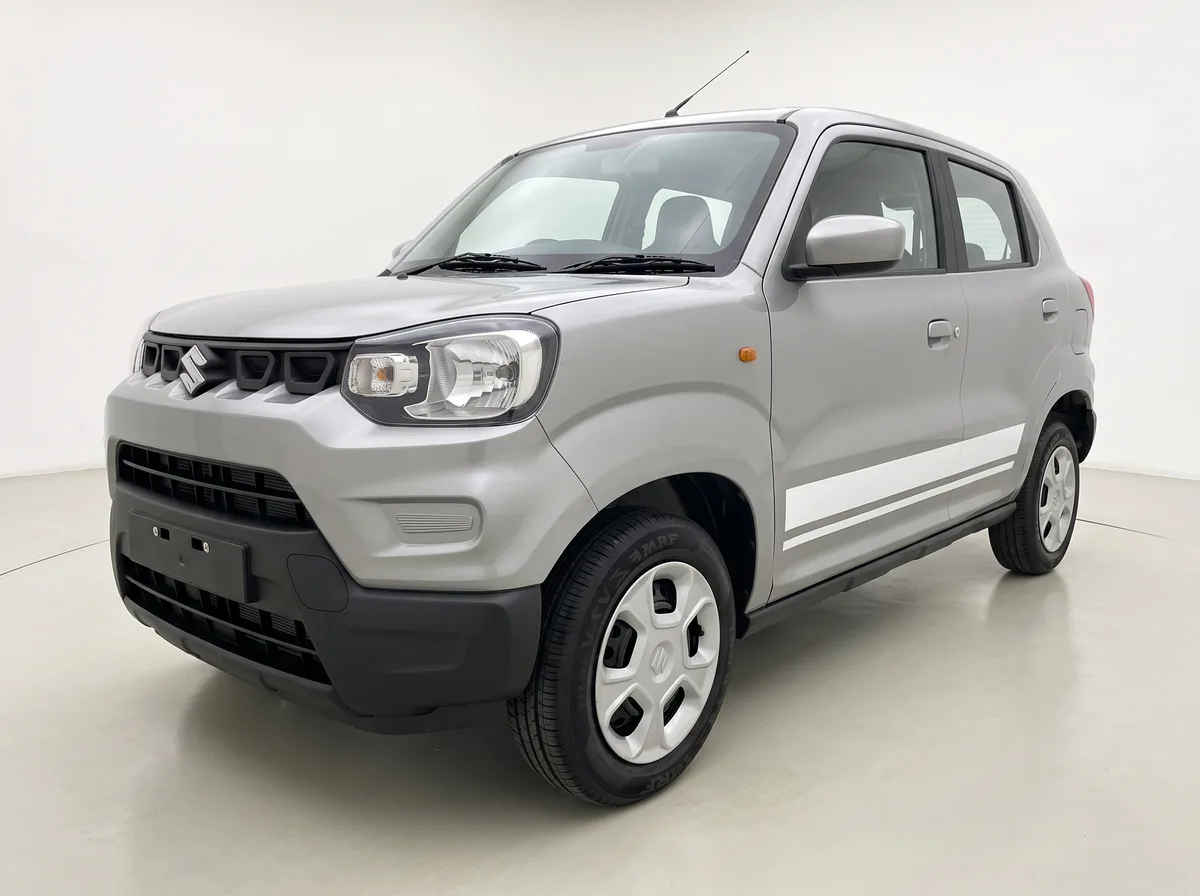
Suzuki S-Presso
hatchback
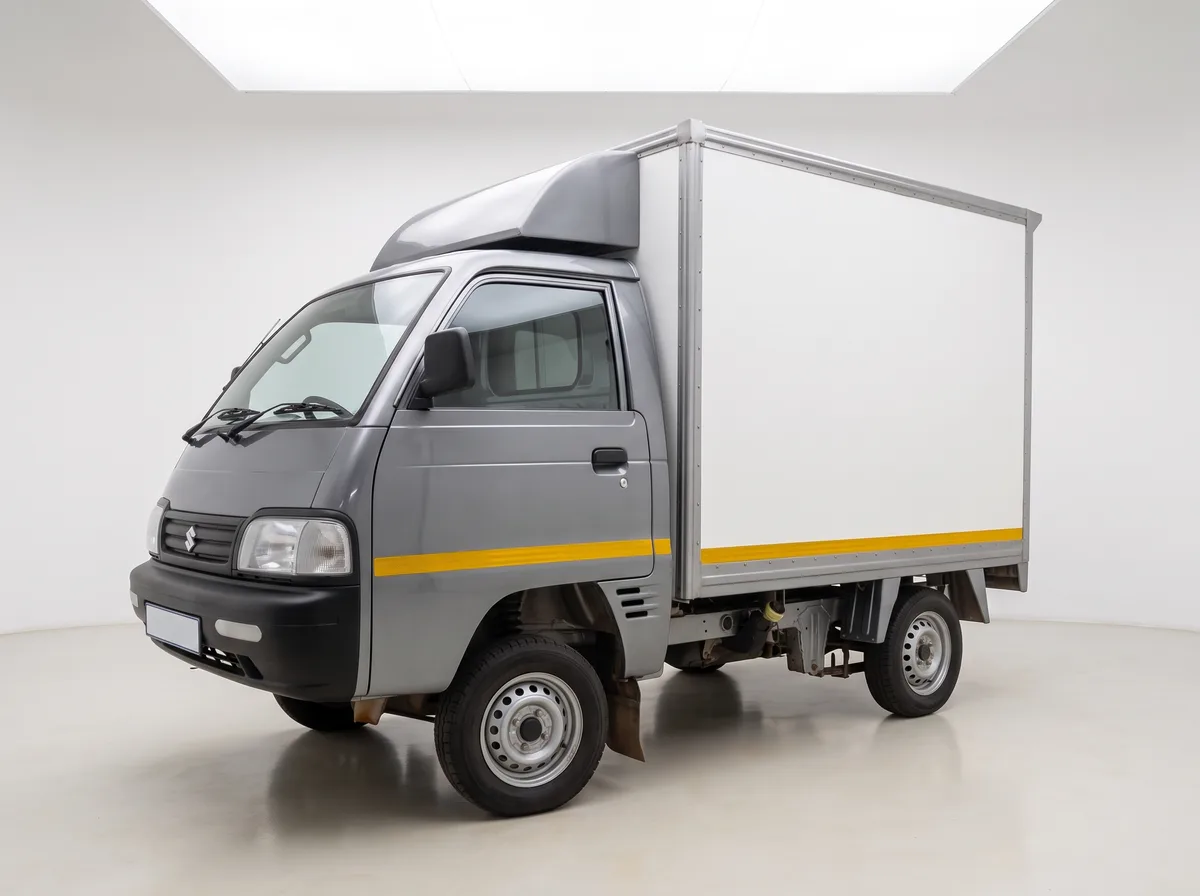
Suzuki Super Carry
commercial
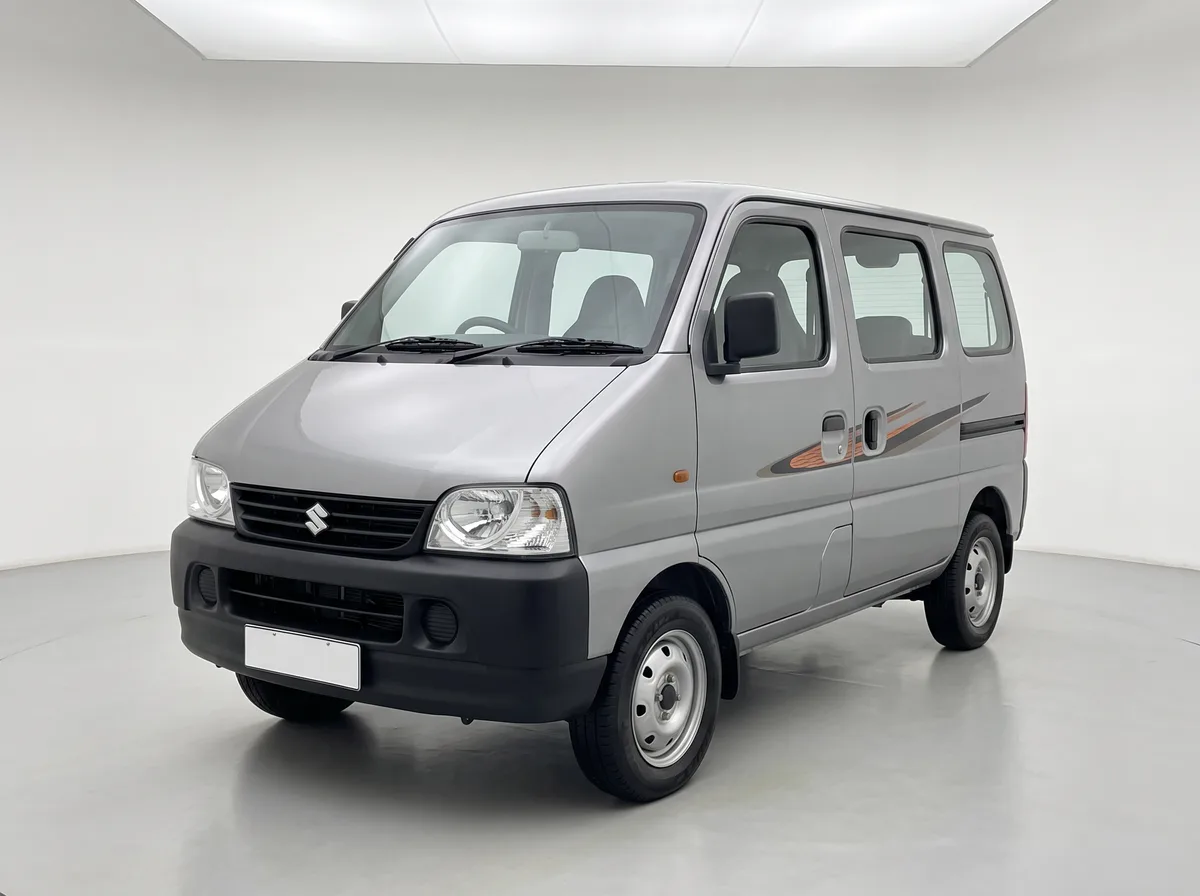
Suzuki Eeco
van
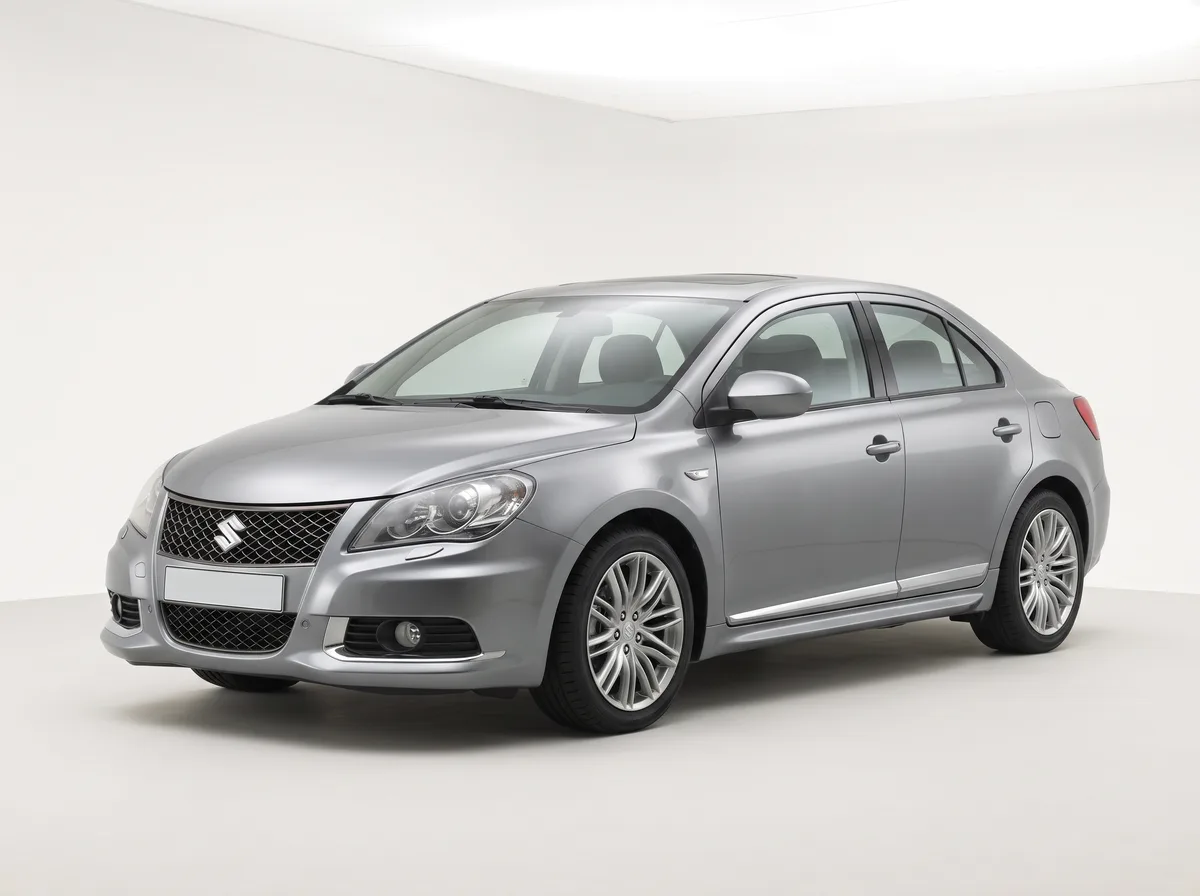
Suzuki Kizashi
sedan
Why two identical-looking Suzukis take different brake rotors
Strip away the catalogue language and what you are actually choosing between here is whether friction material alone will do, or whether the discs have already been skimmed as far as they safely go.
Suzuki builds light cars, and light cars run smaller brake hardware than the equivalent from a European marque — which is why parts that look close on a shelf are frequently not. Derivative matters more than model here: within a single Suzuki nameplate the entry car and the top spec can run different setups, and rear drums persist on the budget end of the range long after rivals moved to discs.
So we price brake rotors against your specific car, not against a badge. Send through the exact derivative, and whether the rear is drum or disc — a quick look through the wheel settles it, and we will come back to you on what fits , what it will cost, and how soon we can have it moving.
Brake Rotors, explained
Suzukis are light, and light cars are easy on brakes — the discs across most of the range are small and thin because there was never much mass to slow down. That cuts both ways. A thin disc has less metal to soak up heat, so a long descent held on the brake pedal instead of a lower gear will cook a set faster than the same treatment would on a heavier car. And on anything that stands for weeks at a time near the coast, surface rust turns into pitting that no amount of driving will scrub back off.
Discs are one of the few parts where the car itself gives you the answer. A minimum thickness figure is cast or stamped into the disc, usually on the outer edge or on the hub face, and any workshop with a micrometer can tell you in a minute whether yours is finished or still has life in it. Worth knowing before you order a set of four: not every Suzuki has discs at the back. The Jimny runs leading and trailing drum brakes on the rear axle in both the third and fourth generation, and several of the smaller cars in the range do the same, so confirm what your derivative actually has.
How you know brake rotors are on the way out
Recognise any of that? Tell us the model and year and we will go and check what we can get hold of for you.
Before you order Suzuki brake rotors
What decides which brake rotors fits my Suzuki?
Suzuki builds light cars, and light cars run smaller brake hardware than the equivalent from a European marque — which is why parts that look close on a shelf are frequently not. Derivative matters more than model here: within a single Suzuki nameplate the entry car and the top spec can run different setups, and rear drums persist on the budget end of the range long after rivals moved to discs. In practice the decision in front of you is whether friction material alone will do, or whether the discs have already been skimmed as far as they safely go.
What do you need from me to quote brake rotors?
The exact derivative, and whether the rear is drum or disc — a quick look through the wheel settles it. With that we can usually confirm the right part quickly, and we'll tell you whether we're quoting new, aftermarket or good used rather than leaving you to guess.
Can my discs be skimmed instead of replaced?
Sometimes, but less often than people expect. Skimming removes metal, and the disc has to finish above the minimum thickness stamped on it with enough margin left to survive the next set of pads. On the thin discs fitted to small cars there is usually very little to give away, so measure first and let the number decide rather than the price of the alternative.
Do I have to replace both sides at once?
Yes. Discs are replaced in axle pairs. A fresh disc on one side and a worn one on the other gives you uneven bite and pull under braking, which is worse than the problem you set out to fix.
Are used discs worth buying?
They can be, provided they are measured rather than eyeballed. What you want is thickness above the minimum, no lip you can feel, no heat cracking radiating from the vane slots and no run-out. A disc that looks tidy under a layer of surface rust can still be finished. Tell us the derivative and model year and we will check the fitment against your car.
Why does the pedal only pulse after a long run?
That is normally thickness variation rather than a bent disc. Uneven pad deposits build up on the face, and as the disc expands with heat the high spots start pushing the pads back once per revolution. It shows up hot and disappears cold, which is exactly why people misdiagnose it as a caliper fault.
Do I need new pads at the same time?
Fit new pads with new discs. Old pads have worn to the shape of the old disc and will only make partial contact on a fresh face, so you get poor braking for the first while and a ridged new disc for your trouble. Bed the new set in gently before any hard stops.
Further reading on brake rotors
Independent sources, not ours. Worth a look if you want the background before you enquire.
Related categories
Front pad sets for Suzuki models, plus rear pads on the versions that run discs all round
Brake CalipersCaliper bodies, carriers and slide pins for Suzuki front brakes, including reconditioned exchange units
Brake LinesHard pipe and flexible hoses for Suzuki brake hydraulics, the parts a roadworthy test fails you on for corrosion
Brake FluidDOT 3 and DOT 4 fluid for Suzuki hydraulic systems, replaced on interval rather than only when something fails
Master CylinderBrake master cylinders and reservoirs for Suzuki models, the culprit when the pedal sinks with no visible leak
Brake BoosterVacuum servos for Suzuki brakes, and the check valve and hose that usually fail before the booster itself does
Brake DrumsRear drums for the Suzuki models that use them — the Swift, Celerio, S-Presso and Alto among them
Brake ShoesRear shoe sets and the springs, adjusters and hold-down kits that should go on with them
Supplied across South Africa
Areas we send brake rotors to.
Not sure which brake rotors your Suzuki takes?
The exact derivative, and whether the rear is drum or disc — a quick look through the wheel settles it is all we need. We cross-reference it against what we can source and come back with what fits.