
Suzuki Brakes
Used, aftermarket and reconditioned parts. Not supplied by Suzuki Auto South Africa.
Pick the part
The exact derivative, and whether the rear is drum or disc — a quick look through the wheel settles it settles most of these — pick the component and we'll confirm the rest.

Brake Pads
Front pad sets for Suzuki models, plus rear pads on the versions that run discs all round
View brake pads →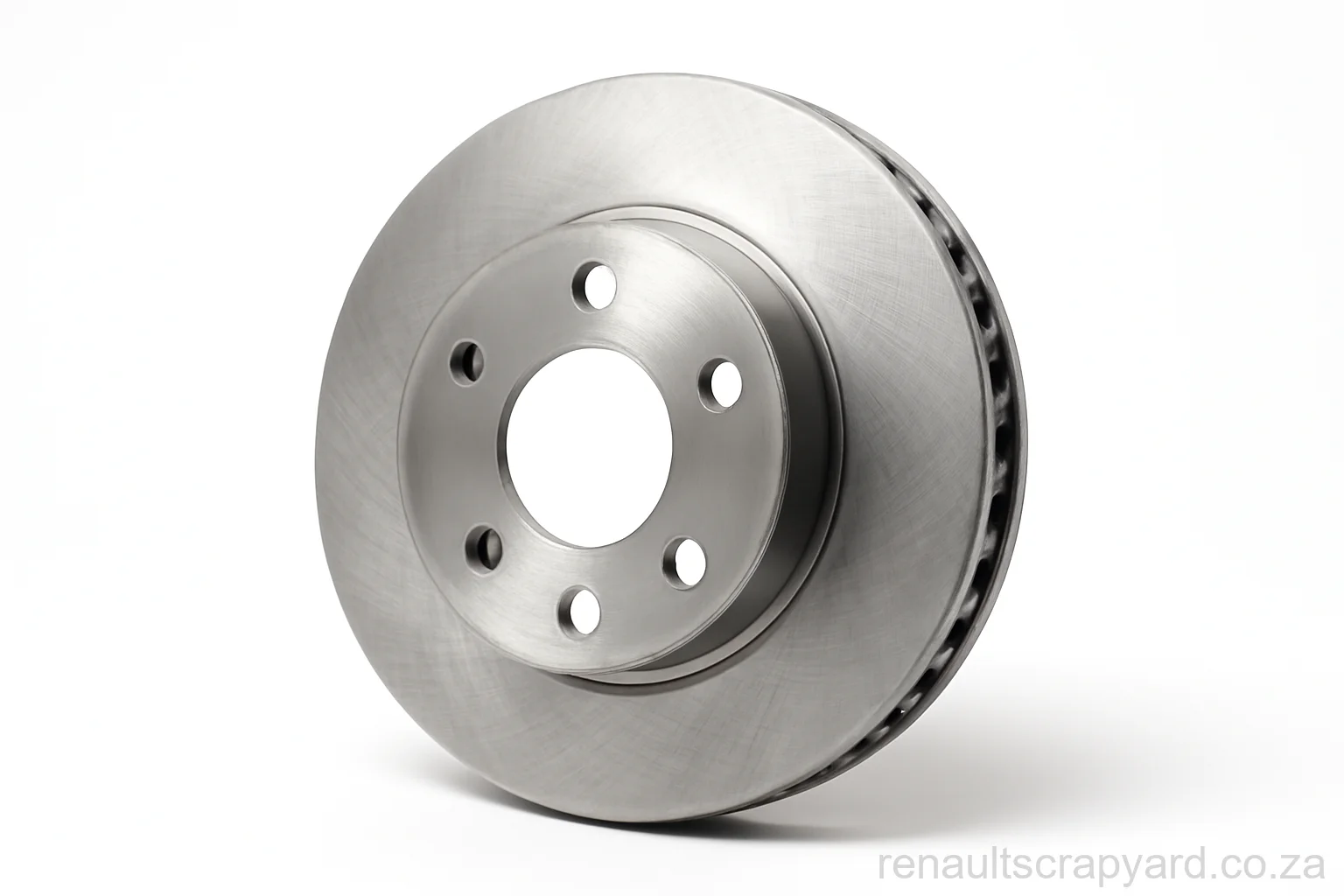
Brake Rotors
Front brake discs for Suzuki models, plus rear discs on the variants that carry them
View brake rotors →
Brake Calipers
Caliper bodies, carriers and slide pins for Suzuki front brakes, including reconditioned exchange units
View brake calipers →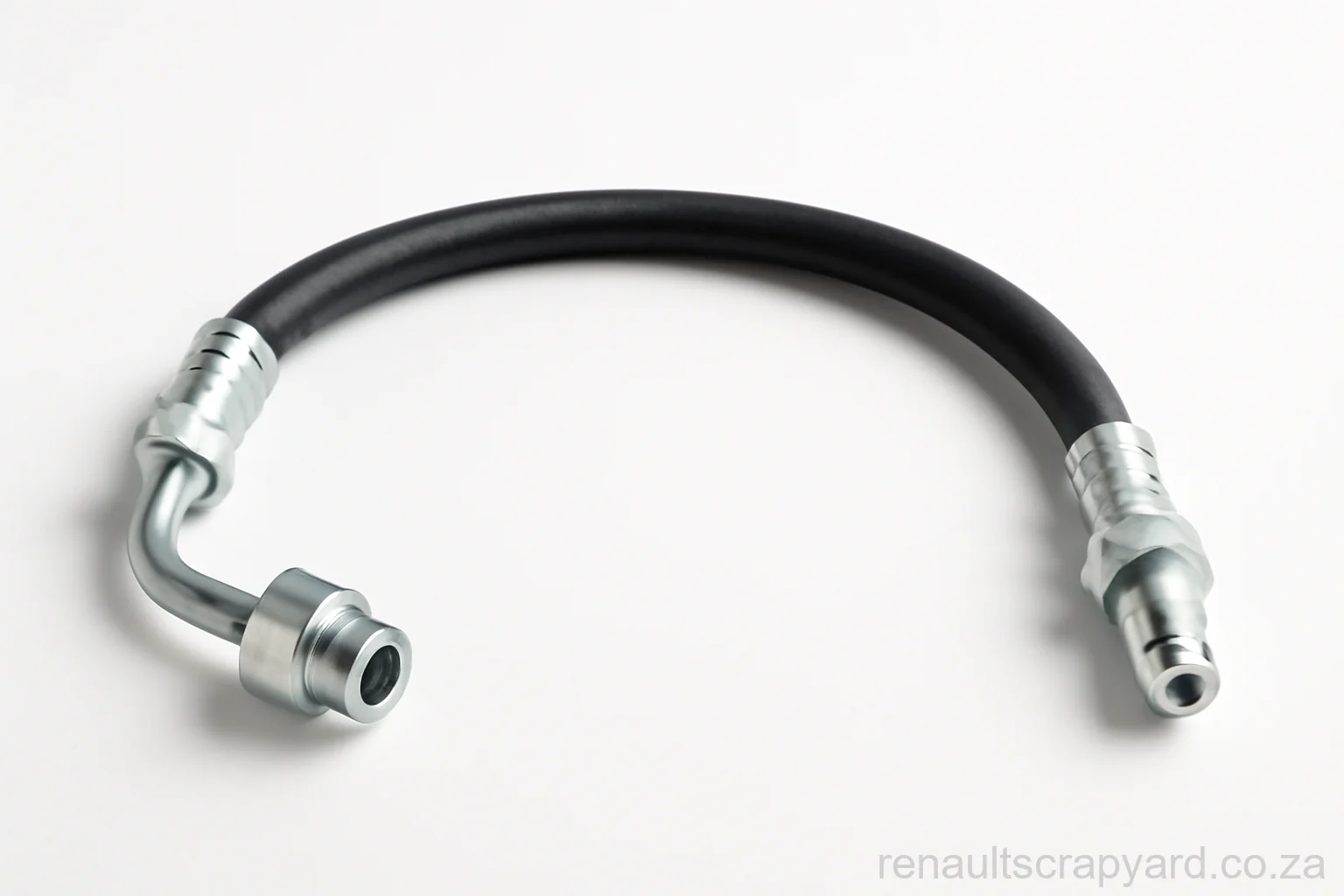
Brake Lines
Hard pipe and flexible hoses for Suzuki brake hydraulics, the parts a roadworthy test fails you on for corrosion
View brake lines →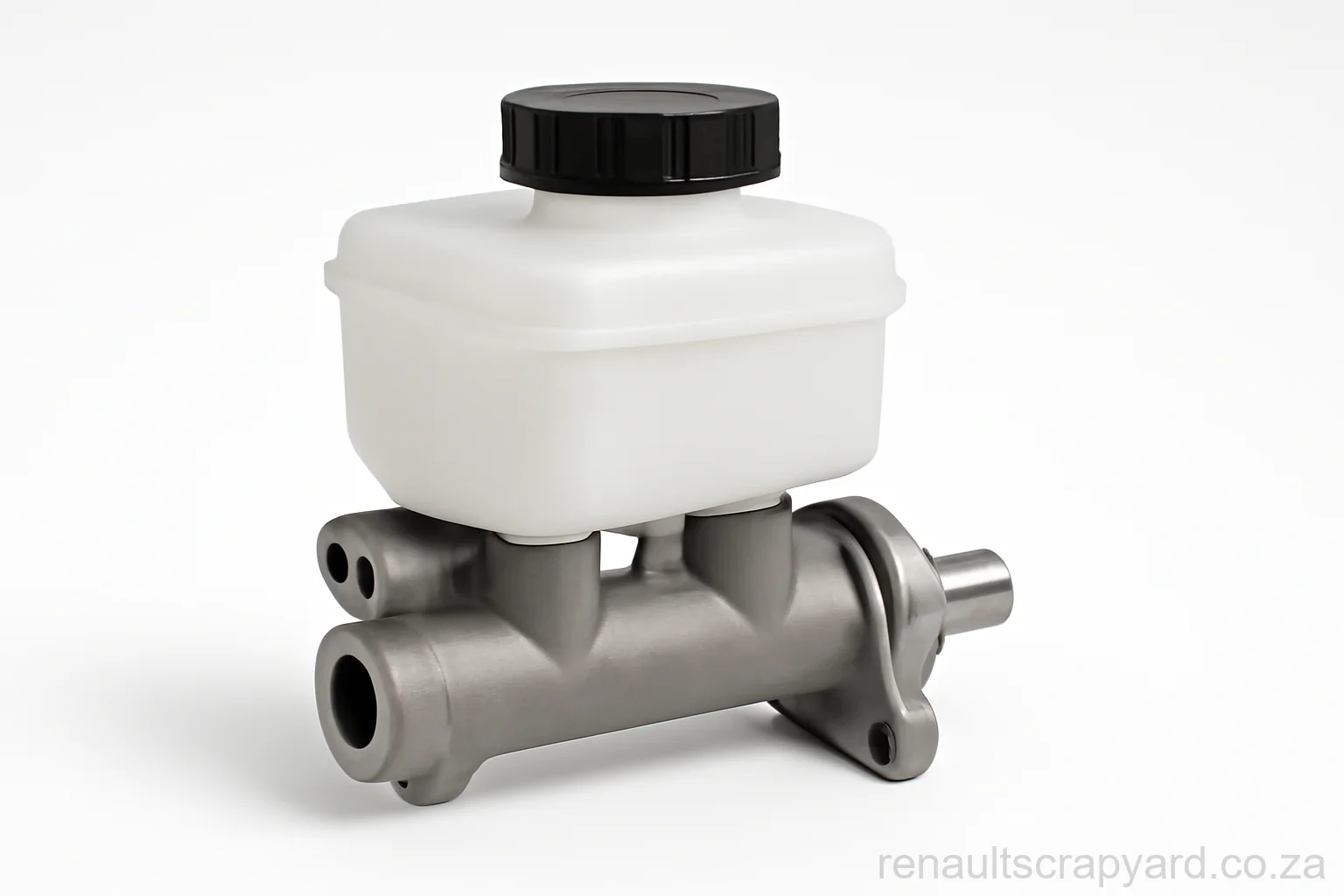
Brake Fluid
DOT 3 and DOT 4 fluid for Suzuki hydraulic systems, replaced on interval rather than only when something fails
View brake fluid →
Master Cylinder
Brake master cylinders and reservoirs for Suzuki models, the culprit when the pedal sinks with no visible leak
View master cylinder →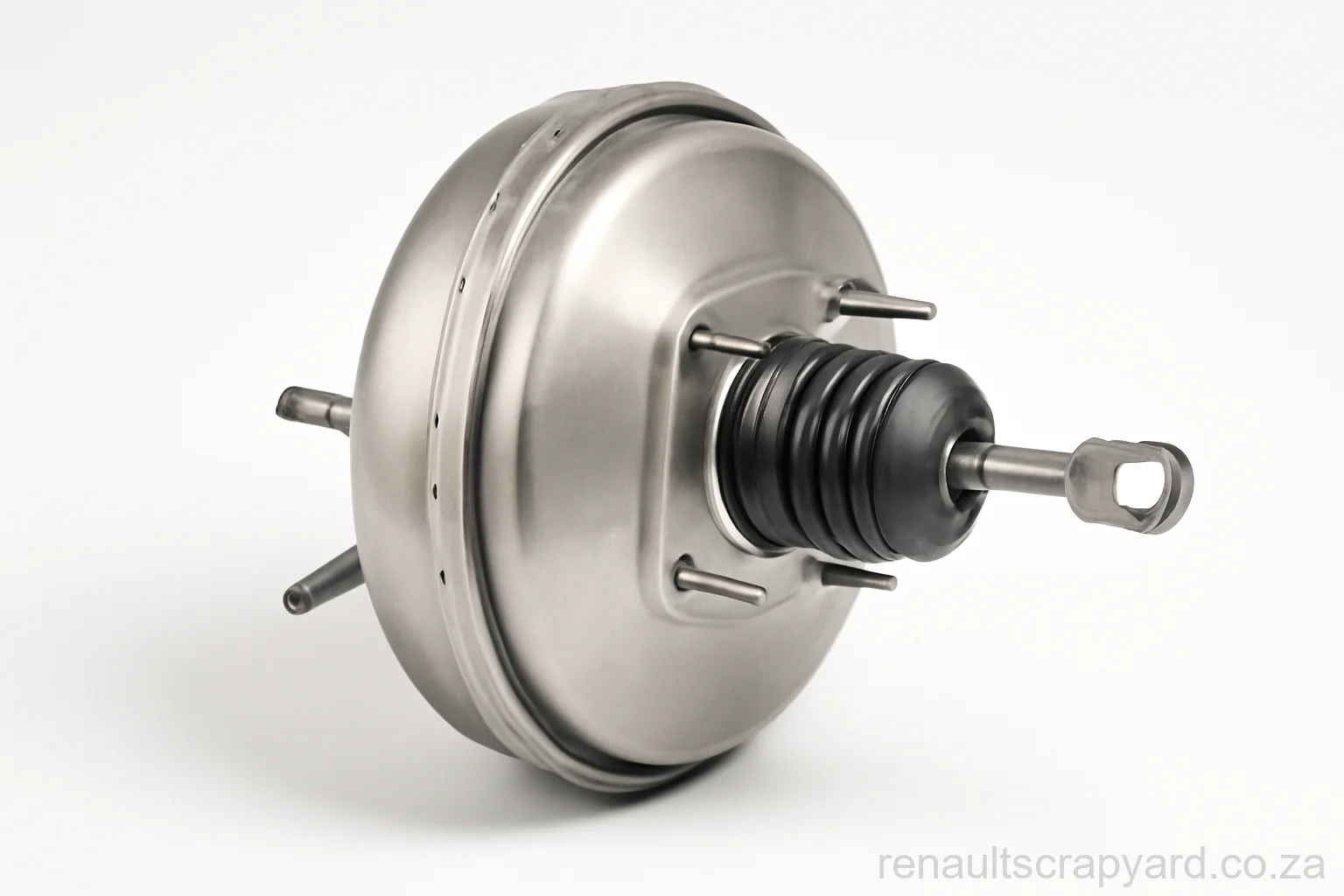
Brake Booster
Vacuum servos for Suzuki brakes, and the check valve and hose that usually fail before the booster itself does
View brake booster →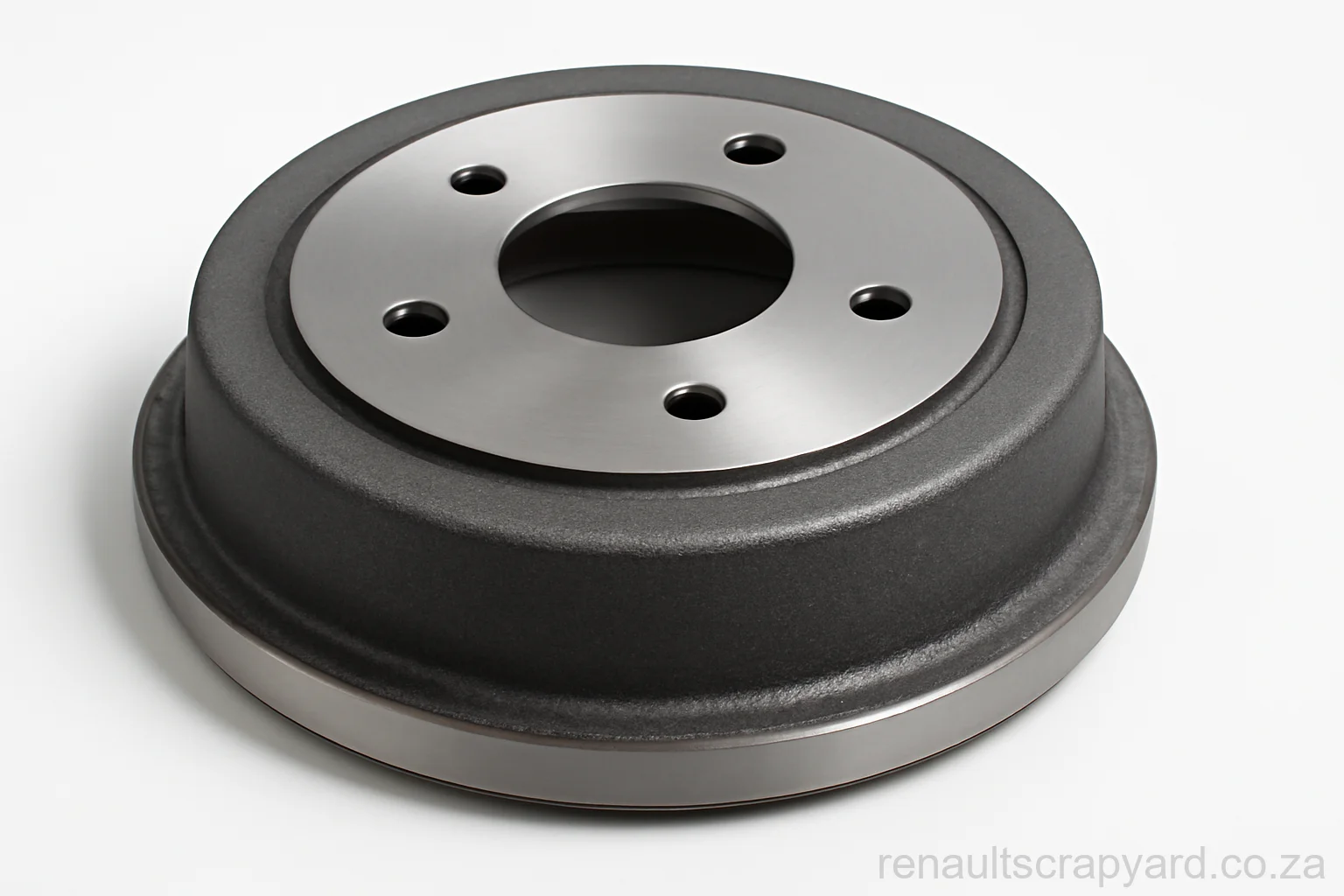
Brake Drums
Rear drums for the Suzuki models that use them — the Swift, Celerio, S-Presso and Alto among them
View brake drums →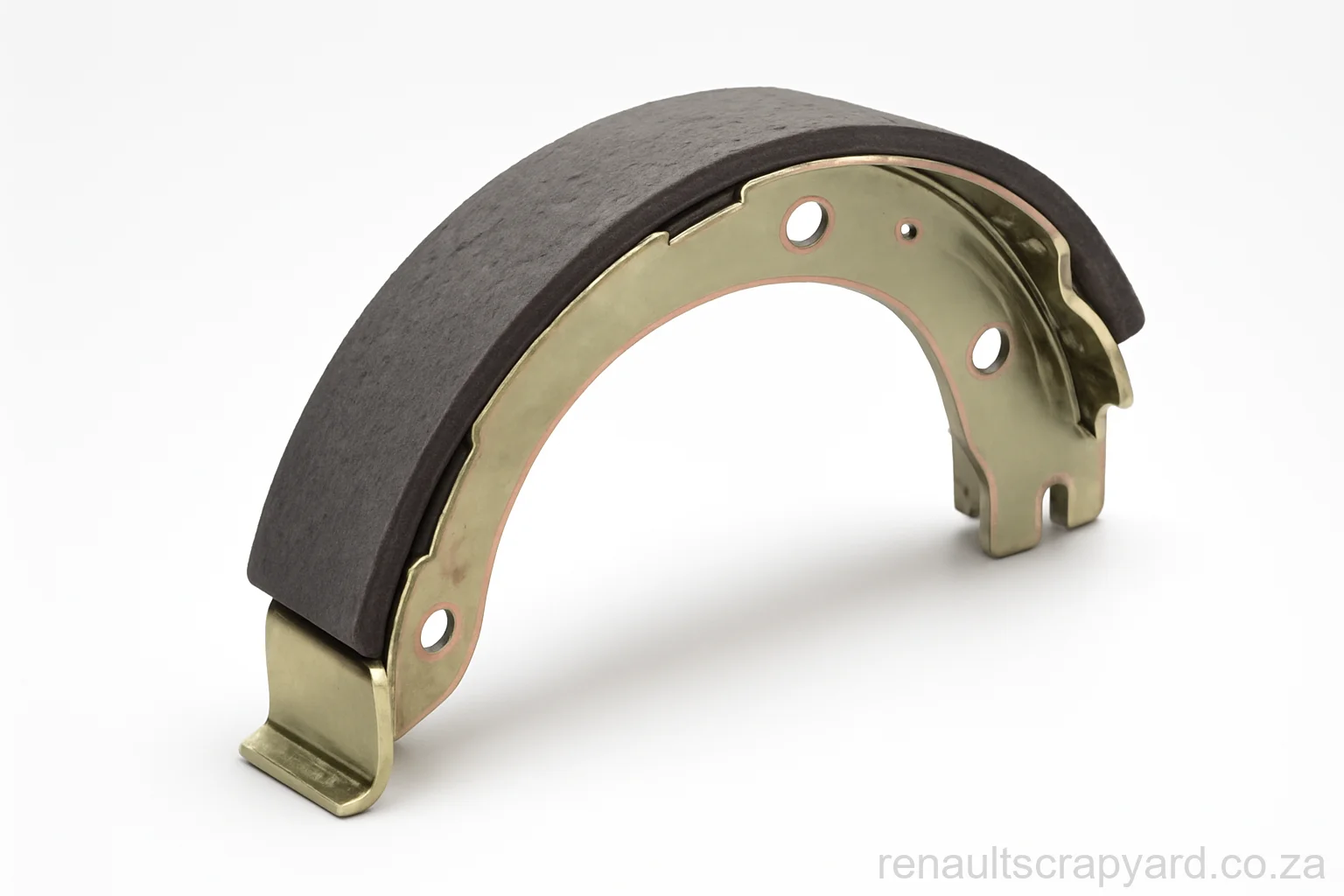
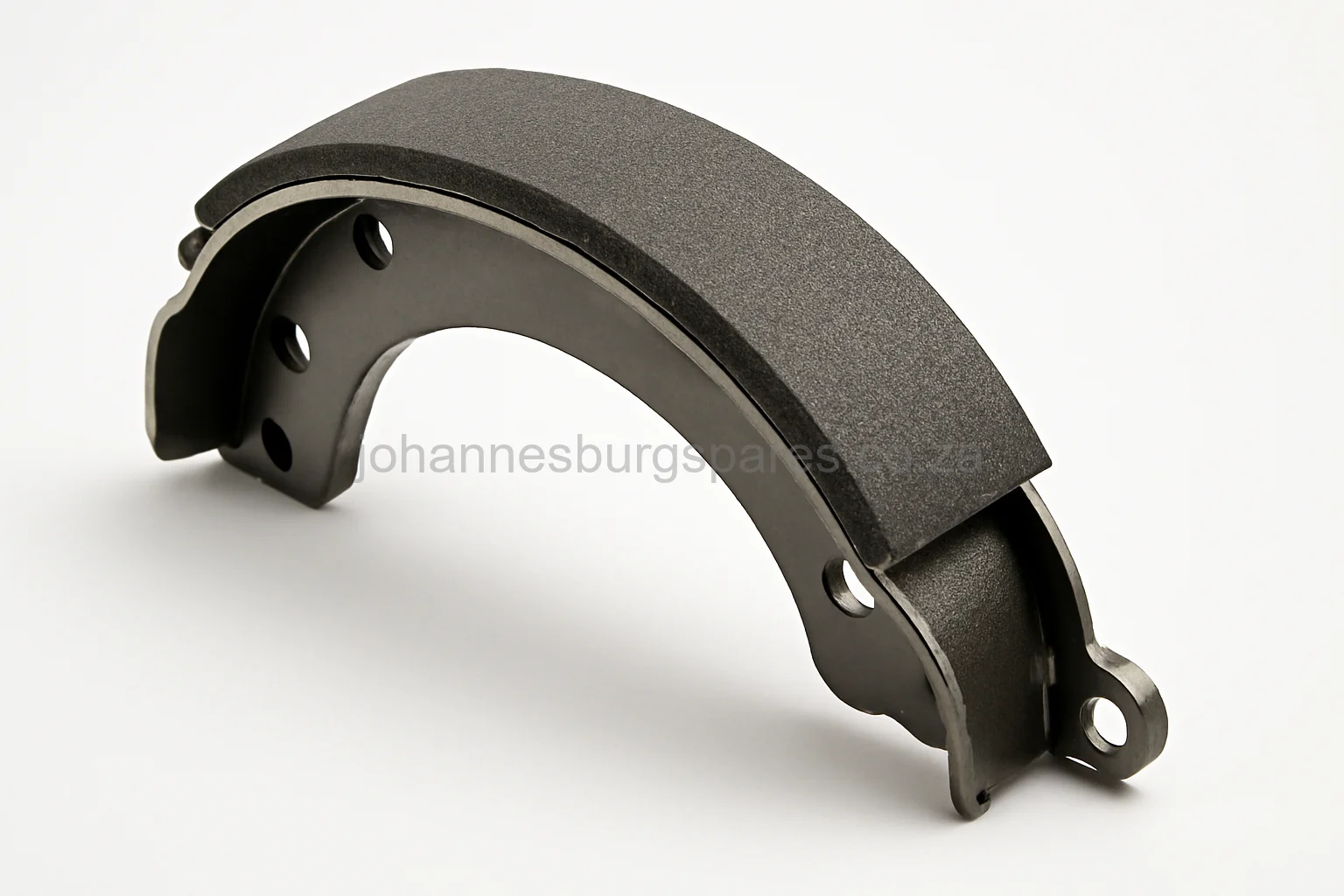
Brake Shoes
Rear shoe sets and the springs, adjusters and hold-down kits that should go on with them
View brake shoes →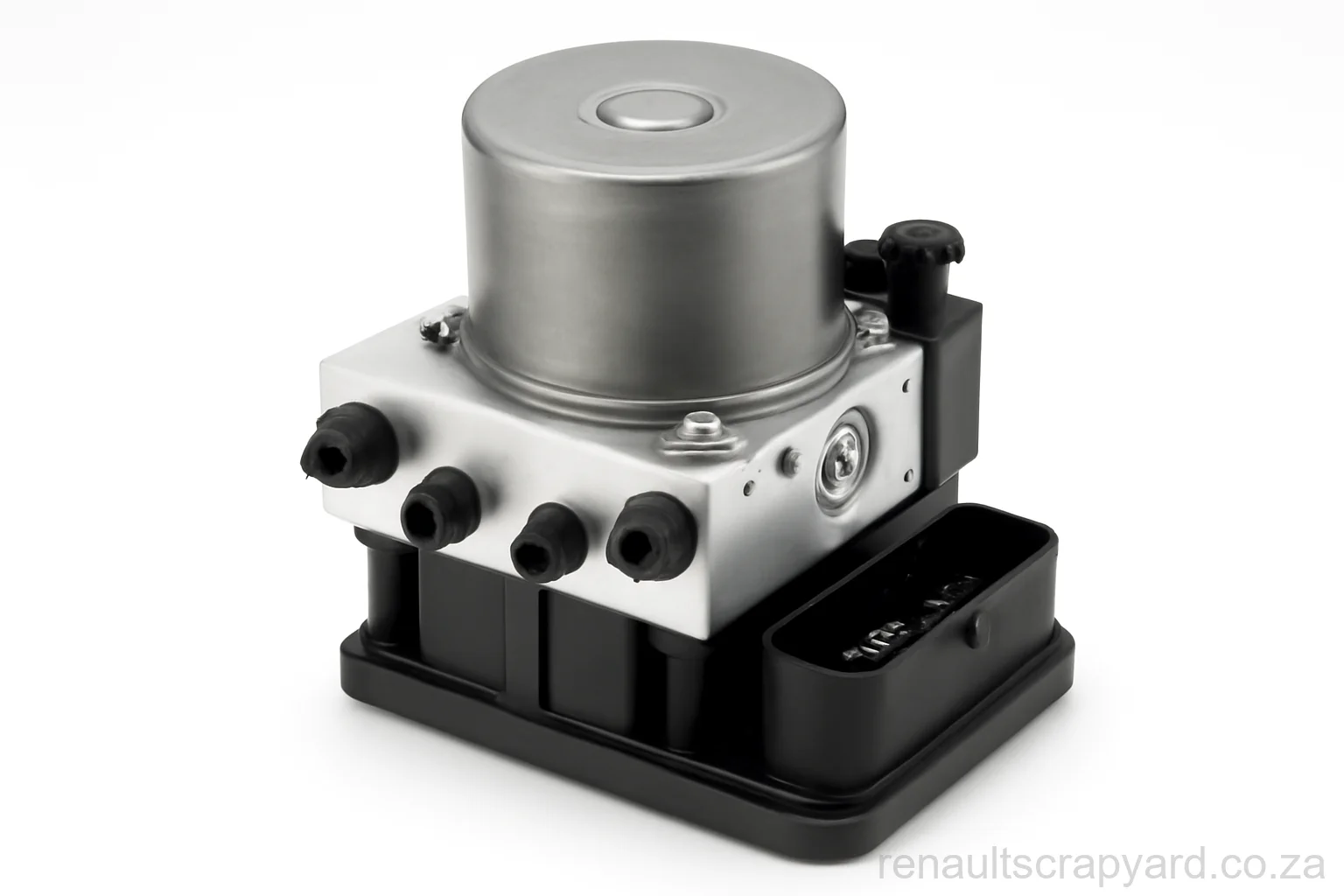
ABS Module
ABS pumps, modulators and wheel-speed sensors for Suzuki models with anti-lock brakes
View abs module →Pick the car and we'll narrow it down
The generation matters more than the nameplate. These pages spell out which is which.
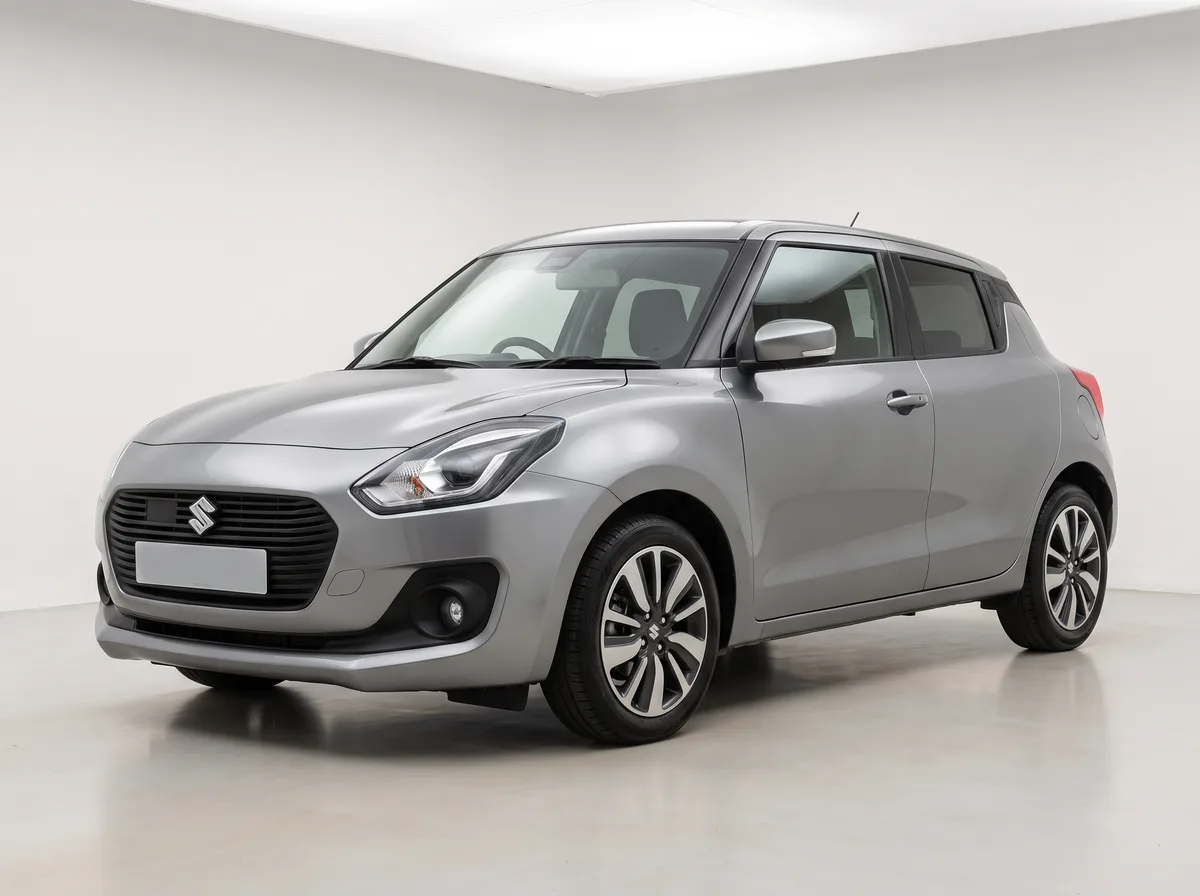
Suzuki Swift
hatchback
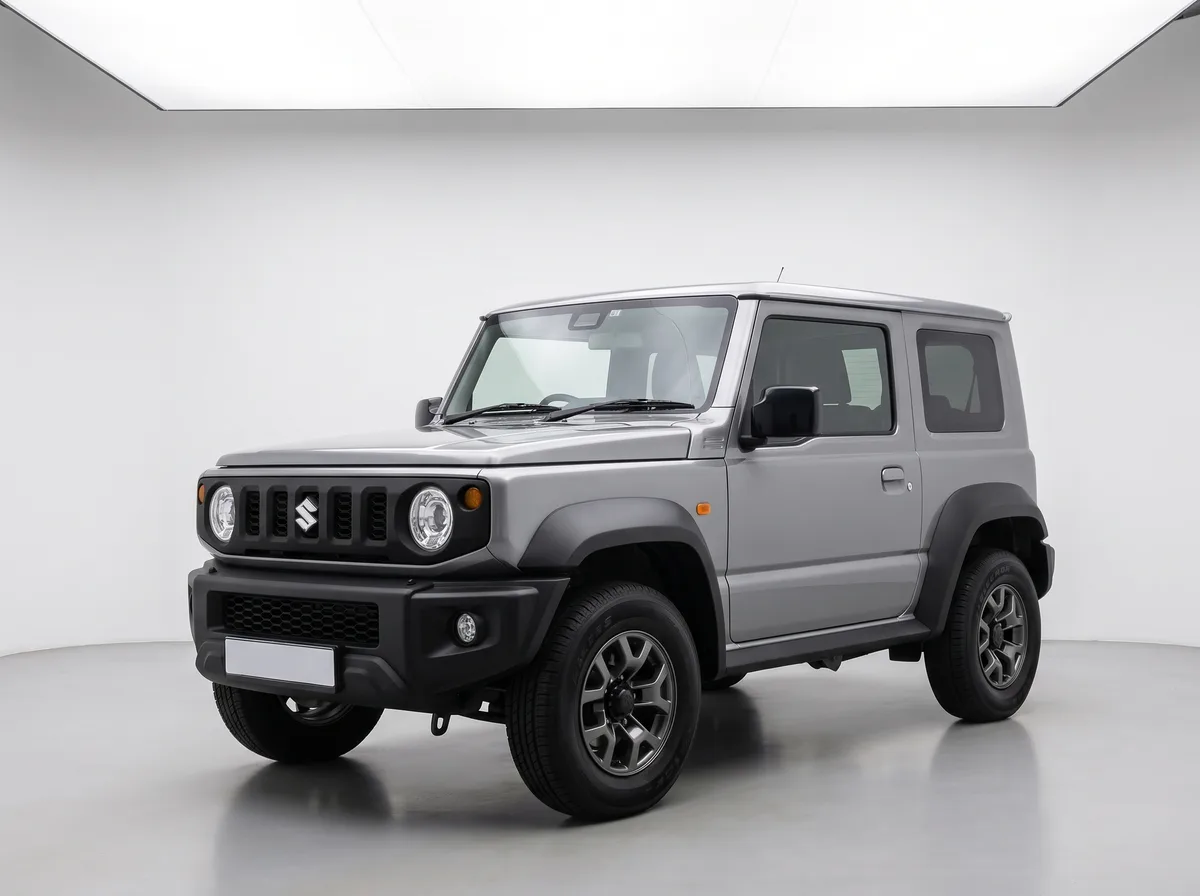
Suzuki Jimny
suv
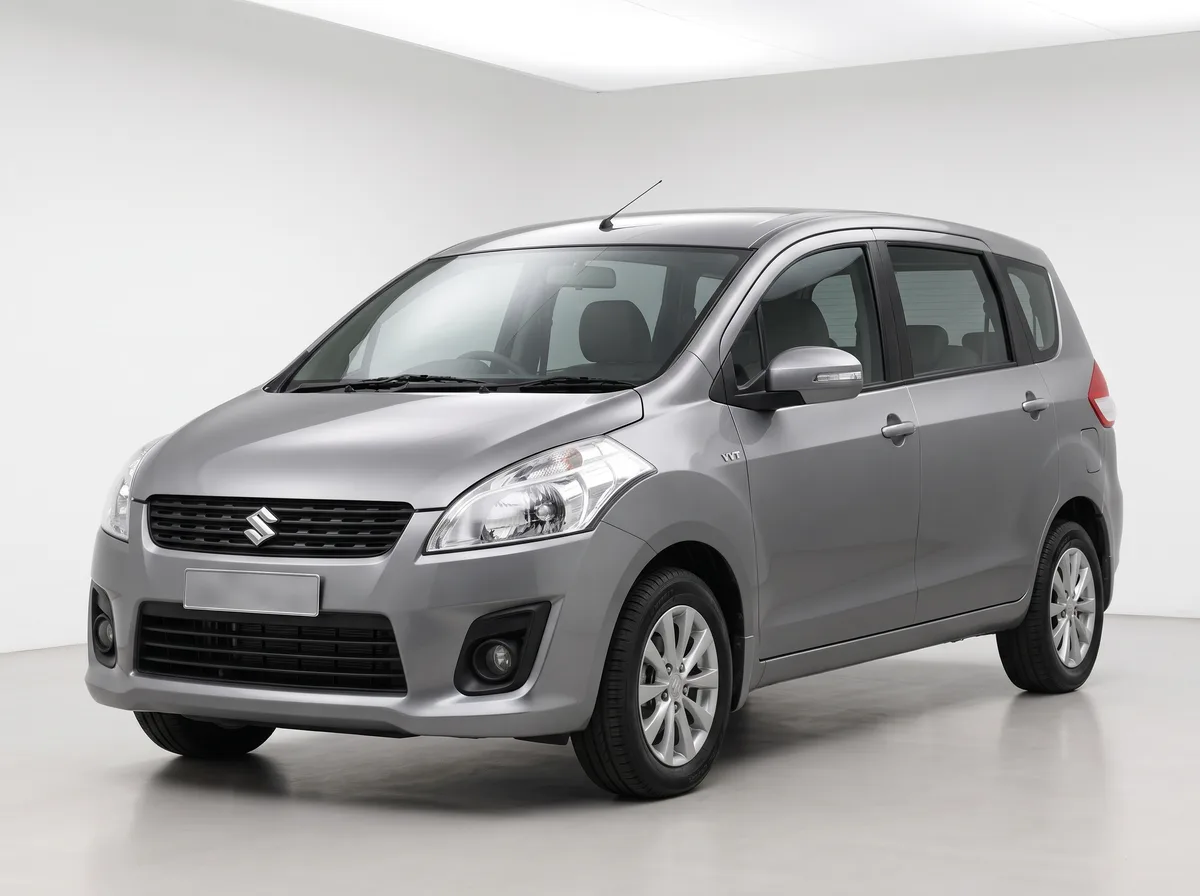
Suzuki Ertiga
mpv

Suzuki Vitara
crossover
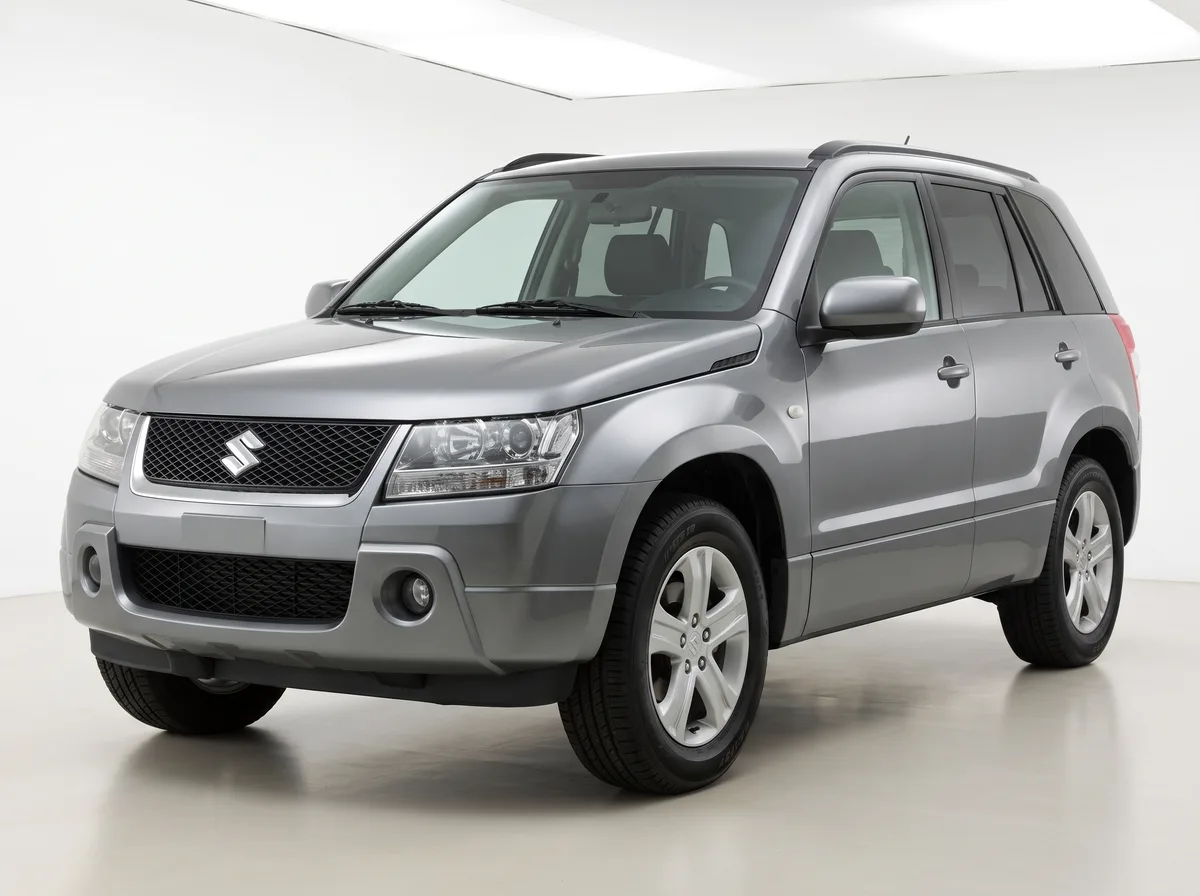
Suzuki Grand Vitara
suv
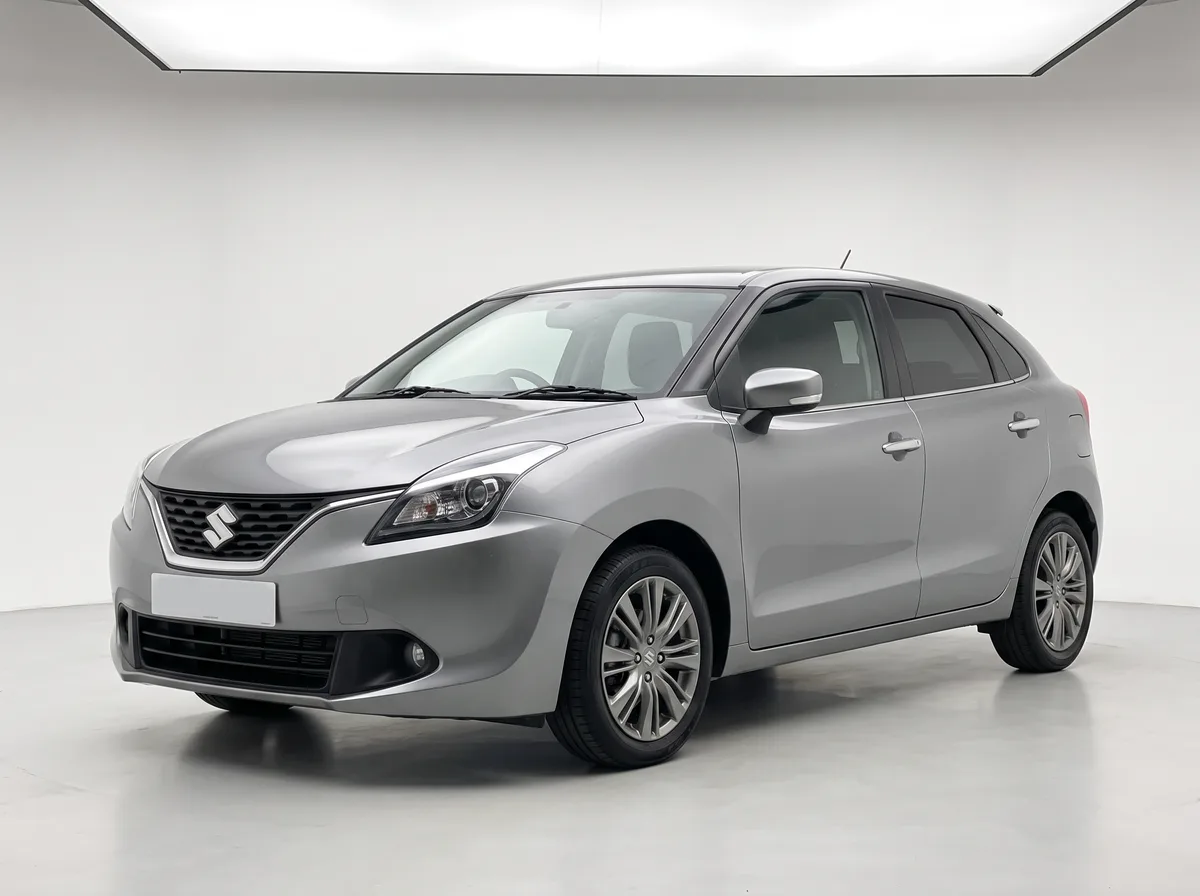
Suzuki Baleno
hatchback
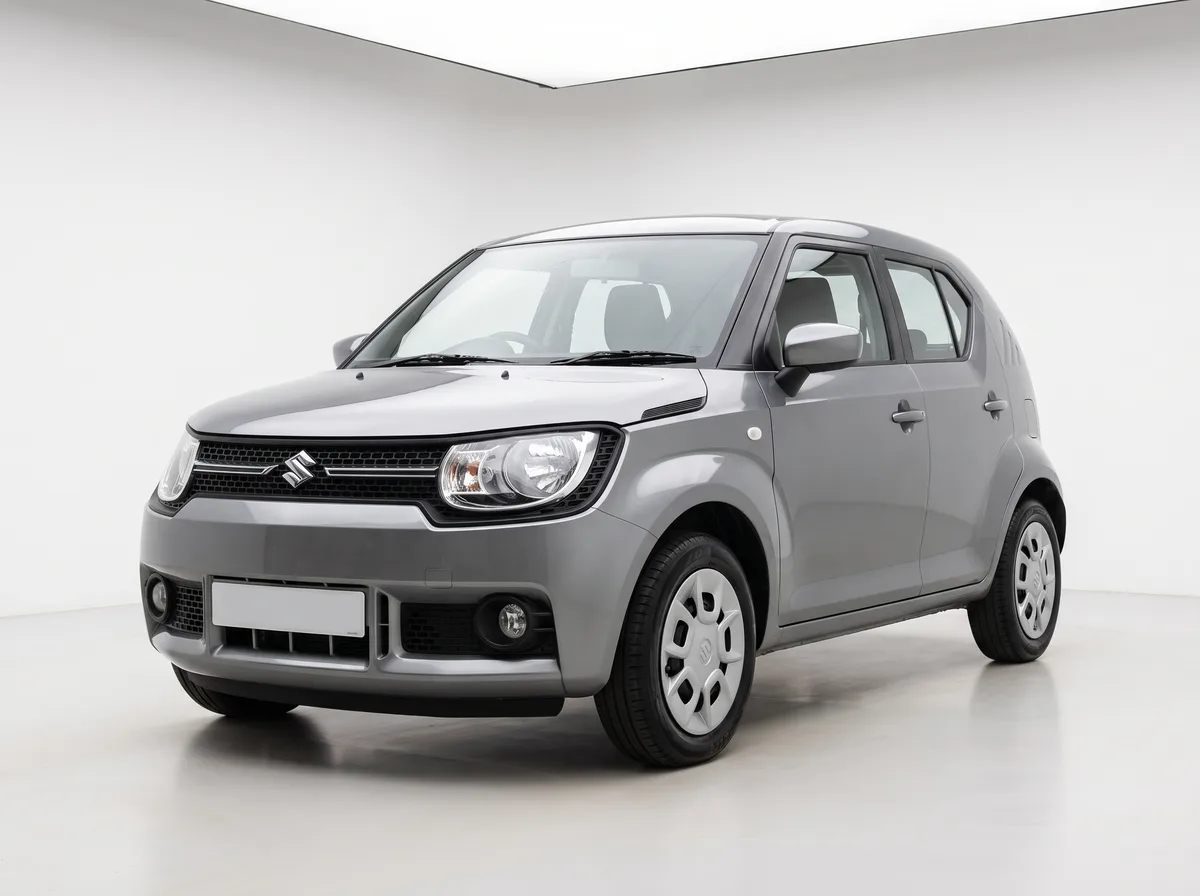
Suzuki Ignis
hatchback
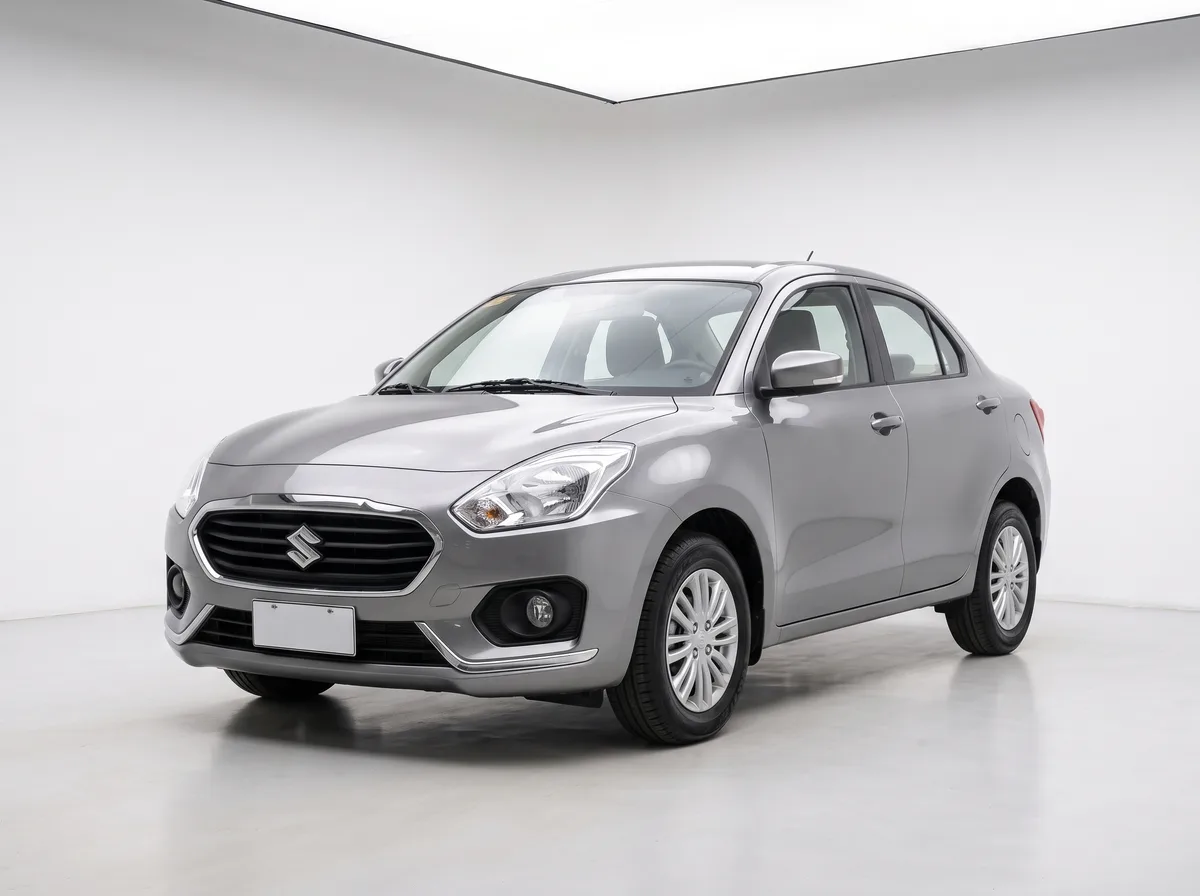
Suzuki Dzire
sedan
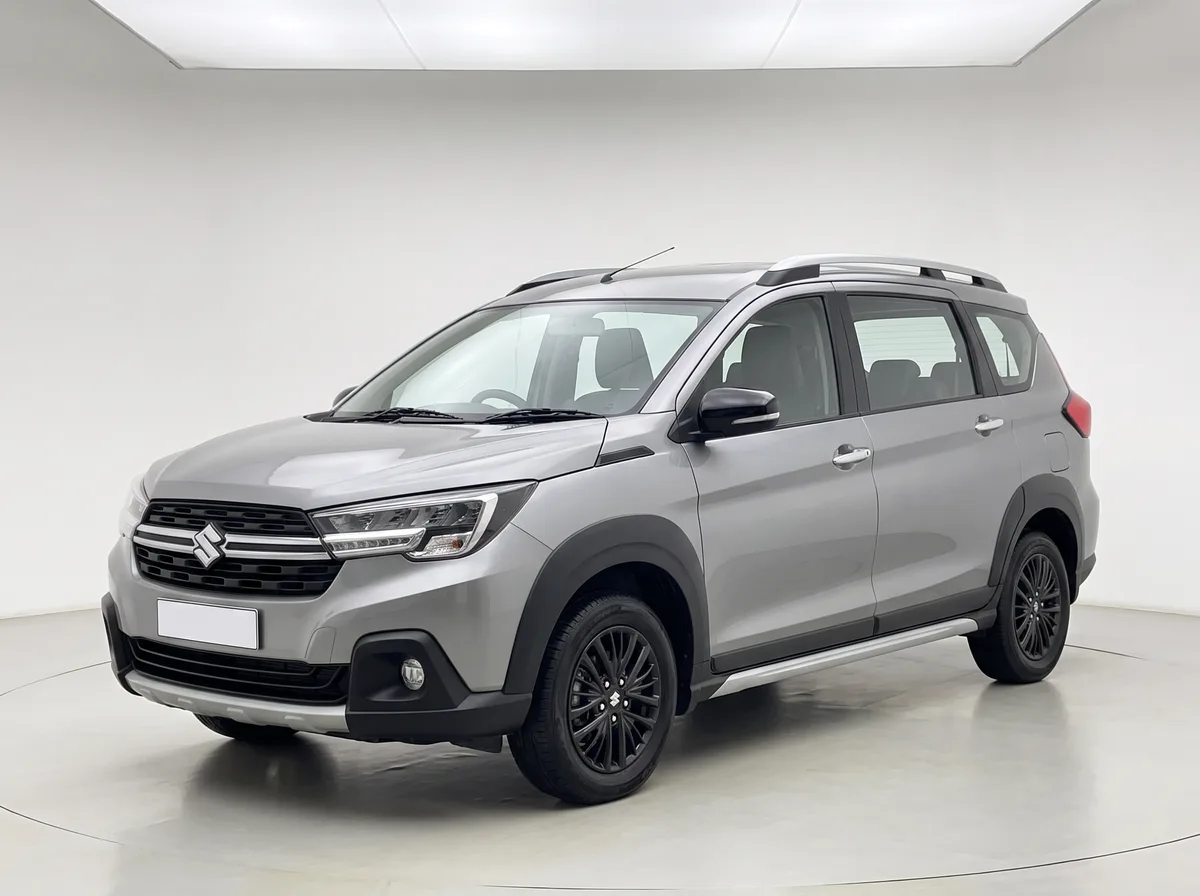
Suzuki XL6
mpv
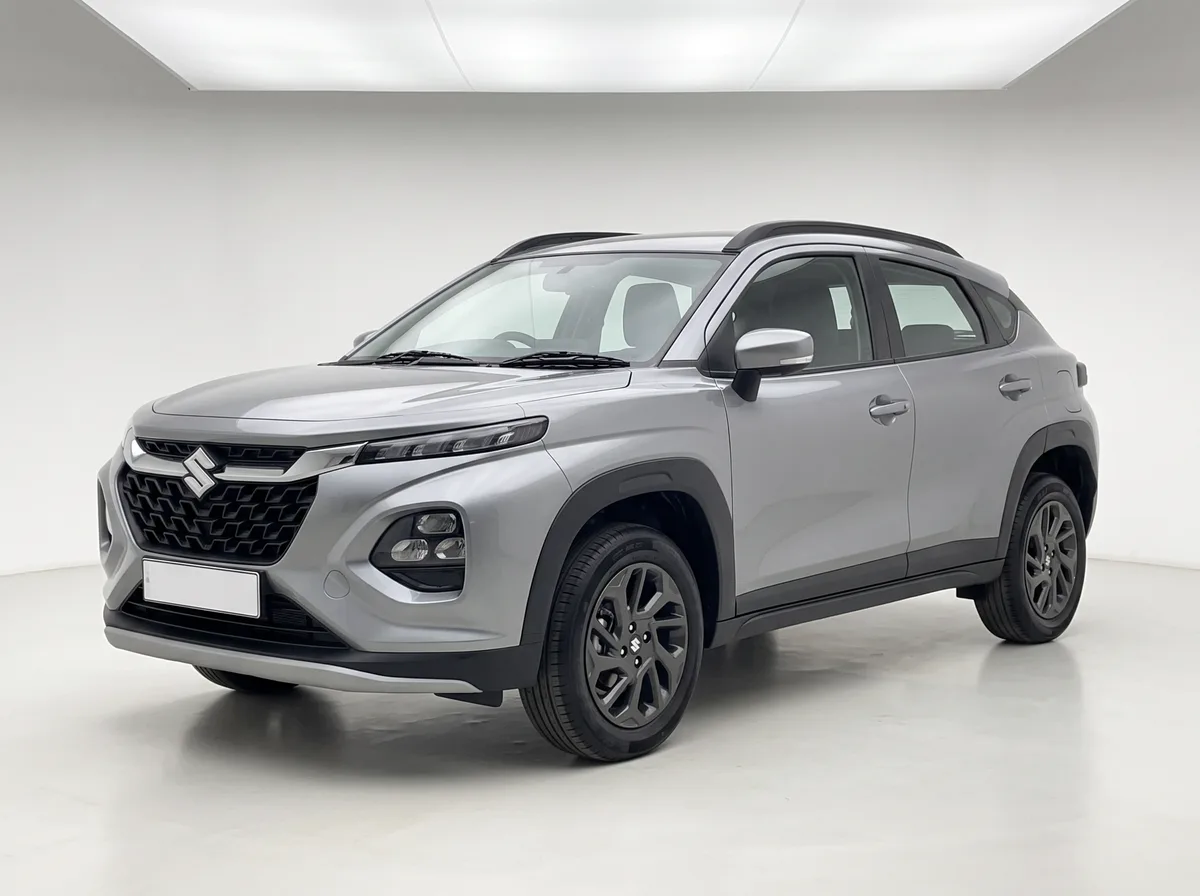
Suzuki Fronx
crossover

Suzuki Brezza
suv
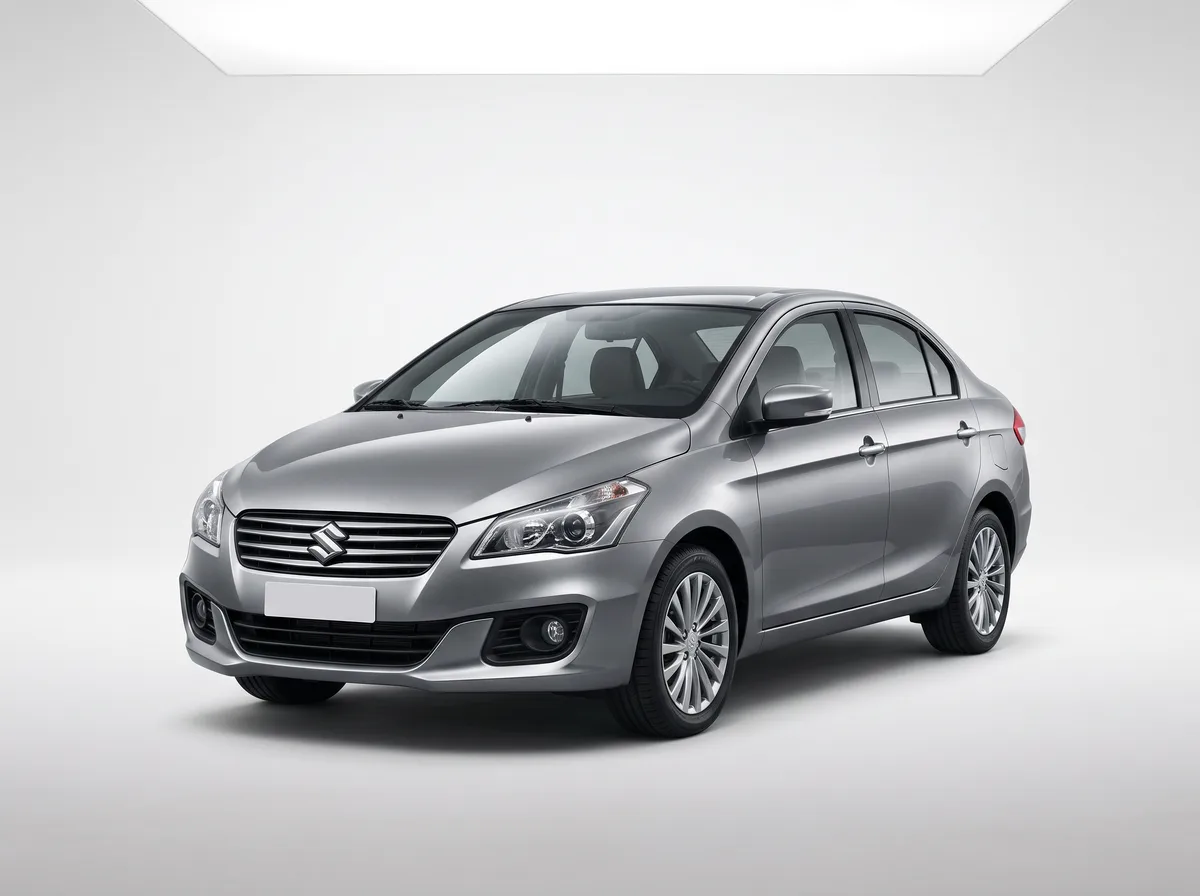
Suzuki Ciaz
sedan
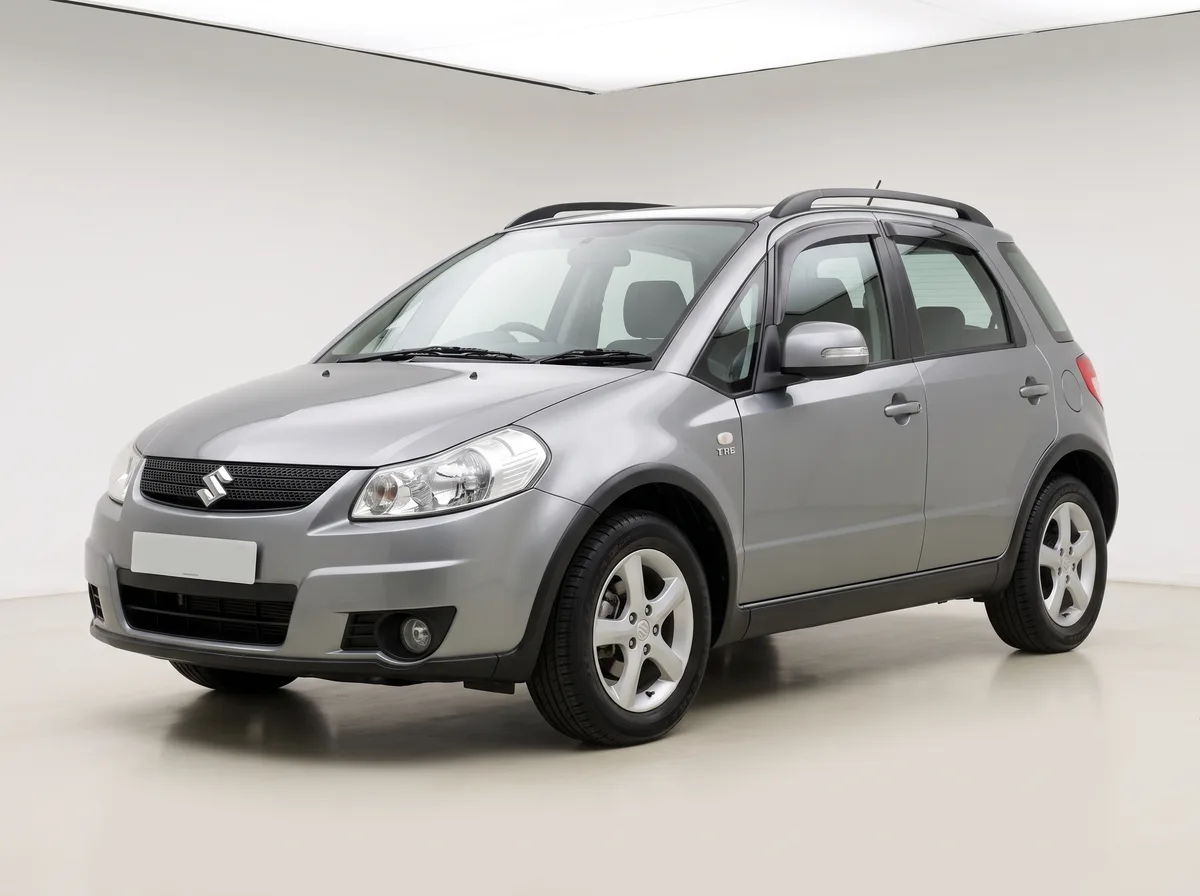
Suzuki SX4
crossover
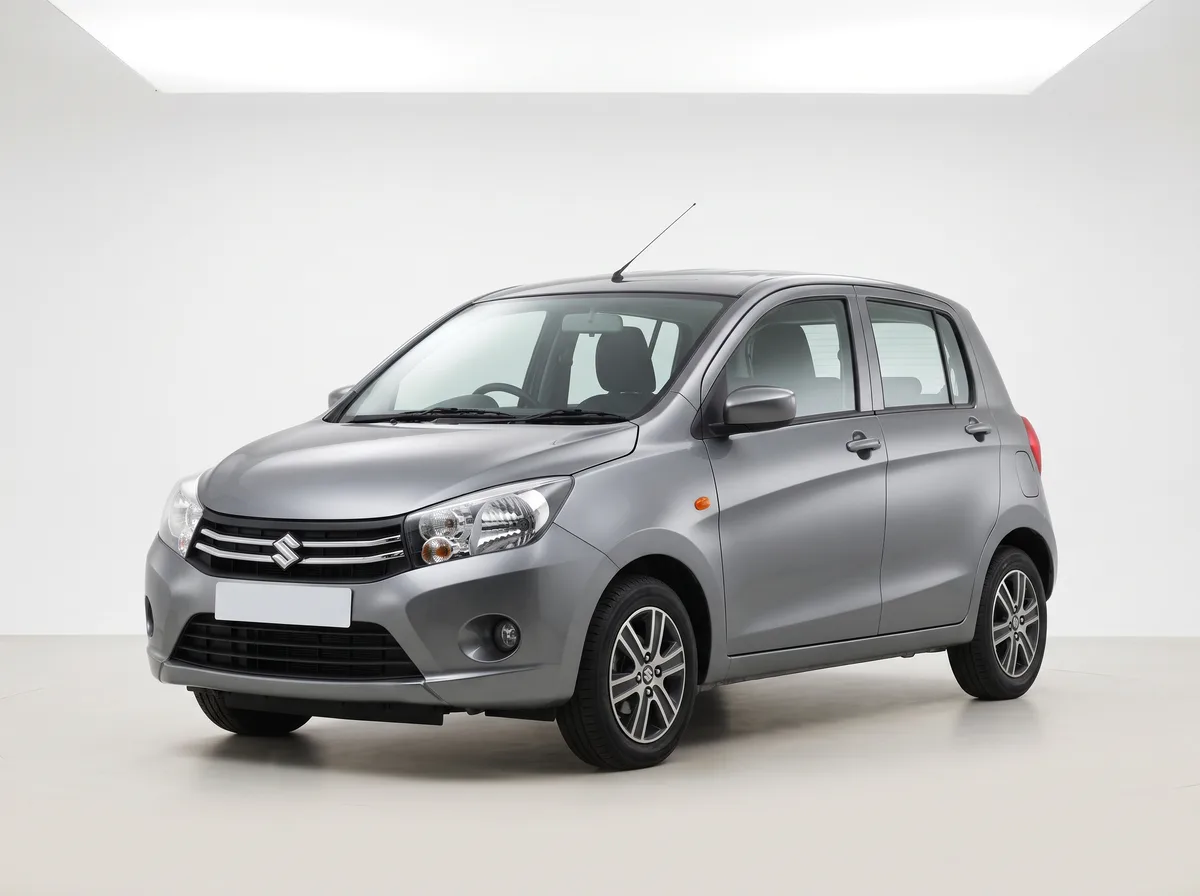
Suzuki Celerio
hatchback
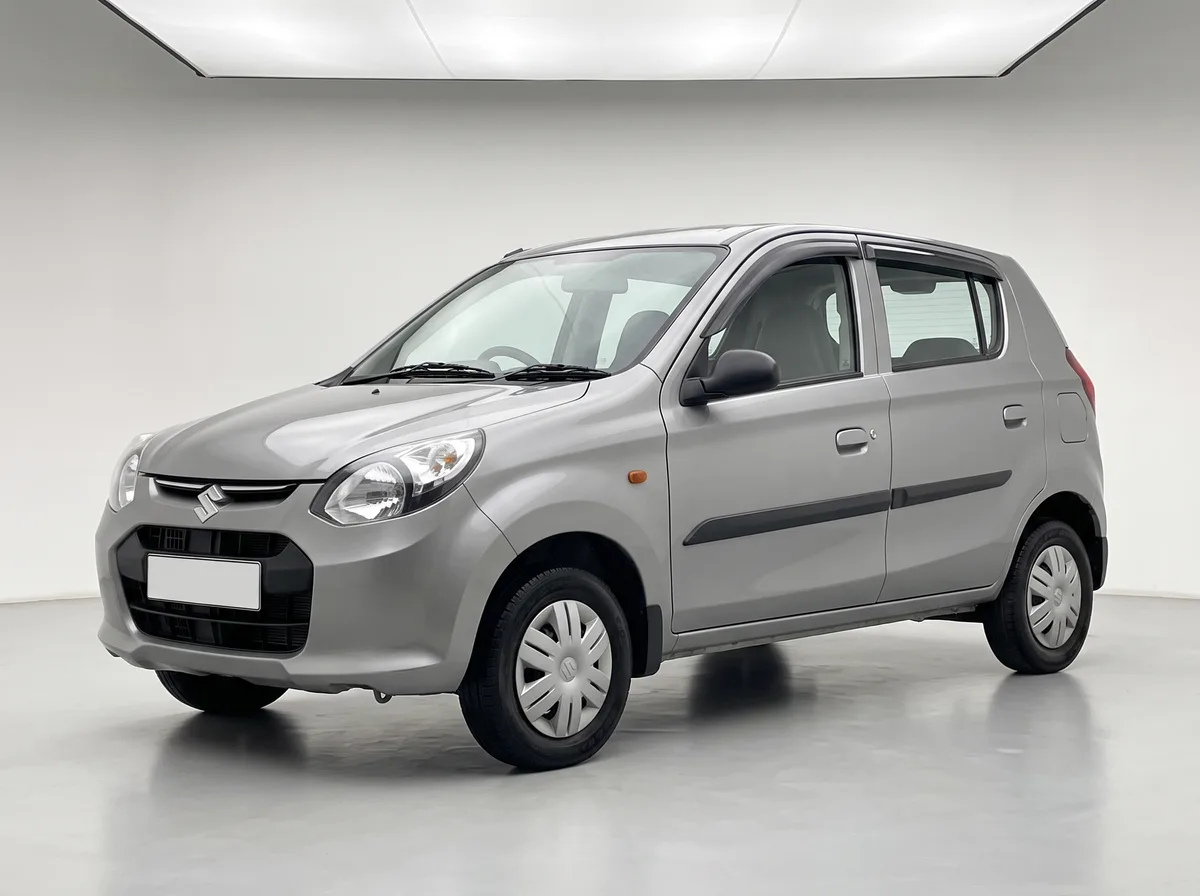
Suzuki Alto
hatchback
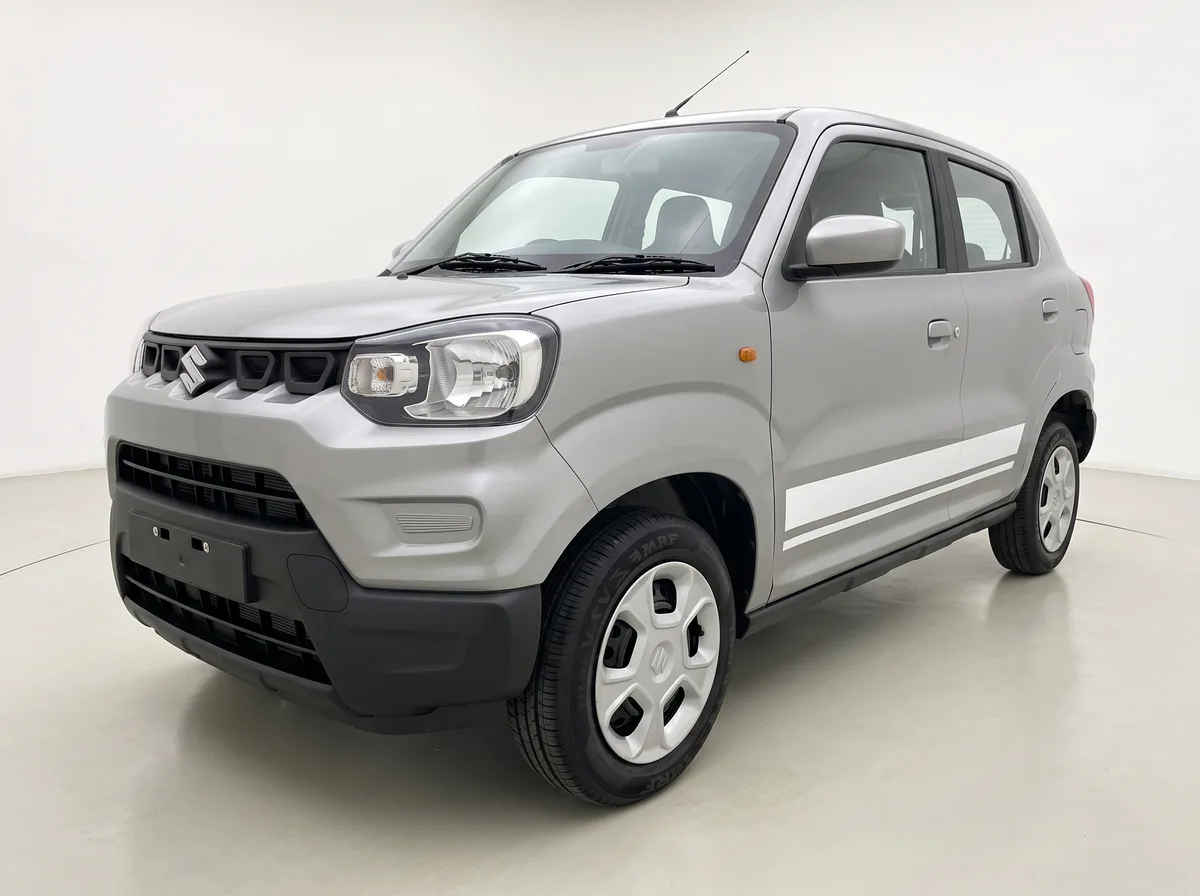
Suzuki S-Presso
hatchback
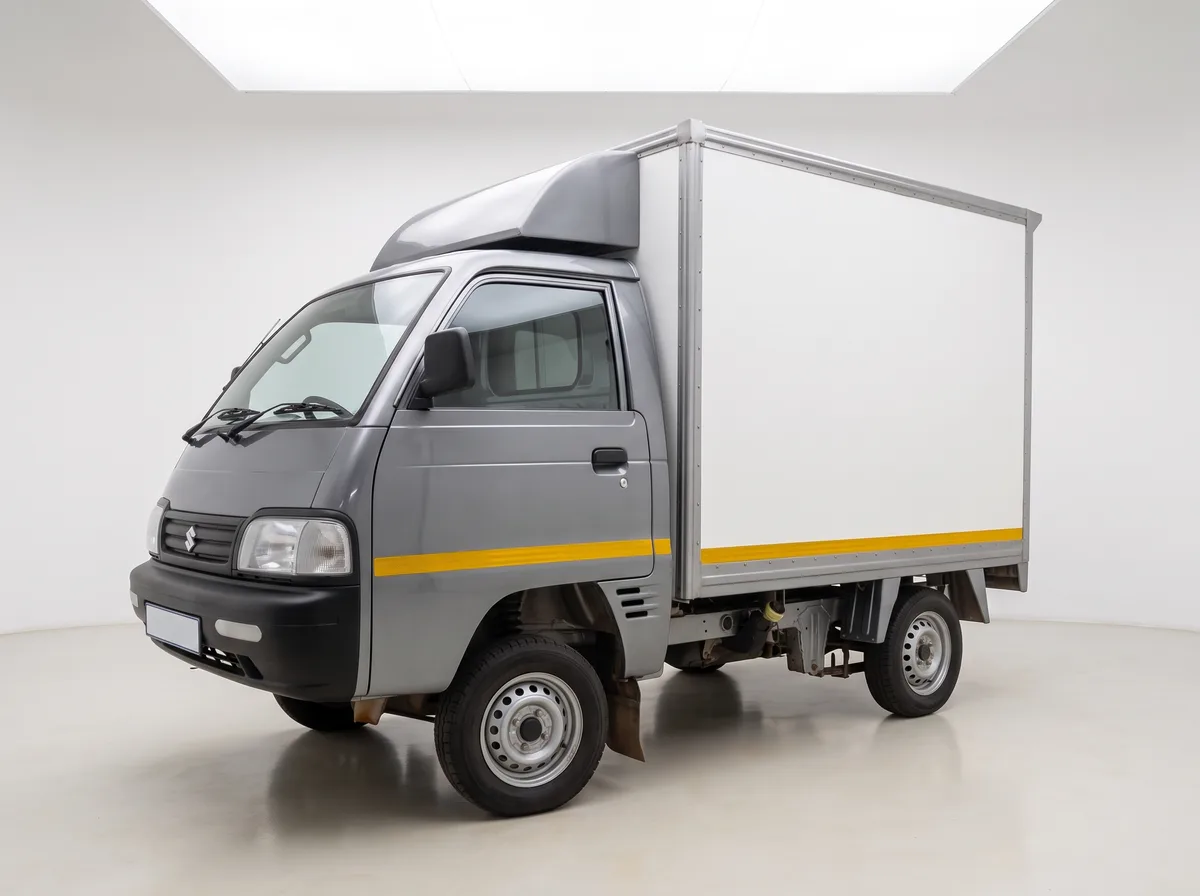
Suzuki Super Carry
commercial
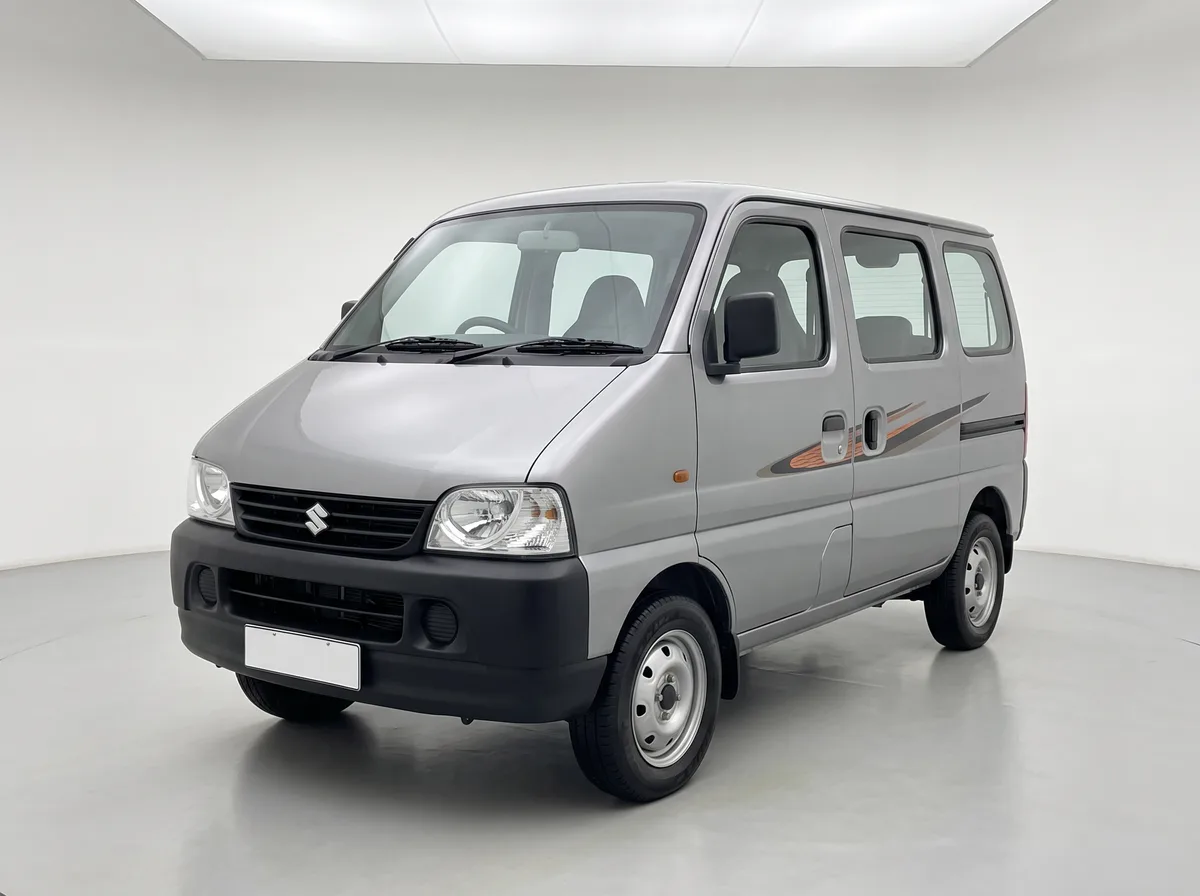
Suzuki Eeco
van
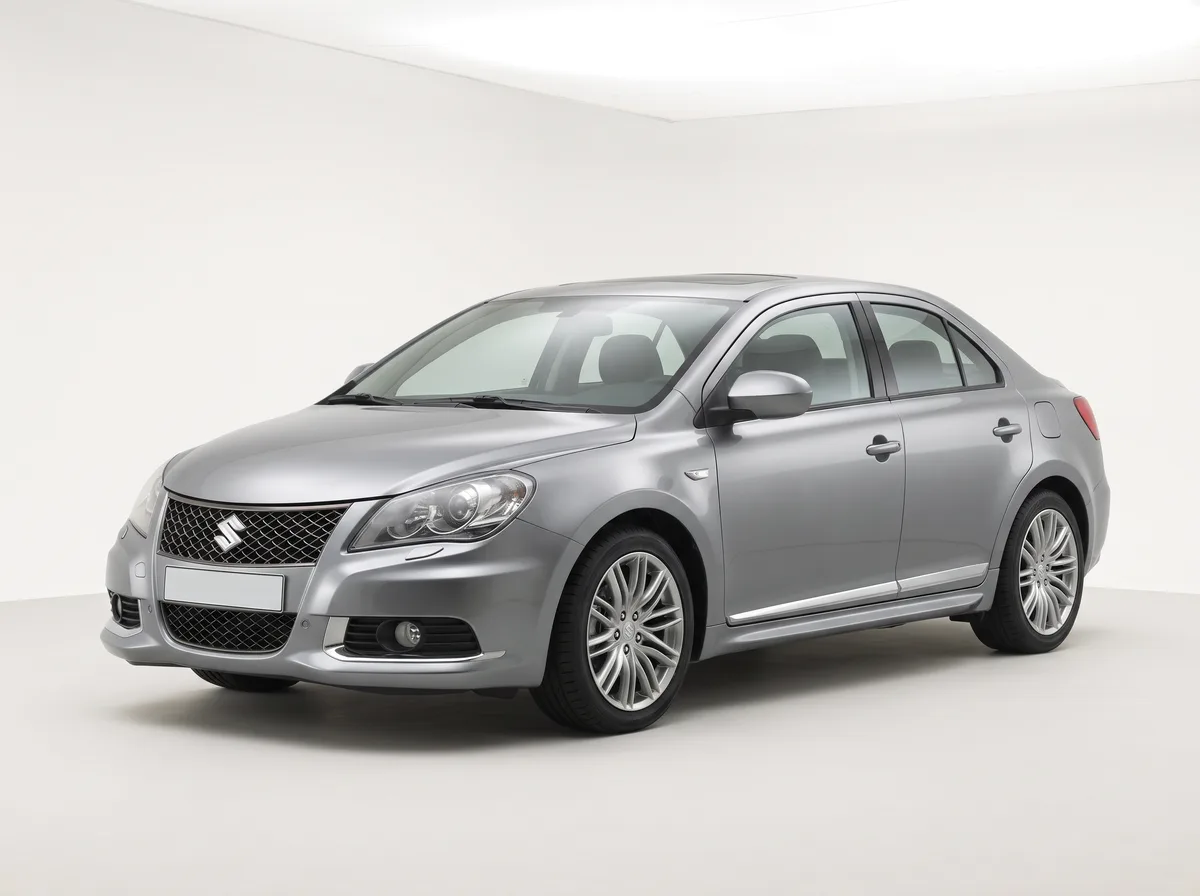
Suzuki Kizashi
sedan
Brakes for a Suzuki — read this before you order
Suzuki builds light cars, and light cars run smaller brake hardware than the equivalent from a European marque — which is why parts that look close on a shelf are frequently not. Derivative matters more than model here: within a single Suzuki nameplate the entry car and the top spec can run different setups, and rear drums persist on the budget end of the range long after rivals moved to discs.
In plain terms, the call you have to make is whether friction material alone will do, or whether the discs have already been skimmed as far as they safely go — and the model name on the boot lid is not enough information to make it.
Include the exact derivative, and whether the rear is drum or disc — a quick look through the wheel settles it when you ask us about brakes. Two questions up front beats a part that has to be couriered back.
Brakes, explained
Suzuki builds light cars, and light cars are kind to brakes. A hatchback under a tonne asks far less of a pad and a disc than a heavy SUV does, which is why Suzuki friction material often outlasts what owners expect from previous cars. What punishes brakes here is not mass, it is terrain followed by traffic. A long descent off Van Reenen or down Sir Lowry's Pass puts sustained heat into the discs, and then a fortnight of stop-start crawling through Johannesburg or Pretoria does the opposite — pads glaze, and surface rust forms on a disc face overnight. Cars that live between those two extremes wear unevenly and start to judder well before the friction material is actually finished.
Ordering is where it usually goes wrong. Disc diameter and thickness on a Suzuki follow the derivative, not the model name. Two cars wearing the same badge can leave the factory with different front discs depending on grade, wheel size and gearbox, and some derivatives run drums at the rear where others run discs. Measure what is actually fitted, or give us the VIN and we will match the exact part rather than guessing from the model year.
How you know brakes are on the way out
Recognise any of that? Tell us the model and year and we will go and check what we can get hold of for you.
Suzuki Brakes FAQs
What decides which brakes fits my Suzuki?
Suzuki builds light cars, and light cars run smaller brake hardware than the equivalent from a European marque — which is why parts that look close on a shelf are frequently not. Derivative matters more than model here: within a single Suzuki nameplate the entry car and the top spec can run different setups, and rear drums persist on the budget end of the range long after rivals moved to discs. In practice the decision in front of you is whether friction material alone will do, or whether the discs have already been skimmed as far as they safely go.
What do you need from me to quote brakes?
The exact derivative, and whether the rear is drum or disc — a quick look through the wheel settles it. With that we can usually confirm the right part quickly, and we'll tell you whether we're quoting new, aftermarket or good used rather than leaving you to guess.
Do Suzuki brakes really last longer because the cars are light?
Low kerb weight genuinely helps. There is less energy to convert into heat every time you stop, so pads and discs on a small Suzuki tend to go further than the same components on a heavier car driven the same way. Driving style and route still matter more than the badge does.
Some Suzuki derivatives have drum brakes at the back. Is that a problem?
It is a sound engineering choice on a light car rather than a corner cut. Rear brakes do a small share of the work, and a drum handles that while sealing better against dust and water than an exposed disc — which is exactly why the Jimny runs solid discs at the front and drums at the rear in both the generations sold here. Drums do need adjusting and cleaning out periodically, and shoes and wheel cylinders are entirely different parts to a disc setup, so establish which your car has before ordering.
Why does the pedal go soft at the bottom of a long pass?
Sustained braking heats the fluid, and brake fluid absorbs moisture from the air over time. Water boils far lower than fluid does, the vapour compresses where fluid would not, and the pedal travels further for the same braking effort. Using engine braking on descents keeps the temperature down, and fluid that has been in the car a long time should be replaced at the interval in your service book.
What does an ABS warning light mean if the brakes still work normally?
The ordinary hydraulic braking system is still doing its job — you have lost the anti-lock function, which only intervenes when a wheel is about to skid. The usual cause is a wheel speed sensor or its wiring, damaged by kerbs, water or corrosion at the connector. It is worth fixing properly, because a car will fail a roadworthy inspection with warning lights lit.
Are front discs the same across all Suzuki Swift derivatives?
No, and assuming so is how the wrong discs get ordered. Disc size varies with the grade, the wheel size and sometimes the gearbox, and a sportier derivative will run a larger disc than the base car. Tell us the derivative and the build year and we will confirm fitment before anything is sent out.
Further reading on brakes
Independent sources, not ours. Worth a look if you want the background before you enquire.
Related categories
Internals and service parts for the small-capacity K-series and M-series petrol engines Suzuki sells here, plus the older J20A Vitara units
SuspensionDamping, springs, arms and bushes for Suzuki models — struts up front on the hatches, live axles under the Jimny
ElectricalCharging, starting, ignition and control electrics for the Suzuki range
LightingExterior and cabin lighting for Suzuki models, from full headlamp units down to a single bulb
ExhaustManifolds, cats, pipework and silencers for Suzuki petrol models — a short system on the small hatches, longer on the Jimny and Ertiga
TransmissionGearboxes, clutches and driveline parts for Suzuki models — five-speed manuals and autos on the hatches, plus the Jimny transfer case and rear diff
CoolingRadiators, pumps, fans and hoses for Suzuki models — small engines in Highveld heat leave very little margin when cooling goes wrong
Fuel SystemPumps, injectors, rails and tank components for Suzuki petrol fuel systems
Brakes, wherever the car is
Areas we send brakes to.
Not sure which brakes your Suzuki takes?
The exact derivative, and whether the rear is drum or disc — a quick look through the wheel settles it is all we need. We cross-reference it against what we can source and come back with what fits.