
Suzuki Camshafts, Matched Before It Ships
Used, aftermarket and reconditioned parts. Not supplied by Suzuki Auto South Africa.
Part of our full range of Suzuki engine parts .
Suzuki Camshafts by model
The generation matters more than the nameplate. These pages spell out which is which.

Suzuki Swift
hatchback

Suzuki Jimny
suv

Suzuki Ertiga
mpv

Suzuki Vitara
crossover

Suzuki Grand Vitara
suv

Suzuki Baleno
hatchback
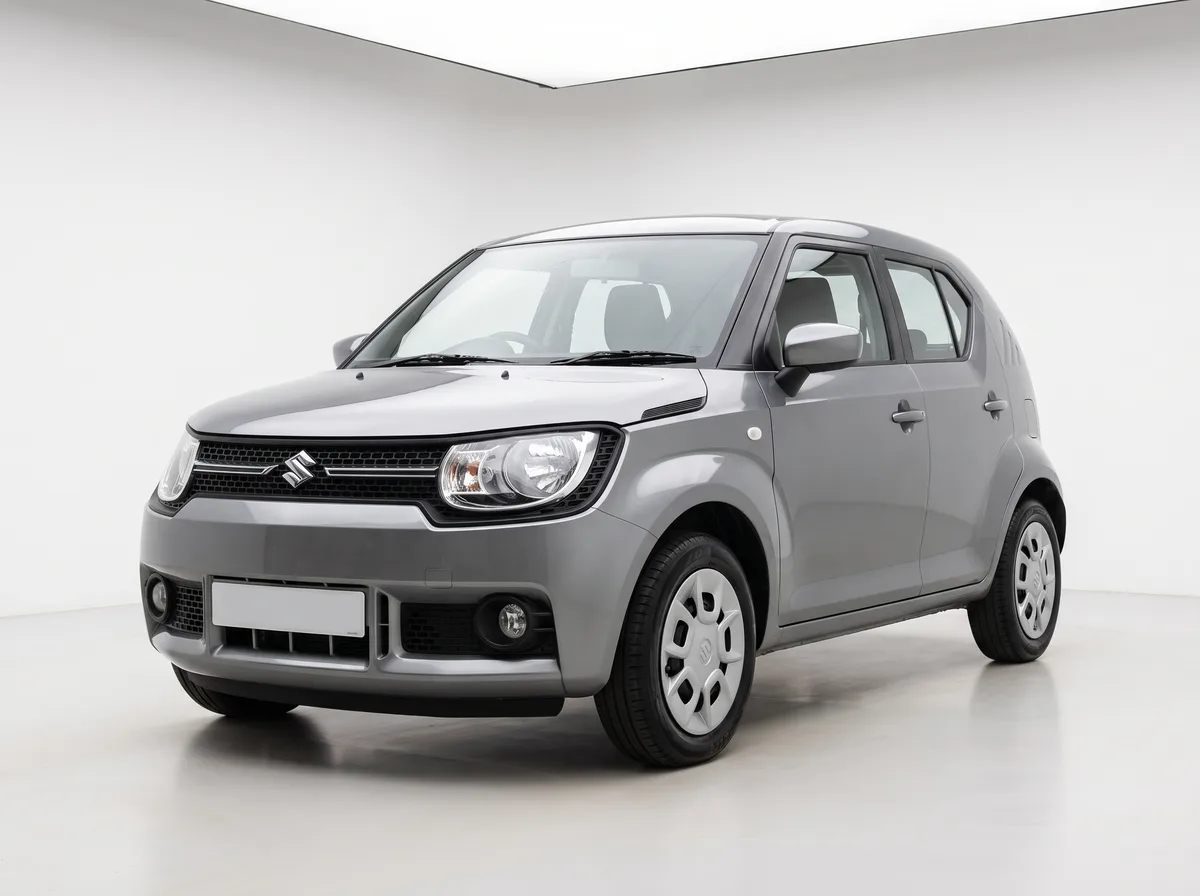
Suzuki Ignis
hatchback

Suzuki Dzire
sedan

Suzuki XL6
mpv

Suzuki Fronx
crossover

Suzuki Brezza
suv

Suzuki Ciaz
sedan

Suzuki SX4
crossover
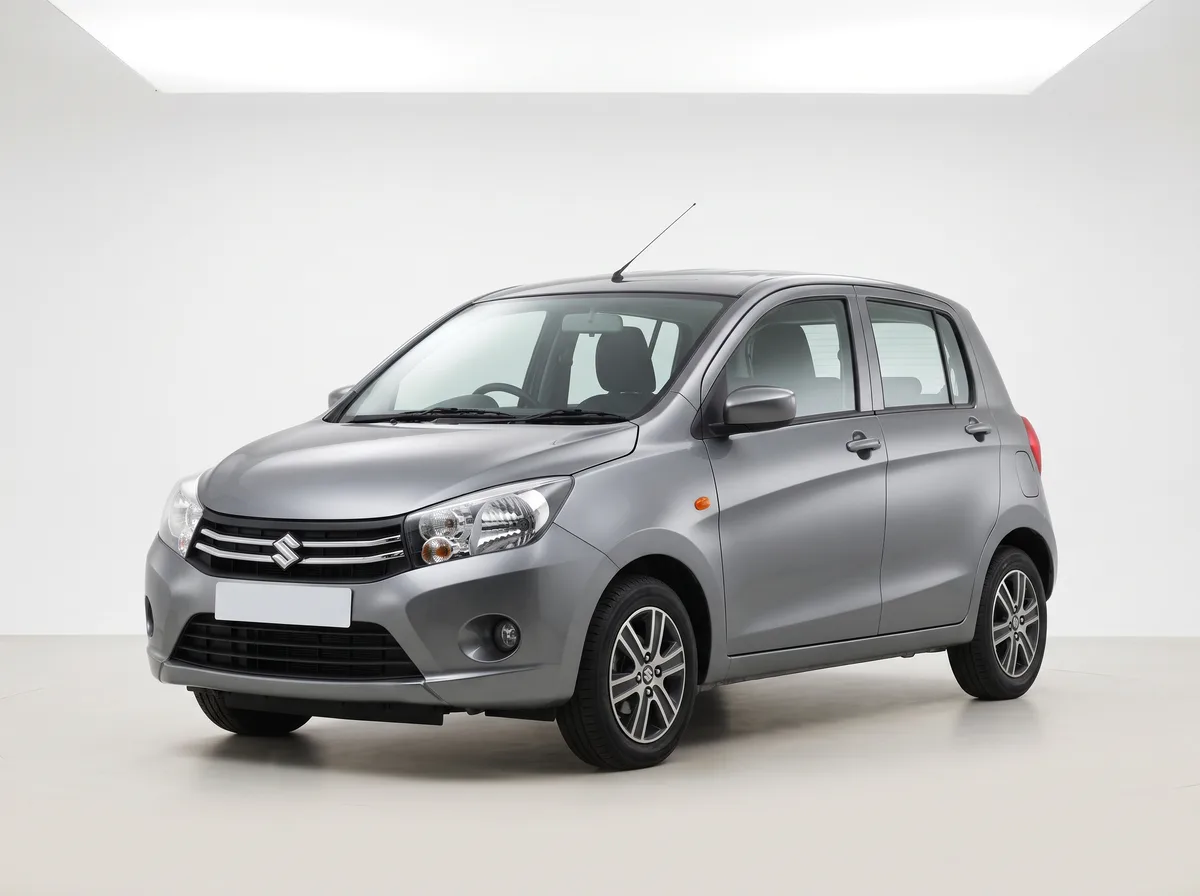
Suzuki Celerio
hatchback
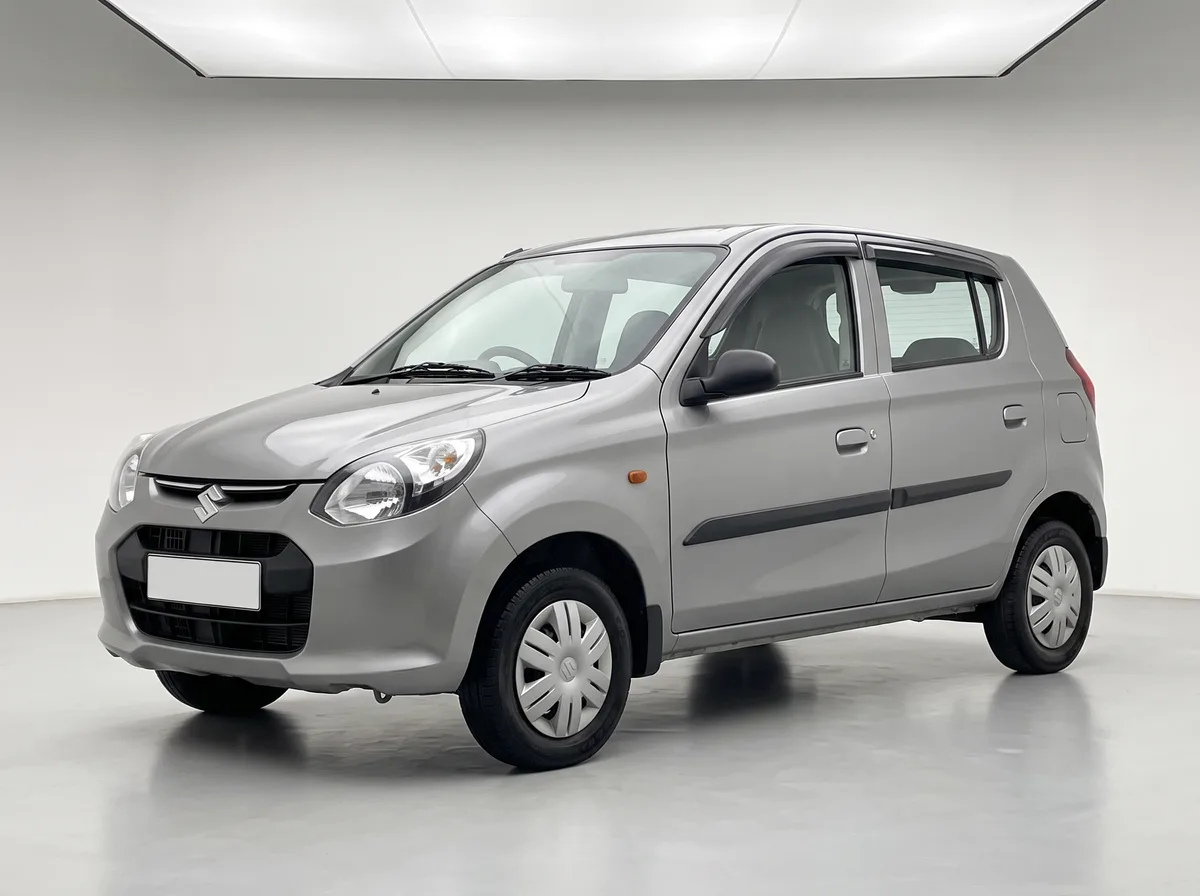
Suzuki Alto
hatchback
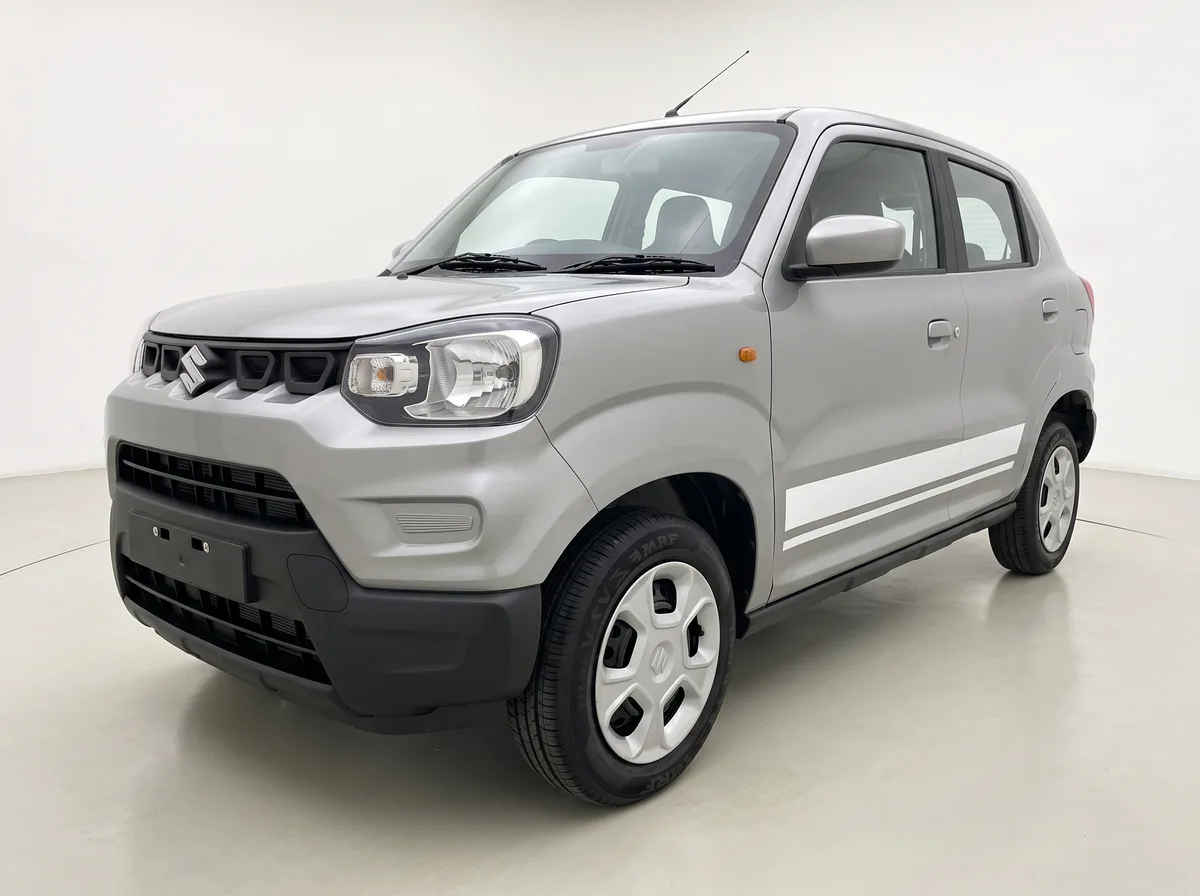
Suzuki S-Presso
hatchback
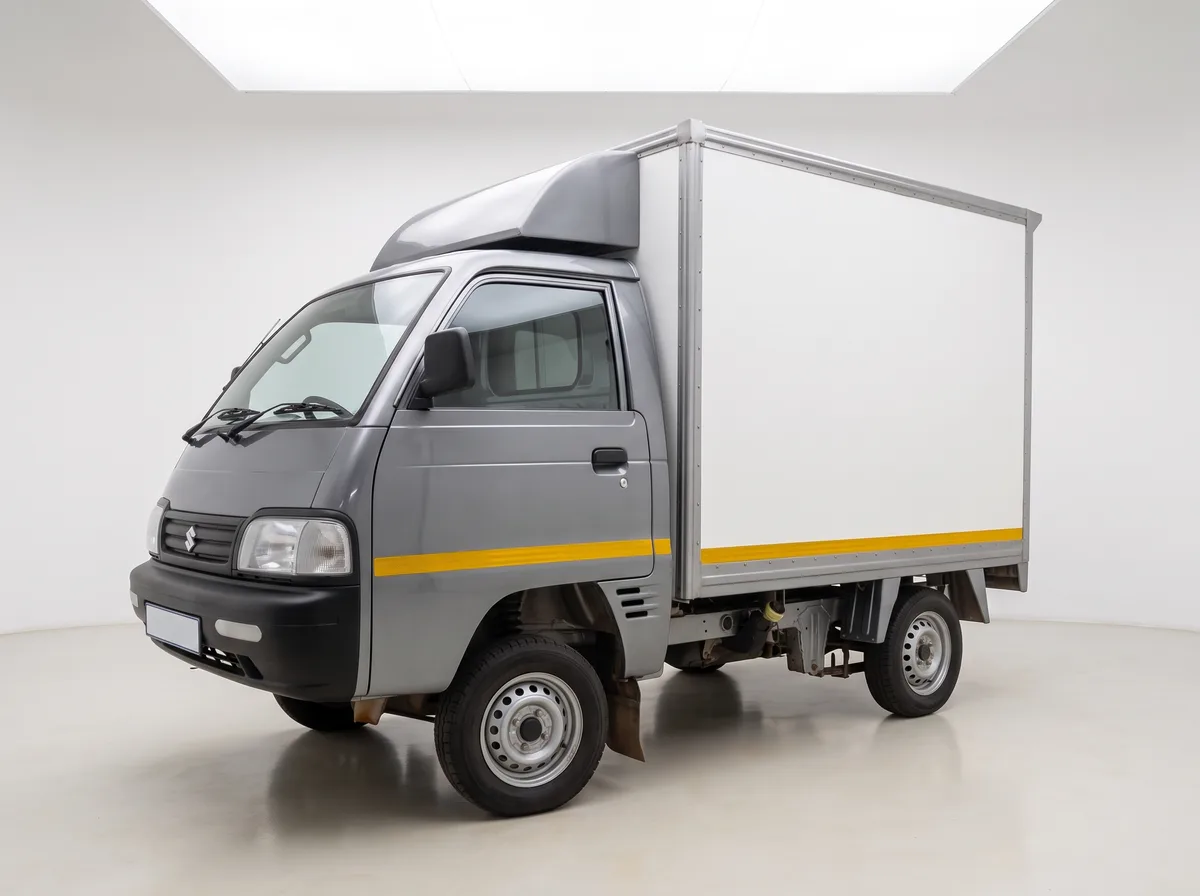
Suzuki Super Carry
commercial
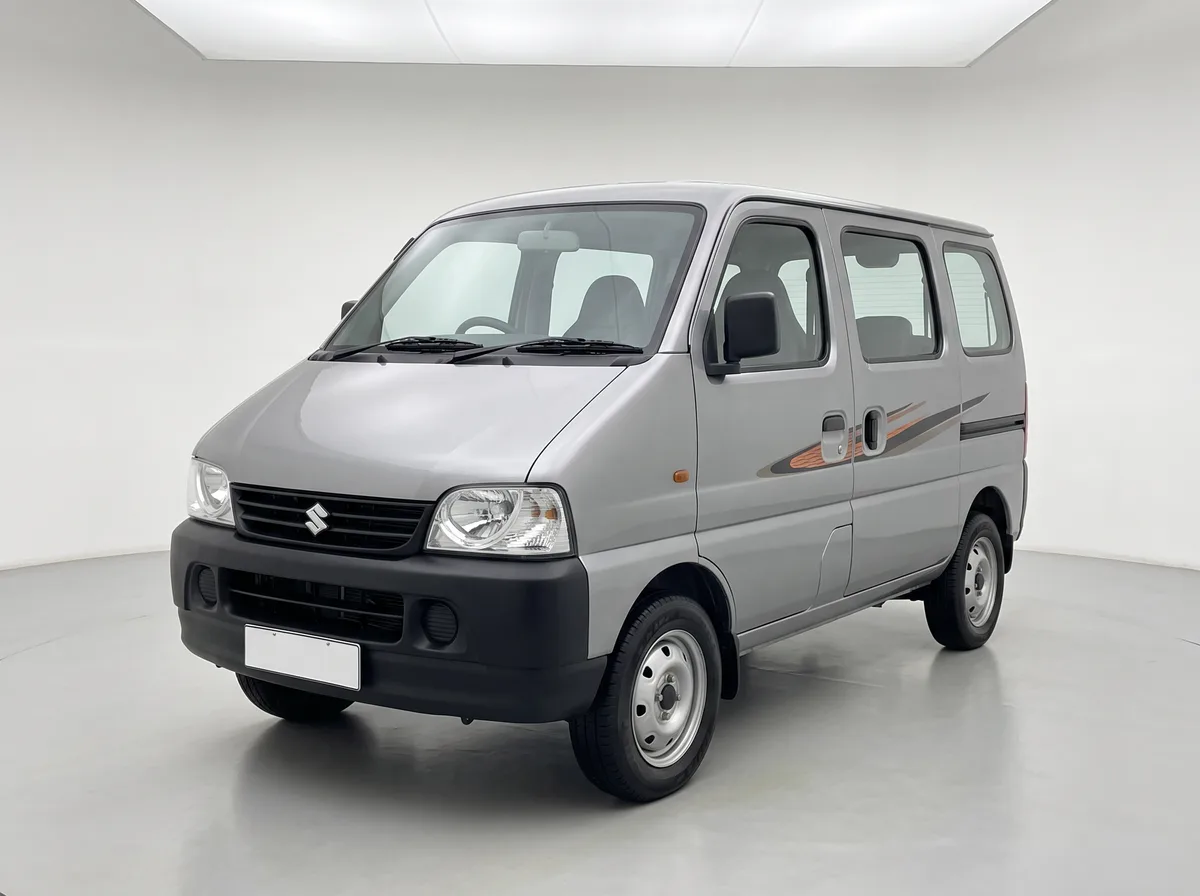
Suzuki Eeco
van

Suzuki Kizashi
sedan
Why two identical-looking Suzukis take different camshafts
- What you are really deciding
- Whether the engine you have is worth repairing or whether a replacement unit gets you back on the road for less total outlay.
- Where Suzuki differs
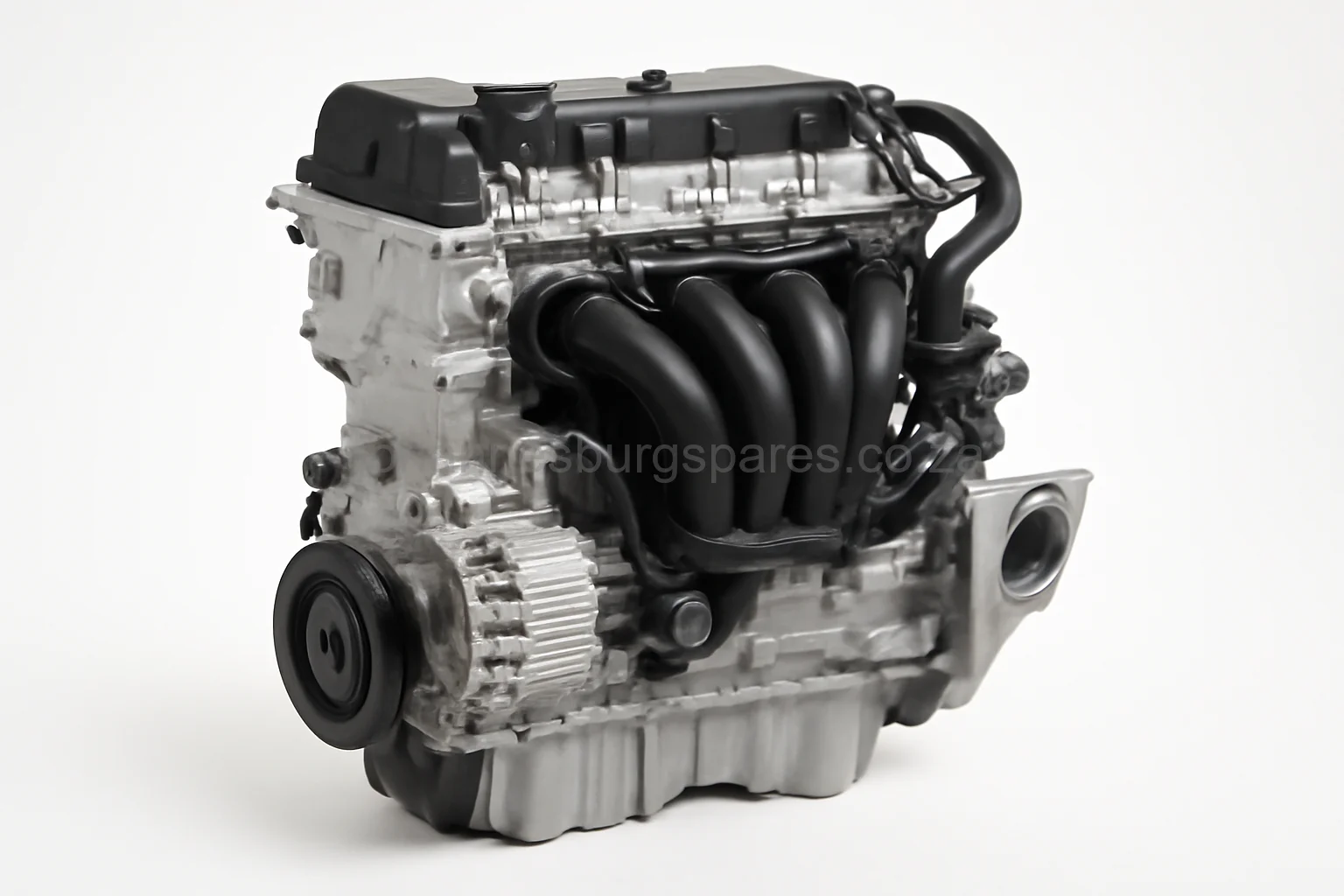
- Suzuki's local range is almost entirely petrol, so there is no diesel-versus-petrol fork to navigate — but the same engine turns up under several different nameplates. The 1.5 K15B alone appears in the Ertiga, Baleno, Ciaz, XL6, Fronx and Brezza, and the 1.0 three-cylinder is shared between the Alto, Celerio and S-Presso. That overlap is your advantage: a donor car need not wear the same badge as yours.
- Where the car was built
- Something worth knowing about this marque in particular: a large share of the Suzuki range sold in South Africa is built by Maruti Suzuki in India, while the Jimny comes out of Japan. Cars that look the same on the road can therefore sit on different supply chains, which is one reason we would rather check than assume.
- What to send us
- The code cast into the engine itself or printed on the VIN plate, plus the year of manufacture — on a Suzuki the name on the tailgate will not get you there. With that in front of us we can normally settle the right camshafts without a back-and-forth.
Camshafts, explained
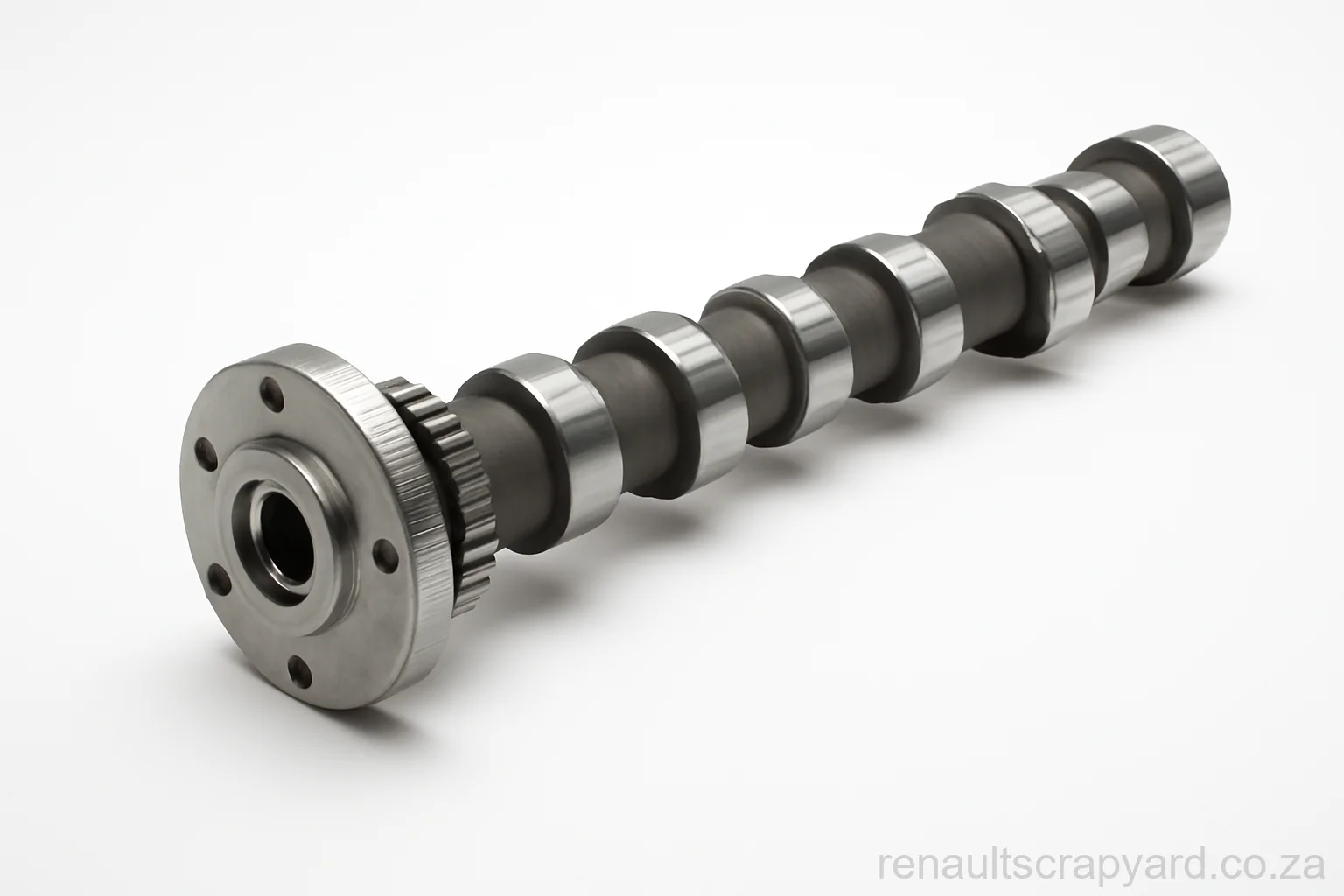
A camshaft is a hard job done quietly. It opens and closes the valves at exactly the right moment, thousands of times a minute, with the lobes riding on a film of oil only microns thick. That is why camshafts almost never wear out on distance — they wear out on oil. Extended intervals, a car run low on oil or a sludged engine will flatten a lobe long before the odometer suggests anything should be tired.
There is a second component most people do not account for. Most of these engines use variable valve timing on the intake side, driven by a phaser bolted to the nose of the camshaft and controlled by an oil-fed solenoid. The phaser is its own wear item, it makes its own noise, and it is normally a separate part from the camshaft itself — so a listing for a camshaft may or may not include it. That distinction is worth clearing up before ordering. It also explains why a camshaft position fault does not always mean a bad sensor. The timing drive, the phaser and the sensor all feed the same fault, so the code tells you where to look rather than what to buy.
How you know camshafts are on the way out
Recognise any of that? Tell us the model and year and we will go and check what we can get hold of for you.
Before you order Suzuki camshafts
What decides which camshafts fits my Suzuki?
Suzuki's local range is almost entirely petrol, so there is no diesel-versus-petrol fork to navigate — but the same engine turns up under several different nameplates. The 1.5 K15B alone appears in the Ertiga, Baleno, Ciaz, XL6, Fronx and Brezza, and the 1.0 three-cylinder is shared between the Alto, Celerio and S-Presso. That overlap is your advantage: a donor car need not wear the same badge as yours. In practice the decision in front of you is whether the engine you have is worth repairing or whether a replacement unit gets you back on the road for less total outlay.
What do you need from me to quote camshafts?
The code cast into the engine itself or printed on the VIN plate, plus the year of manufacture — on a Suzuki the name on the tailgate will not get you there. With that we can usually confirm the right part quickly, and we'll tell you whether we're quoting new, aftermarket or good used rather than leaving you to guess.
Do camshafts actually wear out?
Not on mileage in any normal sense. They fail when oil supply or oil quality fails them, which is why a camshaft problem is nearly always a symptom of a lubrication problem. If a lobe has worn flat, find out why before fitting a replacement, or the new one goes the same way.
Is the variable valve timing unit part of the camshaft?
Usually not. The phaser bolts to the end of the camshaft and is generally supplied separately, and the solenoid that controls it is separate again. Since a worn phaser rattles and a worn chain rattles too, it is worth having the noise properly identified rather than replacing parts in sequence and hoping.
Is a used camshaft safe to fit?
It can be, provided every lobe is measured rather than looked at and the journals are checked for scoring and discolouration. Replace the followers or rockers that run on it at the same time, because old followers have bedded into the old cam profile and will chew a fresh one. Put your model year and engine code through the quote form and we will match a camshaft to your engine rather than to the badge.
Can I fit a camshaft from another engine in the same family?
Rarely, and never on the strength of two engines sounding similar. Here is the trap that catches people: the 1.2 in a South African Swift or Ignis is the K12M at 1,197 cc, while the other engine Suzuki has sold as a 1.2 is the K12B at 1,242 cc, with a longer stroke and a higher compression ratio. Same badge on the boot, different engine. Confirm the engine code rather than the capacity, and use the quote form with your model year if you are not certain which one you have.
What else gets replaced while the head is apart?
This is the moment to do the jobs that are otherwise inaccessible. Cam seals, the cam cover gasket and the followers are the obvious ones, and it is a sensible time to inspect the timing chain, its guides and the tensioner while everything is exposed rather than going back in later.
Related categories
Crankshafts for Suzuki three- and four-cylinder petrol engines, checked for journal wear and end-float before they leave the yard
PistonsPistons, rings and gudgeon pins sized for the light, short-stroke petrol engines Suzuki uses across the hatch and MPV range
Connecting RodsCon rods and big-end shells for Suzuki petrol engines, the parts that usually need replacing after a spun bearing
ValvesInlet and exhaust valves, guides and stem seals for Suzuki cylinder heads
Cylinder HeadsBare and complete cylinder heads for Suzuki petrol engines, pressure-tested where the donor history is unknown
Engine BlocksBlock castings and short motors for Suzuki petrol engines when the bores are past a rebore
Timing ChainsChain, tensioner and guide kits — the timing setup used on virtually every modern Suzuki petrol engine
Timing BeltsBelt kits for the older belt-driven Suzuki engines — most later K and M units are chain-driven instead
Areas we cover
Where you are changes the handover, not the sourcing. Collection or courier is settled when we quote.
Struggling to identify the right camshafts?
The code cast into the engine itself or printed on the VIN plate, plus the year of manufacture — on a Suzuki the name on the tailgate will not get you there is all we need. We cross-reference it against what we can source and come back with what fits.