
Buy Coolant Reservoirs for Your Suzuki
Used, aftermarket and reconditioned parts. Not supplied by Suzuki Auto South Africa.

Part of our full range of Suzuki cooling .
Which Suzuki is it for?
Every model page sets out the SA-market derivatives and flags where coolant reservoirs fitment tends to split.

Suzuki Swift
hatchback

Suzuki Jimny
suv

Suzuki Ertiga
mpv

Suzuki Vitara
crossover

Suzuki Grand Vitara
suv

Suzuki Baleno
hatchback

Suzuki Ignis
hatchback

Suzuki Dzire
sedan

Suzuki XL6
mpv

Suzuki Fronx
crossover

Suzuki Brezza
suv

Suzuki Ciaz
sedan

Suzuki SX4
crossover

Suzuki Celerio
hatchback

Suzuki Alto
hatchback

Suzuki S-Presso
hatchback
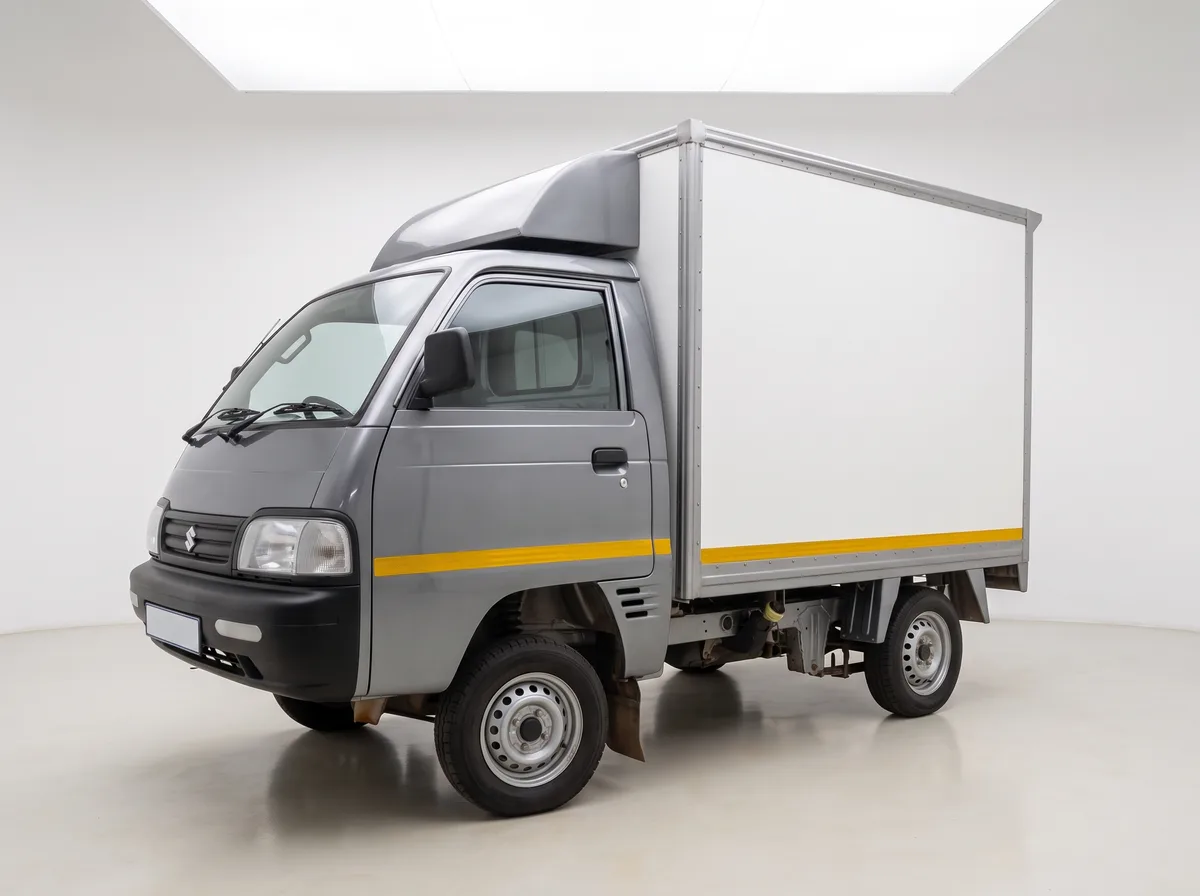
Suzuki Super Carry
commercial

Suzuki Eeco
van

Suzuki Kizashi
sedan
Choosing coolant reservoirs for a Suzuki without guessing
- What you are really deciding
- Whether swapping the one component that let go is enough, or whether the rest of the system has already been cooked alongside it.
- Where Suzuki differs
- Suzuki's small engines run compact cooling packs with little margin, and South African summer traffic is exactly the condition they have least of it in. Where a nameplate spans a naturally aspirated and a turbocharged derivative — the Vitara being the obvious case — the turbo car carries additional charge-air hardware that the 1.6 simply does not have.
- Where the car was built
- Something worth knowing about this marque in particular: a large share of the Suzuki range sold in South Africa is built by Maruti Suzuki in India, while the Jimny comes out of Japan. Cars that look the same on the road can therefore sit on different supply chains, which is one reason we would rather check than assume.
- What to send us
- Which derivative it is, whether the engine is turbocharged, and whether it has already run hot. With that in front of us we can normally settle the right coolant reservoirs without a back-and-forth.
Coolant Reservoirs, explained
The expansion tank holds the coolant the engine pushes out as it warms and draws back as it cools. On a small Suzuki the bottle is thin plastic sitting right next to a hot engine, so after enough summers it goes brittle, crazes around the moulded seam and starts weeping.
How you know coolant reservoirs are on the way out
Recognise any of that? Tell us the model and year and we will go and check what we can get hold of for you.
Suzuki Coolant Reservoirs — questions we get asked
What decides which coolant reservoirs fits my Suzuki?
Suzuki's small engines run compact cooling packs with little margin, and South African summer traffic is exactly the condition they have least of it in. Where a nameplate spans a naturally aspirated and a turbocharged derivative — the Vitara being the obvious case — the turbo car carries additional charge-air hardware that the 1.6 simply does not have. In practice the decision in front of you is whether swapping the one component that let go is enough, or whether the rest of the system has already been cooked alongside it.
What do you need from me to quote coolant reservoirs?
Which derivative it is, whether the engine is turbocharged, and whether it has already run hot. With that we can usually confirm the right part quickly, and we'll tell you whether we're quoting new, aftermarket or good used rather than leaving you to guess.
Can a cracked expansion tank be glued or plastic-welded?
It is not worth it. The tank is part of a pressurised system, and by the time it cracks the plastic has already been heat-aged right through, so a repair holds until the next hot day and then splits somewhere else. Replace the bottle.
Should the cap be replaced at the same time?
It should. The cap is a pressure valve, not a lid, and holding pressure is what raises the boiling point of the coolant. A tired cap will let the system vent early and you will chase a phantom leak for weeks. Caps are rated, so fit the rating specified for your car rather than whatever is on the shelf.
The level drops but there is no puddle anywhere. Where is it going?
Three usual suspects. A cap that no longer seals lets coolant steam off gradually. A pinhole that only opens under pressure sprays onto a hot part and evaporates before it reaches the ground. Or the coolant is going into the engine past a head gasket, which shows up as bubbles in the tank and a sweet smell at the exhaust.
Will a reservoir from a different Suzuki model fit mine?
Only if the hose spigot positions, mounting brackets and level-sensor provision all match, and those change between derivatives and facelifts even where the bottle looks identical. Send the VIN through the quote form and we will check yours against the right bottle.
What coolant should go back in?
Use the specification listed in your owner handbook and top up with the same type that is already in the system. Mixing coolant technologies can gel and block the radiator core. Plain water is fine to get you home, but leaving it in is asking for corrosion, especially in coastal humidity where the whole cooling system is already fighting rust.
Further reading on coolant reservoirs
Independent sources, not ours. Worth a look if you want the background before you enquire.
Nearby on the car
Radiators for Suzuki models, with the plastic end tanks and seams that crack with age
Water PumpsWater pumps for Suzuki petrol engines, with the gasket or O-ring that must go on with them
ThermostatsThermostats and housings for Suzuki engines, including the plastic housings that warp and weep
Cooling FansElectric fan assemblies, motors and resistor packs for Suzuki models
Radiator HosesTop, bottom and bypass hoses for Suzuki cooling systems
Heater CoresHeater matrices for Suzuki cabins, the leak behind a sweet smell and a misted windscreen
Radiator CapsPressure caps in the correct rating for Suzuki cooling systems
Temperature SensorsCoolant temperature sensors and fan switches for Suzuki engines
Coolant Reservoirs, wherever the car is
We take coolant reservoirs enquiries from across the country. These pages cover how it works from each area.
Coolant Reservoirs for your Suzuki, matched before you pay
Which derivative it is, whether the engine is turbocharged, and whether it has already run hot is all we need. We cross-reference it against what we can source and come back with what fits.