
Cooling for Every Suzuki We Cover
Used, aftermarket and reconditioned parts. Not supplied by Suzuki Auto South Africa.
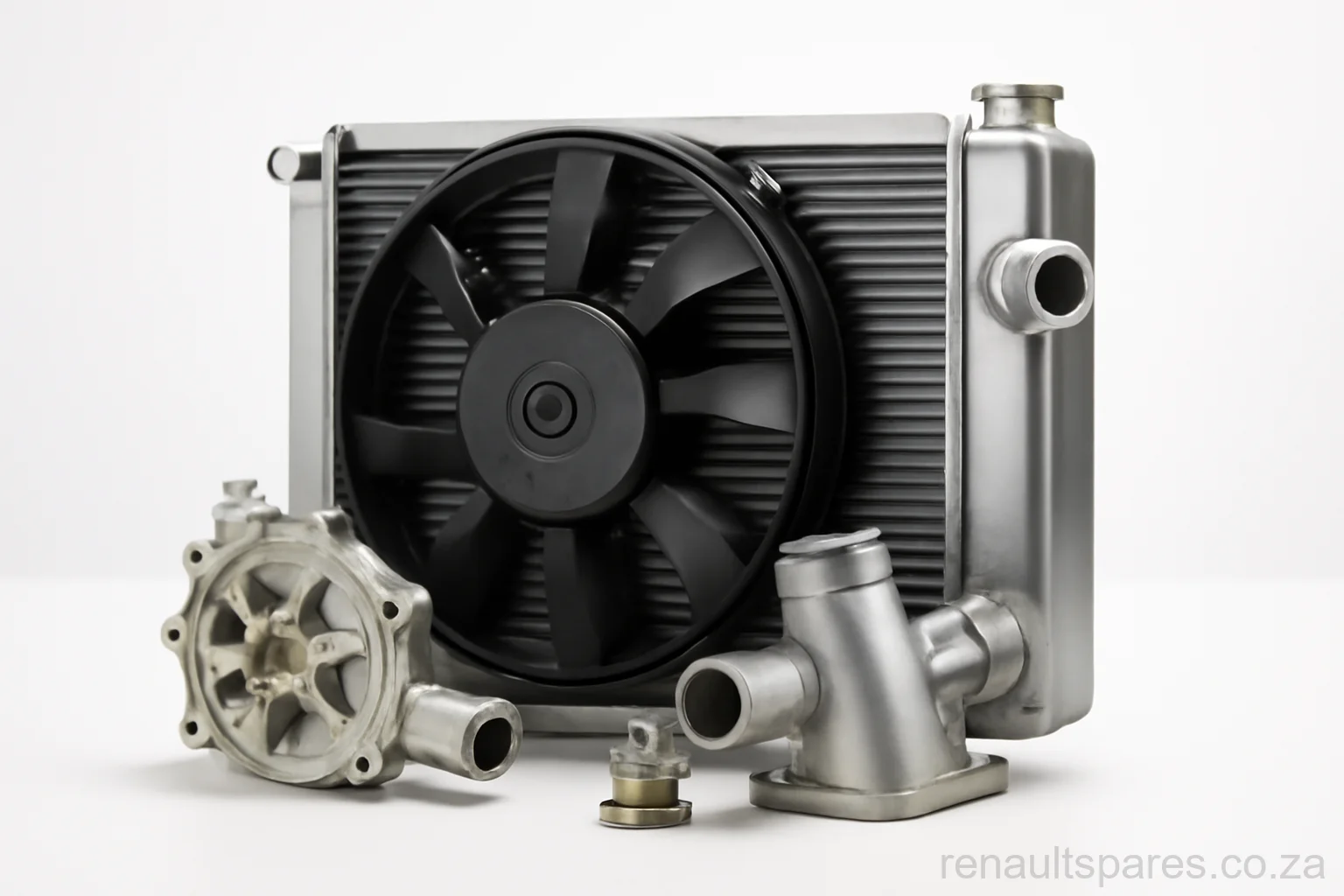
Narrow down your cooling
Which derivative it is, whether the engine is turbocharged, and whether it has already run hot settles most of these — pick the component and we'll confirm the rest.

Radiators
Radiators for Suzuki models, with the plastic end tanks and seams that crack with age
View radiators →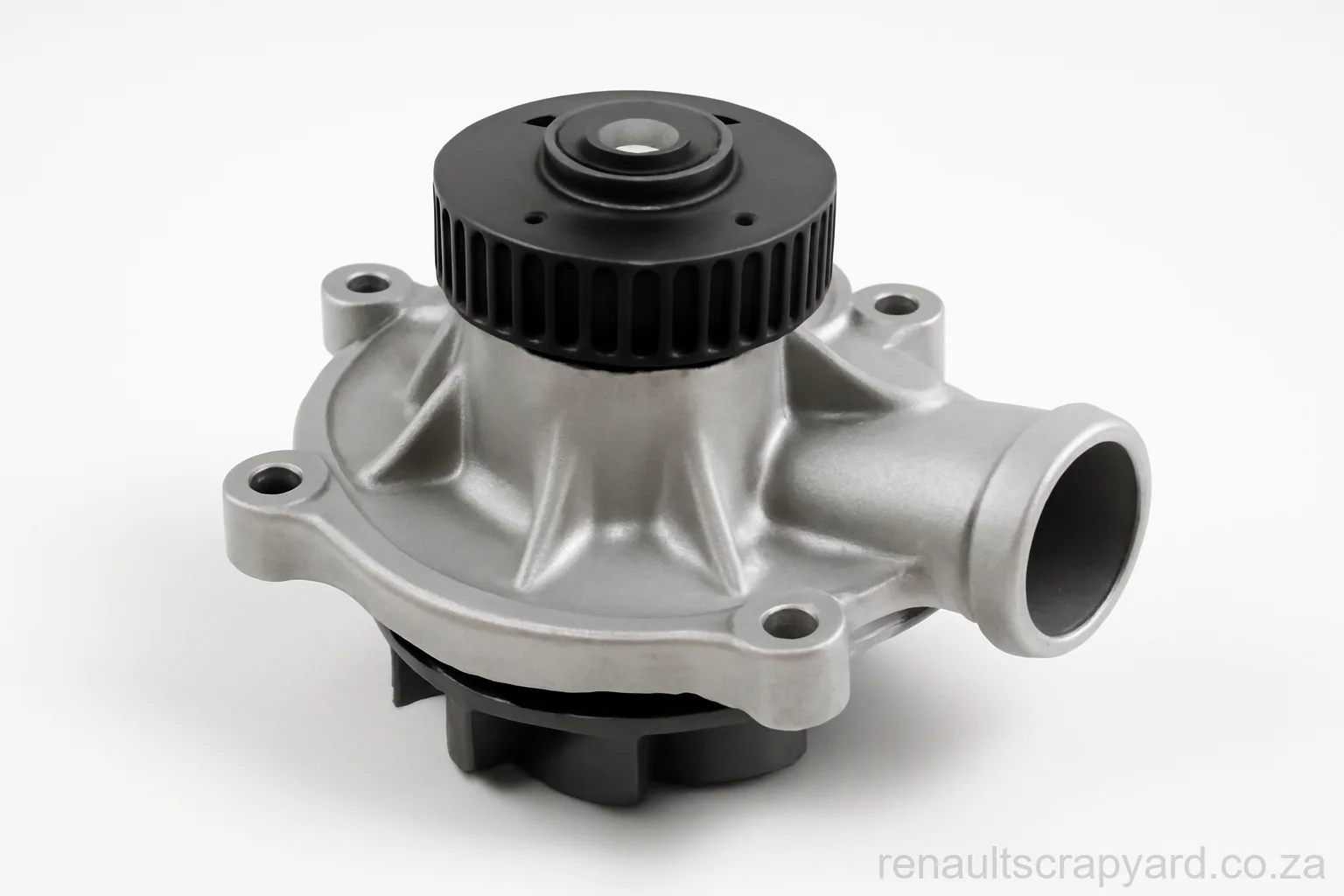
Water Pumps
Water pumps for Suzuki petrol engines, with the gasket or O-ring that must go on with them
View water pumps →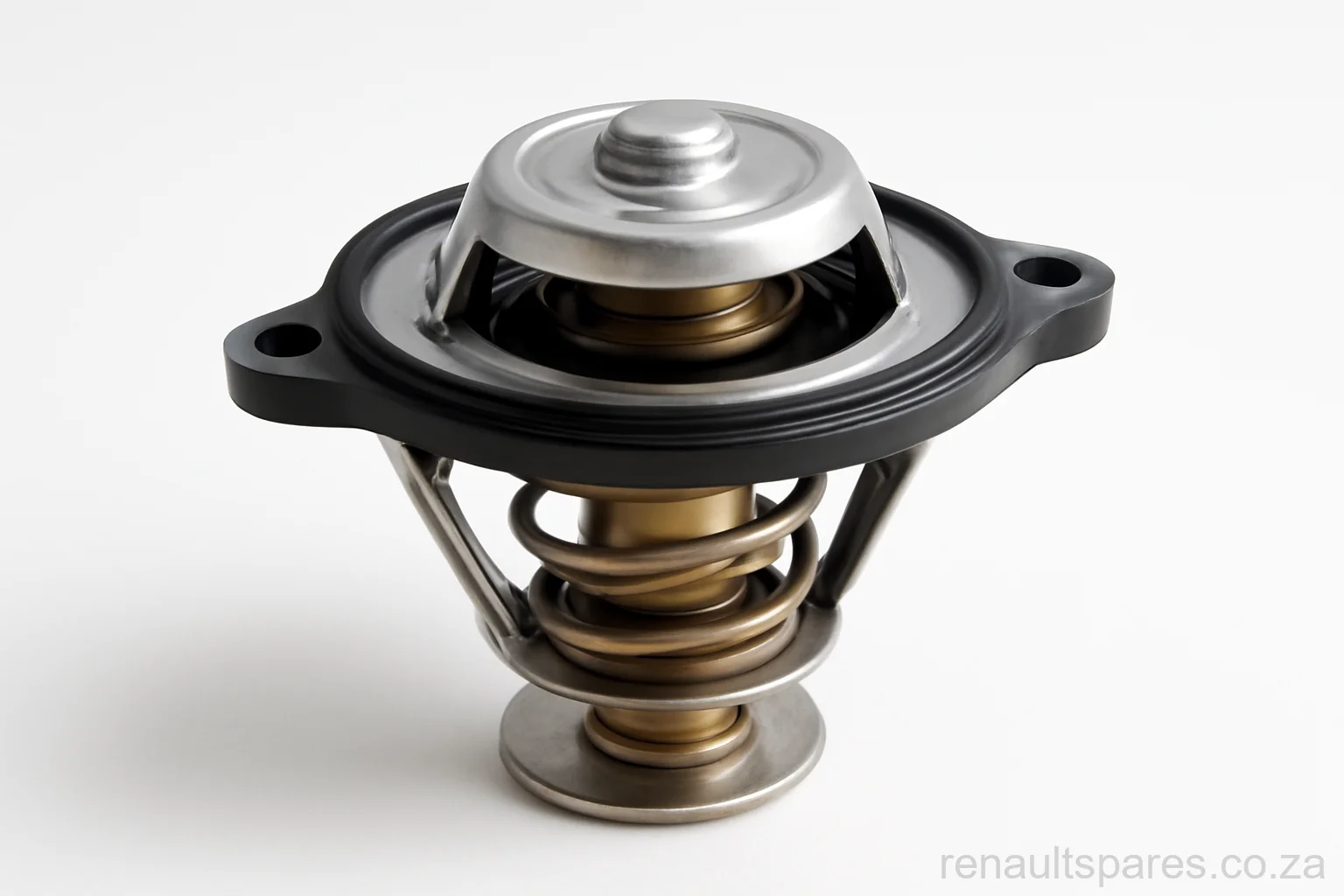
Thermostats
Thermostats and housings for Suzuki engines, including the plastic housings that warp and weep
View thermostats →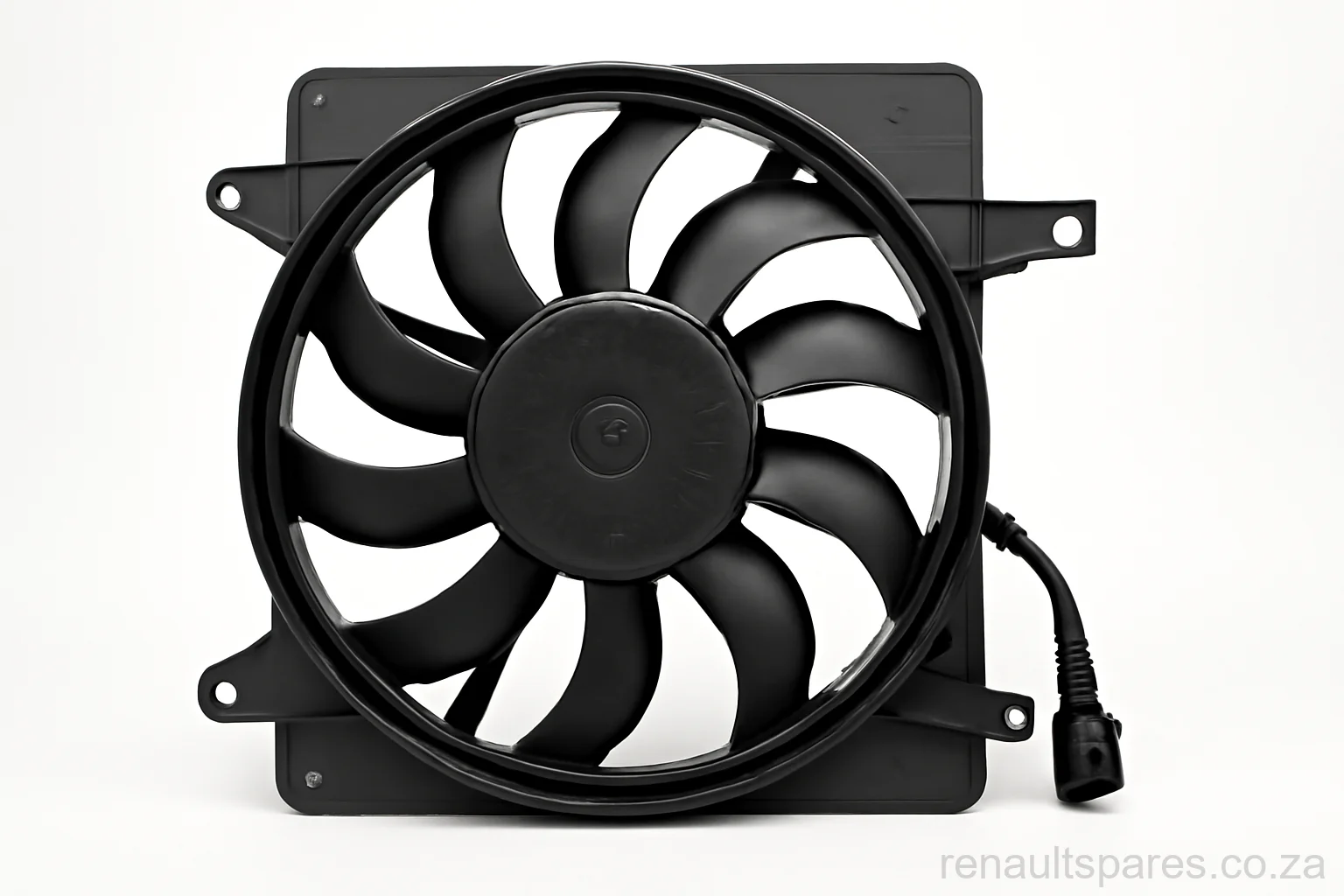
Cooling Fans
Electric fan assemblies, motors and resistor packs for Suzuki models
View cooling fans →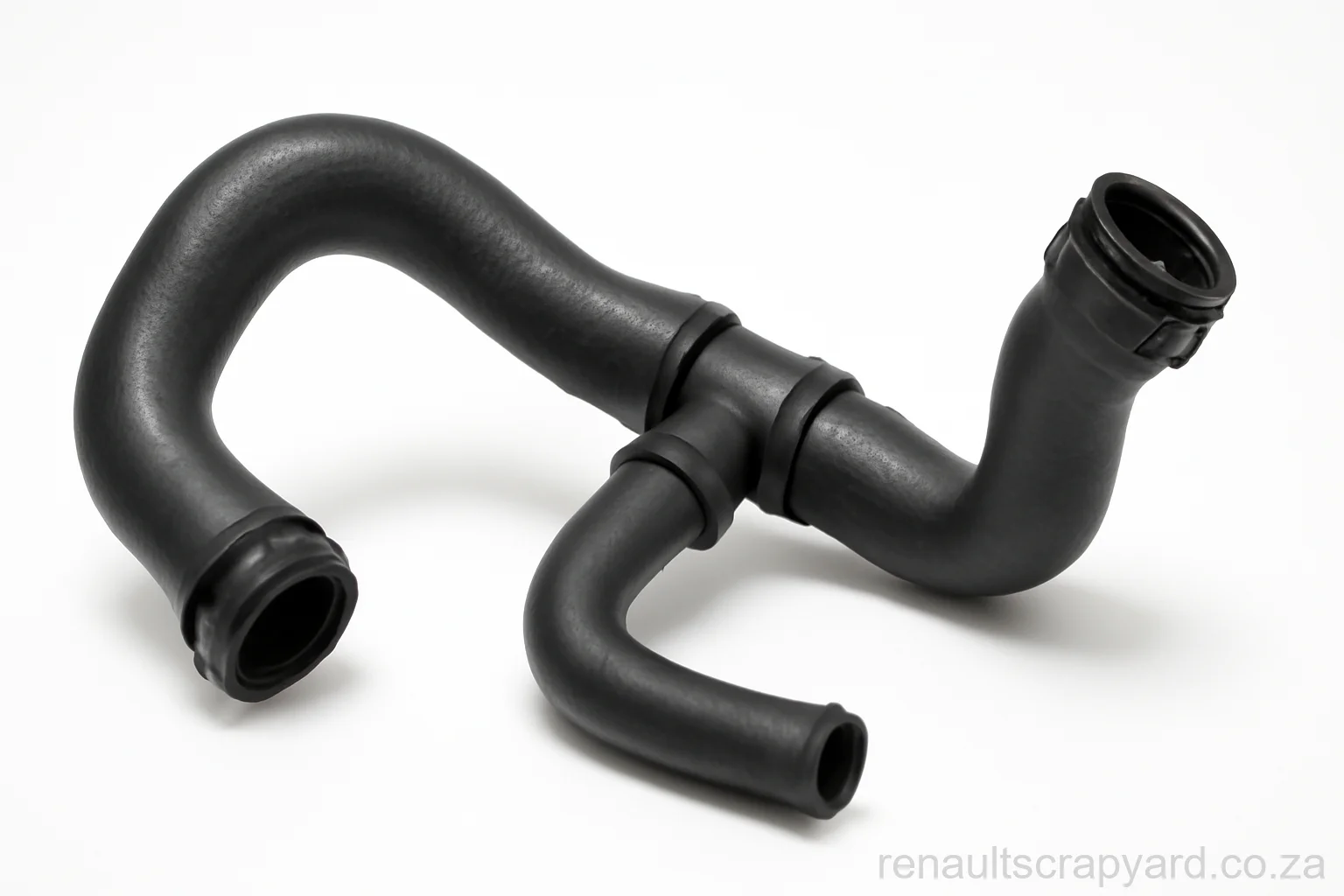
Radiator Hoses
Top, bottom and bypass hoses for Suzuki cooling systems
View radiator hoses →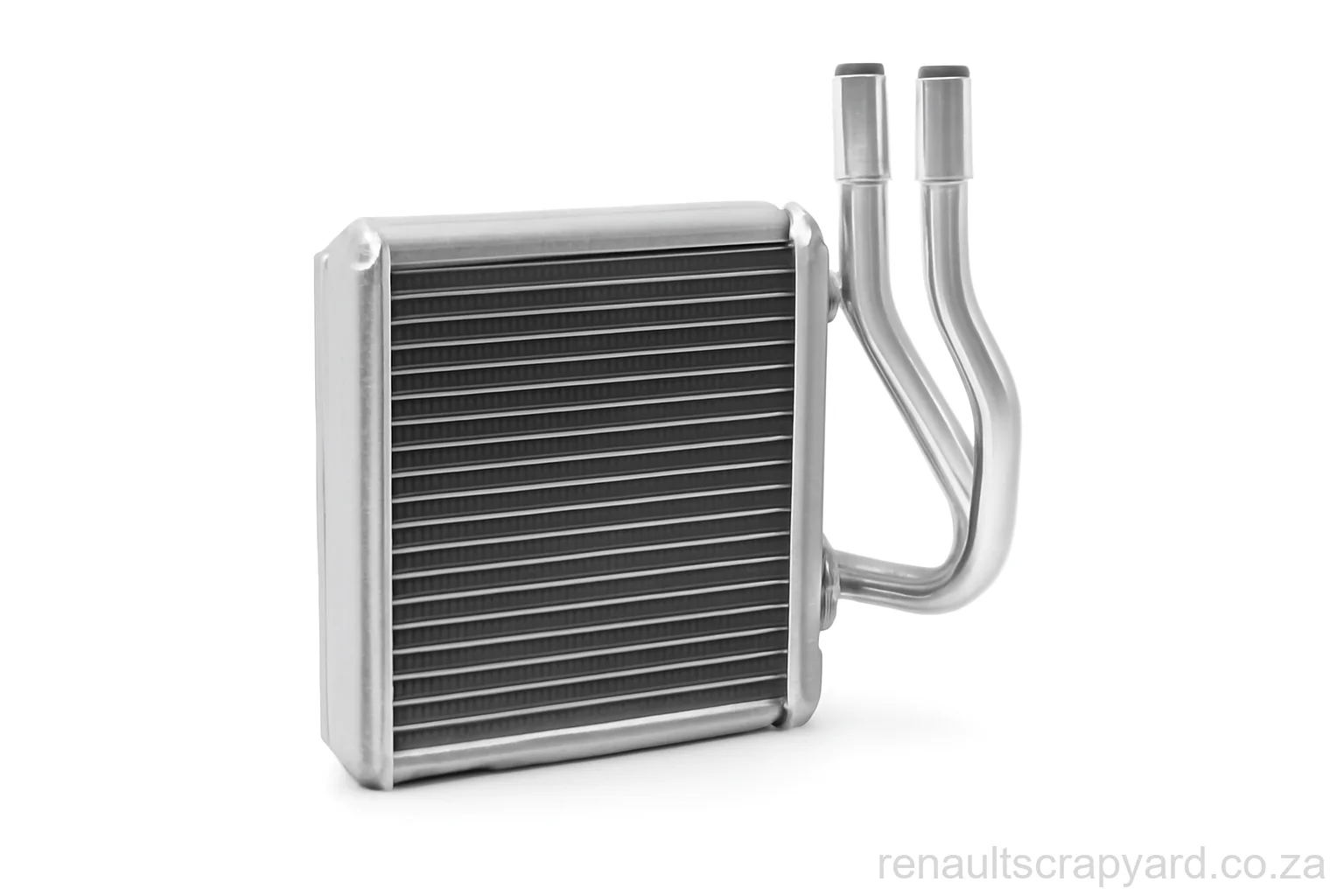
Heater Cores
Heater matrices for Suzuki cabins, the leak behind a sweet smell and a misted windscreen
View heater cores →
Coolant Reservoirs
Expansion bottles, caps and level sensors for Suzuki cooling systems
View coolant reservoirs →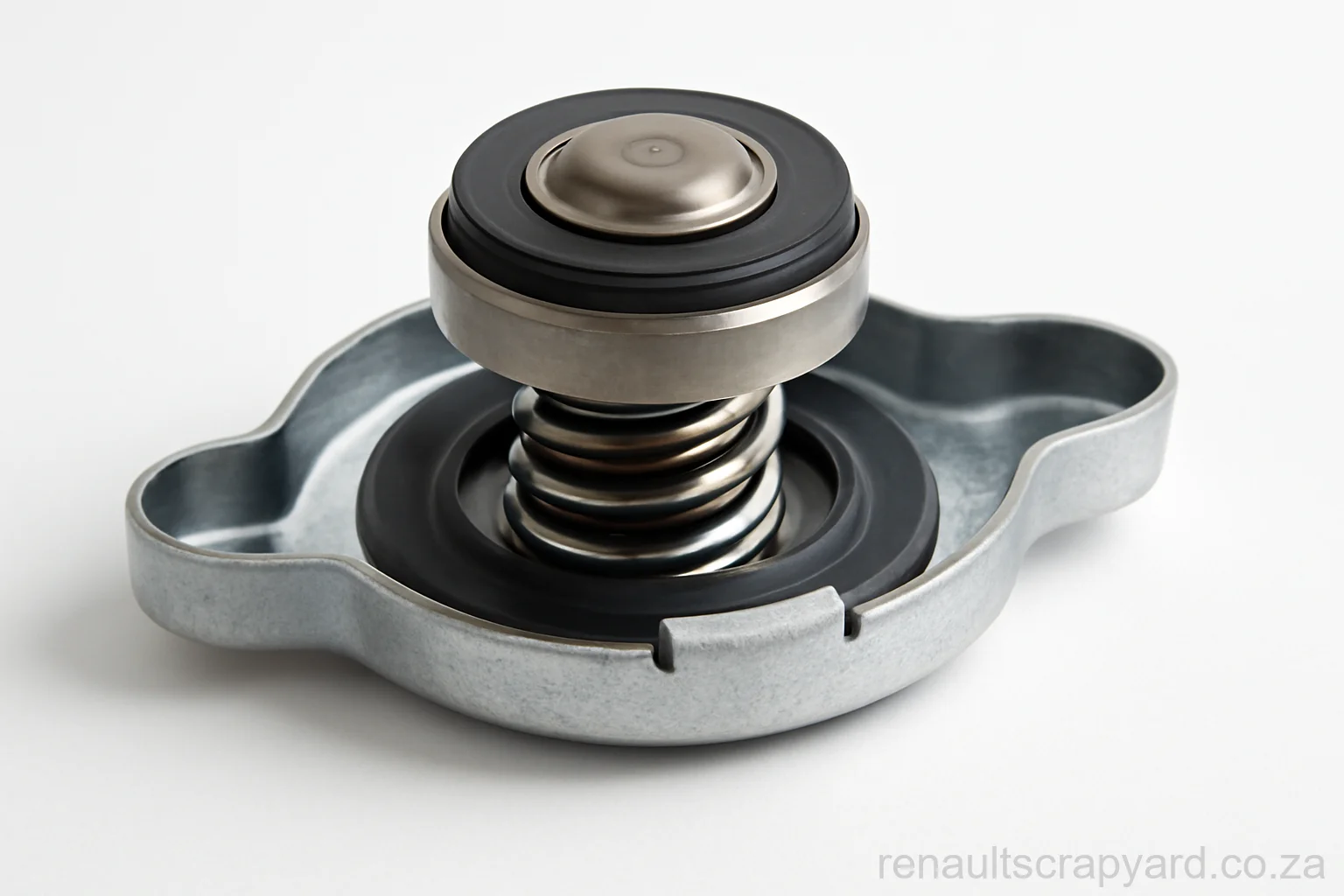
Radiator Caps
Pressure caps in the correct rating for Suzuki cooling systems
View radiator caps →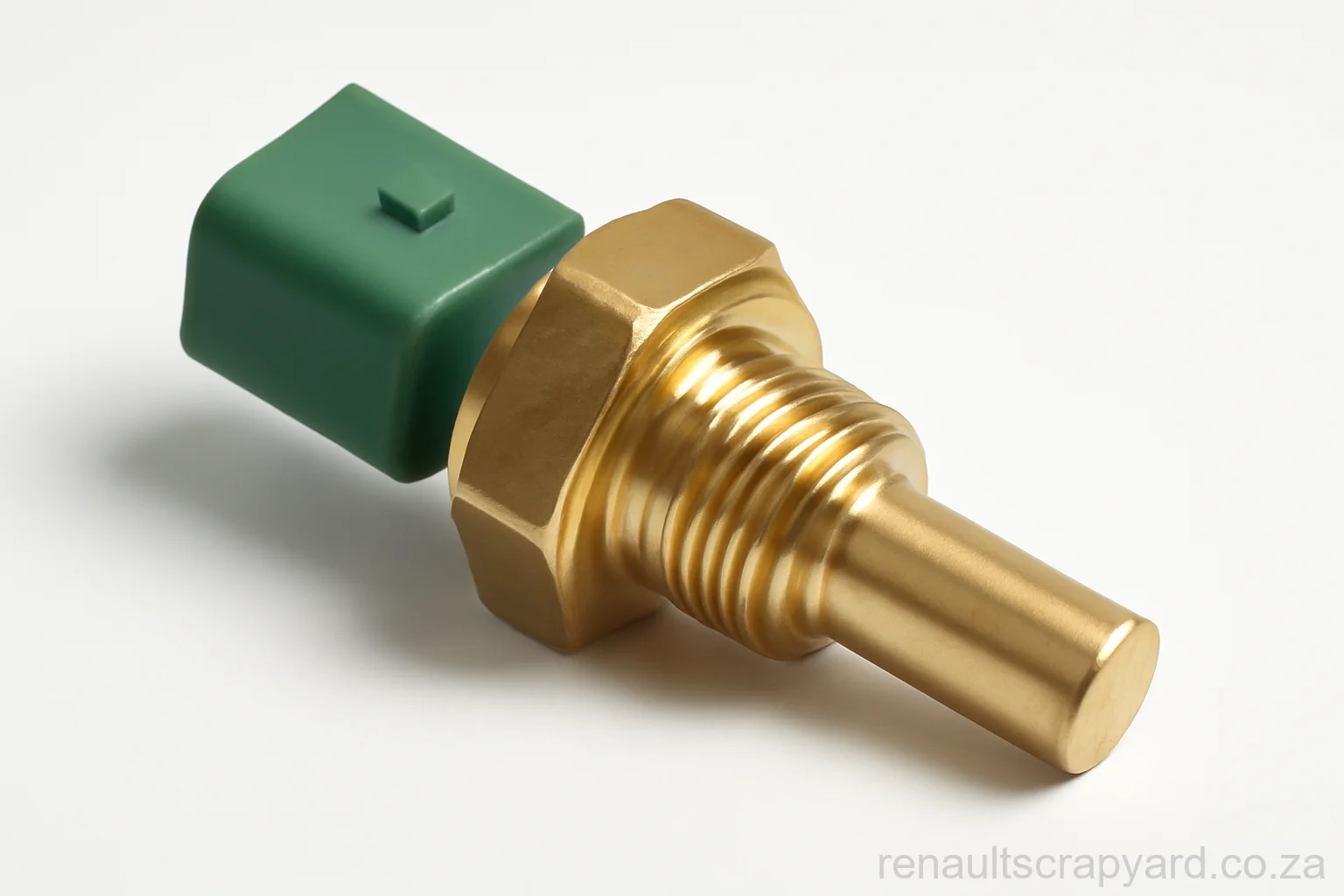
Temperature Sensors
Coolant temperature sensors and fan switches for Suzuki engines
View temperature sensors →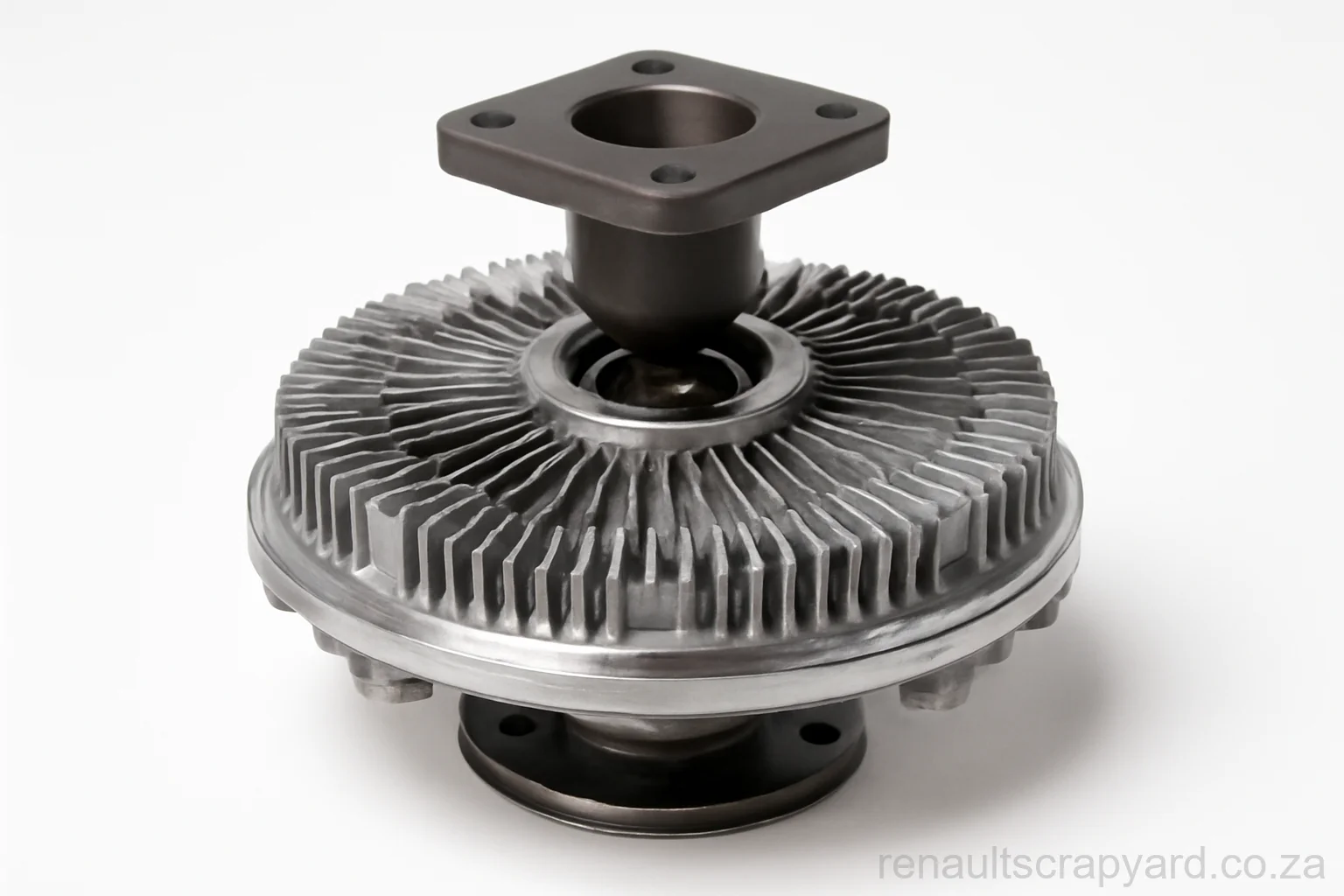
Fan Clutches
Viscous fan couplings for the belt-driven Suzuki cooling fans, as fitted to the Jimny and older Vitara
View fan clutches →Jump to cooling for your model
Choose the model and we'll take cooling from there.

Suzuki Swift
hatchback

Suzuki Jimny
suv

Suzuki Ertiga
mpv

Suzuki Vitara
crossover

Suzuki Grand Vitara
suv

Suzuki Baleno
hatchback
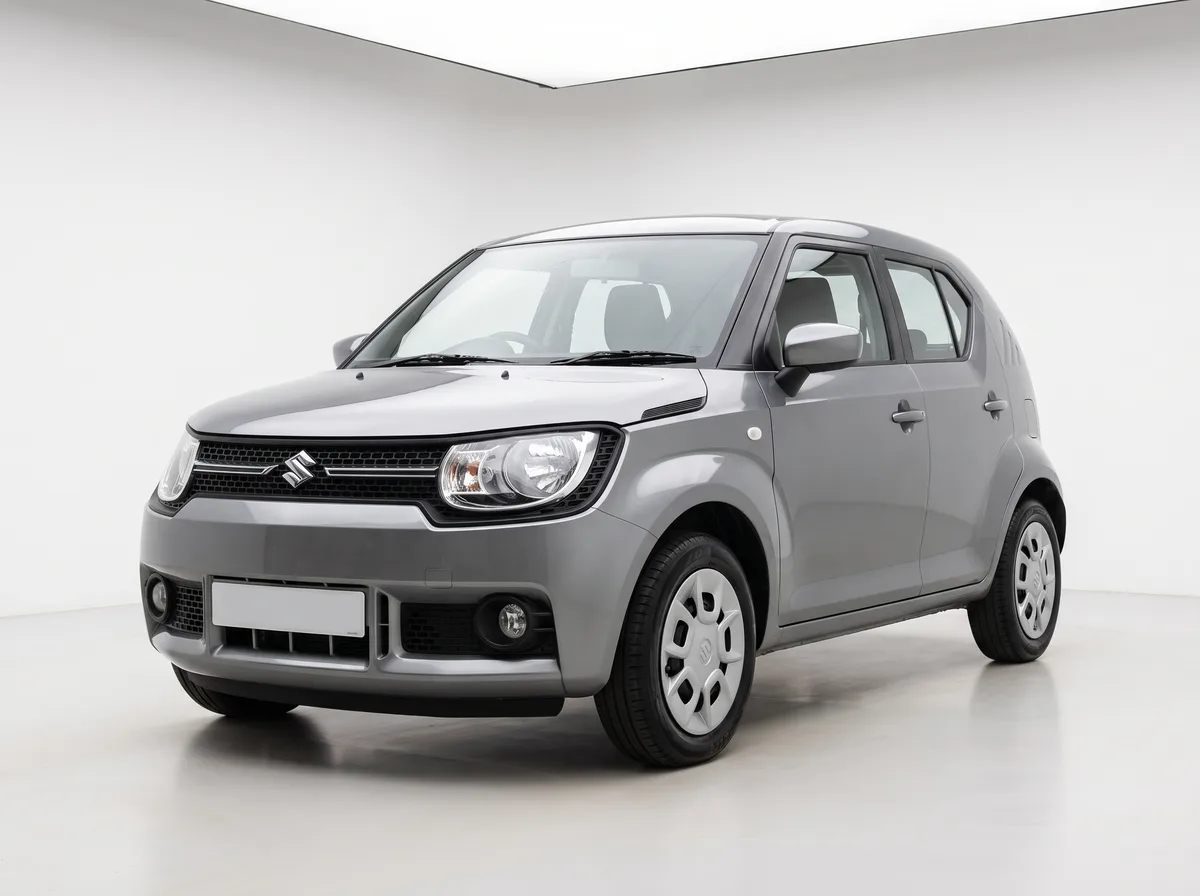
Suzuki Ignis
hatchback

Suzuki Dzire
sedan

Suzuki XL6
mpv

Suzuki Fronx
crossover

Suzuki Brezza
suv

Suzuki Ciaz
sedan

Suzuki SX4
crossover
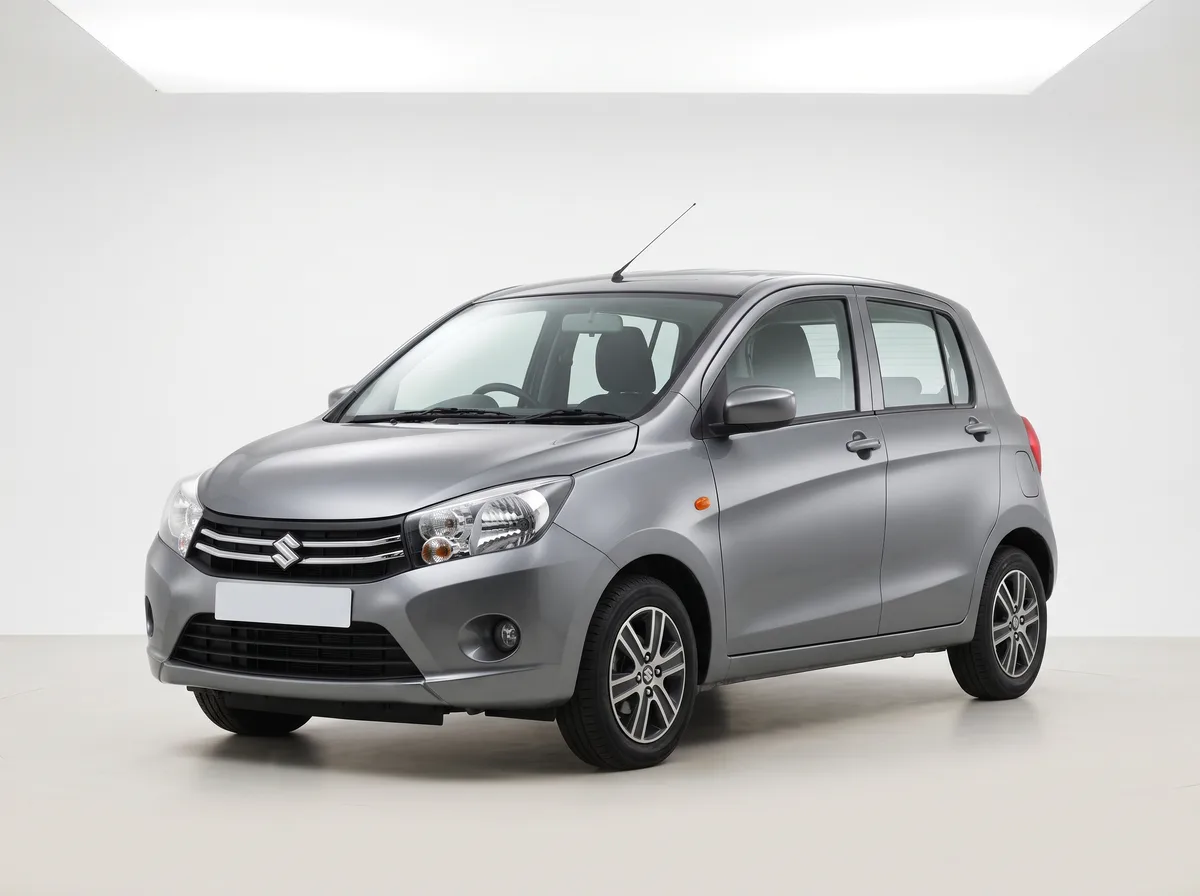
Suzuki Celerio
hatchback
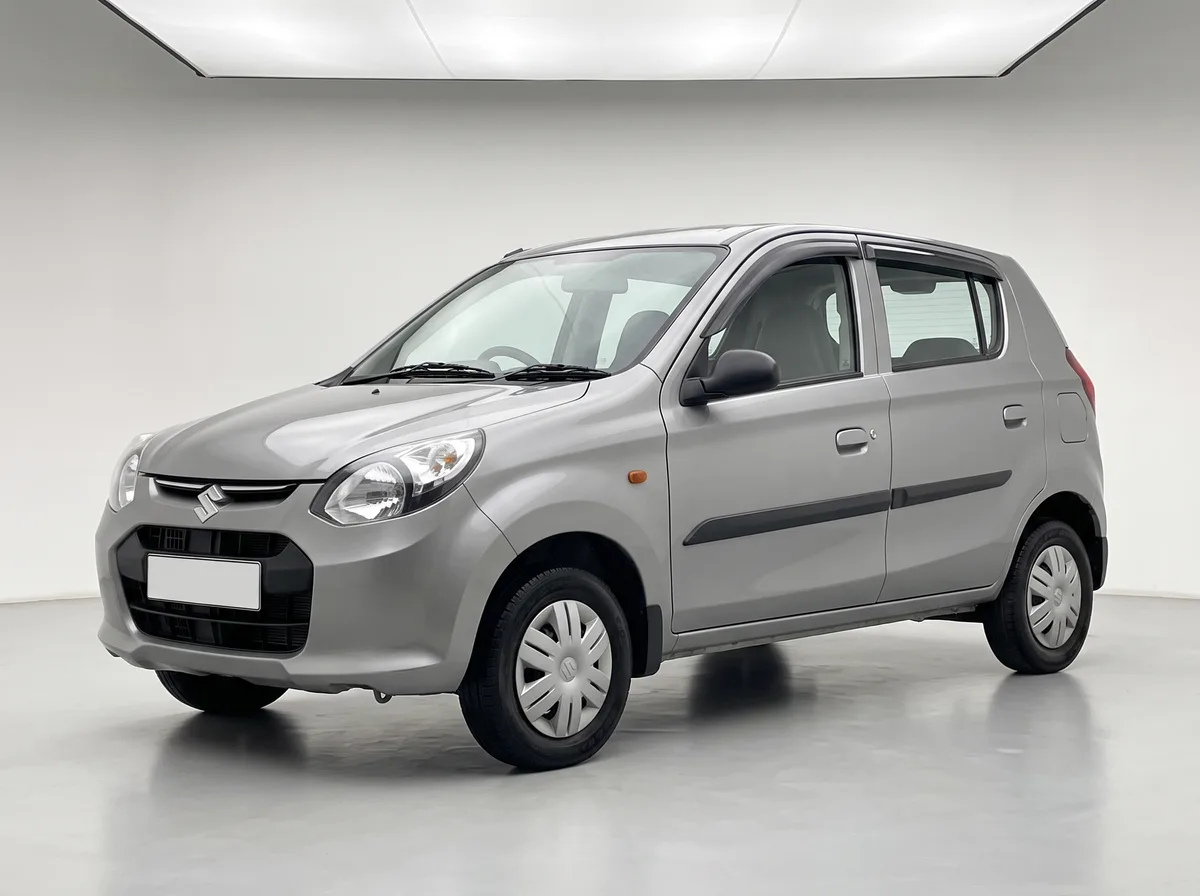
Suzuki Alto
hatchback

Suzuki S-Presso
hatchback
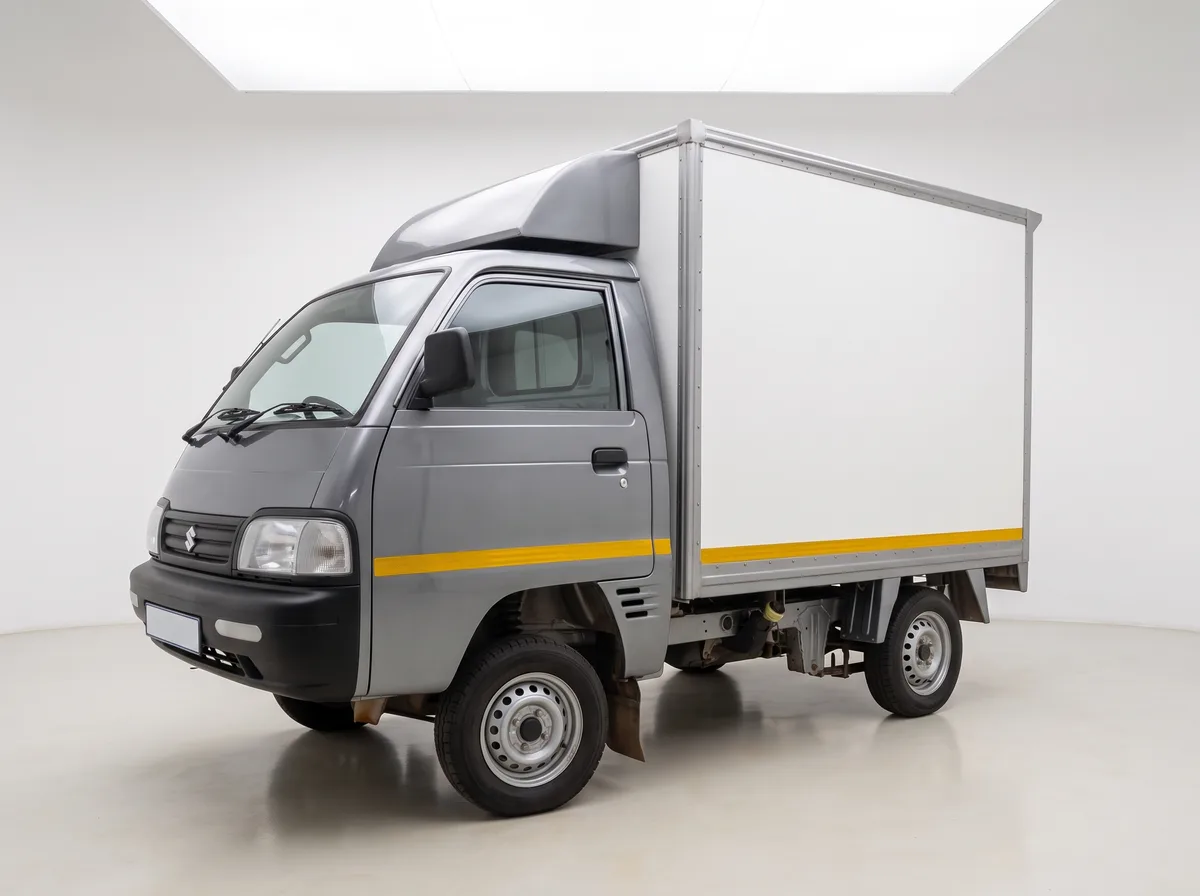
Suzuki Super Carry
commercial
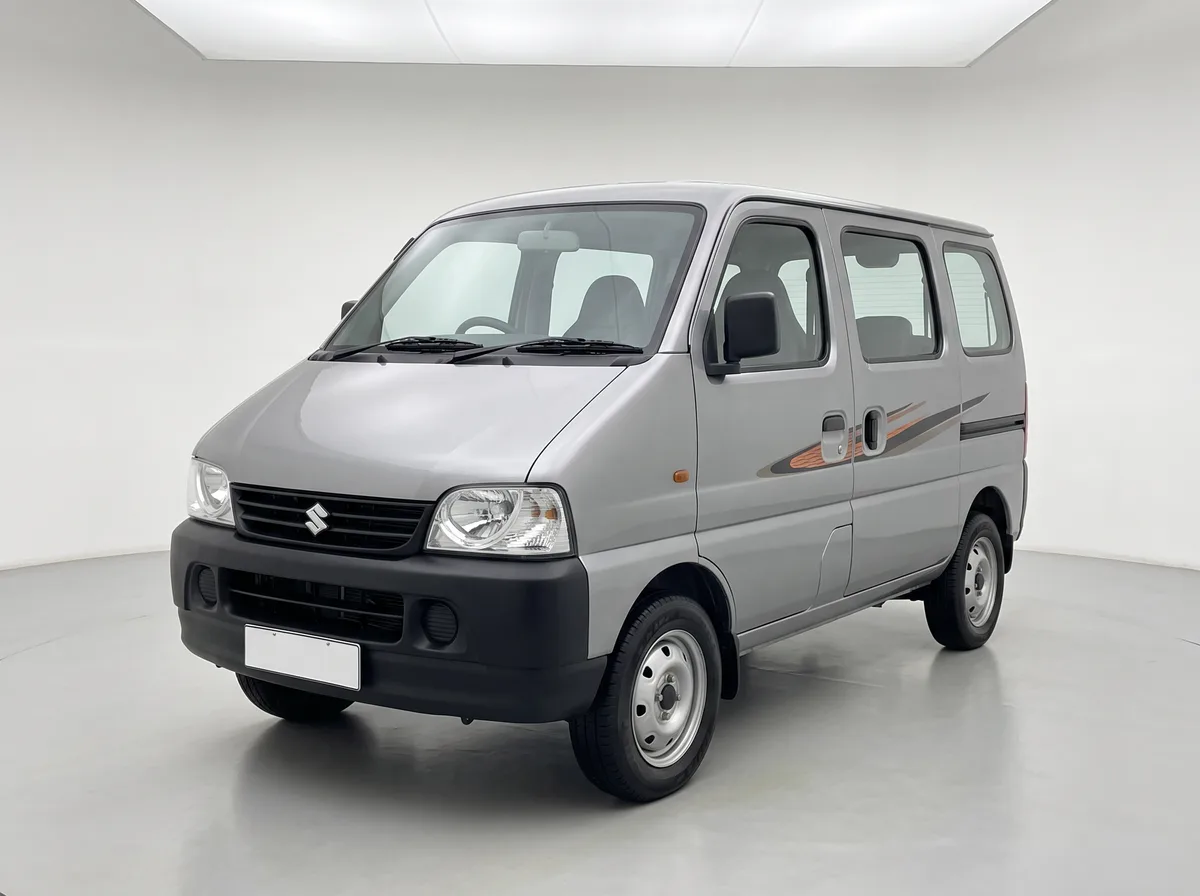
Suzuki Eeco
van

Suzuki Kizashi
sedan
Choosing cooling for a Suzuki without guessing
Suzuki's small engines run compact cooling packs with little margin, and South African summer traffic is exactly the condition they have least of it in. Where a nameplate spans a naturally aspirated and a turbocharged derivative — the Vitara being the obvious case — the turbo car carries additional charge-air hardware that the 1.6 simply does not have.
In plain terms, the call you have to make is whether swapping the one component that let go is enough, or whether the rest of the system has already been cooked alongside it — and the model name on the boot lid is not enough information to make it.
Include which derivative it is, whether the engine is turbocharged, and whether it has already run hot when you ask us about cooling. Two questions up front beats a part that has to be couriered back.
Cooling, explained
A small naturally aspirated engine has less thermal margin than a big one, and South African conditions eat into what margin there is. Summer traffic on the Highveld is the worst case: high ambient temperature, thin air doing less cooling work, an air conditioner condenser sitting in front of the radiator adding heat, and a car crawling at walking pace with no ram air through the core. Under those conditions a cooling system that is ninety percent healthy will still get you home in winter but will boil over on the N1 in January.
The component that most often ends the argument is the radiator itself. Modern radiators pair an aluminium core with moulded plastic end tanks crimped on over a gasket, and thousands of heat cycles gradually make that plastic brittle. The failure appears at the seam or around a hose outlet as a weep that dries into a crusty stain, then becomes a proper leak. Seam cracks are not a realistic repair, because uncrimping the tabs to reseal the tank weakens the joint that is holding it together. Water pumps, thermostats, fan modules and header tanks fail more conventionally. Send us your VIN and we will match the correct core for your derivative.
How you know cooling are on the way out
Recognise any of that? Tell us the model and year and we will go and check what we can get hold of for you.
What customers ask about cooling
What decides which cooling fits my Suzuki?
Suzuki's small engines run compact cooling packs with little margin, and South African summer traffic is exactly the condition they have least of it in. Where a nameplate spans a naturally aspirated and a turbocharged derivative — the Vitara being the obvious case — the turbo car carries additional charge-air hardware that the 1.6 simply does not have. In practice the decision in front of you is whether swapping the one component that let go is enough, or whether the rest of the system has already been cooked alongside it.
What do you need from me to quote cooling?
Which derivative it is, whether the engine is turbocharged, and whether it has already run hot. With that we can usually confirm the right part quickly, and we'll tell you whether we're quoting new, aftermarket or good used rather than leaving you to guess.
Can a cracked plastic radiator tank be repaired?
Sealants and epoxies occasionally hold on a small hose-neck crack, but a split along the crimped seam is a different matter — that joint is under pressure and heat, and reworking the metal tabs to reseal it weakens the very thing holding the tank on. On a small car the practical move is replacement.
Why does my Suzuki only overheat in traffic?
At road speed, air is forced through the radiator whether the fan runs or not, which masks a weak cooling system. In stationary traffic the fan is doing all the work, so a failed fan, a tired fan resistor or relay, or a partly blocked core shows up immediately. If the gauge only misbehaves when you stop moving, start with the fan circuit.
Can I just top up with water?
Water gets you off the roadside, and that is where its usefulness ends. Coolant carries corrosion inhibitors that protect an aluminium engine and radiator from internal corrosion, and it raises the boiling point and lowers the freezing point. Running plain water for months is how you turn a hose repair into a radiator and water pump repair. Refill with the correct coolant specification as soon as you can.
Does a failed thermostat always cause overheating?
Not always — it depends which way it fails. Stuck closed, the engine overheats quickly because coolant cannot reach the radiator. Stuck open, the engine never reaches operating temperature, so the heater is weak, fuel consumption rises and the engine management sits in a warm-up strategy for longer than it should. Both are worth fixing.
The gauge went into the red once. What should I check before driving again?
Stop, let it cool completely, and do not open the cap while it is hot. Then look for the obvious first — coolant level, a split hose, a leaking radiator seam, and whether the fan runs with the engine hot and the air conditioner on. What matters most is the next step: an engine that has been properly overheated can warp a cylinder head or fail a head gasket, and the giveaways are oil that looks like coffee, coolant that keeps vanishing with no leak, or white steam that will not clear. Get those checked before you rely on the car again.
Nearby on the car
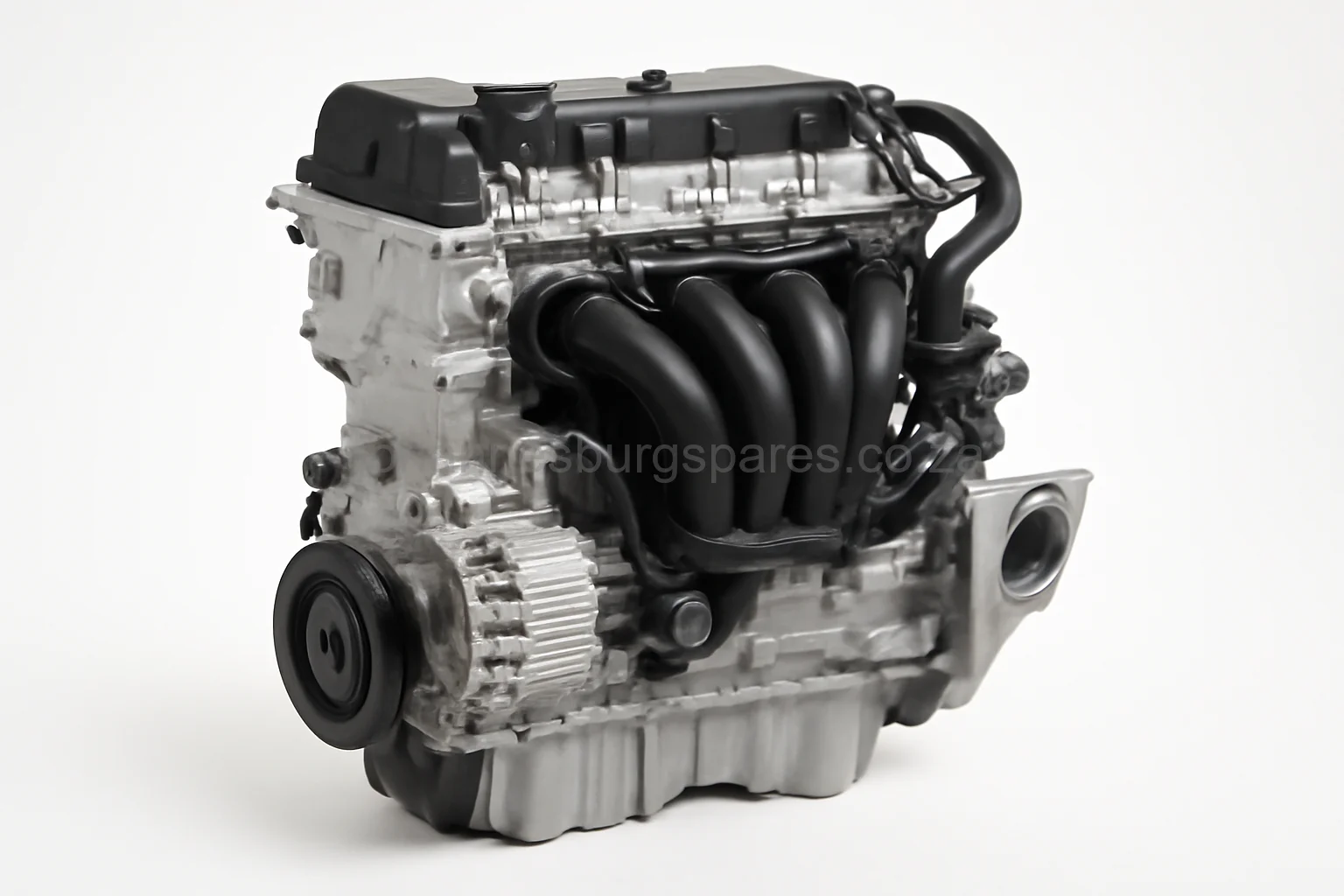
Internals and service parts for the small-capacity K-series and M-series petrol engines Suzuki sells here, plus the older J20A Vitara units
BrakesFriction parts, hydraulics and hardware for Suzuki braking systems — front discs with rear drums on most of the small hatches
SuspensionDamping, springs, arms and bushes for Suzuki models — struts up front on the hatches, live axles under the Jimny
ElectricalCharging, starting, ignition and control electrics for the Suzuki range
LightingExterior and cabin lighting for Suzuki models, from full headlamp units down to a single bulb
ExhaustManifolds, cats, pipework and silencers for Suzuki petrol models — a short system on the small hatches, longer on the Jimny and Ertiga
TransmissionGearboxes, clutches and driveline parts for Suzuki models — five-speed manuals and autos on the hatches, plus the Jimny transfer case and rear diff
Fuel SystemPumps, injectors, rails and tank components for Suzuki petrol fuel systems
Cooling, wherever the car is
The identification work is the same wherever the car is — only the last leg differs.
Send the VIN — we'll find the cooling
Which derivative it is, whether the engine is turbocharged, and whether it has already run hot is all we need. We cross-reference it against what we can source and come back with what fits.