
Suzuki Electrical — Across the SA Range
Used, aftermarket and reconditioned parts. Not supplied by Suzuki Auto South Africa.
Electrical broken down
The year and derivative, plus any fault code the scanner has already produced settles most of these — pick the component and we'll confirm the rest.
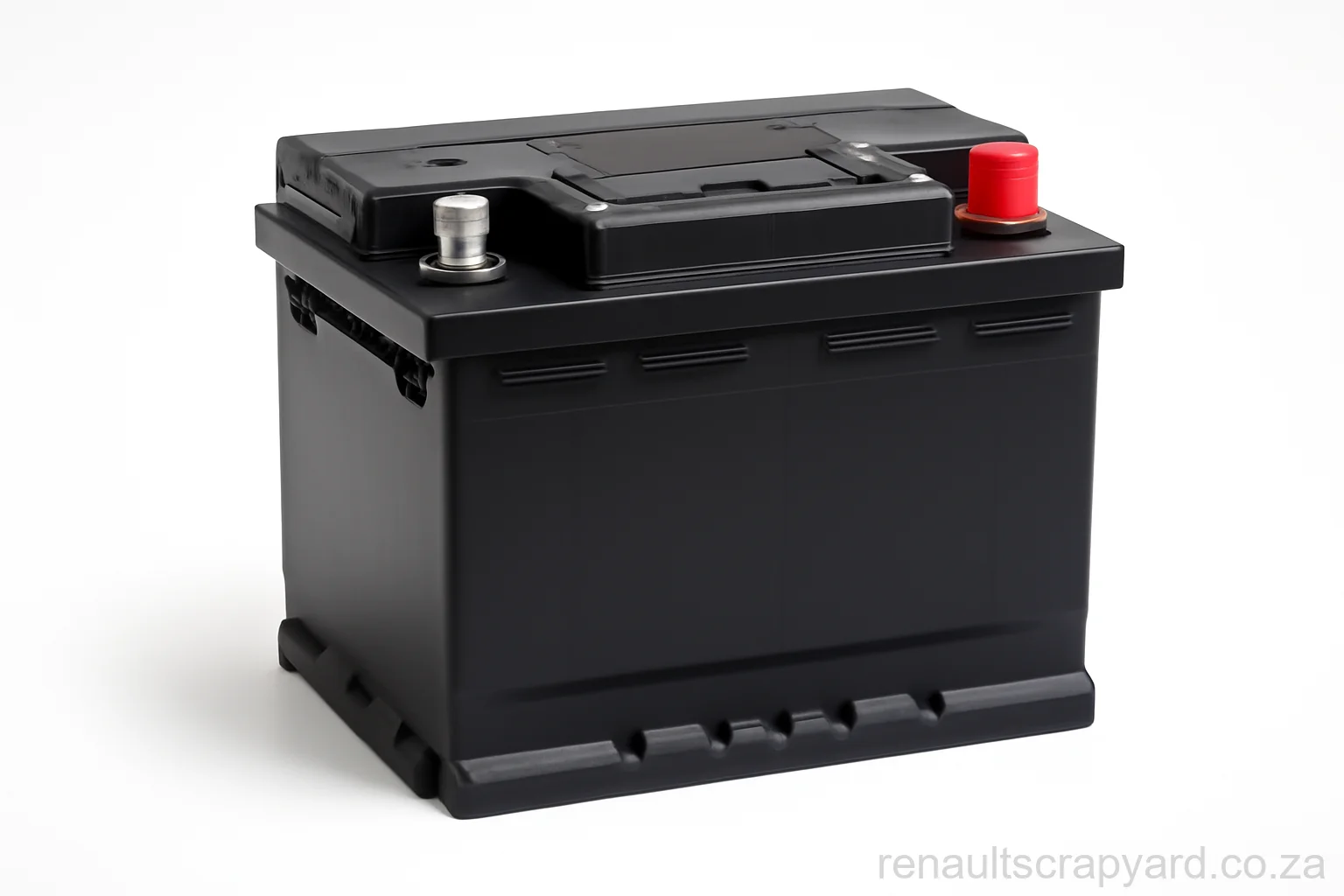
Battery
Batteries in the sizes Suzuki models take, including the smaller cases the compact hatches use
View battery →
Alternator
Alternators for Suzuki petrol engines, plus the regulator packs and pulleys that fail before the whole unit does
View alternator →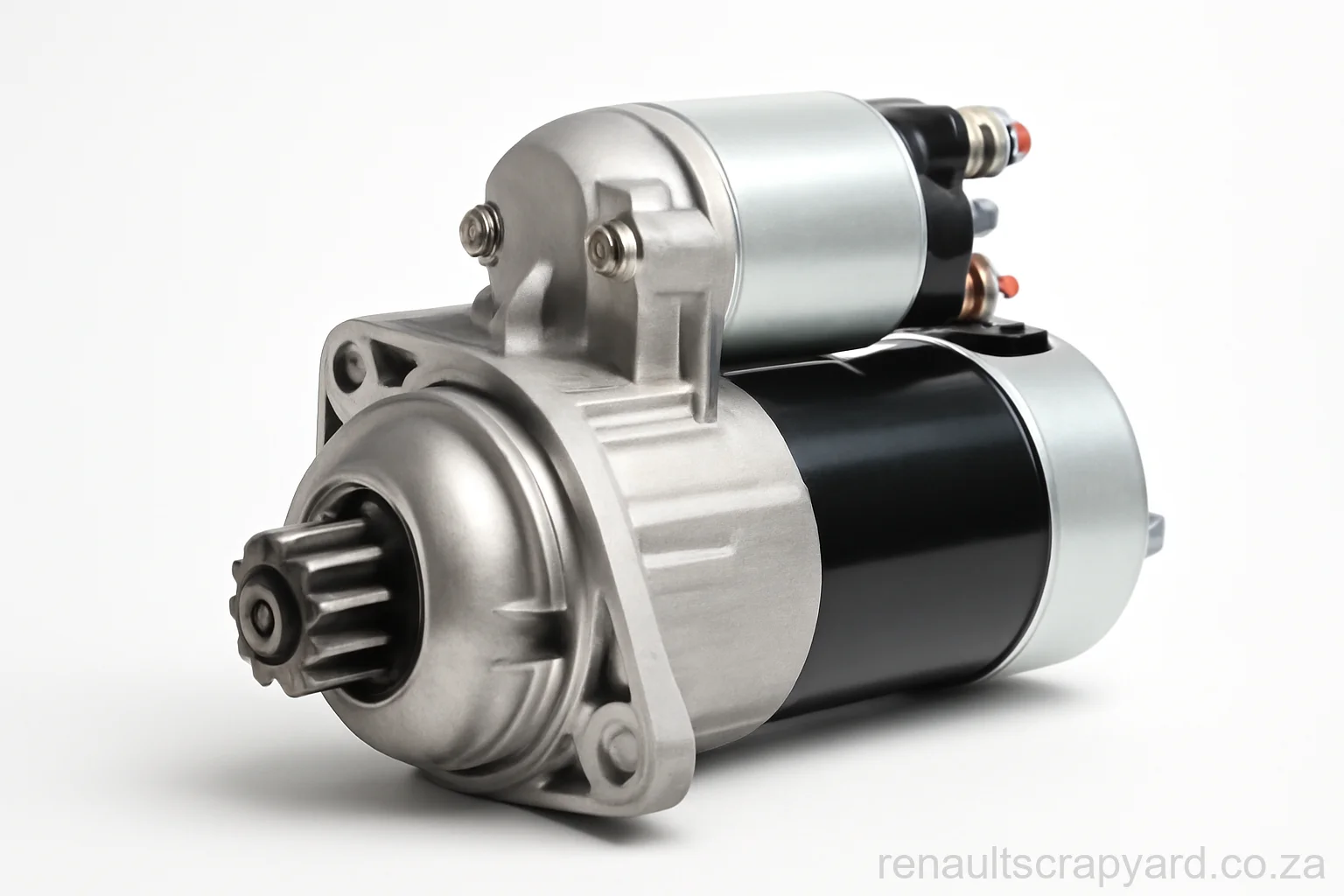
Starter
Starter motors and solenoids for Suzuki petrol engines, including reconditioned exchange units
View starter →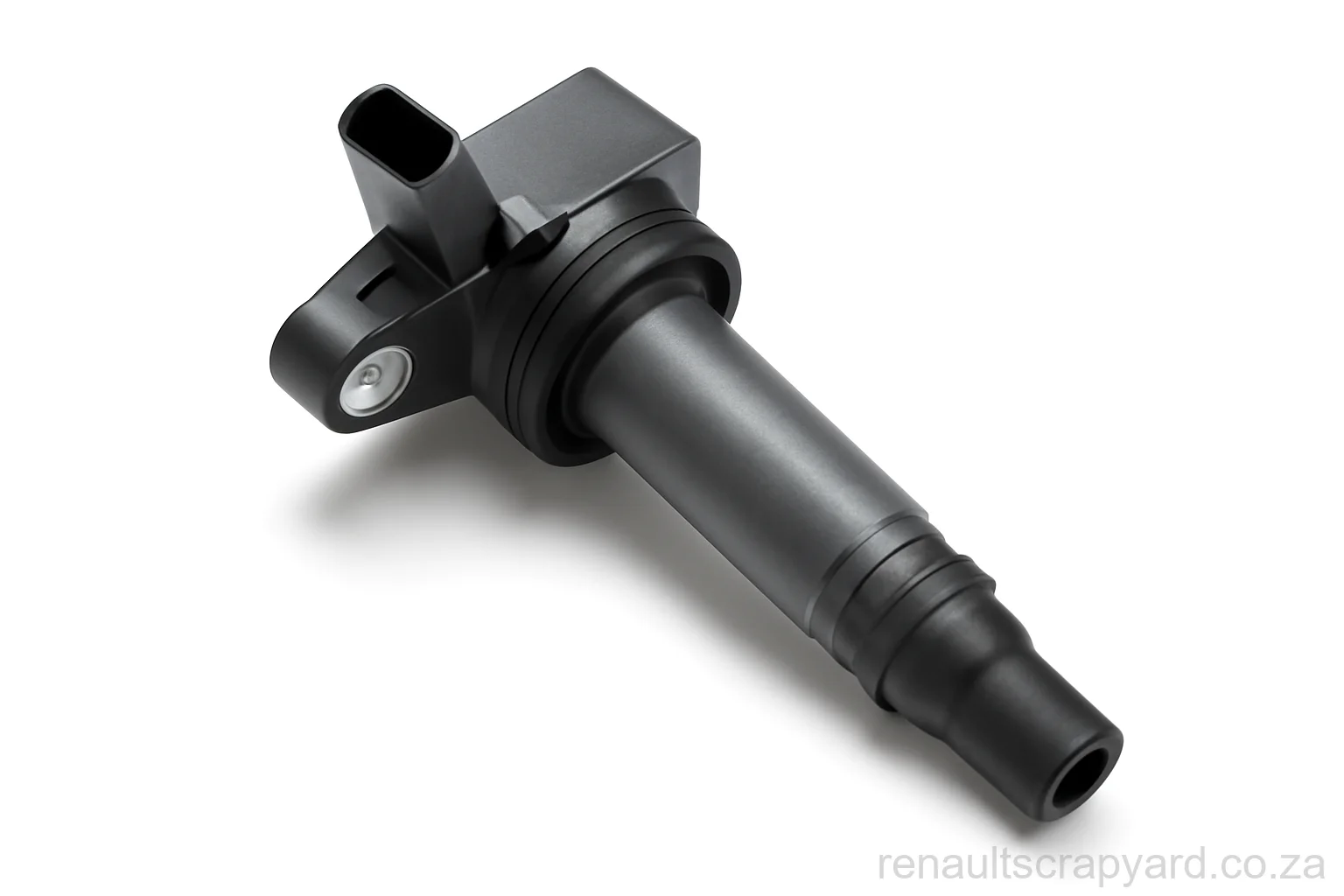
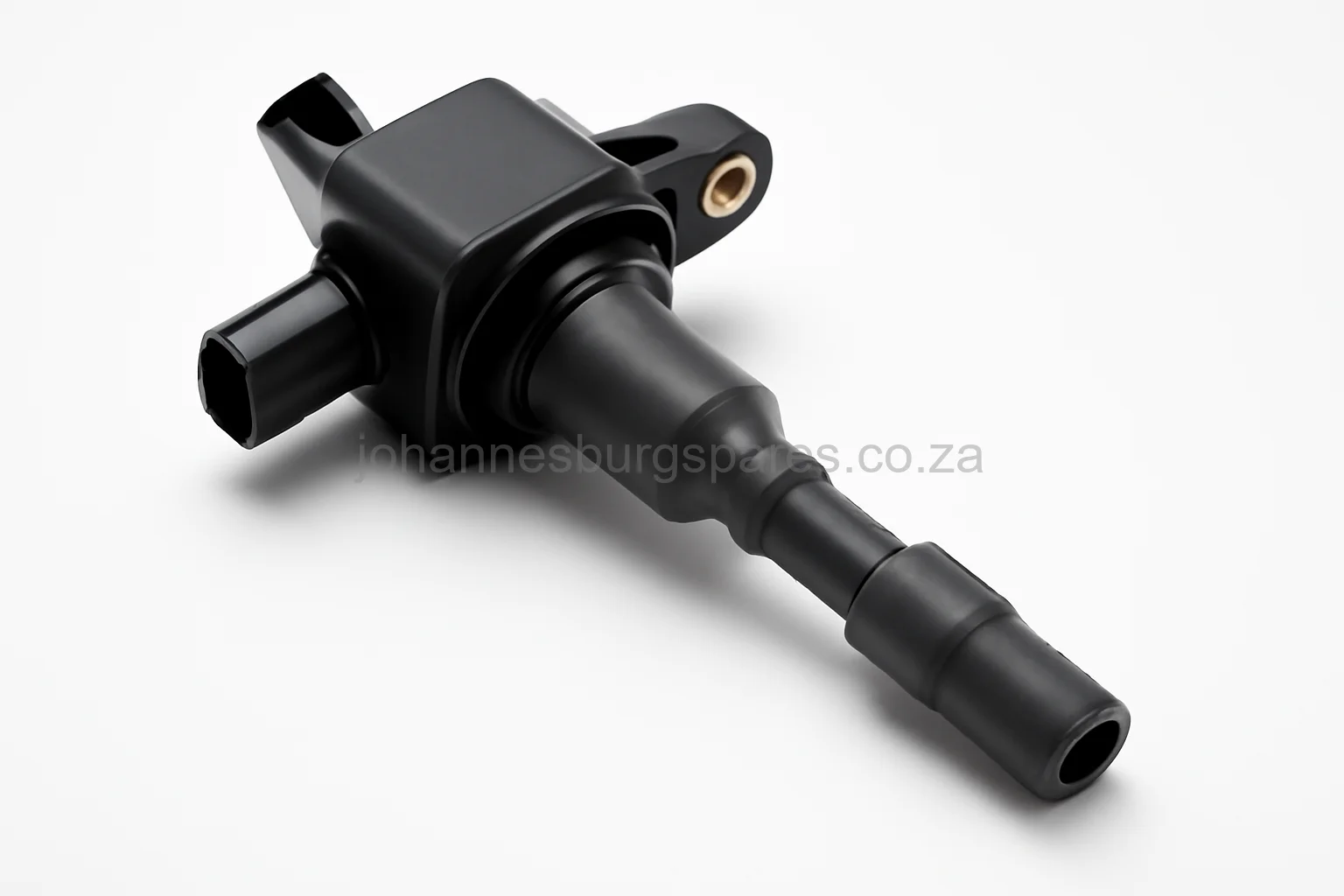
Ignition Coils
Pencil coils and coil packs for Suzuki petrol engines, one of the most common causes of a cylinder misfire
View ignition coils →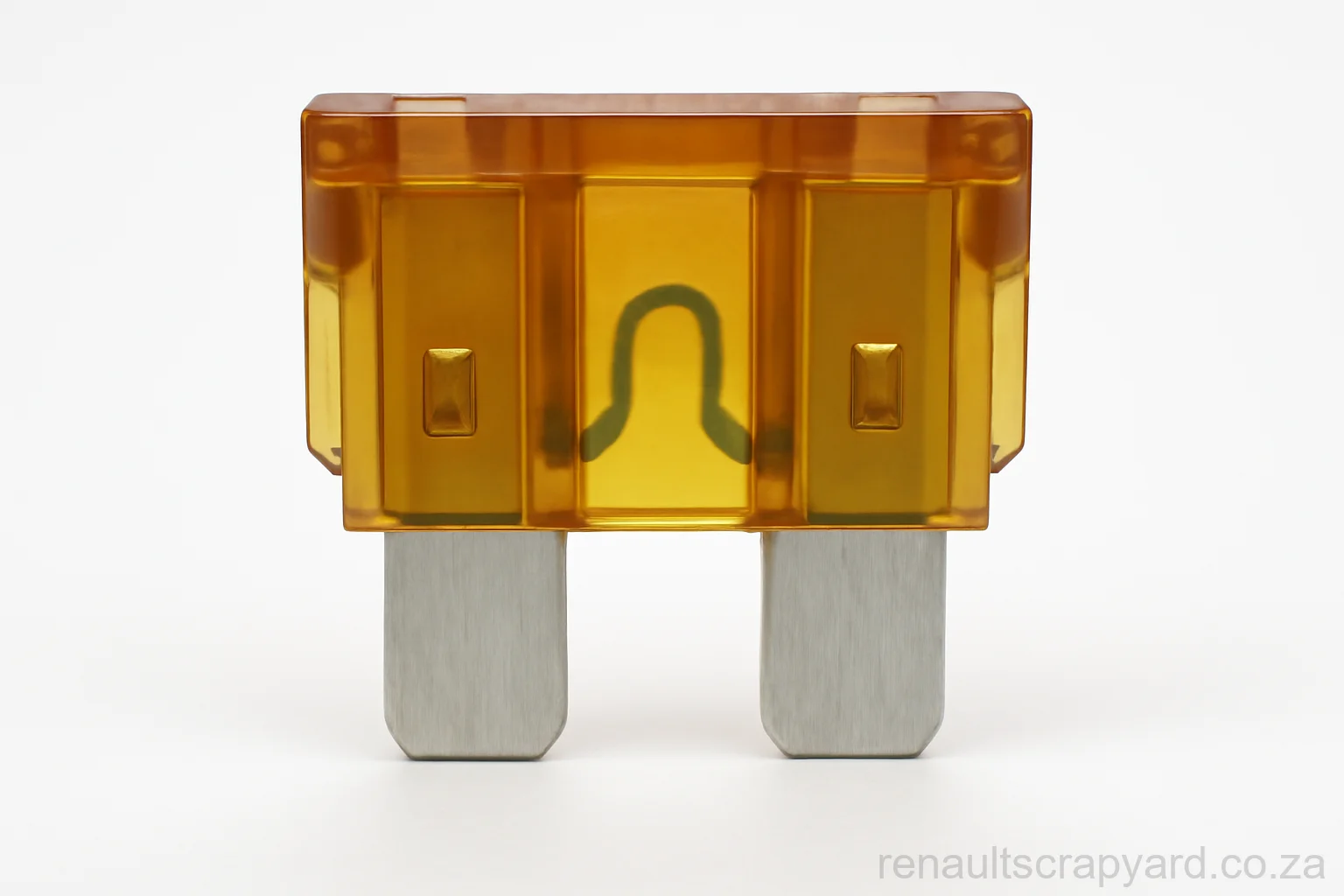
Fuses
Blade fuses, maxi fuses and fusebox housings for Suzuki models
View fuses →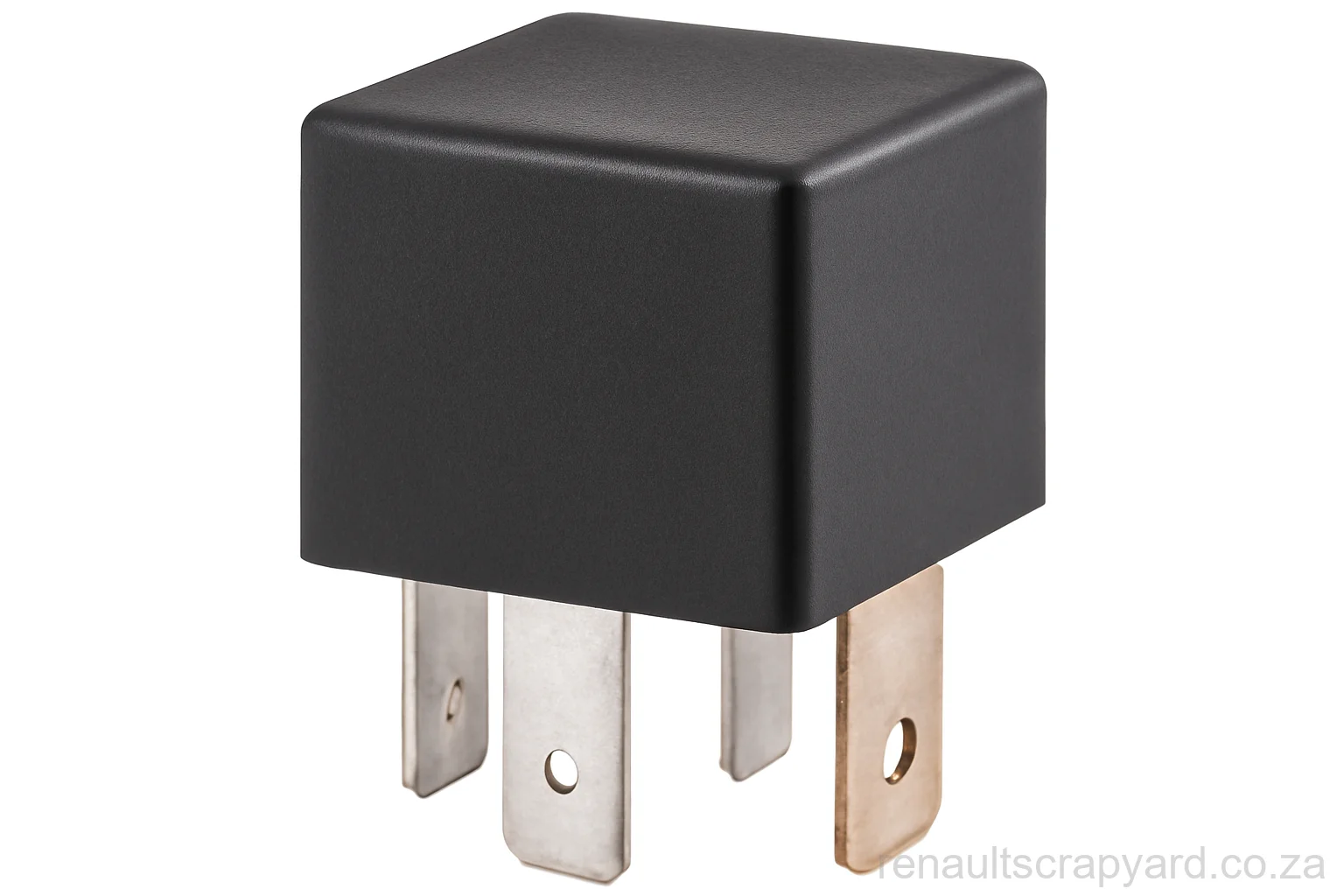
Relays
Relays for Suzuki fuel pumps, cooling fans, headlights and starters
View relays →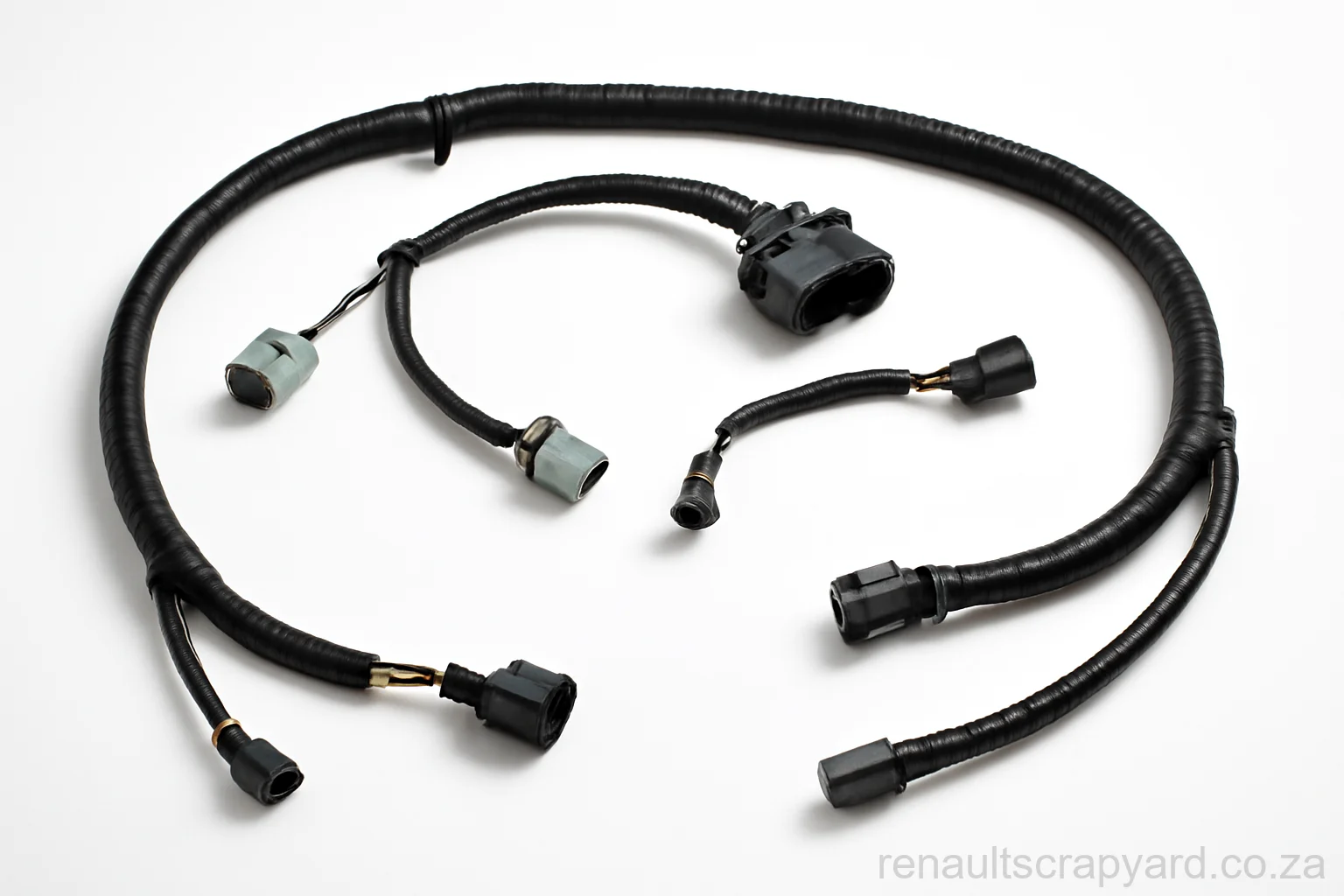
Wiring Harness
Engine and body looms, connectors and pigtails for Suzuki models — often the honest fix for chafed or rodent-damaged wiring
View wiring harness →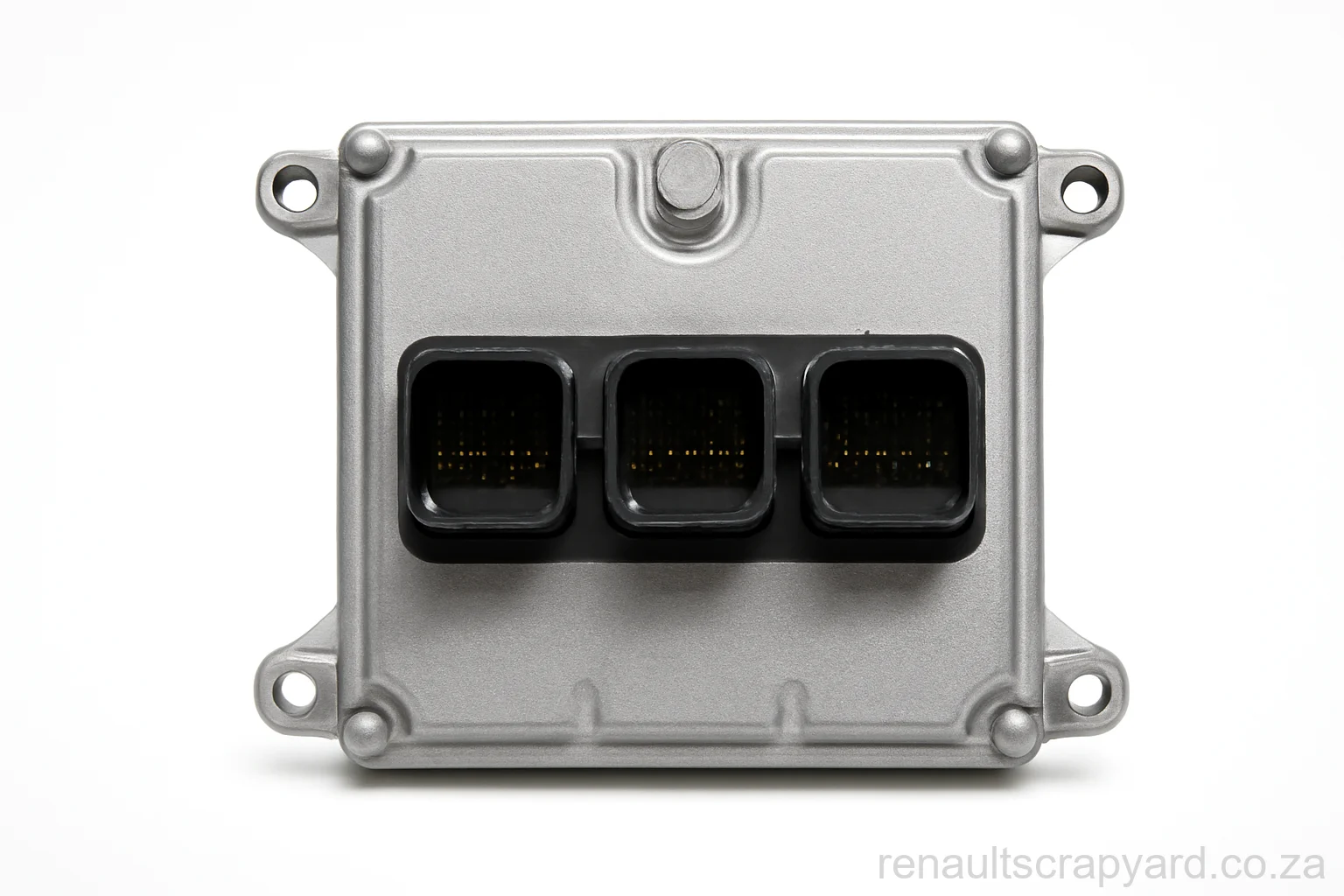
ECU/PCM
Engine control units for Suzuki models, which are tied to the immobiliser and need coding rather than plugging straight in
View ecu/pcm →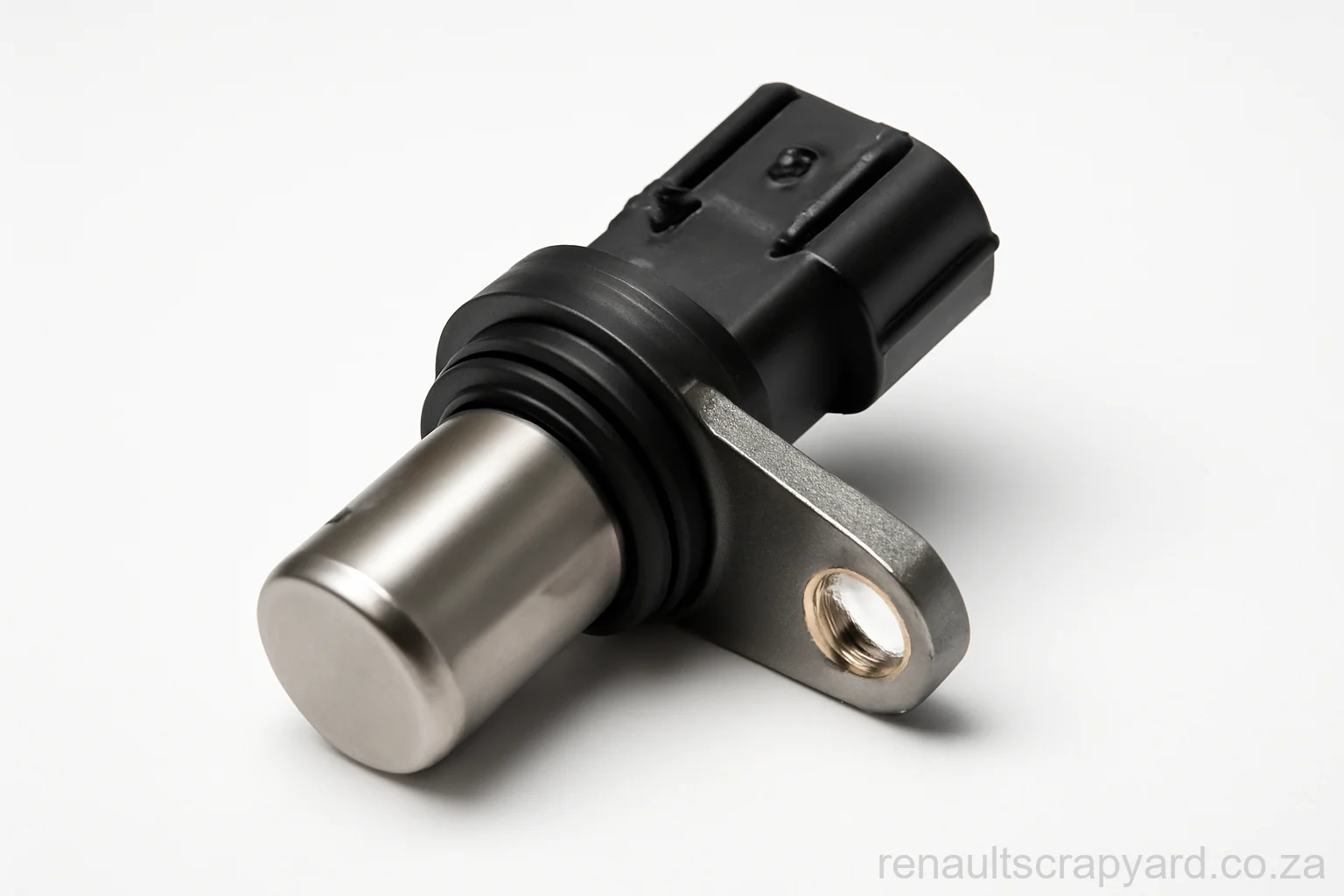
Sensors
Crank, cam, MAP, throttle position, knock and temperature sensors for Suzuki petrol engines
View sensors →Electrical by model
Start from the car — it's the faster route if you already know which Suzuki you're dealing with.

Suzuki Swift
hatchback

Suzuki Jimny
suv
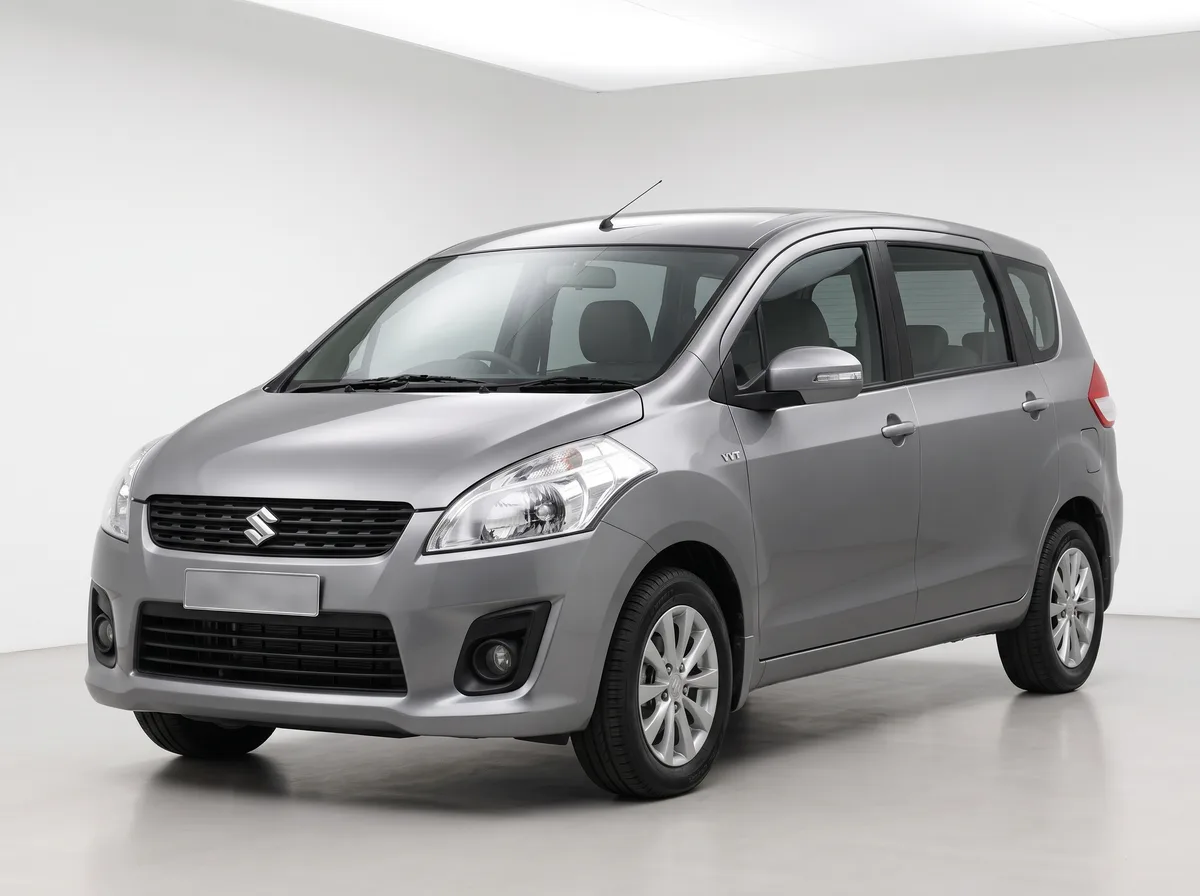
Suzuki Ertiga
mpv

Suzuki Vitara
crossover

Suzuki Grand Vitara
suv
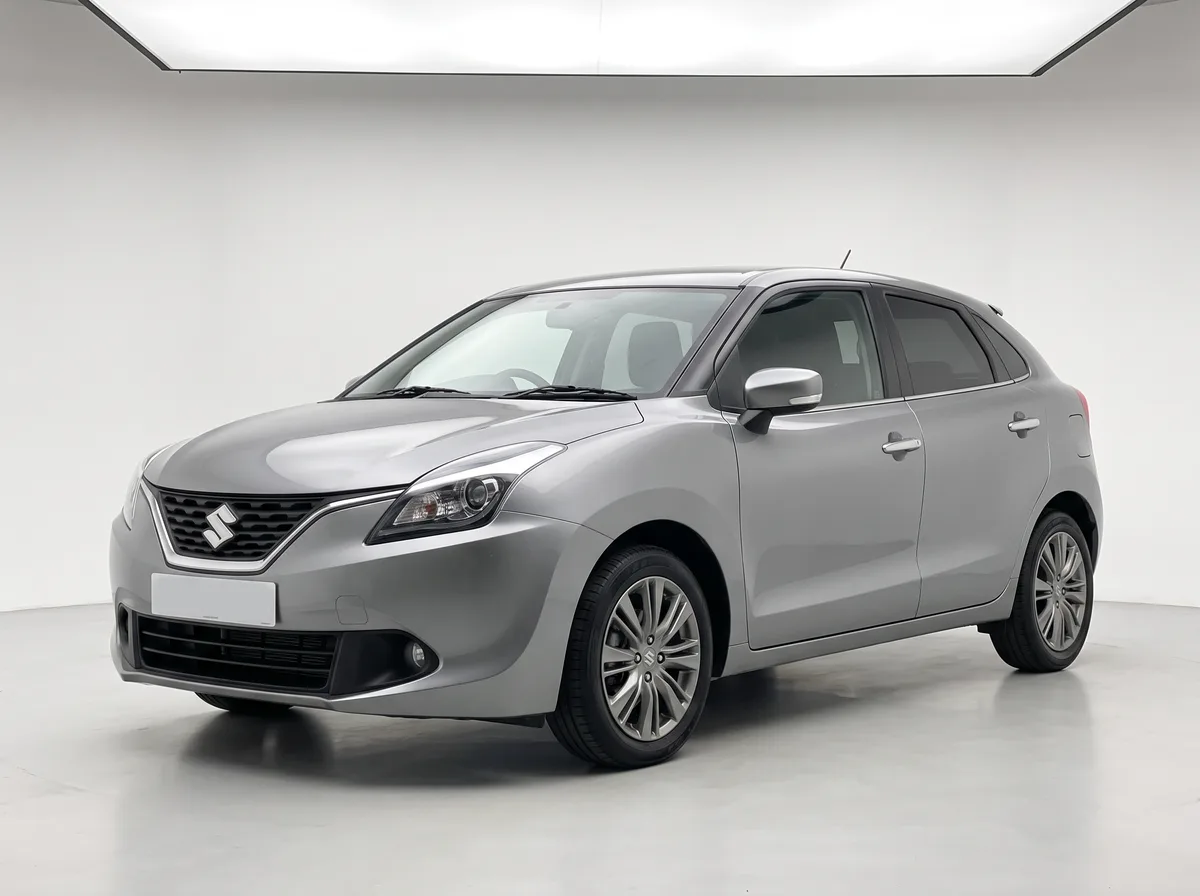
Suzuki Baleno
hatchback
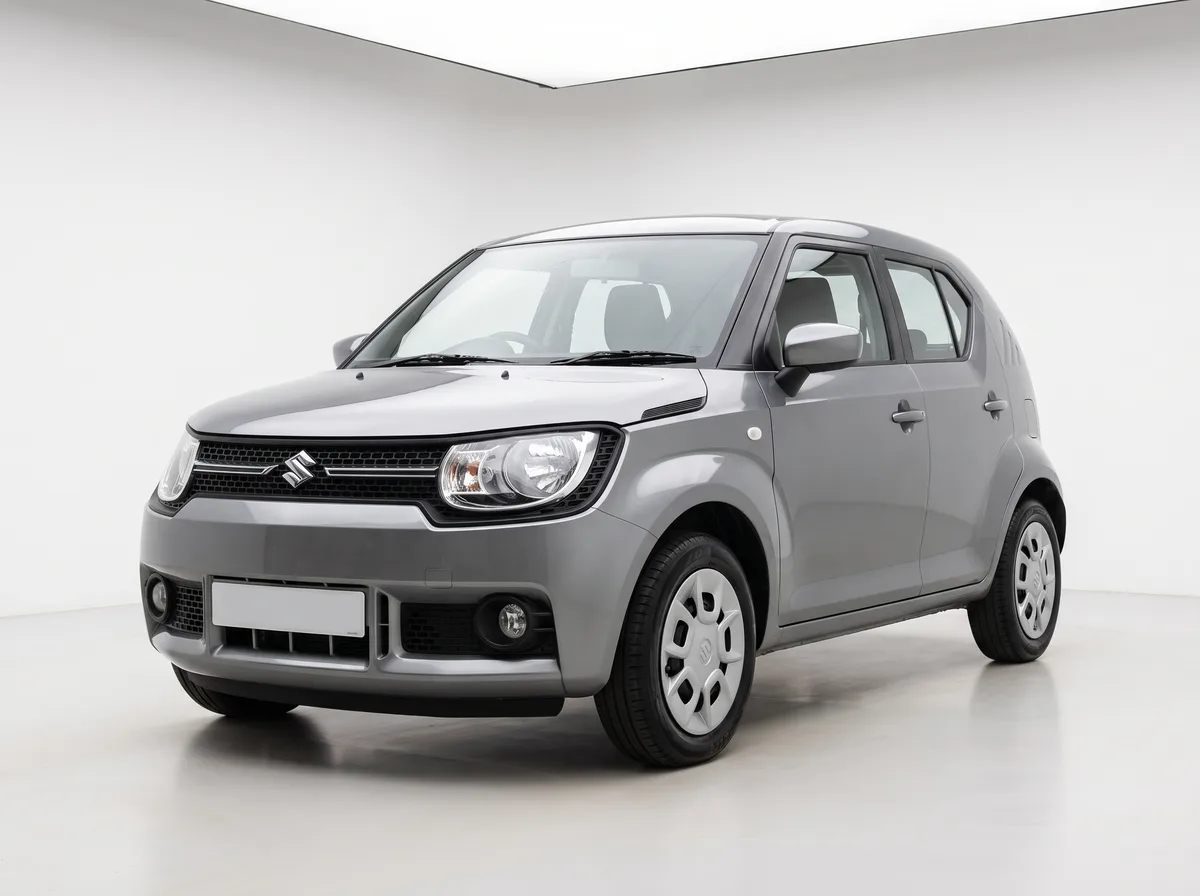
Suzuki Ignis
hatchback

Suzuki Dzire
sedan

Suzuki XL6
mpv
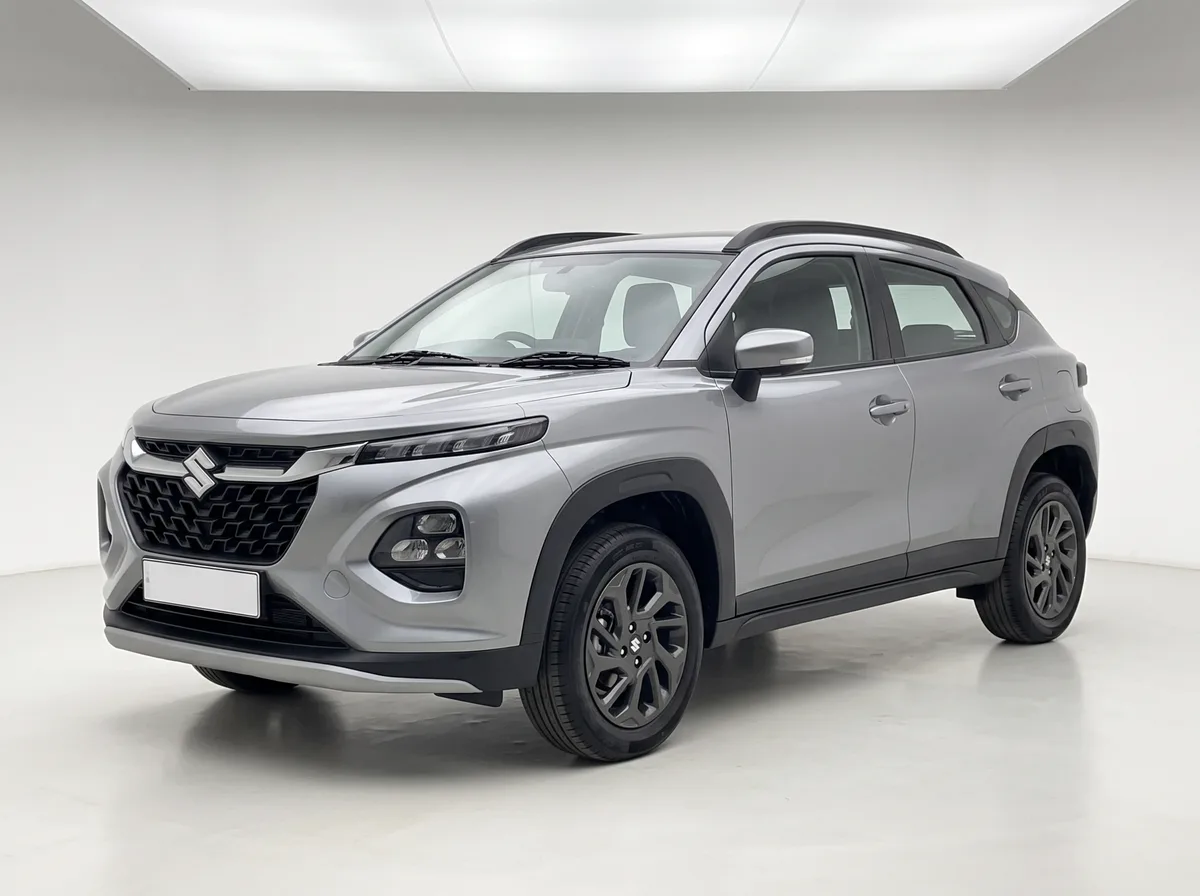
Suzuki Fronx
crossover

Suzuki Brezza
suv
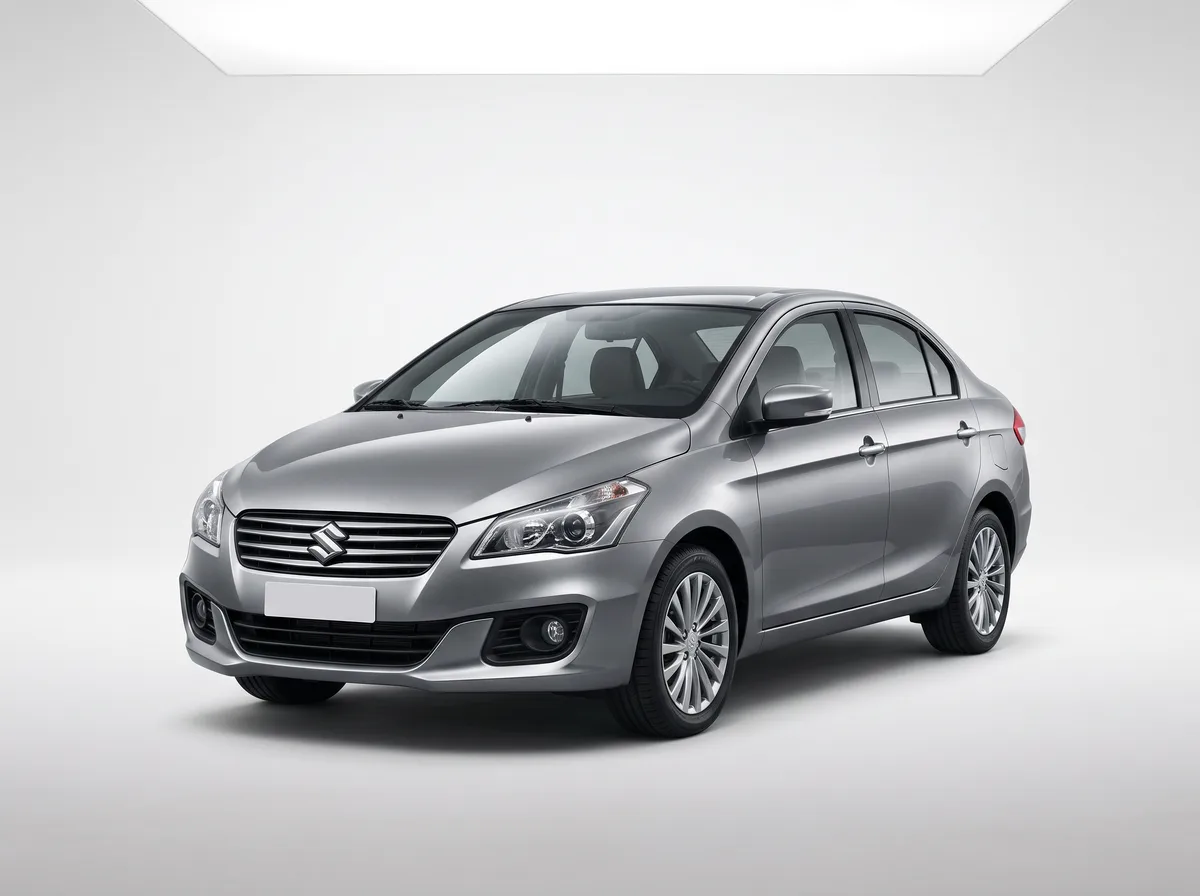
Suzuki Ciaz
sedan

Suzuki SX4
crossover
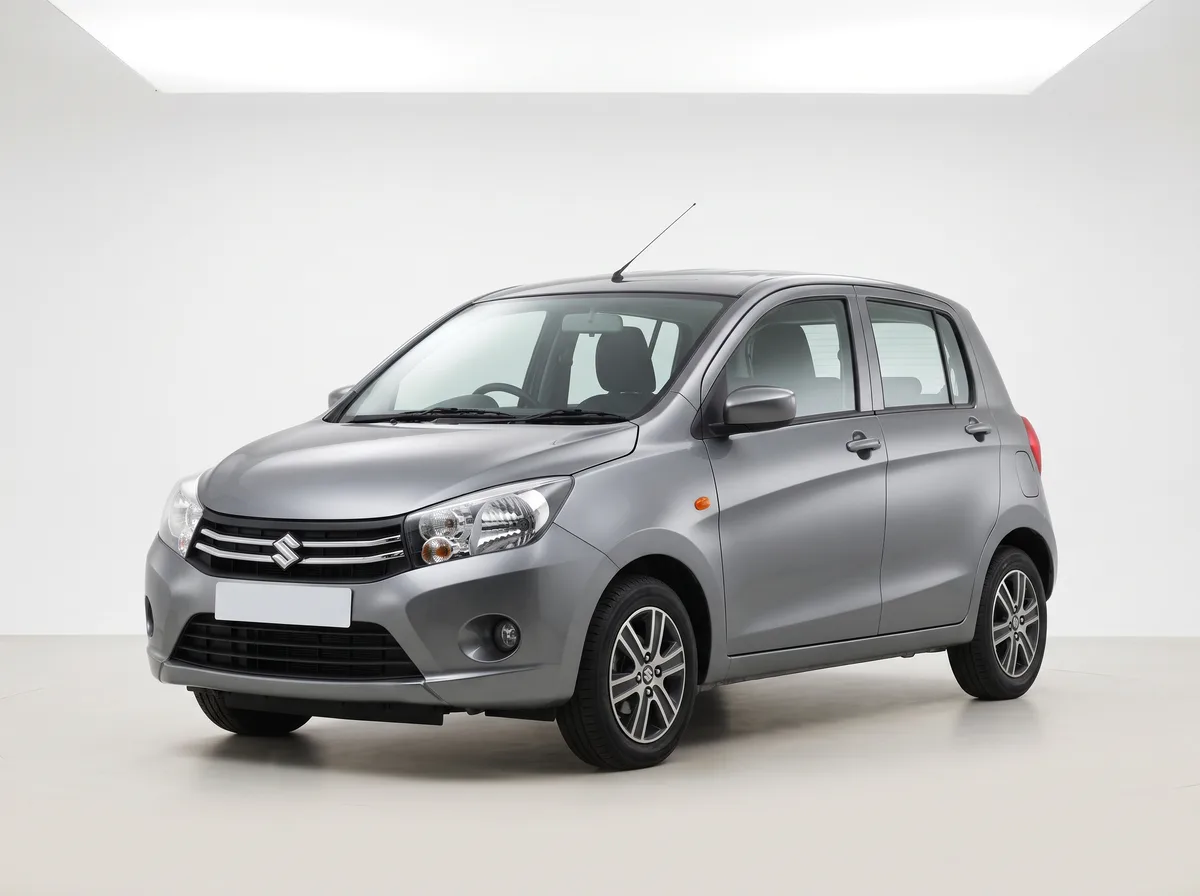
Suzuki Celerio
hatchback
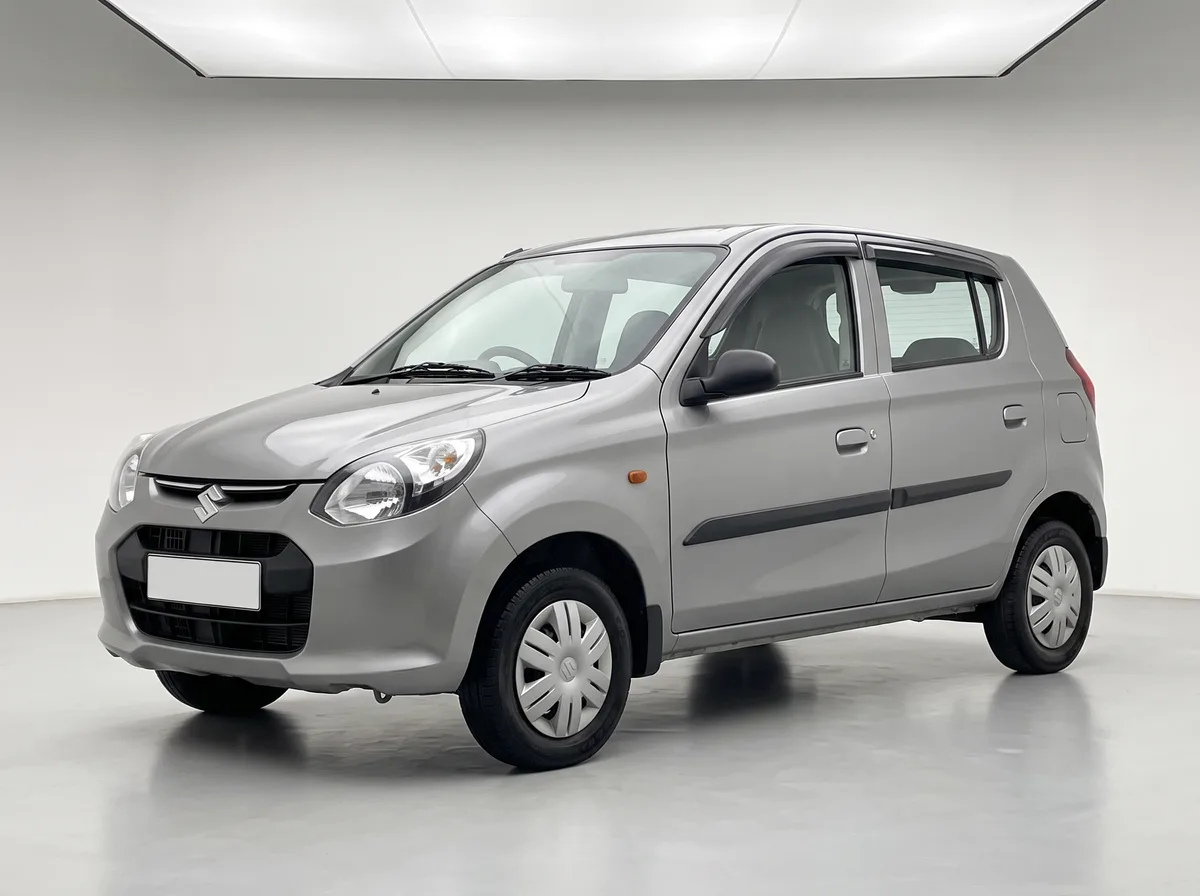
Suzuki Alto
hatchback
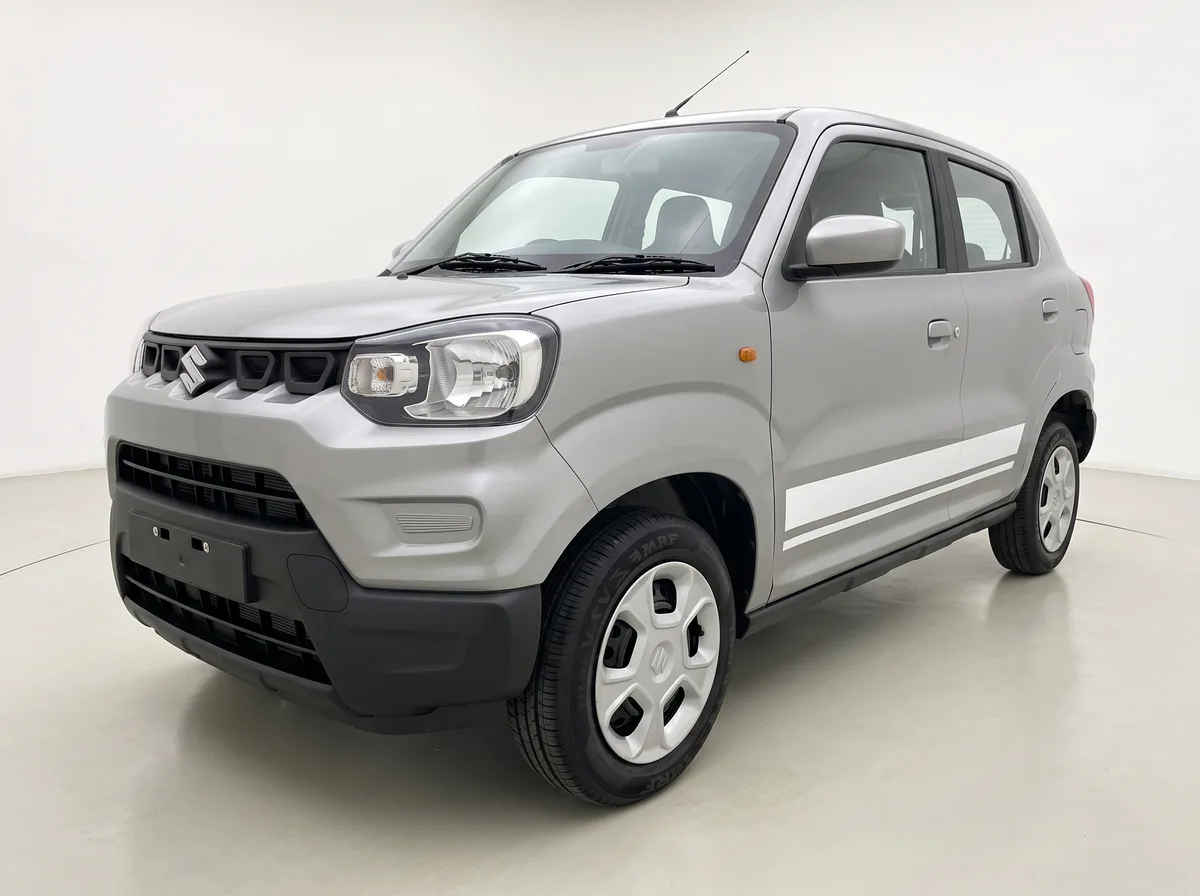
Suzuki S-Presso
hatchback
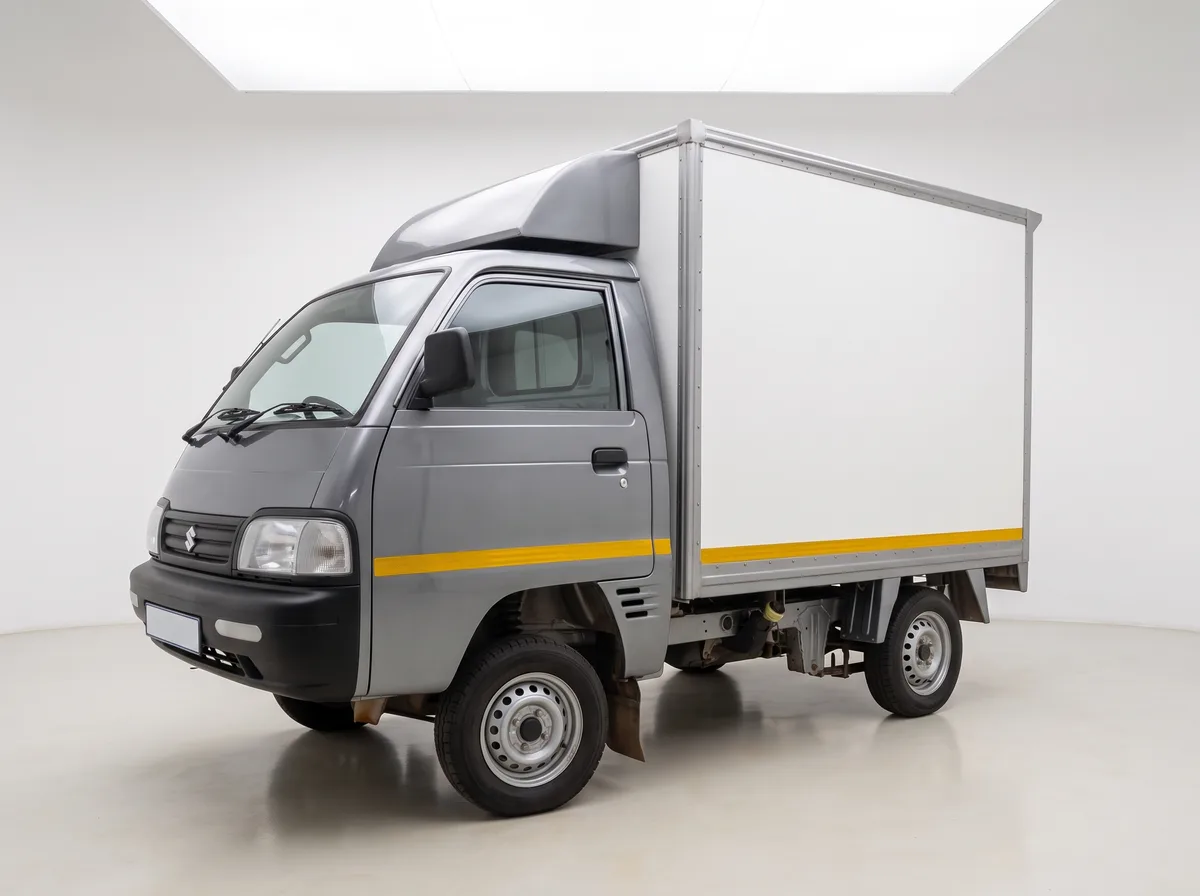
Suzuki Super Carry
commercial
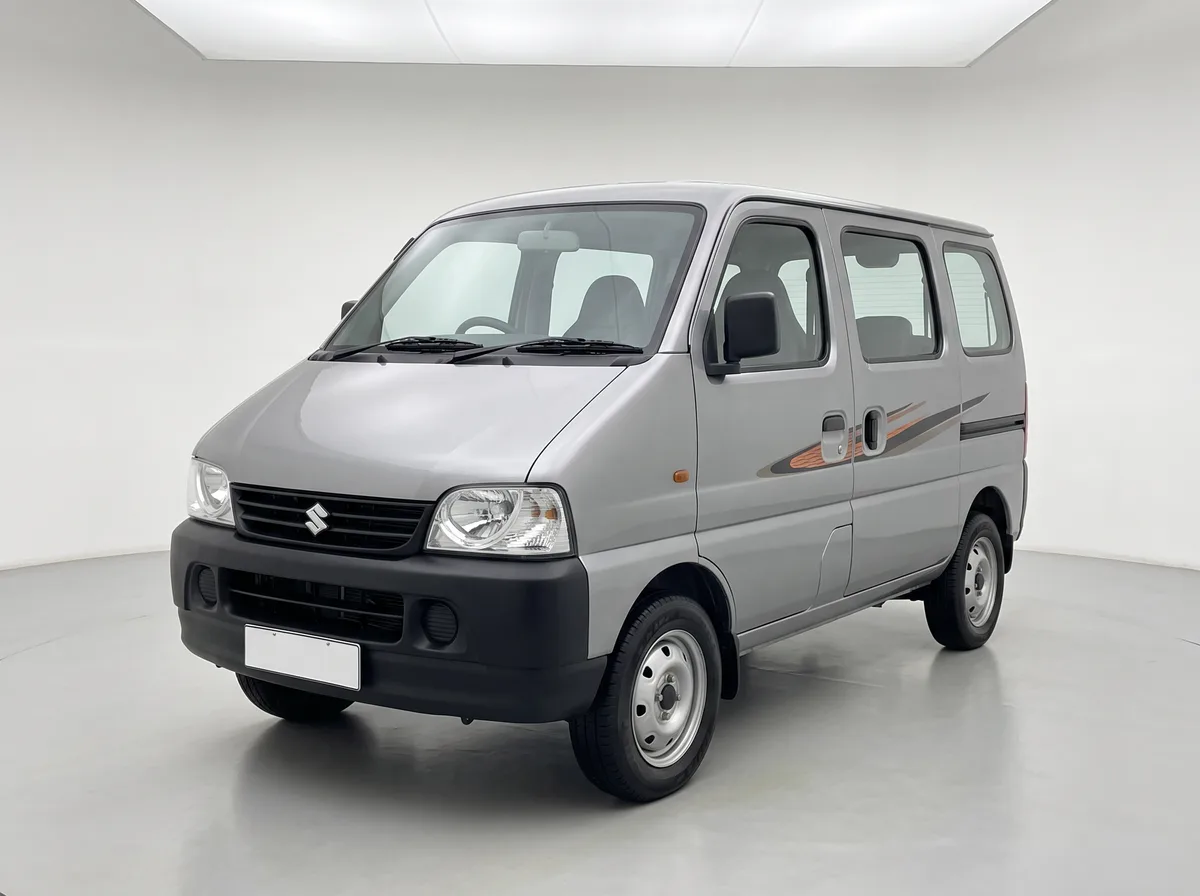
Suzuki Eeco
van
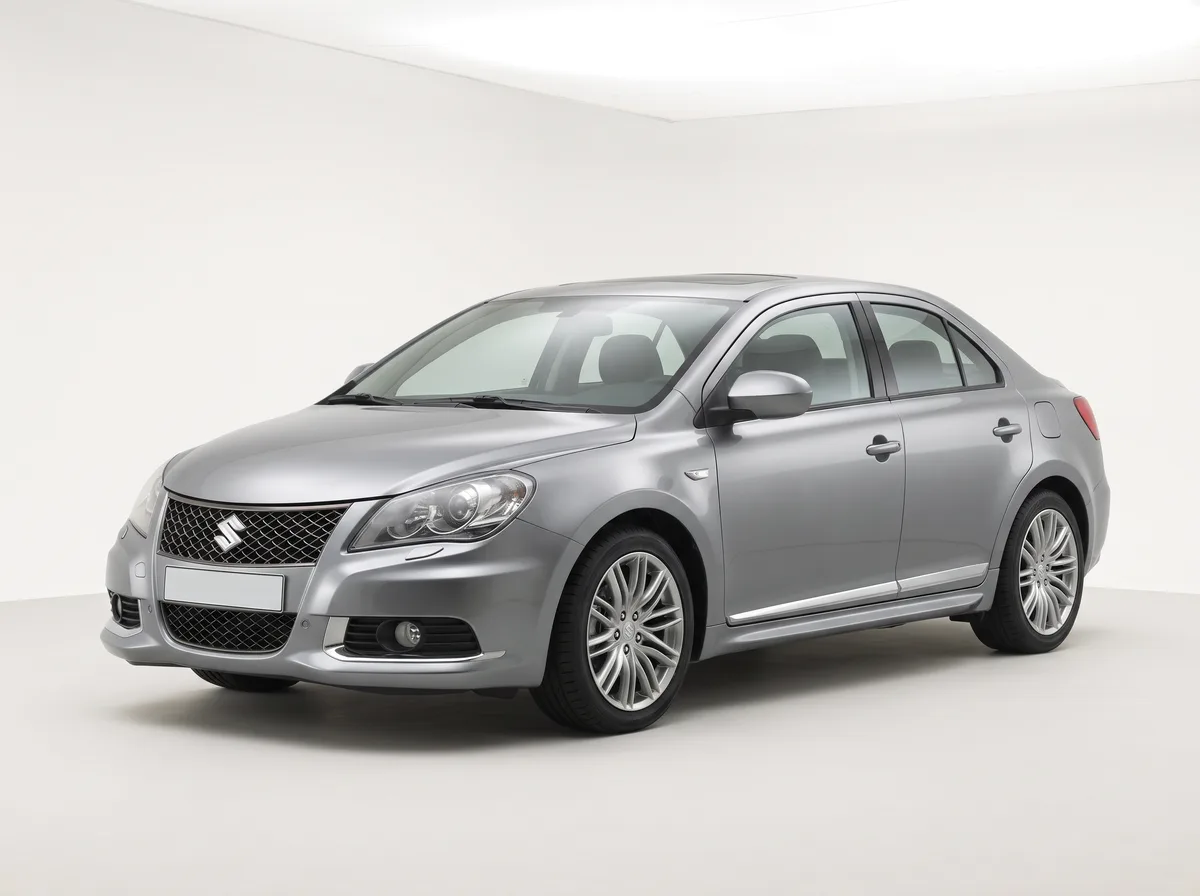
Suzuki Kizashi
sedan
Electrical for a Suzuki — read this before you order
Suzuki's SA range spans cars built more than fifteen years apart, and the electrical architecture is where that gap shows most. An early Alto or SX4 is largely conventional wiring; the current Swift, Fronx and mild-hybrid Grand Vitara carry coded modules that expect to be matched and configured. Which end of that range your car sits at changes what "a working second-hand one" even means.
In plain terms, the call you have to make is whether the part itself has failed or something upstream of it has, because a replacement fitted to a bad circuit will fail in exactly the same way — and the model name on the boot lid is not enough information to make it.
Include the year and derivative, plus any fault code the scanner has already produced when you ask us about electrical. Two questions up front beats a part that has to be couriered back.
Electrical, explained
Two climates take turns at the electrics on a South African Suzuki. Inland, it is heat. Under-bonnet temperatures on the Highveld in summer are brutal on a lead-acid battery — sustained heat drives water out of the electrolyte and accelerates corrosion of the internal plates, and that damage does not reverse when the weather cools. A battery that would see out a mild climate quietly loses capacity here, then fails on the first cold morning of winter, which is why so many owners blame the cold for a fault the summer created.
At the coast it is humidity and salt. They do not kill components outright so much as attack the joints between them: earth straps, chassis earth points, bulb holders, connector pins and the crimps inside a loom. The result is the fault type nobody enjoys — intermittent, weather-dependent, and invisible to a scan tool because the wiring is technically still connected, just through more resistance than it should be. A dim light, a slow window, a warning lamp that appears in the rain and vanishes in the sun is usually earth trouble, not a failed module. Clean the earth first before you replace anything expensive.
How you know electrical are on the way out
Recognise any of that? Tell us the model and year and we will go and check what we can get hold of for you.
What customers ask about electrical
What decides which electrical fits my Suzuki?
Suzuki's SA range spans cars built more than fifteen years apart, and the electrical architecture is where that gap shows most. An early Alto or SX4 is largely conventional wiring; the current Swift, Fronx and mild-hybrid Grand Vitara carry coded modules that expect to be matched and configured. Which end of that range your car sits at changes what "a working second-hand one" even means. In practice the decision in front of you is whether the part itself has failed or something upstream of it has, because a replacement fitted to a bad circuit will fail in exactly the same way.
What do you need from me to quote electrical?
The year and derivative, plus any fault code the scanner has already produced. With that we can usually confirm the right part quickly, and we'll tell you whether we're quoting new, aftermarket or good used rather than leaving you to guess.
Why do batteries seem to fail sooner in Gauteng?
Heat is the main enemy of a lead-acid battery, not cold. High under-bonnet temperatures drive water out of the electrolyte and speed up plate corrosion, so a battery ages faster in a hot climate than a temperate one. The failure then shows up on the first genuinely cold morning, because cold reduces the current a weakened battery can still deliver.
Is it the battery or the alternator?
A quick separation: if the car cranks slowly but runs perfectly once started, suspect the battery or its connections. If it starts fine and then the lights dim, the warning lamp glows and it eventually dies while driving, suspect charging. Any auto electrician can measure charging voltage at the terminals in a couple of minutes, and it is worth doing before you buy either part.
My scan tool shows no fault but the problem is real. What now?
That pattern points at wiring and earths rather than a module. A corroded earth point adds resistance without breaking the circuit, so the control unit sees a working connection while the component starves. Coastal cars are the usual candidates. Have the earth straps cleaned back to bright metal and the connectors checked before condemning anything electronic.
Can I use a starter or alternator from another Suzuki model?
Only if the part number matches. Suzuki shares components widely across the range, but output rating, mounting bracket, pulley type and plug design all vary with the engine and the specification. Give us the VIN and we will check compatibility properly before anything is pulled off the shelf.
My battery goes flat if the car stands for a few days. Why?
That is usually a parasitic drain — something staying awake after the car is locked, commonly an aftermarket alarm, a tracker, a badly wired radio or a boot or glovebox lamp that never switches off. An auto electrician measures it by putting a meter in series with the battery and pulling fuses one at a time until the current drops. A battery that has been flattened repeatedly will also have lost capacity permanently, so the drain and the battery often need attention together.
Further reading on electrical
Independent sources, not ours. Worth a look if you want the background before you enquire.
Looking for something else?
Internals and service parts for the small-capacity K-series and M-series petrol engines Suzuki sells here, plus the older J20A Vitara units
BrakesFriction parts, hydraulics and hardware for Suzuki braking systems — front discs with rear drums on most of the small hatches
SuspensionDamping, springs, arms and bushes for Suzuki models — struts up front on the hatches, live axles under the Jimny
LightingExterior and cabin lighting for Suzuki models, from full headlamp units down to a single bulb
ExhaustManifolds, cats, pipework and silencers for Suzuki petrol models — a short system on the small hatches, longer on the Jimny and Ertiga
TransmissionGearboxes, clutches and driveline parts for Suzuki models — five-speed manuals and autos on the hatches, plus the Jimny transfer case and rear diff
CoolingRadiators, pumps, fans and hoses for Suzuki models — small engines in Highveld heat leave very little margin when cooling goes wrong
Fuel SystemPumps, injectors, rails and tank components for Suzuki petrol fuel systems
Supplied across South Africa
Where you are changes the handover, not the sourcing. Collection or courier is settled when we quote.
Send the VIN — we'll find the electrical
The year and derivative, plus any fault code the scanner has already produced is all we need. We cross-reference it against what we can source and come back with what fits.