
Suzuki Engine Parts
Used, aftermarket and reconditioned parts. Not supplied by Suzuki Auto South Africa.
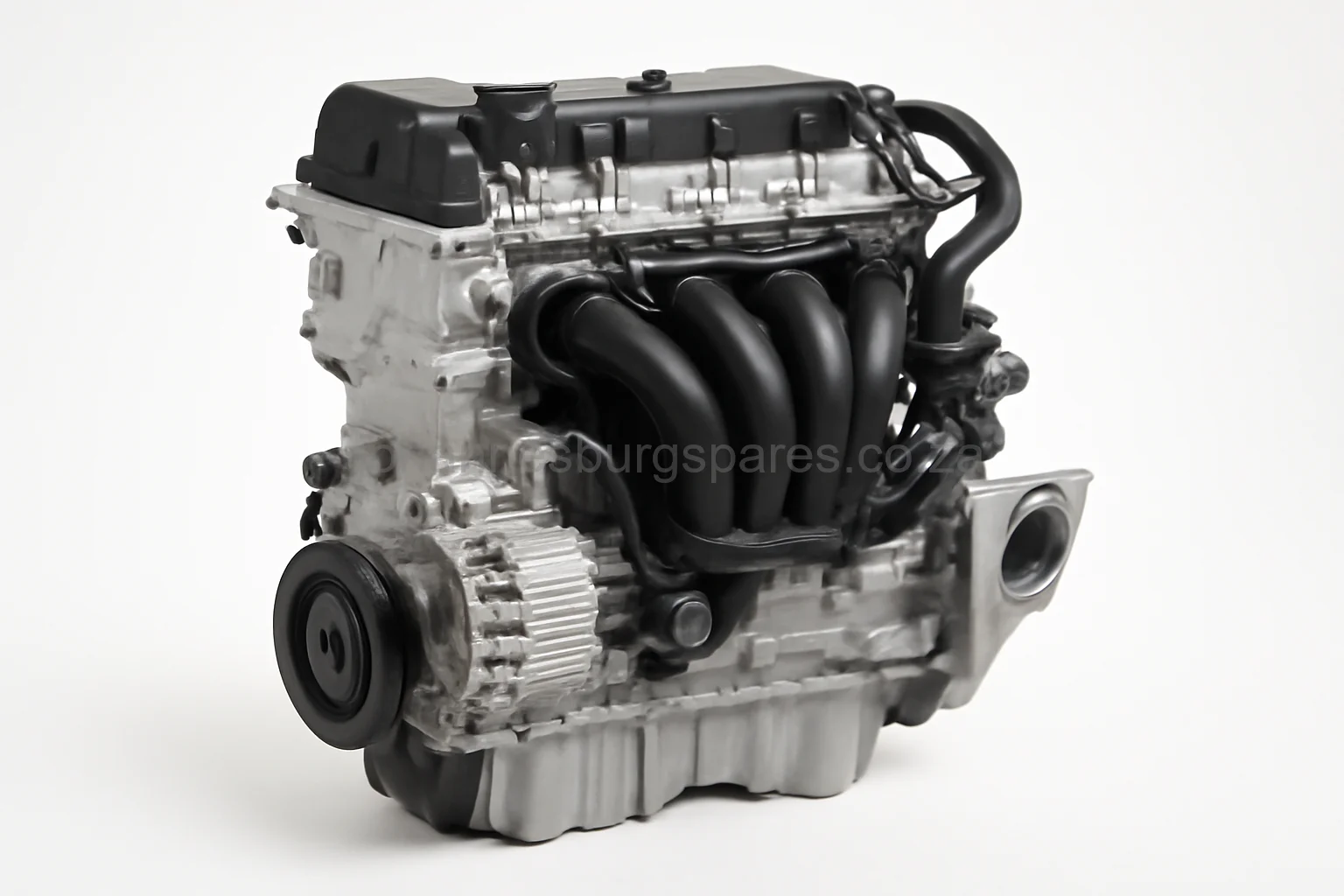
Pick the part
The code cast into the engine itself or printed on the VIN plate, plus the year of manufacture — on a Suzuki the name on the tailgate will not get you there settles most of these — pick the component and we'll confirm the rest.
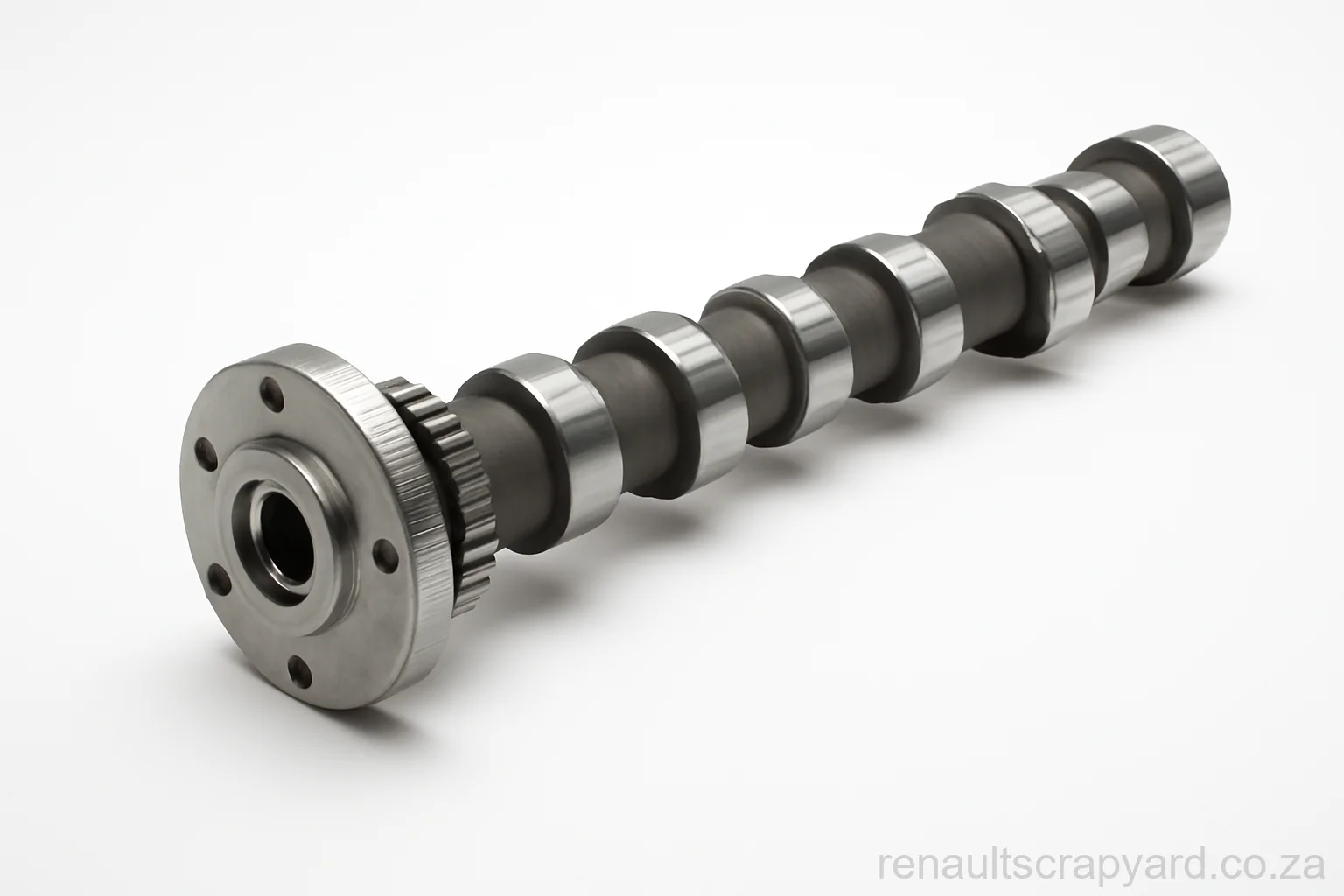
Camshafts
Camshafts pulled from K12, K14, K15 and M-series heads, with the lobes and journals inspected before we quote
View camshafts →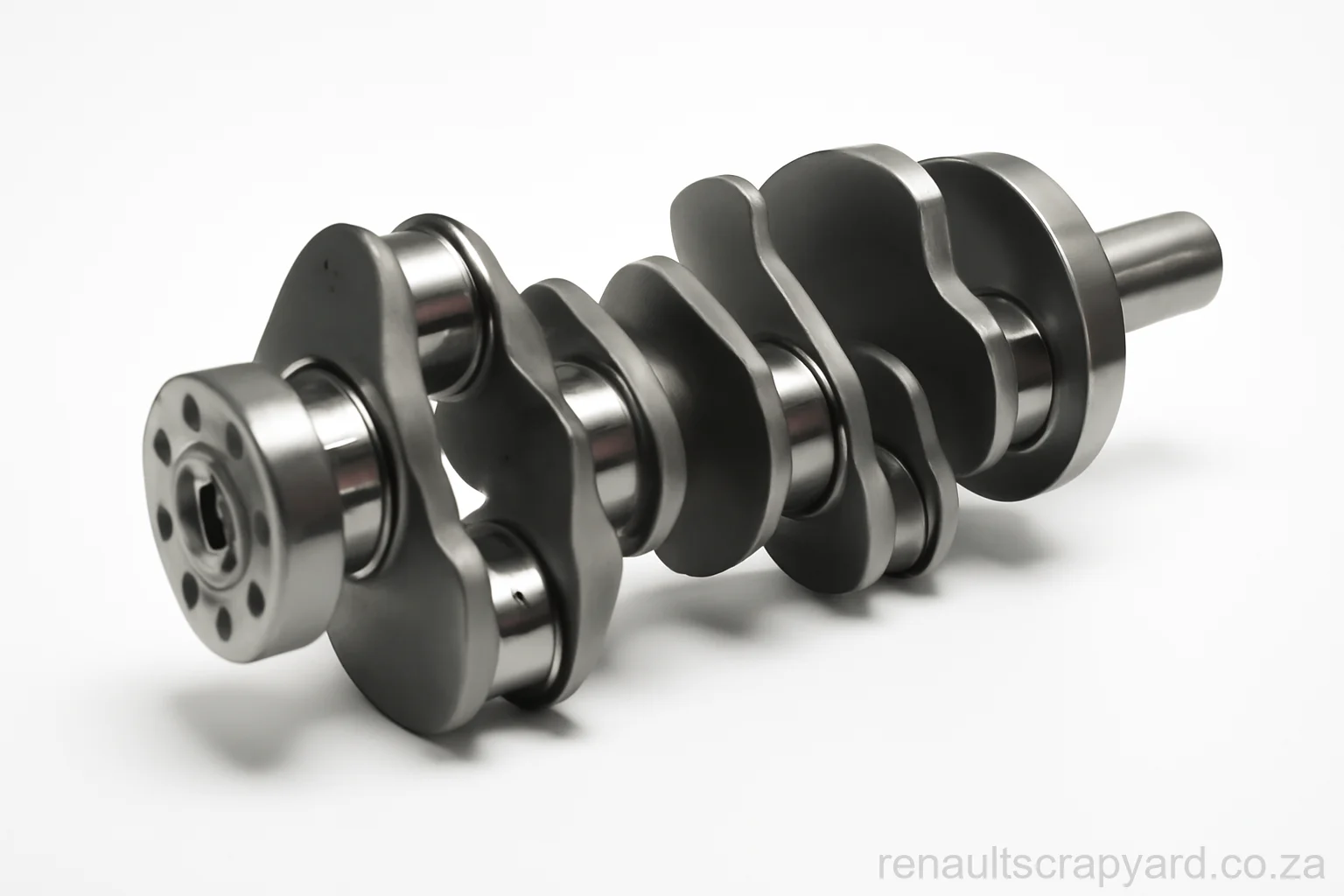
Crankshafts
Crankshafts for Suzuki three- and four-cylinder petrol engines, checked for journal wear and end-float before they leave the yard
View crankshafts →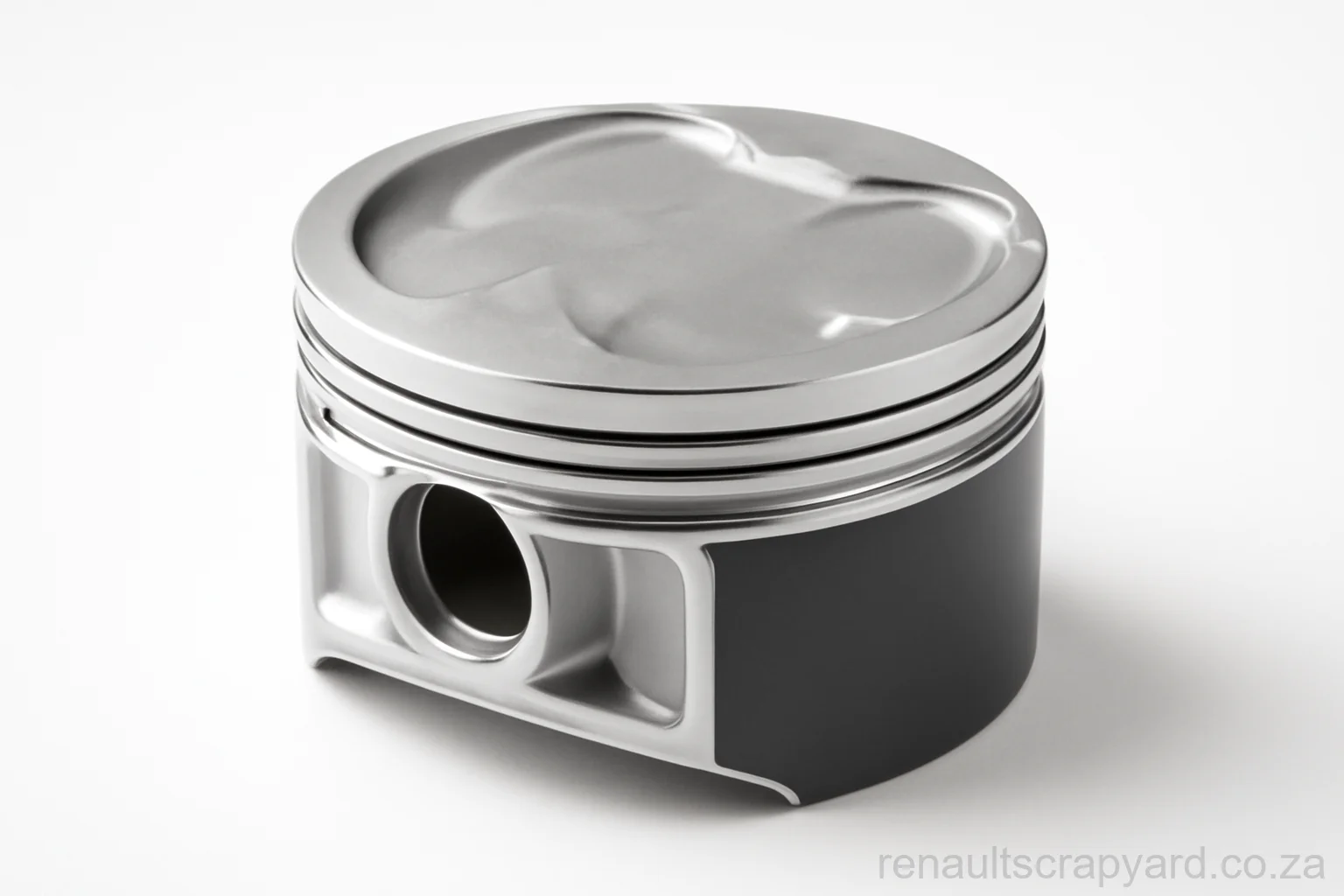
Pistons
Pistons, rings and gudgeon pins sized for the light, short-stroke petrol engines Suzuki uses across the hatch and MPV range
View pistons →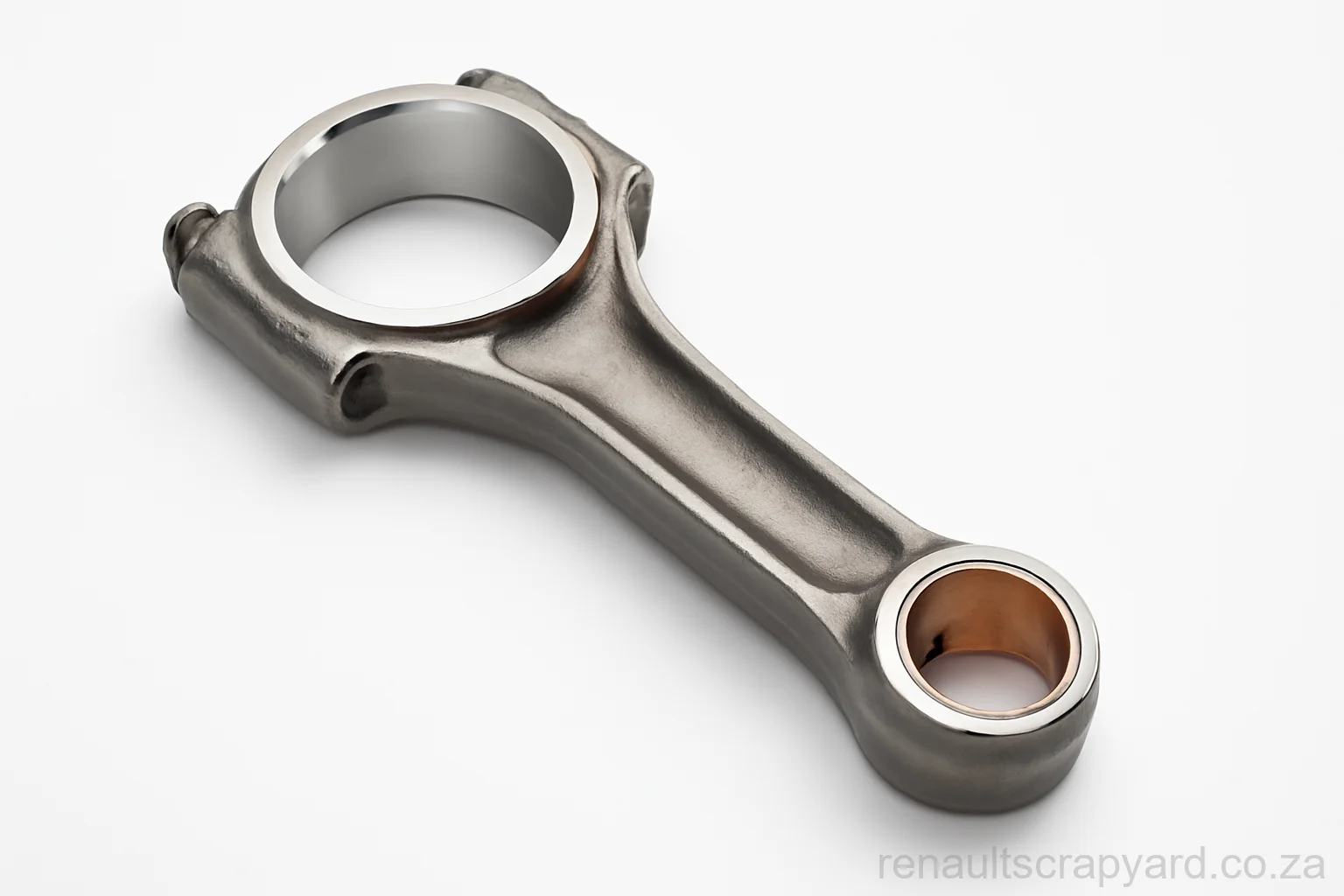
Connecting Rods
Con rods and big-end shells for Suzuki petrol engines, the parts that usually need replacing after a spun bearing
View connecting rods →
Valves
Inlet and exhaust valves, guides and stem seals for Suzuki cylinder heads
View valves →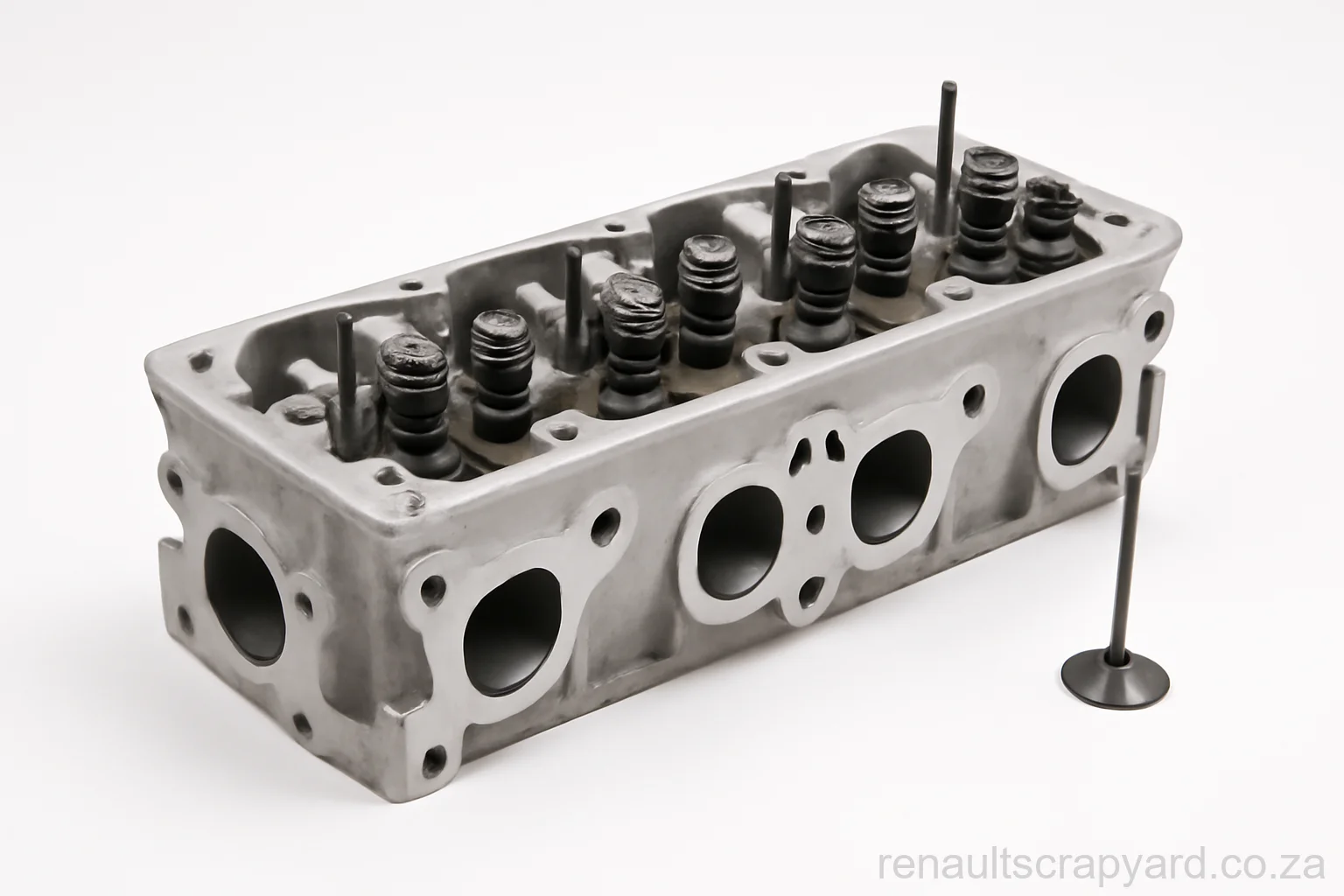
Cylinder Heads
Bare and complete cylinder heads for Suzuki petrol engines, pressure-tested where the donor history is unknown
View cylinder heads →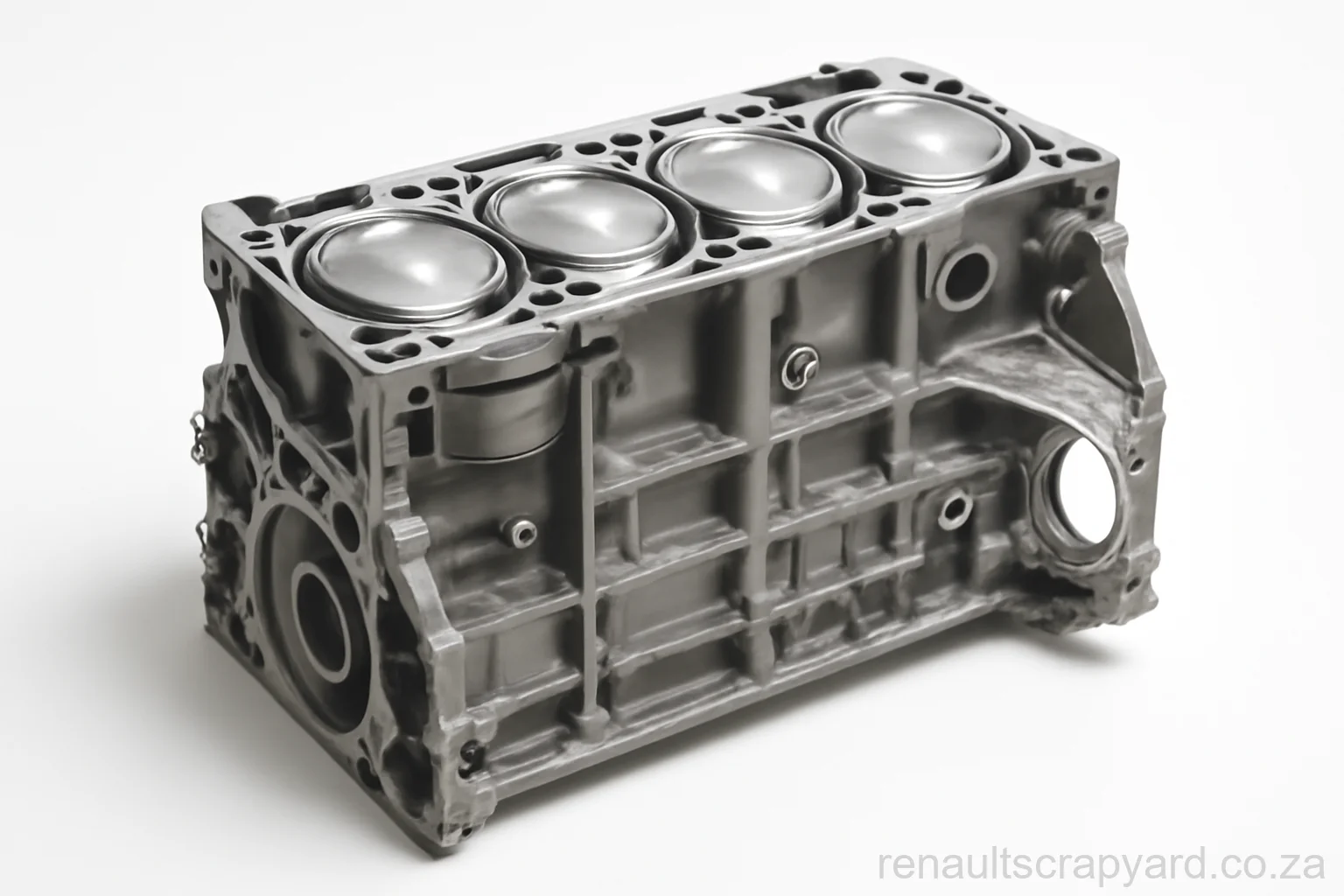
Engine Blocks
Block castings and short motors for Suzuki petrol engines when the bores are past a rebore
View engine blocks →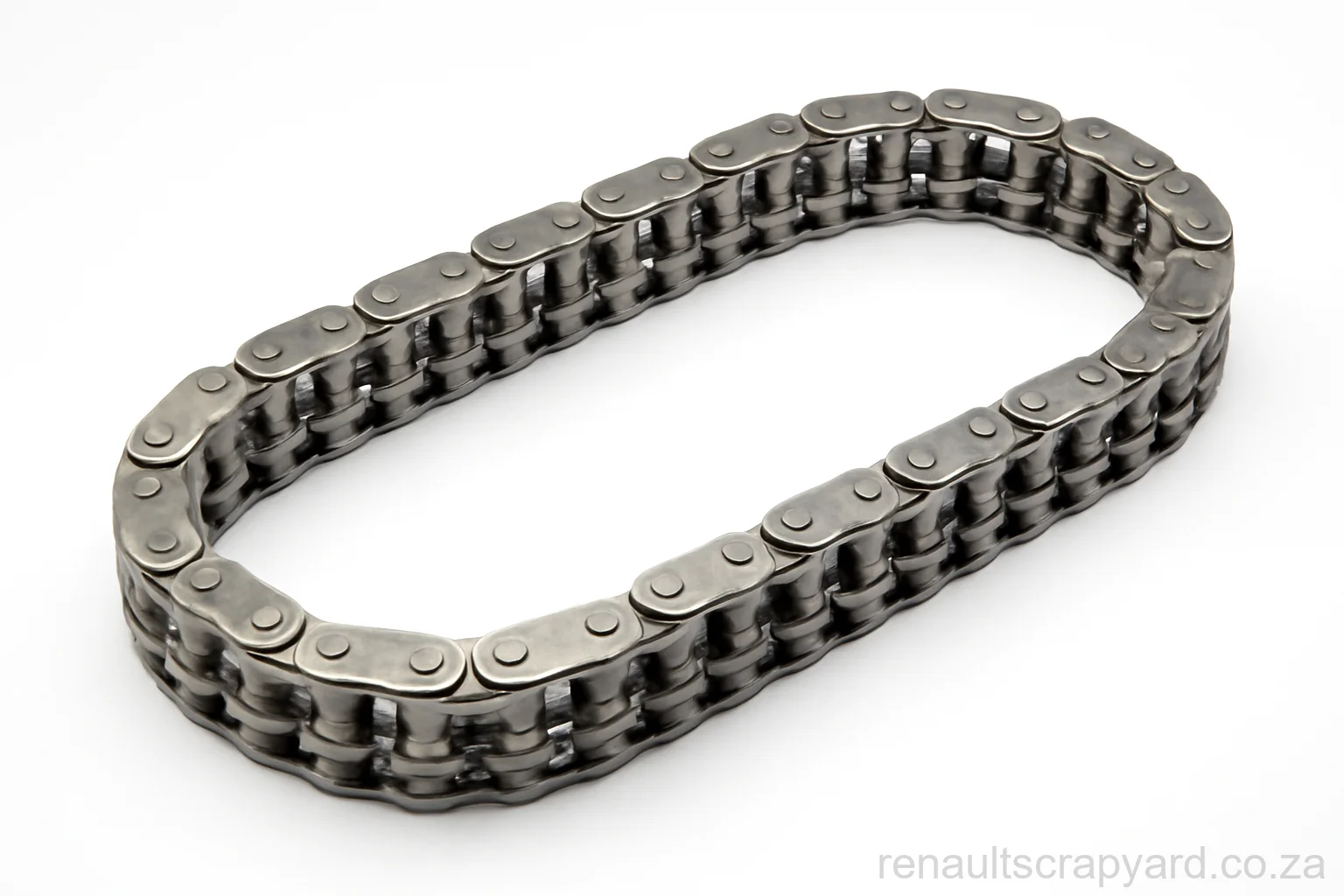
Timing Chains
Chain, tensioner and guide kits — the timing setup used on virtually every modern Suzuki petrol engine
View timing chains →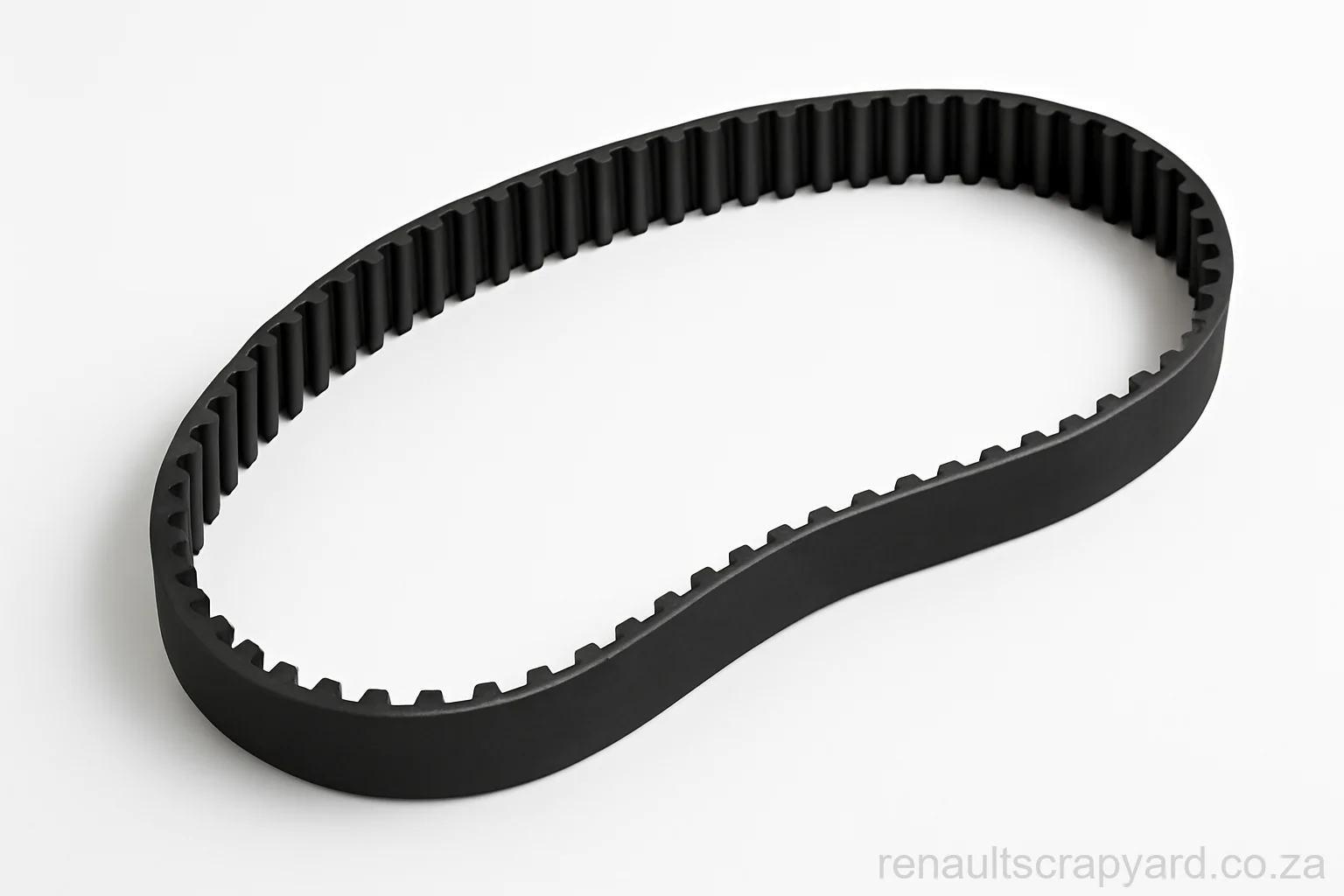
Timing Belts
Belt kits for the older belt-driven Suzuki engines — most later K and M units are chain-driven instead
View timing belts →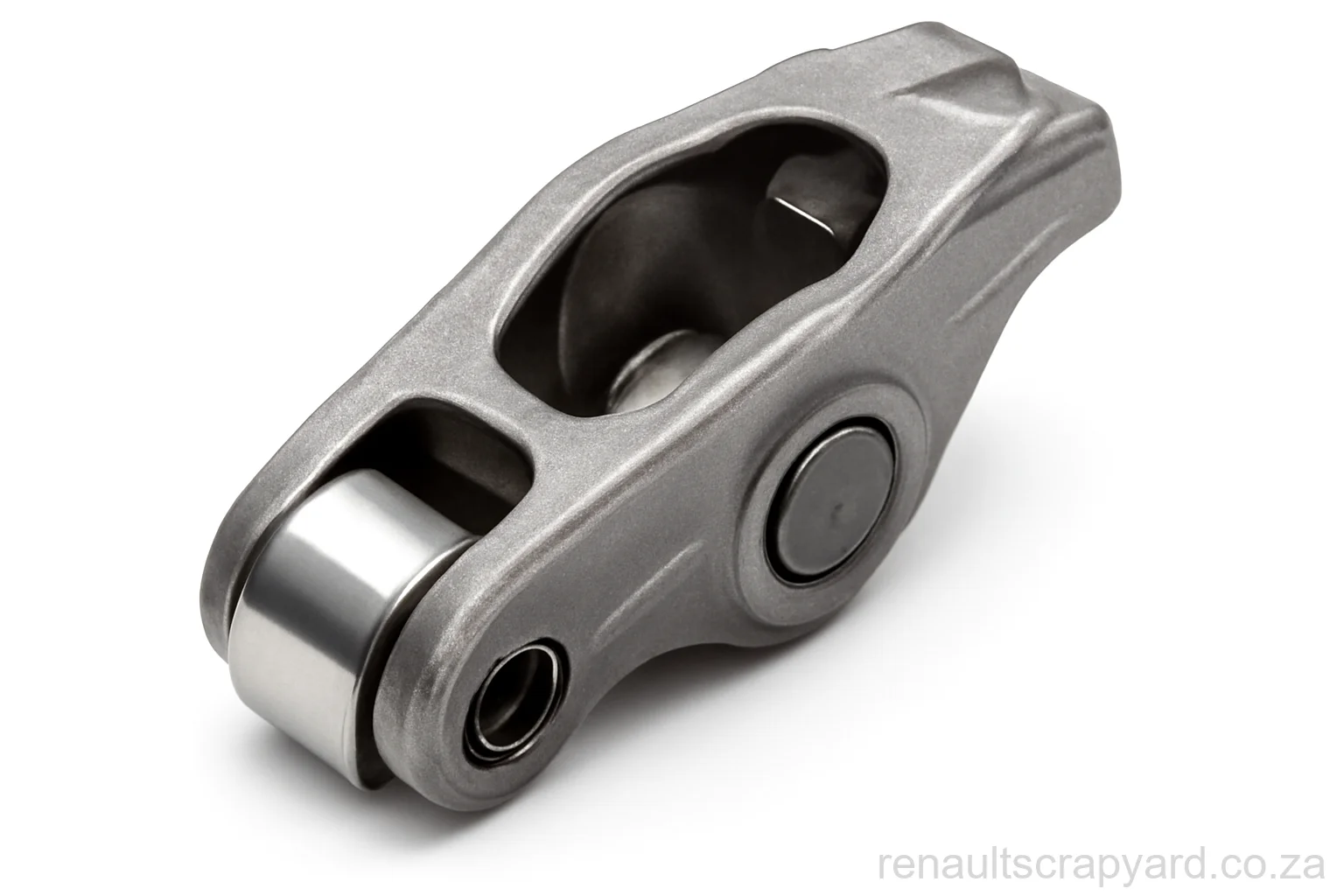
Rocker Arms
Rocker arms, followers and hydraulic lash adjusters from the top end of Suzuki petrol engines
View rocker arms →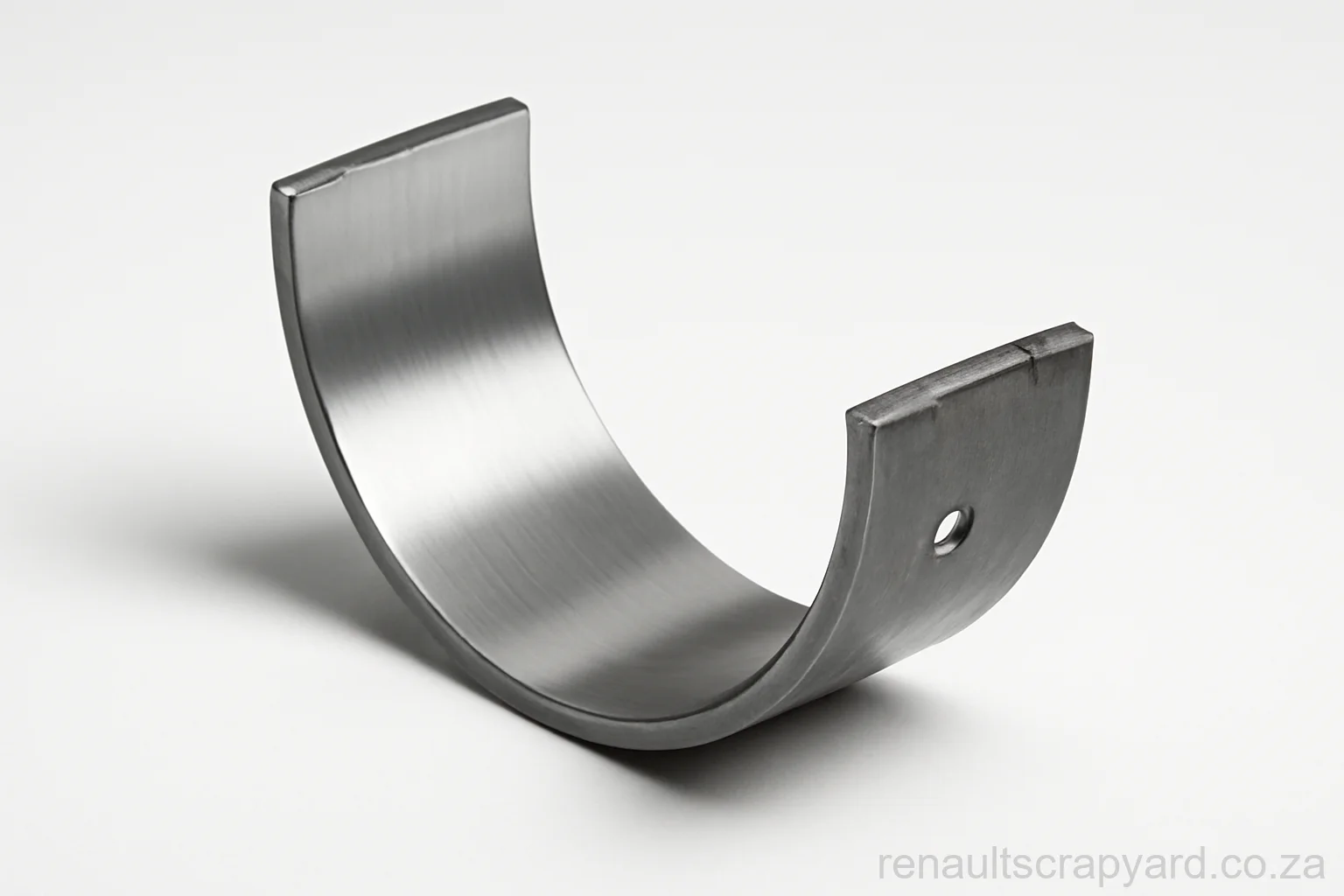
Engine Bearings
Main, big-end and thrust shells in standard and undersize for Suzuki engine rebuilds
View engine bearings →
Filters
Oil, air, fuel and pollen filters for the Suzuki range — the cheapest parts on the car and the ones most often left too long
View filters →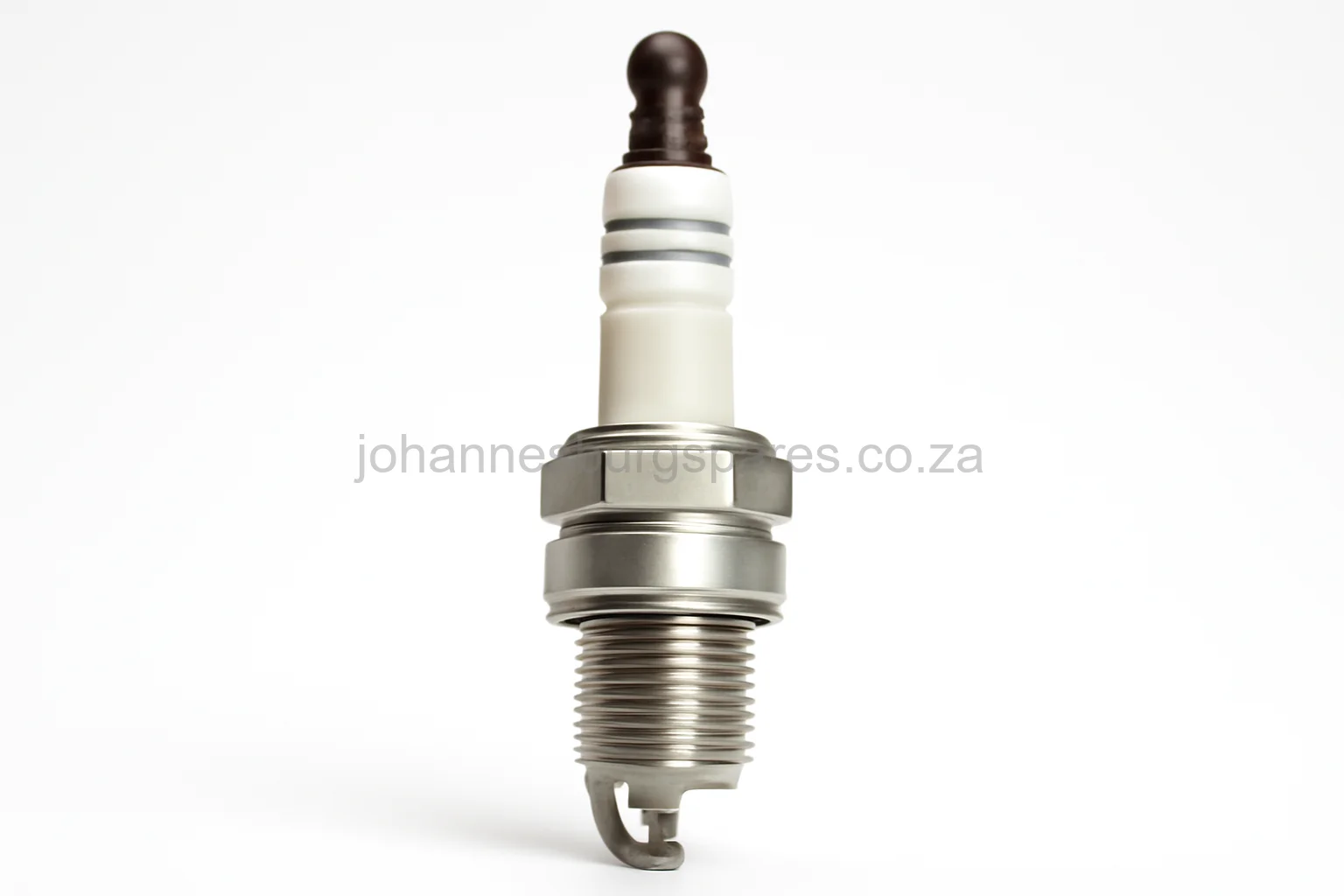
Spark Plugs
Copper, platinum and iridium plugs in the heat range and gap your Suzuki engine was built around — the whole local range is petrol, so these are a service item on every model
View spark plugs →Engine Parts by model
The generation matters more than the nameplate. These pages spell out which is which.

Suzuki Swift
hatchback

Suzuki Jimny
suv
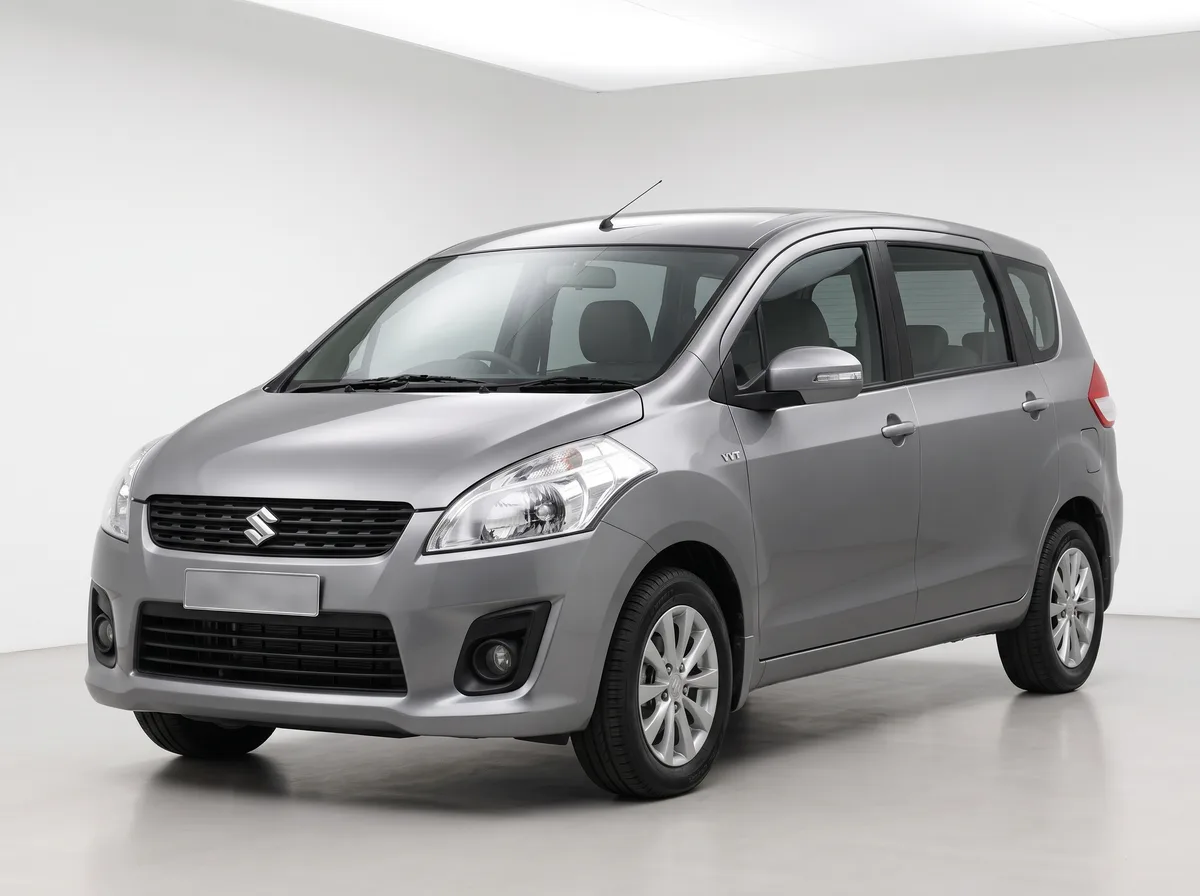
Suzuki Ertiga
mpv

Suzuki Vitara
crossover

Suzuki Grand Vitara
suv
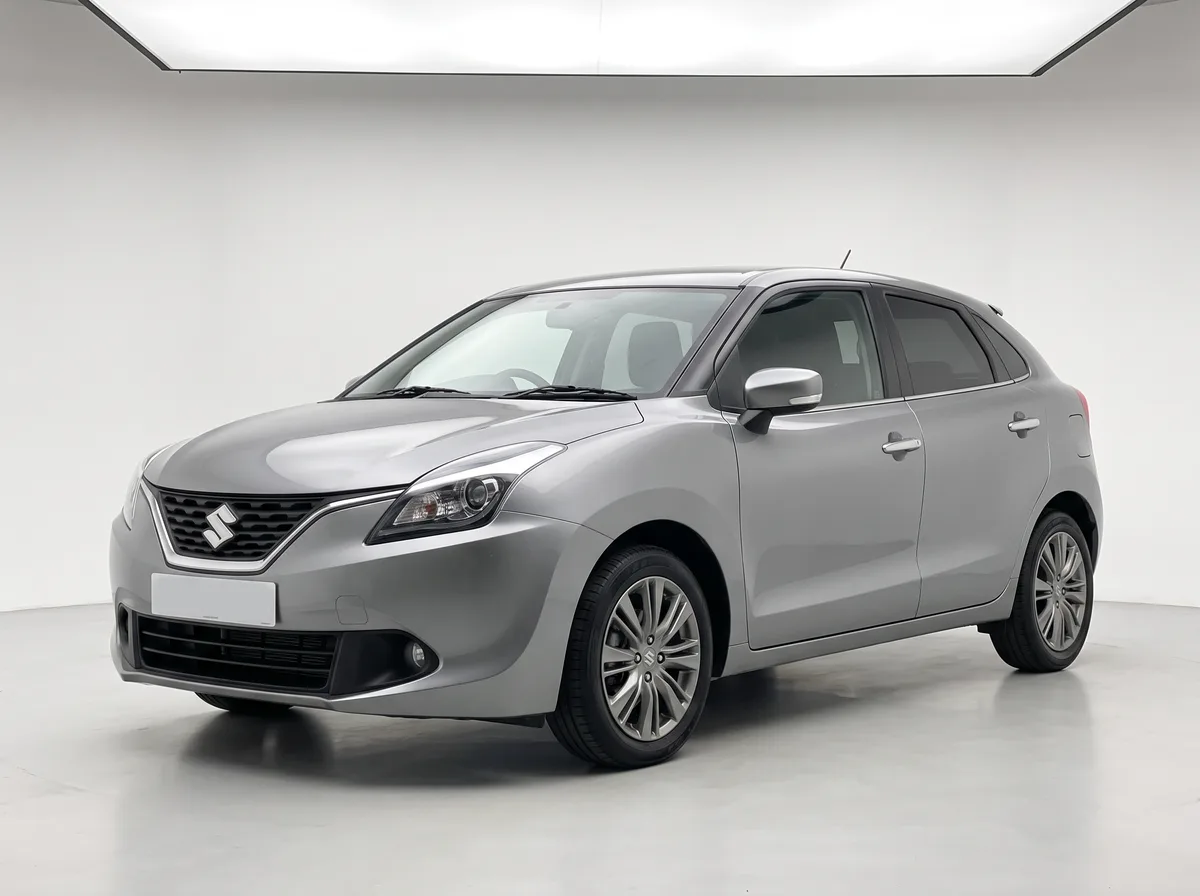
Suzuki Baleno
hatchback
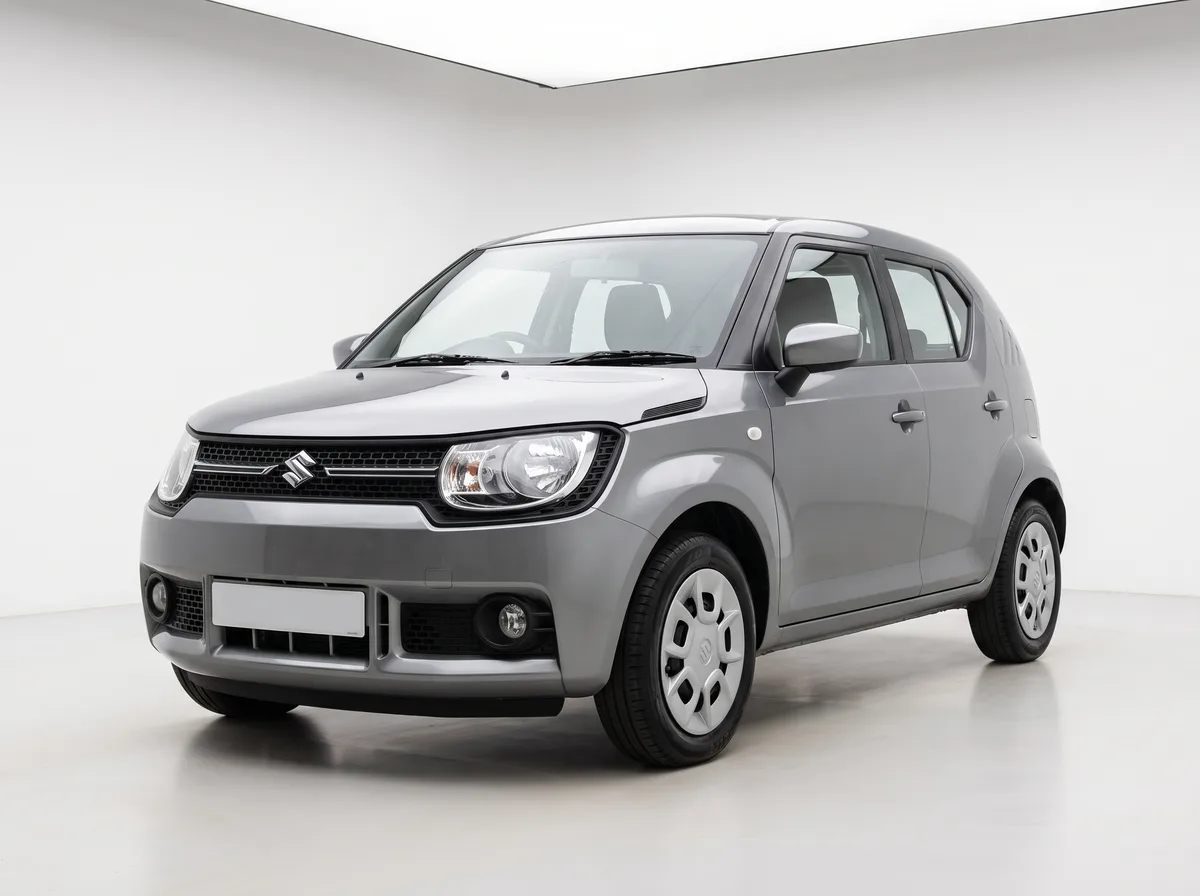
Suzuki Ignis
hatchback

Suzuki Dzire
sedan
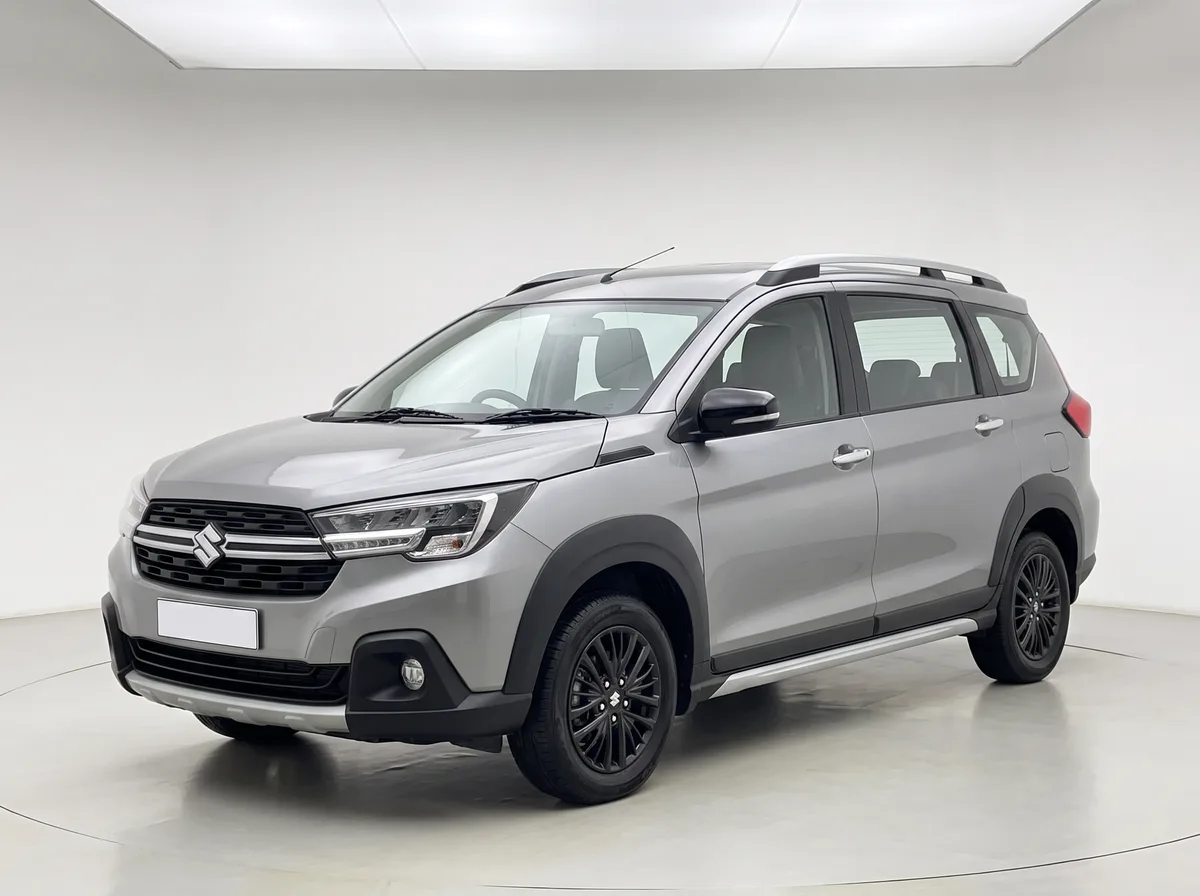
Suzuki XL6
mpv

Suzuki Fronx
crossover

Suzuki Brezza
suv

Suzuki Ciaz
sedan
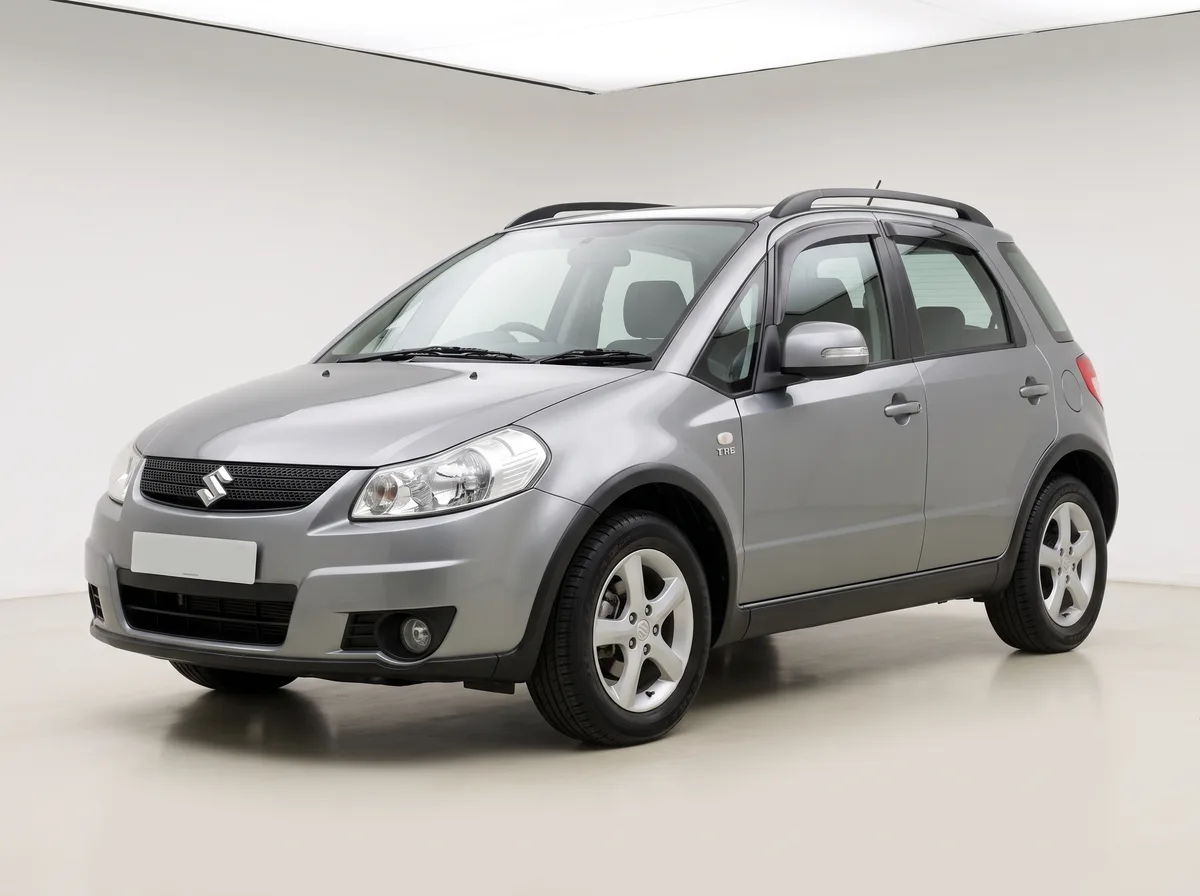
Suzuki SX4
crossover
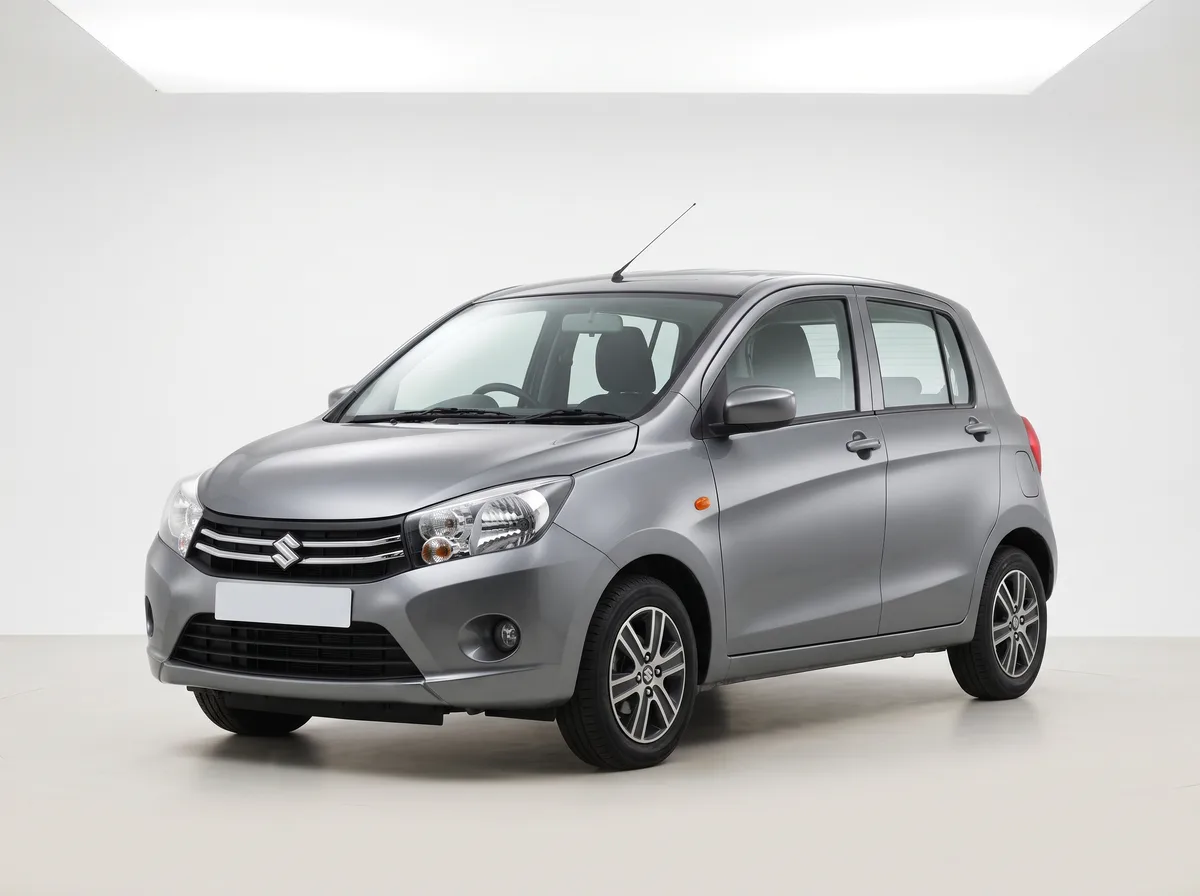
Suzuki Celerio
hatchback
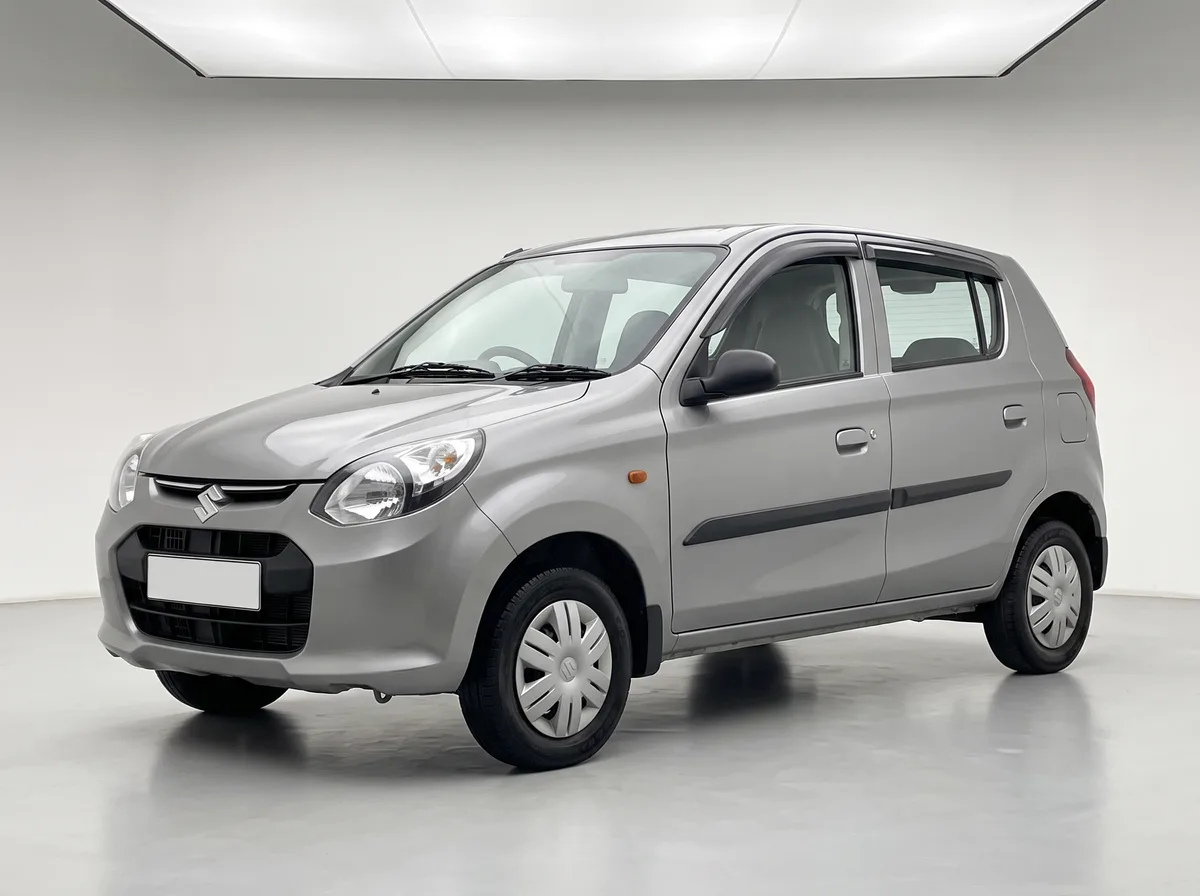
Suzuki Alto
hatchback
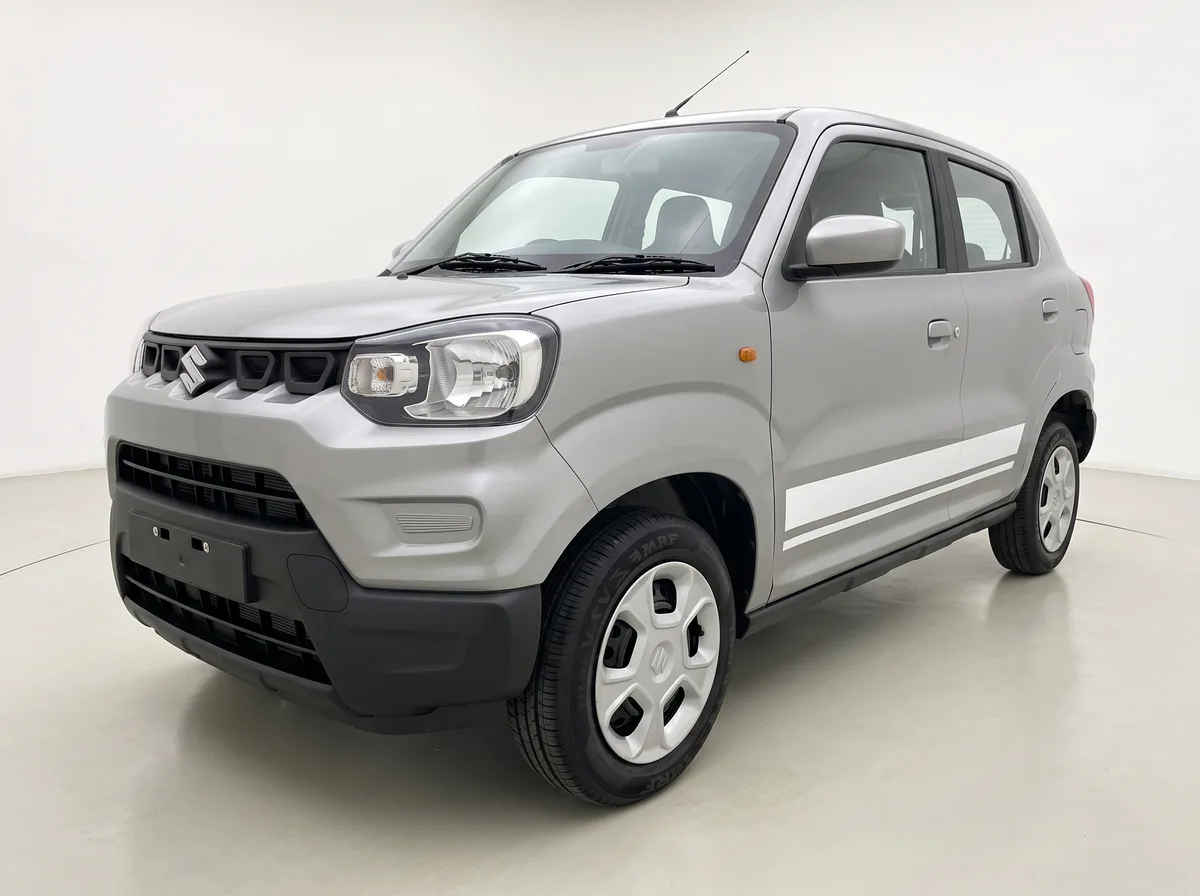
Suzuki S-Presso
hatchback
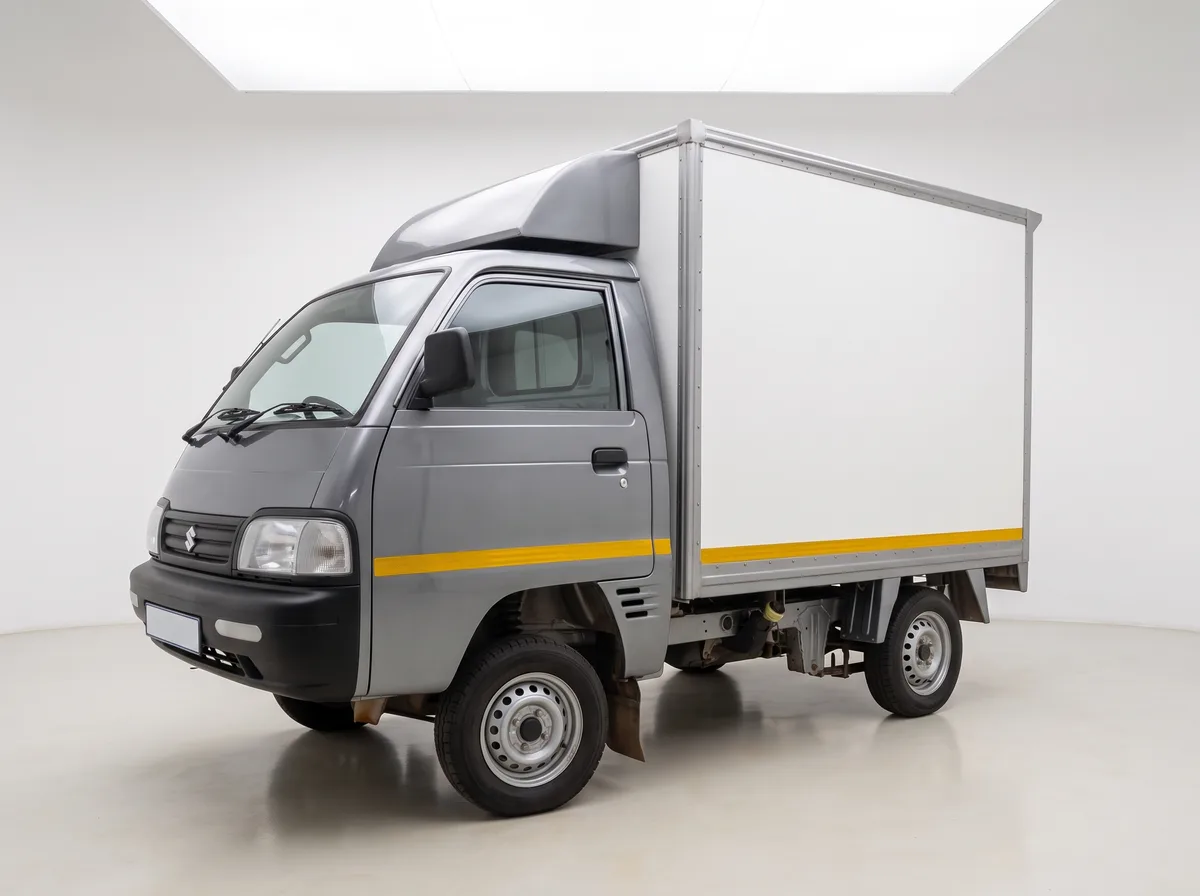
Suzuki Super Carry
commercial
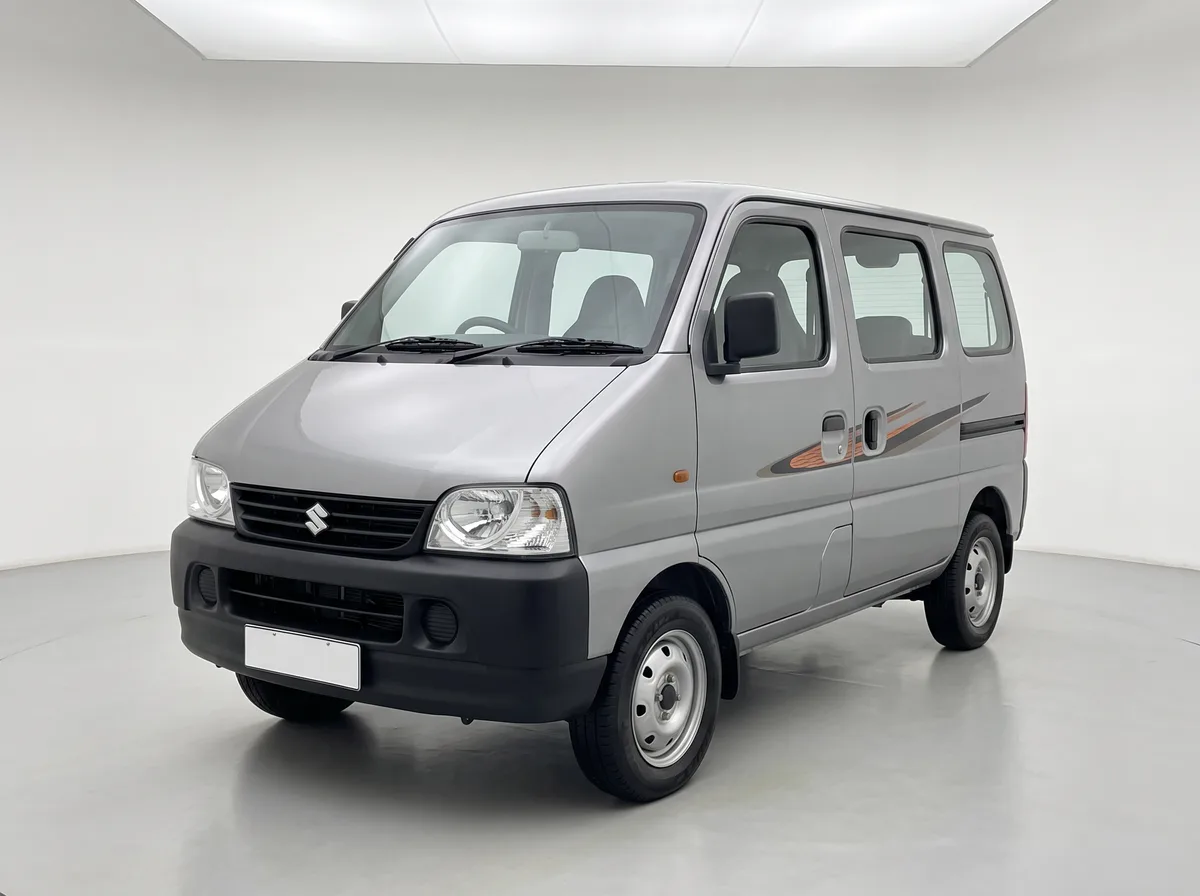
Suzuki Eeco
van
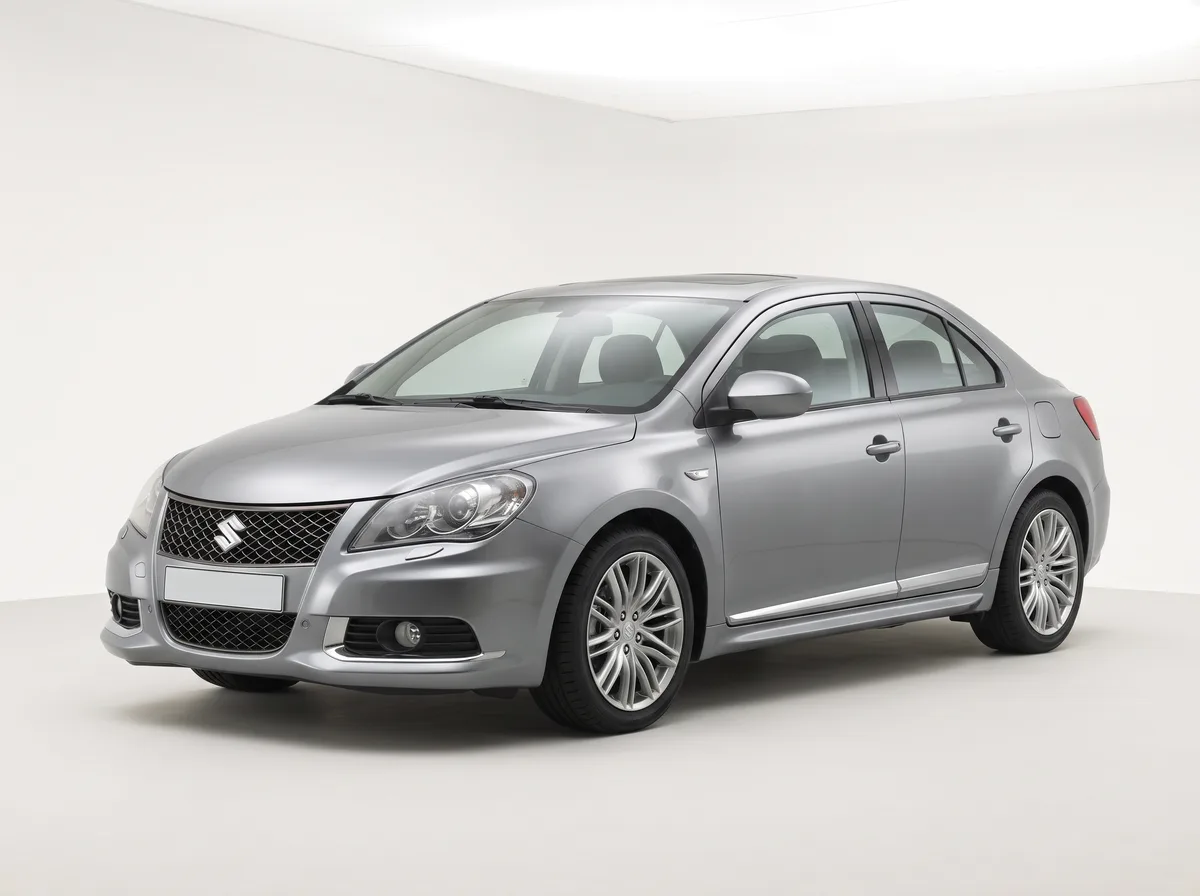
Suzuki Kizashi
sedan
Engine Parts for a Suzuki — read this before you order
- What you are really deciding
- Whether the engine you have is worth repairing or whether a replacement unit gets you back on the road for less total outlay.
- Where Suzuki differs
- Suzuki's local range is almost entirely petrol, so there is no diesel-versus-petrol fork to navigate — but the same engine turns up under several different nameplates. The 1.5 K15B alone appears in the Ertiga, Baleno, Ciaz, XL6, Fronx and Brezza, and the 1.0 three-cylinder is shared between the Alto, Celerio and S-Presso. That overlap is your advantage: a donor car need not wear the same badge as yours.
- Where the car was built
- Something worth knowing about this marque in particular: a large share of the Suzuki range sold in South Africa is built by Maruti Suzuki in India, while the Jimny comes out of Japan. Cars that look the same on the road can therefore sit on different supply chains, which is one reason we would rather check than assume.
- What to send us
- The code cast into the engine itself or printed on the VIN plate, plus the year of manufacture — on a Suzuki the name on the tailgate will not get you there. With that in front of us we can normally settle the right engine parts without a back-and-forth.
Engine Parts, explained
Suzuki petrol engines in South Africa are small, light and naturally aspirated — roughly 1.0 to 1.6 litres, three or four cylinders, mounted transversely in everything except the Jimny. We have found no diesel Suzuki sold new here, and nothing in the current range is a V6 — the only six-cylinder Suzuki sold in South Africa was the older ladder-frame Grand Vitara, discontinued locally years ago. What comes across the counter is head gaskets on engines run hot once too often, valve stem seals showing as a puff of smoke on start-up, oil pump trouble on cars pushed past an oil change, and rocker gear noise. One real Suzuki advantage is worth stating plainly: the K-series and M-series petrol engines in the passenger range are chain driven rather than belt driven, so there is no scheduled cambelt bill. What protects that chain is clean oil, because a stretched chain and a tired tensioner announce themselves as a rattle for the first few seconds after a cold start.
The badge on the boot lid is not what a parts desk works from. The engine code is. A 1.2 Swift sold here through the 2010s runs the K12M, a 1,197cc four-cylinder; the current 1.2 Swift runs the Z12E, a three-cylinder. Same badge, same nominal capacity, a different number of cylinders — and neither is the 1,242cc K12B, a separate engine that also wears a 1.2 badge. Order against a stated capacity alone and you can end up with parts for an engine your car has never had. Send the VIN through the quote form and we match the engine, not the model name.
How you know engine parts are on the way out
Recognise any of that? Tell us the model and year and we will go and check what we can get hold of for you.
Suzuki Engine Parts FAQs
What decides which engine parts fits my Suzuki?
Suzuki's local range is almost entirely petrol, so there is no diesel-versus-petrol fork to navigate — but the same engine turns up under several different nameplates. The 1.5 K15B alone appears in the Ertiga, Baleno, Ciaz, XL6, Fronx and Brezza, and the 1.0 three-cylinder is shared between the Alto, Celerio and S-Presso. That overlap is your advantage: a donor car need not wear the same badge as yours. In practice the decision in front of you is whether the engine you have is worth repairing or whether a replacement unit gets you back on the road for less total outlay.
What do you need from me to quote engine parts?
The code cast into the engine itself or printed on the VIN plate, plus the year of manufacture — on a Suzuki the name on the tailgate will not get you there. With that we can usually confirm the right part quickly, and we'll tell you whether we're quoting new, aftermarket or good used rather than leaving you to guess.
Does my Suzuki have a timing belt or a timing chain?
Every Suzuki passenger car we have been able to confirm for this market — the K-series and M-series petrol engines — is chain driven, so there is no cambelt replacement falling due at a set mileage. That catches out workshops who quote a cambelt job out of habit. The exception worth checking is the Super Carry light commercial, which uses a belt-driven engine, so do not carry the passenger-car answer across to it. Either way, confirm your engine code before ordering anything timing related, because chain and belt components are not interchangeable and the part numbers differ.
Where do I find the engine code on a Suzuki?
On the K-series it is stamped on the block itself, generally toward the front near the timing chain cover, and there is often a label on the camshaft housing as well. It is a short alphanumeric code such as K12M, K15B or M16A. If the bay is oily and you cannot read it, the VIN will get us there instead — and the first three characters alone tell us which plant built the car, which on a Suzuki can change what fits. Send it through with your enquiry.
Can I fit an engine from a different Suzuki model?
Sometimes, because Suzuki shares engine families widely across the range. The same code can appear in a Swift, an Ignis and a Baleno. What stops a swap is rarely the block and usually everything bolted to it — the wiring harness, the ECU, the engine mounts, the sump shape and the ancillary brackets. Tell us the derivative and the year and we will say whether the donor engine you have found is a realistic fit.
Is a used engine a sensible alternative to rebuilding mine?
It often is on a small Suzuki, because a full rebuild involves machining, gaskets, bearings and labour that quickly outgrows the value of the car. A good used unit with a known history can be the better repair. The decision usually turns on why the original failed — a car that ran out of oil frequently has damage past the engine.
Does Highveld altitude affect a small Suzuki engine?
It does, and owners notice it. Thinner air at Johannesburg and Pretoria elevation means less oxygen per intake stroke, so a naturally aspirated 1.0 or 1.2 that was never overburdened with power loses a noticeable slice of it. Nothing is wrong with the car. It does mean a tired coil, a clogged air filter or a lazy oxygen sensor is felt much sooner inland than it would be at the coast.
Further reading on engine parts
Independent sources, not ours. Worth a look if you want the background before you enquire.
Related categories
Friction parts, hydraulics and hardware for Suzuki braking systems — front discs with rear drums on most of the small hatches
SuspensionDamping, springs, arms and bushes for Suzuki models — struts up front on the hatches, live axles under the Jimny
ElectricalCharging, starting, ignition and control electrics for the Suzuki range
LightingExterior and cabin lighting for Suzuki models, from full headlamp units down to a single bulb
ExhaustManifolds, cats, pipework and silencers for Suzuki petrol models — a short system on the small hatches, longer on the Jimny and Ertiga
TransmissionGearboxes, clutches and driveline parts for Suzuki models — five-speed manuals and autos on the hatches, plus the Jimny transfer case and rear diff
CoolingRadiators, pumps, fans and hoses for Suzuki models — small engines in Highveld heat leave very little margin when cooling goes wrong
Fuel SystemPumps, injectors, rails and tank components for Suzuki petrol fuel systems
Where we send engine parts
Where you are changes the handover, not the sourcing. Collection or courier is settled when we quote.
Not sure which engine parts your Suzuki takes?
The code cast into the engine itself or printed on the VIN plate, plus the year of manufacture — on a Suzuki the name on the tailgate will not get you there is all we need. We cross-reference it against what we can source and come back with what fits.