
Sourcing Suzuki Exhaust
Used, aftermarket and reconditioned parts. Not supplied by Suzuki Auto South Africa.
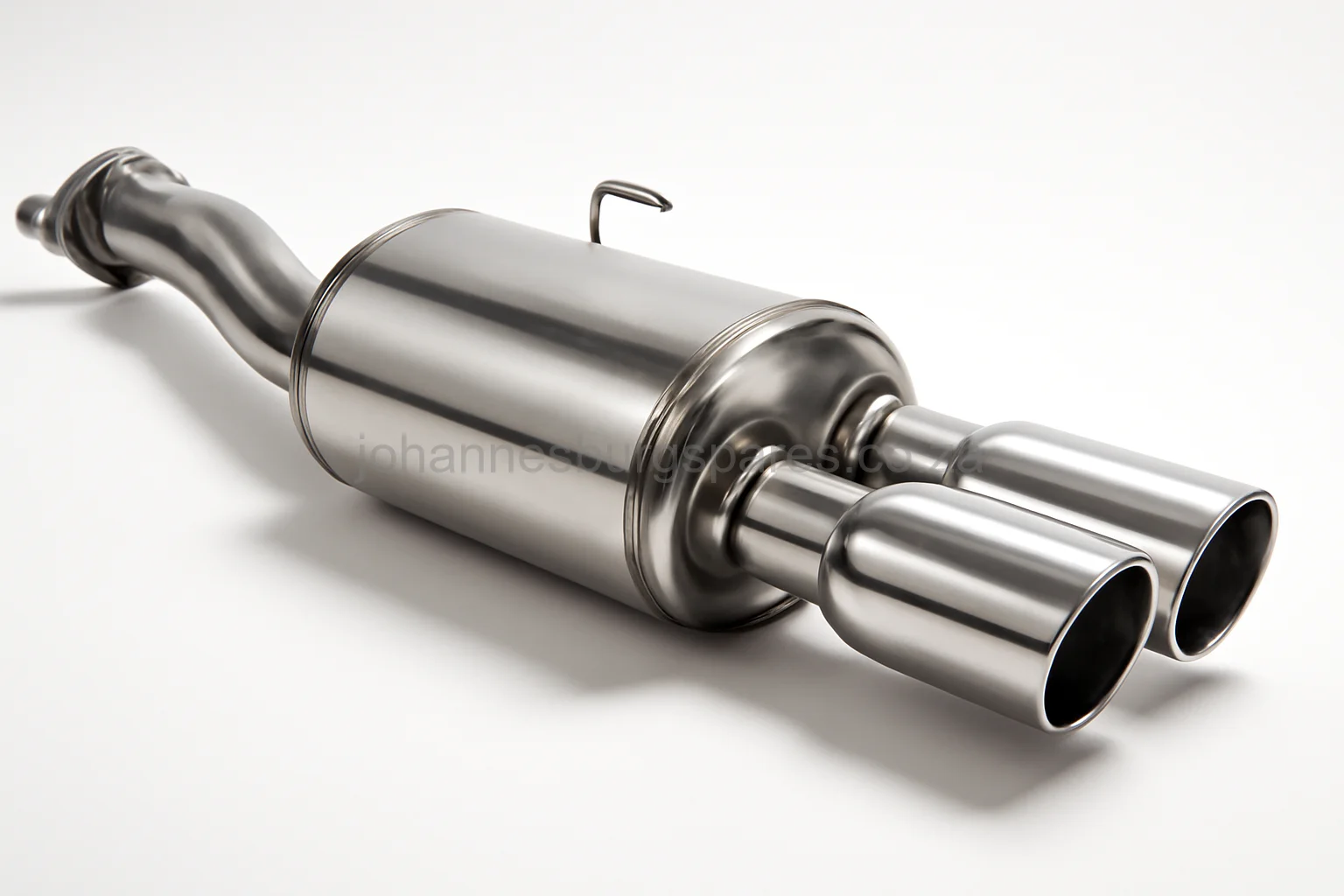
Exhaust, component by component
The derivative — on a Vitara whether it is the 1.6 or the 1.4 turbo, and on an older Grand Vitara whether it is a four-cylinder or a V6 settles most of these — pick the component and we'll confirm the rest.
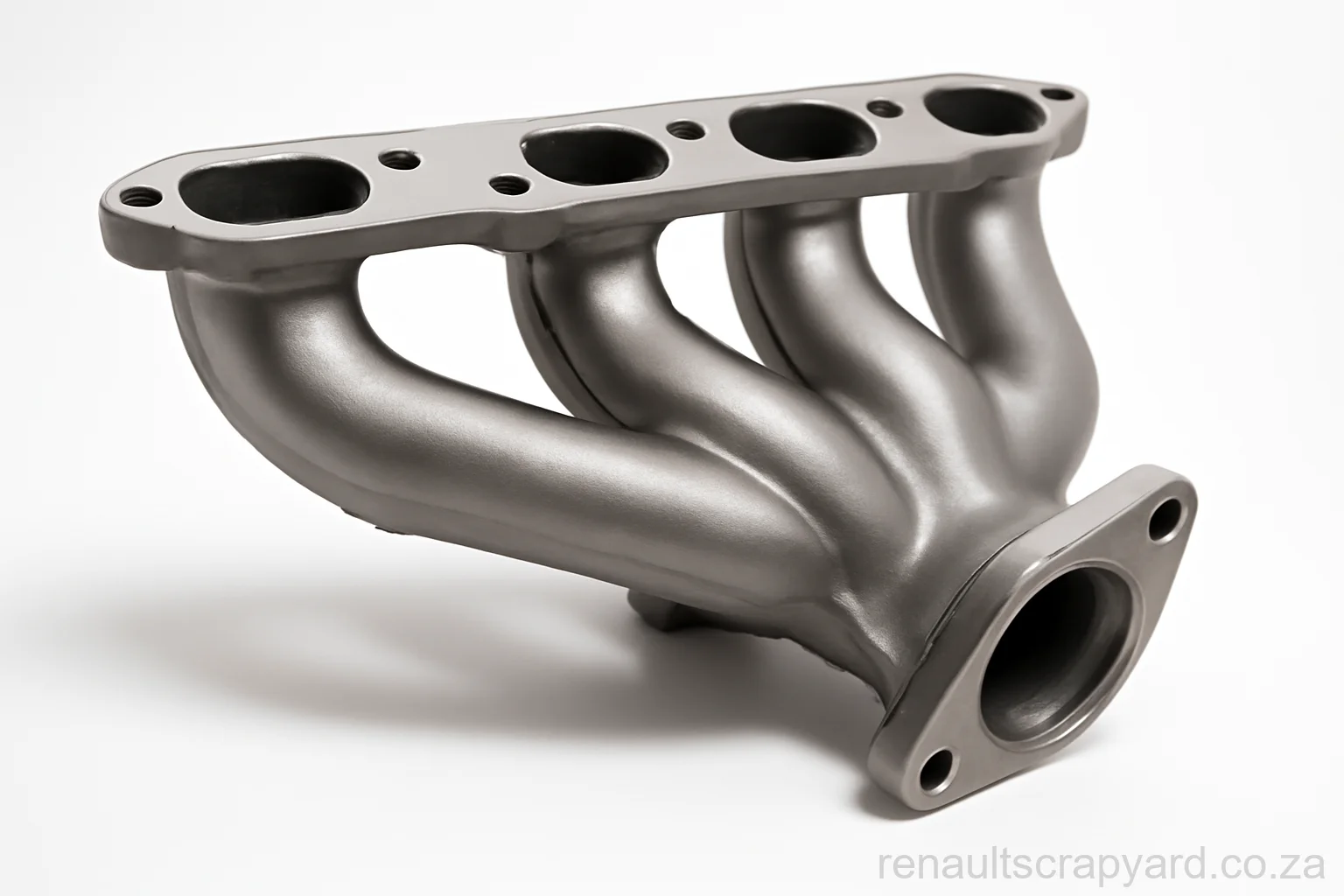
Exhaust Manifold
Exhaust manifolds for Suzuki petrol engines, several of which carry the catalyst in the casting itself
View exhaust manifold →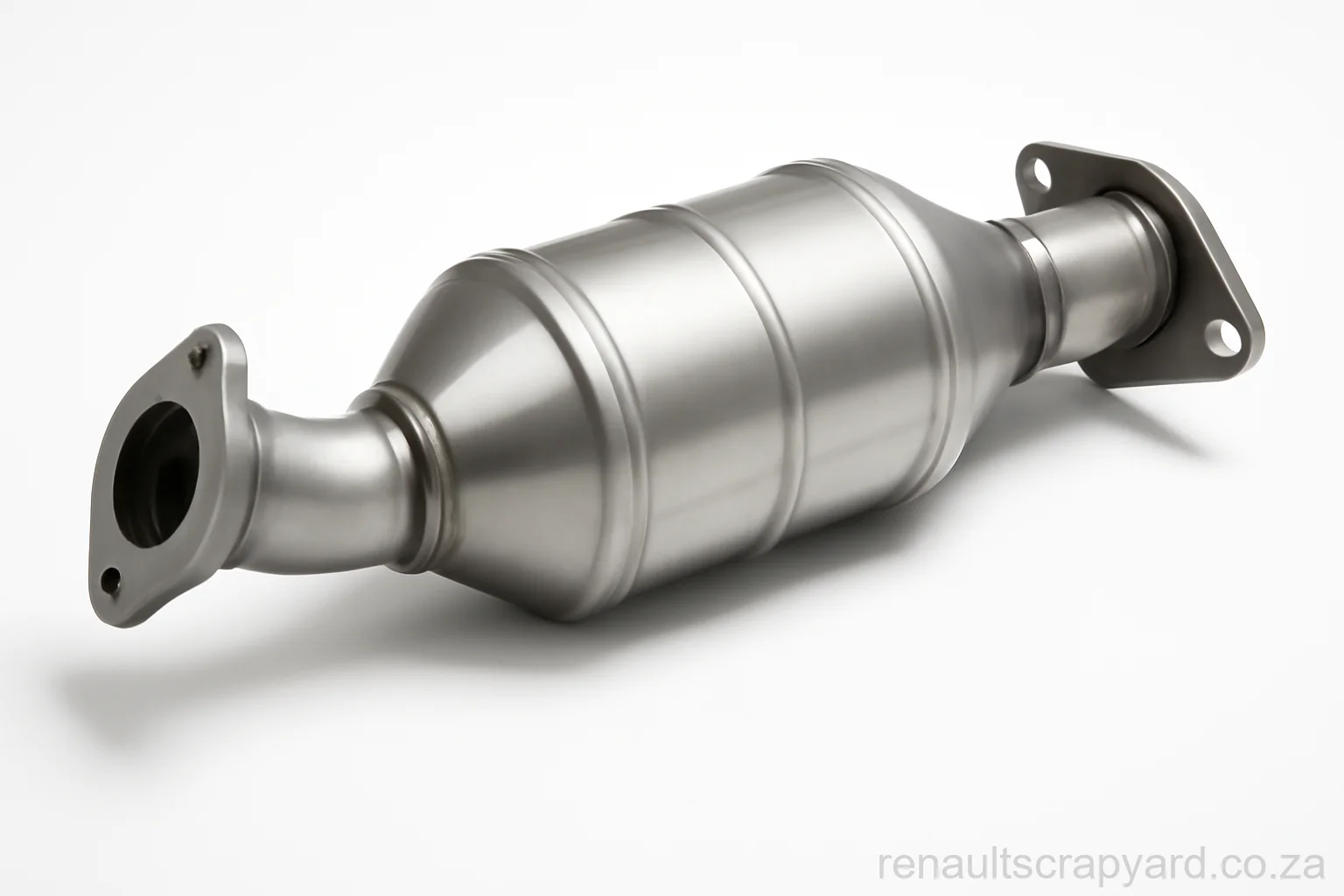
Catalytic Converter
Catalytic converters for Suzuki petrol models, both direct-fit and the universal units an exhaust shop welds in
View catalytic converter →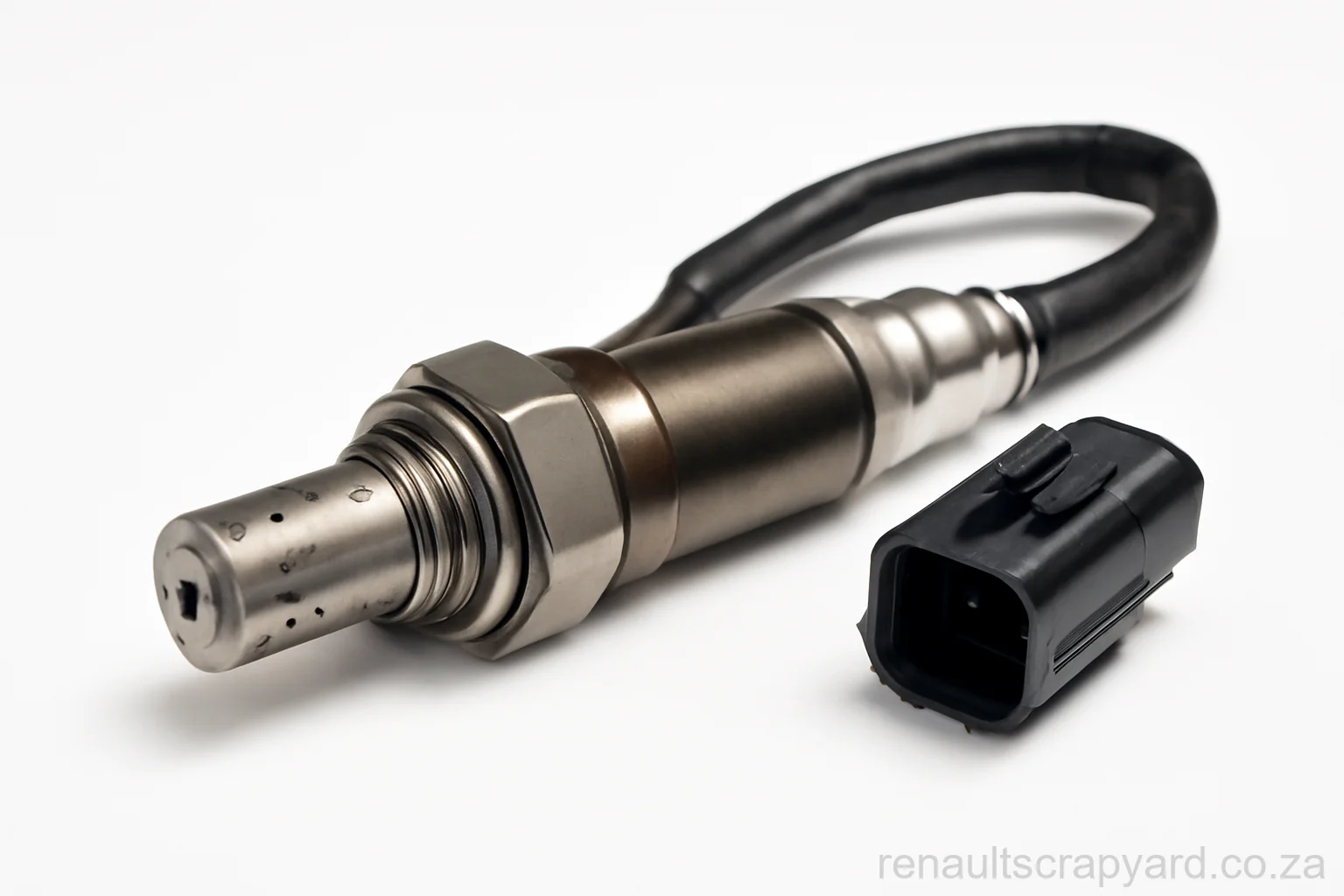
Oxygen Sensors
Upstream and downstream lambda sensors for Suzuki petrol engines
View oxygen sensors →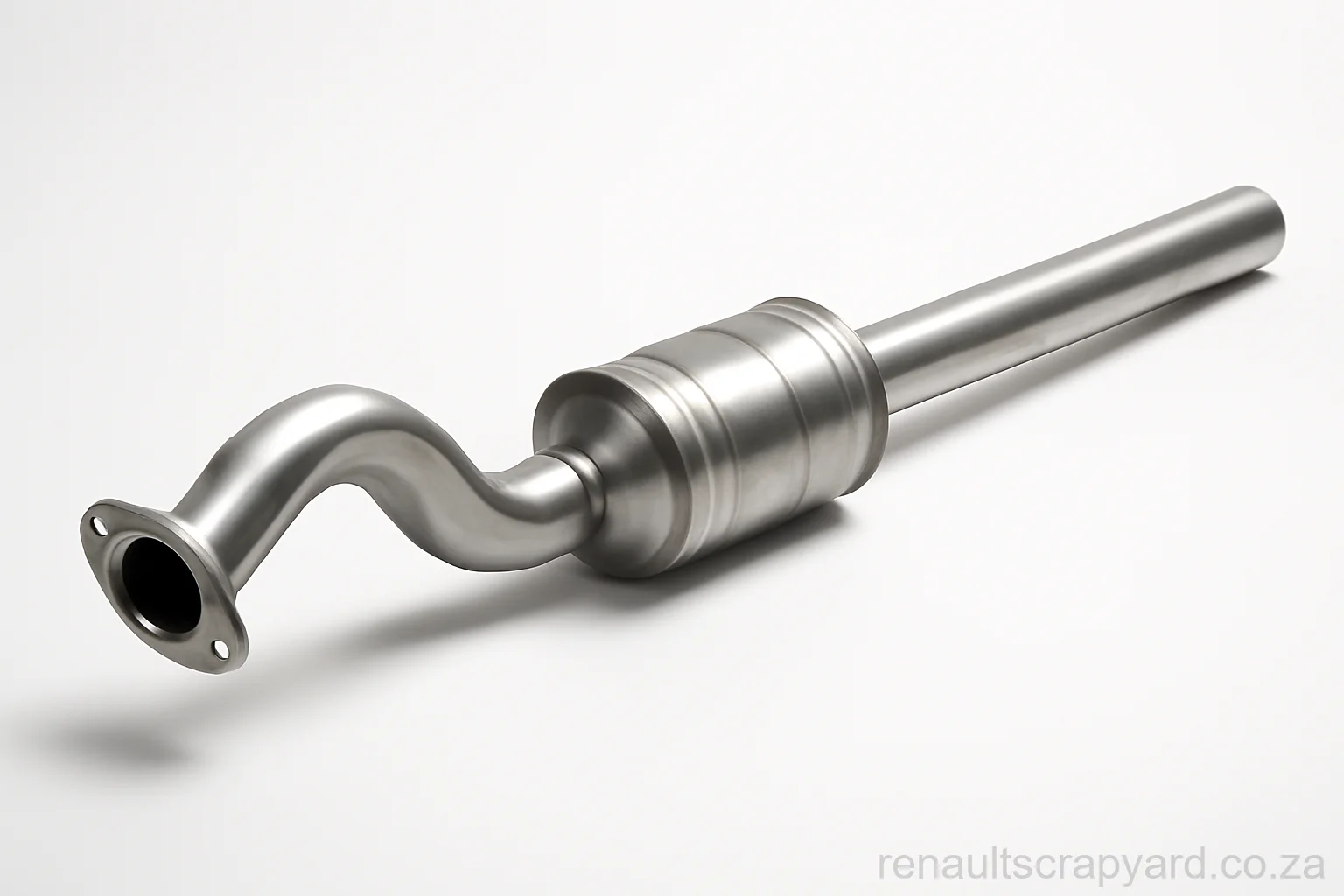
Exhaust Pipes
Front, centre and rear pipe sections for Suzuki exhaust systems
View exhaust pipes →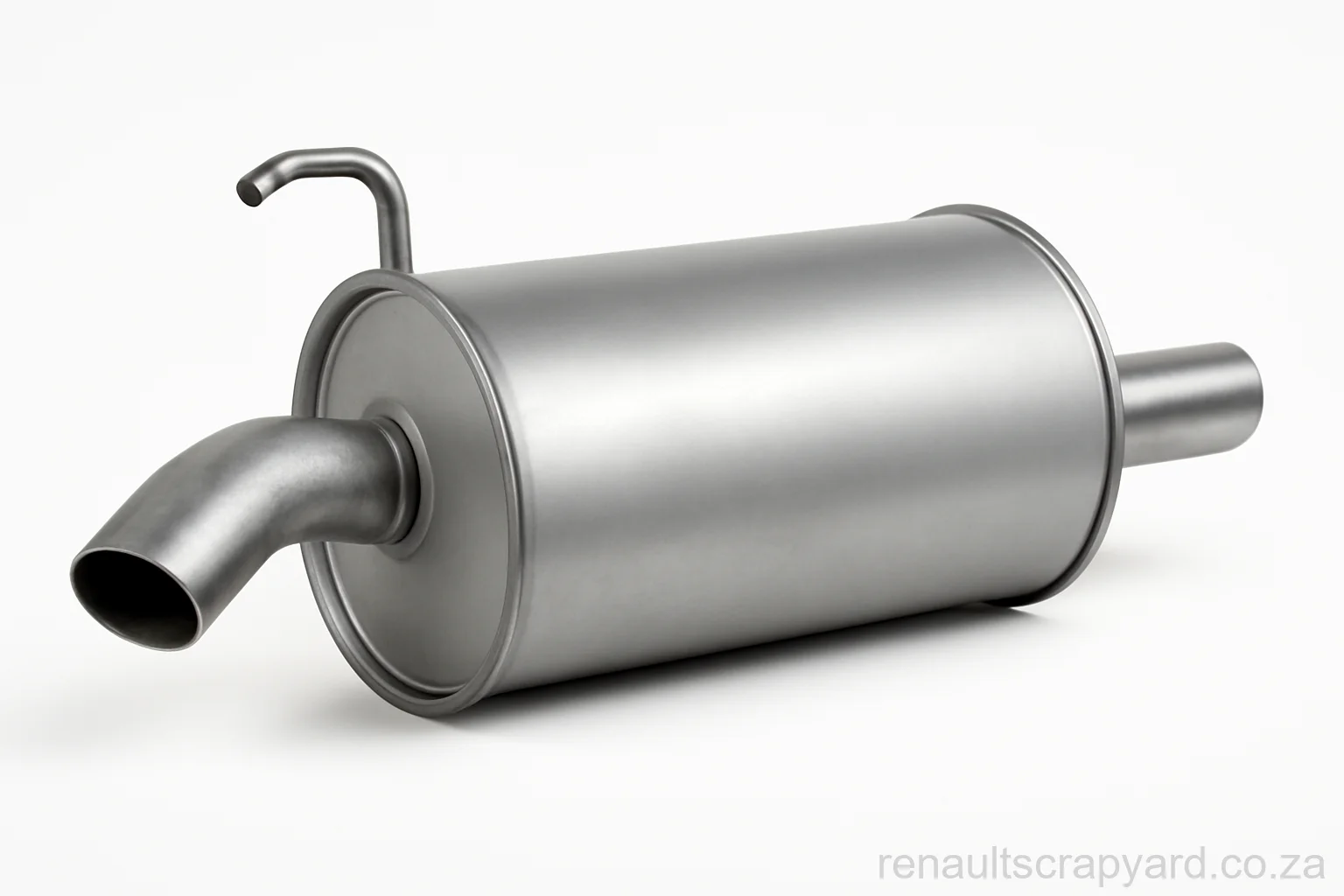
Muffler
Rear silencer boxes for Suzuki models, the part that usually rots out first on the whole system
View muffler →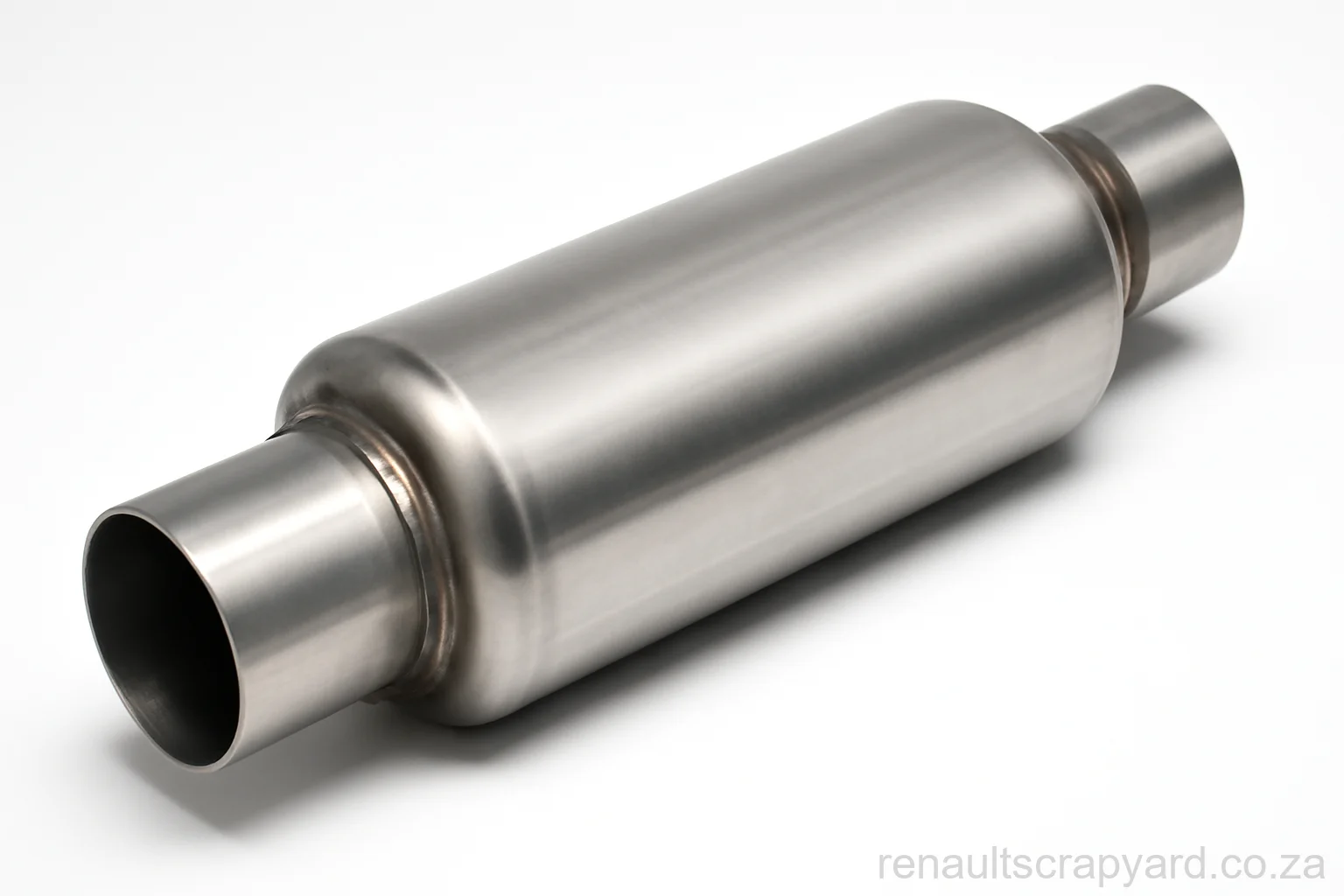
Resonator
Centre resonator boxes that take the drone out of Suzuki exhaust systems
View resonator →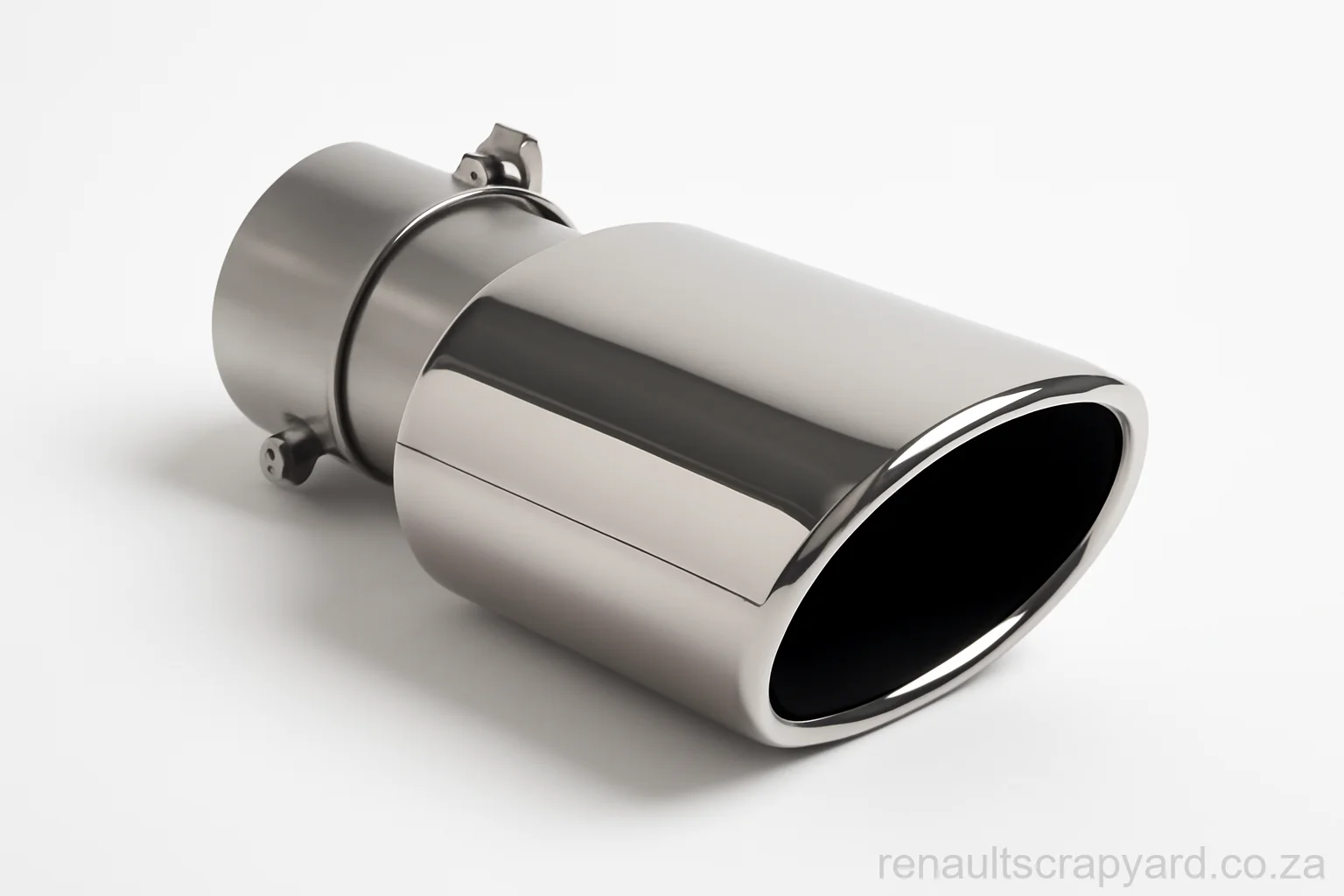
Tailpipe
Tailpipe sections and outlets for Suzuki exhaust systems
View tailpipe →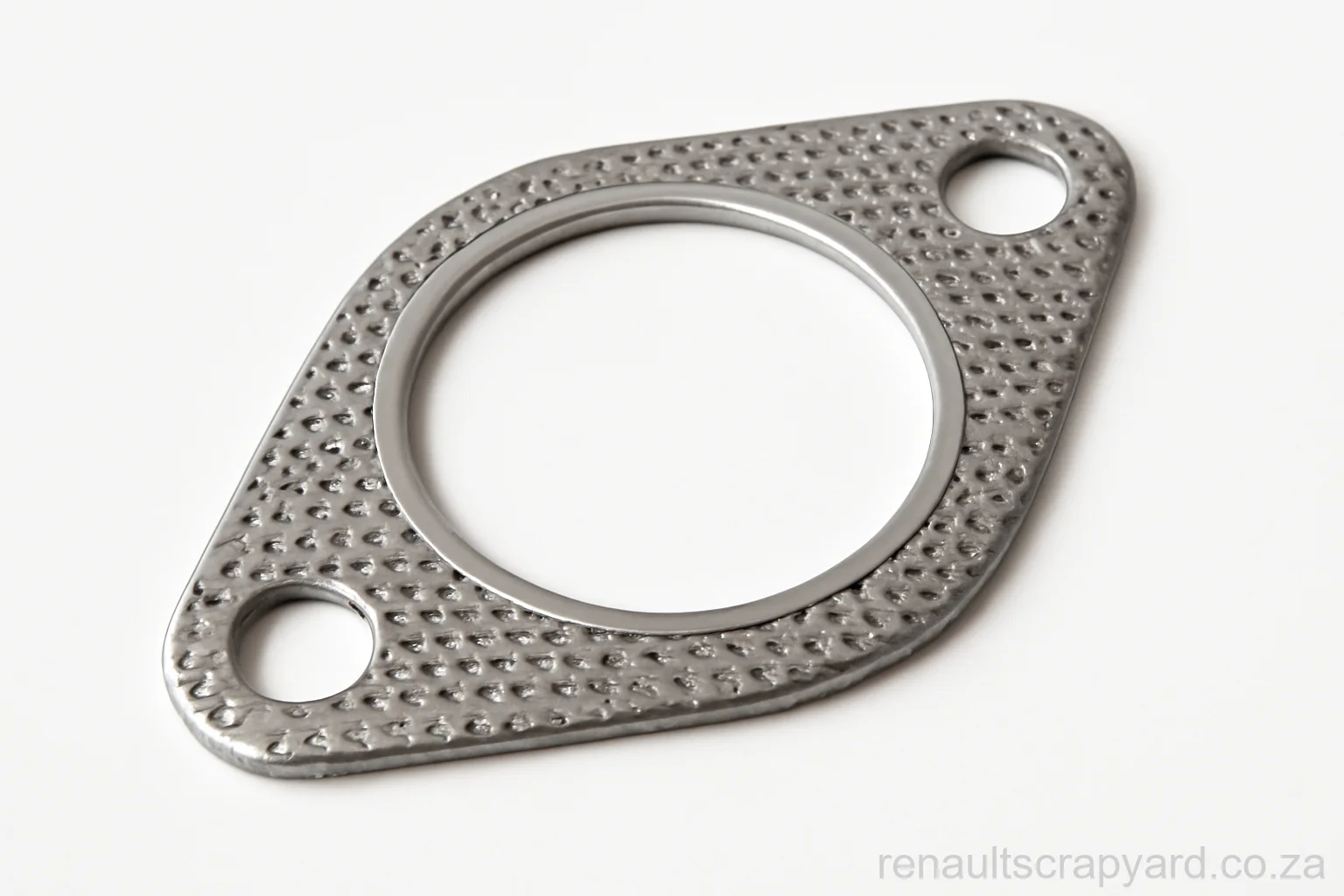
Exhaust Gaskets
Manifold and flange gaskets for Suzuki exhausts, the cheap parts that stop a tick becoming a blow
View exhaust gaskets →
Exhaust Hangers
Rubber hangers and mounting brackets that carry the exhaust under Suzuki models
View exhaust hangers →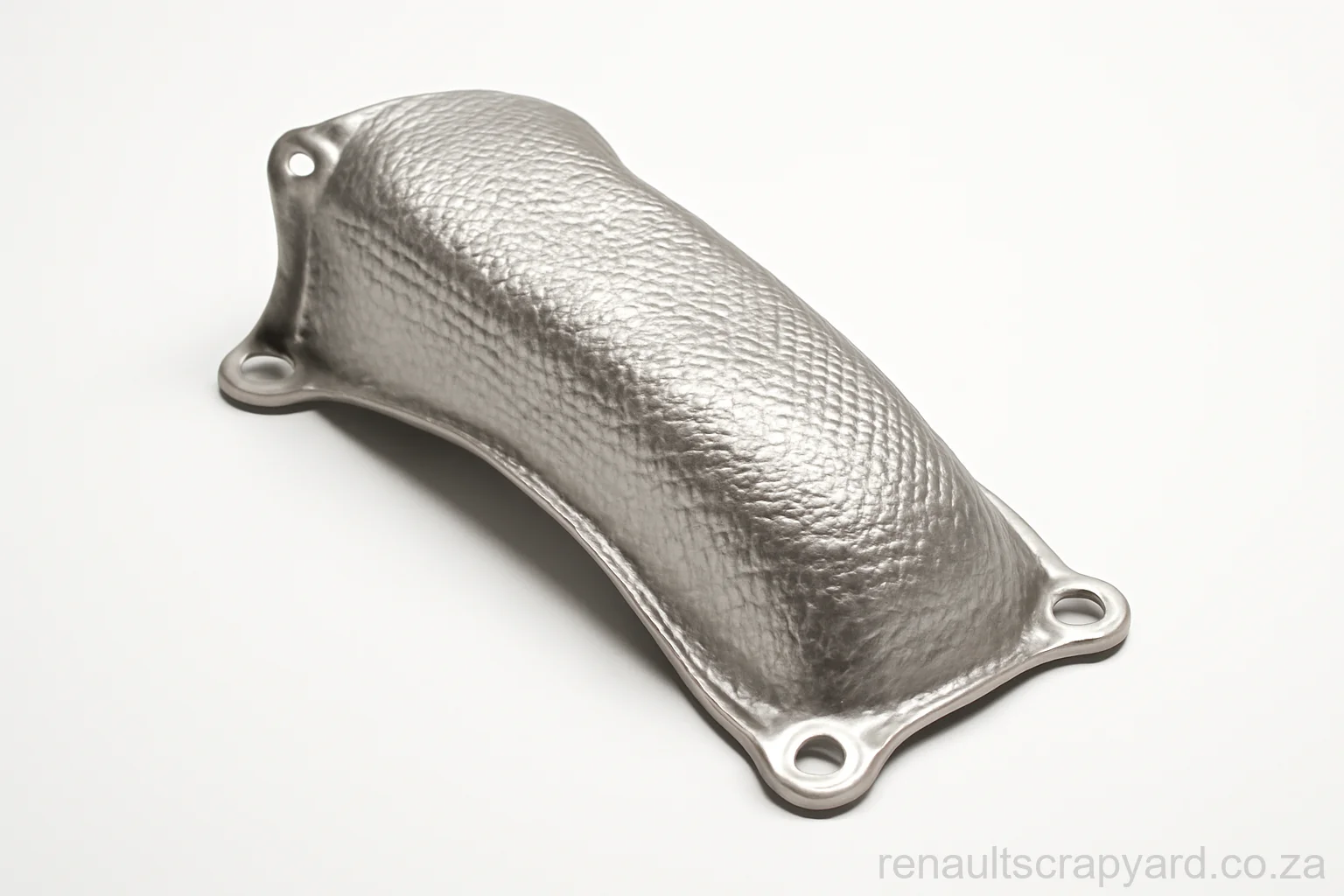
Heat Shields
Underbody and manifold heat shields for Suzuki models — usually replaced because a rusted shield is rattling, not because it failed
View heat shields →
Exhaust Clamps
U-bolt and band clamps for joining Suzuki exhaust sections
View exhaust clamps →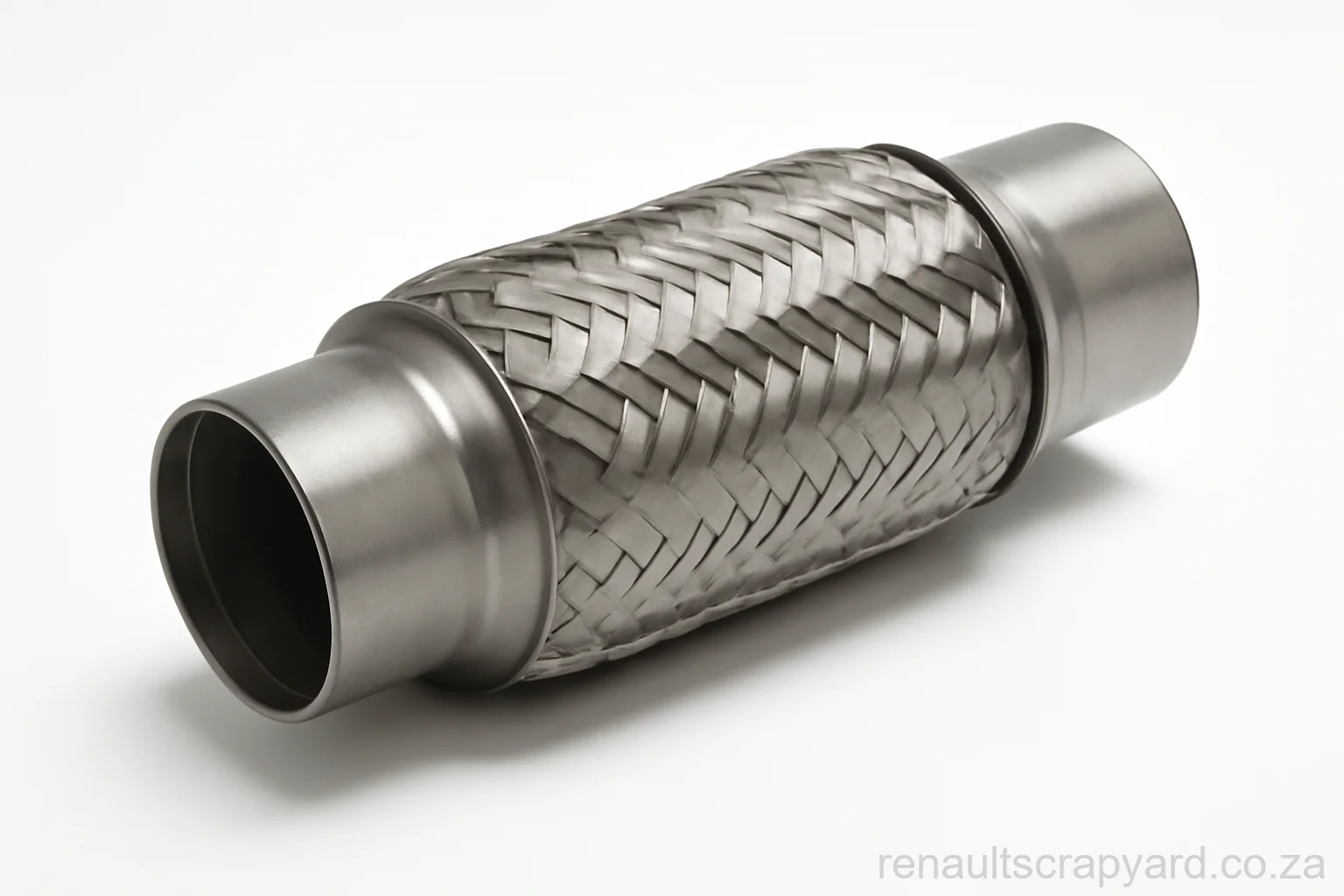
Flex Pipe
Flexible braided sections that absorb engine rock before it cracks a Suzuki exhaust downstream
View flex pipe →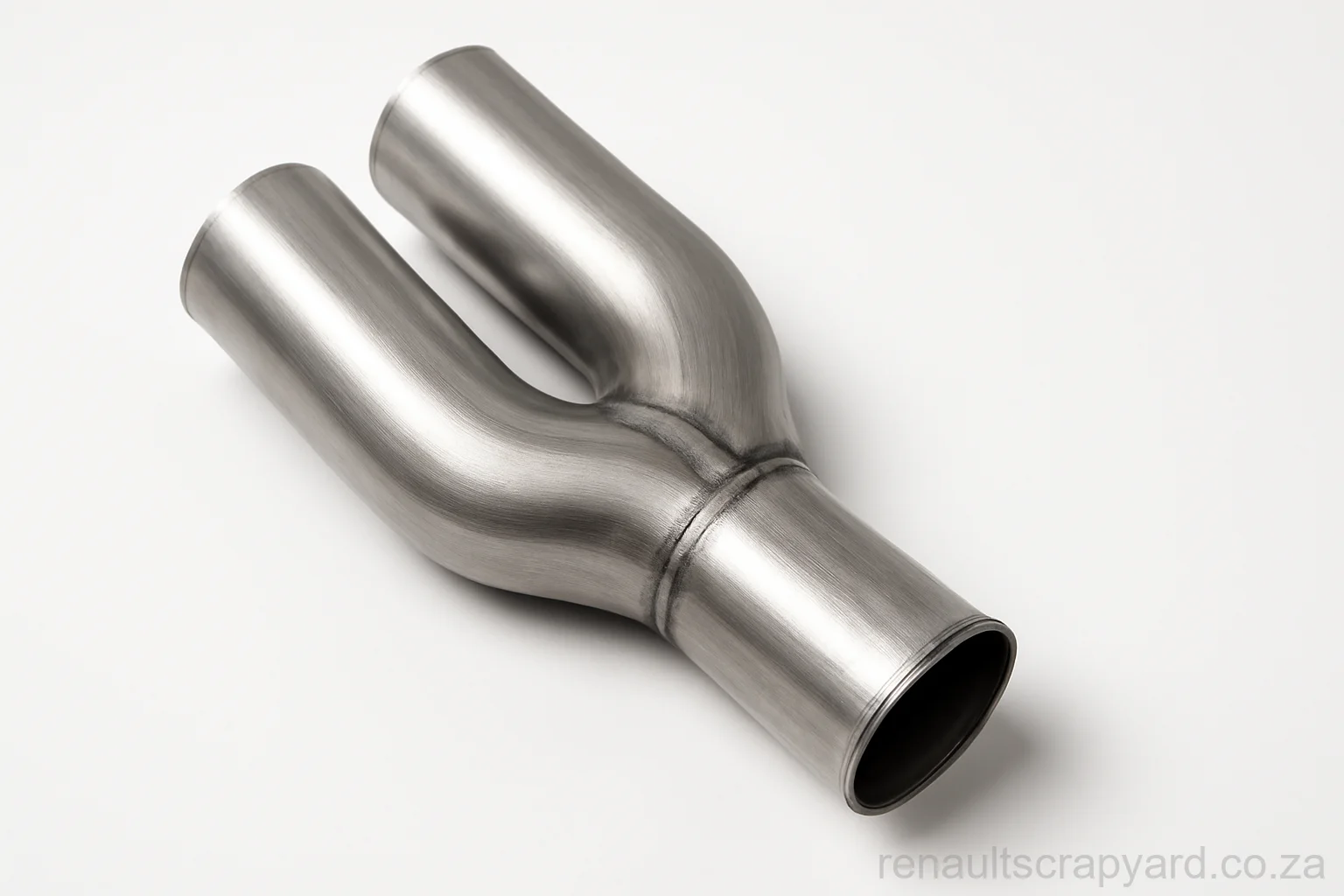
Y-Pipe
Y-section connectors, relevant on the older V6 Grand Vitara and on custom Suzuki exhaust work
View y-pipe →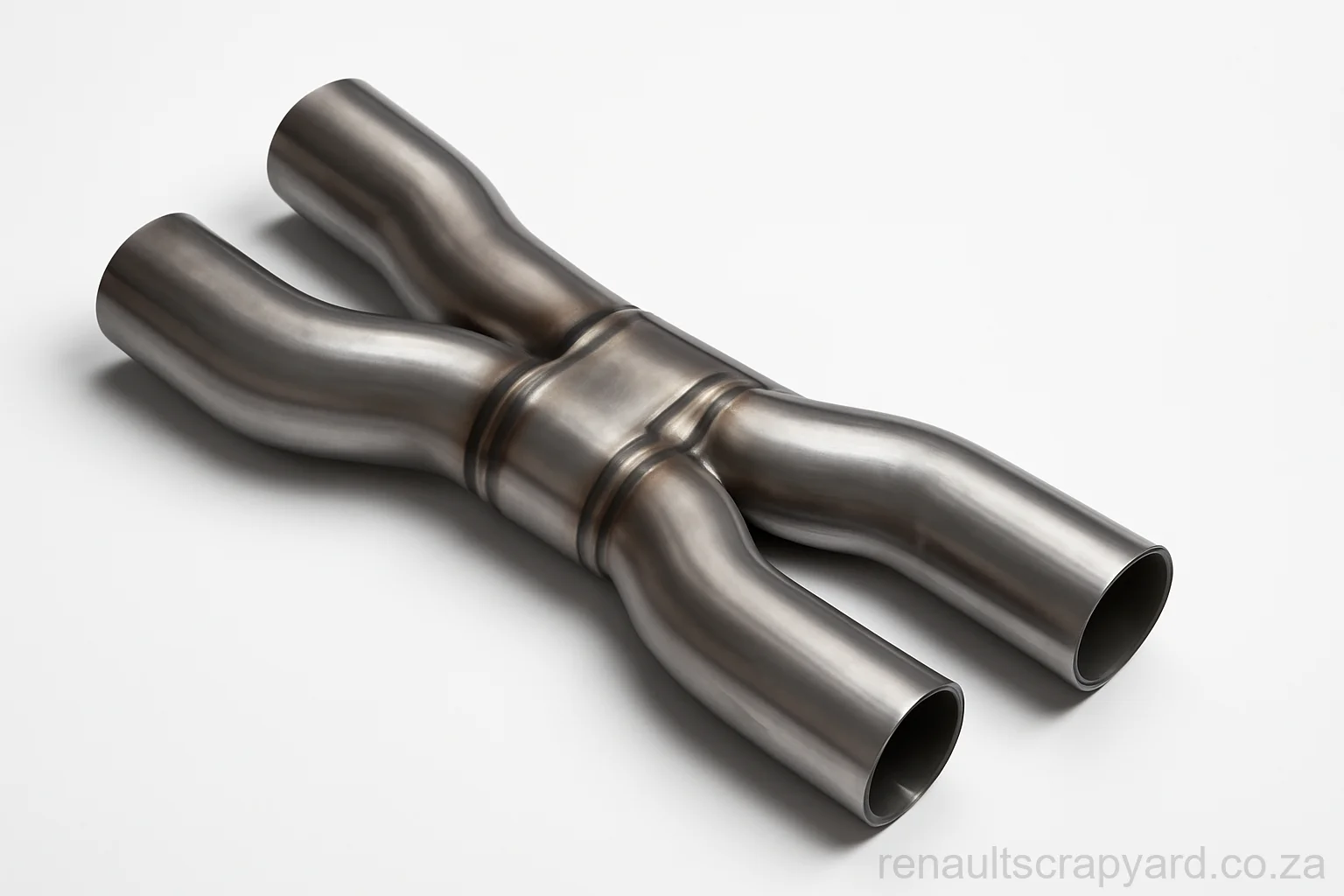
H-Pipe
H-section crossover pipes for the twin-bank Suzuki applications and custom exhaust builds that use them
View h-pipe →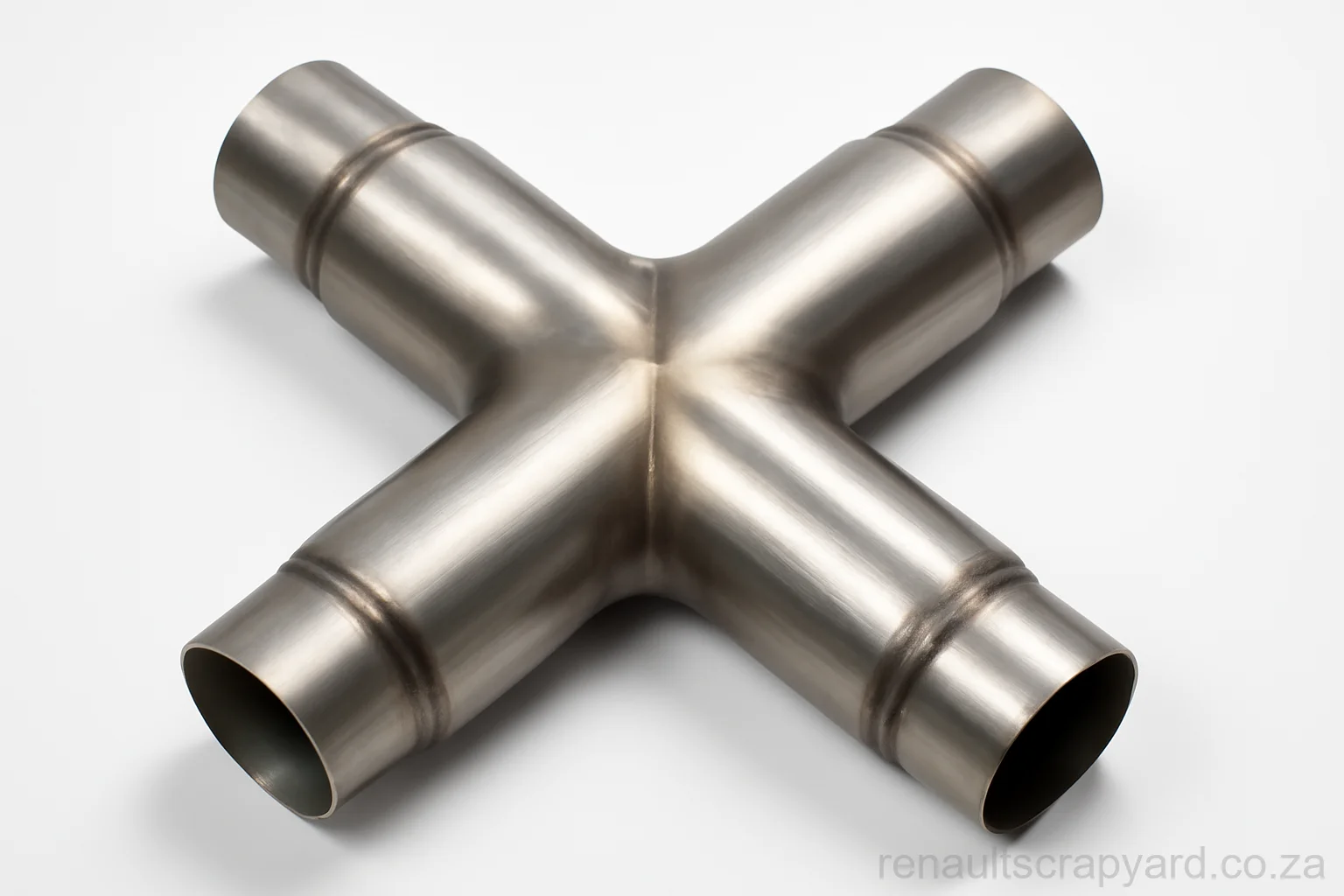
X-Pipe
X-section crossovers used in performance exhaust builds on twin-pipe Suzuki applications
View x-pipe →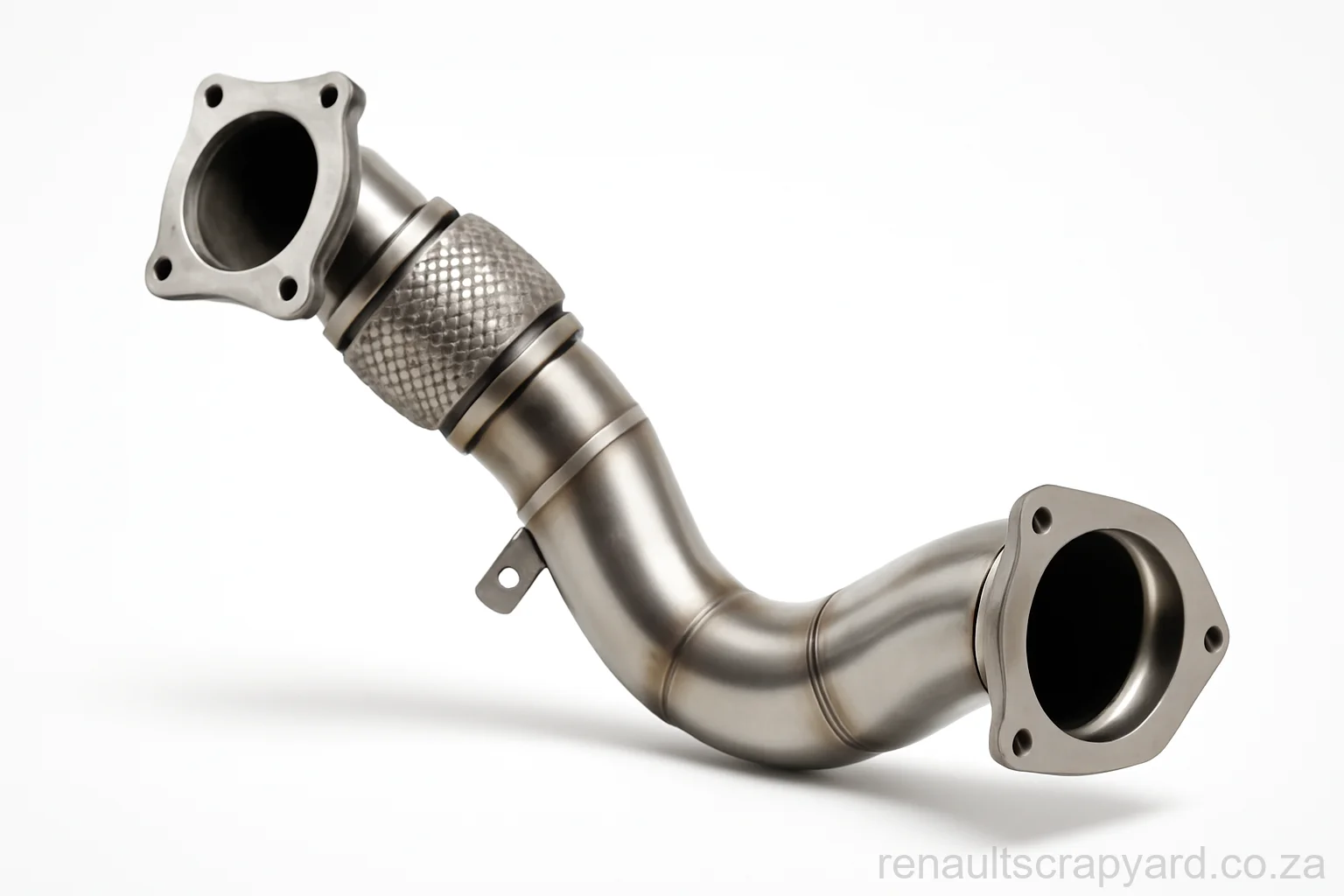
Downpipe
Turbo downpipes for the Boosterjet Suzuki models — the Swift Sport and the turbocharged Vitara among them
View downpipe →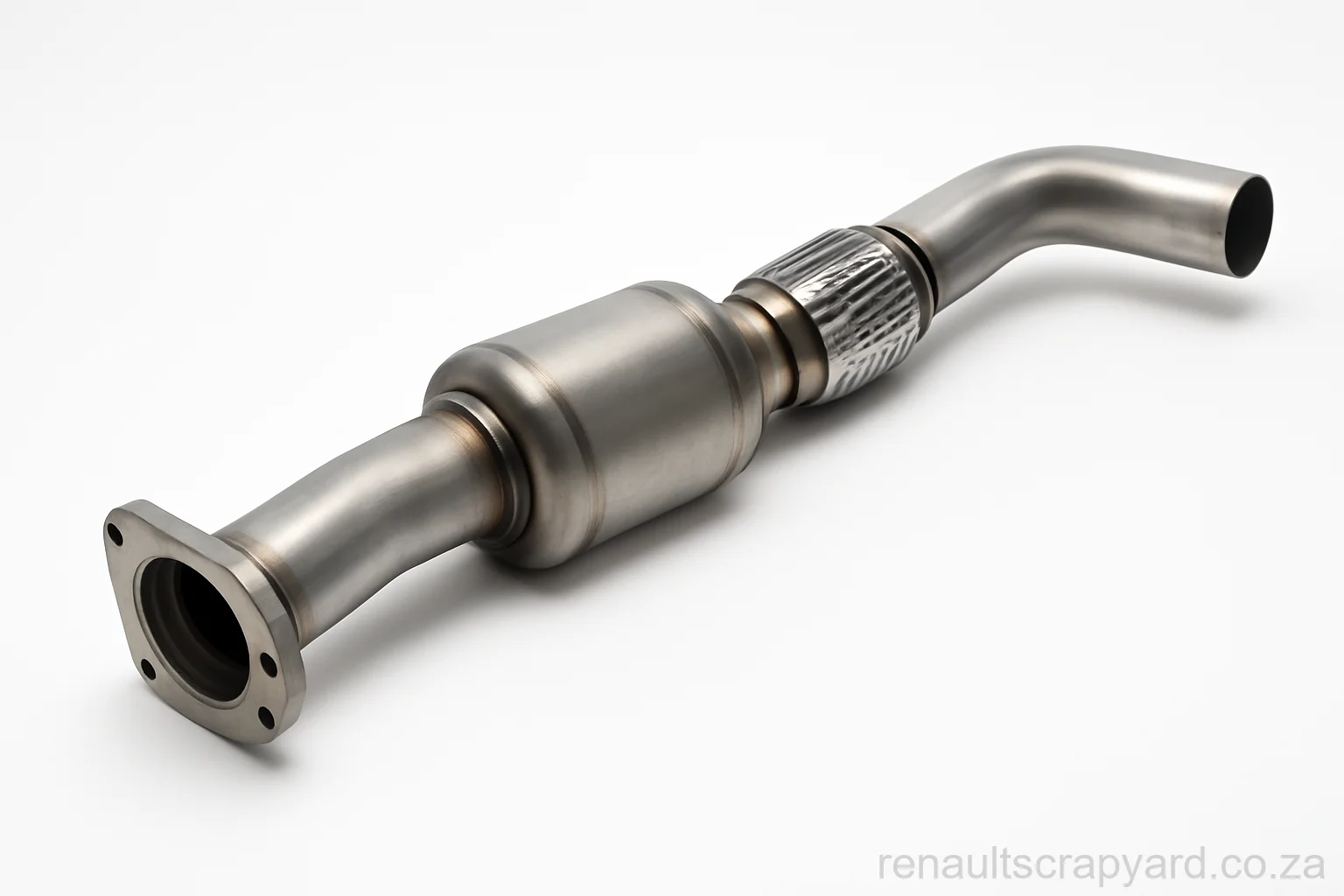
Mid-Pipe
Centre pipe sections linking the front of a Suzuki exhaust to the rear silencer
View mid-pipe →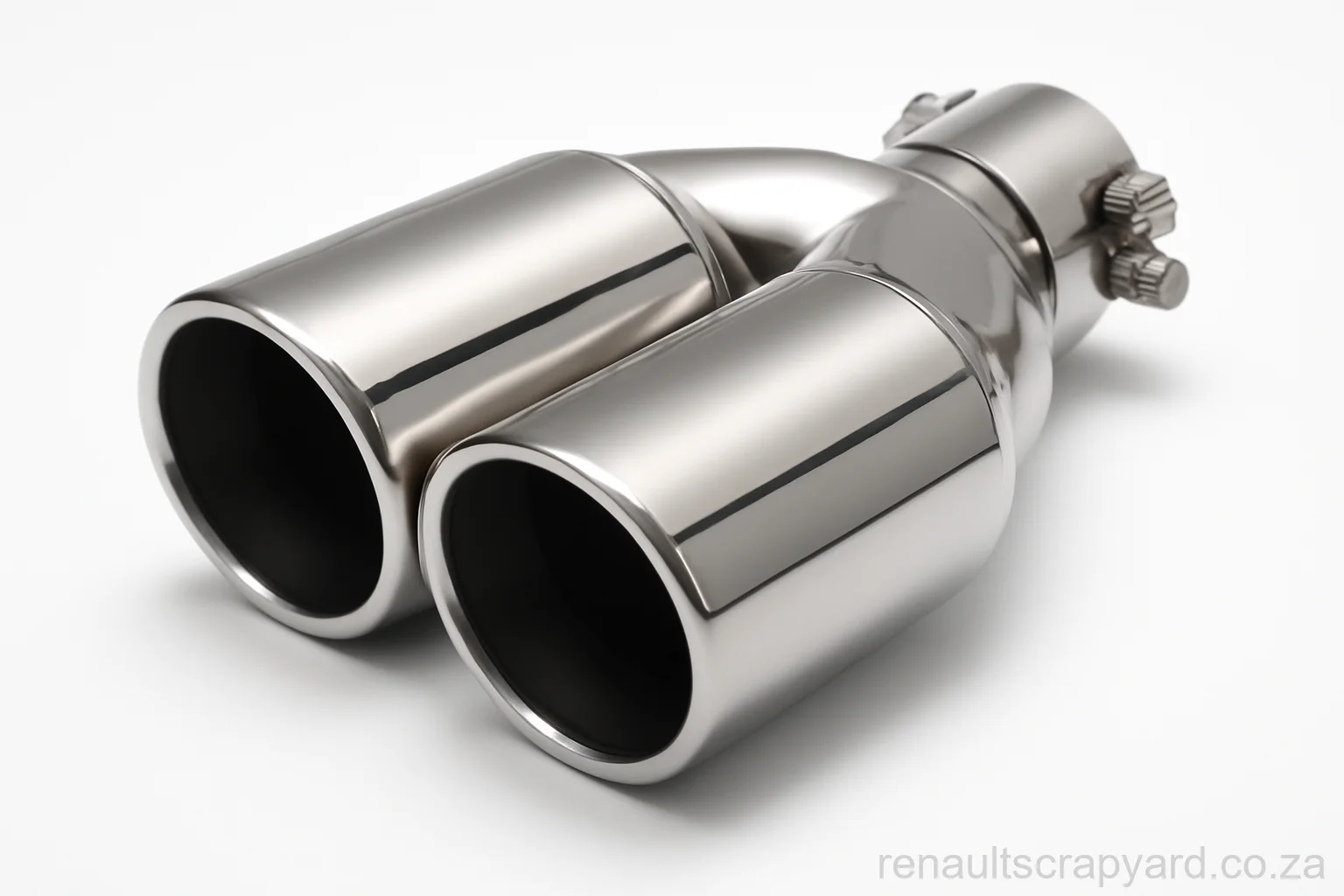
Exhaust Tips
Slip-on and bolt-on tips that tidy up the rear of a Suzuki
View exhaust tips →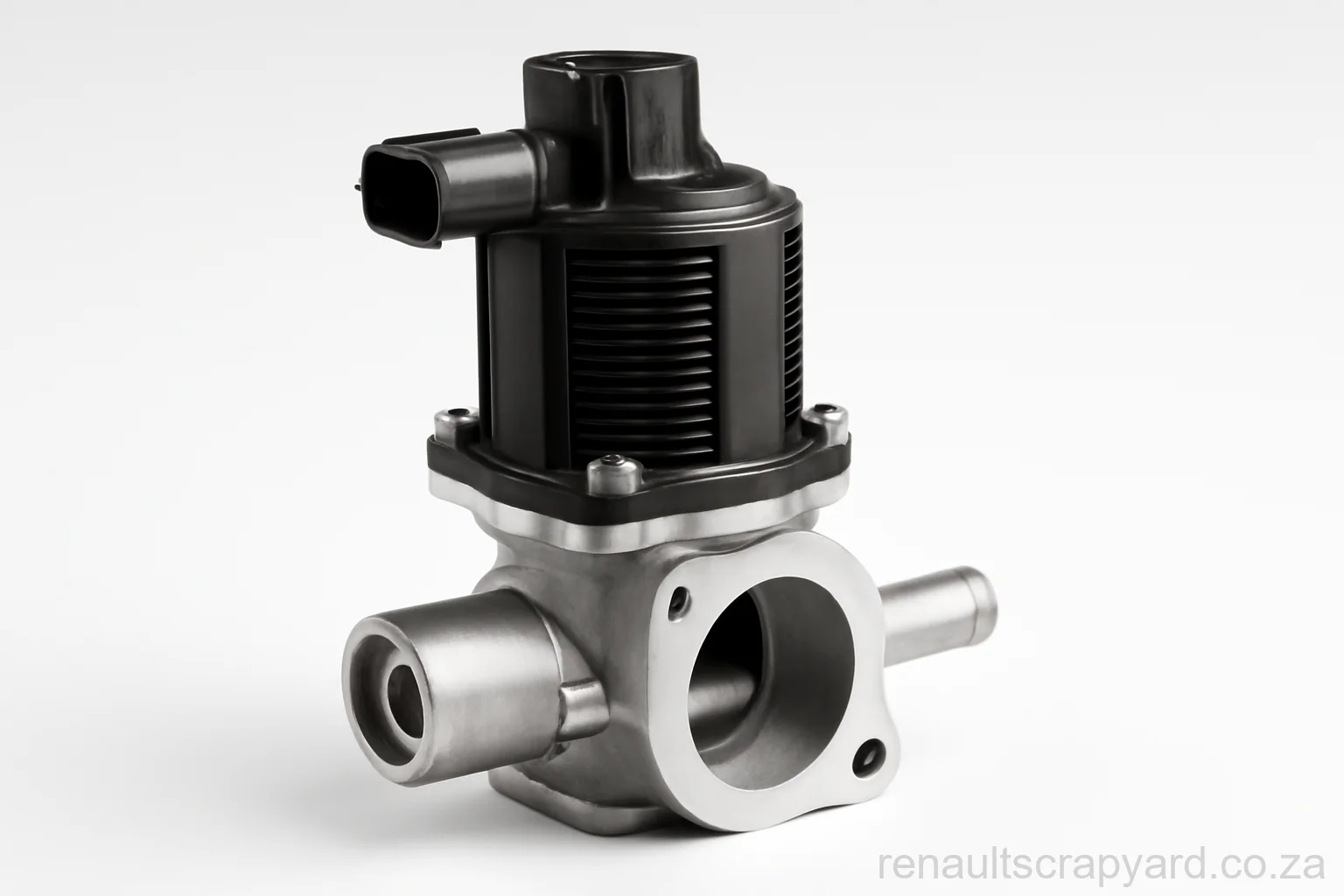
EGR Valve
EGR valves and coolers for the Suzuki petrol engines fitted with exhaust gas recirculation
View egr valve →Choose your Suzuki
The generation matters more than the nameplate. These pages spell out which is which.

Suzuki Swift
hatchback

Suzuki Jimny
suv
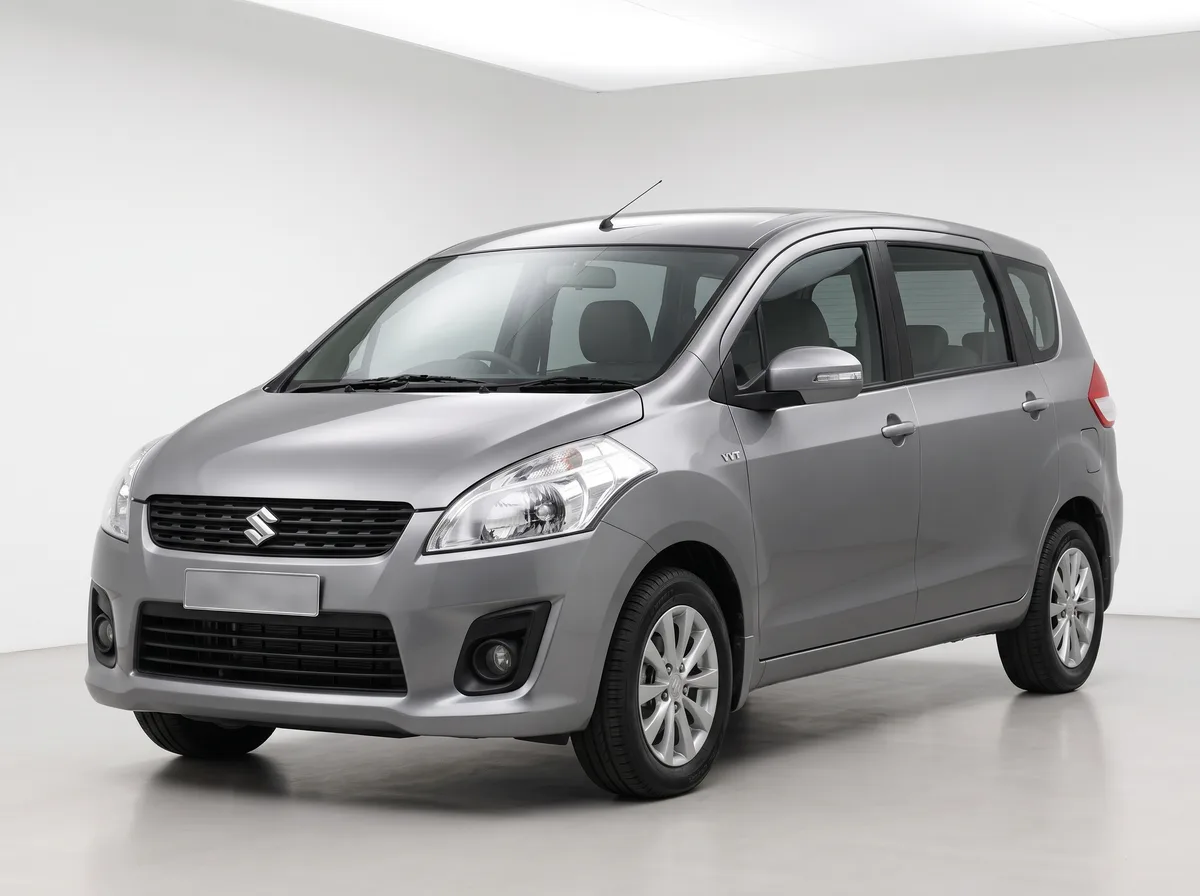
Suzuki Ertiga
mpv

Suzuki Vitara
crossover

Suzuki Grand Vitara
suv
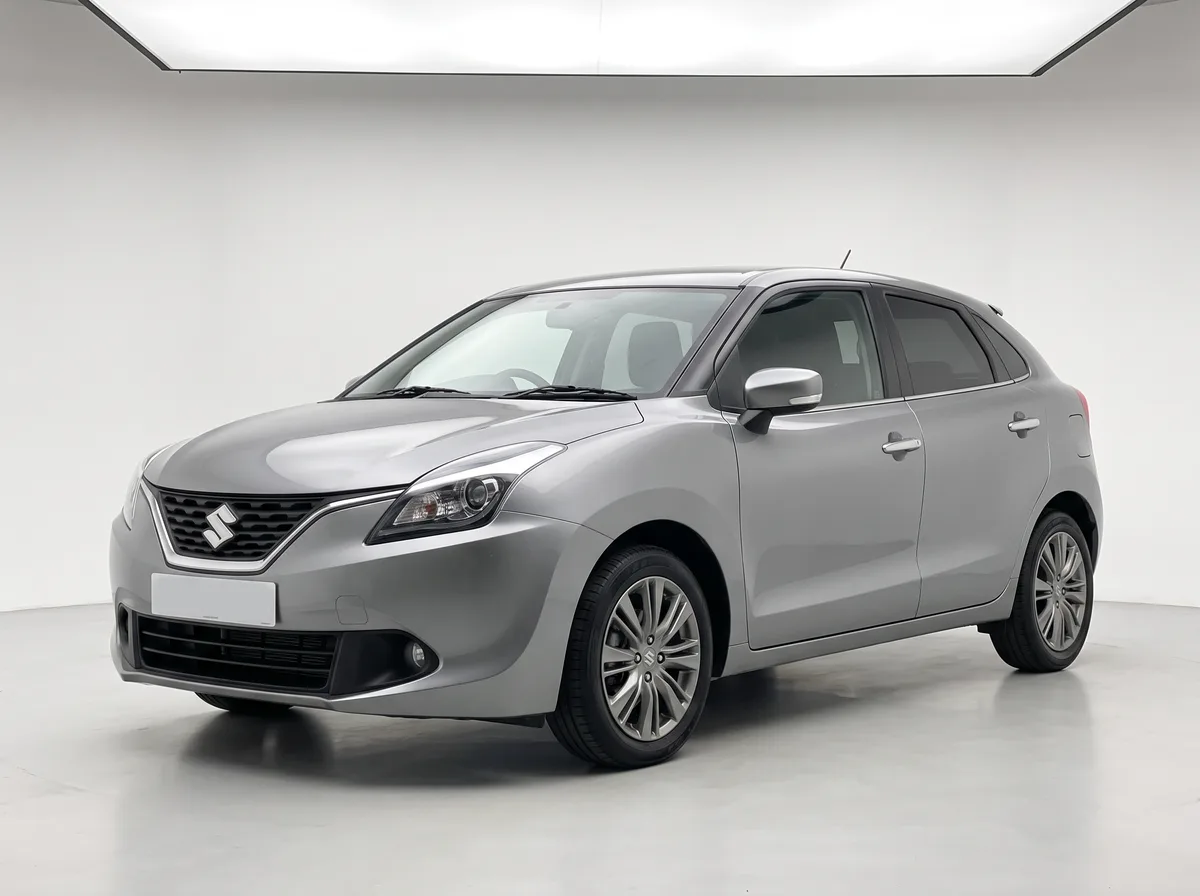
Suzuki Baleno
hatchback
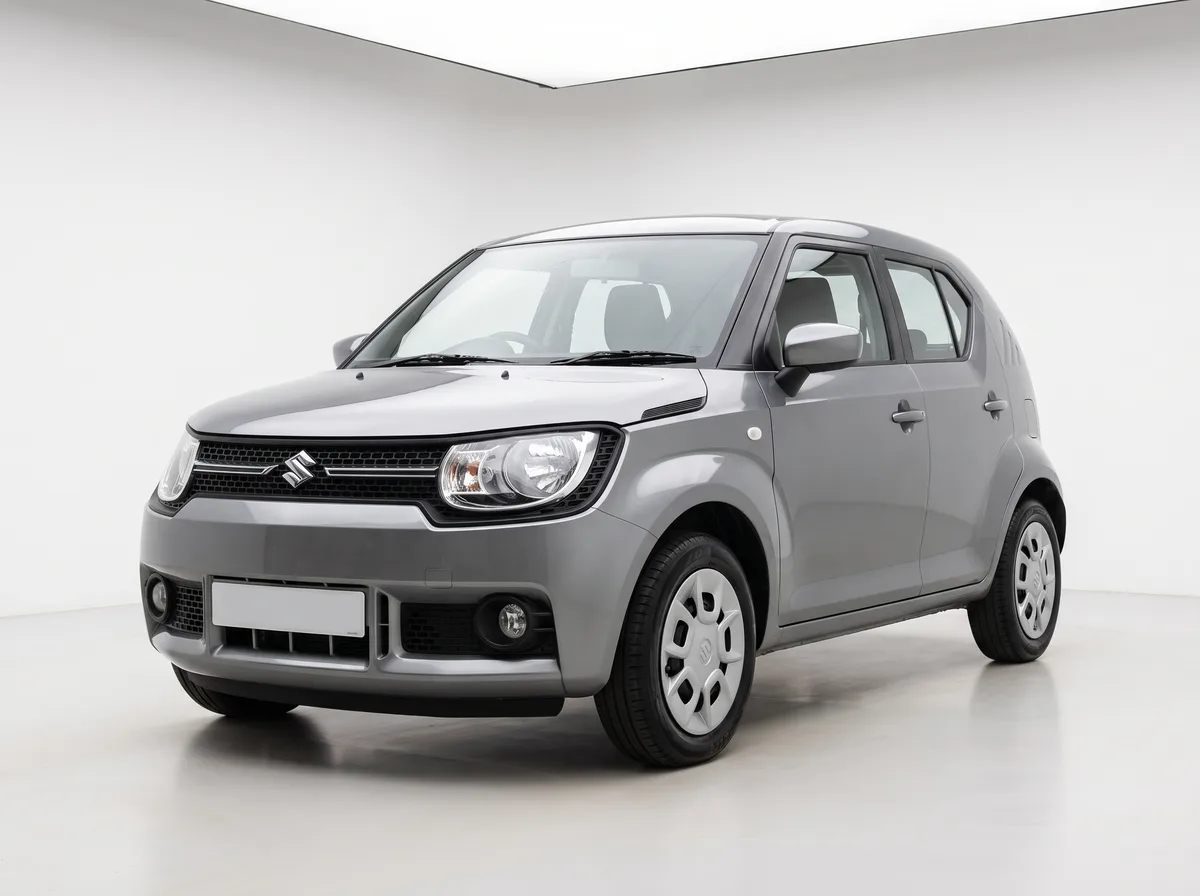
Suzuki Ignis
hatchback

Suzuki Dzire
sedan

Suzuki XL6
mpv

Suzuki Fronx
crossover

Suzuki Brezza
suv

Suzuki Ciaz
sedan
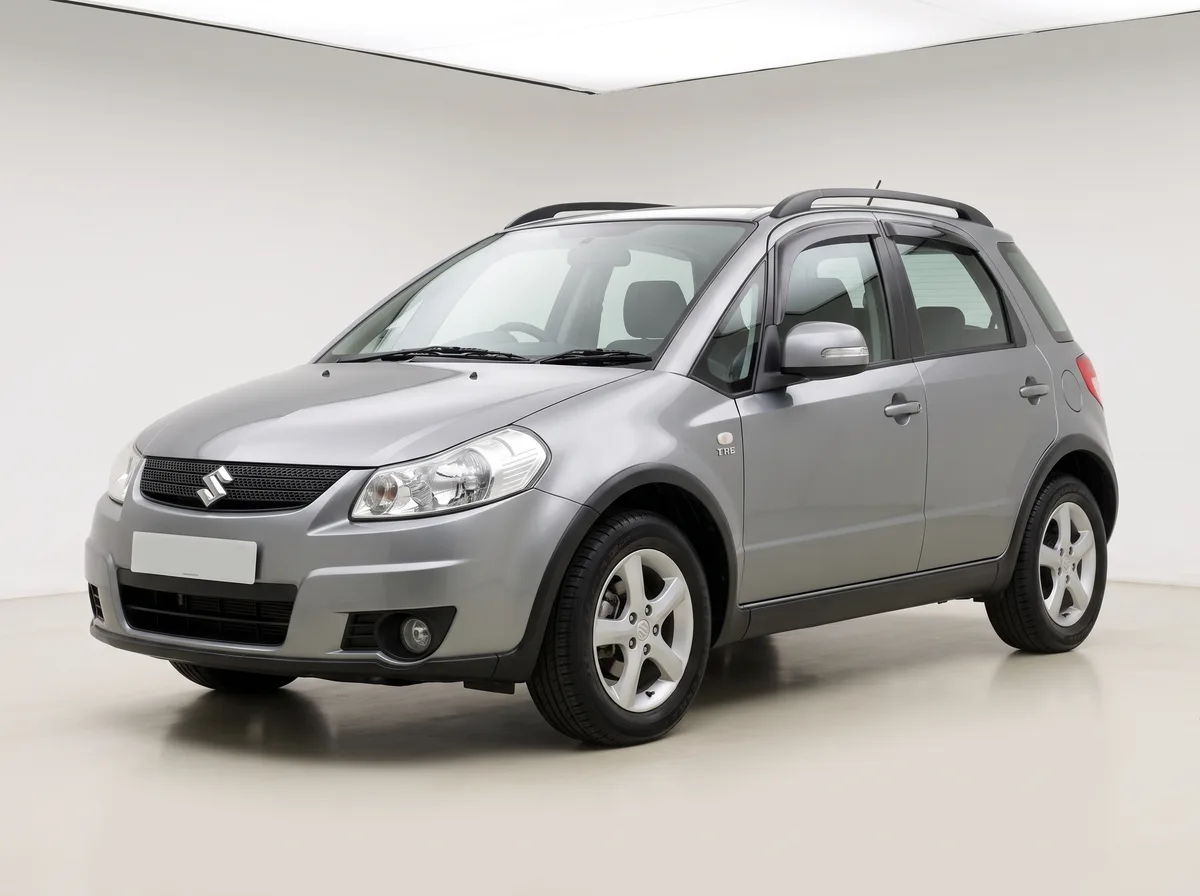
Suzuki SX4
crossover
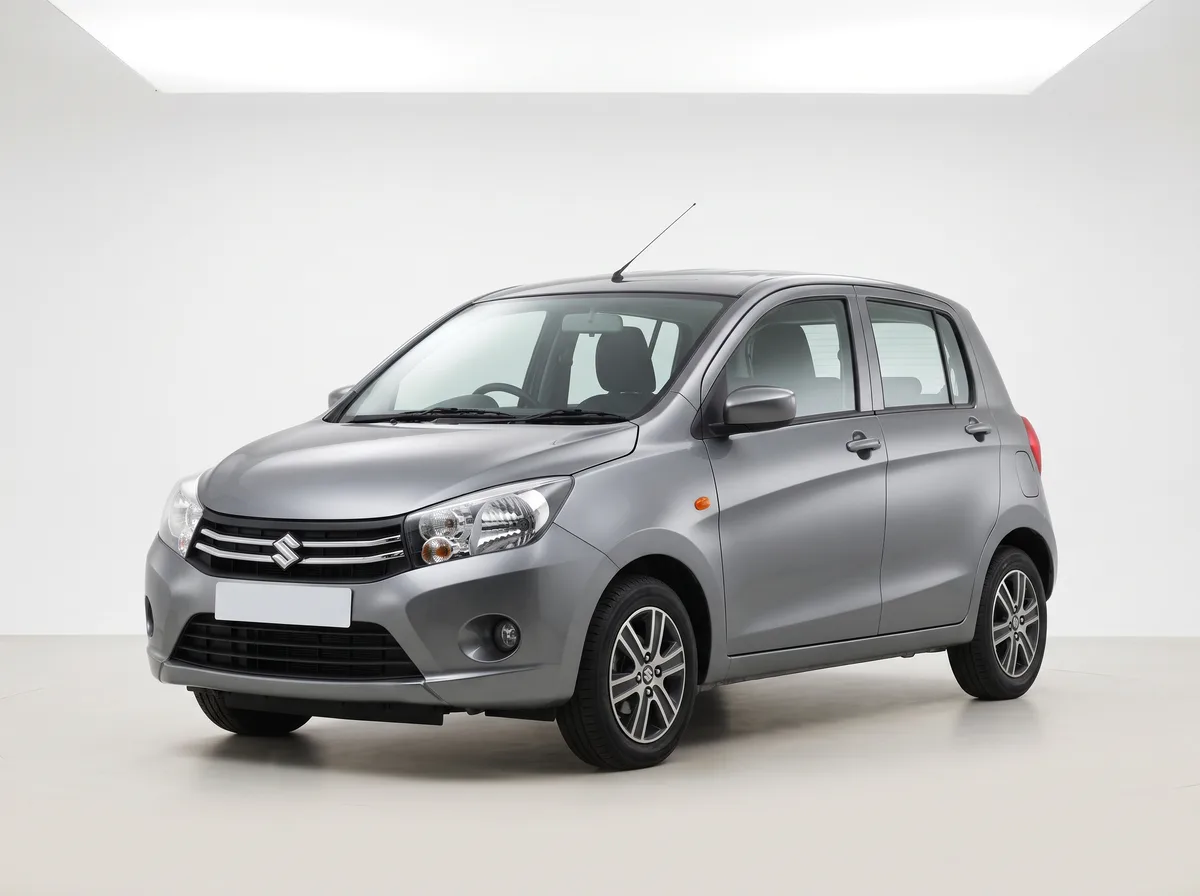
Suzuki Celerio
hatchback
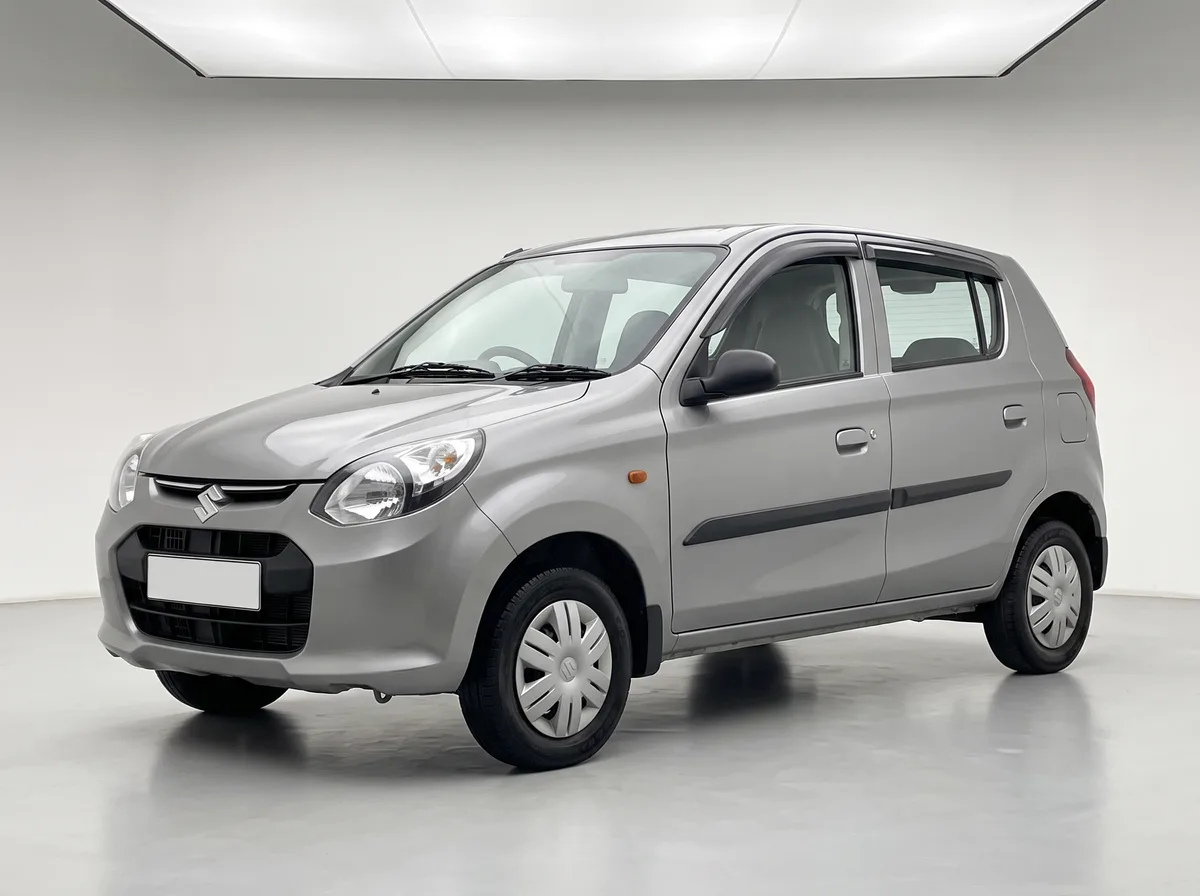
Suzuki Alto
hatchback
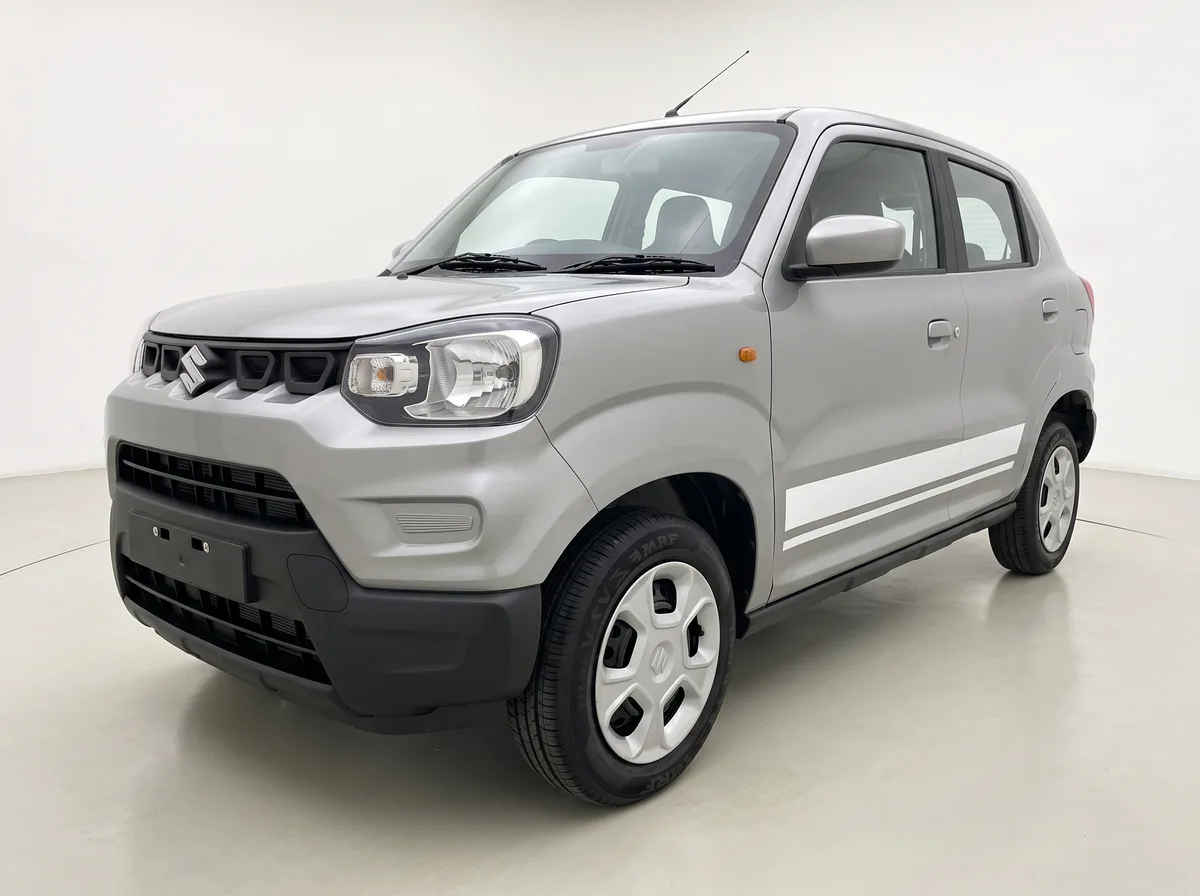
Suzuki S-Presso
hatchback
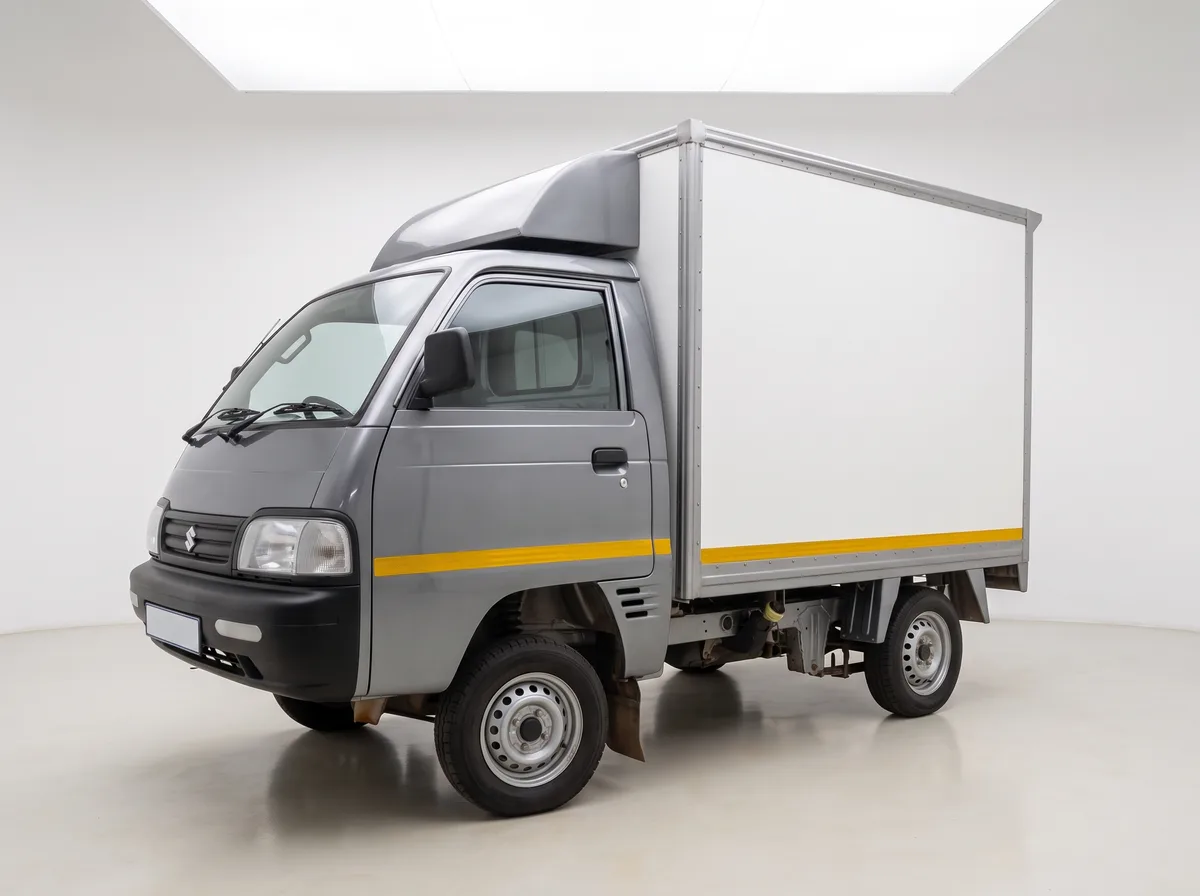
Suzuki Super Carry
commercial
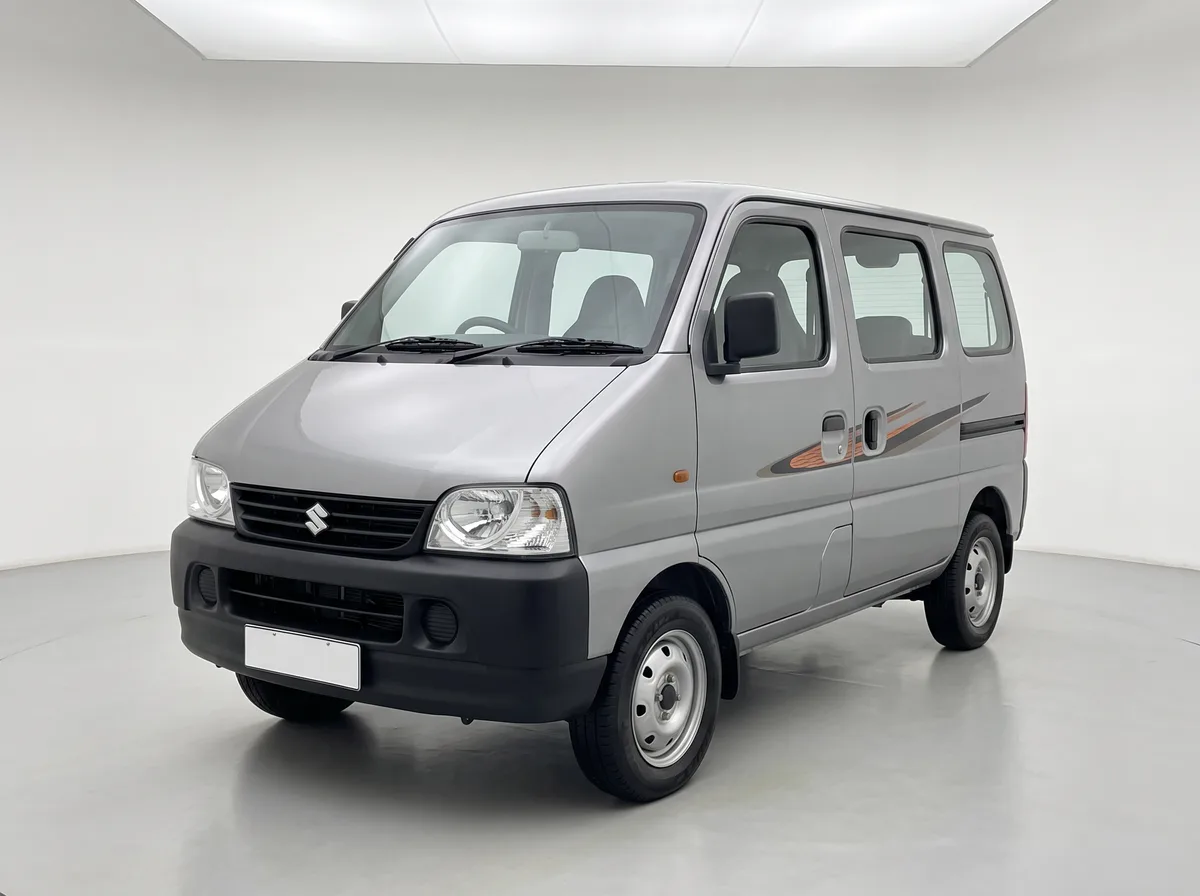
Suzuki Eeco
van
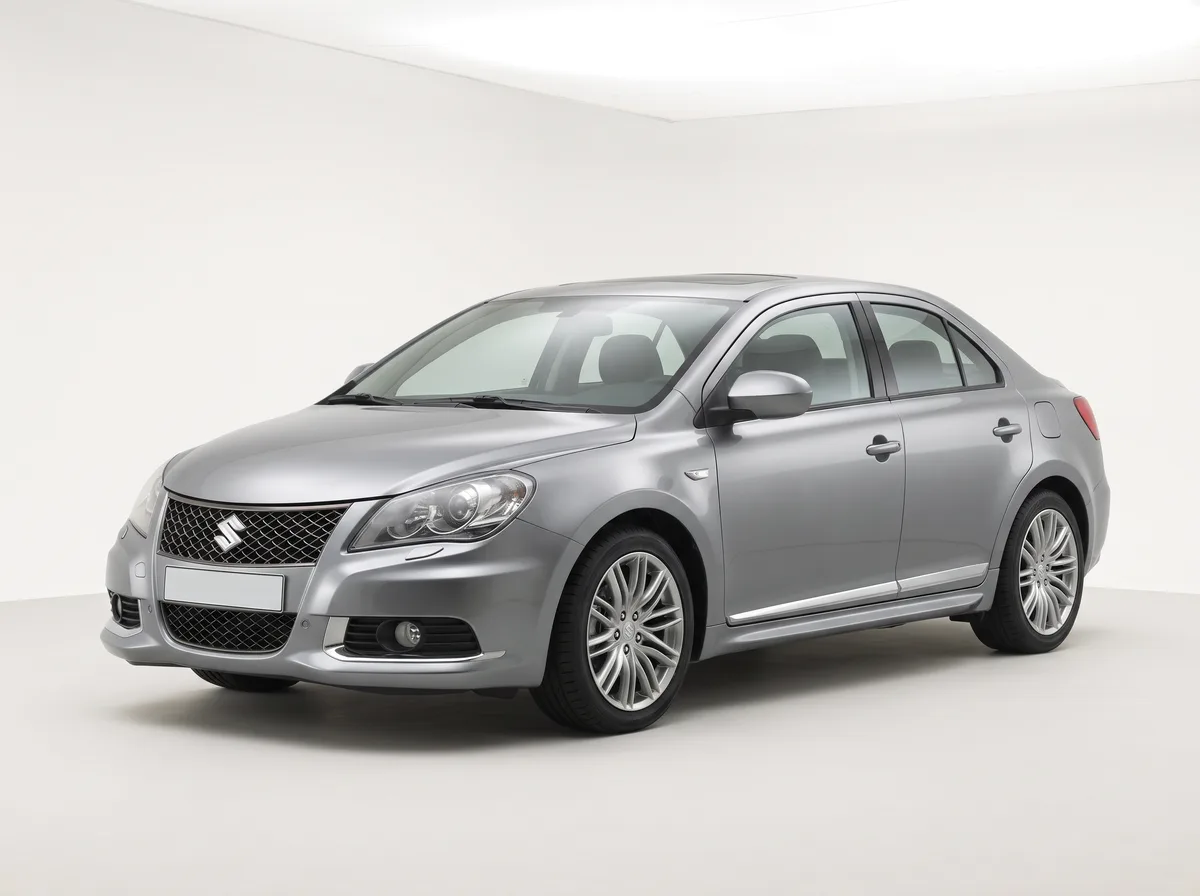
Suzuki Kizashi
sedan
Exhaust for a Suzuki — read this before you order
Strip away the catalogue language and what you are actually choosing between here is whether the section that has failed can be replaced on its own or whether corrosion has already taken the neighbouring joints with it.
Suzuki's current local range is petrol, so exhaust work here is about catalytic converters and lambda sensors rather than the DPF systems that dominate the diesel marques. Cylinder count is the thing people get wrong: most of the range is a three- or four-cylinder with a single system, but the older Grand Vitara was also sold here as a V6, and a V6 is a different exhaust layout entirely from the manifolds back. The naturally aspirated and turbocharged Vitara derivatives differ from each other too, and the rear-drive Super Carry and Eeco are routed unlike anything else.
So we price exhaust against your specific car, not against a badge. Send through the derivative — on a Vitara whether it is the 1.6 or the 1.4 turbo, and on an older Grand Vitara whether it is a four-cylinder or a V6, and we will come back to you on what fits — whether yours is one of the small hatches, the SUVs, or one of the commercials , what it will cost, and how soon we can have it moving.
Exhaust, explained
Every Suzuki in the current South African range is a three or four cylinder petrol car, and the exhaust reflects that — one manifold, one downpipe, one catalytic converter, one silencer, one tailpipe. There is no factory dual system on anything sold here, so a twin-pipe rear section, an X-pipe or an H-pipe is an aftermarket choice rather than a replacement for something Suzuki fitted. Knowing that saves an owner a lot of time, because the system on a light hatchback is a simple line and every part of it is identifiable.
What ends an exhaust here is usually mechanical rather than chemical. These cars sit low and the mid-section runs close to the floor, so unmarked speed humps, rutted gravel and the sharp edge of a driveway lip take a toll on the resonator and the pipe joints long before rust does. Coastal cars then add corrosion at the flanges and hangers. The catalytic converter is a separate concern entirely, because the precious metals inside it make it a theft target — a converter can be cut out of a parked car in under two minutes. Send your registration details and VIN through the quote form for a match.
How you know exhaust are on the way out
Recognise any of that? Tell us the model and year and we will go and check what we can get hold of for you.
Before you order Suzuki exhaust
What decides which exhaust fits my Suzuki?
Suzuki's current local range is petrol, so exhaust work here is about catalytic converters and lambda sensors rather than the DPF systems that dominate the diesel marques. Cylinder count is the thing people get wrong: most of the range is a three- or four-cylinder with a single system, but the older Grand Vitara was also sold here as a V6, and a V6 is a different exhaust layout entirely from the manifolds back. The naturally aspirated and turbocharged Vitara derivatives differ from each other too, and the rear-drive Super Carry and Eeco are routed unlike anything else. In practice the decision in front of you is whether the section that has failed can be replaced on its own or whether corrosion has already taken the neighbouring joints with it.
What do you need from me to quote exhaust?
The derivative — on a Vitara whether it is the 1.6 or the 1.4 turbo, and on an older Grand Vitara whether it is a four-cylinder or a V6. With that we can usually confirm the right part quickly, and we'll tell you whether we're quoting new, aftermarket or good used rather than leaving you to guess.
Does any Suzuki in the range have a factory dual exhaust?
Not in the current South African line-up. These are small three and four cylinder engines with a single exhaust line from the manifold back. Twin tailpipes, crossover pipes and the like are aftermarket styling or performance parts, so if you are shopping for one you are in the modification market rather than replacing an original component.
Can I replace just the section that has failed?
Usually yes, and it is the sensible approach where the system is bolted together at flanges. Where the original is a single welded assembly, a workshop can cut and weld in a section instead of replacing the lot. What is worth checking first is the condition of the neighbouring sections, because replacing one rusted piece against another that will fail next month is false economy.
My catalytic converter was stolen. What are my options?
It is a known crime in South Africa because converters contain platinum, palladium and rhodium, and the cut takes very little time. The car will be loud, will run poorly and will fail emissions and roadworthy testing until it is replaced. A replacement converter needs to suit your engine and emissions specification, so give us the VIN and we will match the exact part rather than a generic universal unit.
Why does the exhaust rattle only over bumps?
Almost always a hanger. The rubber mounts that suspend the system perish and tear, letting the pipe swing and knock against the underbody or a heat shield. They are inexpensive parts, and replacing them early prevents the strain moving to the joints, which are not inexpensive.
Will a straight-through pipe instead of a catalytic converter save me money?
It is a false saving. The car will not pass a roadworthy inspection, the engine management will log permanent faults because the oxygen sensors are looking for a working converter, and the fuelling will not run correctly afterwards. Fitting the proper part for your engine specification is the cheaper route once you account for all of it.
More Suzuki parts
Internals and service parts for the small-capacity K-series and M-series petrol engines Suzuki sells here, plus the older J20A Vitara units
BrakesFriction parts, hydraulics and hardware for Suzuki braking systems — front discs with rear drums on most of the small hatches
SuspensionDamping, springs, arms and bushes for Suzuki models — struts up front on the hatches, live axles under the Jimny
ElectricalCharging, starting, ignition and control electrics for the Suzuki range
LightingExterior and cabin lighting for Suzuki models, from full headlamp units down to a single bulb
TransmissionGearboxes, clutches and driveline parts for Suzuki models — five-speed manuals and autos on the hatches, plus the Jimny transfer case and rear diff
CoolingRadiators, pumps, fans and hoses for Suzuki models — small engines in Highveld heat leave very little margin when cooling goes wrong
Fuel SystemPumps, injectors, rails and tank components for Suzuki petrol fuel systems
Supplied across South Africa
Pick your area to see how the part would reach you.
Struggling to identify the right exhaust?
The derivative — on a Vitara whether it is the 1.6 or the 1.4 turbo, and on an older Grand Vitara whether it is a four-cylinder or a V6 is all we need. We cross-reference it against what we can source and come back with what fits.