
Buy Fuel Pumps for Your Suzuki
Used, aftermarket and reconditioned parts. Not supplied by Suzuki Auto South Africa.
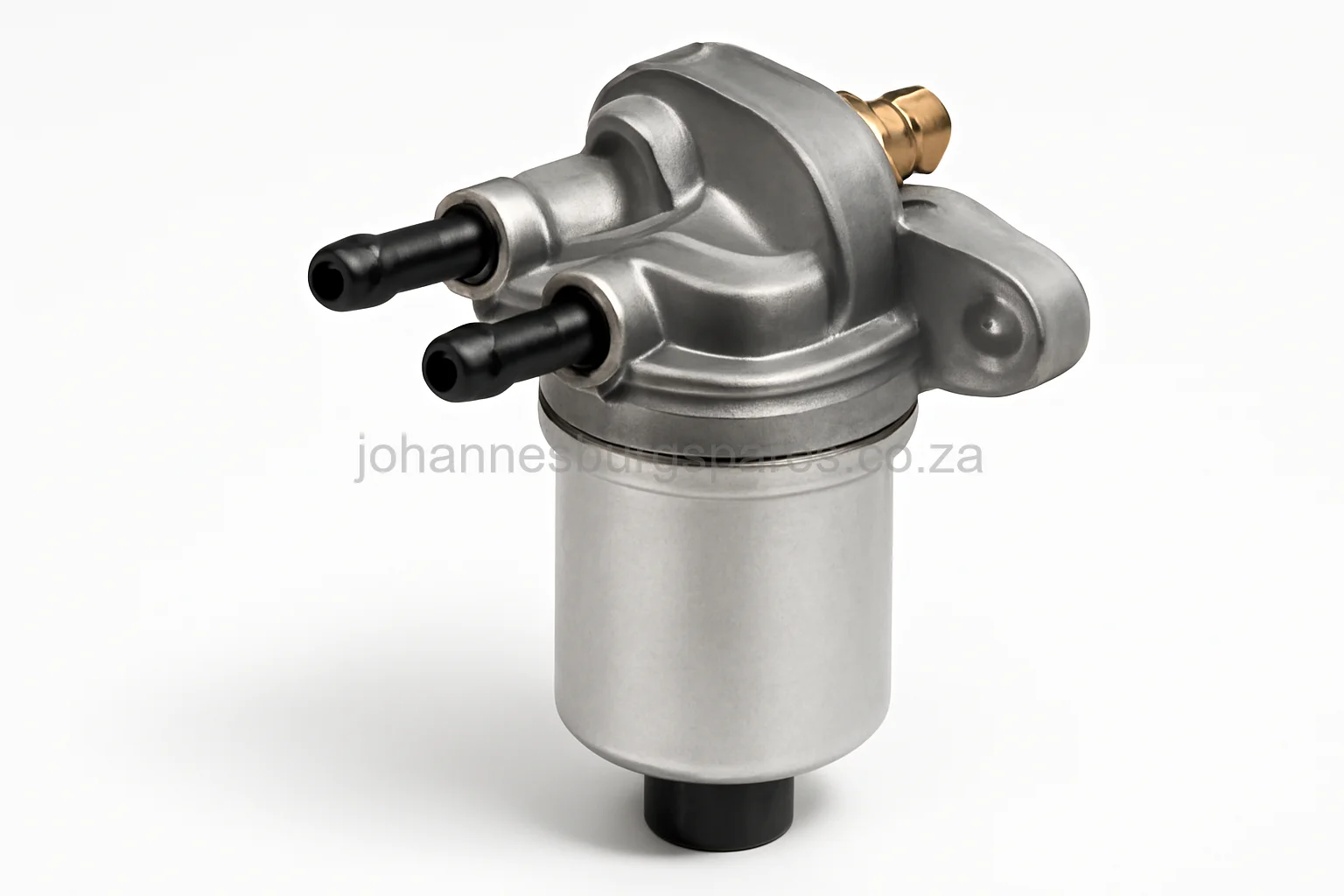
Part of our full range of Suzuki fuel system .
Suzuki Fuel Pumps by model
Pick your Suzuki and the next page will tell you exactly what we need to know before quoting.

Suzuki Swift
hatchback

Suzuki Jimny
suv

Suzuki Ertiga
mpv

Suzuki Vitara
crossover

Suzuki Grand Vitara
suv

Suzuki Baleno
hatchback

Suzuki Ignis
hatchback

Suzuki Dzire
sedan

Suzuki XL6
mpv

Suzuki Fronx
crossover

Suzuki Brezza
suv

Suzuki Ciaz
sedan

Suzuki SX4
crossover

Suzuki Celerio
hatchback

Suzuki Alto
hatchback

Suzuki S-Presso
hatchback

Suzuki Super Carry
commercial

Suzuki Eeco
van

Suzuki Kizashi
sedan
Choosing fuel pumps for a Suzuki without guessing
Strip away the catalogue language and what you are actually choosing between here is whether the symptom points at delivery, at injection or at a sensor telling the ECU the wrong story.
Everything in Suzuki's local range is petrol, but the injection hardware still splits sharply: the multipoint systems on the older M-series and K-series engines, the DualJet twin-injector heads on the later 1.0 and 1.5 units, and the direct-injected Boosterjet turbo in the 1.4 Vitara are three different propositions. The engine code is the only reliable way to tell which you are dealing with.
So we price fuel pumps against your specific car, not against a badge. Send through the engine code, which resolves it immediately, and any fuel-related fault code you already have, and we will come back to you on what fits , what it will cost, and how soon we can have it moving.
Fuel Pumps, explained
The pump sits inside the fuel tank, submerged in petrol, as part of a module that usually also carries the strainer, the level sender and often a pressure regulator. The first diagnostic step costs nothing: turn the ignition on without cranking and listen at the back of the car. You should hear the pump prime for a second or two. No prime at all narrows things down considerably, though it points at the relay, the fuse, the wiring and the earth just as readily as at the pump itself.
Two habits kill pumps early here. The first is running the tank almost empty as a routine — the petrol around the pump is what cools and lubricates it, and a pump that spends its life uncovered runs hot. That matters on long stretches between towns where people push their luck to reach the next filling station. The second is ignoring the fuel filter or strainer, because a starved pump works harder and dies sooner.
How you know fuel pumps are on the way out
Recognise any of that? Tell us the model and year and we will go and check what we can get hold of for you.
Before you order Suzuki fuel pumps
What decides which fuel pumps fits my Suzuki?
Everything in Suzuki's local range is petrol, but the injection hardware still splits sharply: the multipoint systems on the older M-series and K-series engines, the DualJet twin-injector heads on the later 1.0 and 1.5 units, and the direct-injected Boosterjet turbo in the 1.4 Vitara are three different propositions. The engine code is the only reliable way to tell which you are dealing with. In practice the decision in front of you is whether the symptom points at delivery, at injection or at a sensor telling the ECU the wrong story.
What do you need from me to quote fuel pumps?
The engine code, which resolves it immediately, and any fuel-related fault code you already have. With that we can usually confirm the right part quickly, and we'll tell you whether we're quoting new, aftermarket or good used rather than leaving you to guess.
How do I know it is really the pump?
Rule out the cheap things first. Check the fuel pump fuse and relay, check the earth at the tank, and have the fuel pressure measured at the rail with a gauge rather than inferred from symptoms. Plenty of pumps get replaced when the actual fault was a corroded connector on top of the tank or a relay that only fails when it is hot.
Do I have to buy the whole module?
It depends on how the assembly is built. On some the motor can be changed on its own inside the housing, and on others the sender, strainer and regulator are integrated in a way that makes the complete module the sensible buy. Ask which type yours is before ordering, because the two are priced and fitted very differently.
Does running the tank low really damage the pump?
Yes. The pump relies on being surrounded by fuel for cooling and lubrication, so habitually running down to the last bar means it spends a lot of its life running hot and uncovered. It also stirs up whatever sediment has settled at the bottom of the tank and feeds it straight to the strainer.
My fuel gauge reads wrong. Is that the same part?
Usually it is the level sender, which sits on the same module as the pump but is a separate component with its own failure mode. A worn sender track gives you a needle that sticks, jumps or reads empty with fuel still in the tank, while the pump carries on working perfectly.
Is a used fuel pump a reasonable buy?
It can be, but the details matter more than usual — the flow rate, the pressure rating, the connector and the physical shape of the module all have to match, and a pump from a car that stood for years with old petrol in the tank is a poor bet. Send us the VIN and we will match the exact assembly rather than something that merely bolts in.
Collection or courier
Where you are changes the handover, not the sourcing. Collection or courier is settled when we quote.
Struggling to identify the right fuel pumps?
The engine code, which resolves it immediately, and any fuel-related fault code you already have is all we need. We cross-reference it against what we can source and come back with what fits.