
Suzuki Fuel System — Across the SA Range
Used, aftermarket and reconditioned parts. Not supplied by Suzuki Auto South Africa.
Fuel System broken down
The engine code, which resolves it immediately, and any fuel-related fault code you already have settles most of these — pick the component and we'll confirm the rest.
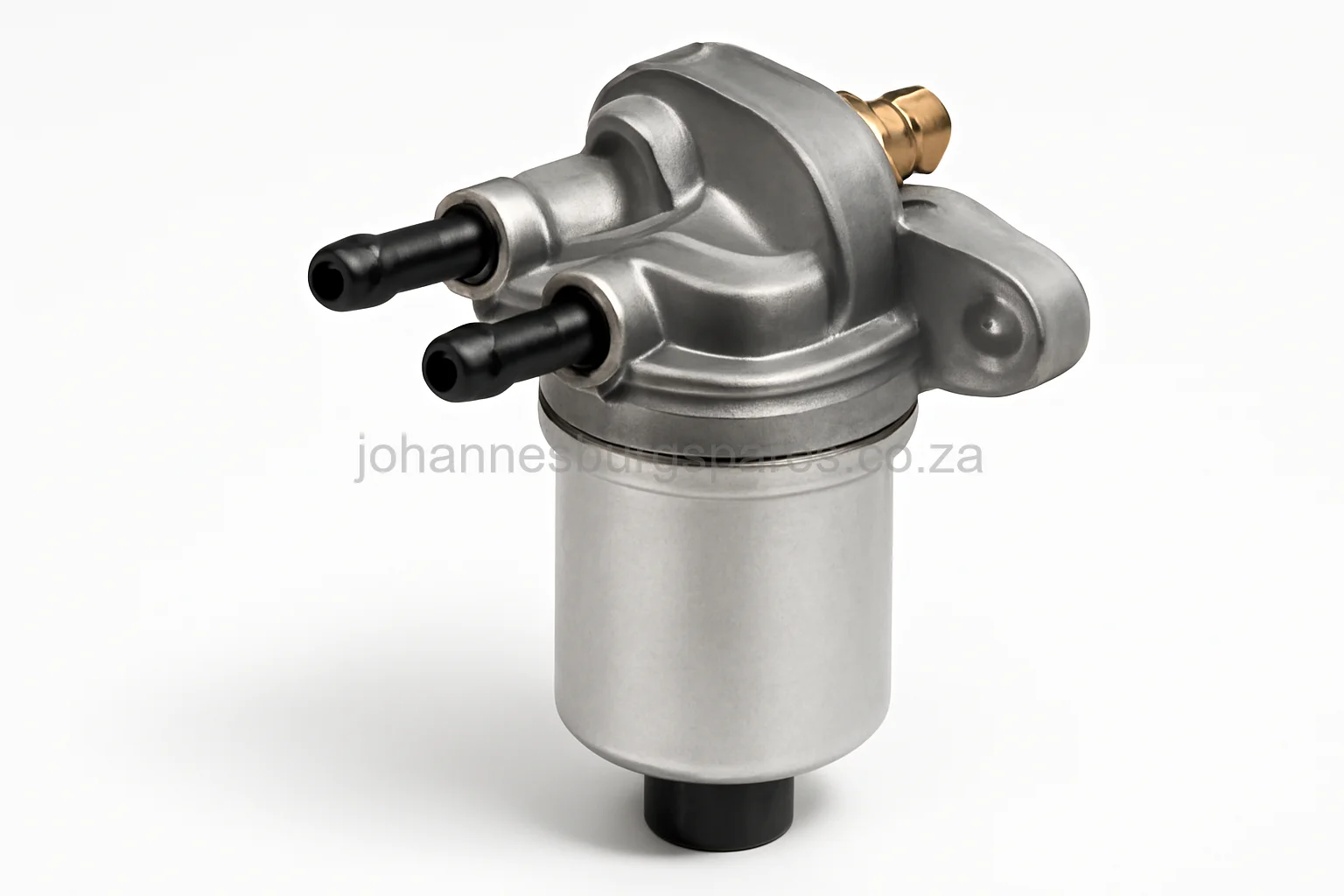
Fuel Pumps
In-tank pump modules, senders and strainers for Suzuki petrol models
View fuel pumps →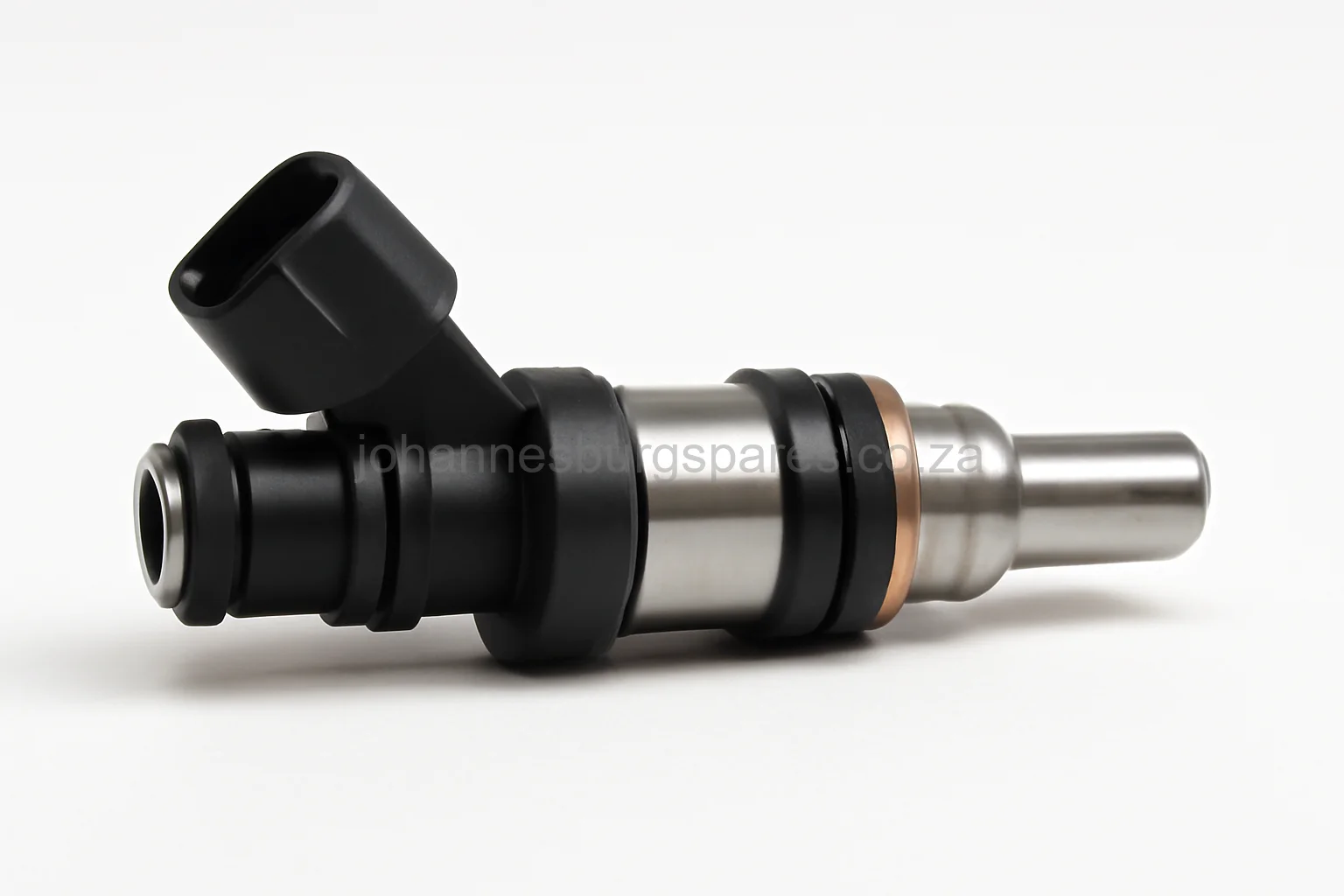
Fuel Injectors
Petrol injectors for Suzuki engines, port and direct injection, plus the seals that go with them
View fuel injectors →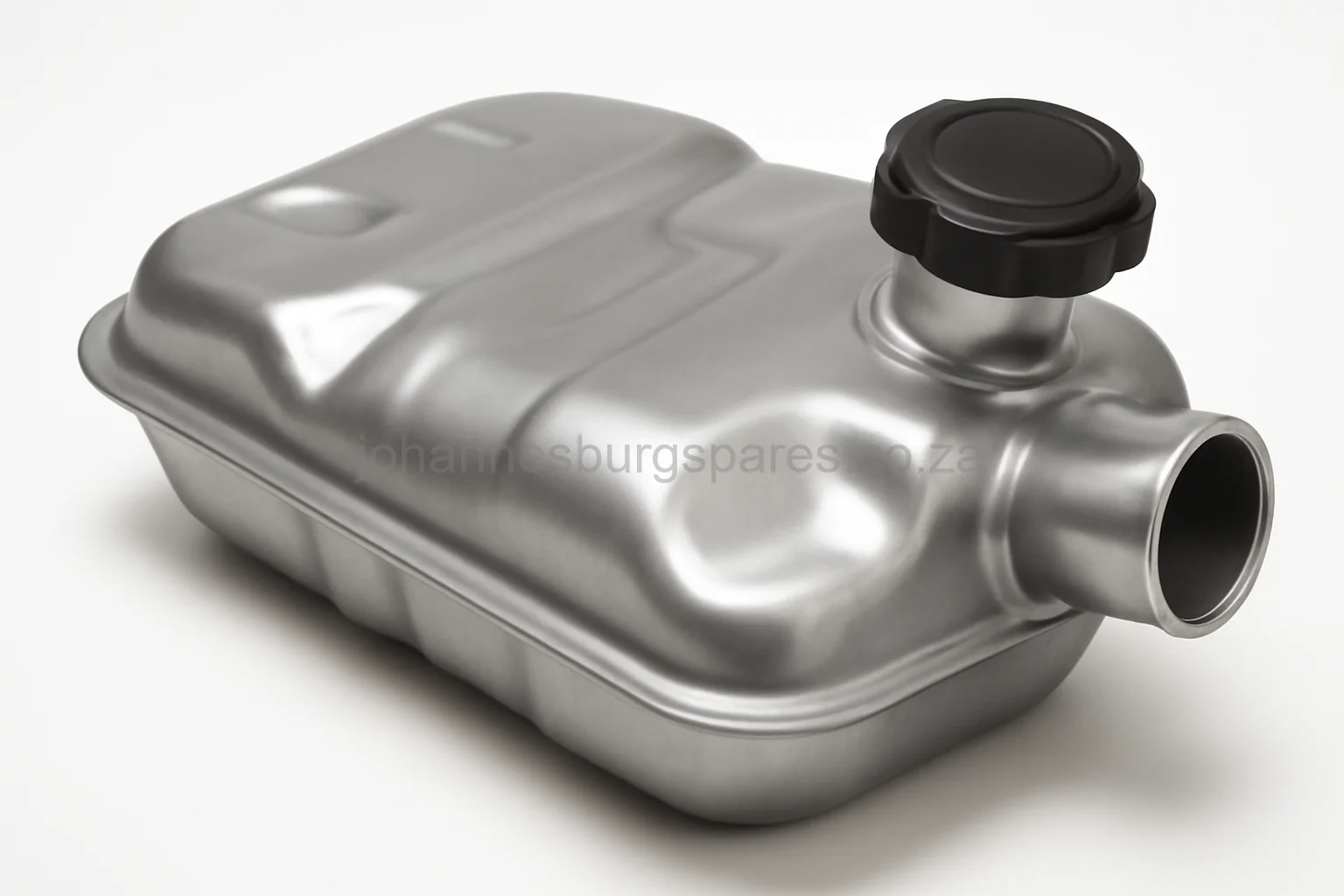
Fuel Tanks
Fuel tanks, filler necks, caps and straps for Suzuki models
View fuel tanks →Which Suzuki are you sourcing for?
Start from the car — it's the faster route if you already know which Suzuki you're dealing with.

Suzuki Swift
hatchback

Suzuki Jimny
suv

Suzuki Ertiga
mpv

Suzuki Vitara
crossover

Suzuki Grand Vitara
suv

Suzuki Baleno
hatchback

Suzuki Ignis
hatchback

Suzuki Dzire
sedan

Suzuki XL6
mpv

Suzuki Fronx
crossover

Suzuki Brezza
suv

Suzuki Ciaz
sedan

Suzuki SX4
crossover

Suzuki Celerio
hatchback

Suzuki Alto
hatchback

Suzuki S-Presso
hatchback
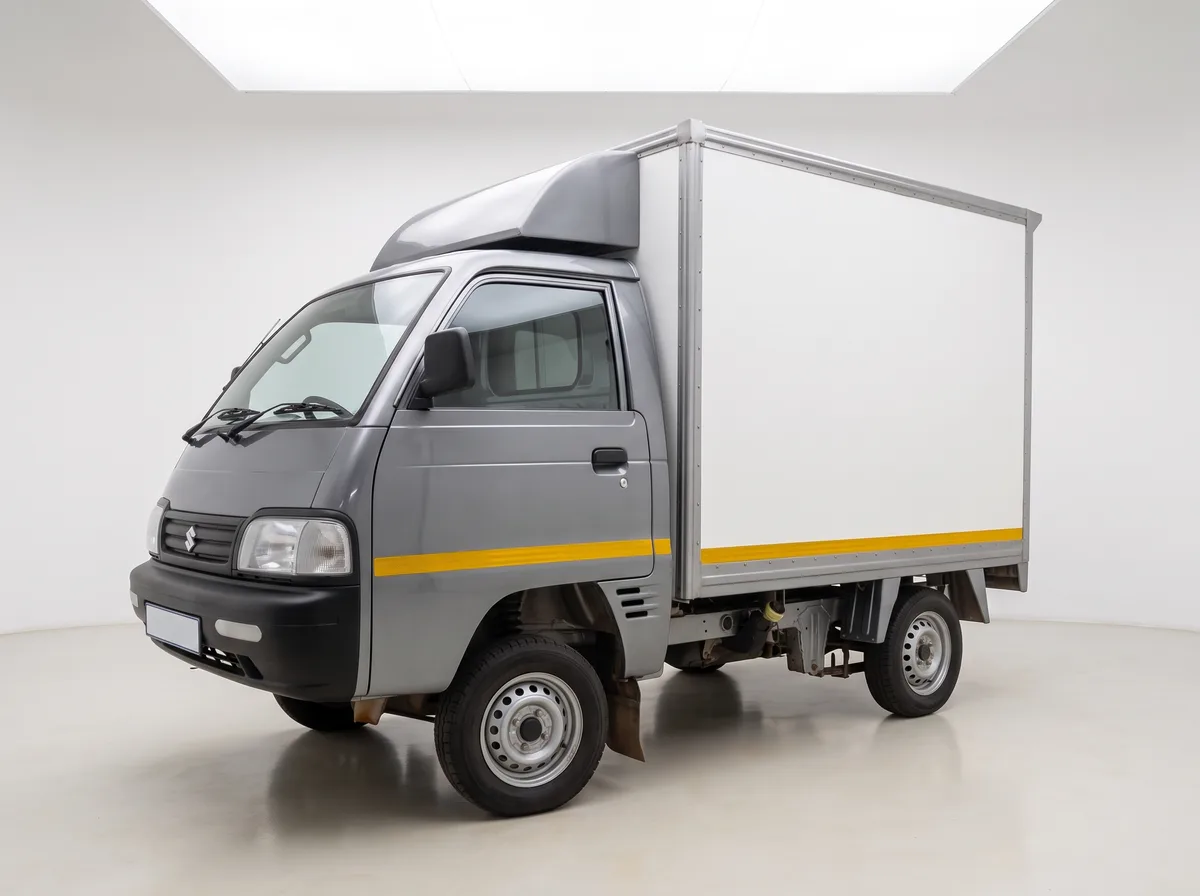
Suzuki Super Carry
commercial

Suzuki Eeco
van

Suzuki Kizashi
sedan
Fuel System for a Suzuki — read this before you order
- What you are really deciding
- Whether the symptom points at delivery, at injection or at a sensor telling the ECU the wrong story.
- Where Suzuki differs
- Everything in Suzuki's local range is petrol, but the injection hardware still splits sharply: the multipoint systems on the older M-series and K-series engines, the DualJet twin-injector heads on the later 1.0 and 1.5 units, and the direct-injected Boosterjet turbo in the 1.4 Vitara are three different propositions. The engine code is the only reliable way to tell which you are dealing with.
- Where the car was built
- Something worth knowing about this marque in particular: a large share of the Suzuki range sold in South Africa is built by Maruti Suzuki in India, while the Jimny comes out of Japan. Cars that look the same on the road can therefore sit on different supply chains, which is one reason we would rather check than assume.
- What to send us
- The engine code, which resolves it immediately, and any fuel-related fault code you already have. With that in front of us we can normally settle the right fuel system without a back-and-forth.
Fuel System, explained
Fuel quality is not uniform across this country, and the fuel system is where that shows. A busy metro forecourt turns its underground tanks over constantly, so what goes into your Suzuki is fresh and the sediment at the bottom of the tank is rarely disturbed. A quiet rural pump that sells a fraction of that volume is a different proposition, and so is a farm bowser or a jerry can that has been standing in a shed. Water and fine sediment are what do the damage — they chew at the in-tank pump strainer, wear the pump internals, and eventually reach injector screens and needle seats where microscopic debris is enough to spoil the spray pattern.
There is an octane point too. Inland forecourts sell 93 because thinner Highveld air lowers cylinder pressure, while at the coast the denser air means 95 is the standard grade. Both are fine in a naturally aspirated Suzuki run on the grade its handbook calls for. What is not fine is habitually running the tank down to the last bar, because the pump sits in the fuel that cools it and the sediment lives at the bottom.
How you know fuel system are on the way out
Recognise any of that? Tell us the model and year and we will go and check what we can get hold of for you.
What customers ask about fuel system
What decides which fuel system fits my Suzuki?
Everything in Suzuki's local range is petrol, but the injection hardware still splits sharply: the multipoint systems on the older M-series and K-series engines, the DualJet twin-injector heads on the later 1.0 and 1.5 units, and the direct-injected Boosterjet turbo in the 1.4 Vitara are three different propositions. The engine code is the only reliable way to tell which you are dealing with. In practice the decision in front of you is whether the symptom points at delivery, at injection or at a sensor telling the ECU the wrong story.
What do you need from me to quote fuel system?
The engine code, which resolves it immediately, and any fuel-related fault code you already have. With that we can usually confirm the right part quickly, and we'll tell you whether we're quoting new, aftermarket or good used rather than leaving you to guess.
Should I use 93 or 95 in my Suzuki?
Use the grade the handbook specifies. Inland, 93 is the common grade because the thinner air at Highveld altitude means lower cylinder pressure and less tendency to knock. At the coast 93 generally is not sold, so 95 is what you get. Paying for a higher octane than a naturally aspirated engine can use does not buy extra power.
What actually kills a fuel pump?
Contamination and heat, in that order. Water and sediment act as an abrasive against precision internals, and a strainer that has clogged makes the pump work harder for less flow. Running the tank persistently near empty makes both worse, because the petrol surrounding the pump is what carries its heat away. When a pump is replaced, the tank should be cleaned out too or the new pump inherits the same problem.
Do injectors need cleaning or replacing?
Cleaning works when the deposits are on the tip and the injector is otherwise mechanically sound, which is the common case. It does not work when a needle seat has been worn or scored by debris, because the spray pattern will not come back. A proper flow and spray test on a bench tells you which situation you are in, and it is far cheaper than replacing a set on a guess.
I heard there was a fuel pump recall on the Jimny. Does mine need attention?
A fuel pump impeller recall was issued in some markets on early fourth-generation Jimnys, where the impeller material could swell over time and cause the pump to fail and the engine to stall. Whether the equivalent recall was ever issued in South Africa, and against which VIN ranges, we cannot confirm — so the right move is to have a Suzuki dealer check your VIN against their recall database rather than take anyone's word for it either way.
Can bad fuel damage anything beyond the pump?
It can reach the injectors, and a persistent misfire from poor injector spray dumps unburnt fuel into the exhaust, which is exactly what destroys a catalytic converter. That is why an obvious fuelling problem is worth attending to quickly rather than driving around with a flashing engine light.
Further reading on fuel system
Independent sources, not ours. Worth a look if you want the background before you enquire.
Looking for something else?
Internals and service parts for the small-capacity K-series and M-series petrol engines Suzuki sells here, plus the older J20A Vitara units
BrakesFriction parts, hydraulics and hardware for Suzuki braking systems — front discs with rear drums on most of the small hatches
SuspensionDamping, springs, arms and bushes for Suzuki models — struts up front on the hatches, live axles under the Jimny
ElectricalCharging, starting, ignition and control electrics for the Suzuki range
LightingExterior and cabin lighting for Suzuki models, from full headlamp units down to a single bulb
ExhaustManifolds, cats, pipework and silencers for Suzuki petrol models — a short system on the small hatches, longer on the Jimny and Ertiga
TransmissionGearboxes, clutches and driveline parts for Suzuki models — five-speed manuals and autos on the hatches, plus the Jimny transfer case and rear diff
CoolingRadiators, pumps, fans and hoses for Suzuki models — small engines in Highveld heat leave very little margin when cooling goes wrong
Areas we cover
Areas we send fuel system to.
Send the VIN — we'll find the fuel system
The engine code, which resolves it immediately, and any fuel-related fault code you already have is all we need. We cross-reference it against what we can source and come back with what fits.