
Suzuki Fuses, Matched Before It Ships
Used, aftermarket and reconditioned parts. Not supplied by Suzuki Auto South Africa.
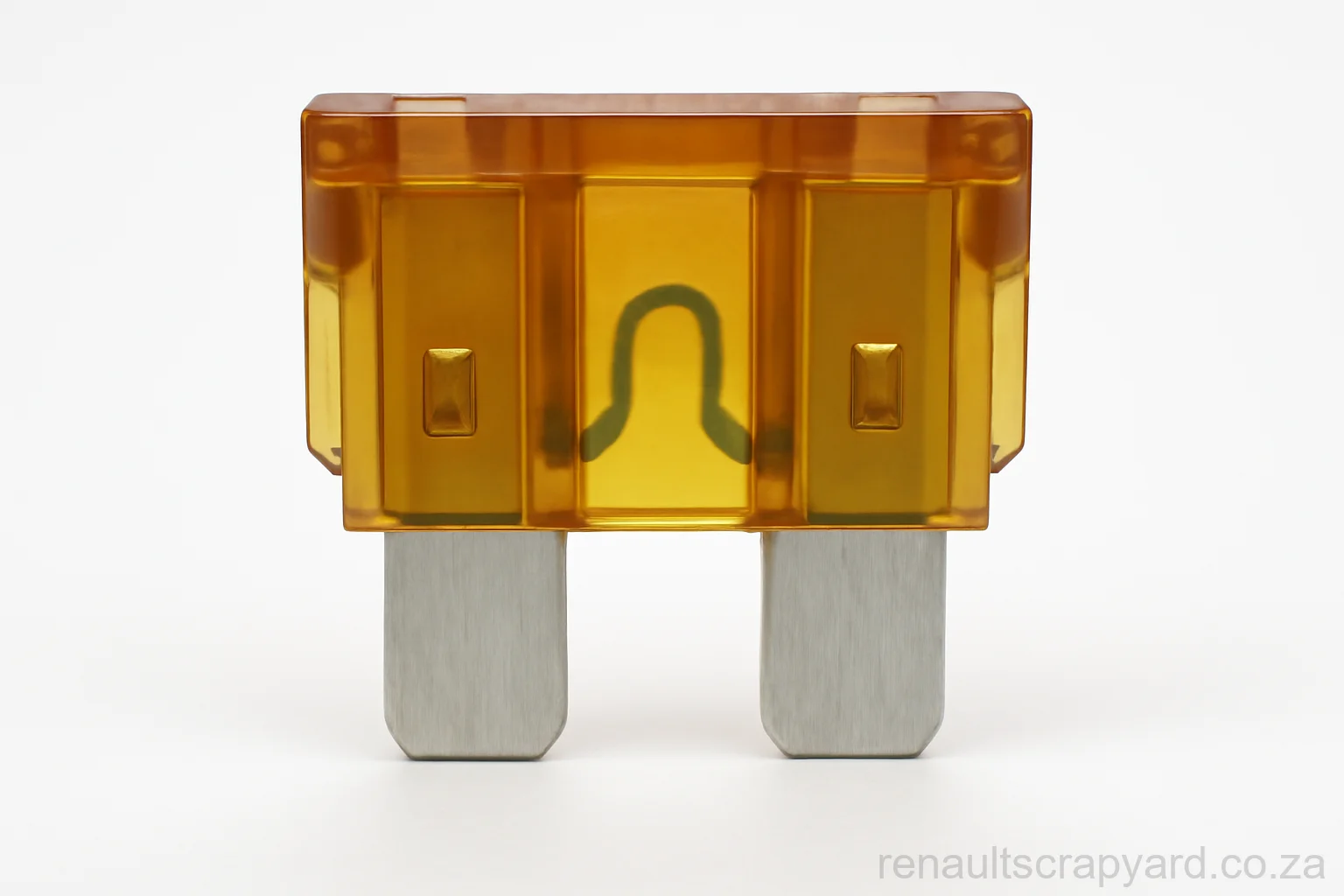
Part of our full range of Suzuki electrical .
Start from the car
Choose the model and we'll take fuses from there.
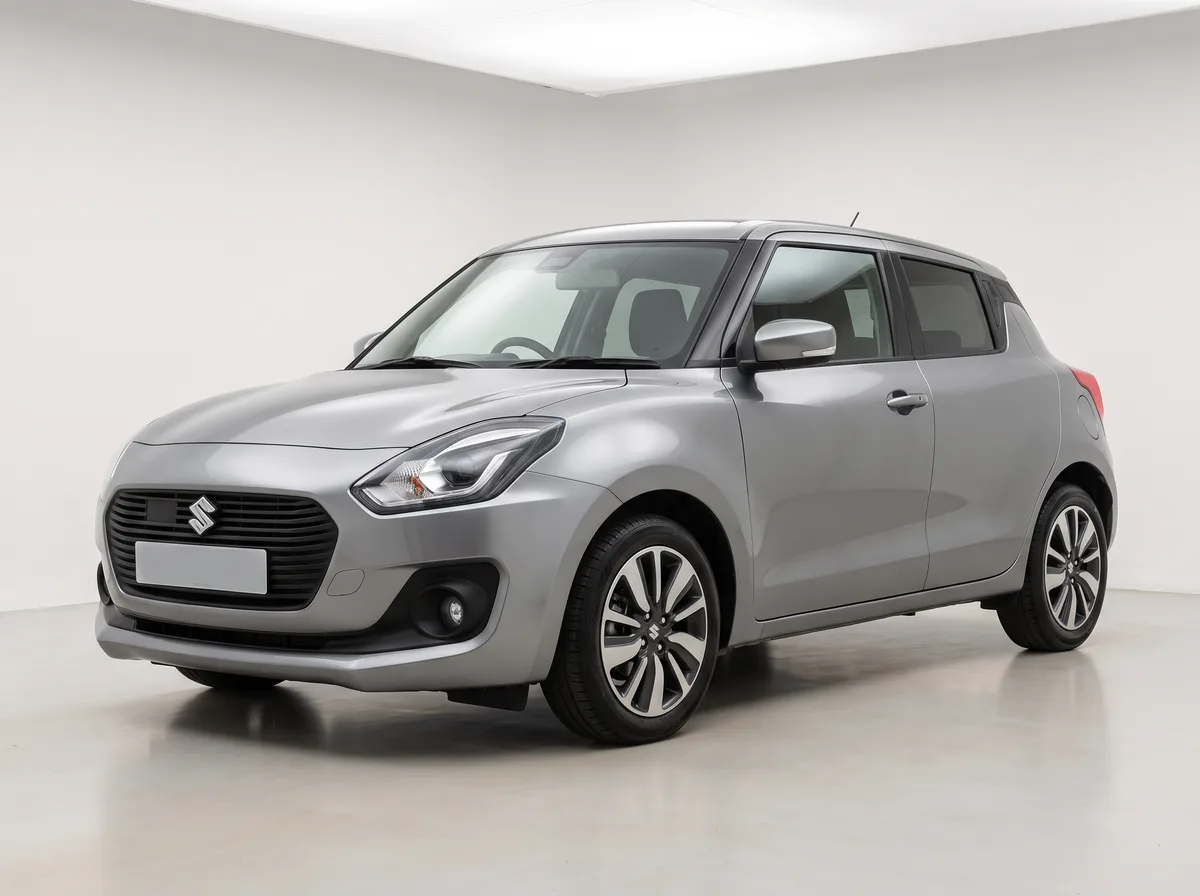
Suzuki Swift
hatchback
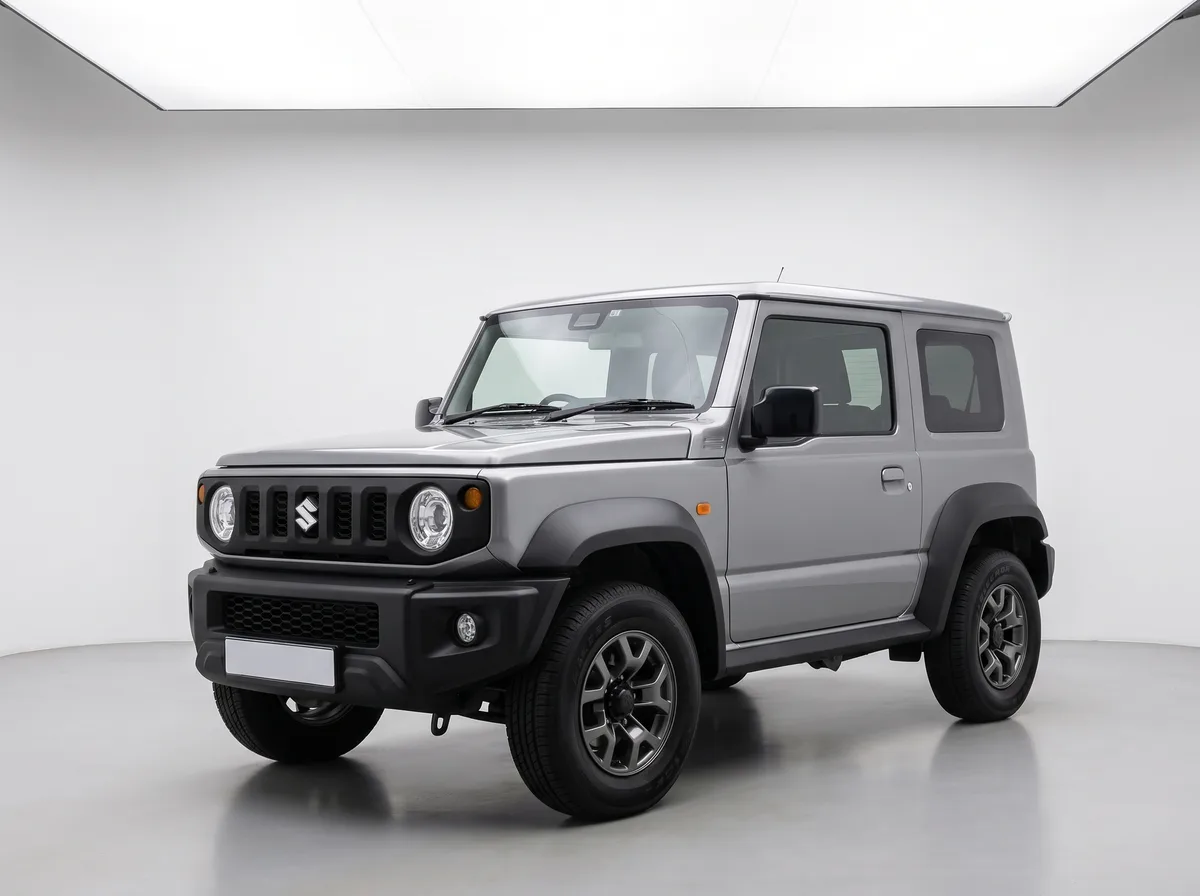
Suzuki Jimny
suv
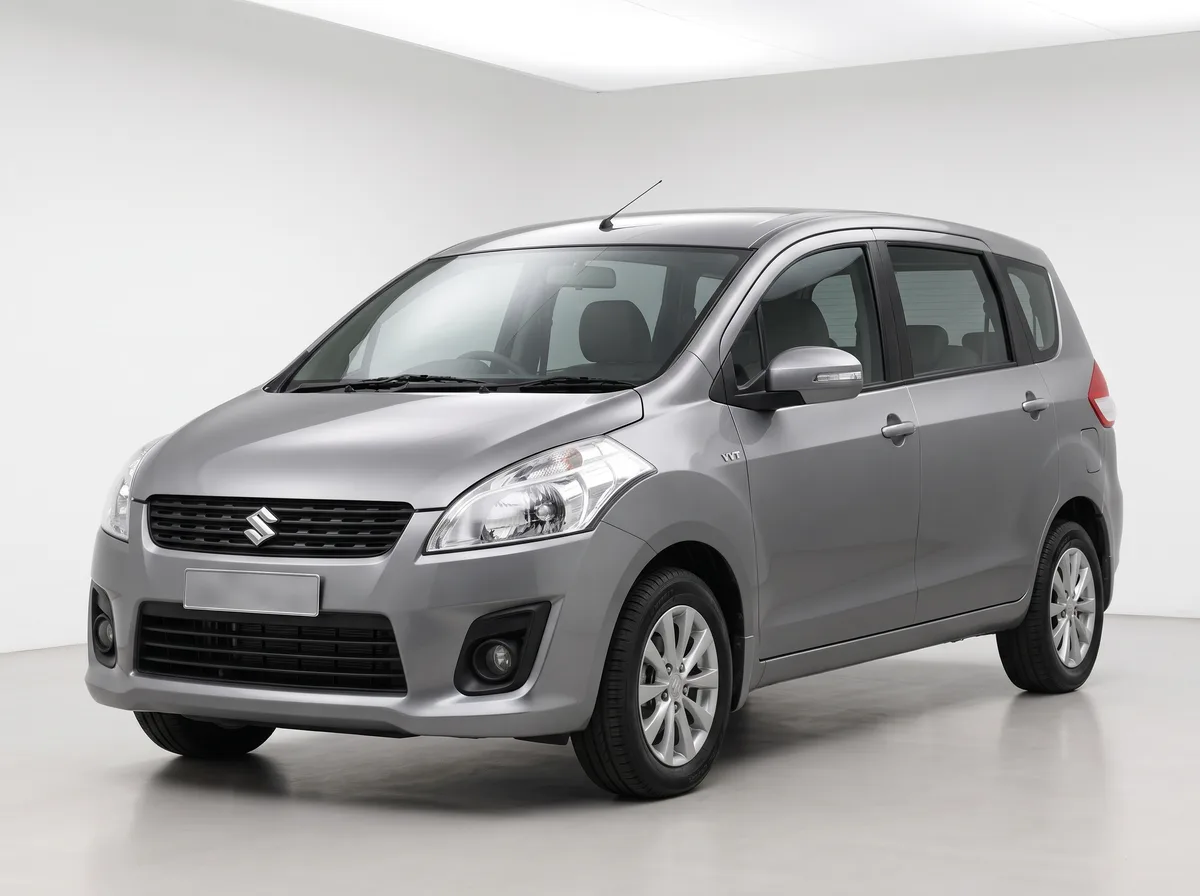
Suzuki Ertiga
mpv

Suzuki Vitara
crossover
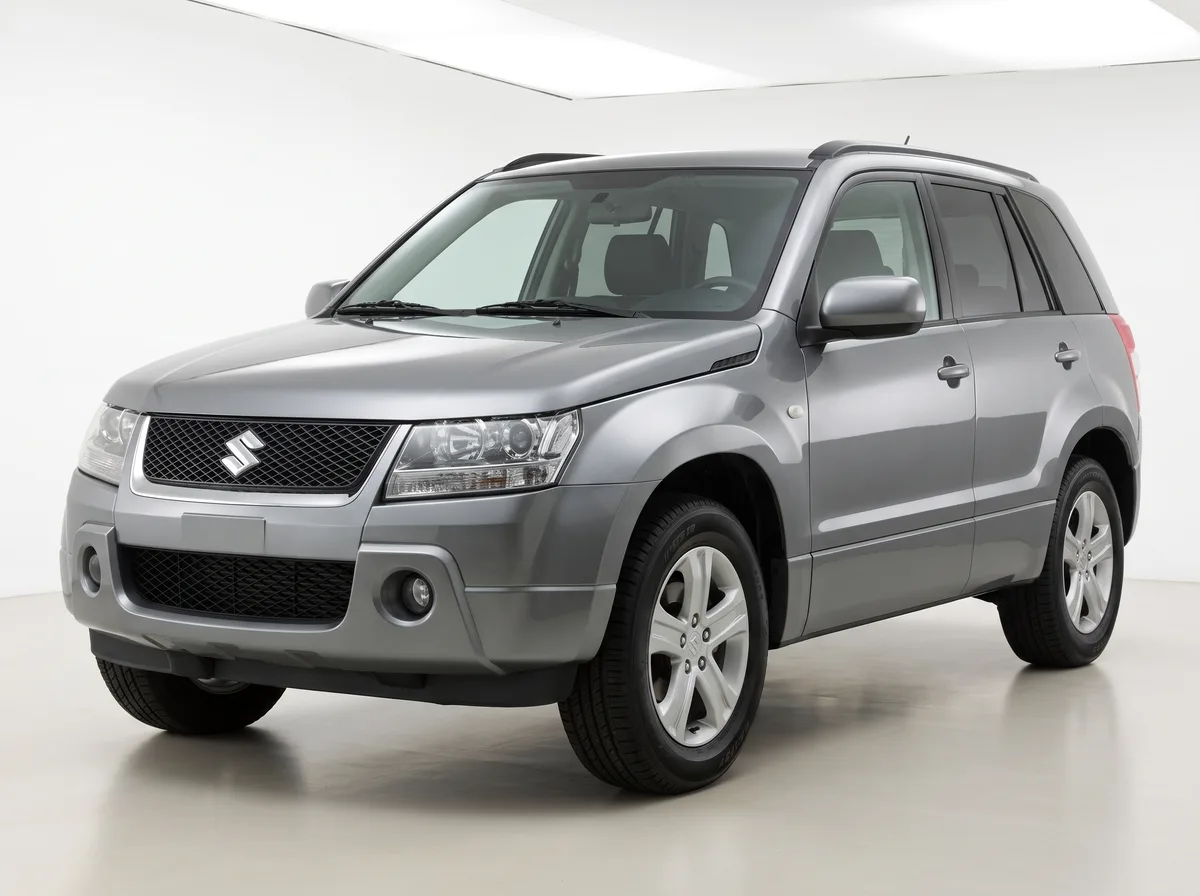
Suzuki Grand Vitara
suv
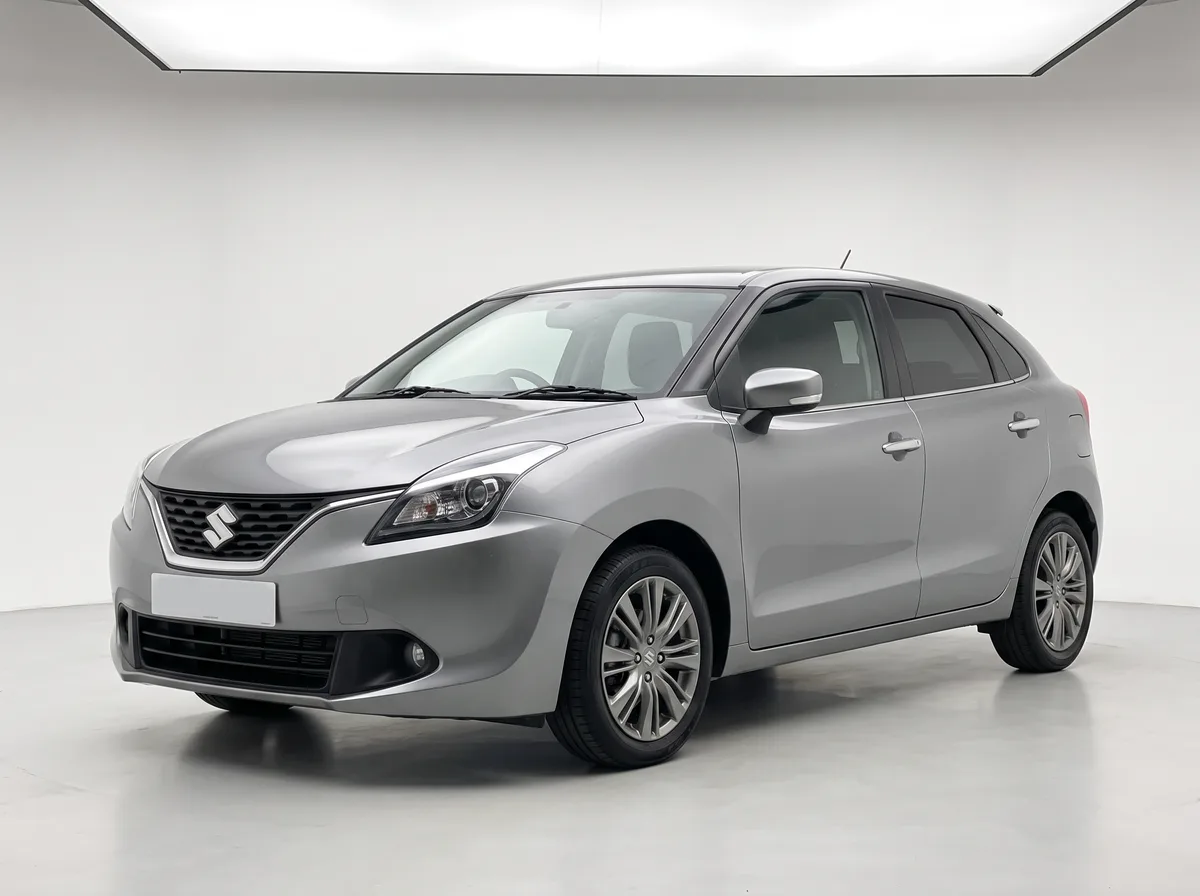
Suzuki Baleno
hatchback
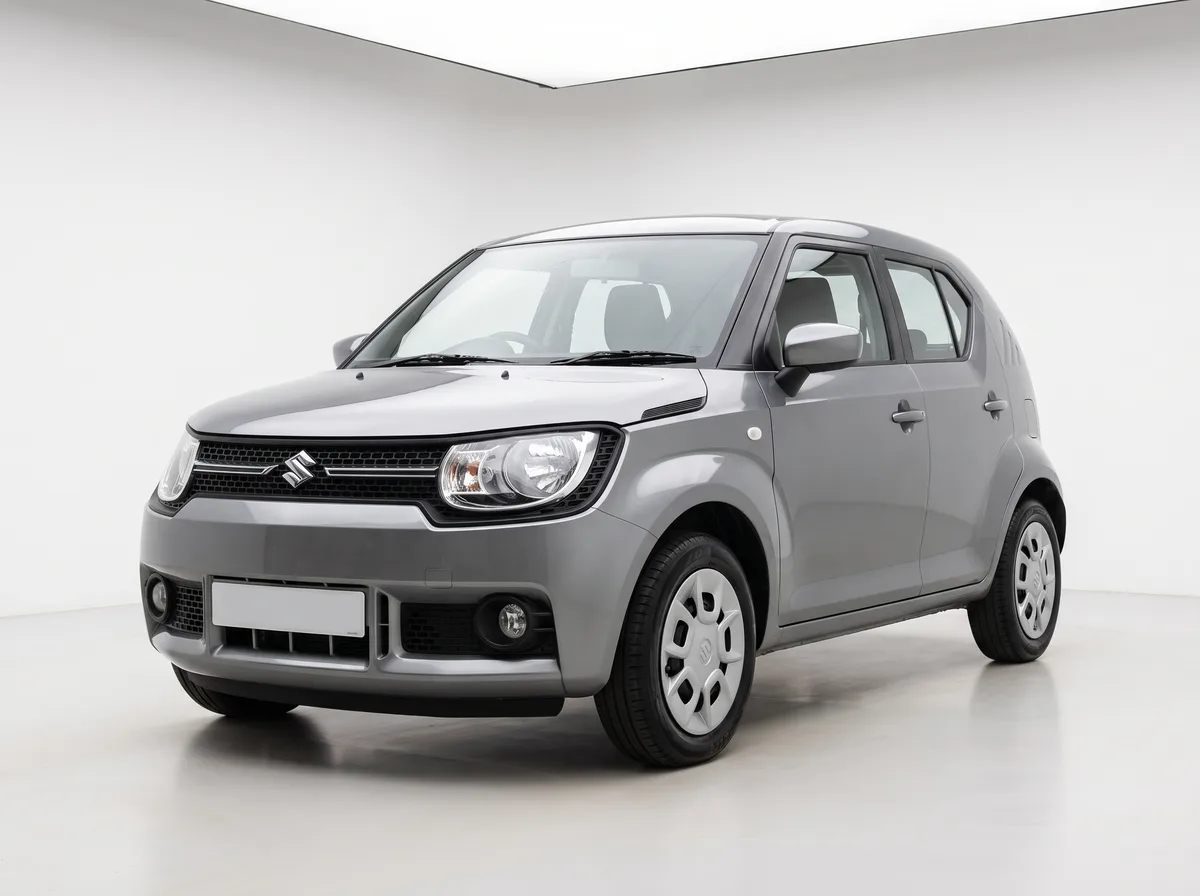
Suzuki Ignis
hatchback
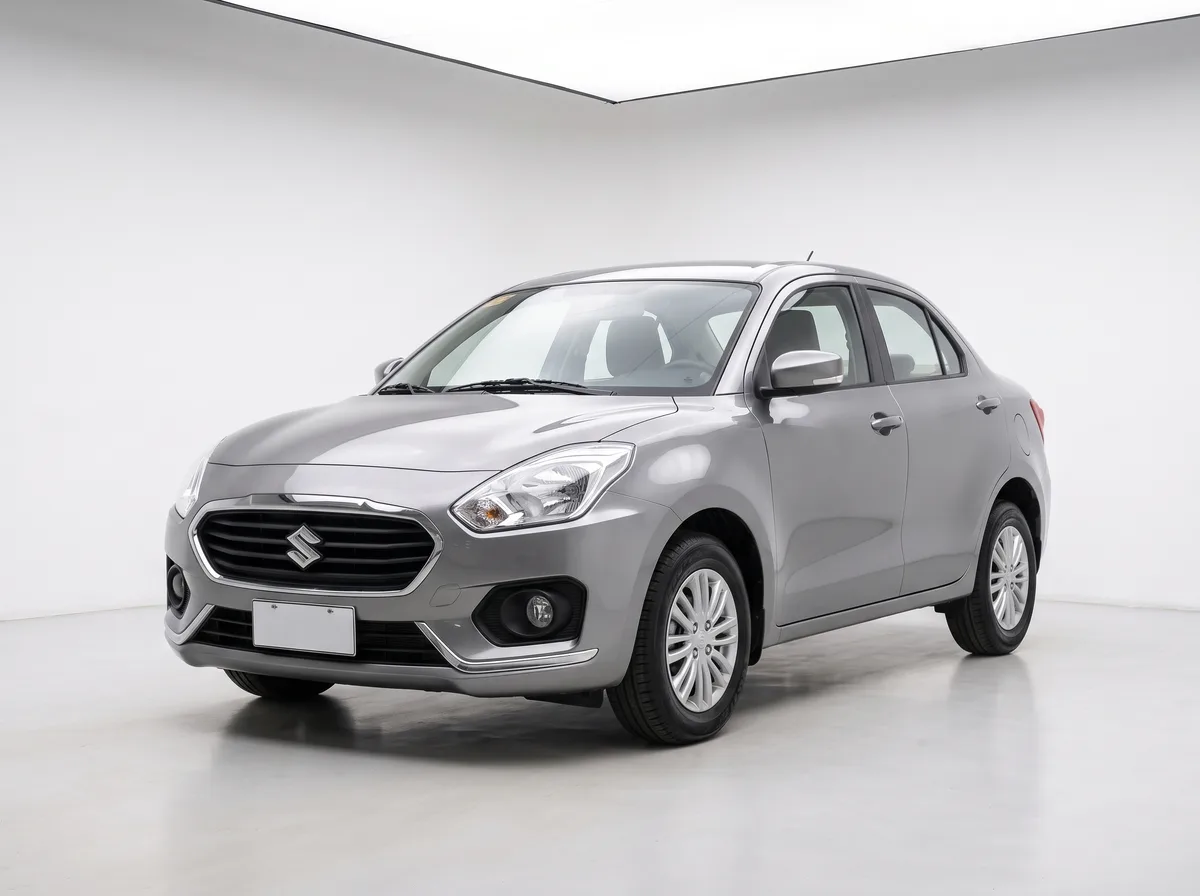
Suzuki Dzire
sedan
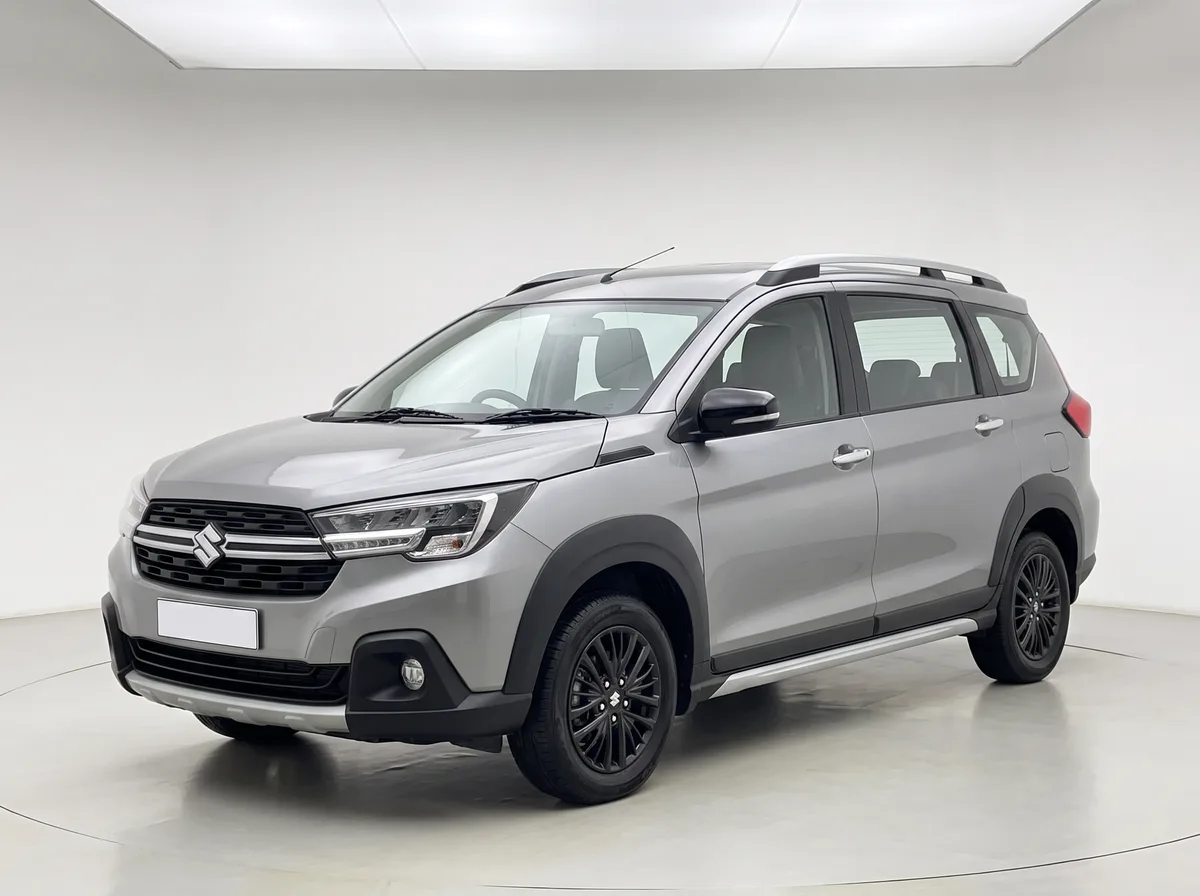
Suzuki XL6
mpv
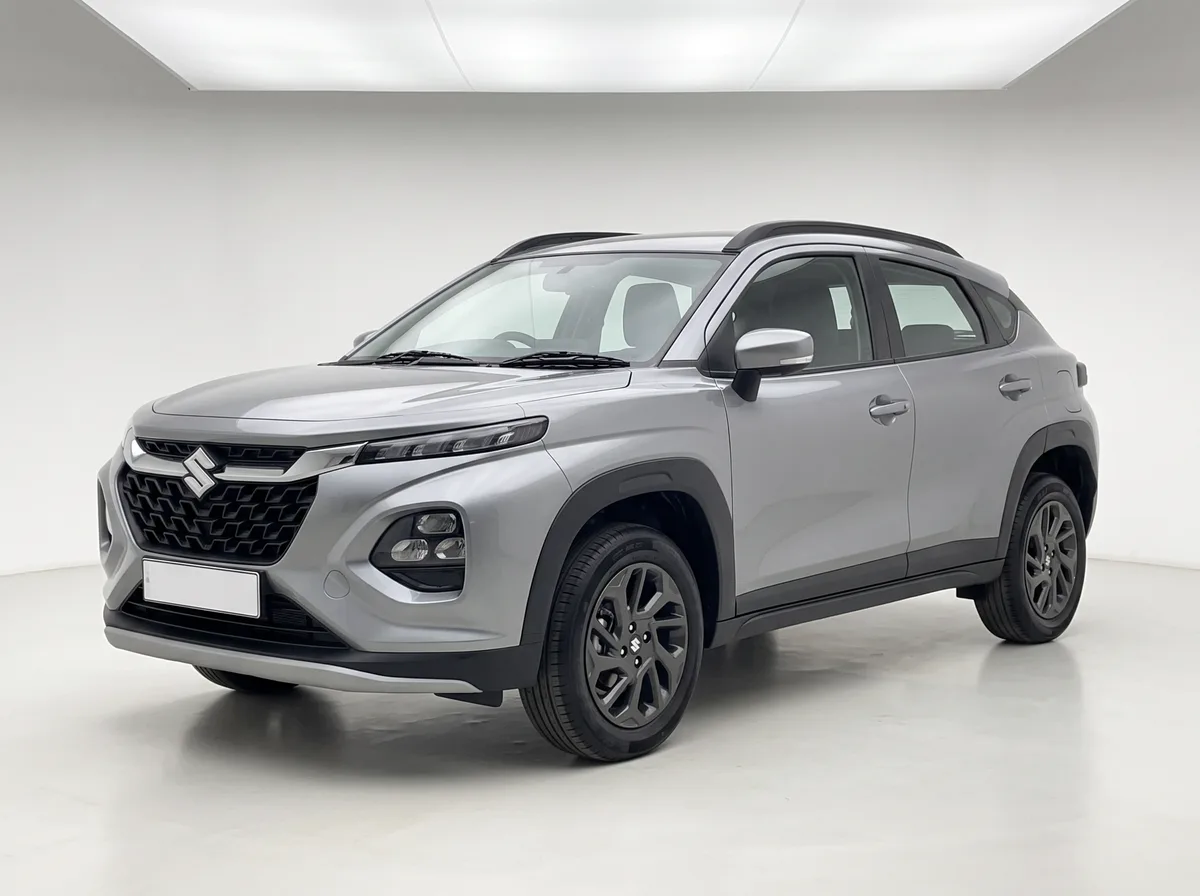
Suzuki Fronx
crossover

Suzuki Brezza
suv

Suzuki Ciaz
sedan
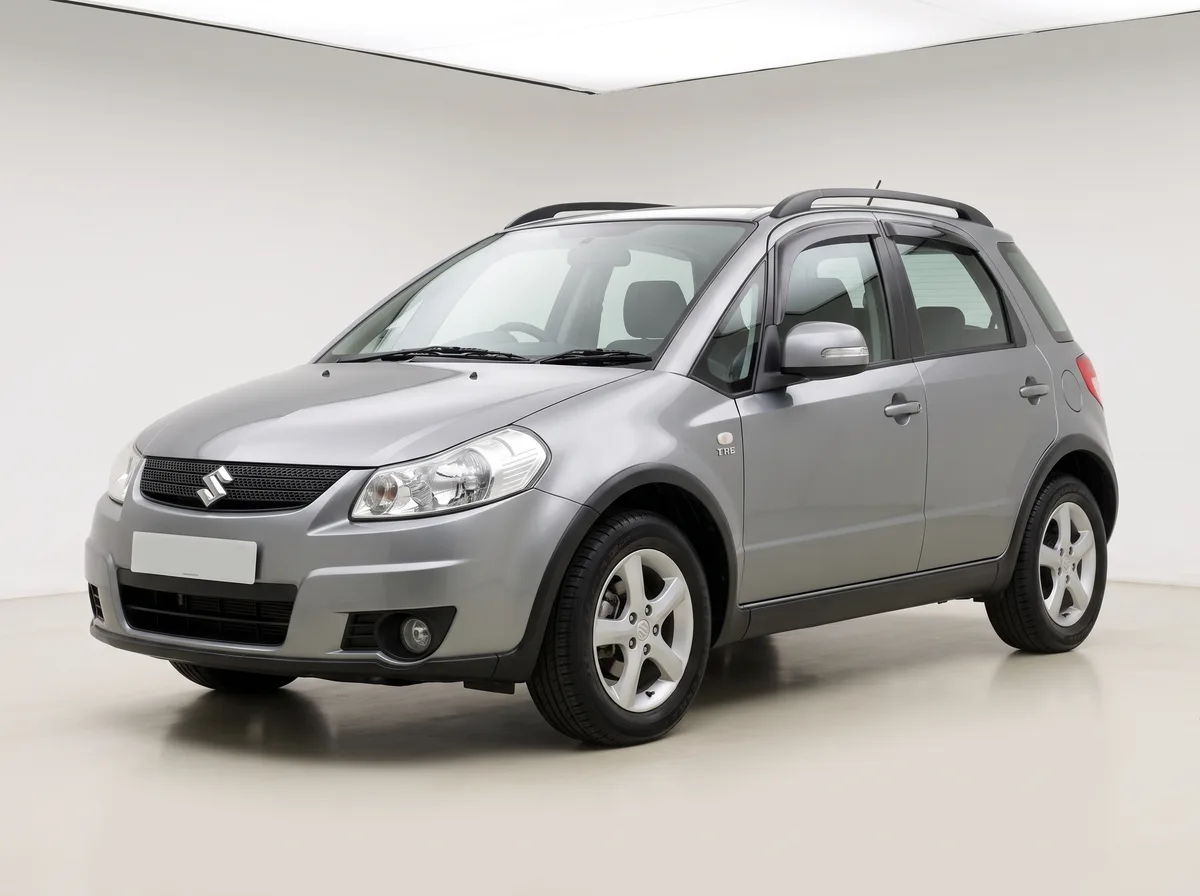
Suzuki SX4
crossover
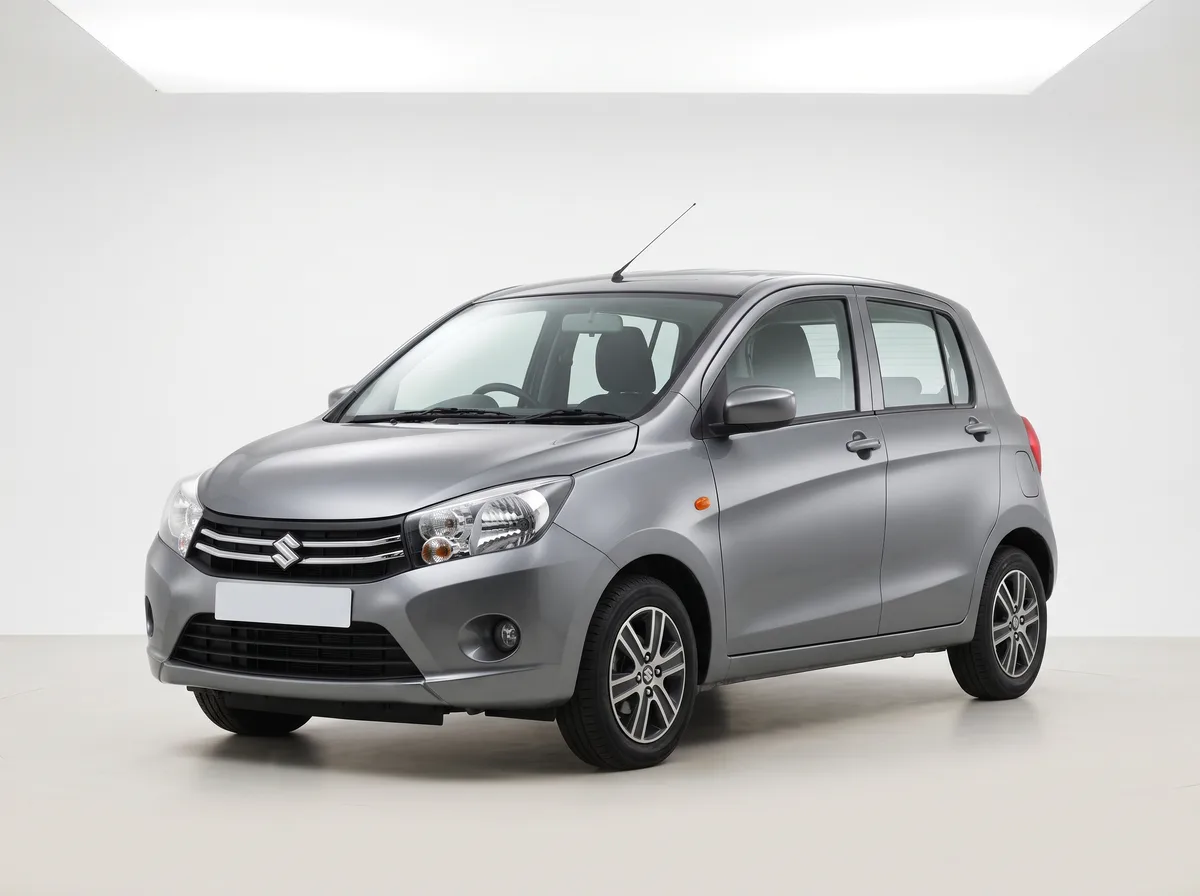
Suzuki Celerio
hatchback
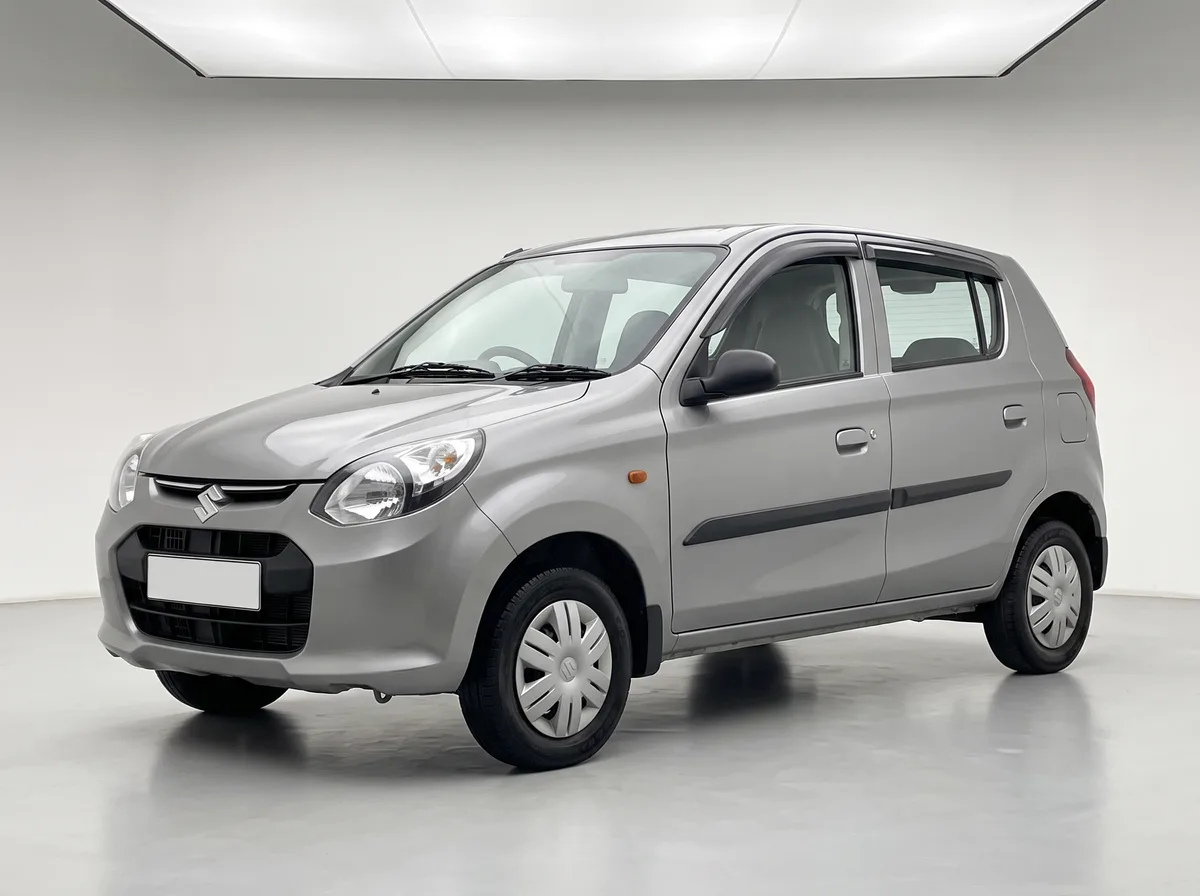
Suzuki Alto
hatchback
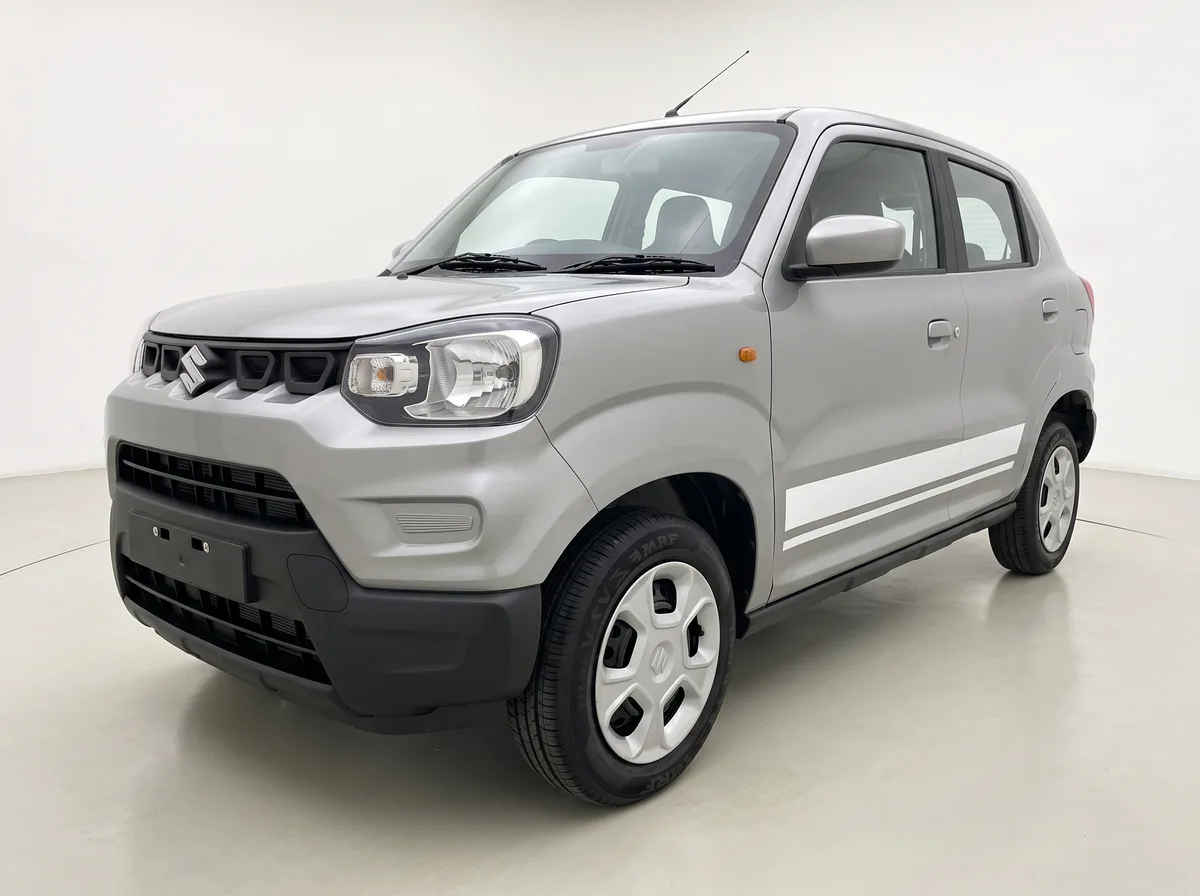
Suzuki S-Presso
hatchback
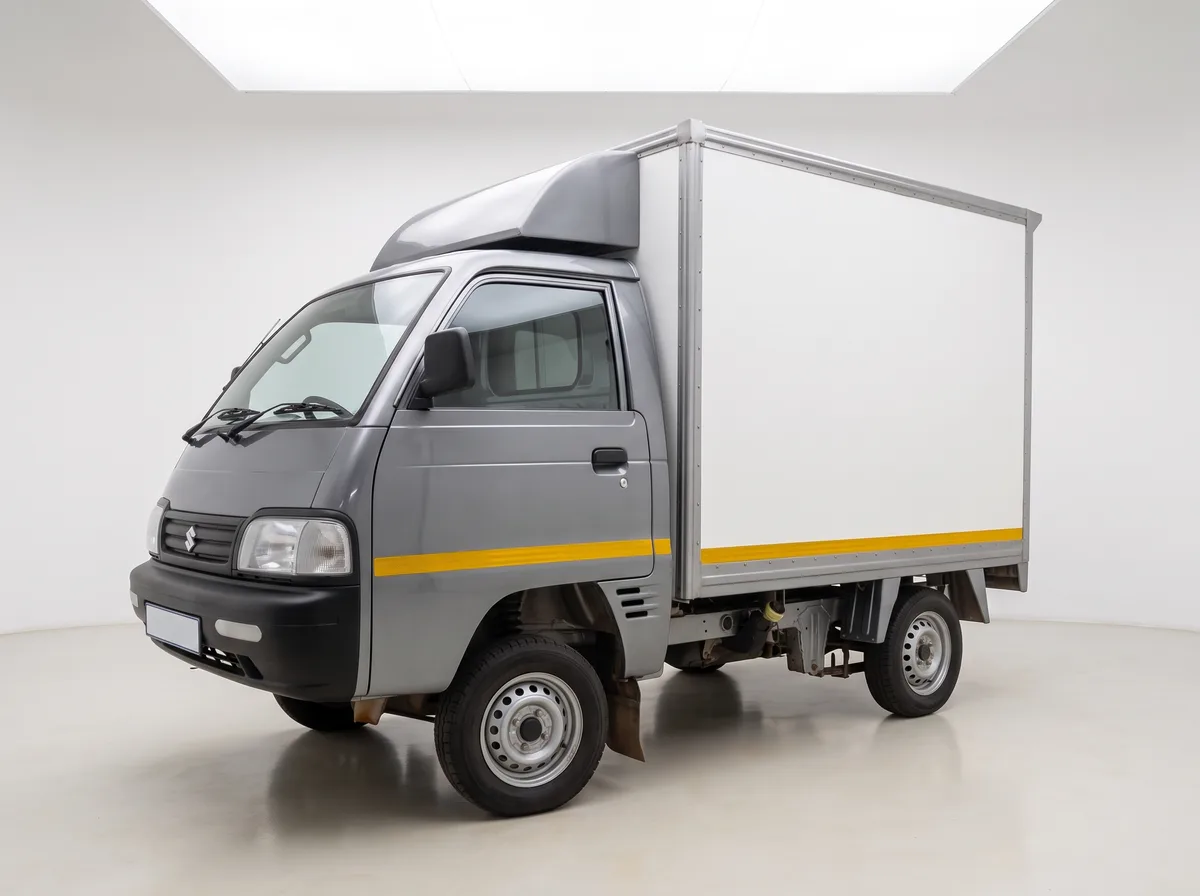
Suzuki Super Carry
commercial
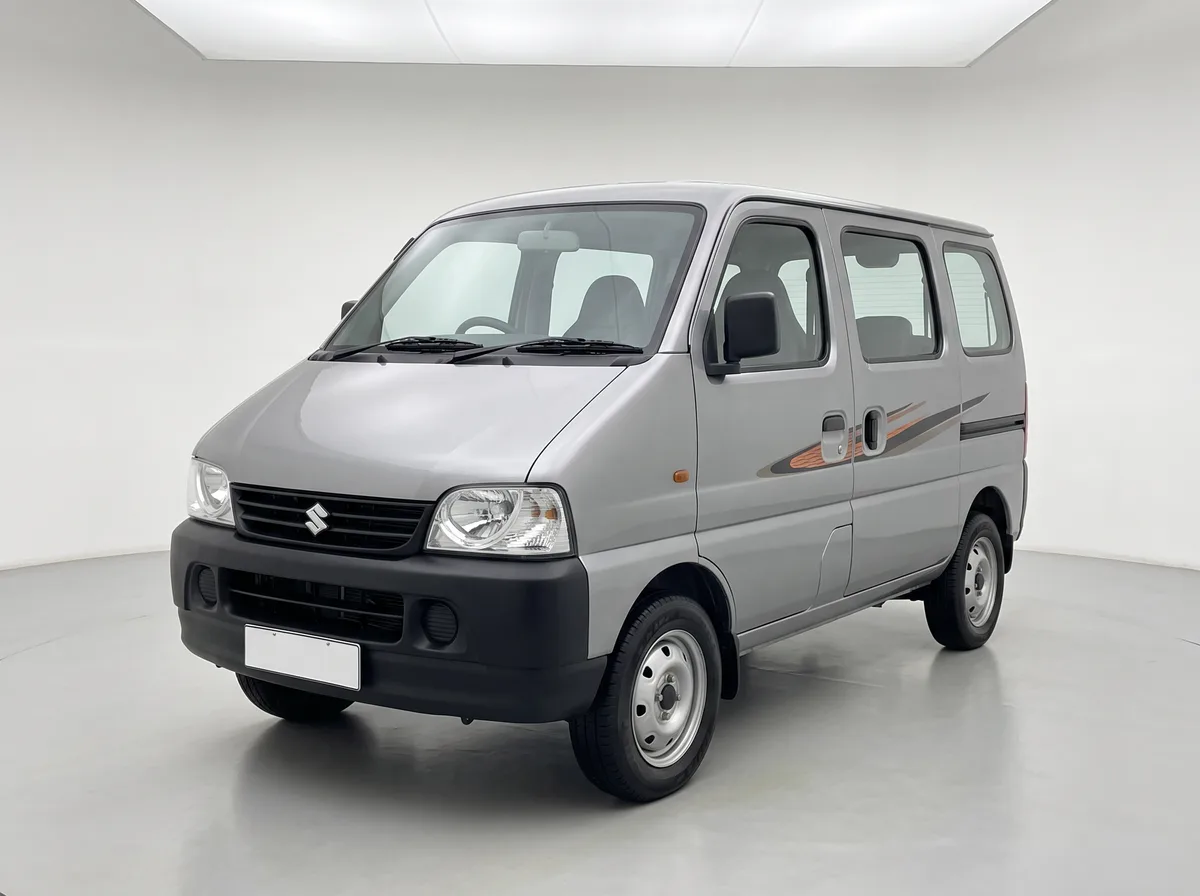
Suzuki Eeco
van
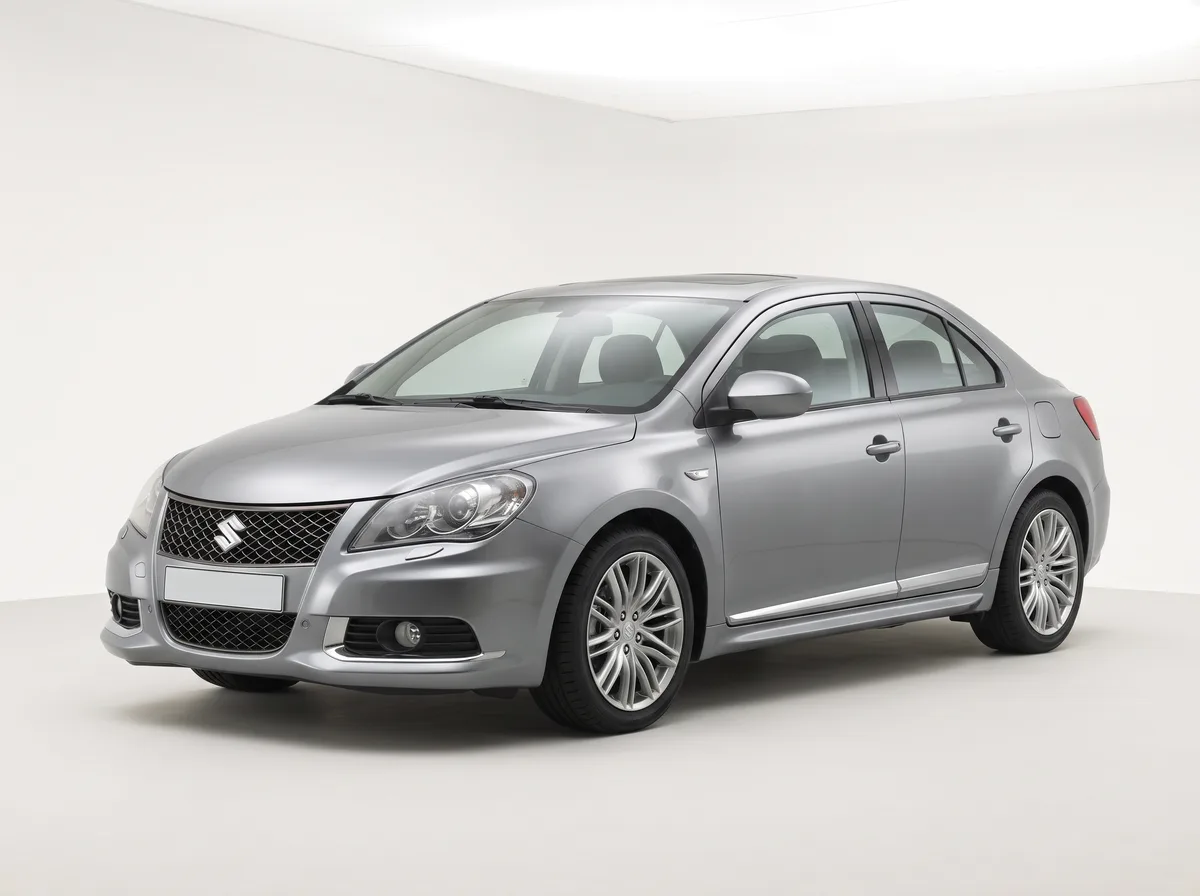
Suzuki Kizashi
sedan
Choosing fuses for a Suzuki without guessing
- What you are really deciding
- Whether the part itself has failed or something upstream of it has, because a replacement fitted to a bad circuit will fail in exactly the same way.
- Where Suzuki differs
- Suzuki's SA range spans cars built more than fifteen years apart, and the electrical architecture is where that gap shows most. An early Alto or SX4 is largely conventional wiring; the current Swift, Fronx and mild-hybrid Grand Vitara carry coded modules that expect to be matched and configured. Which end of that range your car sits at changes what "a working second-hand one" even means.
- Where the car was built
- Something worth knowing about this marque in particular: a large share of the Suzuki range sold in South Africa is built by Maruti Suzuki in India, while the Jimny comes out of Japan. Cars that look the same on the road can therefore sit on different supply chains, which is one reason we would rather check than assume.
- What to send us
- The year and derivative, plus any fault code the scanner has already produced. With that in front of us we can normally settle the right fuses without a back-and-forth.
Fuses, explained
A fuse is a deliberate weak point, sized to fail before the wiring behind it does. That makes a blown fuse a message rather than the fault. Fit one replacement and see what happens. If the new one goes straight away, something further down the circuit is shorting and the answer is never a bigger fuse.
How you know fuses are on the way out
Recognise any of that? Tell us the model and year and we will go and check what we can get hold of for you.
Suzuki Fuses — questions we get asked
What decides which fuses fits my Suzuki?
Suzuki's SA range spans cars built more than fifteen years apart, and the electrical architecture is where that gap shows most. An early Alto or SX4 is largely conventional wiring; the current Swift, Fronx and mild-hybrid Grand Vitara carry coded modules that expect to be matched and configured. Which end of that range your car sits at changes what "a working second-hand one" even means. In practice the decision in front of you is whether the part itself has failed or something upstream of it has, because a replacement fitted to a bad circuit will fail in exactly the same way.
What do you need from me to quote fuses?
The year and derivative, plus any fault code the scanner has already produced. With that we can usually confirm the right part quickly, and we'll tell you whether we're quoting new, aftermarket or good used rather than leaving you to guess.
Can I fit a higher-rated fuse so it stops blowing?
No, and this is the one rule not to bend. The rating is chosen to protect the thinnest wire on that circuit. Fit a larger fuse and the wire becomes the fuse, which means melted insulation inside a loom you cannot see and, in the worst case, a fire.
Where are the fuse boxes?
Most cars have one under the bonnet handling the heavy circuits and a second in the cabin near the driver footwell or behind a panel at the end of the dashboard. The layout diagram is normally printed on the underside of the lid, and the handbook lists what each position feeds.
Why are there different blade sizes?
Standard, mini and low-profile mini blades are all in common use and they are not interchangeable in the same holder. Colour tells you the rating, which is also stamped on the top. Keeping a small assortment of the right physical type in the car is more useful than carrying one spare.
Why do accessories cause so much fuse trouble?
Trackers, dash cameras, sound systems and tow bar electrics often get spliced into whatever convenient circuit was nearby rather than a properly fused feed of their own. The original fuse then protects more load than it was rated for, and it blows in a way that looks like a car fault. When a strange electrical problem starts, ask what was fitted last.
Are fusible links the same as ordinary fuses?
They are the high-current protection sitting close to the battery and the alternator output, usually bolted in rather than pushed in, and they cover whole sections of the loom at once. A blown main link kills far more than a single circuit. The rating and physical pattern have to be exact, so send the VIN through the quote form and we will match it.
Nearby on the car
Batteries in the sizes Suzuki models take, including the smaller cases the compact hatches use
AlternatorAlternators for Suzuki petrol engines, plus the regulator packs and pulleys that fail before the whole unit does
StarterStarter motors and solenoids for Suzuki petrol engines, including reconditioned exchange units
Ignition CoilsPencil coils and coil packs for Suzuki petrol engines, one of the most common causes of a cylinder misfire
RelaysRelays for Suzuki fuel pumps, cooling fans, headlights and starters
Wiring HarnessEngine and body looms, connectors and pigtails for Suzuki models — often the honest fix for chafed or rodent-damaged wiring
ECU/PCMEngine control units for Suzuki models, which are tied to the immobiliser and need coding rather than plugging straight in
SensorsCrank, cam, MAP, throttle position, knock and temperature sensors for Suzuki petrol engines
Supplied across South Africa
Areas we send fuses to.
Fuses for your Suzuki, matched before you pay
The year and derivative, plus any fault code the scanner has already produced is all we need. We cross-reference it against what we can source and come back with what fits.