
Buy Oxygen Sensors for Your Suzuki
Used, aftermarket and reconditioned parts. Not supplied by Suzuki Auto South Africa.
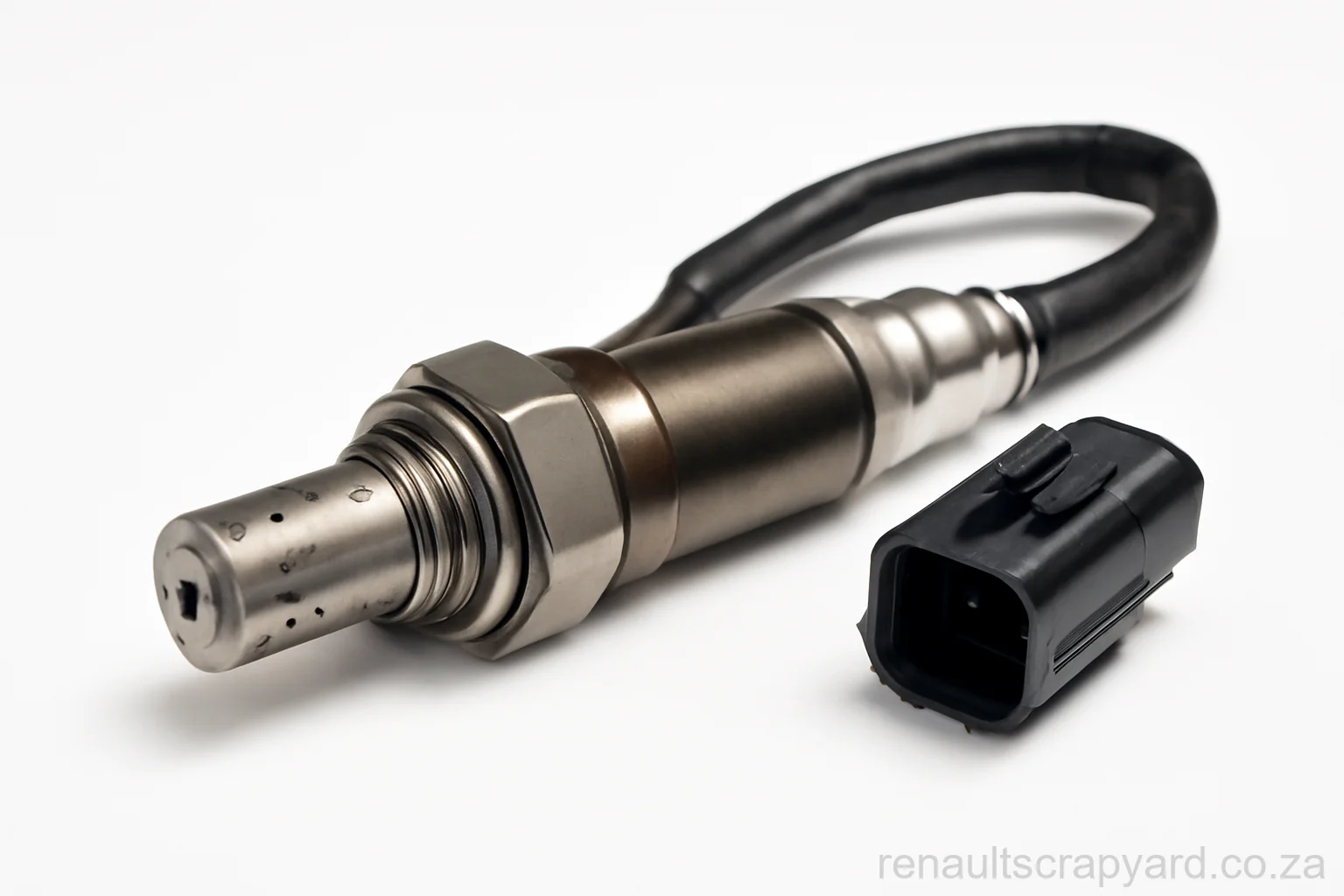
Part of our full range of Suzuki exhaust .
Start from the car
Start from the car — it's the faster route if you already know which Suzuki you're dealing with.

Suzuki Swift
hatchback

Suzuki Jimny
suv

Suzuki Ertiga
mpv

Suzuki Vitara
crossover

Suzuki Grand Vitara
suv

Suzuki Baleno
hatchback
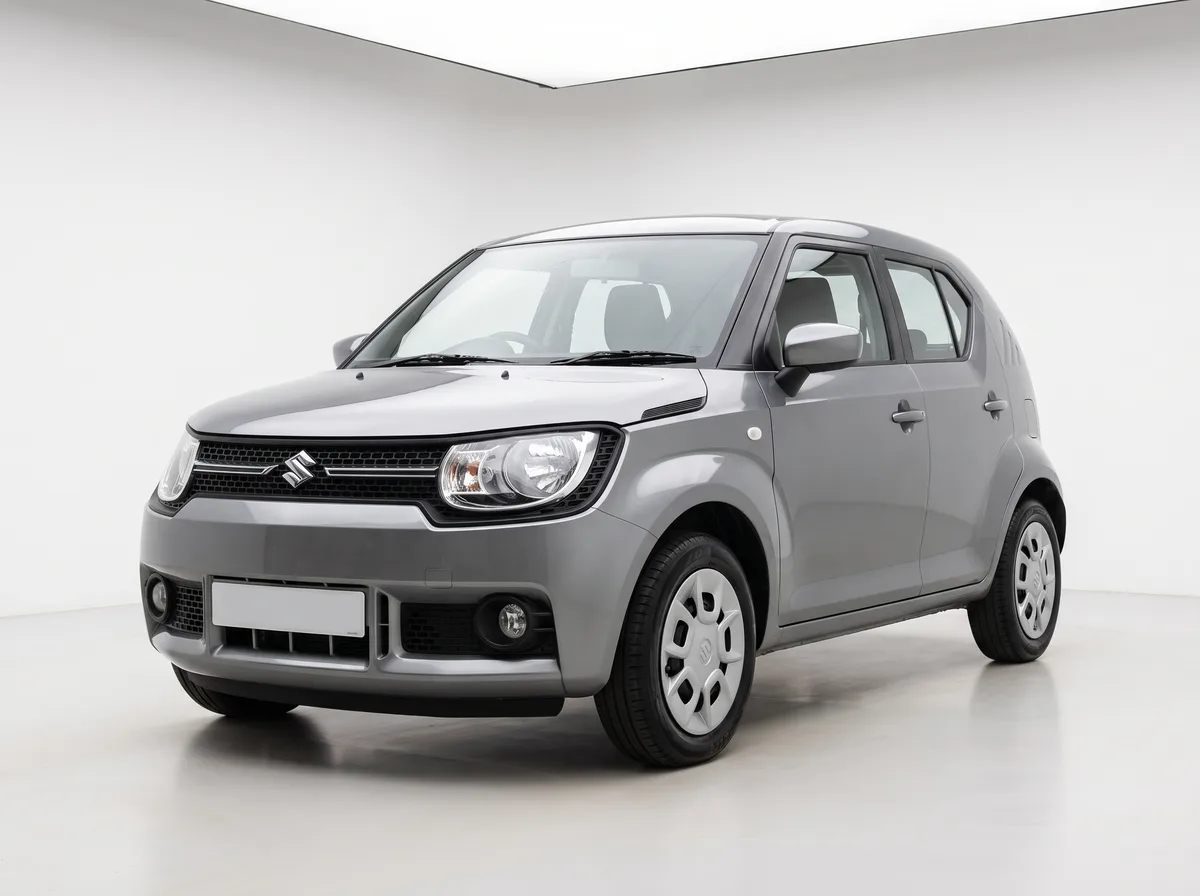
Suzuki Ignis
hatchback

Suzuki Dzire
sedan

Suzuki XL6
mpv

Suzuki Fronx
crossover

Suzuki Brezza
suv

Suzuki Ciaz
sedan

Suzuki SX4
crossover
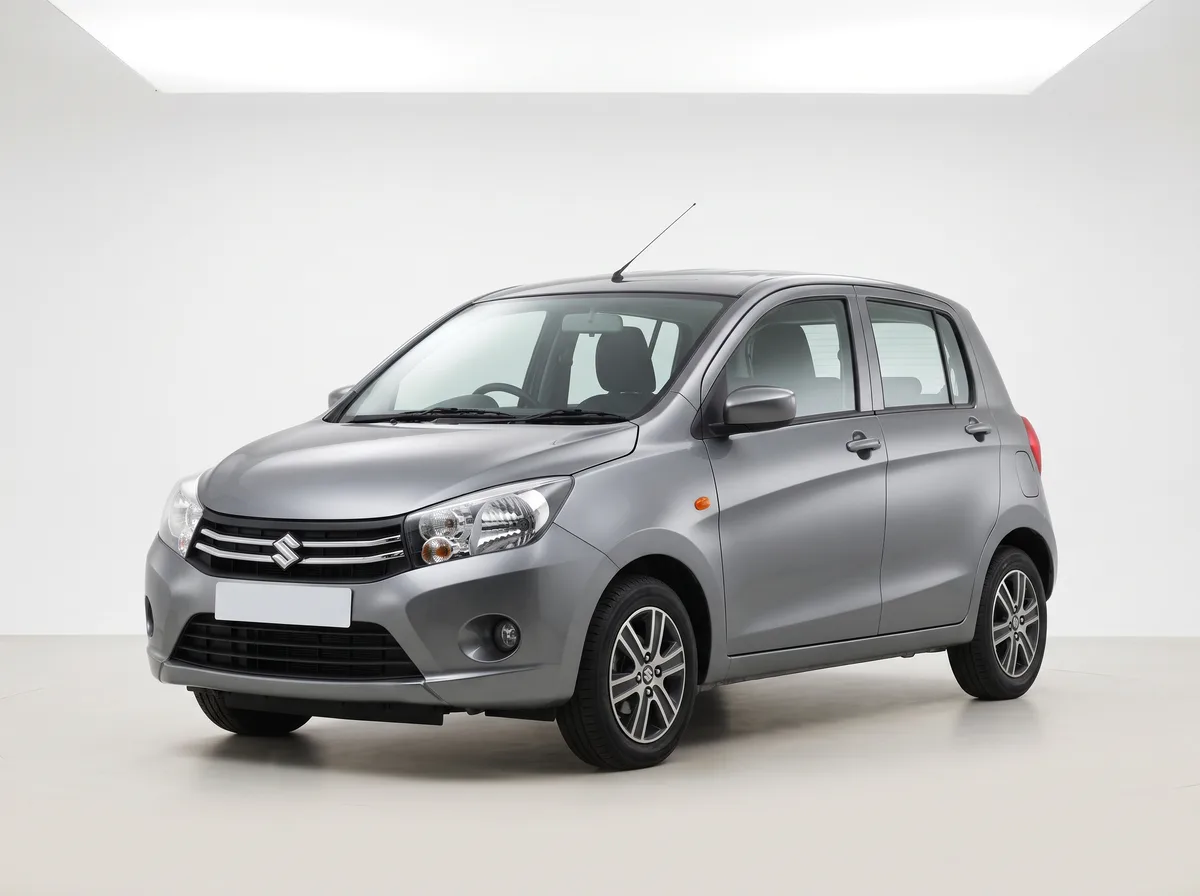
Suzuki Celerio
hatchback
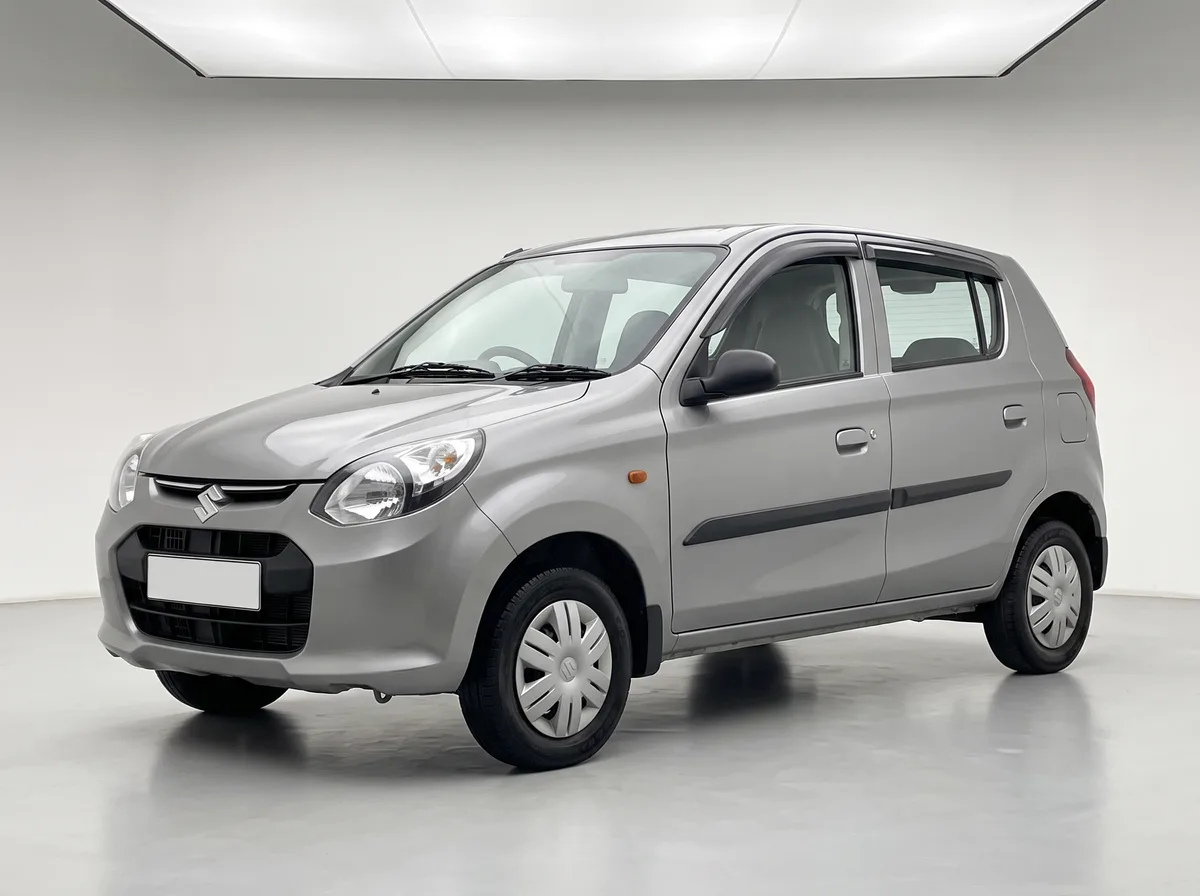
Suzuki Alto
hatchback
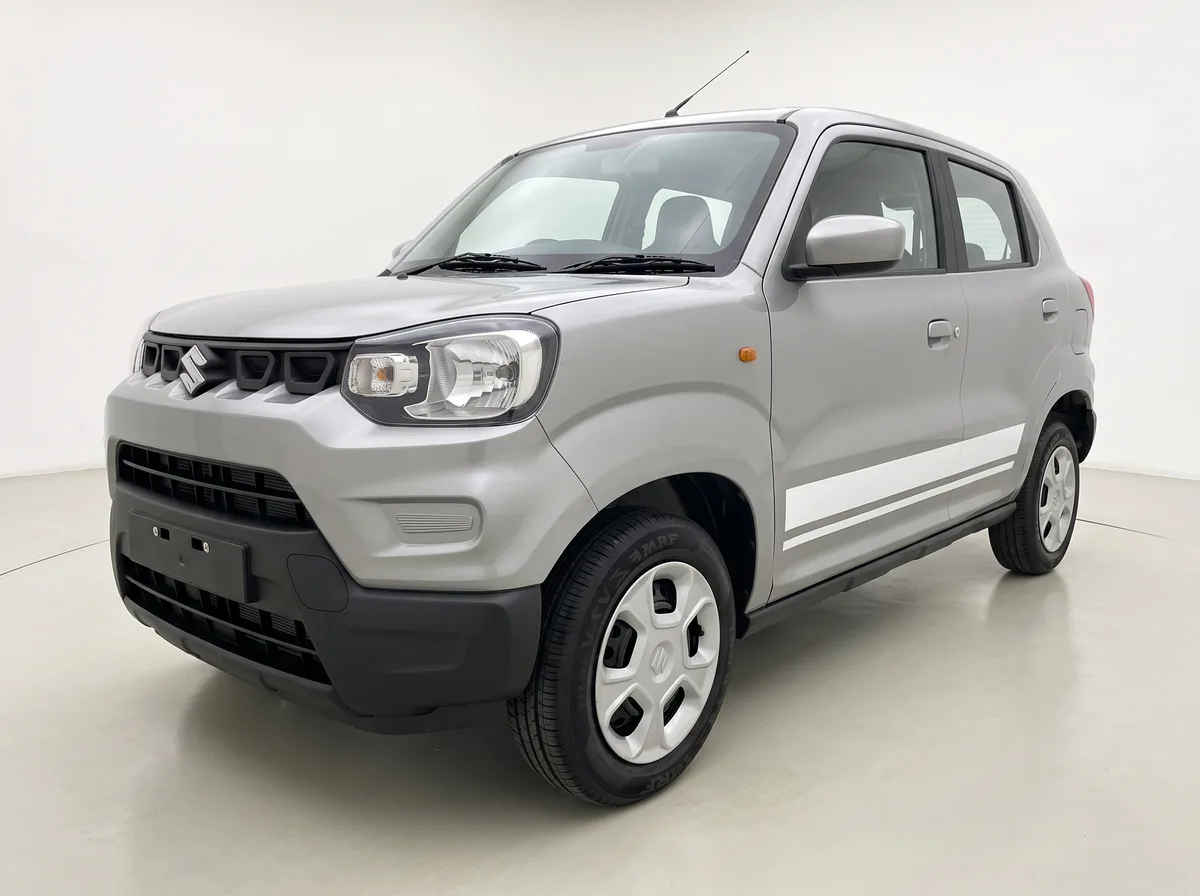
Suzuki S-Presso
hatchback
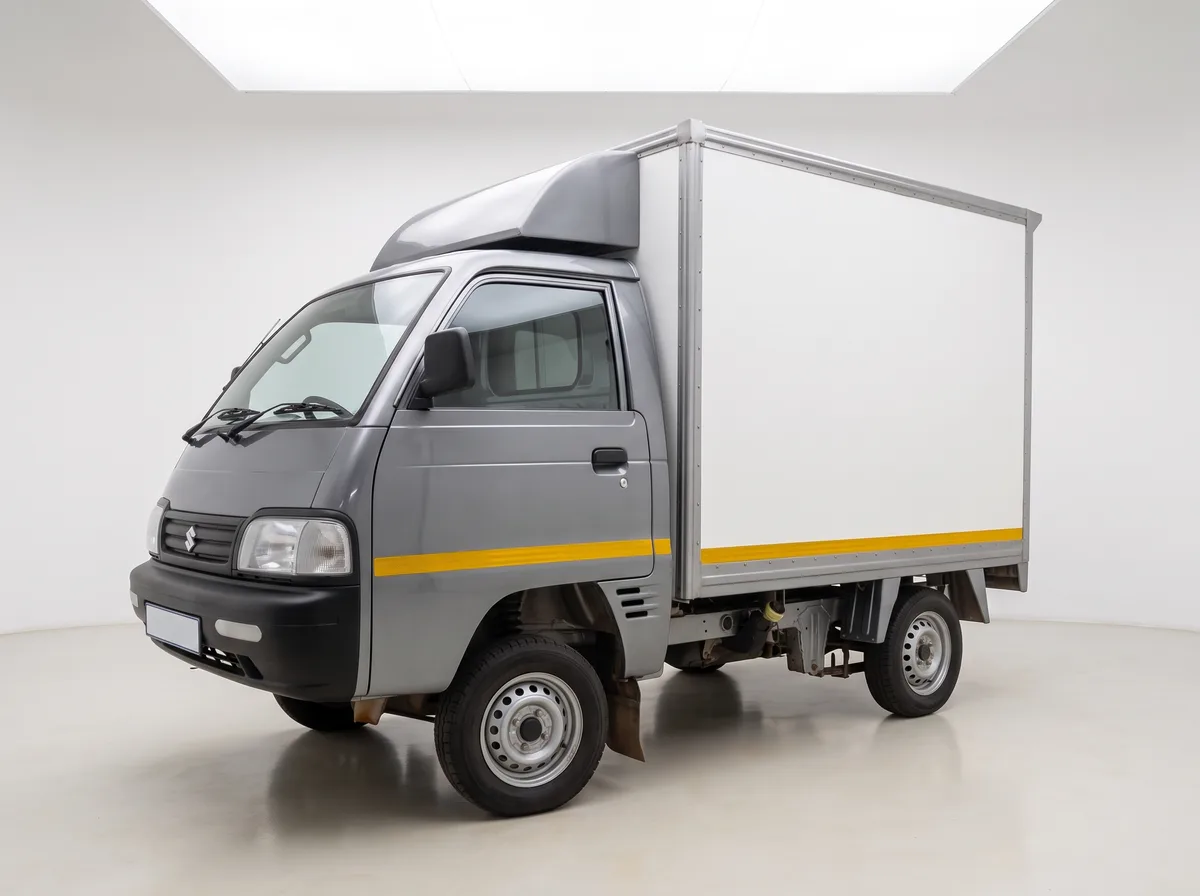
Suzuki Super Carry
commercial
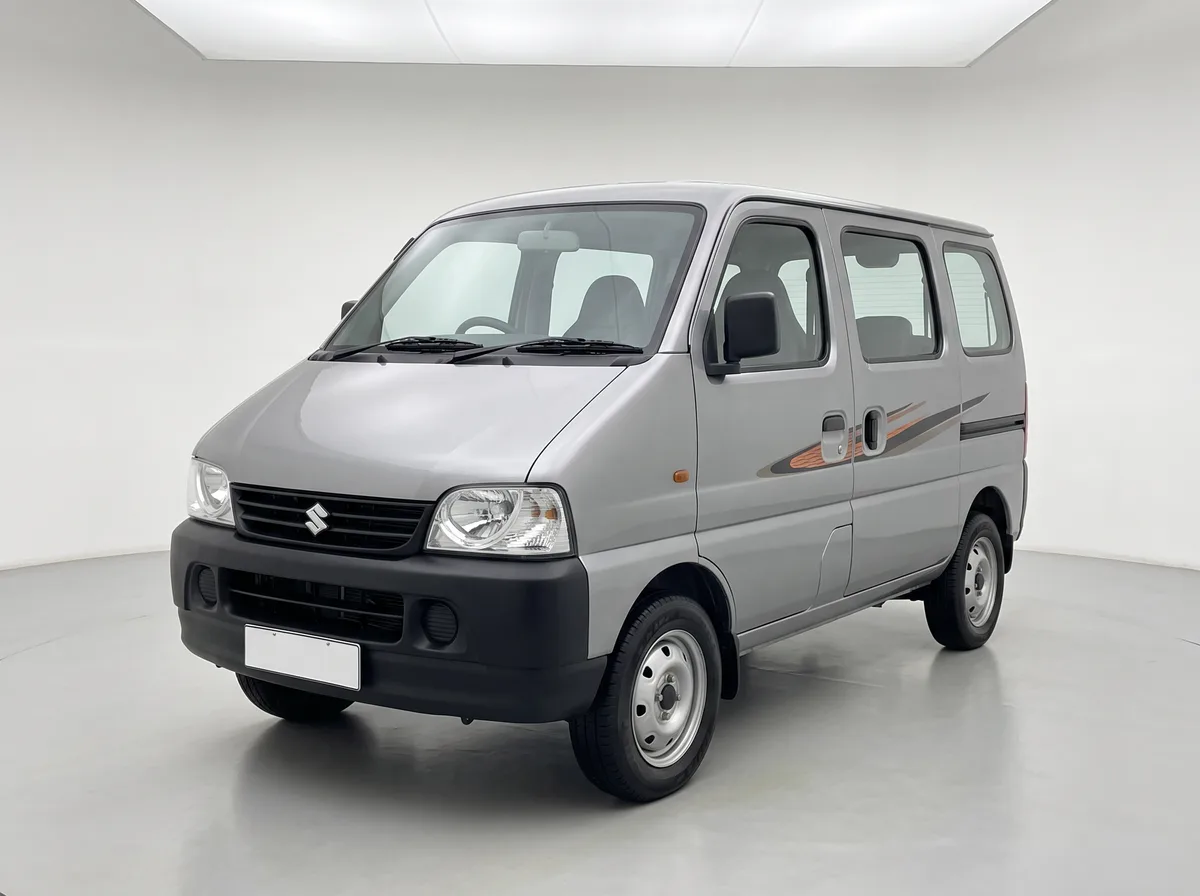
Suzuki Eeco
van

Suzuki Kizashi
sedan
Choosing oxygen sensors for a Suzuki without guessing
- What you are really deciding
- Whether the section that has failed can be replaced on its own or whether corrosion has already taken the neighbouring joints with it.
- Where Suzuki differs
- Suzuki's current local range is petrol, so exhaust work here is about catalytic converters and lambda sensors rather than the DPF systems that dominate the diesel marques. Cylinder count is the thing people get wrong: most of the range is a three- or four-cylinder with a single system, but the older Grand Vitara was also sold here as a V6, and a V6 is a different exhaust layout entirely from the manifolds back. The naturally aspirated and turbocharged Vitara derivatives differ from each other too, and the rear-drive Super Carry and Eeco are routed unlike anything else.
- Where the car was built
- Something worth knowing about this marque in particular: a large share of the Suzuki range sold in South Africa is built by Maruti Suzuki in India, while the Jimny comes out of Japan. Cars that look the same on the road can therefore sit on different supply chains, which is one reason we would rather check than assume.
- What to send us
- The derivative — on a Vitara whether it is the 1.6 or the 1.4 turbo, and on an older Grand Vitara whether it is a four-cylinder or a V6. With that in front of us we can normally settle the right oxygen sensors without a back-and-forth.
Oxygen Sensors, explained
An oxygen sensor sits in the exhaust and tells the ECU whether the mixture is rich or lean, so injector timing can be trimmed thousands of times a minute. Most modern Suzukis run one sensor ahead of the catalytic converter doing that job and a second one behind it watching the converter.
How you know oxygen sensors are on the way out
Recognise any of that? Tell us the model and year and we will go and check what we can get hold of for you.
Suzuki Oxygen Sensors FAQs
What decides which oxygen sensors fits my Suzuki?
Suzuki's current local range is petrol, so exhaust work here is about catalytic converters and lambda sensors rather than the DPF systems that dominate the diesel marques. Cylinder count is the thing people get wrong: most of the range is a three- or four-cylinder with a single system, but the older Grand Vitara was also sold here as a V6, and a V6 is a different exhaust layout entirely from the manifolds back. The naturally aspirated and turbocharged Vitara derivatives differ from each other too, and the rear-drive Super Carry and Eeco are routed unlike anything else. In practice the decision in front of you is whether the section that has failed can be replaced on its own or whether corrosion has already taken the neighbouring joints with it.
What do you need from me to quote oxygen sensors?
The derivative — on a Vitara whether it is the 1.6 or the 1.4 turbo, and on an older Grand Vitara whether it is a four-cylinder or a V6. With that we can usually confirm the right part quickly, and we'll tell you whether we're quoting new, aftermarket or good used rather than leaving you to guess.
Do the two sensors do the same job?
No, and swapping them is a common mistake. The upstream one controls fuelling in real time. The downstream one does not control anything — it compares what comes out of the converter with what went in, so the ECU can tell whether the converter is still working. Their part numbers and often their wire lengths differ.
Does Highveld altitude affect the sensor or the fuelling?
The air is thinner at roughly 1,700 metres in Gauteng, so less oxygen goes into each cylinder. The oxygen sensor is precisely what lets the ECU notice that and pull fuel to match, which is why a modern injected car still runs cleanly up there. When the sensor fails, the engine drops back to a fixed fuelling map and altitude losses get noticeably worse.
Can a sooted sensor be cleaned and reused?
Cleaning the outside rarely helps, because the damage is chemical rather than a coating you can scrub off. Once the ceramic element has been poisoned by burnt coolant, oil or the wrong silicone sealant, it stays slow to respond. Cleaning also risks cracking the element outright.
What kills oxygen sensors early?
A few things do it repeatedly: coolant or oil getting past into the exhaust, non-sensor-safe silicone used on a gasket, prolonged rich running from another fault, and an exhaust leak upstream feeding it false air. Fix the underlying cause or the replacement sensor goes the same way.
Can I fit a universal sensor and splice the plug?
Physically it works and plenty of workshops do it, but the heater circuit resistance and the signal type have to match, and a poor splice in an exhaust-heat environment causes intermittent faults that are miserable to trace. Send the VIN through and we will pull one with the correct plug already on it.
Looking for something else?
Exhaust manifolds for Suzuki petrol engines, several of which carry the catalyst in the casting itself
Catalytic ConverterCatalytic converters for Suzuki petrol models, both direct-fit and the universal units an exhaust shop welds in
Exhaust PipesFront, centre and rear pipe sections for Suzuki exhaust systems
MufflerRear silencer boxes for Suzuki models, the part that usually rots out first on the whole system
ResonatorCentre resonator boxes that take the drone out of Suzuki exhaust systems
TailpipeTailpipe sections and outlets for Suzuki exhaust systems
Exhaust GasketsManifold and flange gaskets for Suzuki exhausts, the cheap parts that stop a tick becoming a blow
Exhaust HangersRubber hangers and mounting brackets that carry the exhaust under Suzuki models
Areas we cover
Areas we send oxygen sensors to.
Not sure which oxygen sensors your Suzuki takes?
The derivative — on a Vitara whether it is the 1.6 or the 1.4 turbo, and on an older Grand Vitara whether it is a four-cylinder or a V6 is all we need. We cross-reference it against what we can source and come back with what fits.