
Suzuki Radiator Caps, Matched Before It Ships
Used, aftermarket and reconditioned parts. Not supplied by Suzuki Auto South Africa.
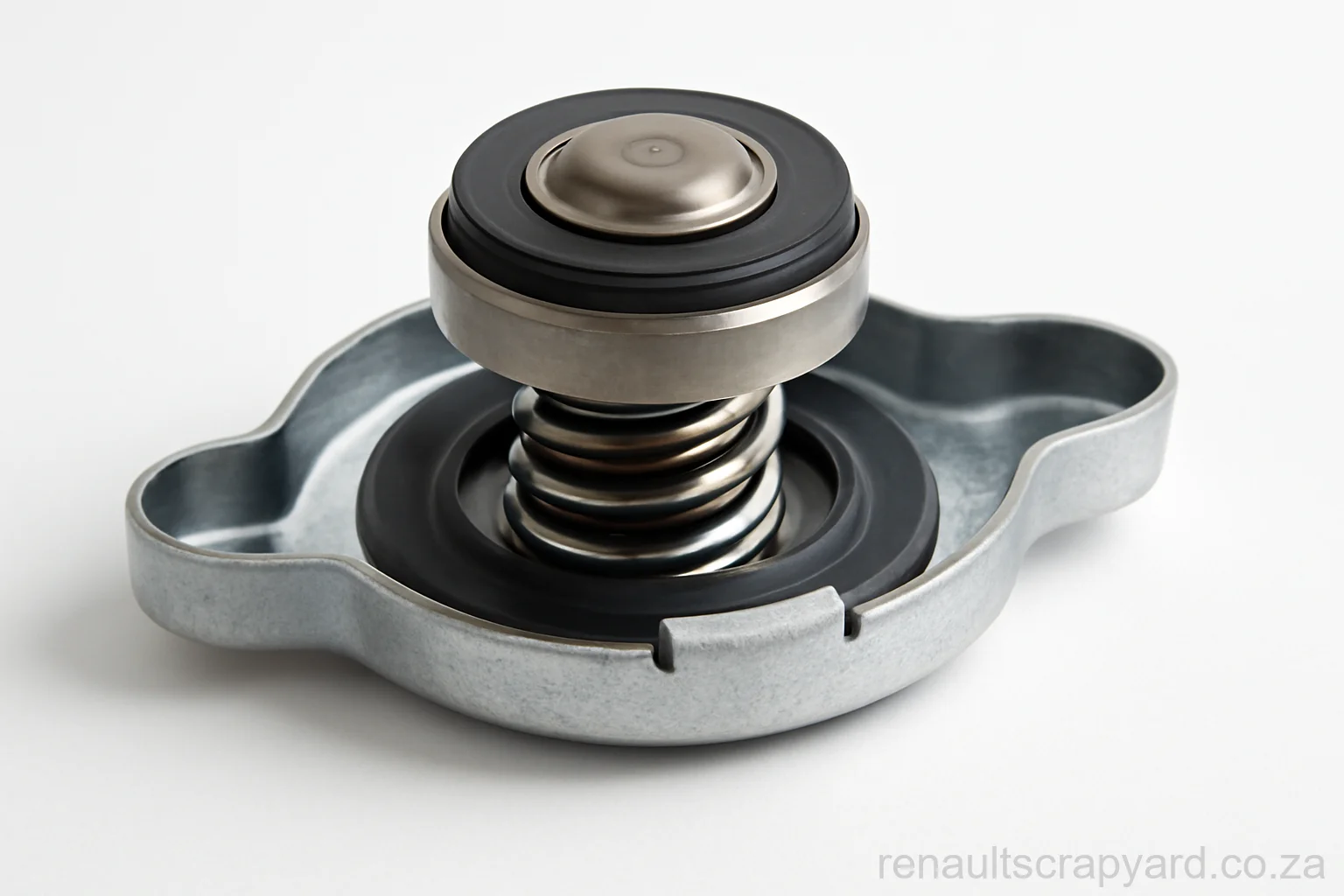
Part of our full range of Suzuki cooling .
Radiator Caps — pick your Suzuki
Choose the model and we'll take radiator caps from there.

Suzuki Swift
hatchback

Suzuki Jimny
suv

Suzuki Ertiga
mpv

Suzuki Vitara
crossover

Suzuki Grand Vitara
suv

Suzuki Baleno
hatchback
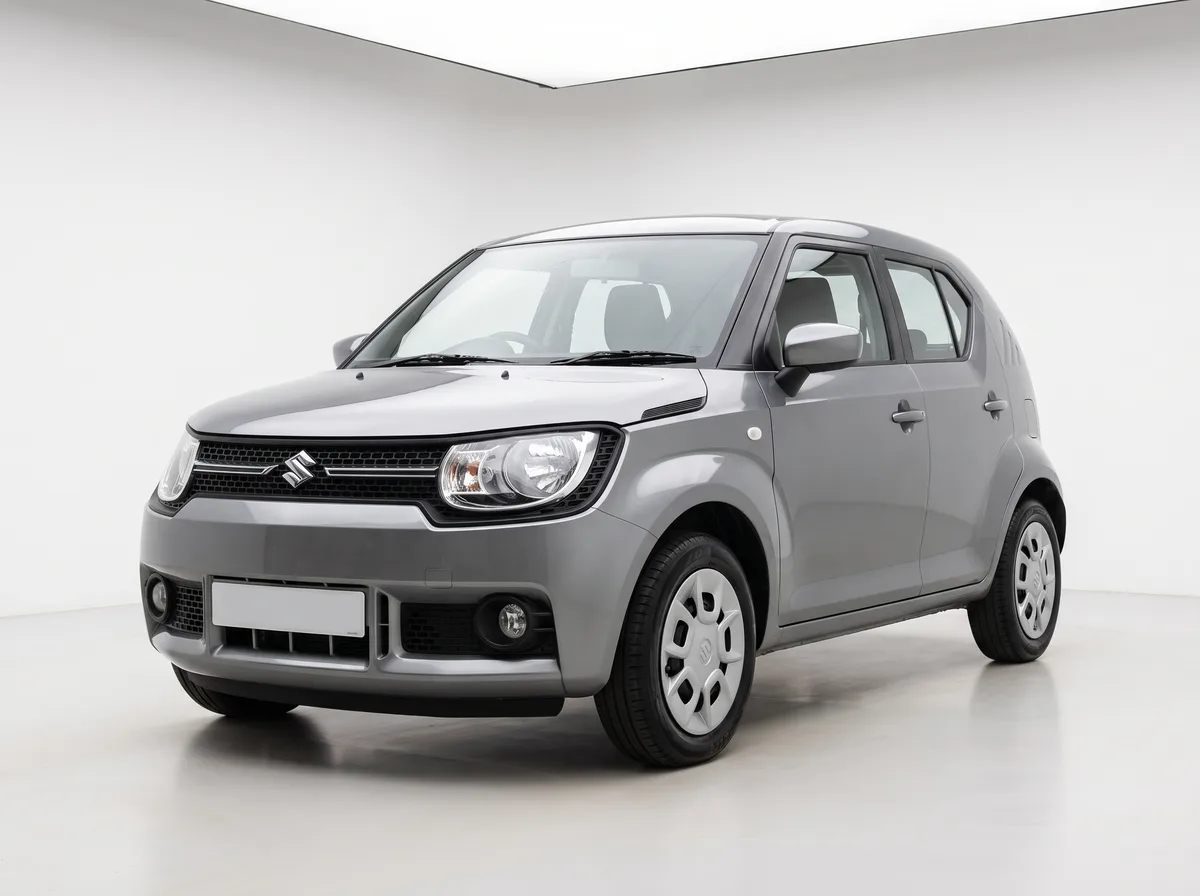
Suzuki Ignis
hatchback

Suzuki Dzire
sedan

Suzuki XL6
mpv

Suzuki Fronx
crossover

Suzuki Brezza
suv

Suzuki Ciaz
sedan

Suzuki SX4
crossover

Suzuki Celerio
hatchback

Suzuki Alto
hatchback

Suzuki S-Presso
hatchback
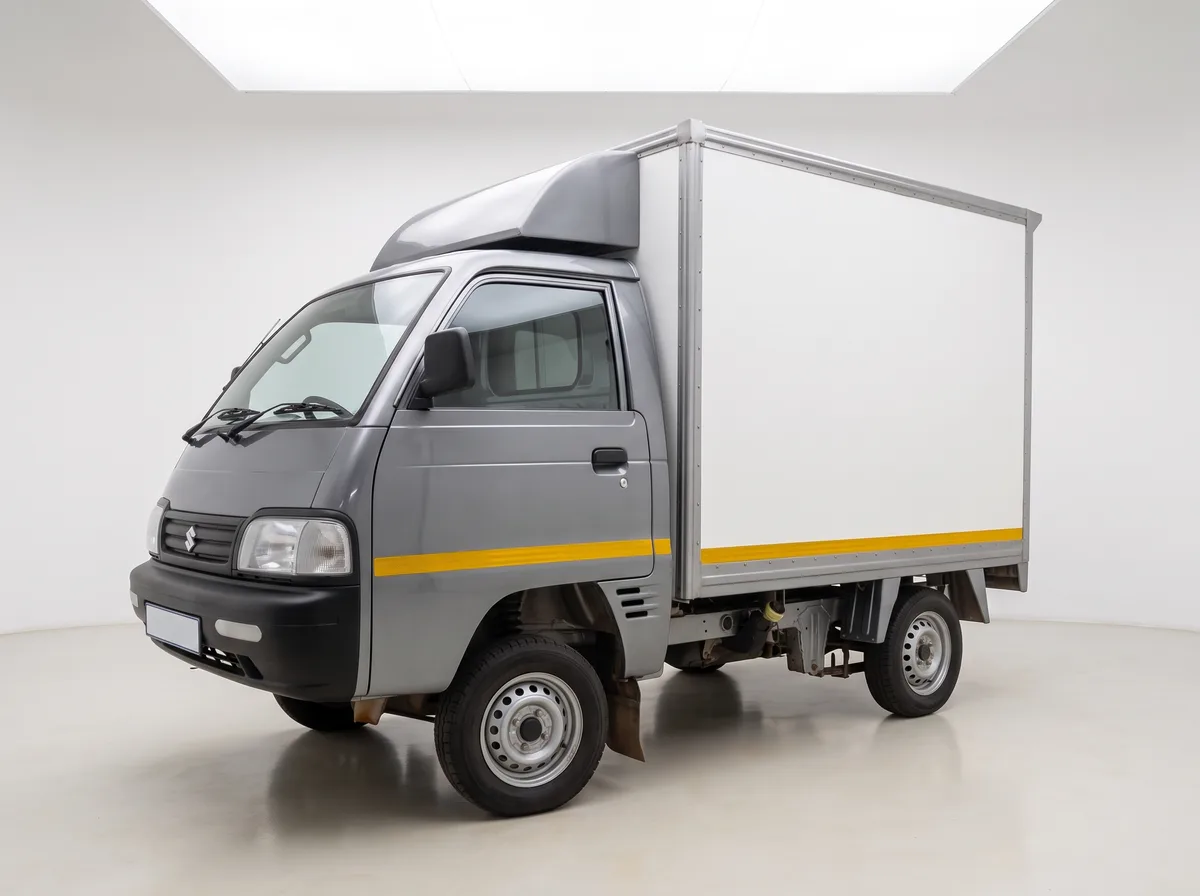
Suzuki Super Carry
commercial

Suzuki Eeco
van

Suzuki Kizashi
sedan
The questions we ask before we price radiator caps
Strip away the catalogue language and what you are actually choosing between here is whether swapping the one component that let go is enough, or whether the rest of the system has already been cooked alongside it.
Suzuki's small engines run compact cooling packs with little margin, and South African summer traffic is exactly the condition they have least of it in. Where a nameplate spans a naturally aspirated and a turbocharged derivative — the Vitara being the obvious case — the turbo car carries additional charge-air hardware that the 1.6 simply does not have.
So we price radiator caps against your specific car, not against a badge. Send through which derivative it is, whether the engine is turbocharged, and whether it has already run hot, and we will come back to you on what fits , what it will cost, and how soon we can have it moving.
Radiator Caps, explained
The cap is not simply a lid. It seals the cooling system and holds it at a set pressure, which lifts the boiling point of the coolant, and it lets coolant move to and from the overflow bottle as the engine heats and cools down again. When the rubber seal hardens or the spring weakens, the system loses that pressure and boils early — often long before the radiator itself is at fault.
How you know radiator caps are on the way out
Recognise any of that? Tell us the model and year and we will go and check what we can get hold of for you.
Suzuki Radiator Caps — questions we get asked
What decides which radiator caps fits my Suzuki?
Suzuki's small engines run compact cooling packs with little margin, and South African summer traffic is exactly the condition they have least of it in. Where a nameplate spans a naturally aspirated and a turbocharged derivative — the Vitara being the obvious case — the turbo car carries additional charge-air hardware that the 1.6 simply does not have. In practice the decision in front of you is whether swapping the one component that let go is enough, or whether the rest of the system has already been cooked alongside it.
What do you need from me to quote radiator caps?
Which derivative it is, whether the engine is turbocharged, and whether it has already run hot. With that we can usually confirm the right part quickly, and we'll tell you whether we're quoting new, aftermarket or good used rather than leaving you to guess.
Can a cap really cause overheating?
Yes, and it is one of the most commonly missed causes. Pressure raises the boiling point of the coolant, so a cap that no longer holds its rated pressure lets the coolant boil at a lower temperature. Pockets of vapour then form at the hottest points in the head and stop carrying heat away.
Does the pressure rating matter, or is a cap a cap?
It matters. The rating is stamped on the cap and the system was designed around it. Too low and the coolant boils early; too high and you load hoses, the radiator seams and the heater core beyond what they were built for. Send the rating stamped on your old cap through the quote form and we will match it.
How do I test one without special equipment?
Look at it cold. Check the main seal and the small secondary seal underneath for hardening, splits or a permanent flattened ring, and press the centre valve to see whether it springs back cleanly. That catches most failures, though a workshop pressure tester is the only way to confirm the exact rating still holds.
Why does mine keep pushing coolant into the bottle?
Either the cap is releasing early, or something is pressurising the system that should not be — a leaking head gasket pushing combustion gas into the coolant does exactly this. Change the cap first because it is the quickest thing to rule out, then have the coolant gas-tested if the problem carries on.
Should I open a hot cap to check the level?
No. A pressurised system at running temperature will boil the moment you release it and the coolant comes out at you. Wait until the engine is properly cold, or read the level off the overflow bottle instead.
Further reading on radiator caps
Independent sources, not ours. Worth a look if you want the background before you enquire.
Nearby on the car
Radiators for Suzuki models, with the plastic end tanks and seams that crack with age
Water PumpsWater pumps for Suzuki petrol engines, with the gasket or O-ring that must go on with them
ThermostatsThermostats and housings for Suzuki engines, including the plastic housings that warp and weep
Cooling FansElectric fan assemblies, motors and resistor packs for Suzuki models
Radiator HosesTop, bottom and bypass hoses for Suzuki cooling systems
Heater CoresHeater matrices for Suzuki cabins, the leak behind a sweet smell and a misted windscreen
Coolant ReservoirsExpansion bottles, caps and level sensors for Suzuki cooling systems
Temperature SensorsCoolant temperature sensors and fan switches for Suzuki engines
Where we send radiator caps
Pick your area to see how the part would reach you.
Radiator Caps for your Suzuki, matched before you pay
Which derivative it is, whether the engine is turbocharged, and whether it has already run hot is all we need. We cross-reference it against what we can source and come back with what fits.