
Radiators for Suzuki Vehicles
Used, aftermarket and reconditioned parts. Not supplied by Suzuki Auto South Africa.

Part of our full range of Suzuki cooling .
Radiators — pick your Suzuki
Start from the car — it's the faster route if you already know which Suzuki you're dealing with.

Suzuki Swift
hatchback

Suzuki Jimny
suv

Suzuki Ertiga
mpv

Suzuki Vitara
crossover

Suzuki Grand Vitara
suv

Suzuki Baleno
hatchback

Suzuki Ignis
hatchback

Suzuki Dzire
sedan

Suzuki XL6
mpv

Suzuki Fronx
crossover

Suzuki Brezza
suv

Suzuki Ciaz
sedan

Suzuki SX4
crossover

Suzuki Celerio
hatchback

Suzuki Alto
hatchback

Suzuki S-Presso
hatchback
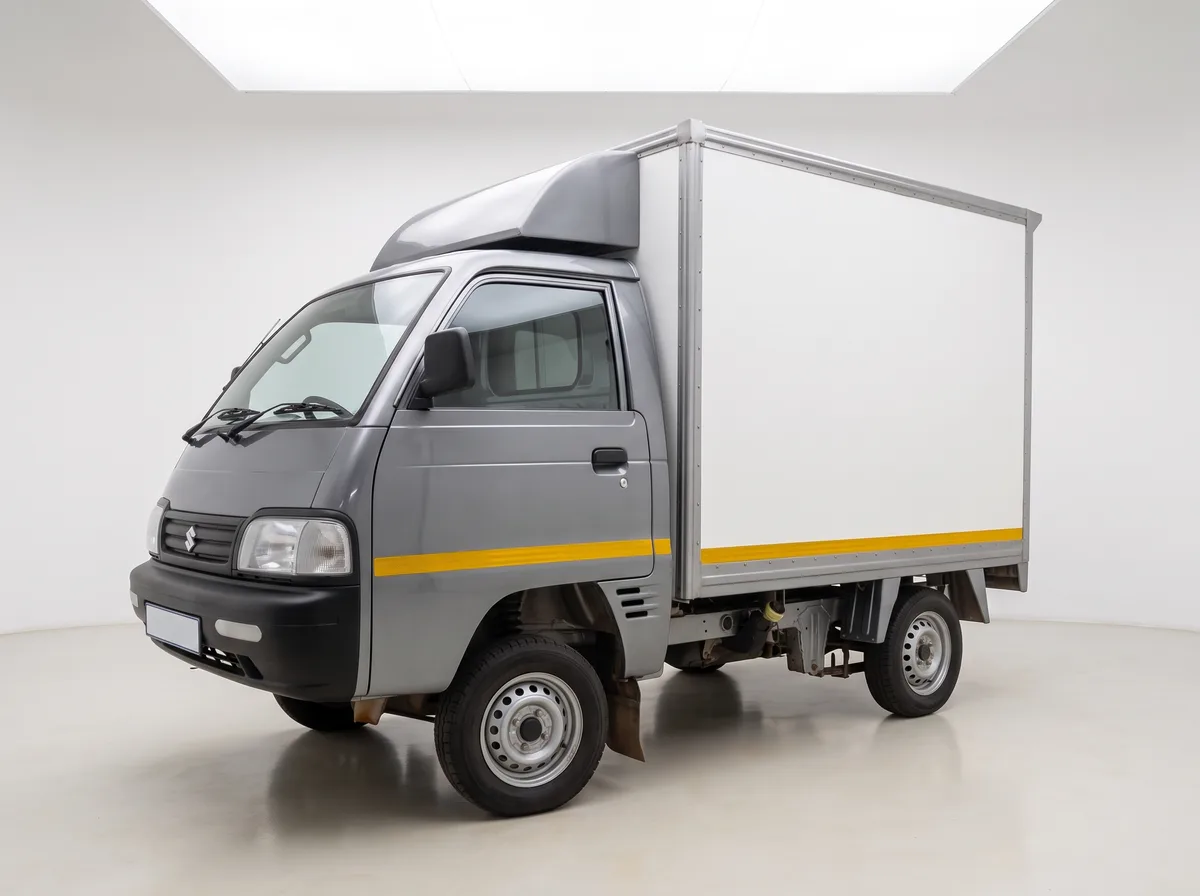
Suzuki Super Carry
commercial

Suzuki Eeco
van

Suzuki Kizashi
sedan
Choosing radiators for a Suzuki without guessing
- What you are really deciding
- Whether swapping the one component that let go is enough, or whether the rest of the system has already been cooked alongside it.
- Where Suzuki differs
- Suzuki's small engines run compact cooling packs with little margin, and South African summer traffic is exactly the condition they have least of it in. Where a nameplate spans a naturally aspirated and a turbocharged derivative — the Vitara being the obvious case — the turbo car carries additional charge-air hardware that the 1.6 simply does not have.
- Where the car was built
- Something worth knowing about this marque in particular: a large share of the Suzuki range sold in South Africa is built by Maruti Suzuki in India, while the Jimny comes out of Japan. Cars that look the same on the road can therefore sit on different supply chains, which is one reason we would rather check than assume.
- What to send us
- Which derivative it is, whether the engine is turbocharged, and whether it has already run hot. With that in front of us we can normally settle the right radiators without a back-and-forth.
Radiators, explained
Almost every modern radiator is an aluminium core with plastic end tanks crimped onto it over a gasket, and that construction decides how it dies. The aluminium usually outlasts the plastic by a wide margin. Years of heat cycling make the tank brittle, and it cracks — most often around the hose neck or along the crimp line, where the plastic is already stressed. That is why so many radiator leaks appear suddenly on a car that has never given trouble.
Conditions here push it along. A small naturally aspirated engine crawling through Johannesburg or Pretoria traffic on a summer afternoon spends a long time relying on the fan rather than airflow, which is the hardest work the cooling system ever does. Gravel roads flatten and corrode the fins, cutting the surface area without leaving any obvious damage. And a system topped up with tap water instead of the correct coolant scales up internally and corrodes the aluminium from the inside. On an engine this size, a cooling fault does not stay a cooling fault for long, so treat a rising gauge as urgent.
How you know radiators are on the way out
Recognise any of that? Tell us the model and year and we will go and check what we can get hold of for you.
Suzuki Radiators FAQs
What decides which radiators fits my Suzuki?
Suzuki's small engines run compact cooling packs with little margin, and South African summer traffic is exactly the condition they have least of it in. Where a nameplate spans a naturally aspirated and a turbocharged derivative — the Vitara being the obvious case — the turbo car carries additional charge-air hardware that the 1.6 simply does not have. In practice the decision in front of you is whether swapping the one component that let go is enough, or whether the rest of the system has already been cooked alongside it.
What do you need from me to quote radiators?
Which derivative it is, whether the engine is turbocharged, and whether it has already run hot. With that we can usually confirm the right part quickly, and we'll tell you whether we're quoting new, aftermarket or good used rather than leaving you to guess.
Can a cracked plastic tank be repaired?
Re-tanking is a real trade — the crimp tabs are opened, the tank and gasket are swapped and the tabs are re-crimped — but it needs proper tooling and a radiator specialist, and it is not something to attempt with epoxy. On a small car radiator most people end up replacing the unit because the labour to do the job properly outweighs the difference.
Is the automatic radiator the same as the manual one?
Not always. Many automatics run the gearbox oil cooler inside one of the radiator tanks, which adds two extra ports the manual unit does not have. Confirm your gearbox type before ordering, and give us the VIN if you are not sure — it is a common way to end up with a radiator that fits the mountings and nothing else.
Is a used radiator a sensible buy?
It can be, but insist on a pressure test rather than a visual check. Look at the tank around the hose necks for hairline crazing, check the crimp line for weeping stains and look at the fins for corrosion, because a core that is half blocked will fit perfectly and still let the car run hot.
The car overheated once. What else should I check?
The radiator is one candidate among several. A thermostat stuck shut, a fan that is not switching on, a pressure cap that no longer holds, a collapsed lower hose and a blocked core all produce the same gauge reading. And after an overheat, have the head gasket assessed — combustion gases pushed into the coolant will keep pressurising the system and blow out whatever you replace.
Does it matter which coolant I use?
It matters a great deal. Coolant carries the corrosion inhibitors that protect the aluminium and the water pump seal, and those inhibitors deplete with time rather than distance. Plain tap water leaves scale and offers no protection at all, and mixing incompatible coolant types can drop the inhibitors out as sludge.
Further reading on radiators
Independent sources, not ours. Worth a look if you want the background before you enquire.
Looking for something else?
Water pumps for Suzuki petrol engines, with the gasket or O-ring that must go on with them
ThermostatsThermostats and housings for Suzuki engines, including the plastic housings that warp and weep
Cooling FansElectric fan assemblies, motors and resistor packs for Suzuki models
Radiator HosesTop, bottom and bypass hoses for Suzuki cooling systems
Heater CoresHeater matrices for Suzuki cabins, the leak behind a sweet smell and a misted windscreen
Coolant ReservoirsExpansion bottles, caps and level sensors for Suzuki cooling systems
Radiator CapsPressure caps in the correct rating for Suzuki cooling systems
Temperature SensorsCoolant temperature sensors and fan switches for Suzuki engines
Areas we cover
We take radiators enquiries from across the country. These pages cover how it works from each area.
Not sure which radiators your Suzuki takes?
Which derivative it is, whether the engine is turbocharged, and whether it has already run hot is all we need. We cross-reference it against what we can source and come back with what fits.