
Buy Sensors for Your Suzuki
Used, aftermarket and reconditioned parts. Not supplied by Suzuki Auto South Africa.
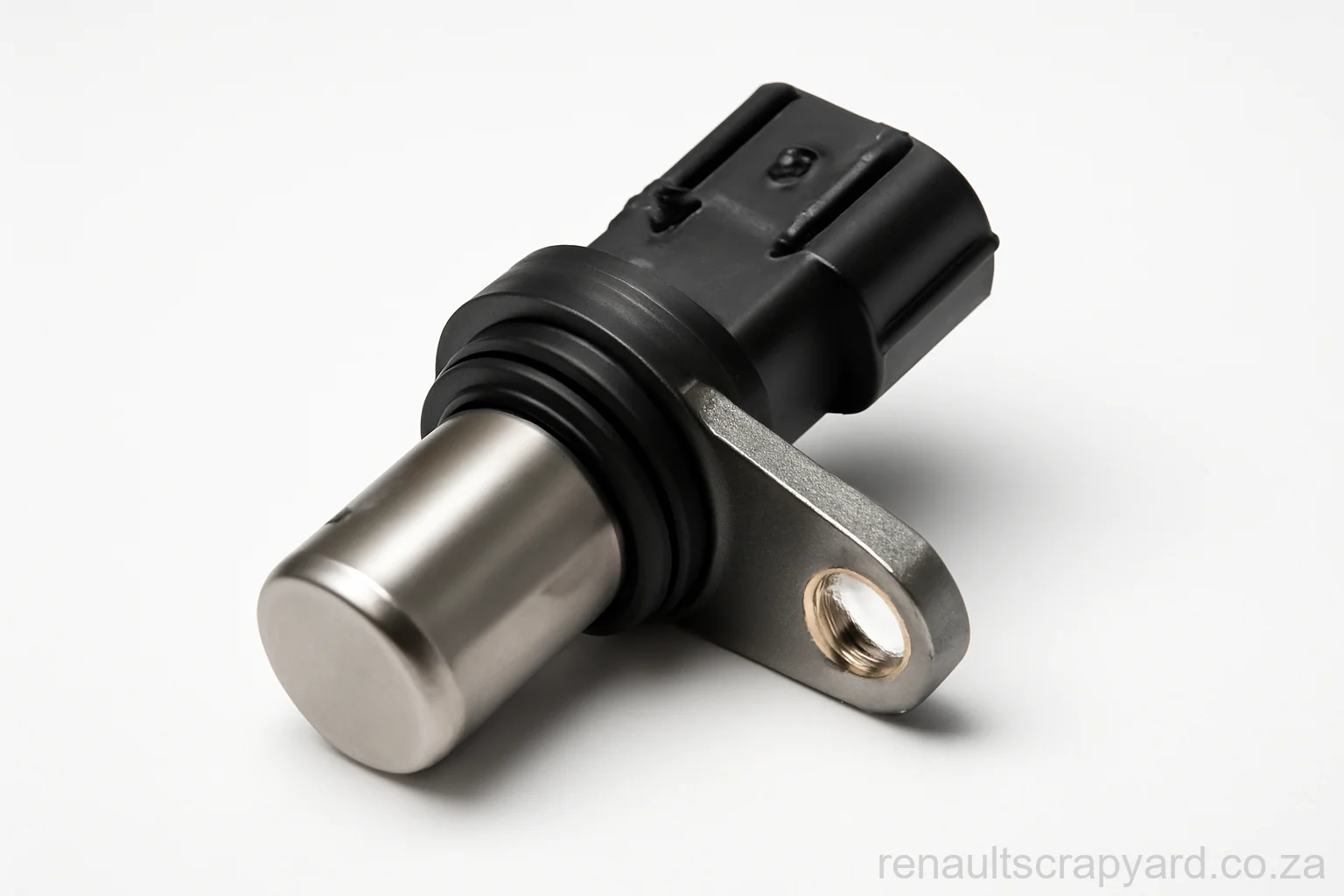
Part of our full range of Suzuki electrical .
Suzuki Sensors by model
Choose the model and we'll take sensors from there.

Suzuki Swift
hatchback

Suzuki Jimny
suv
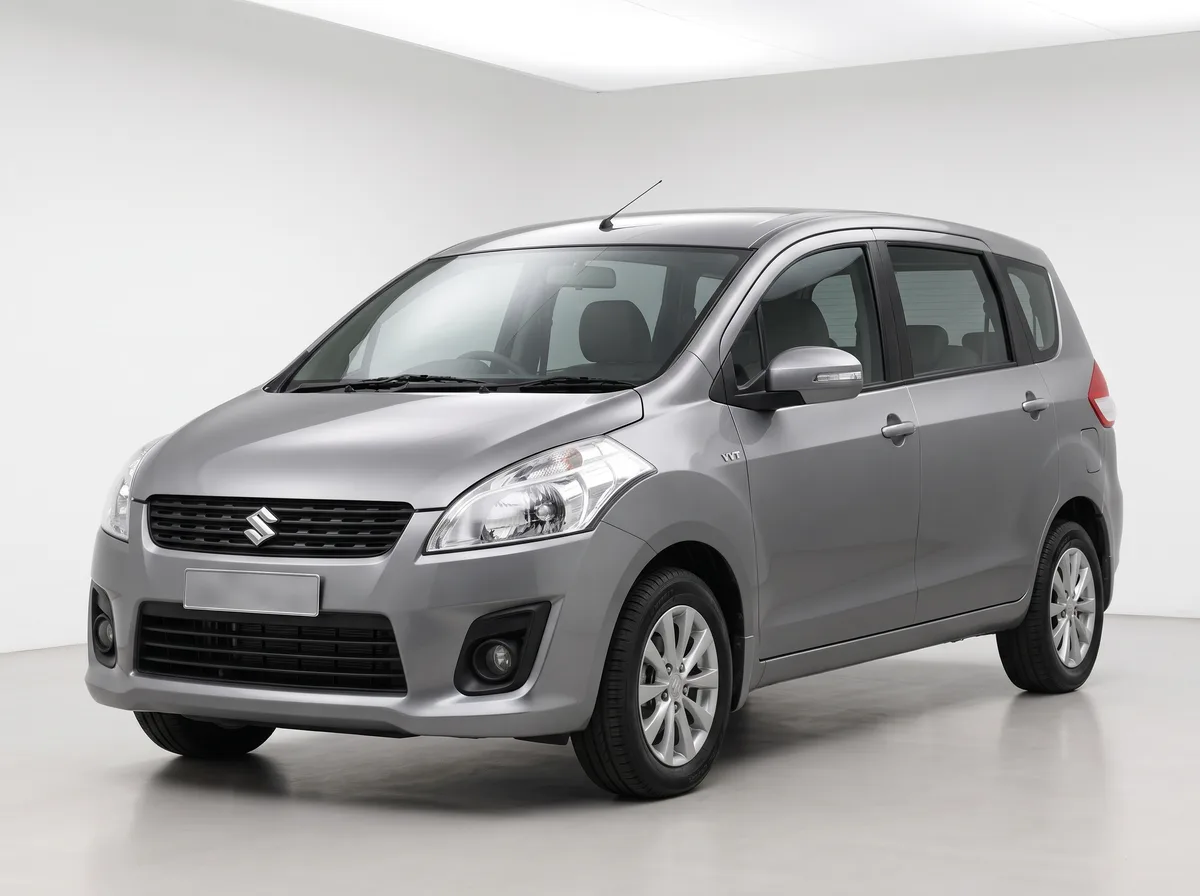
Suzuki Ertiga
mpv

Suzuki Vitara
crossover

Suzuki Grand Vitara
suv

Suzuki Baleno
hatchback
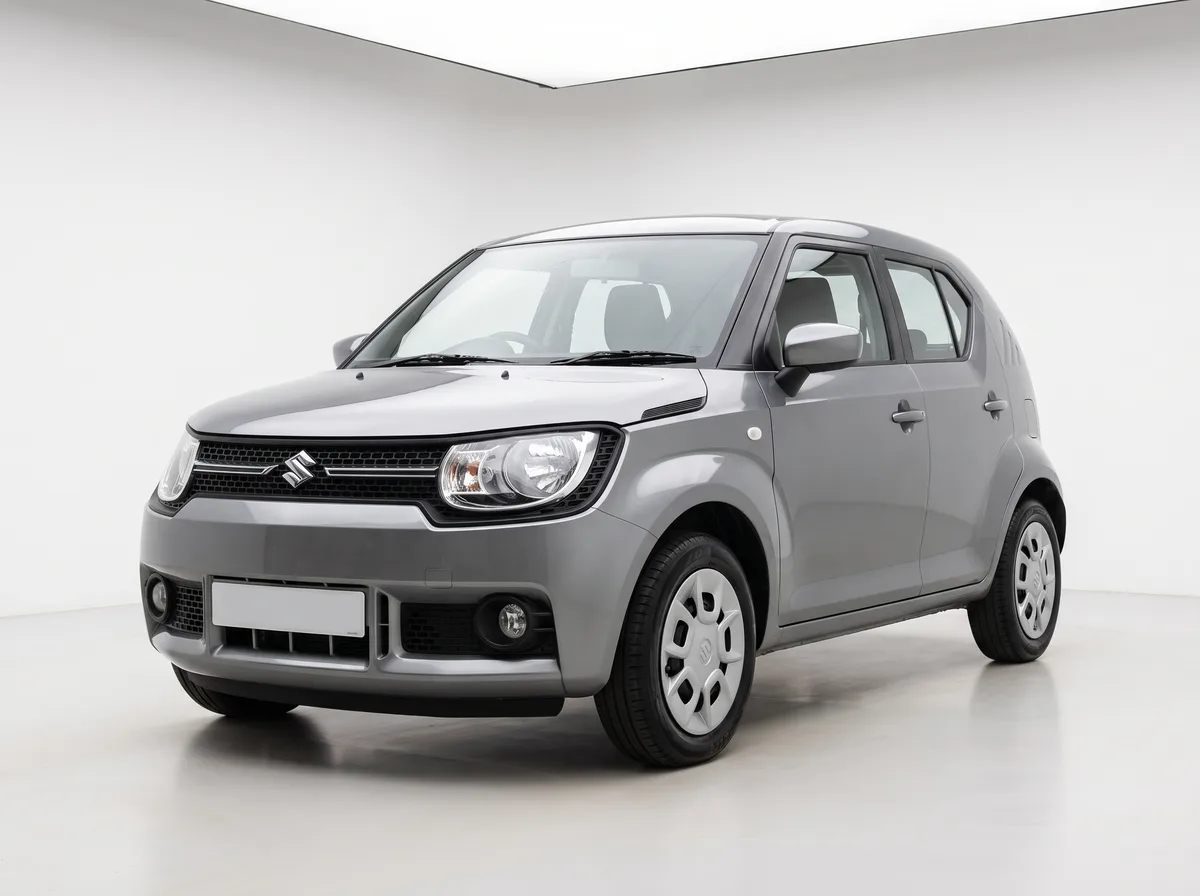
Suzuki Ignis
hatchback

Suzuki Dzire
sedan

Suzuki XL6
mpv

Suzuki Fronx
crossover

Suzuki Brezza
suv

Suzuki Ciaz
sedan

Suzuki SX4
crossover
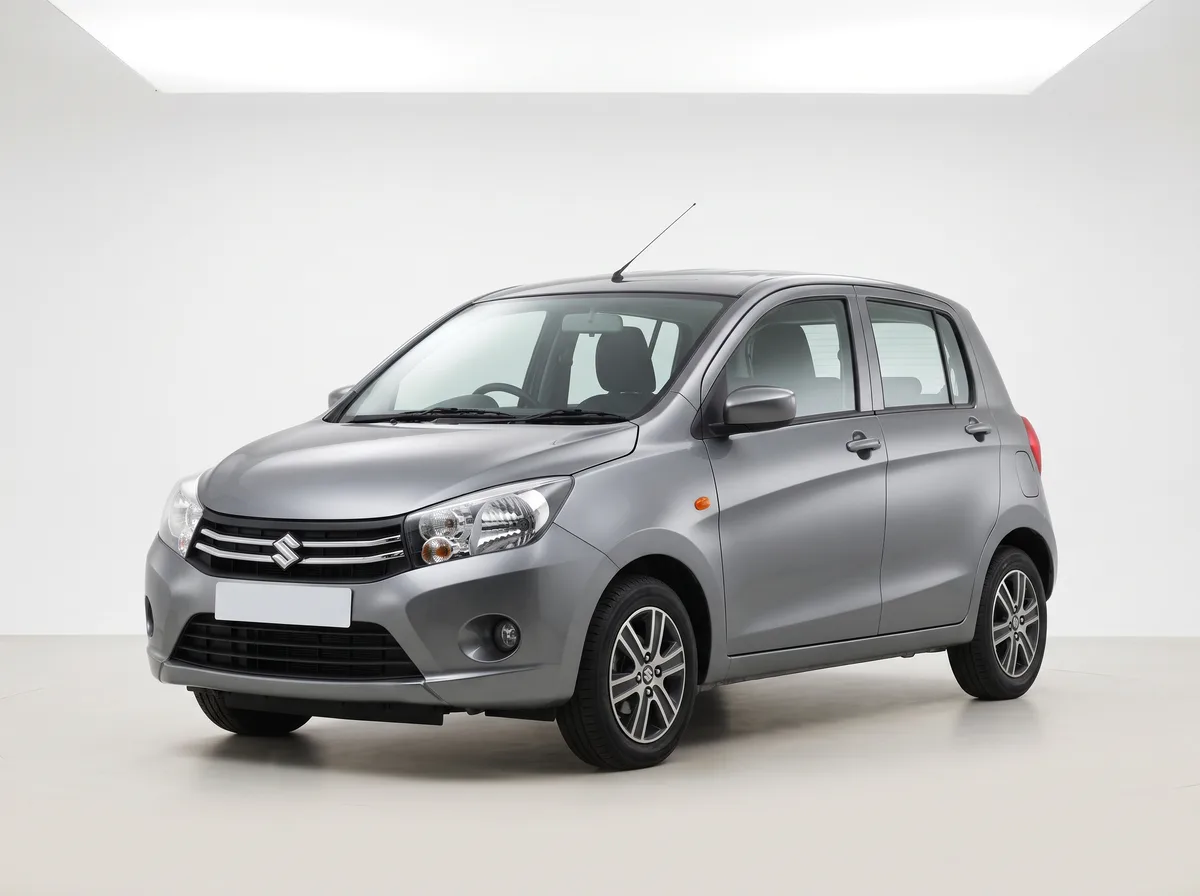
Suzuki Celerio
hatchback
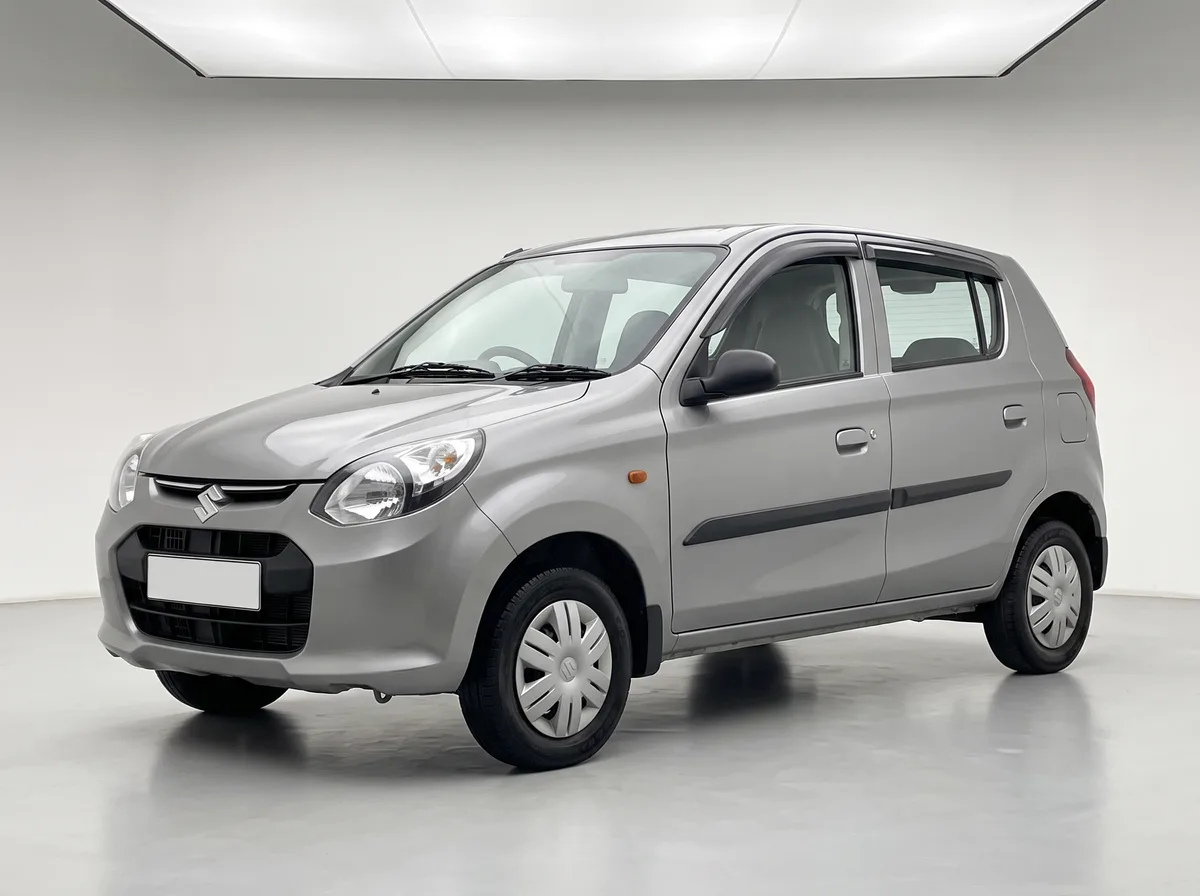
Suzuki Alto
hatchback
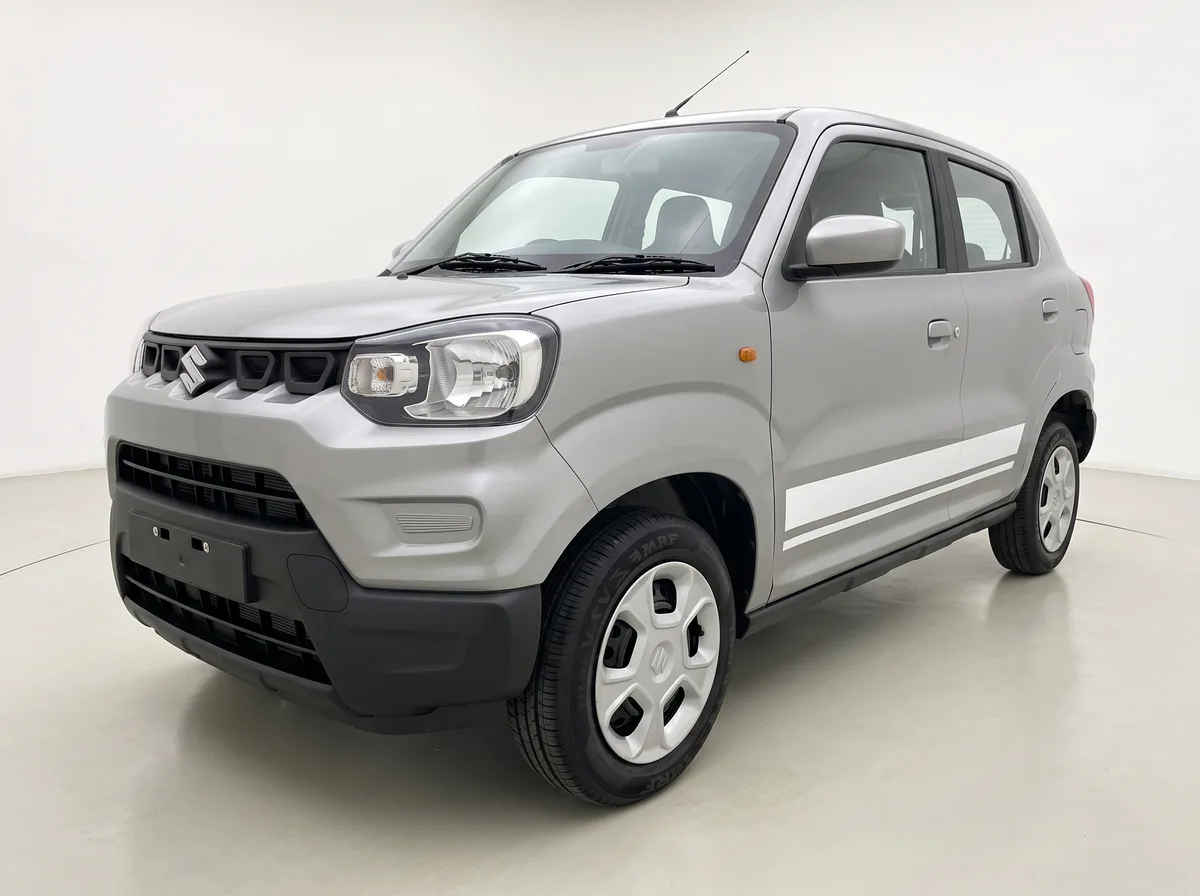
Suzuki S-Presso
hatchback
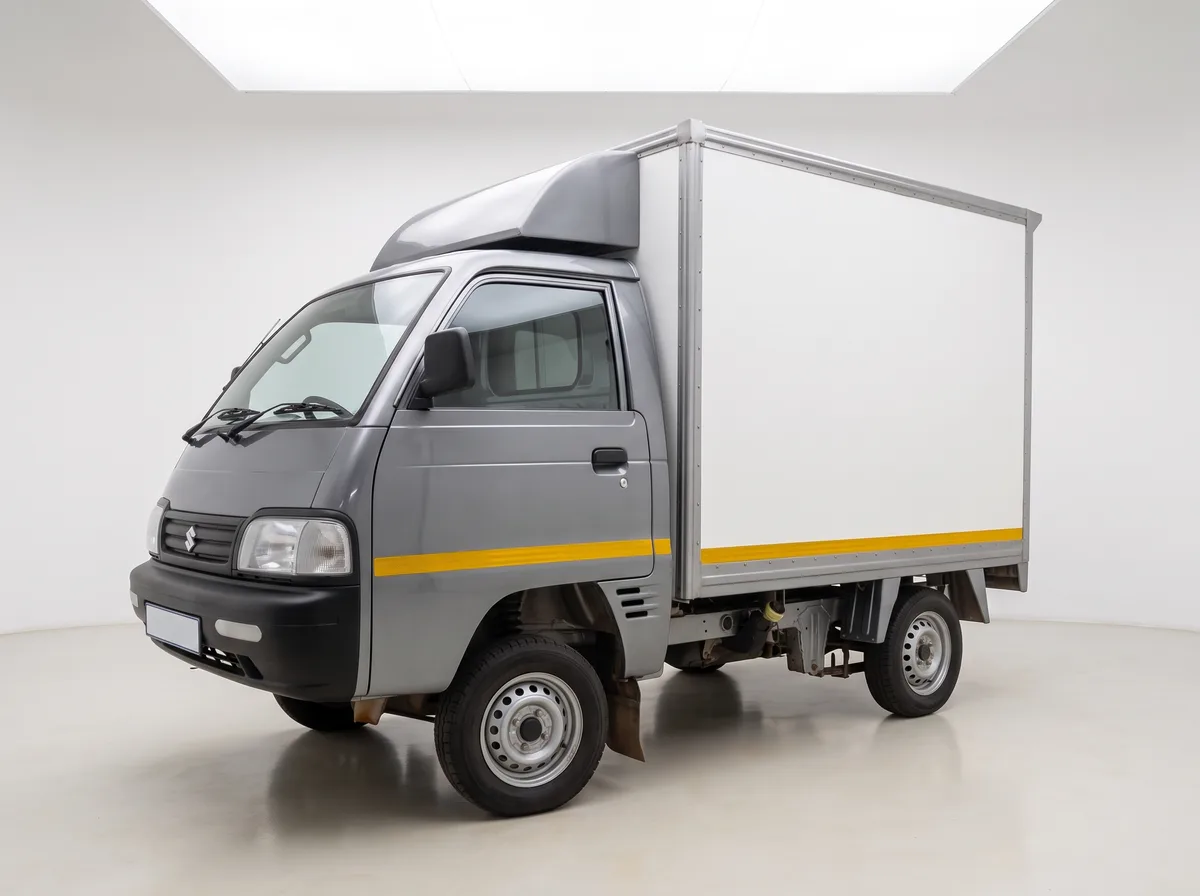
Suzuki Super Carry
commercial
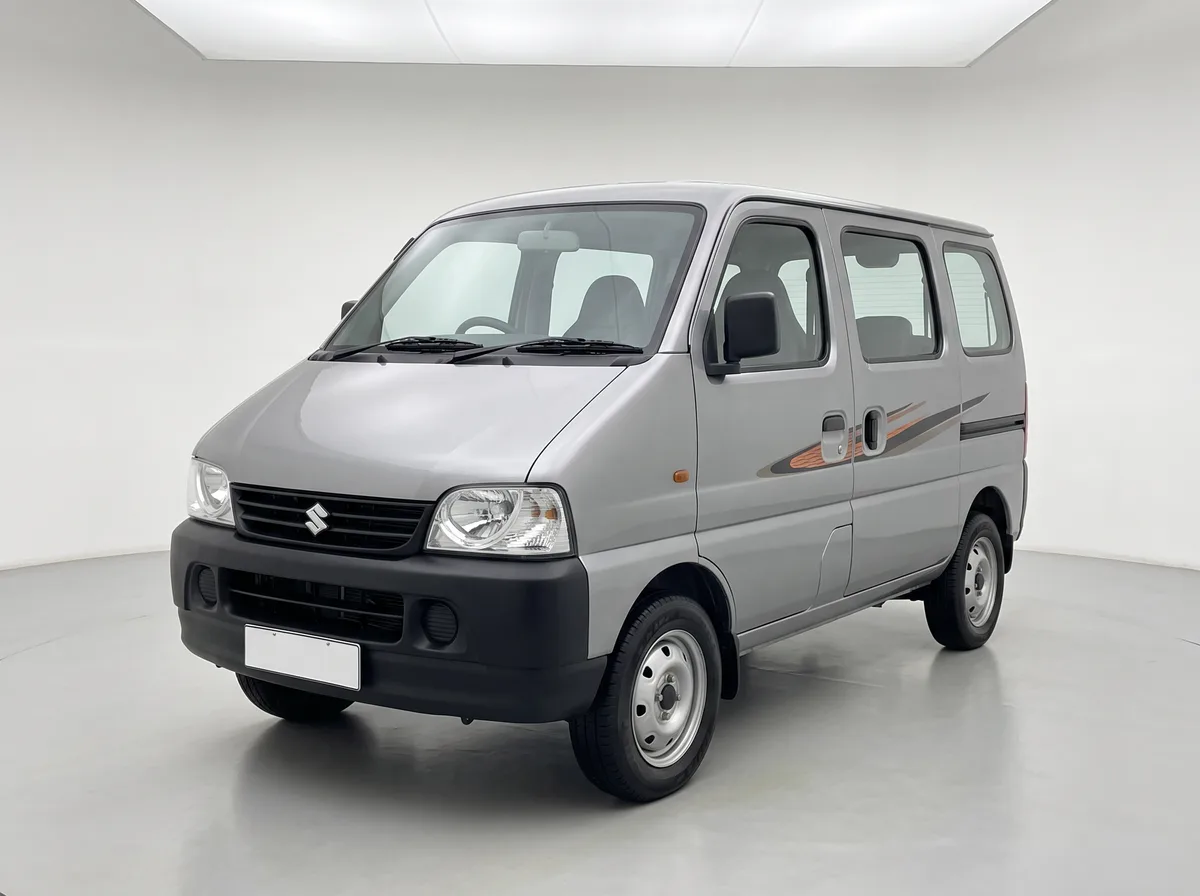
Suzuki Eeco
van

Suzuki Kizashi
sedan
The questions we ask before we price sensors
Suzuki's SA range spans cars built more than fifteen years apart, and the electrical architecture is where that gap shows most. An early Alto or SX4 is largely conventional wiring; the current Swift, Fronx and mild-hybrid Grand Vitara carry coded modules that expect to be matched and configured. Which end of that range your car sits at changes what "a working second-hand one" even means.
In plain terms, the call you have to make is whether the part itself has failed or something upstream of it has, because a replacement fitted to a bad circuit will fail in exactly the same way — and the model name on the boot lid is not enough information to make it.
Include the year and derivative, plus any fault code the scanner has already produced when you ask us about sensors. Two questions up front beats a part that has to be couriered back.
Sensors, explained
Sensors is a catch-all category: the small devices that tell the engine control unit what is actually happening — crank and cam position, air temperature and mass, throttle angle, coolant temperature, knock, oxygen in the exhaust, wheel speed for the ABS. Most are cheap parts whose failure imitates something expensive.
How you know sensors are on the way out
Recognise any of that? Tell us the model and year and we will go and check what we can get hold of for you.
What customers ask about sensors
What decides which sensors fits my Suzuki?
Suzuki's SA range spans cars built more than fifteen years apart, and the electrical architecture is where that gap shows most. An early Alto or SX4 is largely conventional wiring; the current Swift, Fronx and mild-hybrid Grand Vitara carry coded modules that expect to be matched and configured. Which end of that range your car sits at changes what "a working second-hand one" even means. In practice the decision in front of you is whether the part itself has failed or something upstream of it has, because a replacement fitted to a bad circuit will fail in exactly the same way.
What do you need from me to quote sensors?
The year and derivative, plus any fault code the scanner has already produced. With that we can usually confirm the right part quickly, and we'll tell you whether we're quoting new, aftermarket or good used rather than leaving you to guess.
The code names a sensor. Does that mean the sensor is faulty?
It means that circuit reported a value the control unit did not expect. The cause is as often a chafed wire, a corroded pin or a split vacuum hose as the sensor itself. Test the circuit before buying — replacing a good sensor leaves you with the same fault and a part you cannot send back.
Which sensors fail most often on a small petrol engine?
Oxygen sensors ahead of and behind the catalytic converter, crank and cam position sensors, and the air flow or manifold pressure sensor. They live in heat, vibration and exhaust gas, which is punishing for anything electronic. On coastal cars, corrosion at the connector belongs on the same list.
Are used sensors worth buying?
It depends which one. A crank or cam position sensor is a simple device and a sound used one is a fair buy. An oxygen sensor ages with every kilometre it has run, so a used one may already be lazy — that is the place to think twice. Tell us which sensor and we will say honestly what we would fit ourselves.
Why does the part number differ between two identical-looking cars?
Because the calibration behind it differs. Engine variant, gearbox type, market emissions specification and even a mid-life update change what the control unit expects to see on that circuit. Send the VIN and we will check which sensor your build actually uses.
Can a faulty sensor damage anything else?
A rich mixture caused by a failed oxygen sensor pushes unburnt fuel into the catalytic converter, which is the expensive part in that chain. A knock sensor that has stopped reporting removes the protection that pulls ignition timing back. Neither will stop you driving home, but neither should be left for months.
Does Highveld altitude affect the readings?
The engine measures the air it actually gets, so the control unit compensates for thinner air automatically — that is what the manifold pressure or air flow sensor is for. What altitude removes is your margin. On a small naturally aspirated engine already short of power at Gauteng elevation, a sensor drifting slightly is felt far sooner than it would be at the coast.
Looking for something else?
Batteries in the sizes Suzuki models take, including the smaller cases the compact hatches use
AlternatorAlternators for Suzuki petrol engines, plus the regulator packs and pulleys that fail before the whole unit does
StarterStarter motors and solenoids for Suzuki petrol engines, including reconditioned exchange units
Ignition CoilsPencil coils and coil packs for Suzuki petrol engines, one of the most common causes of a cylinder misfire
FusesBlade fuses, maxi fuses and fusebox housings for Suzuki models
RelaysRelays for Suzuki fuel pumps, cooling fans, headlights and starters
Wiring HarnessEngine and body looms, connectors and pigtails for Suzuki models — often the honest fix for chafed or rodent-damaged wiring
ECU/PCMEngine control units for Suzuki models, which are tied to the immobiliser and need coding rather than plugging straight in
Where we send sensors
The identification work is the same wherever the car is — only the last leg differs.
Send the VIN — we'll find the sensors
The year and derivative, plus any fault code the scanner has already produced is all we need. We cross-reference it against what we can source and come back with what fits.