
Buy Struts for Your Suzuki
Used, aftermarket and reconditioned parts. Not supplied by Suzuki Auto South Africa.
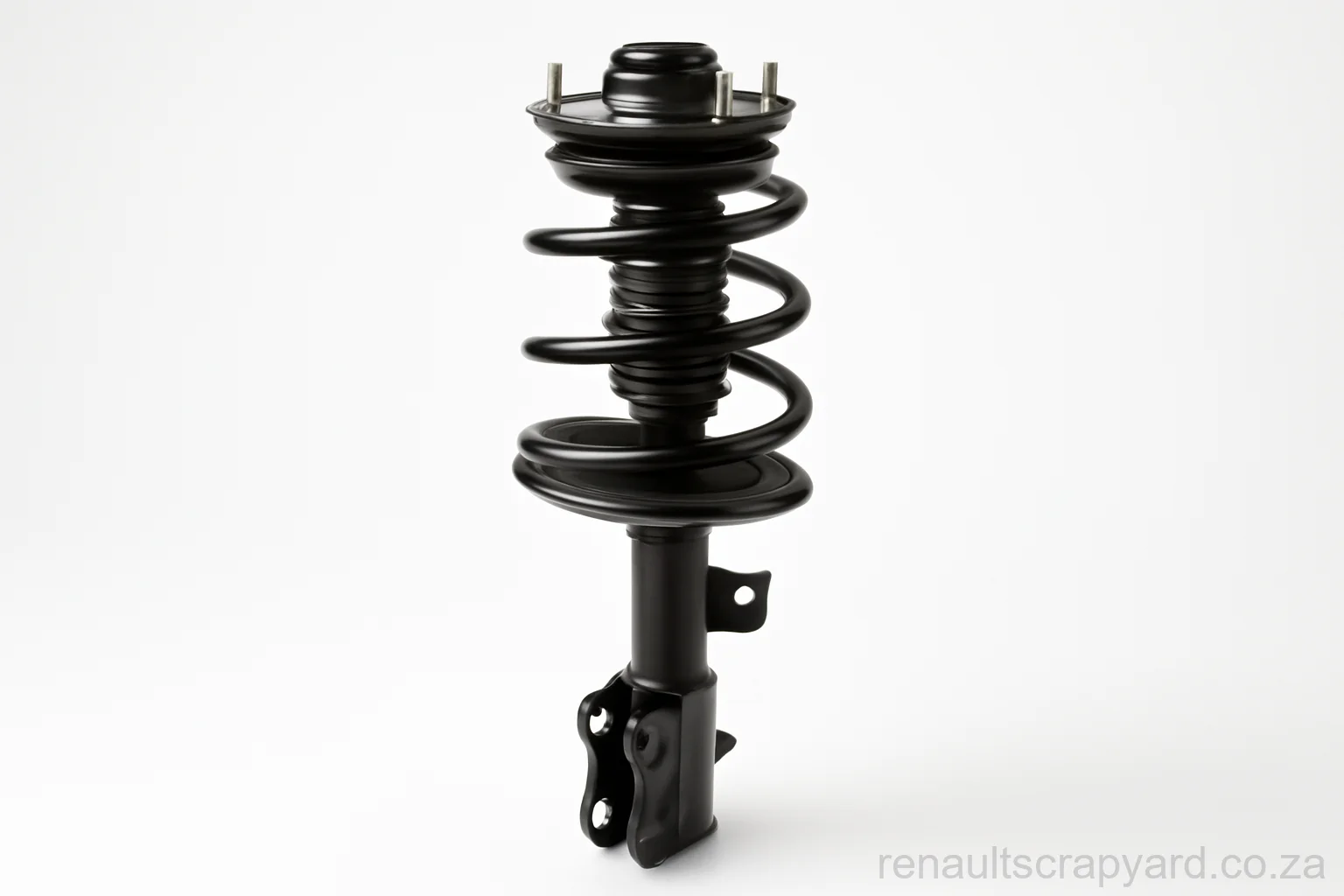
Part of our full range of Suzuki suspension .
Struts — pick your Suzuki
Pick your Suzuki and the next page will tell you exactly what we need to know before quoting.
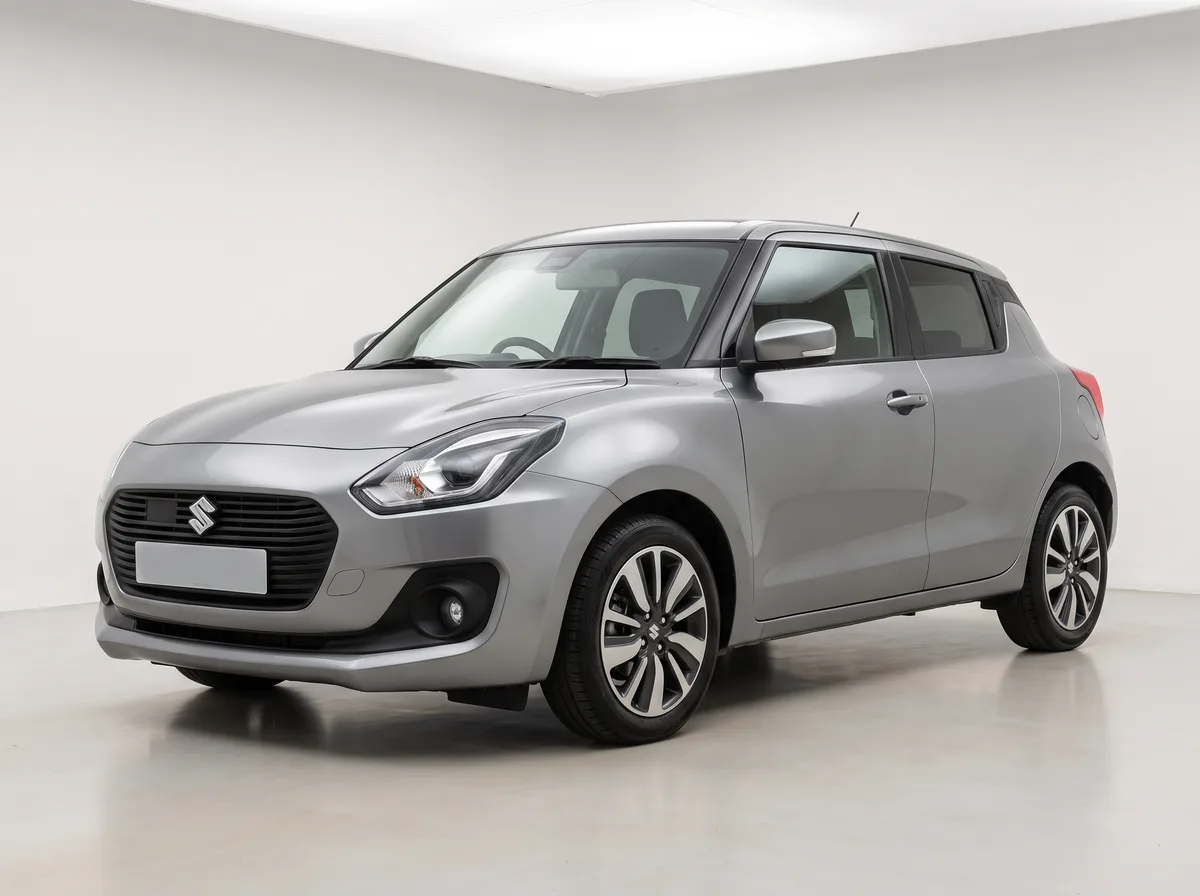
Suzuki Swift
hatchback
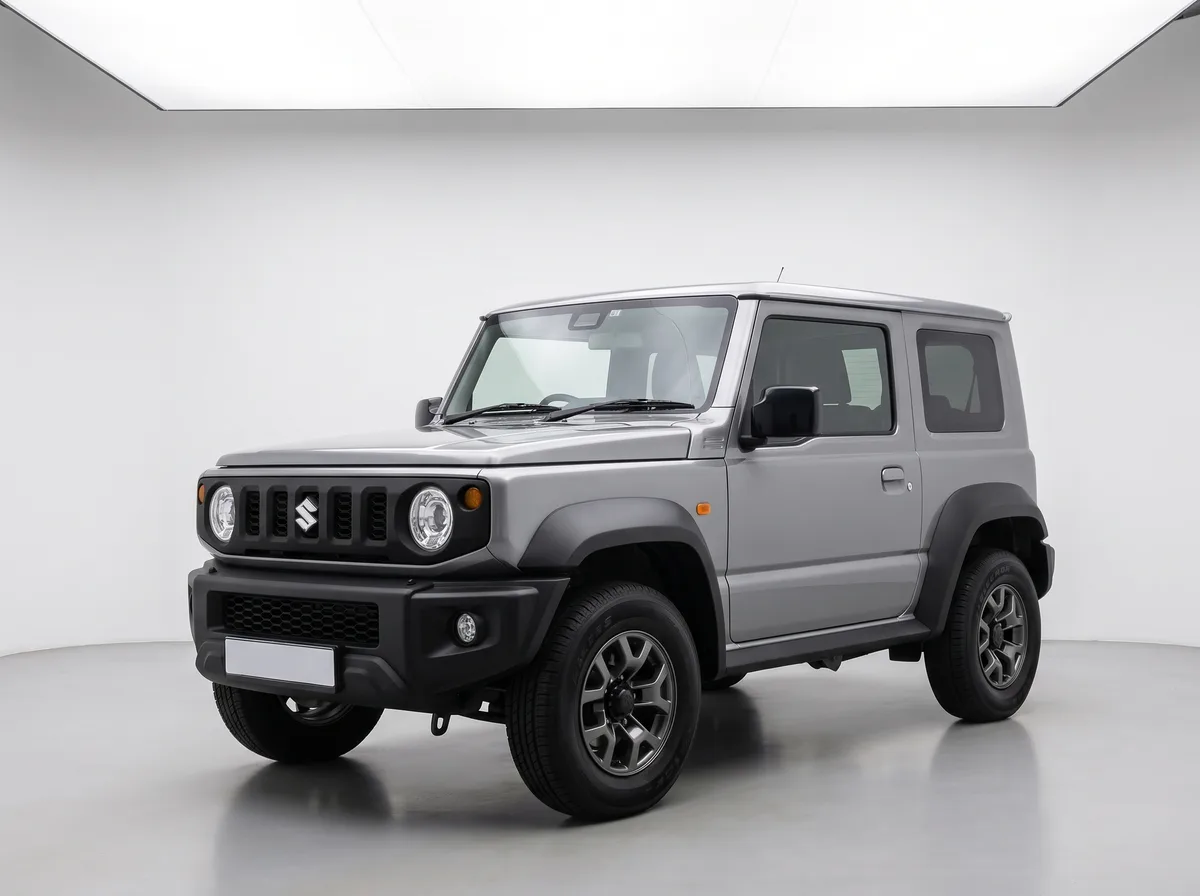
Suzuki Jimny
suv
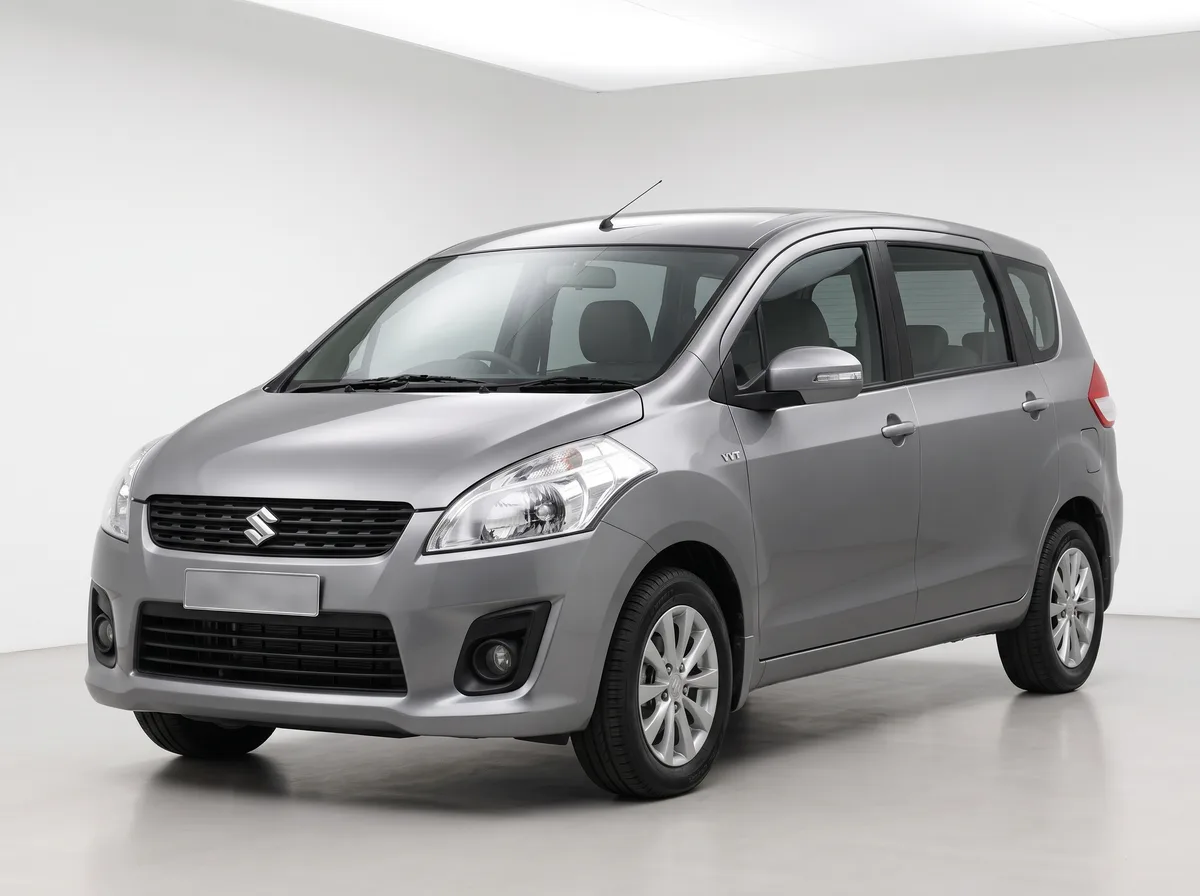
Suzuki Ertiga
mpv
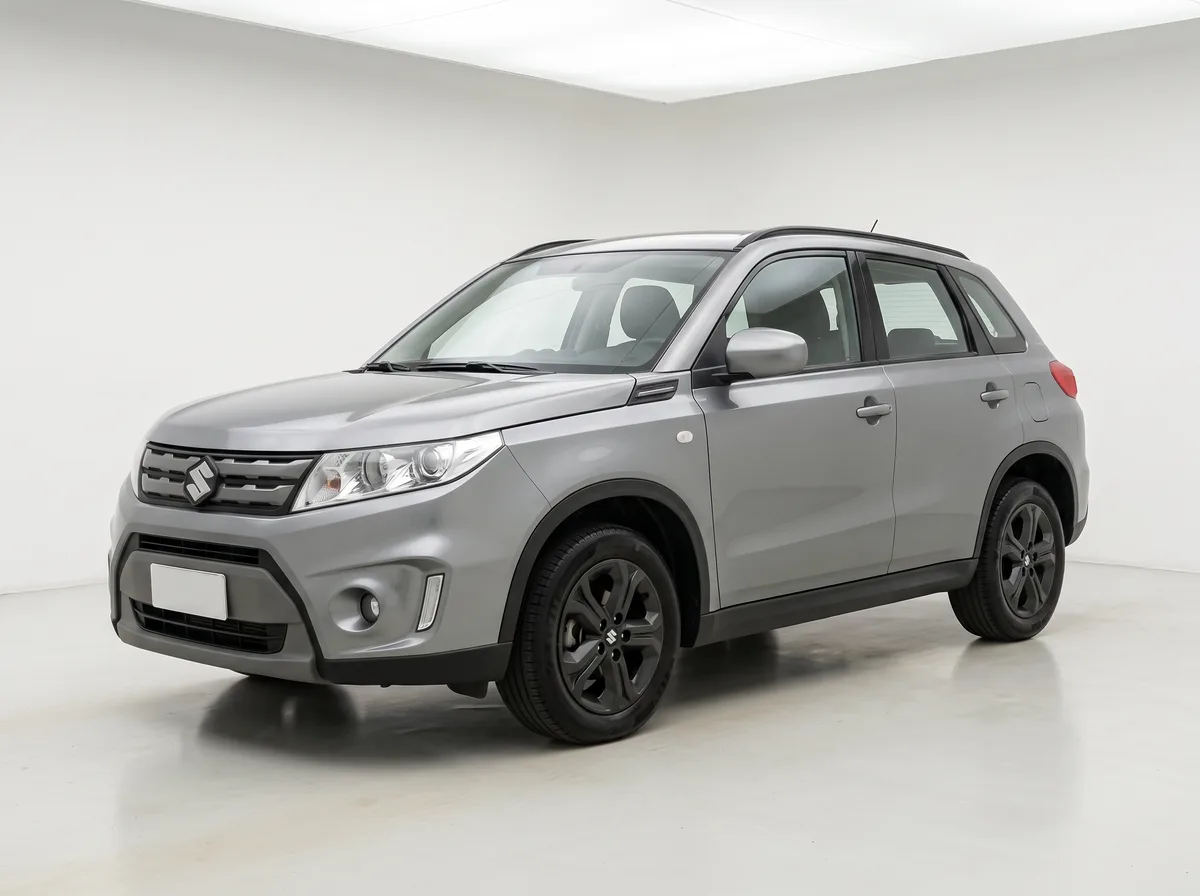
Suzuki Vitara
crossover
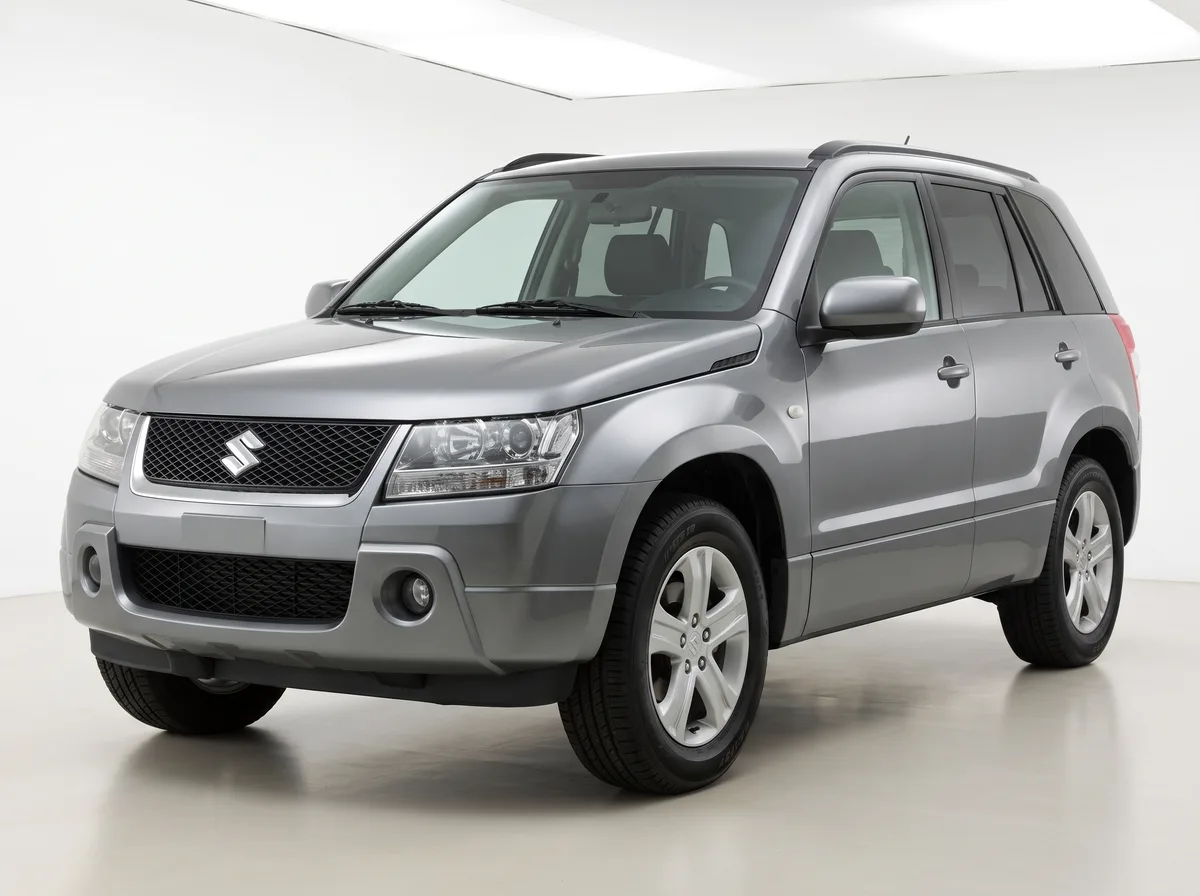
Suzuki Grand Vitara
suv
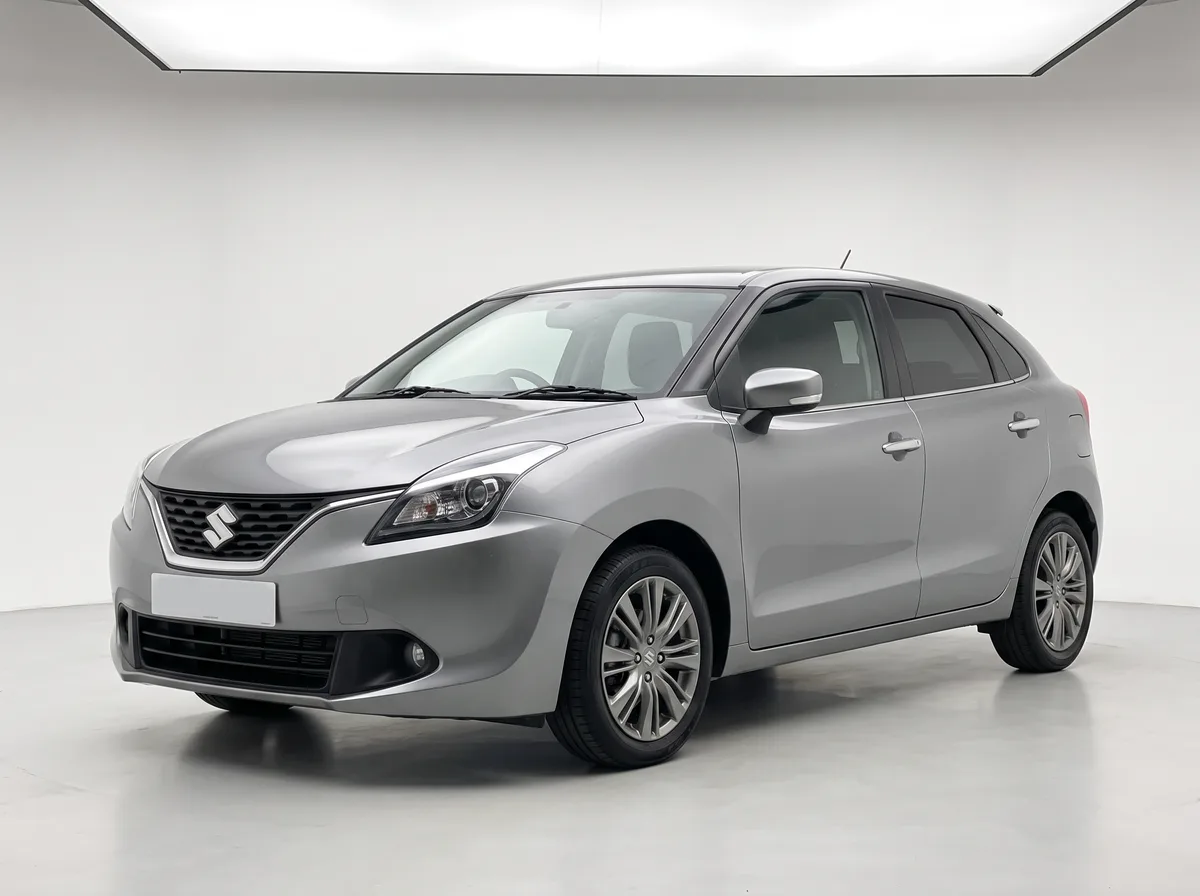
Suzuki Baleno
hatchback
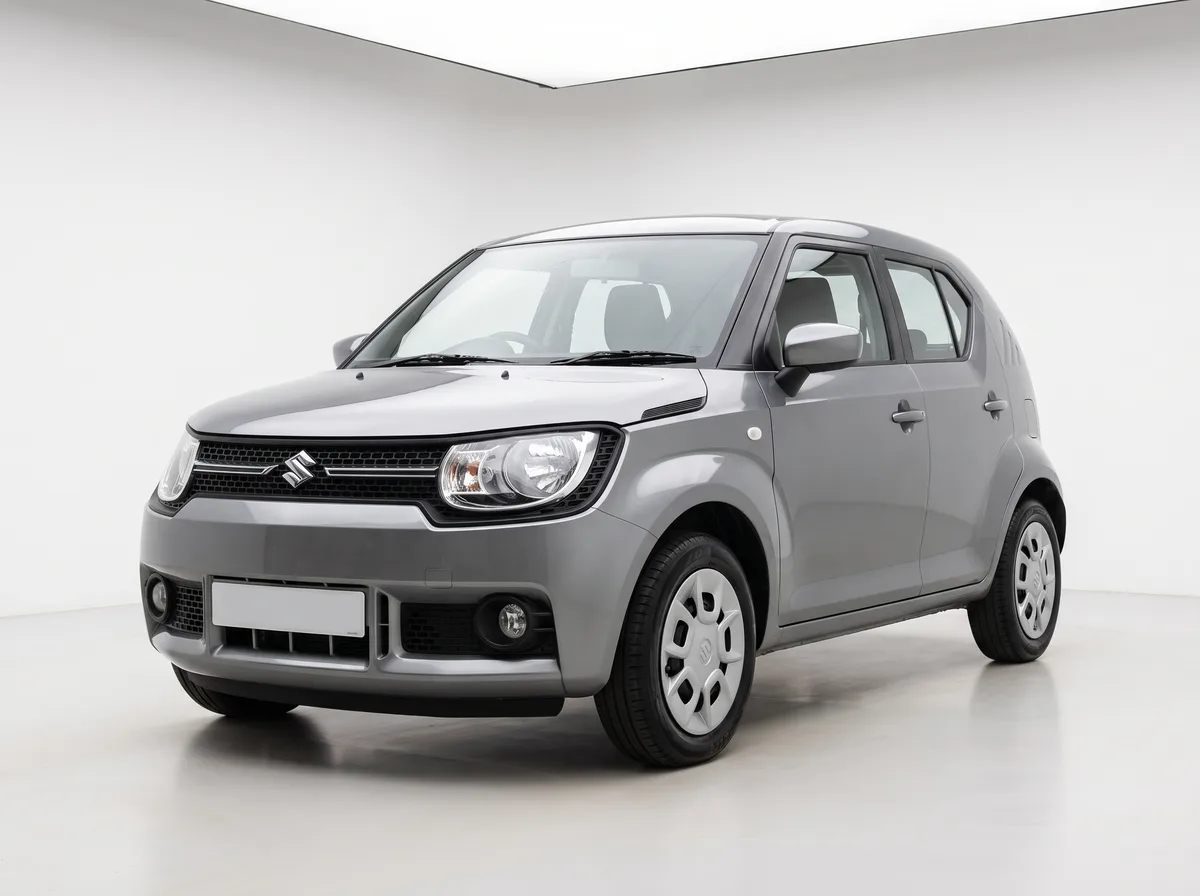
Suzuki Ignis
hatchback

Suzuki Dzire
sedan
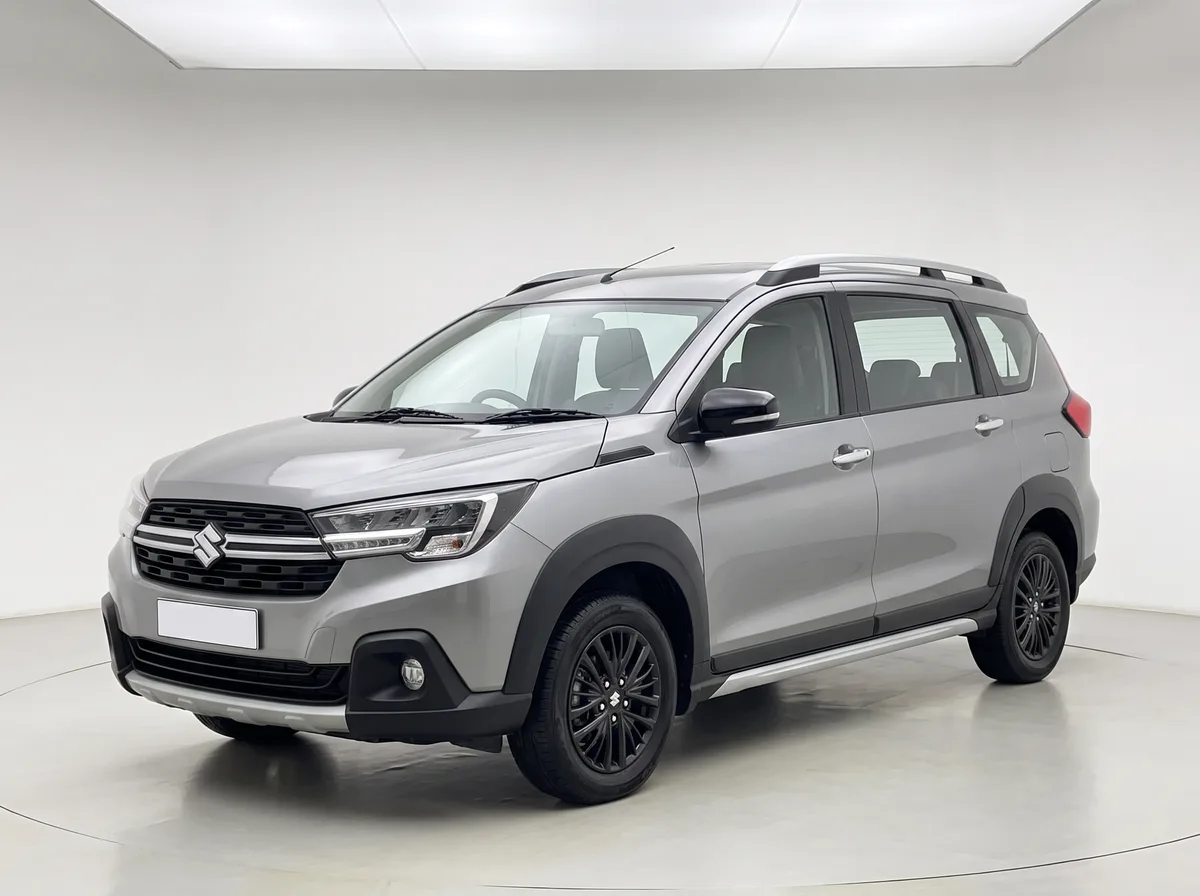
Suzuki XL6
mpv
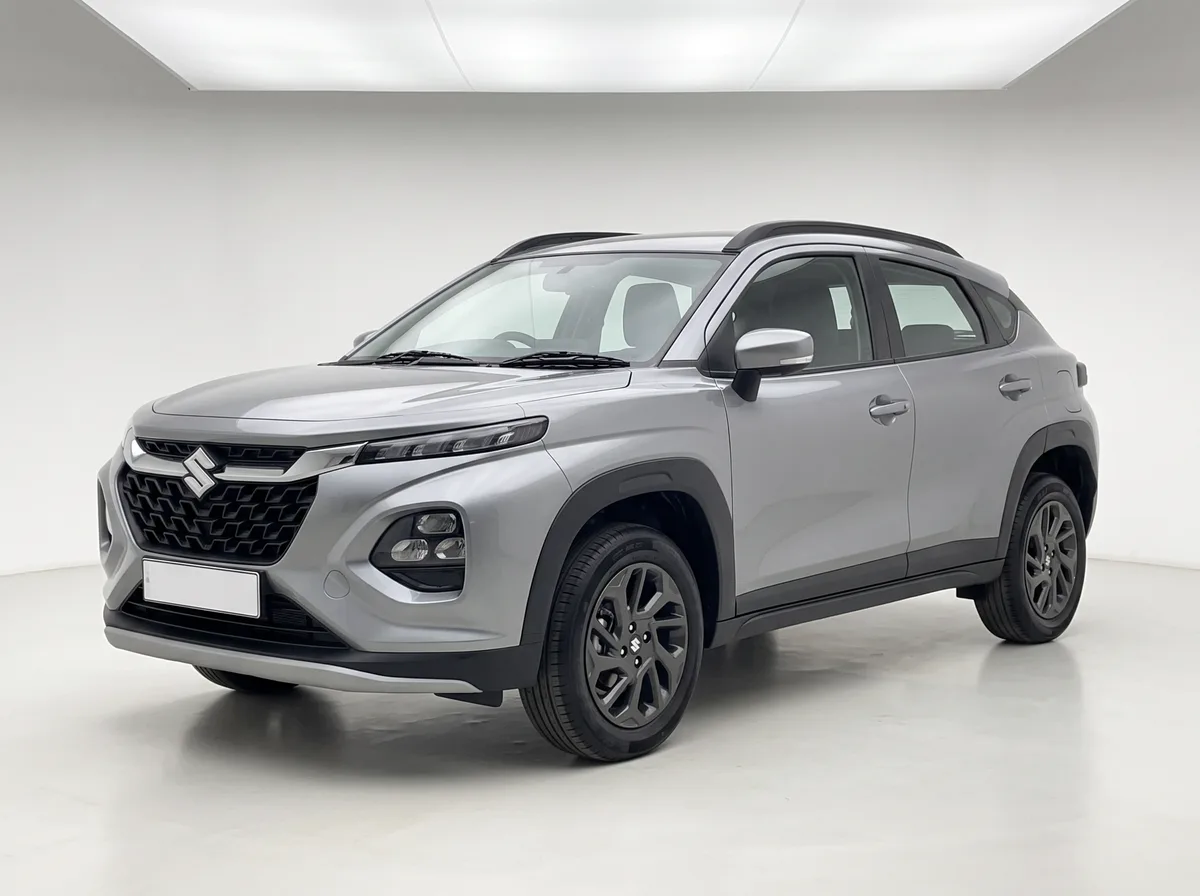
Suzuki Fronx
crossover

Suzuki Brezza
suv

Suzuki Ciaz
sedan
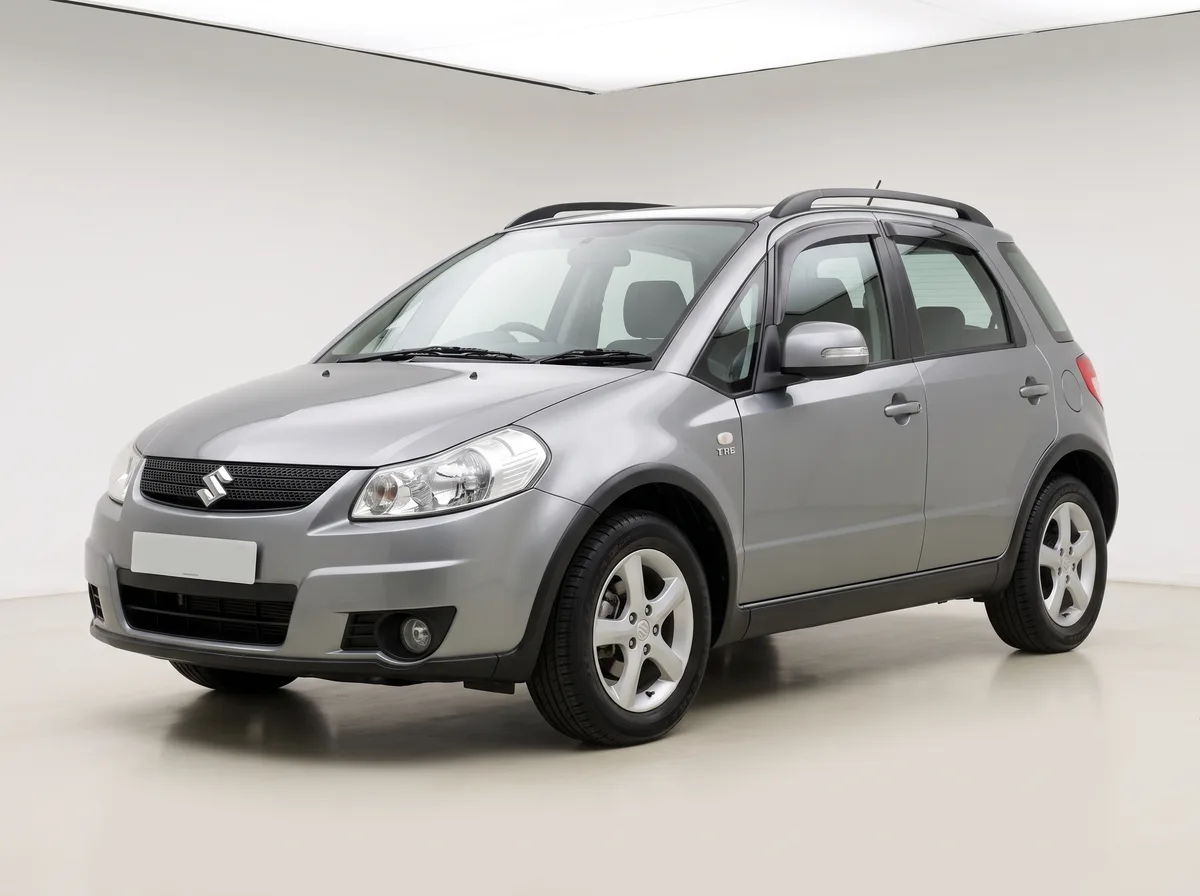
Suzuki SX4
crossover
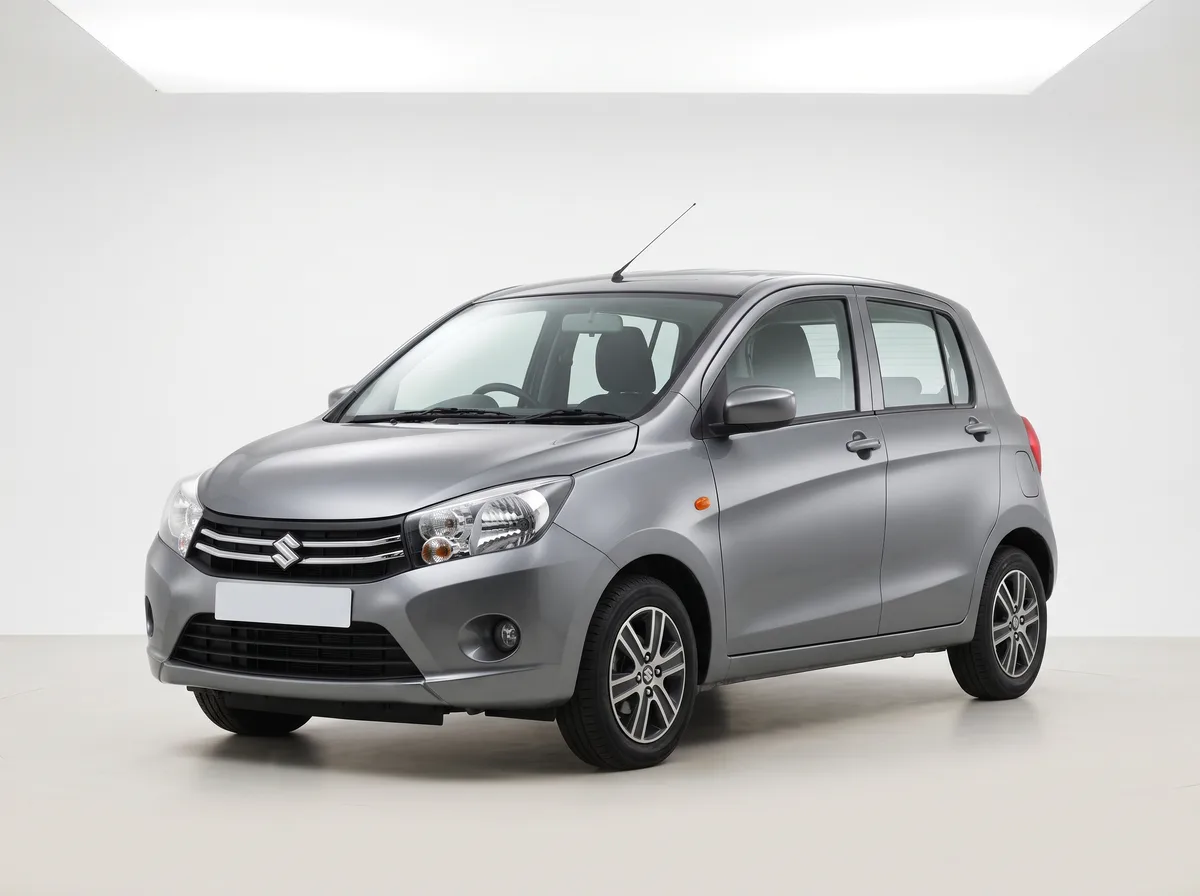
Suzuki Celerio
hatchback
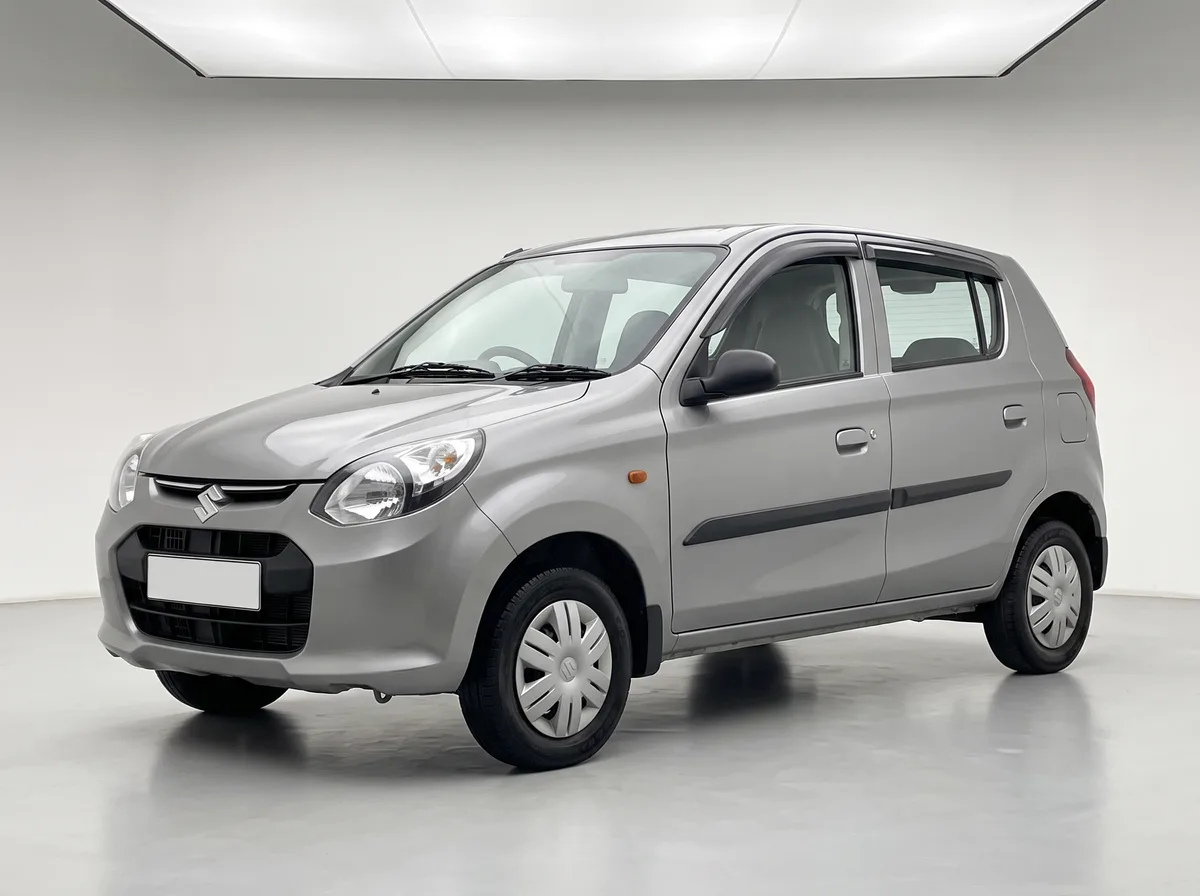
Suzuki Alto
hatchback
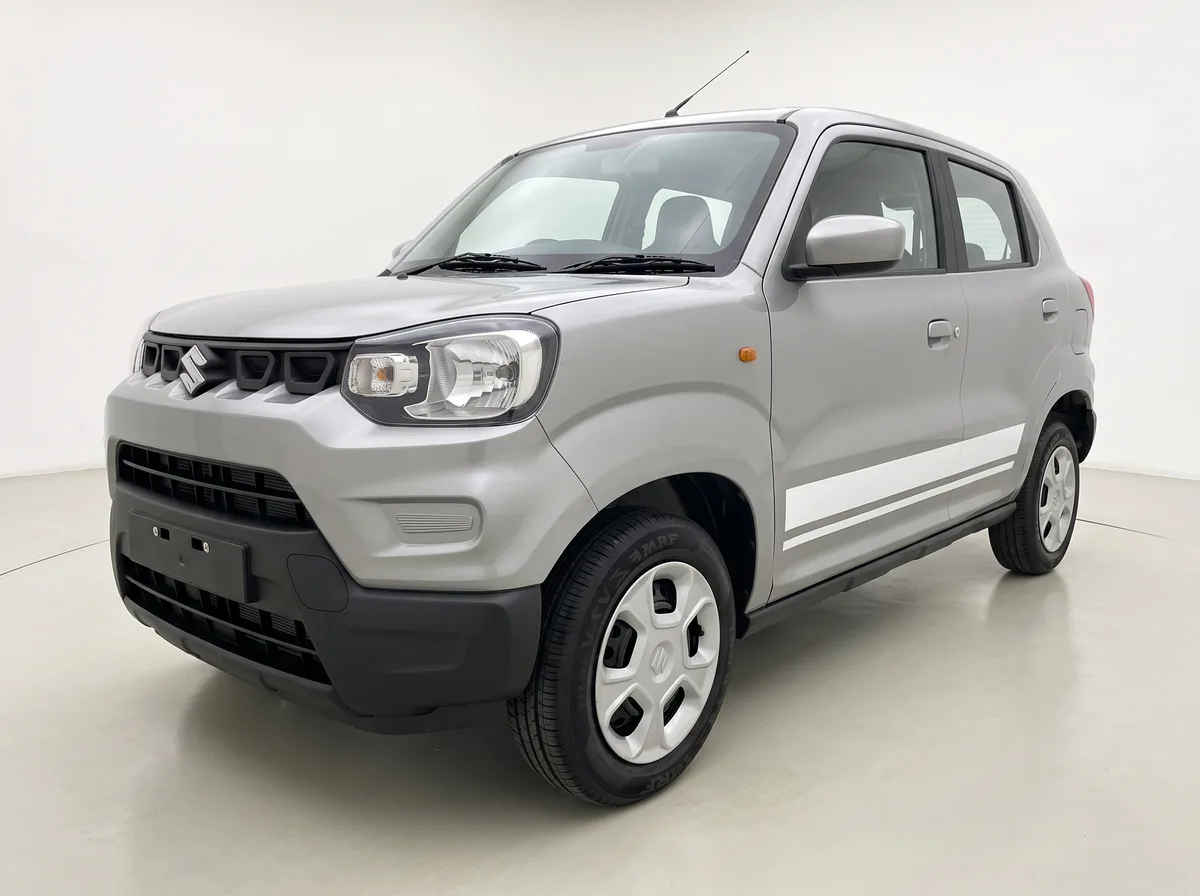
Suzuki S-Presso
hatchback
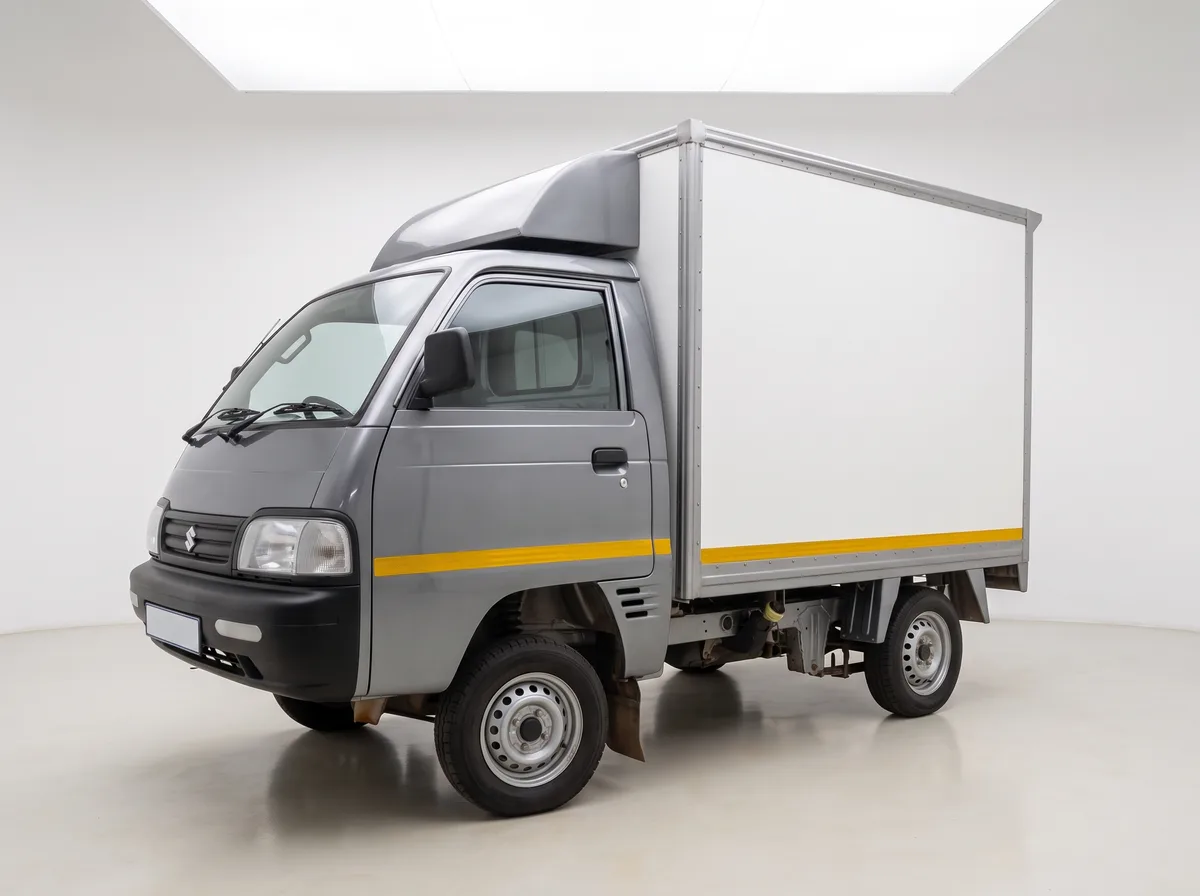
Suzuki Super Carry
commercial
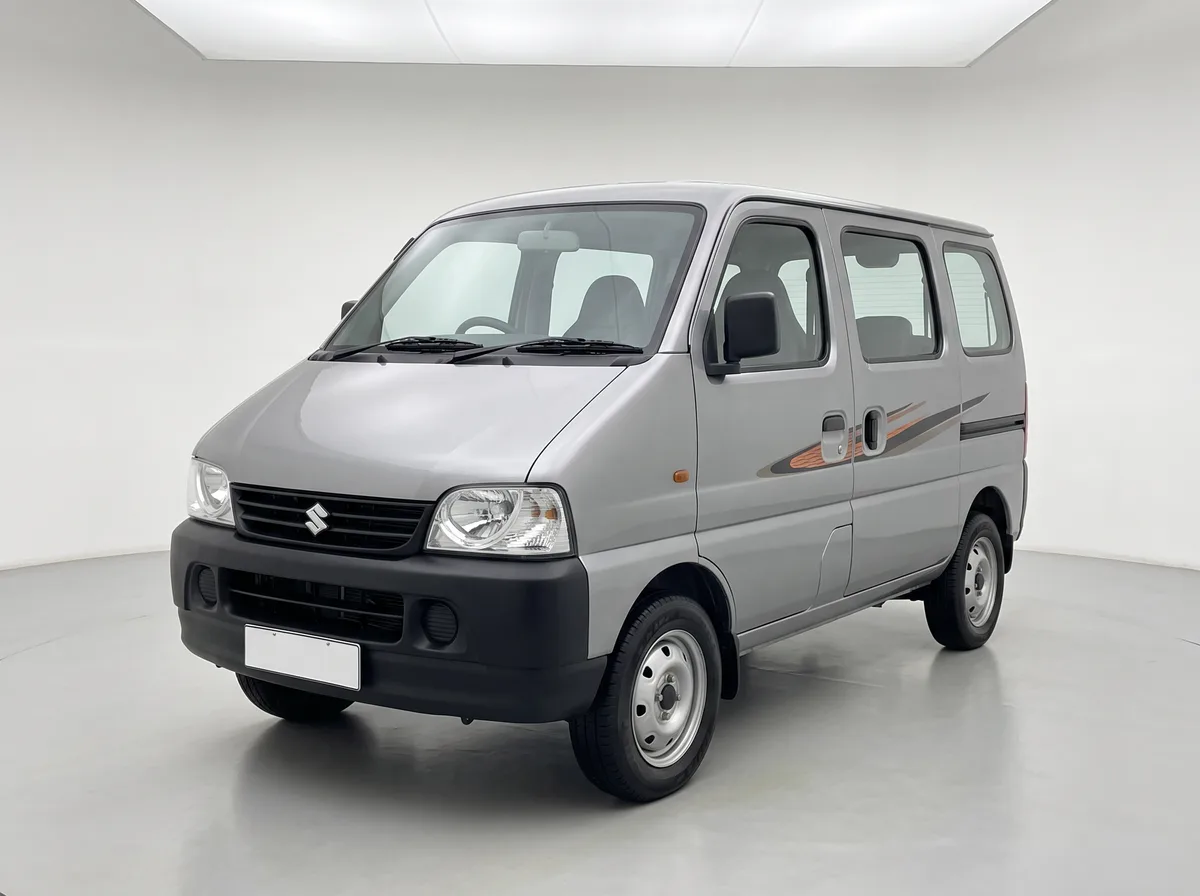
Suzuki Eeco
van
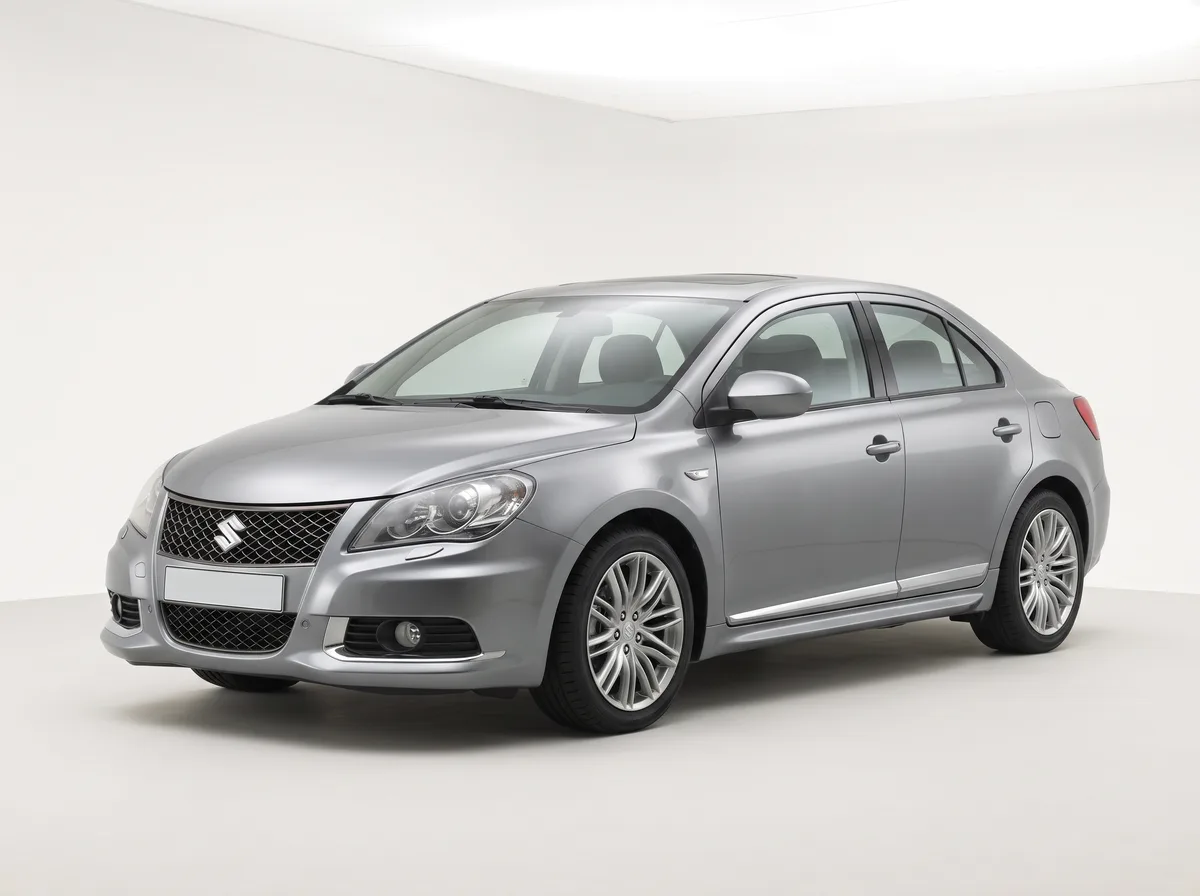
Suzuki Kizashi
sedan
Choosing struts for a Suzuki without guessing
Strip away the catalogue language and what you are actually choosing between here is whether to replace only the component that has failed or refresh the whole corner, because everything bolted alongside a worn damper has covered exactly the same distance over exactly the same roads.
South African road surfaces are harsher on suspension than the conditions these cars were originally calibrated for, and Suzuki's lighter kerb weights mean components are sized closer to the limit. The Jimny is its own case entirely: enough of them have been lifted or re-shod that standard-height parts are the wrong answer more often than not.
So we price struts against your specific car, not against a badge. Send through the generation or year, and — if it is a Jimny or a 4x4 derivative — whether the suspension is standard or has been modified, and we will come back to you on what fits , what it will cost, and how soon we can have it moving.
Struts, explained
A strut is a damper built into a structural leg that also carries the spring, the top mount and its bearing, and locates the wheel. Because it forms part of the steering geometry at the front, a strut that is leaking or sitting on a collapsed top mount changes how the car tracks, not only how it rides.
How you know struts are on the way out
Recognise any of that? Tell us the model and year and we will go and check what we can get hold of for you.
Struts for Suzuki: common questions
What decides which struts fits my Suzuki?
South African road surfaces are harsher on suspension than the conditions these cars were originally calibrated for, and Suzuki's lighter kerb weights mean components are sized closer to the limit. The Jimny is its own case entirely: enough of them have been lifted or re-shod that standard-height parts are the wrong answer more often than not. In practice the decision in front of you is whether to replace only the component that has failed or refresh the whole corner, because everything bolted alongside a worn damper has covered exactly the same distance over exactly the same roads.
What do you need from me to quote struts?
The generation or year, and — if it is a Jimny or a 4x4 derivative — whether the suspension is standard or has been modified. With that we can usually confirm the right part quickly, and we'll tell you whether we're quoting new, aftermarket or good used rather than leaving you to guess.
How do I know a strut is finished?
The old bounce test tells you very little on a modern car. Better signs are a wet film of oil down the strut body, tyres wearing in patches rather than evenly, and a car that takes an extra movement to settle after a dip. A workshop can put it on a shaker plate and measure it if you want certainty.
Do I need an alignment afterwards?
Always on the front. The strut is part of the steering geometry, so camber and often castor move the moment it is unbolted. Skipping it is how a new set of tyres gets ruined in a few thousand kilometres. Book the alignment to follow straight after the struts go on.
What actually kills struts in South Africa?
Road surface, not the odometer. A damper seal survives smooth tar almost indefinitely and dies quickly on corrugated gravel, broken tar edges and speed humps taken at pace, because every one of those movements is heat the oil has to shed. Two identical cars on different routes will not need struts at the same time.
Should the top mount and bearing be done at the same time?
On a strut it is worth it, because this is the one place where doing the job twice really hurts. The mount rubber and its bearing have taken the same years of load, they are the usual source of a knock over bumps, and reaching them means dismantling the strut all over again.
Does the Jimny have struts?
Not at the front. It runs coil springs over separate shock absorbers on a rigid axle located by links, which is a different set of parts from the strut assemblies used on the Swift, Baleno and the rest of the front-wheel-drive range. Send your VIN with the quote form and we will confirm whether your car has struts at that corner.
Further reading on struts
Independent sources, not ours. Worth a look if you want the background before you enquire.
More Suzuki parts
Dampers for Suzuki models, including the rear shocks that work hard on Jimny and Ertiga rear axles
SpringsCoil springs for Suzuki models, including the taller-rate coils fitted under lifted Jimnys
Control ArmsLower control arms with their bushes and integrated joints, the wishbones that set front-end geometry on Suzuki models
Ball JointsBall joints for Suzuki front suspension and steering — a knock over corrugations and a roadworthy fail when they get play
Sway BarAnti-roll bars and their mounting bushes for Suzuki models, worth checking on anything that has been over a kerb
Tie RodsInner and outer track rod ends for Suzuki steering, plus the rack boots that let them fail early when they split
BushingsRubber and polyurethane bushes for Suzuki arms, subframes and anti-roll bars
CoiloversHeight and damping adjustable coilover kits for Suzuki owners going lower on a Swift or higher on a Jimny
Areas we cover
Where you are changes the handover, not the sourcing. Collection or courier is settled when we quote.
Tell us the car and we'll go looking
The generation or year, and — if it is a Jimny or a 4x4 derivative — whether the suspension is standard or has been modified is all we need. We cross-reference it against what we can source and come back with what fits.