
Thermostats for Suzuki Vehicles
Used, aftermarket and reconditioned parts. Not supplied by Suzuki Auto South Africa.
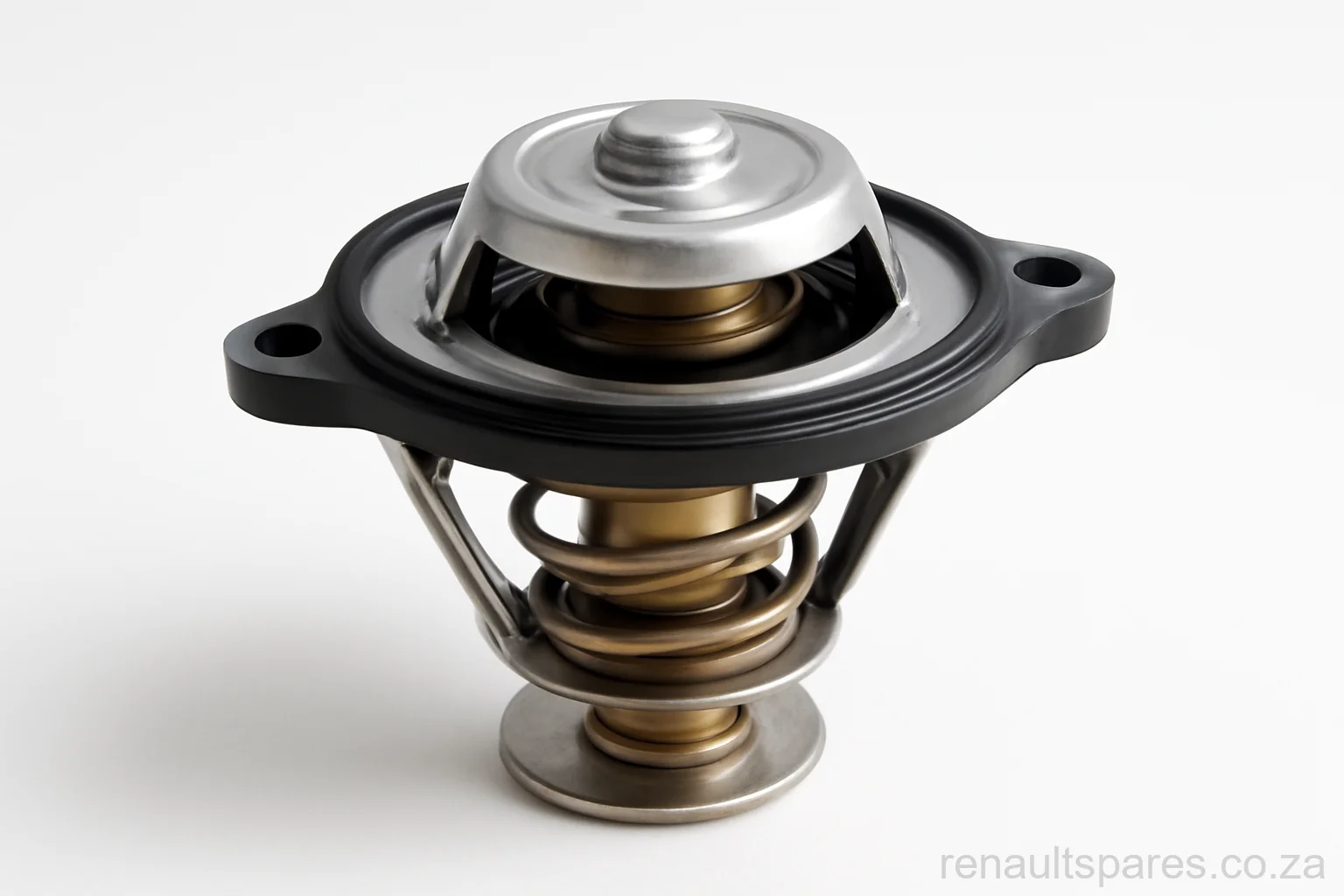
Part of our full range of Suzuki cooling .
Suzuki Thermostats by model
Pick your Suzuki and the next page will tell you exactly what we need to know before quoting.

Suzuki Swift
hatchback

Suzuki Jimny
suv

Suzuki Ertiga
mpv

Suzuki Vitara
crossover

Suzuki Grand Vitara
suv

Suzuki Baleno
hatchback
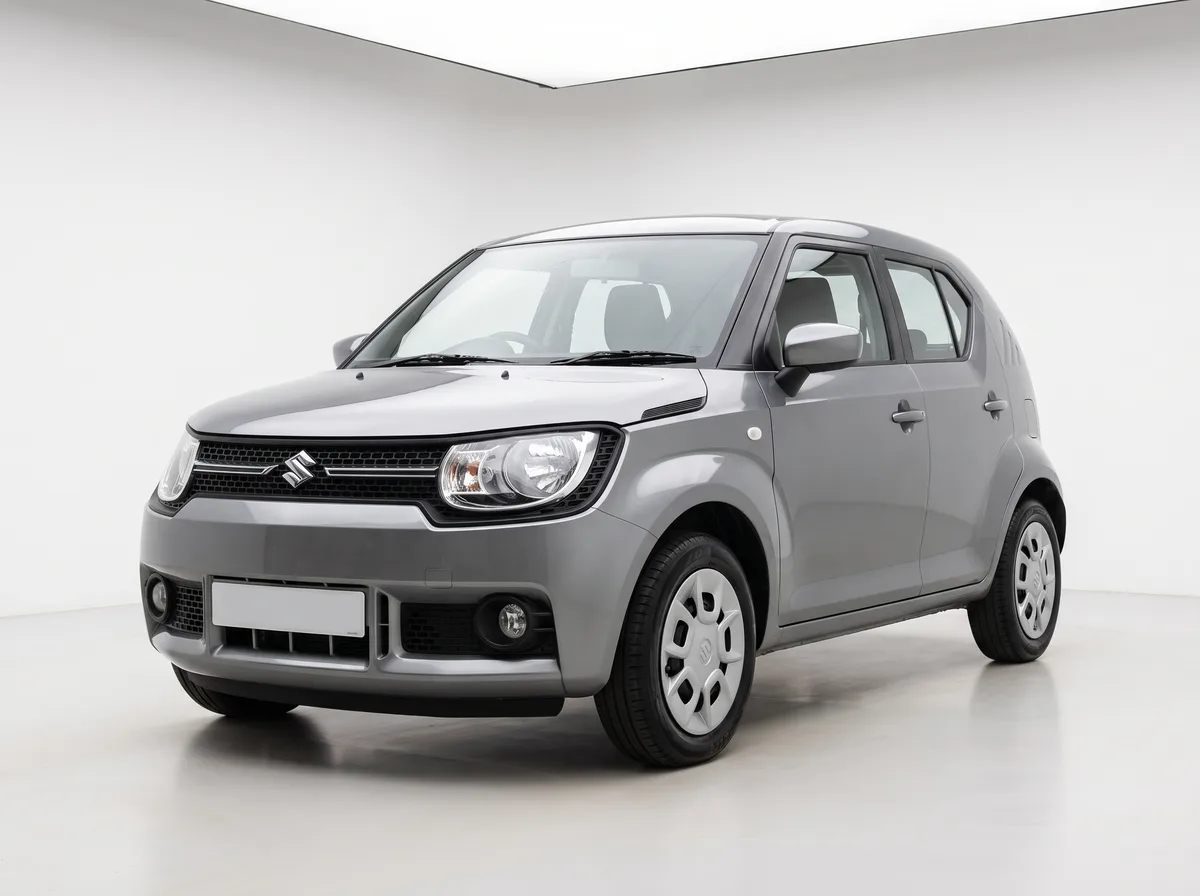
Suzuki Ignis
hatchback

Suzuki Dzire
sedan

Suzuki XL6
mpv

Suzuki Fronx
crossover

Suzuki Brezza
suv

Suzuki Ciaz
sedan

Suzuki SX4
crossover
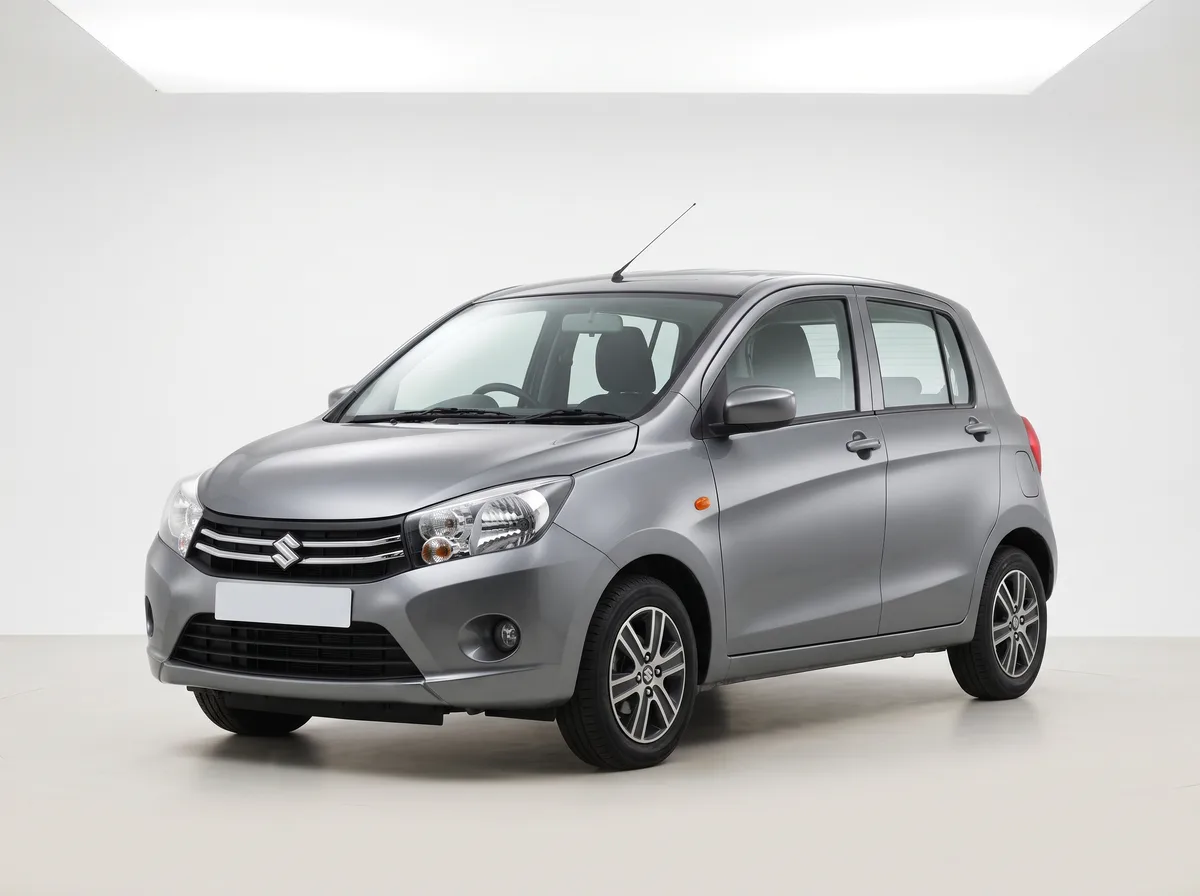
Suzuki Celerio
hatchback
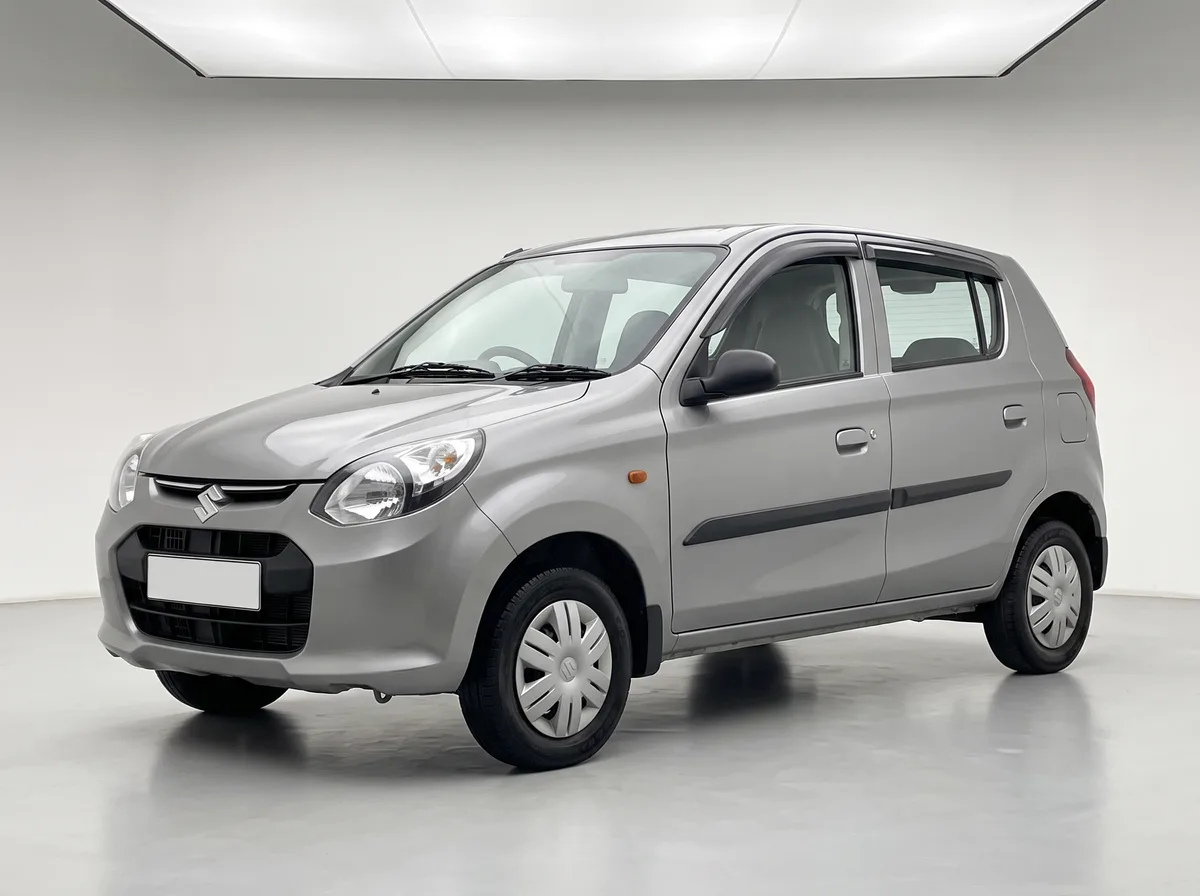
Suzuki Alto
hatchback
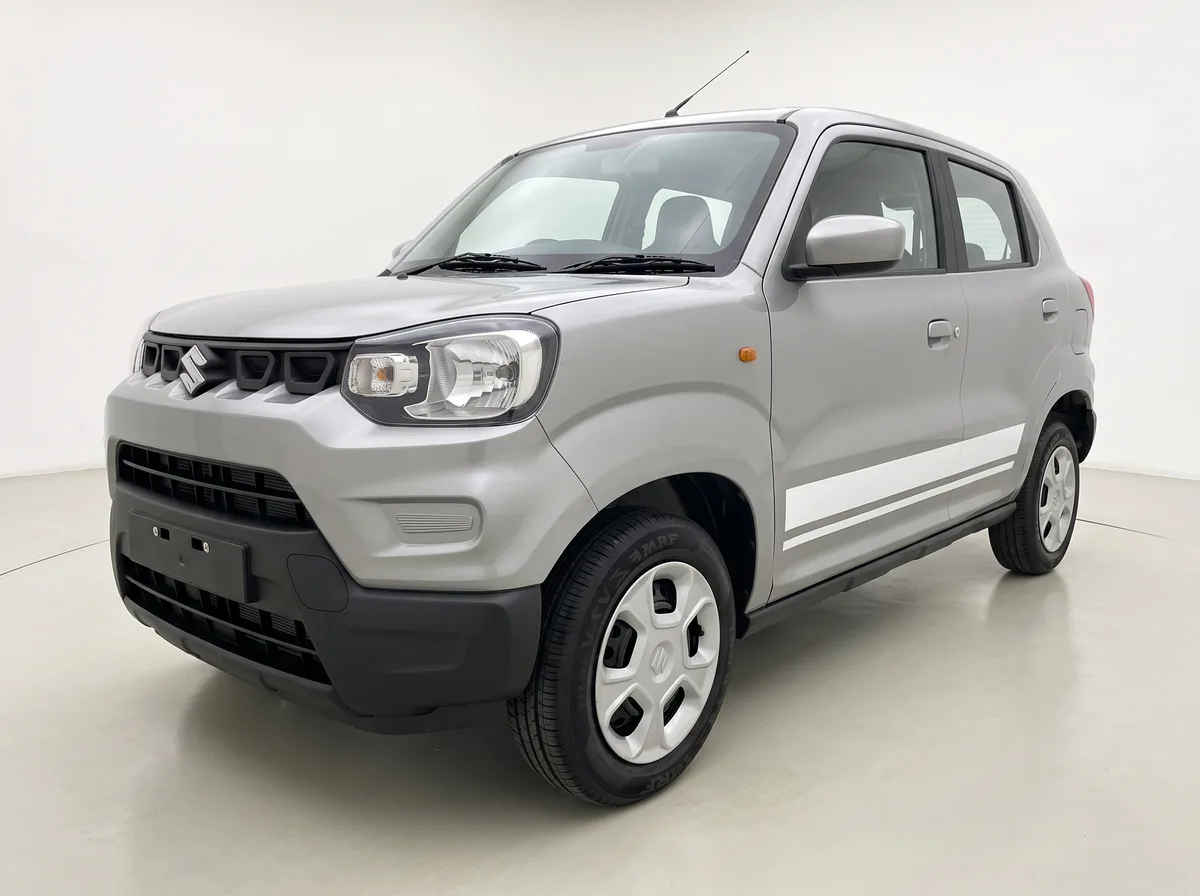
Suzuki S-Presso
hatchback
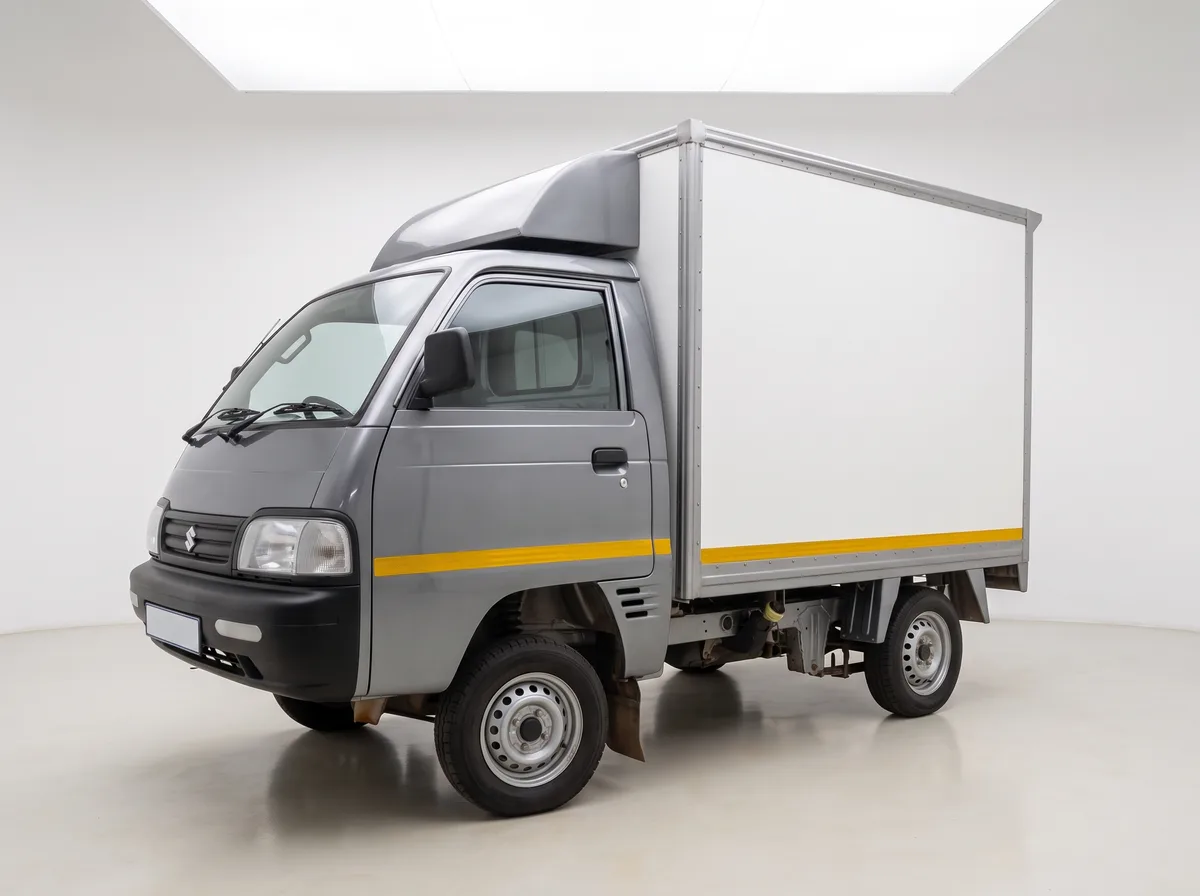
Suzuki Super Carry
commercial
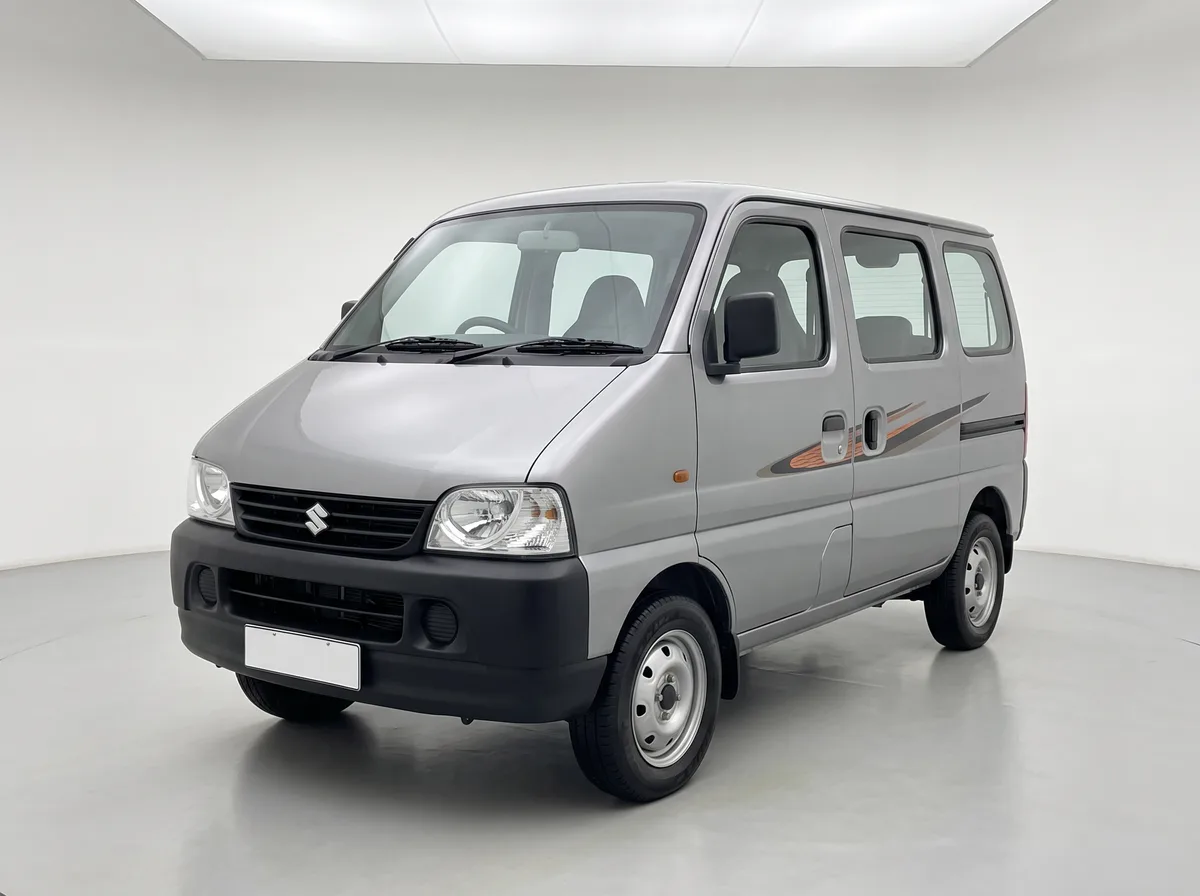
Suzuki Eeco
van

Suzuki Kizashi
sedan
The questions we ask before we price thermostats
Suzuki's small engines run compact cooling packs with little margin, and South African summer traffic is exactly the condition they have least of it in. Where a nameplate spans a naturally aspirated and a turbocharged derivative — the Vitara being the obvious case — the turbo car carries additional charge-air hardware that the 1.6 simply does not have.
In plain terms, the call you have to make is whether swapping the one component that let go is enough, or whether the rest of the system has already been cooked alongside it — and the model name on the boot lid is not enough information to make it.
Include which derivative it is, whether the engine is turbocharged, and whether it has already run hot when you ask us about thermostats. Two questions up front beats a part that has to be couriered back.
Thermostats, explained
The thermostat is a wax-filled valve that holds coolant inside the engine until it reaches operating temperature, then opens and lets it through the radiator. It is a cheap part that decides how the whole engine behaves. Stuck shut, the temperature climbs fast and the head gasket is at risk; stuck open, the engine never warms properly, the ECU keeps the mixture rich and the heater blows lukewarm.
Small naturally aspirated engines feel that second failure more than large ones, because there is less waste heat to spare. A thermostat jammed open on a Highveld winter morning leaves the car still cold-running by the time you arrive. Thermostats usually fail after a cooling system has been topped up with plain water, because the scale and corrosion that follows is what jams the valve. Replace the gasket or O-ring with it and bleed the system properly on refill.
How you know thermostats are on the way out
Recognise any of that? Tell us the model and year and we will go and check what we can get hold of for you.
Thermostats for Suzuki: common questions
What decides which thermostats fits my Suzuki?
Suzuki's small engines run compact cooling packs with little margin, and South African summer traffic is exactly the condition they have least of it in. Where a nameplate spans a naturally aspirated and a turbocharged derivative — the Vitara being the obvious case — the turbo car carries additional charge-air hardware that the 1.6 simply does not have. In practice the decision in front of you is whether swapping the one component that let go is enough, or whether the rest of the system has already been cooked alongside it.
What do you need from me to quote thermostats?
Which derivative it is, whether the engine is turbocharged, and whether it has already run hot. With that we can usually confirm the right part quickly, and we'll tell you whether we're quoting new, aftermarket or good used rather than leaving you to guess.
Can I just take the thermostat out?
People do it, and it is a bad idea. Without a thermostat the engine runs permanently cool, so the ECU stays in a rich warm-up mode, fuel washes the bore walls and the oil dilutes. It also removes the restriction the system was designed around, which can let coolant move through the radiator too fast to shed heat properly. It treats one symptom and creates three problems.
Does the housing need replacing too?
Not always, but look at it. Plenty of thermostats sit in a plastic or alloy housing with a sensor threaded into it, and if that housing is warped, cracked at a bolt boss or heavily scaled the new thermostat will leak or sit crooked. If the old one came out with scale packed around it, replace the housing at the same time.
What temperature rating should I order?
The rating stamped on the thermostat is not a tuning choice, it is what the engine and its ECU maps expect. Fitting a cooler-rated one to cure an overheating problem hides the real fault, which is almost always a blocked radiator, a failing water pump or air in the system. Order the specification for your engine and fix the cause.
Why does it only overheat in traffic?
Overheating that appears in stop-start traffic and clears at speed points at airflow rather than the thermostat, so look at the cooling fan, the fan relay and a radiator core blocked with dust and grass seed. A stuck thermostat generally overheats regardless of road speed. Check both, because a car that has been running hot for a while usually has more than one thing wrong.
How do I confirm it before buying parts?
Start the engine cold and hold the top radiator hose. It should stay cool for several minutes, then go hot fairly suddenly as the valve opens, which is the thermostat working. A hose that is hot almost immediately means it is stuck open; one still cold while the gauge climbs means it is stuck shut. Tell us what you found along with your VIN and we can match the right part.
More Suzuki parts
Radiators for Suzuki models, with the plastic end tanks and seams that crack with age
Water PumpsWater pumps for Suzuki petrol engines, with the gasket or O-ring that must go on with them
Cooling FansElectric fan assemblies, motors and resistor packs for Suzuki models
Radiator HosesTop, bottom and bypass hoses for Suzuki cooling systems
Heater CoresHeater matrices for Suzuki cabins, the leak behind a sweet smell and a misted windscreen
Coolant ReservoirsExpansion bottles, caps and level sensors for Suzuki cooling systems
Radiator CapsPressure caps in the correct rating for Suzuki cooling systems
Temperature SensorsCoolant temperature sensors and fan switches for Suzuki engines
Thermostats, wherever the car is
Areas we send thermostats to.
Tell us the car and we'll go looking
Which derivative it is, whether the engine is turbocharged, and whether it has already run hot is all we need. We cross-reference it against what we can source and come back with what fits.