
Suzuki Timing Belts, Matched Before It Ships
Used, aftermarket and reconditioned parts. Not supplied by Suzuki Auto South Africa.
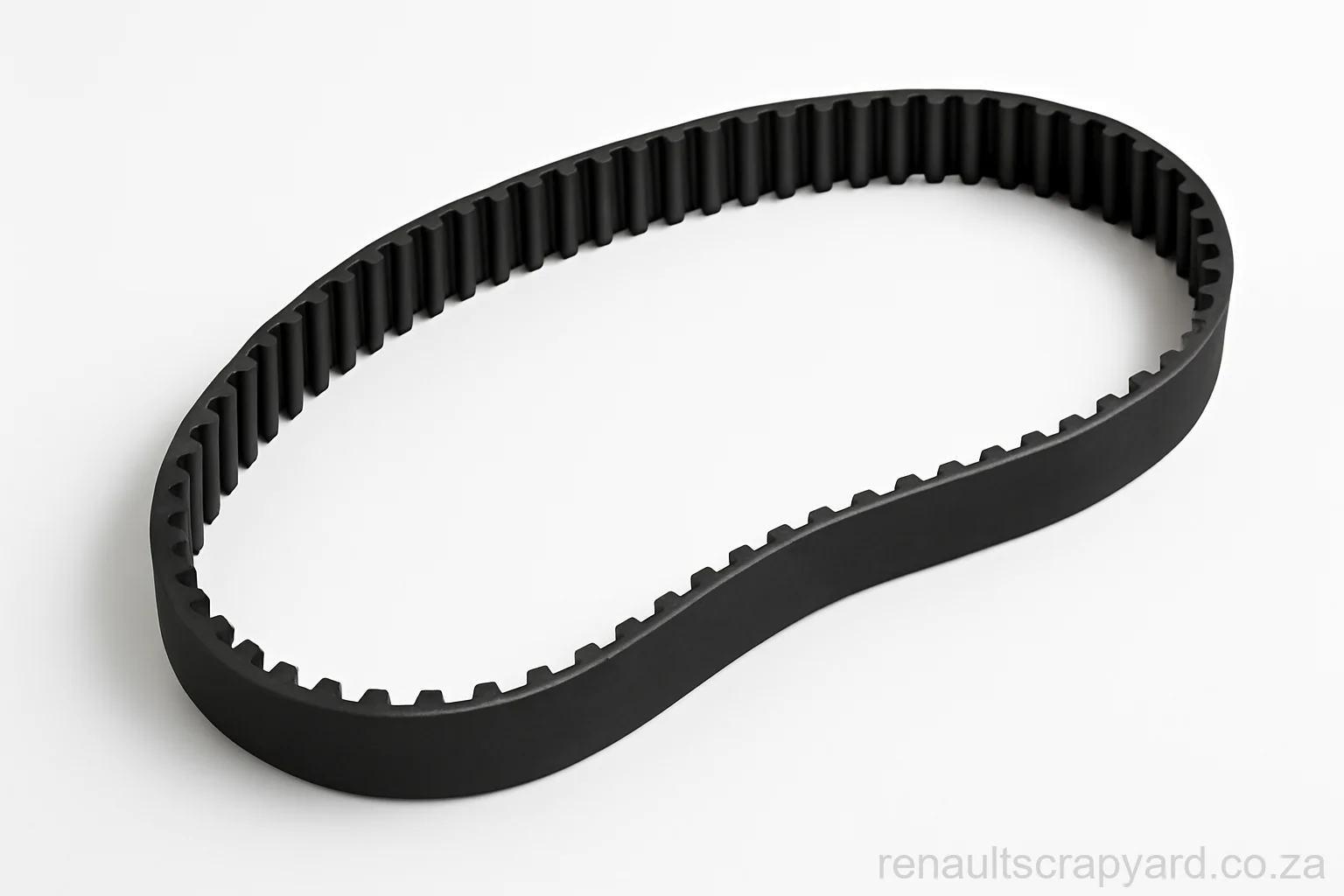
Part of our full range of Suzuki engine parts .
Suzuki Timing Belts by model
Every model page sets out the SA-market derivatives and flags where timing belts fitment tends to split.
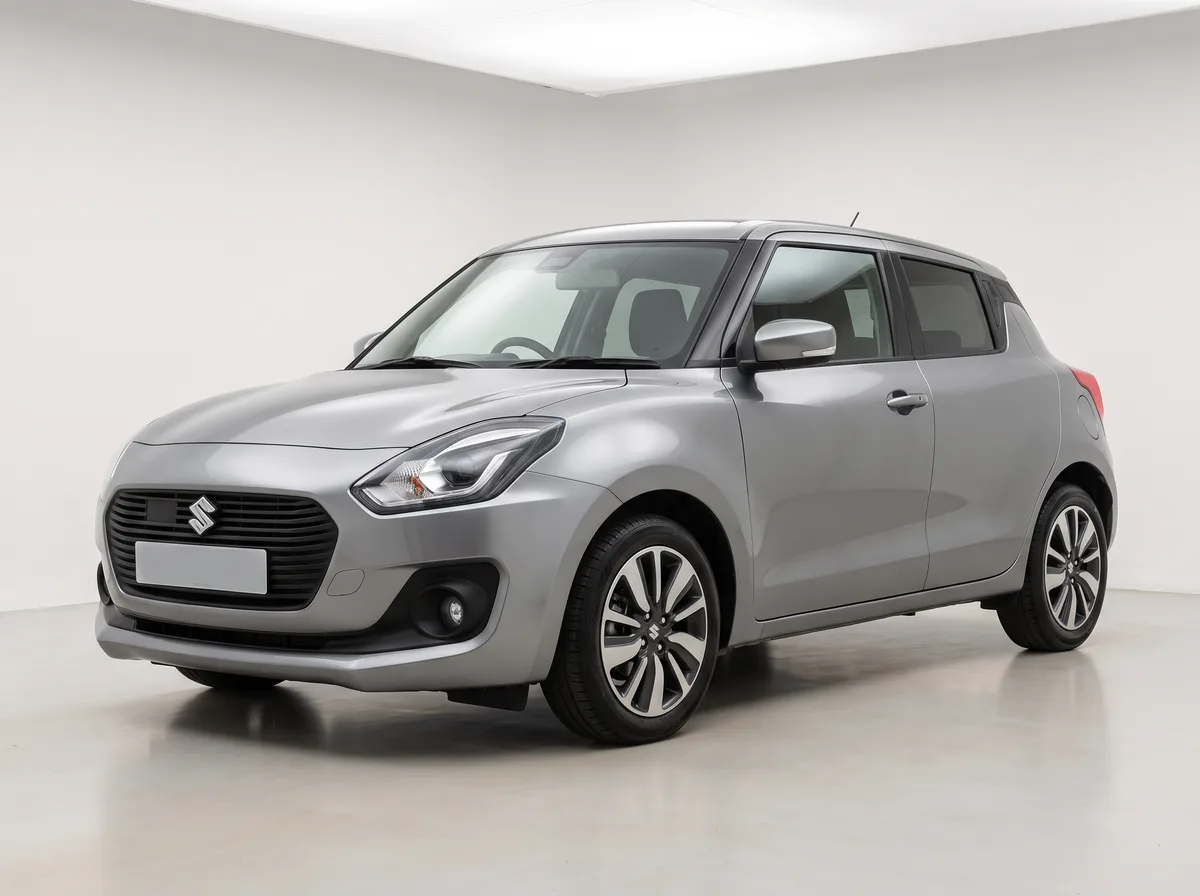
Suzuki Swift
hatchback
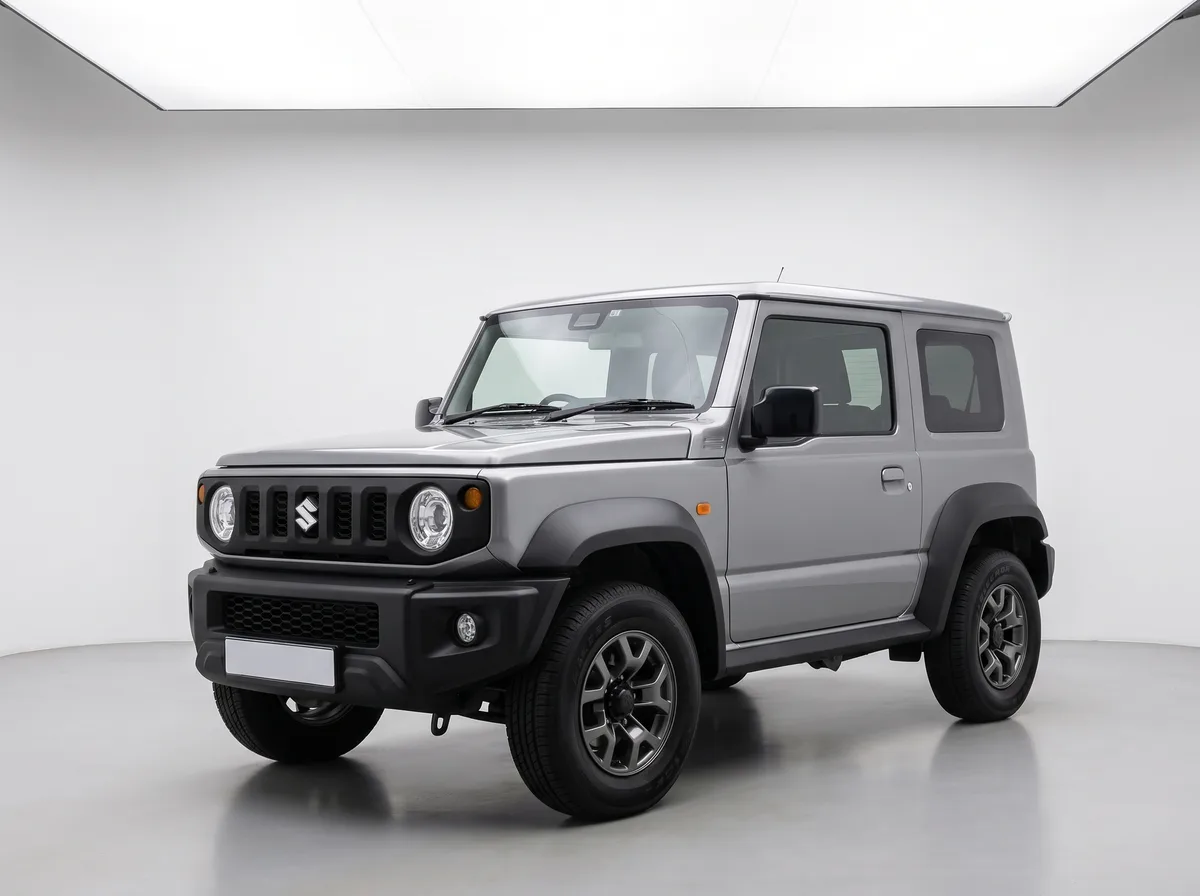
Suzuki Jimny
suv
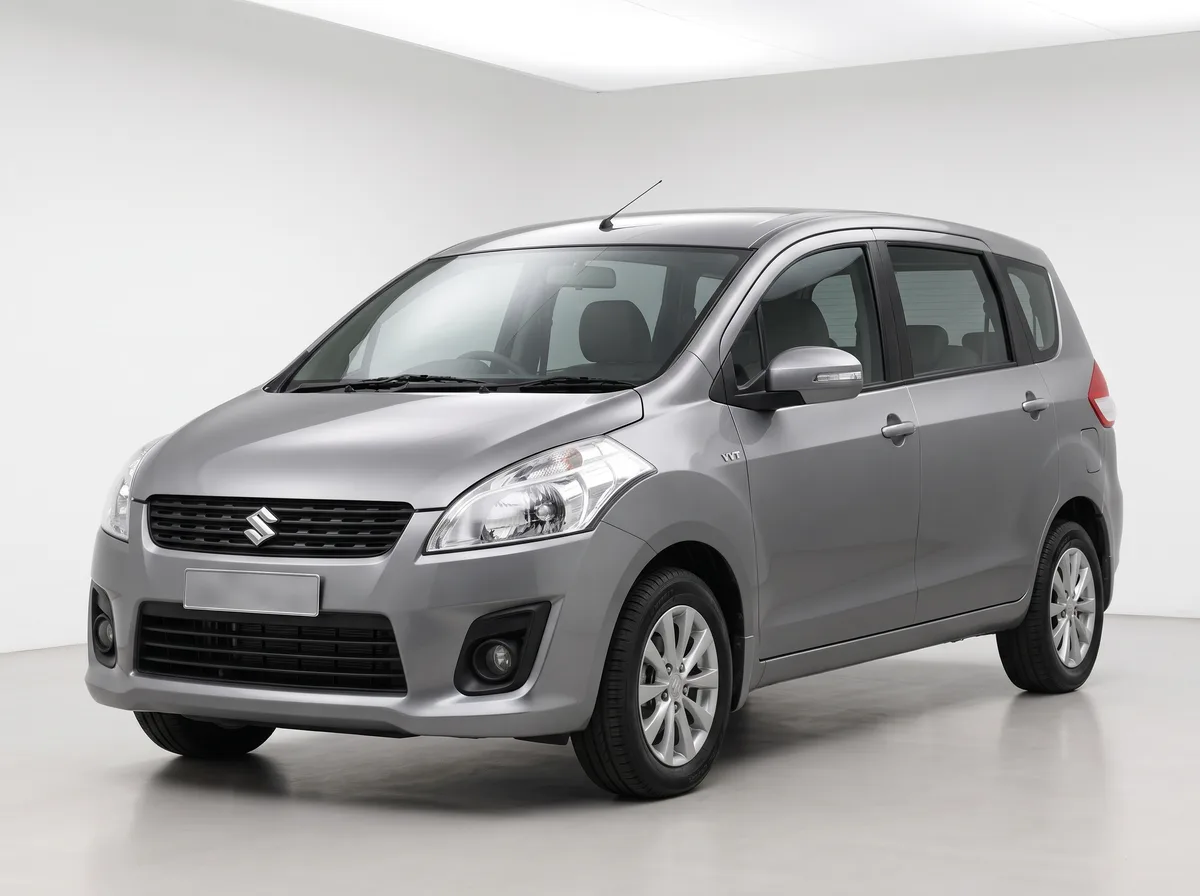
Suzuki Ertiga
mpv
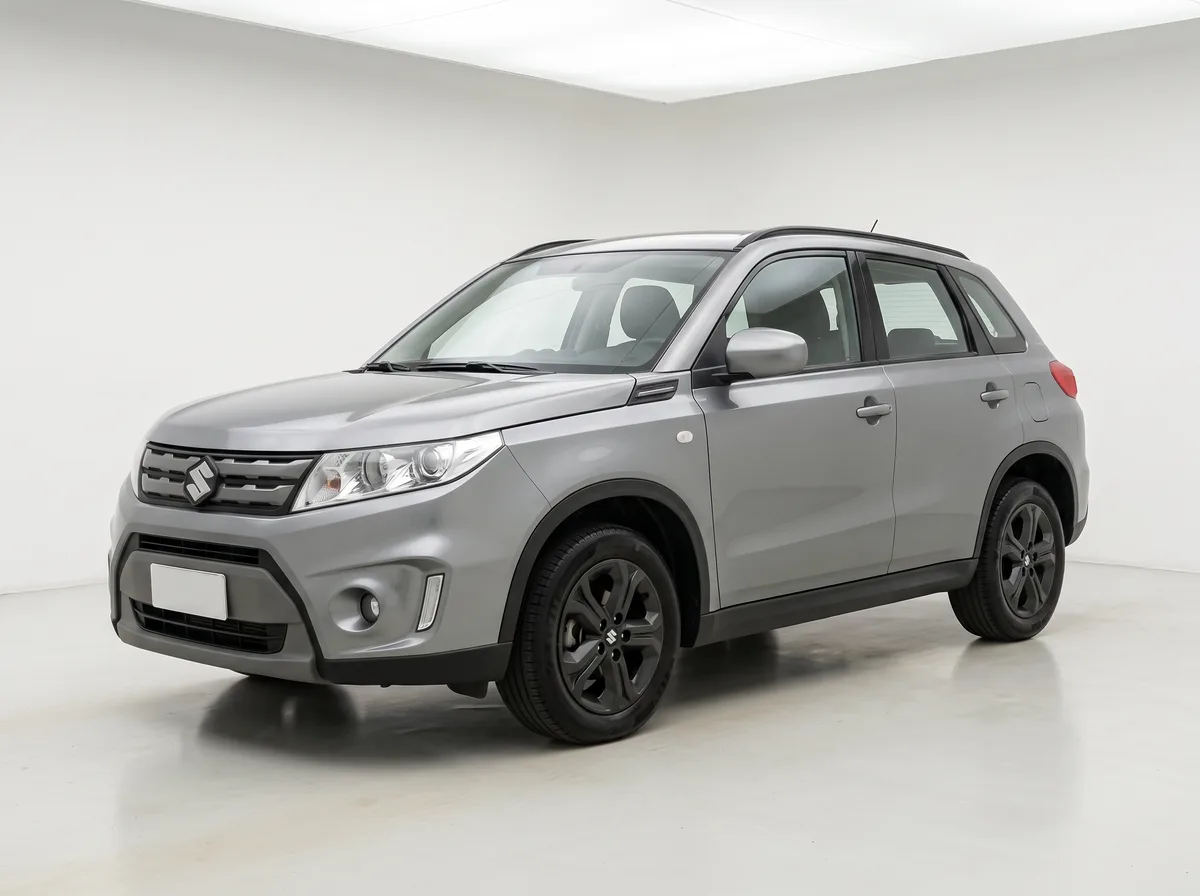
Suzuki Vitara
crossover
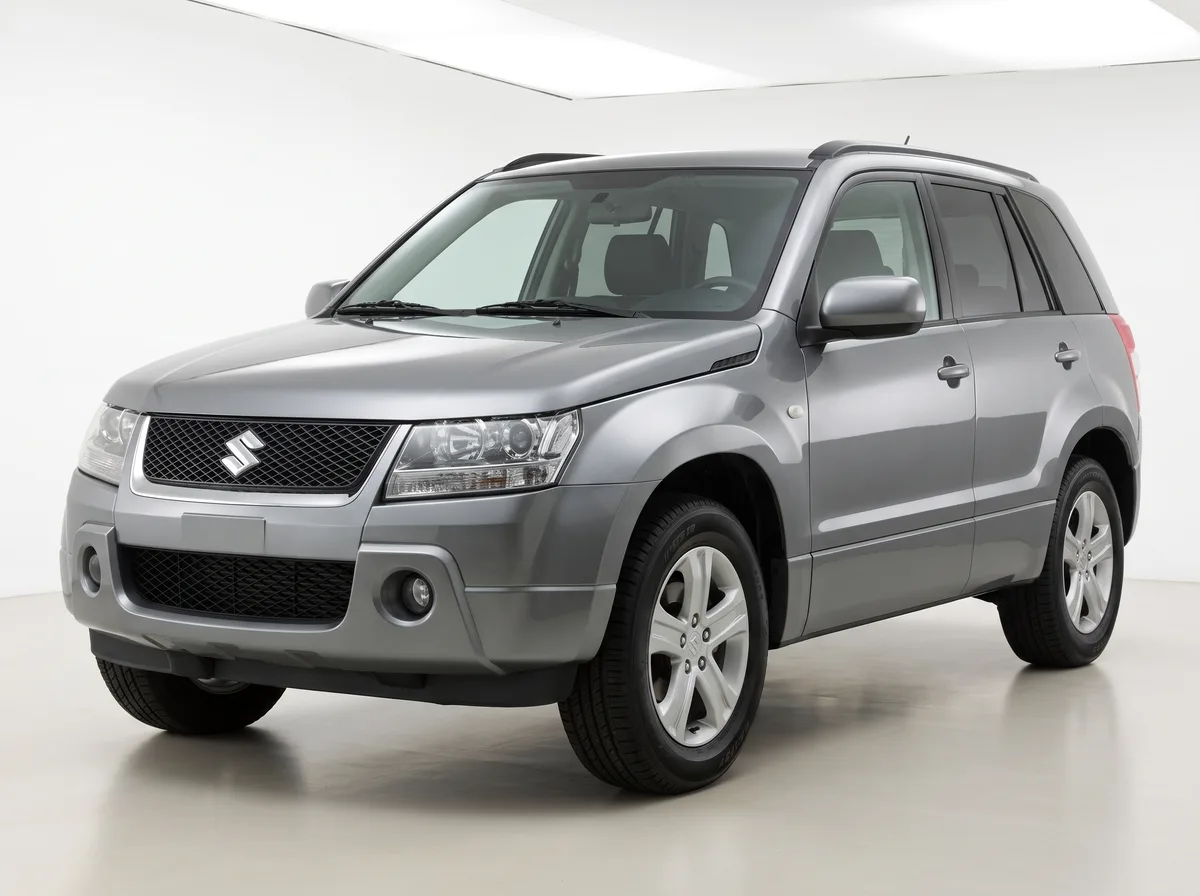
Suzuki Grand Vitara
suv
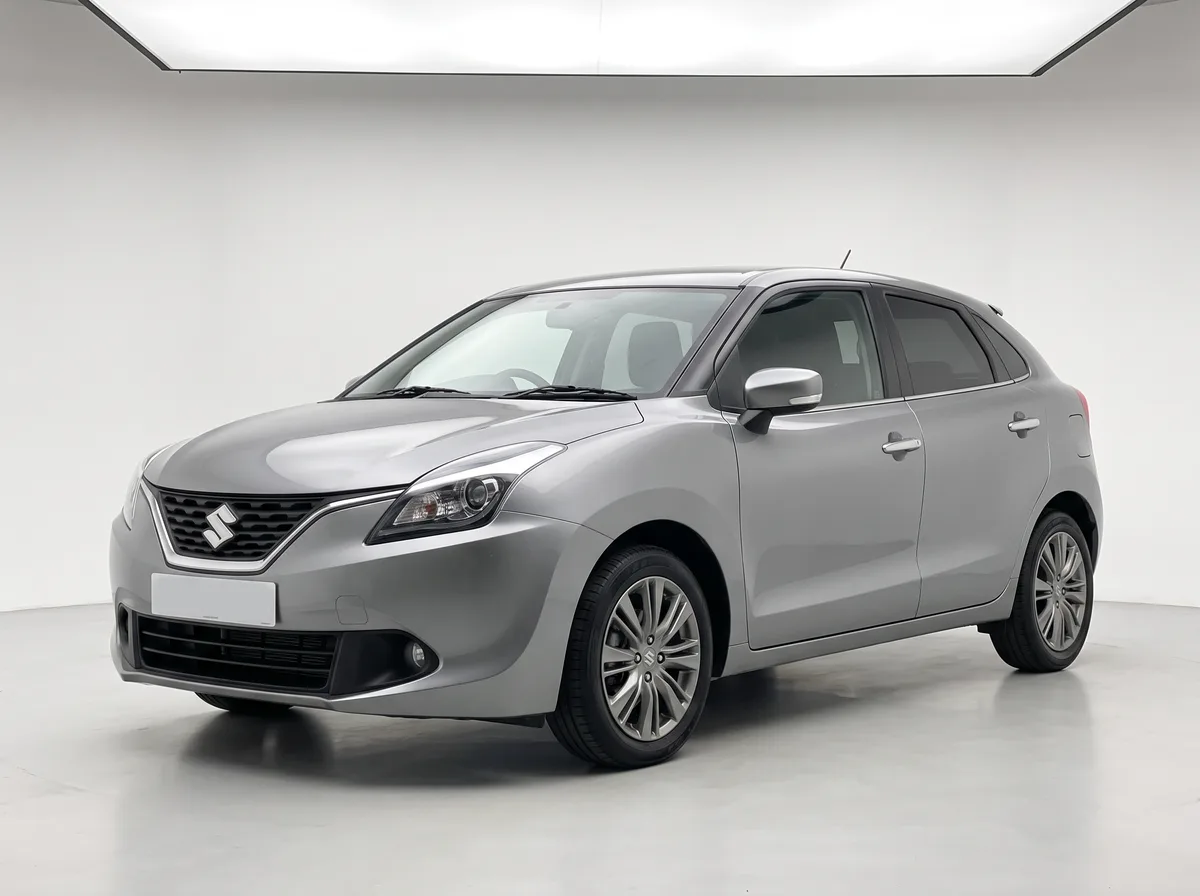
Suzuki Baleno
hatchback
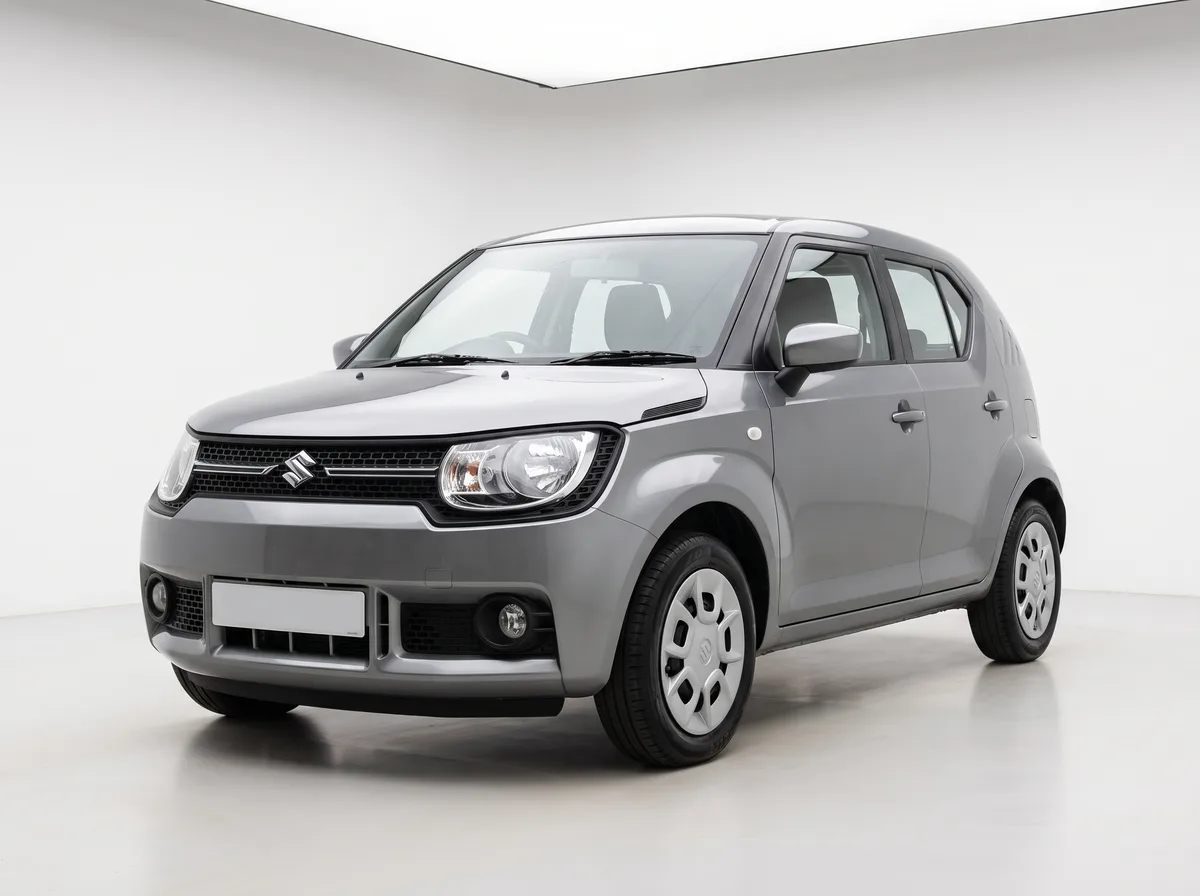
Suzuki Ignis
hatchback

Suzuki Dzire
sedan
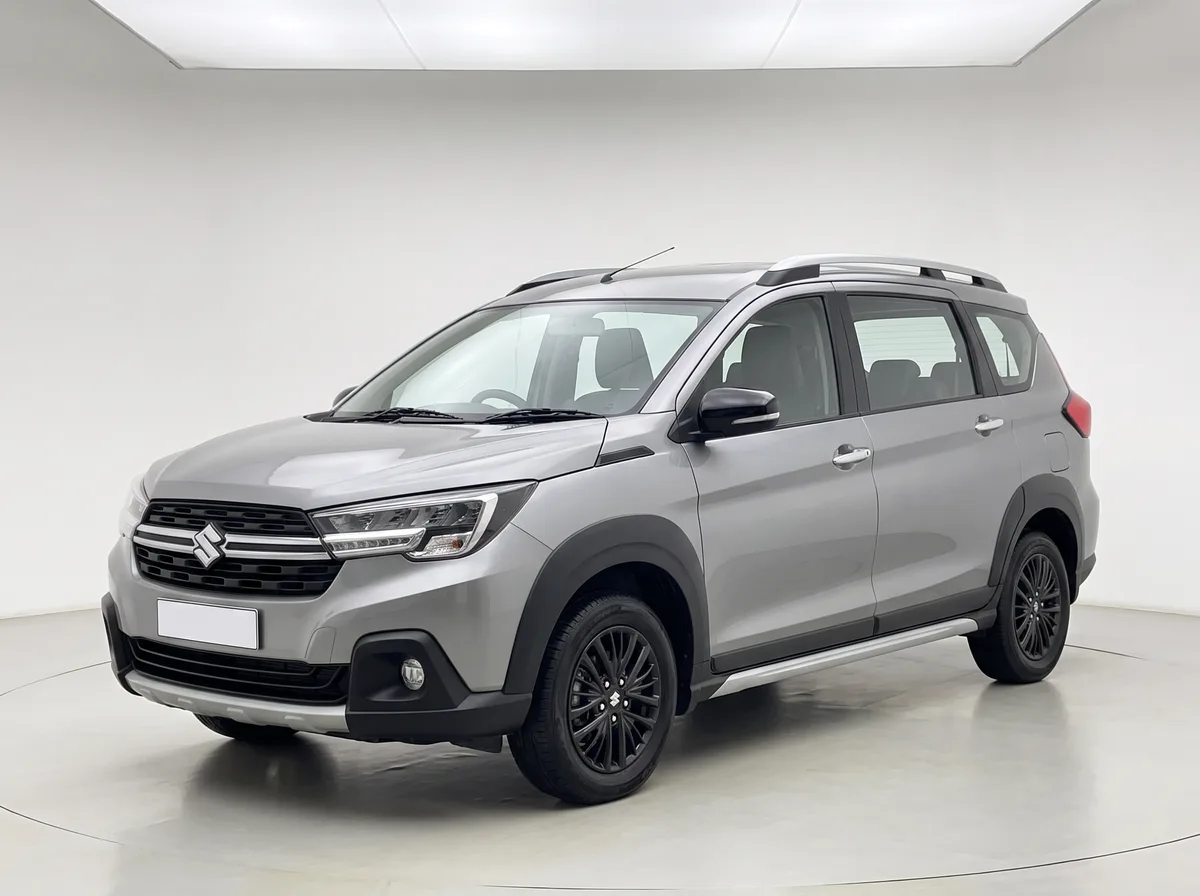
Suzuki XL6
mpv
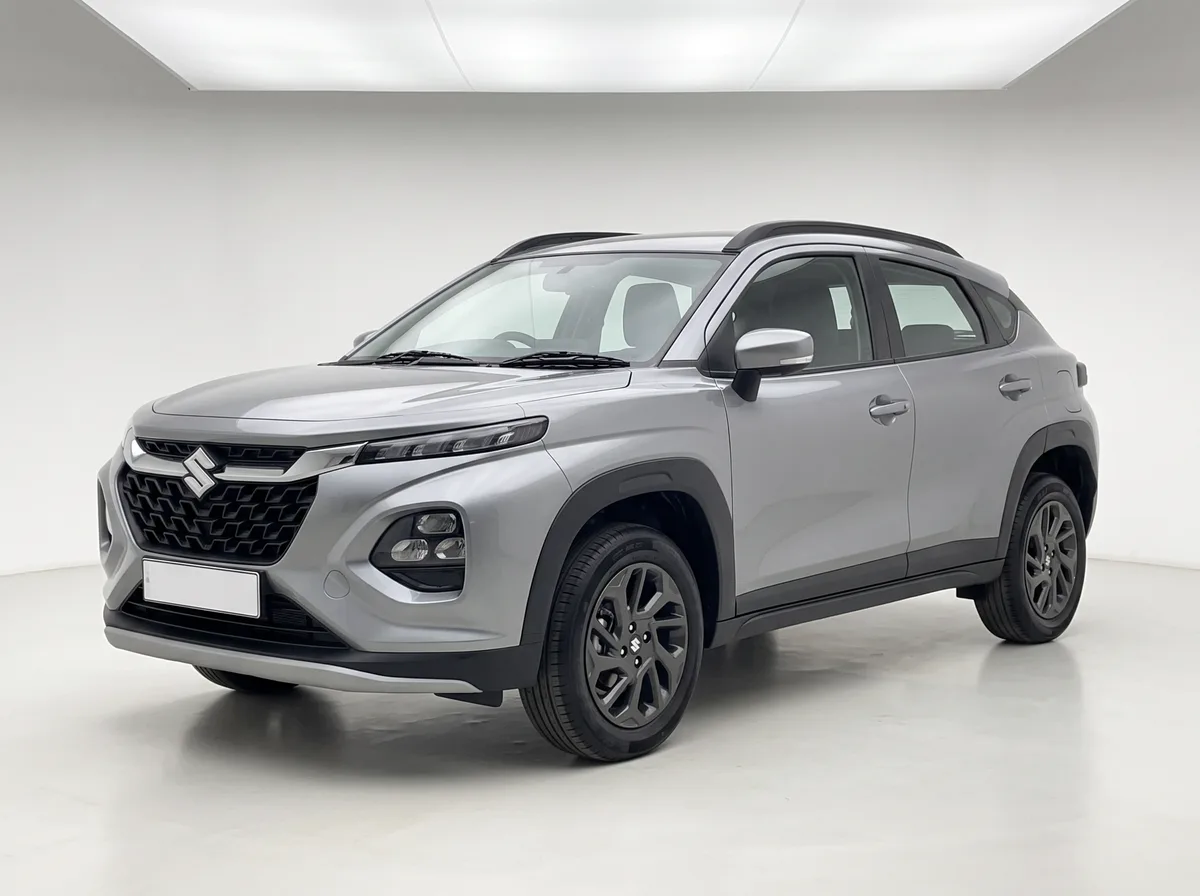
Suzuki Fronx
crossover

Suzuki Brezza
suv
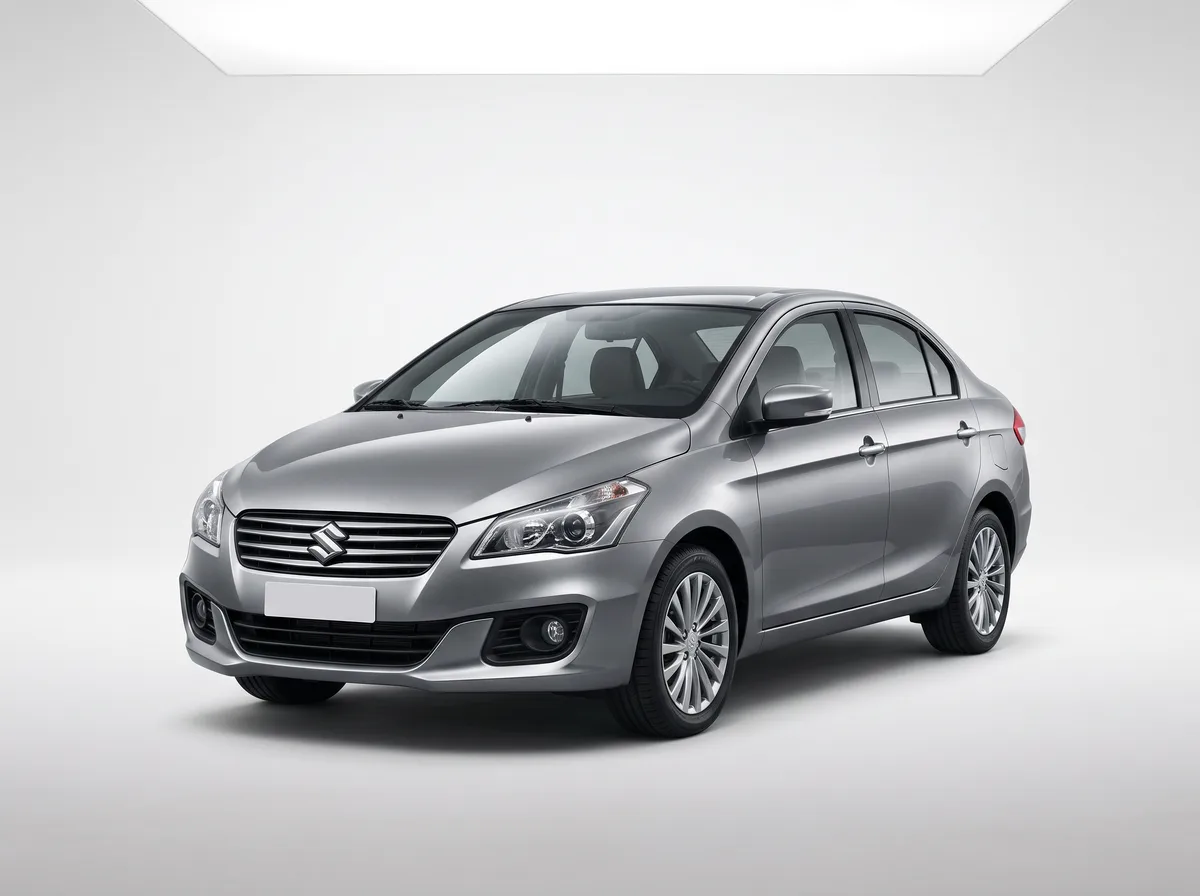
Suzuki Ciaz
sedan
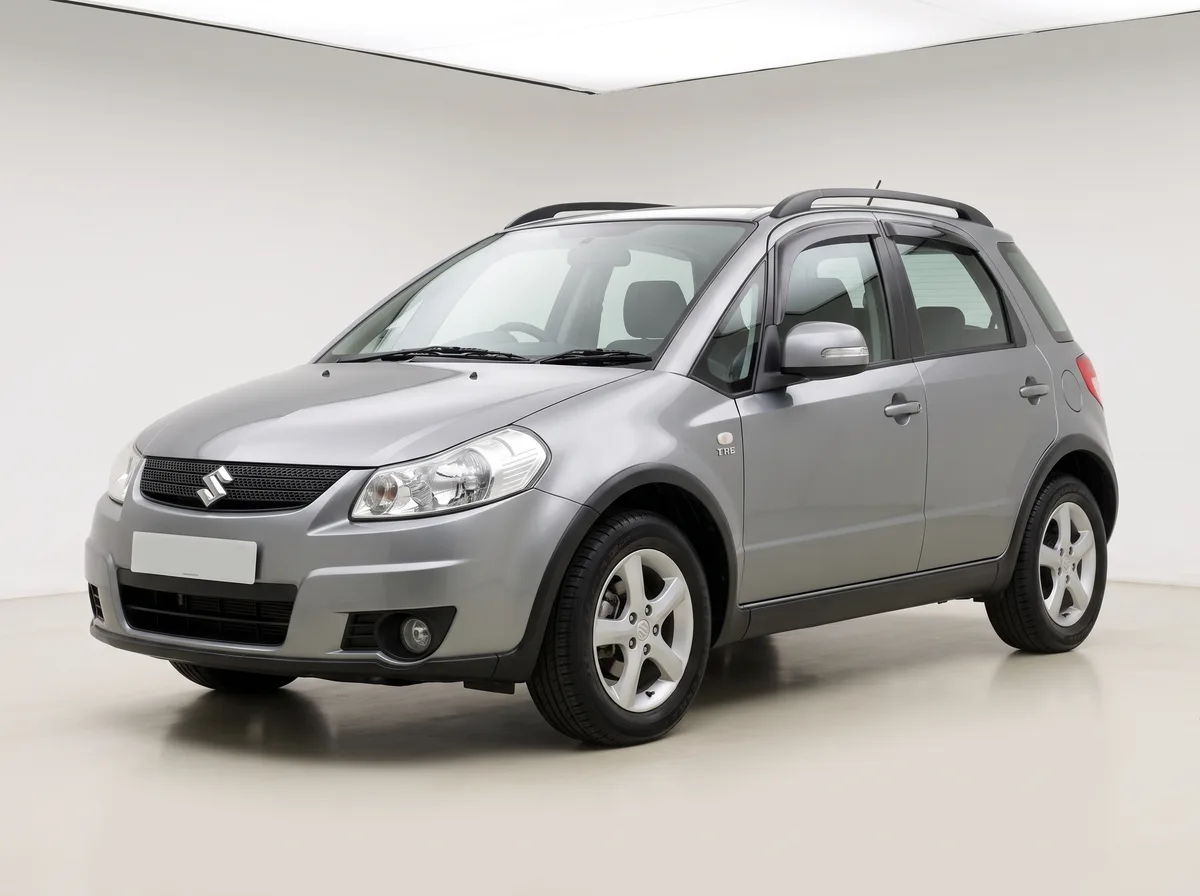
Suzuki SX4
crossover
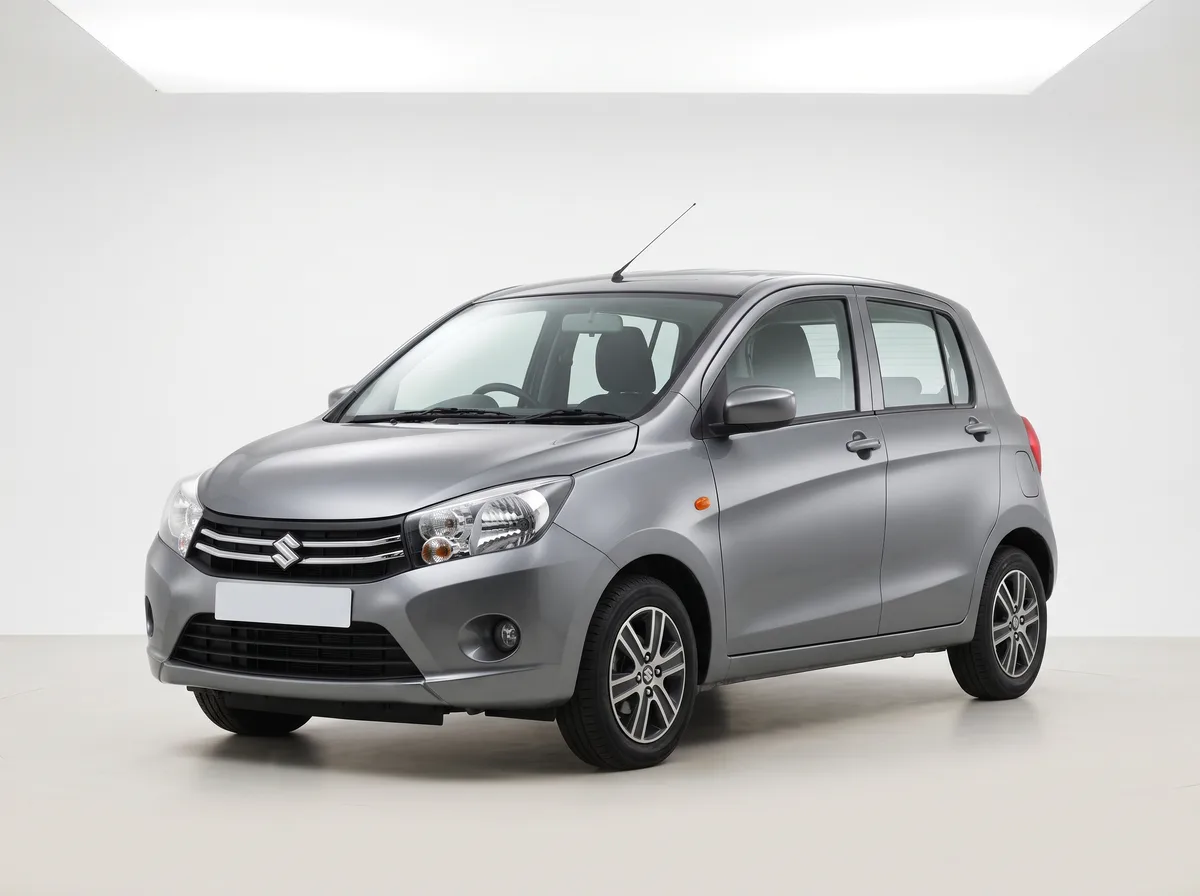
Suzuki Celerio
hatchback
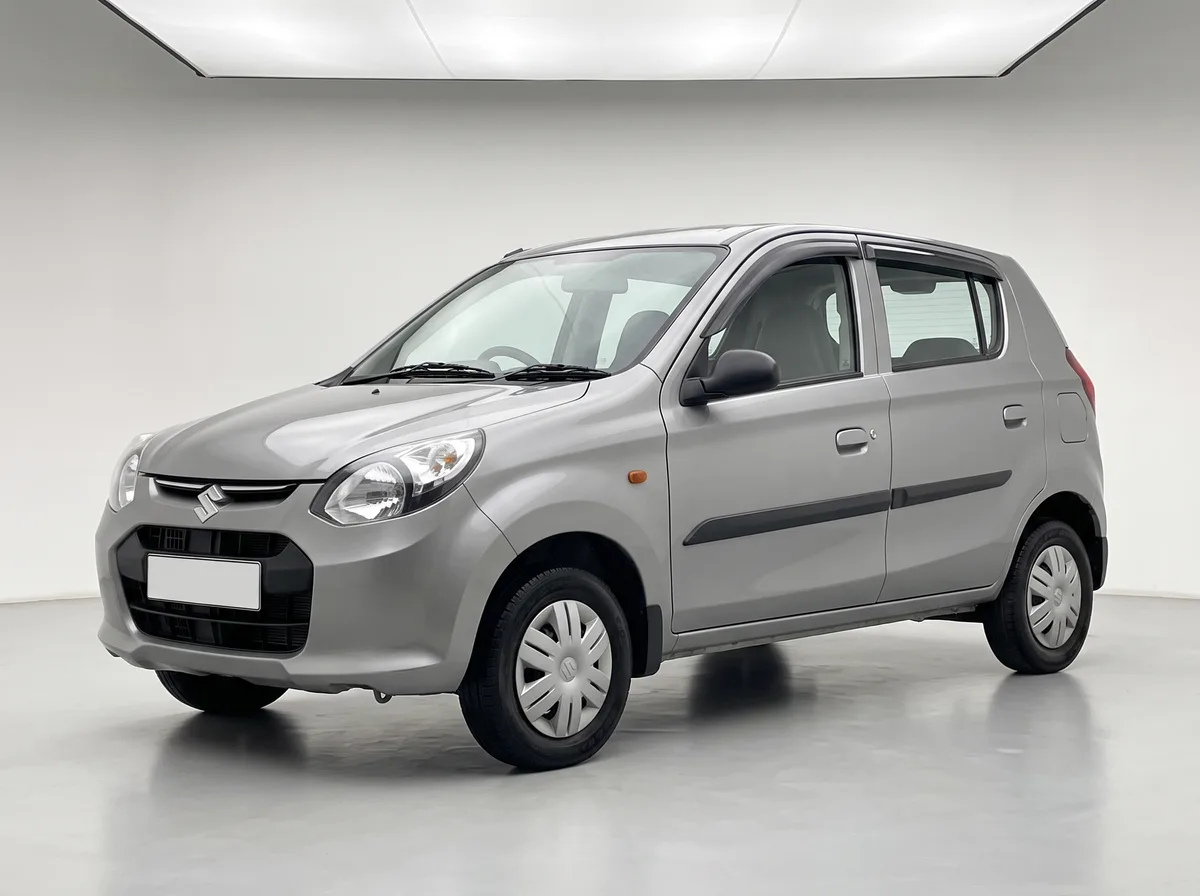
Suzuki Alto
hatchback
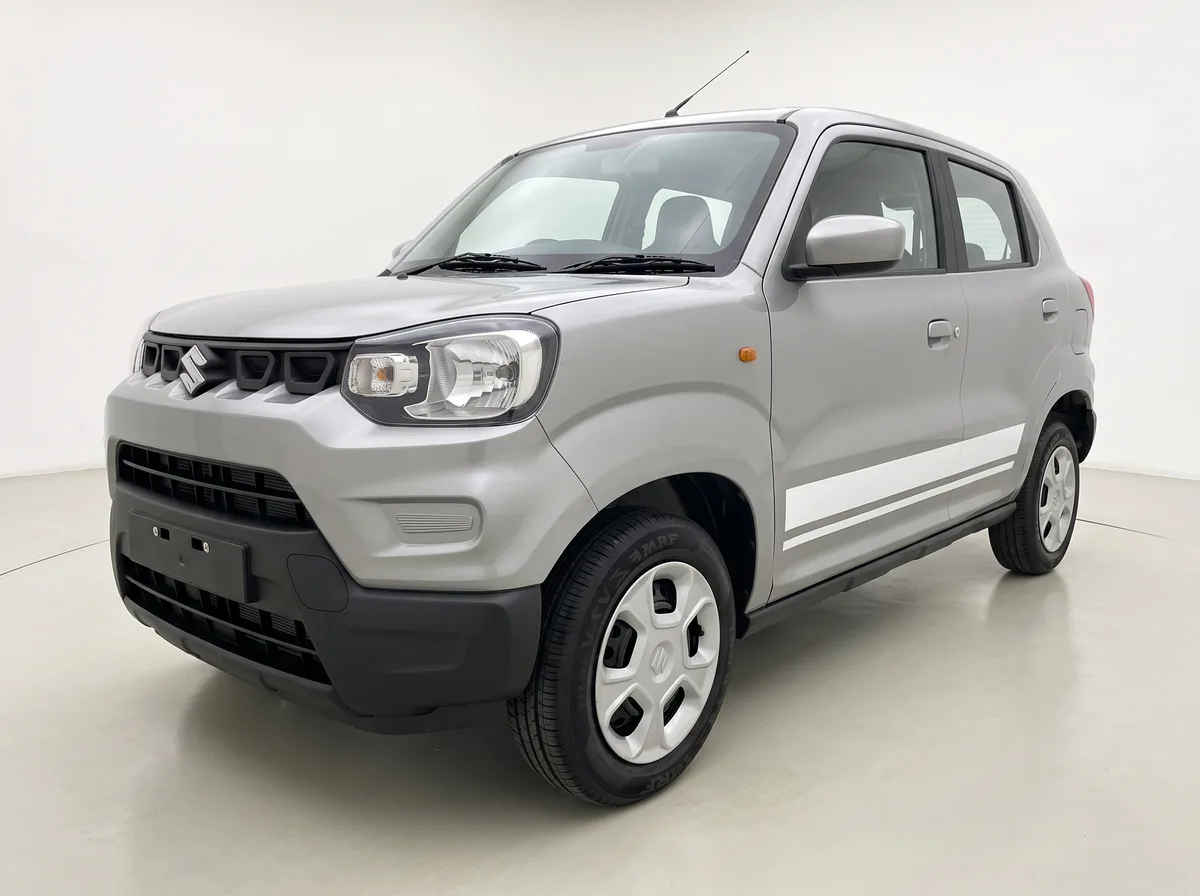
Suzuki S-Presso
hatchback
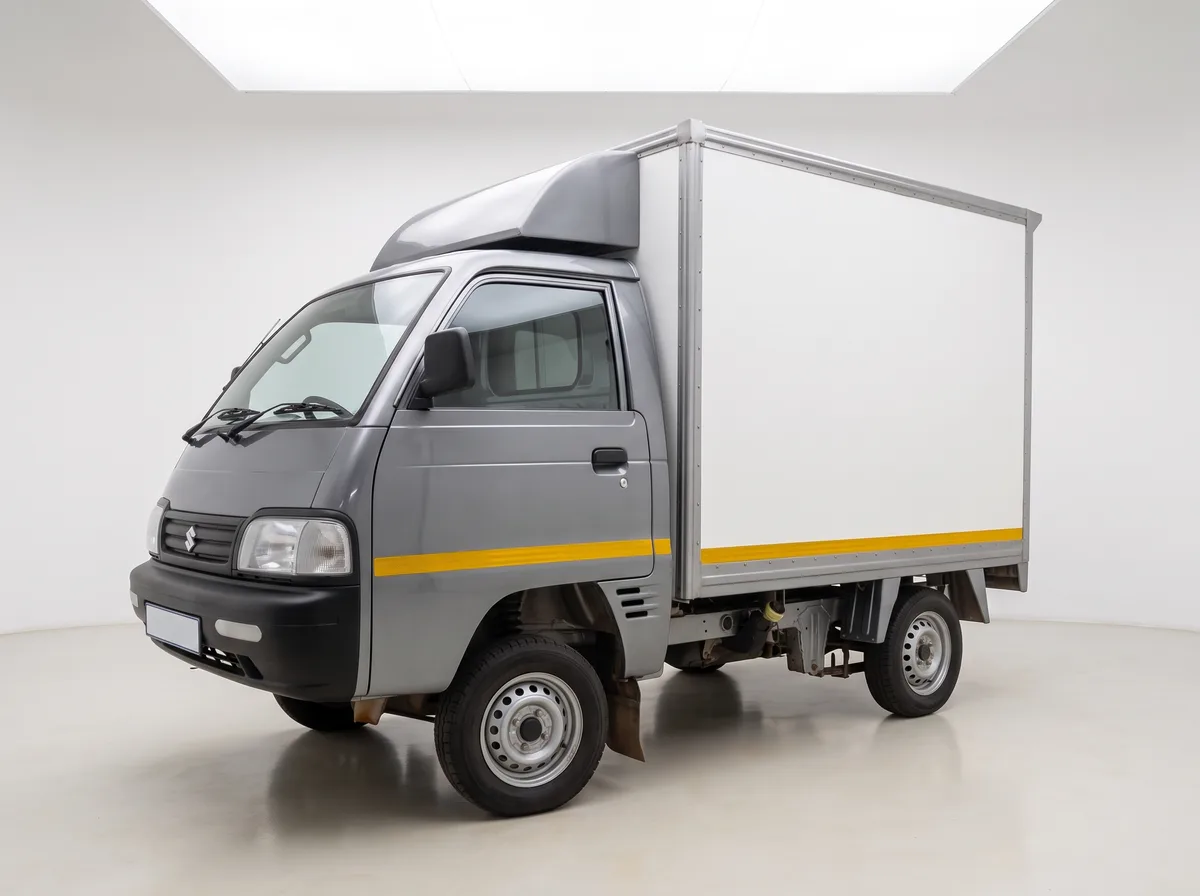
Suzuki Super Carry
commercial
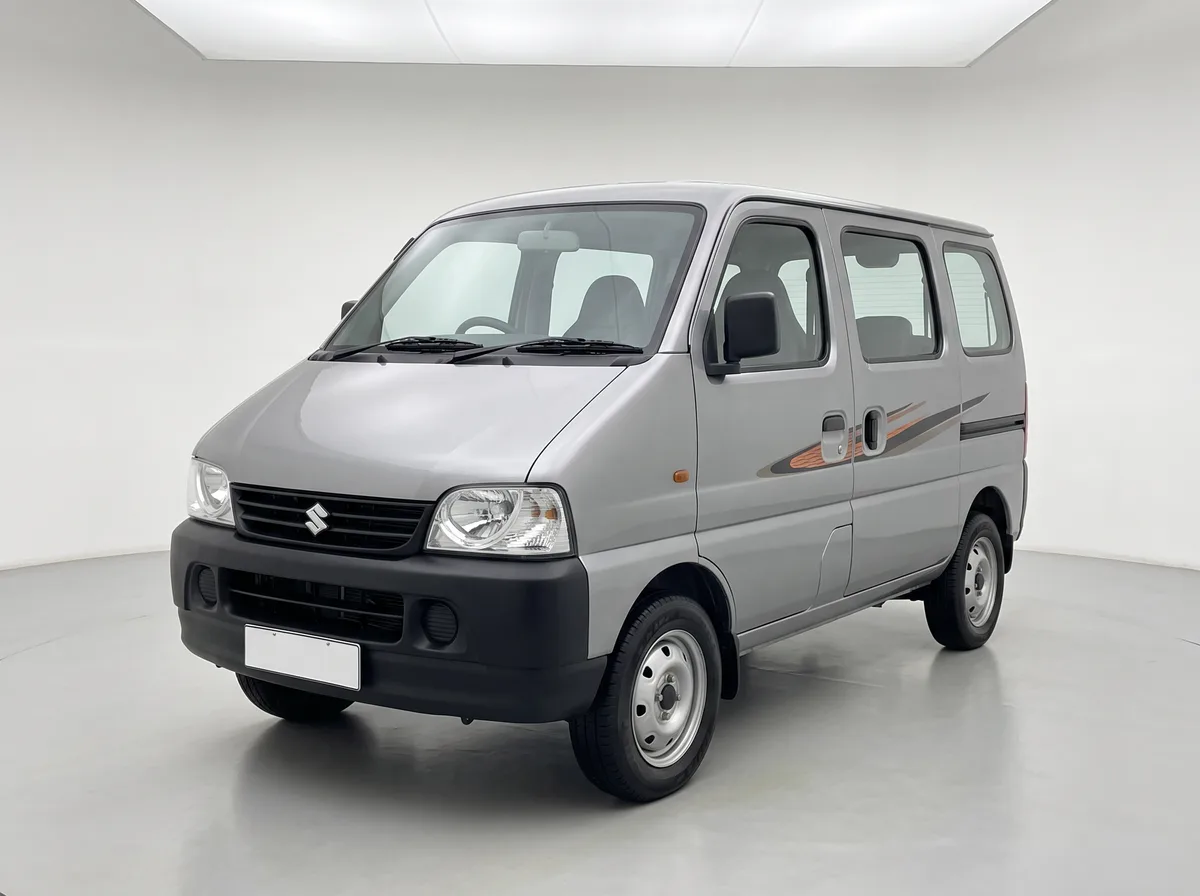
Suzuki Eeco
van
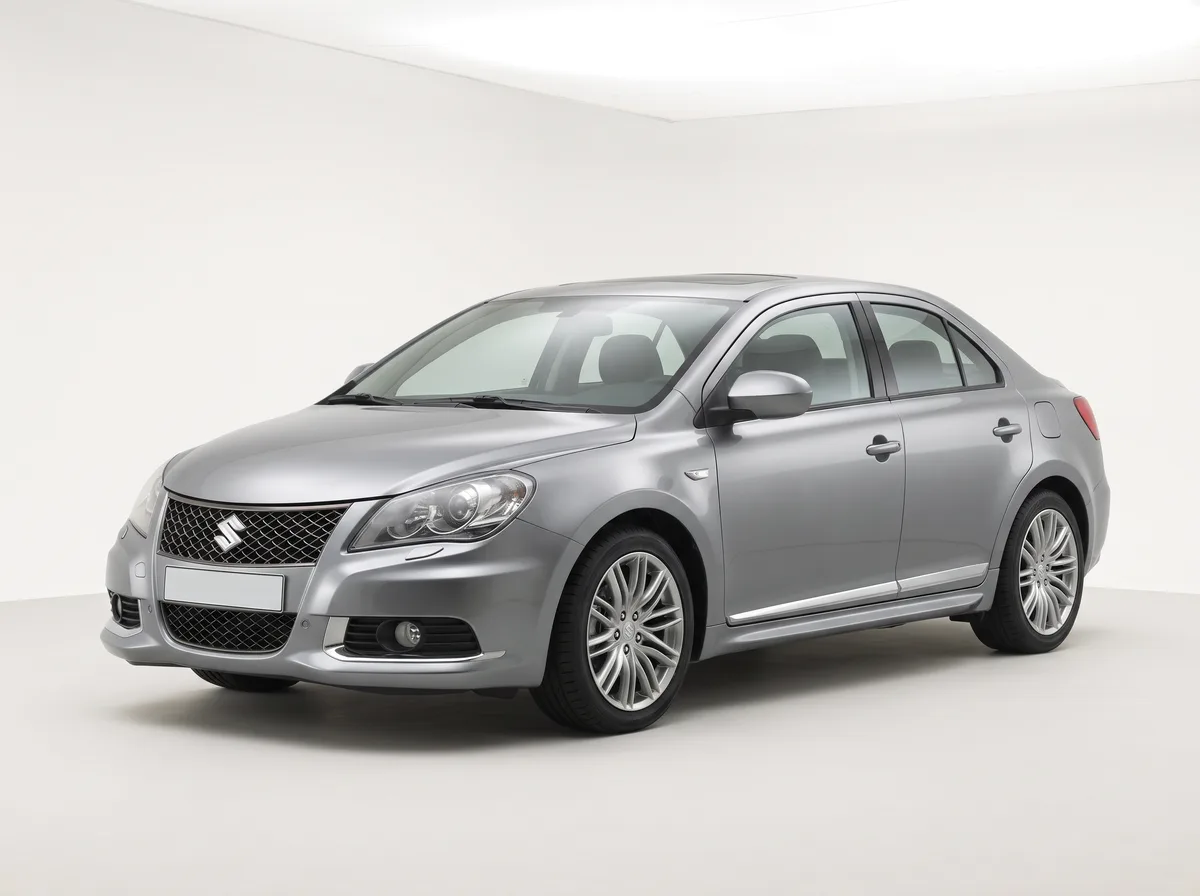
Suzuki Kizashi
sedan
Timing Belts for a Suzuki — read this before you order
- What you are really deciding
- Whether the engine you have is worth repairing or whether a replacement unit gets you back on the road for less total outlay.
- Where Suzuki differs
- Suzuki's local range is almost entirely petrol, so there is no diesel-versus-petrol fork to navigate — but the same engine turns up under several different nameplates. The 1.5 K15B alone appears in the Ertiga, Baleno, Ciaz, XL6, Fronx and Brezza, and the 1.0 three-cylinder is shared between the Alto, Celerio and S-Presso. That overlap is your advantage: a donor car need not wear the same badge as yours.
- Where the car was built
- Something worth knowing about this marque in particular: a large share of the Suzuki range sold in South Africa is built by Maruti Suzuki in India, while the Jimny comes out of Japan. Cars that look the same on the road can therefore sit on different supply chains, which is one reason we would rather check than assume.
- What to send us
- The code cast into the engine itself or printed on the VIN plate, plus the year of manufacture — on a Suzuki the name on the tailgate will not get you there. With that in front of us we can normally settle the right timing belts without a back-and-forth.
Timing Belts, explained
Most parts catalogues will happily sell you a cambelt for a Suzuki. If you drive a Suzuki passenger car, you almost certainly do not have one. Every petrol engine Suzuki South Africa has fitted to a passenger car since 2008 that we could verify runs a timing chain — the M13A, M15A and M16A, the three-cylinder K10B and K10C, and the K12M, K14B, K14C, K15B and K15C. No rubber belt behind the cover, no scheduled replacement bill, nothing to budget for. If you have been quoted for a cambelt on a Swift or a Jimny, question it before you pay.
One exception runs the other way. The Super Carry light commercial is understood to use the G12B, a belt engine, so its owner should not be told there is nothing to change. Confirm your engine code against the VIN either way. For everyone on a chain, what the drive needs is clean oil changed on time, because the chain, its guides and the tensioner all depend on oil pressure. Let that slide and the chain stretches, the tensioner runs out of travel and the valve timing drifts. The warning is a metallic rattle for a second or two on cold start. Do not confuse any of this with the auxiliary belt driving the alternator, which genuinely is a wear item.
How you know timing belts are on the way out
Recognise any of that? Tell us the model and year and we will go and check what we can get hold of for you.
Suzuki Timing Belts — questions we get asked
What decides which timing belts fits my Suzuki?
Suzuki's local range is almost entirely petrol, so there is no diesel-versus-petrol fork to navigate — but the same engine turns up under several different nameplates. The 1.5 K15B alone appears in the Ertiga, Baleno, Ciaz, XL6, Fronx and Brezza, and the 1.0 three-cylinder is shared between the Alto, Celerio and S-Presso. That overlap is your advantage: a donor car need not wear the same badge as yours. In practice the decision in front of you is whether the engine you have is worth repairing or whether a replacement unit gets you back on the road for less total outlay.
What do you need from me to quote timing belts?
The code cast into the engine itself or printed on the VIN plate, plus the year of manufacture — on a Suzuki the name on the tailgate will not get you there. With that we can usually confirm the right part quickly, and we'll tell you whether we're quoting new, aftermarket or good used rather than leaving you to guess.
Does my Suzuki have a timing belt or a timing chain?
If it is a passenger car, a chain. That covers the M13A, M15A and M16A, the K10B and K10C, and the K12M, K14B, K14C, K15B and K15C, which between them account for almost everything sold here since 2008. The light commercial side is where you check rather than assume — the Super Carry is understood to run a belt engine. Confirm the code against your VIN before ordering, because the parts and the labour have nothing in common.
So when does the chain get replaced?
There is no scheduled interval to plan around. A chain is a condition based item, and the condition it responds to is oil. Keep to the service interval in your book, use the specified grade, and be more conservative if the car does short stop and start trips where the oil never properly warms up. Many owners never replace one at all.
A workshop quoted me for a cambelt on my Swift. Is that right?
Query it. It happens often enough that it is worth a second opinion, usually because a generic parts lookup returned a belt kit for a Suzuki that never had one. Ask them to point out the belt on the engine. If you want to check what your car actually needs, use the quote form with your model year and engine code and we will tell you straight.
What happens if I ignore the rattle?
A stretched chain retards the valve timing, which is why you lose low down response and start seeing correlation codes. If it eventually jumps a tooth the engine will run badly at best, and there is a real risk of contact between valves and pistons at worst. It is not a noise to drive on while you wait and see.
What do I actually buy when the chain is worn?
Not the chain on its own. The chain, the tensioner, the guide rails and usually the sprockets are replaced as a set, because the worn tensioner and grooved guides that let the old chain go slack will do the same to a new one. Budget for the front cover gasket and the crank seal at the same time, since they are exposed anyway.
Further reading on timing belts
Independent sources, not ours. Worth a look if you want the background before you enquire.
Nearby on the car
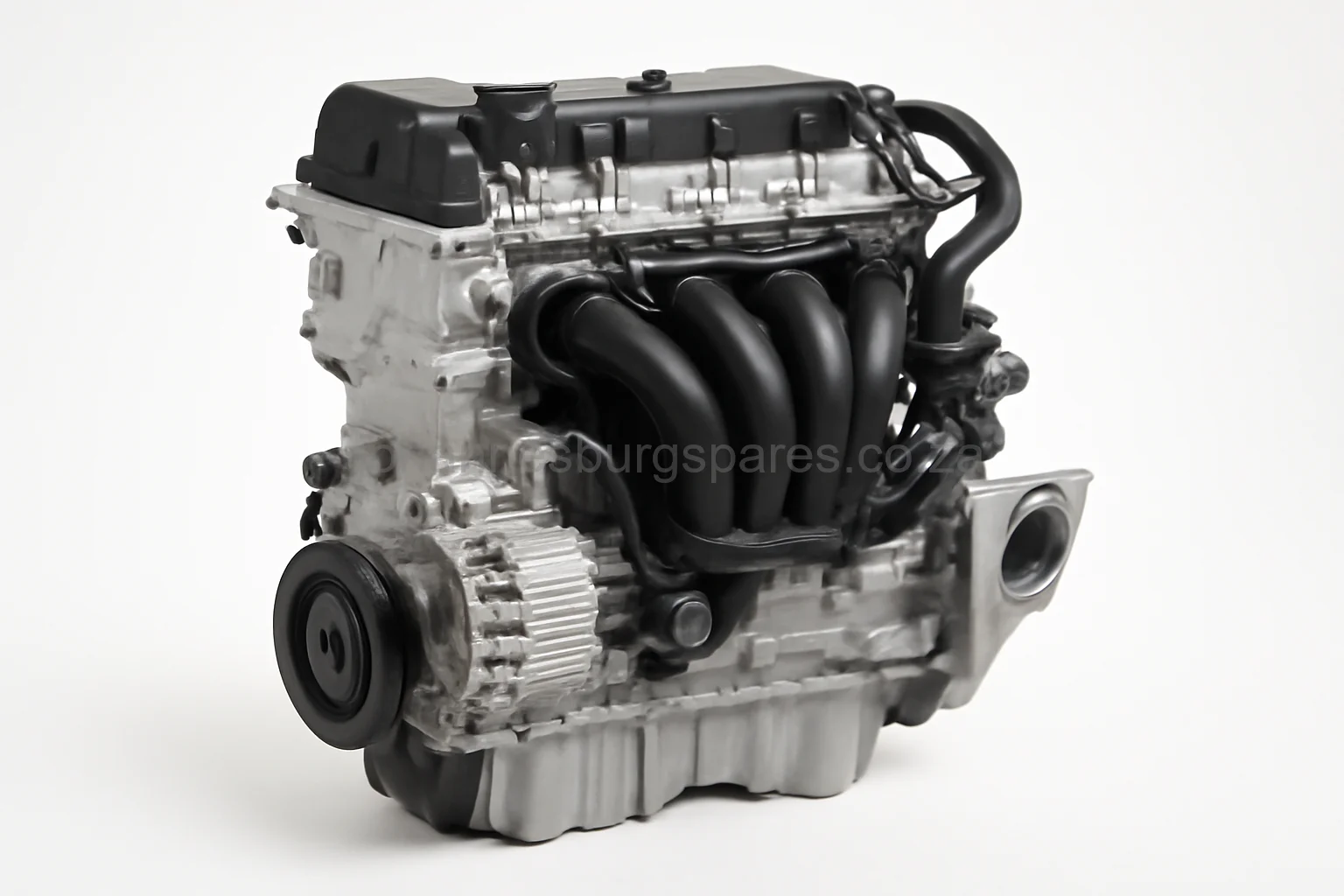
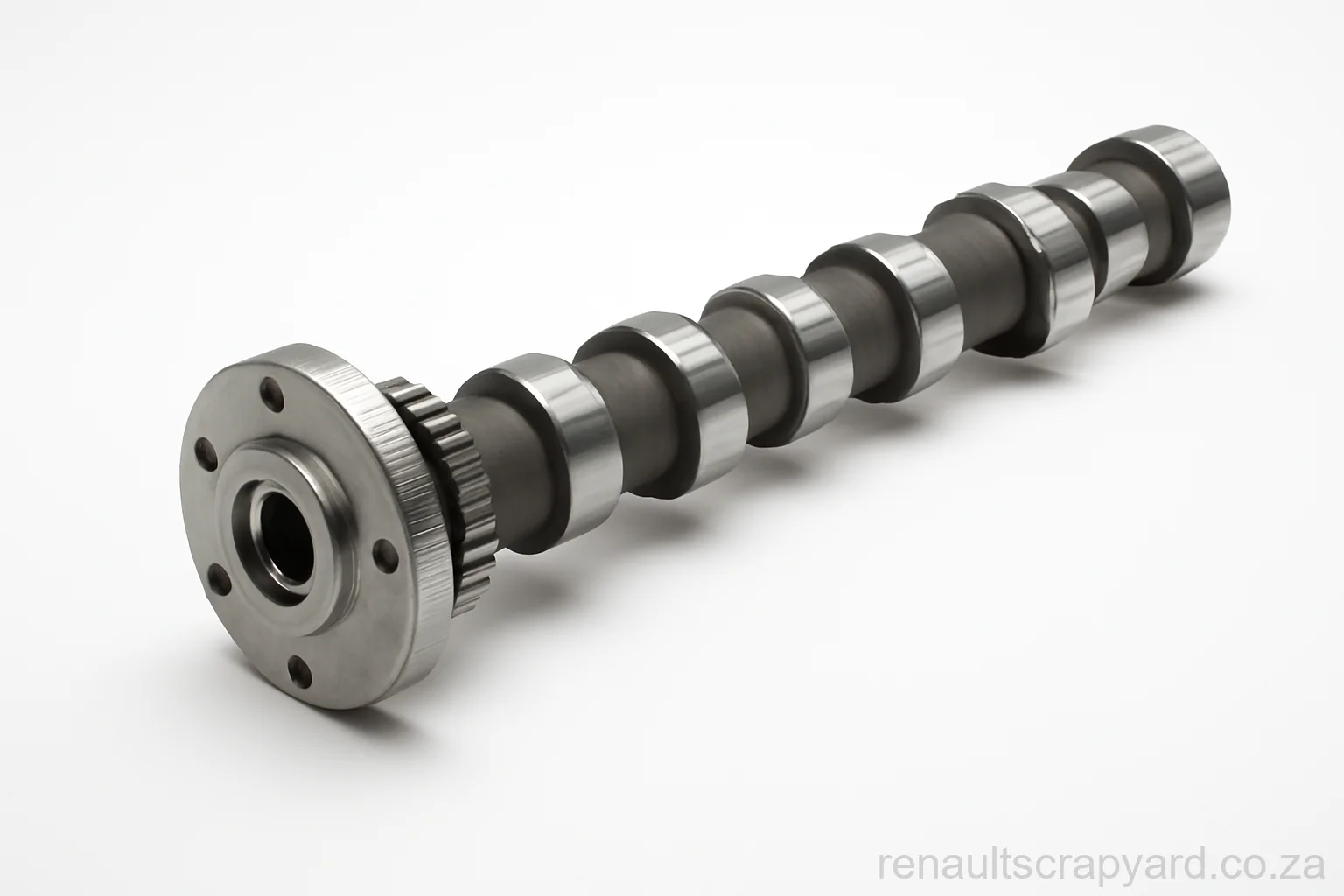
Camshafts pulled from K12, K14, K15 and M-series heads, with the lobes and journals inspected before we quote
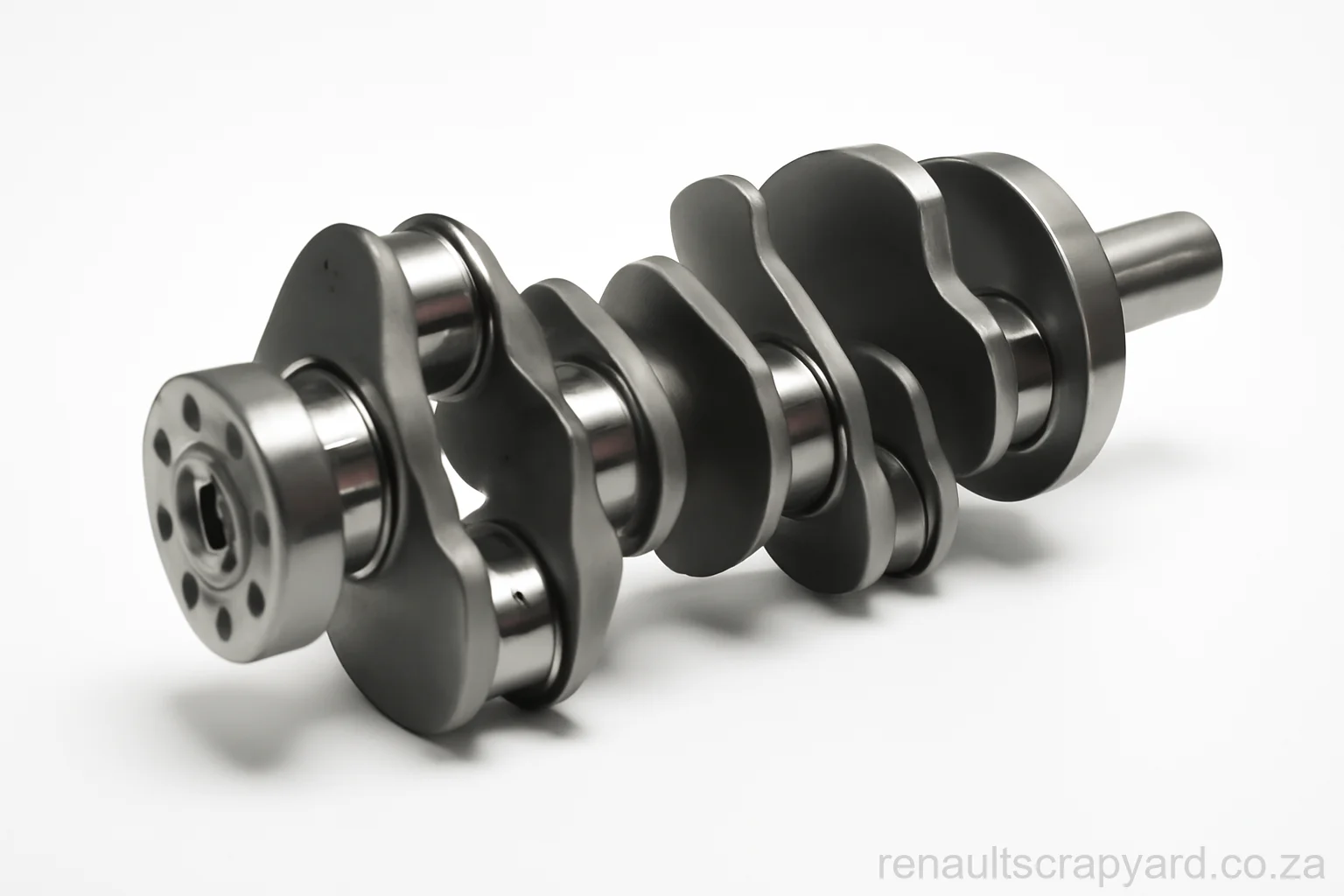
CrankshaftsCrankshafts for Suzuki three- and four-cylinder petrol engines, checked for journal wear and end-float before they leave the yard
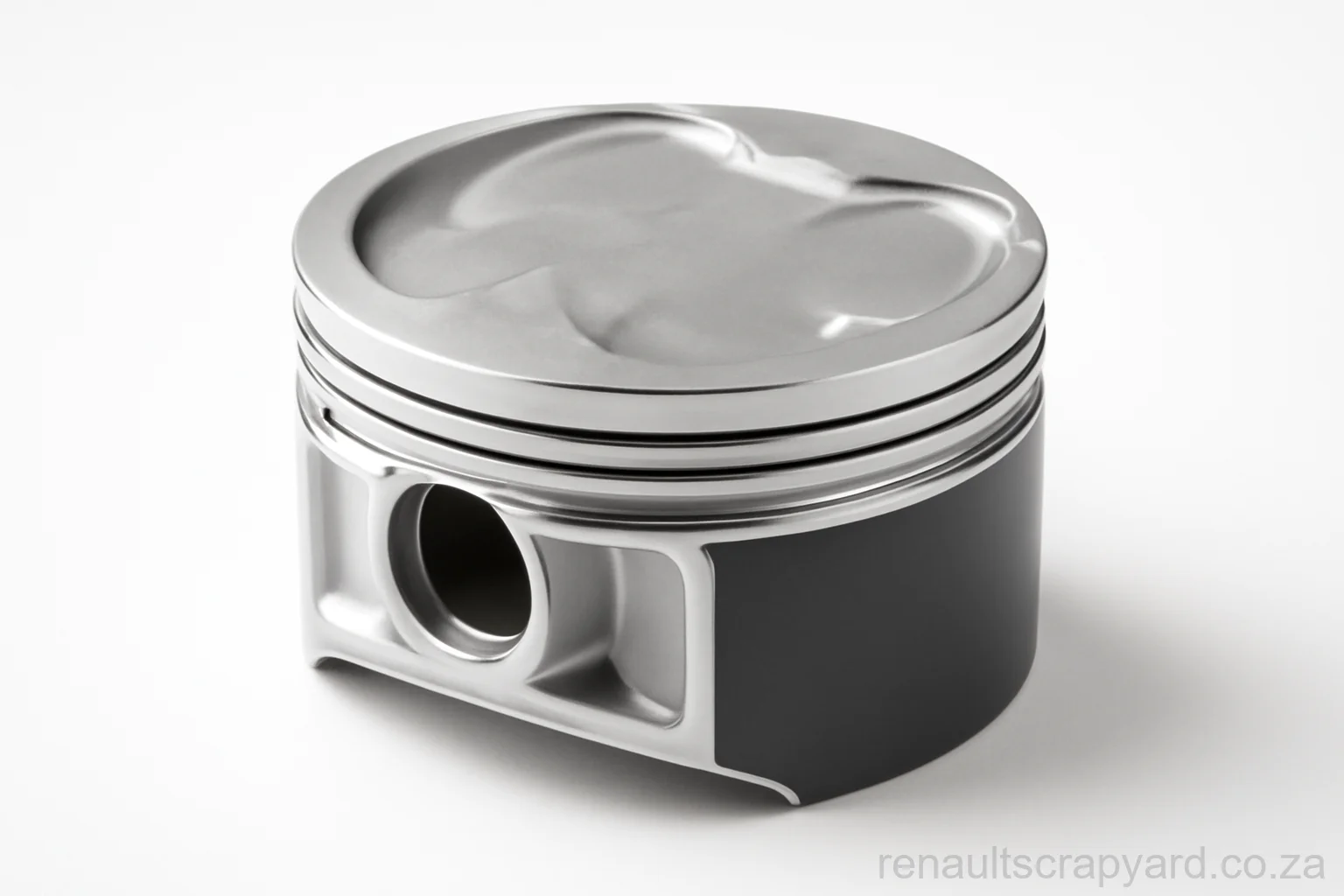
PistonsPistons, rings and gudgeon pins sized for the light, short-stroke petrol engines Suzuki uses across the hatch and MPV range
Connecting RodsCon rods and big-end shells for Suzuki petrol engines, the parts that usually need replacing after a spun bearing
ValvesInlet and exhaust valves, guides and stem seals for Suzuki cylinder heads
Cylinder HeadsBare and complete cylinder heads for Suzuki petrol engines, pressure-tested where the donor history is unknown
Engine BlocksBlock castings and short motors for Suzuki petrol engines when the bores are past a rebore
Timing ChainsChain, tensioner and guide kits — the timing setup used on virtually every modern Suzuki petrol engine
Where we send timing belts
Pick your area to see how the part would reach you.
Timing Belts for your Suzuki, matched before you pay
The code cast into the engine itself or printed on the VIN plate, plus the year of manufacture — on a Suzuki the name on the tailgate will not get you there is all we need. We cross-reference it against what we can source and come back with what fits.