
Suzuki Valves, Matched Before It Ships
Used, aftermarket and reconditioned parts. Not supplied by Suzuki Auto South Africa.

Part of our full range of Suzuki engine parts .
Valves — pick your Suzuki
Every model page sets out the SA-market derivatives and flags where valves fitment tends to split.

Suzuki Swift
hatchback

Suzuki Jimny
suv
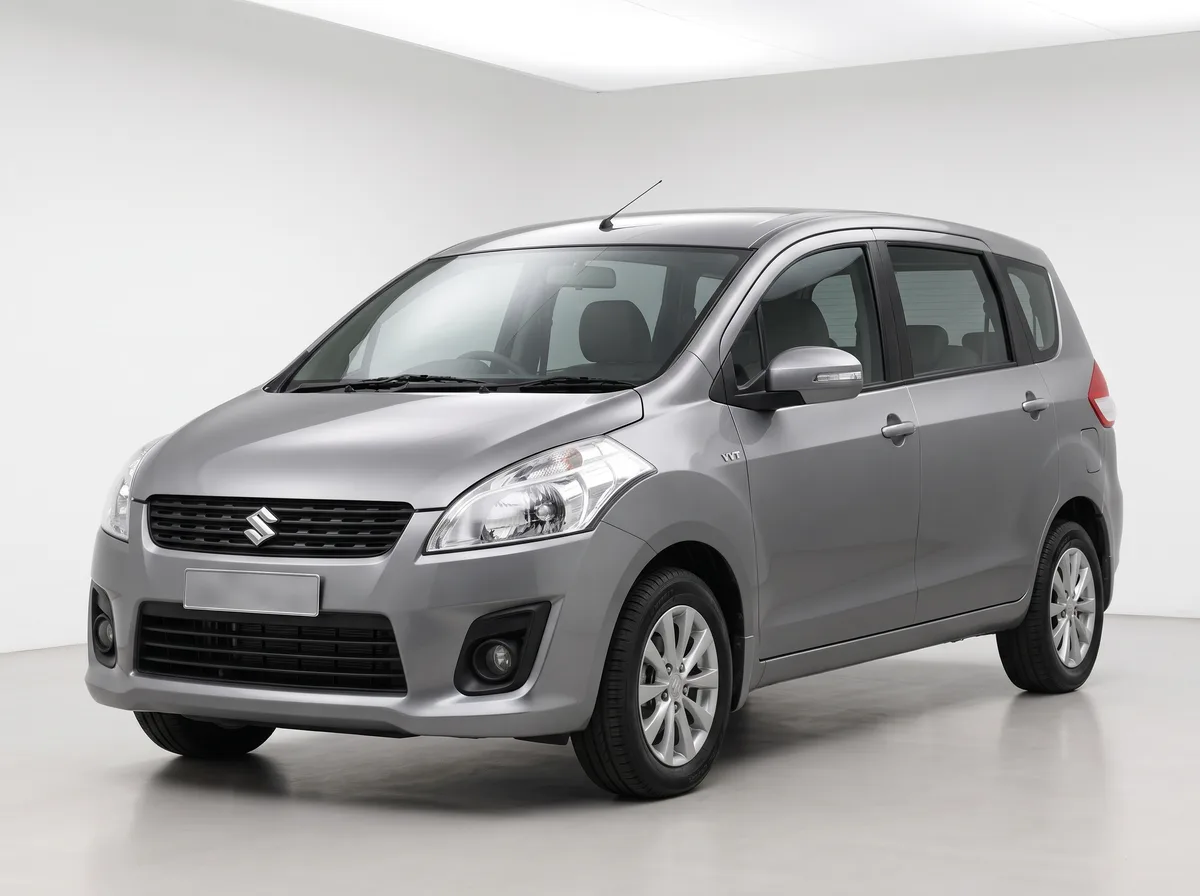
Suzuki Ertiga
mpv

Suzuki Vitara
crossover

Suzuki Grand Vitara
suv

Suzuki Baleno
hatchback
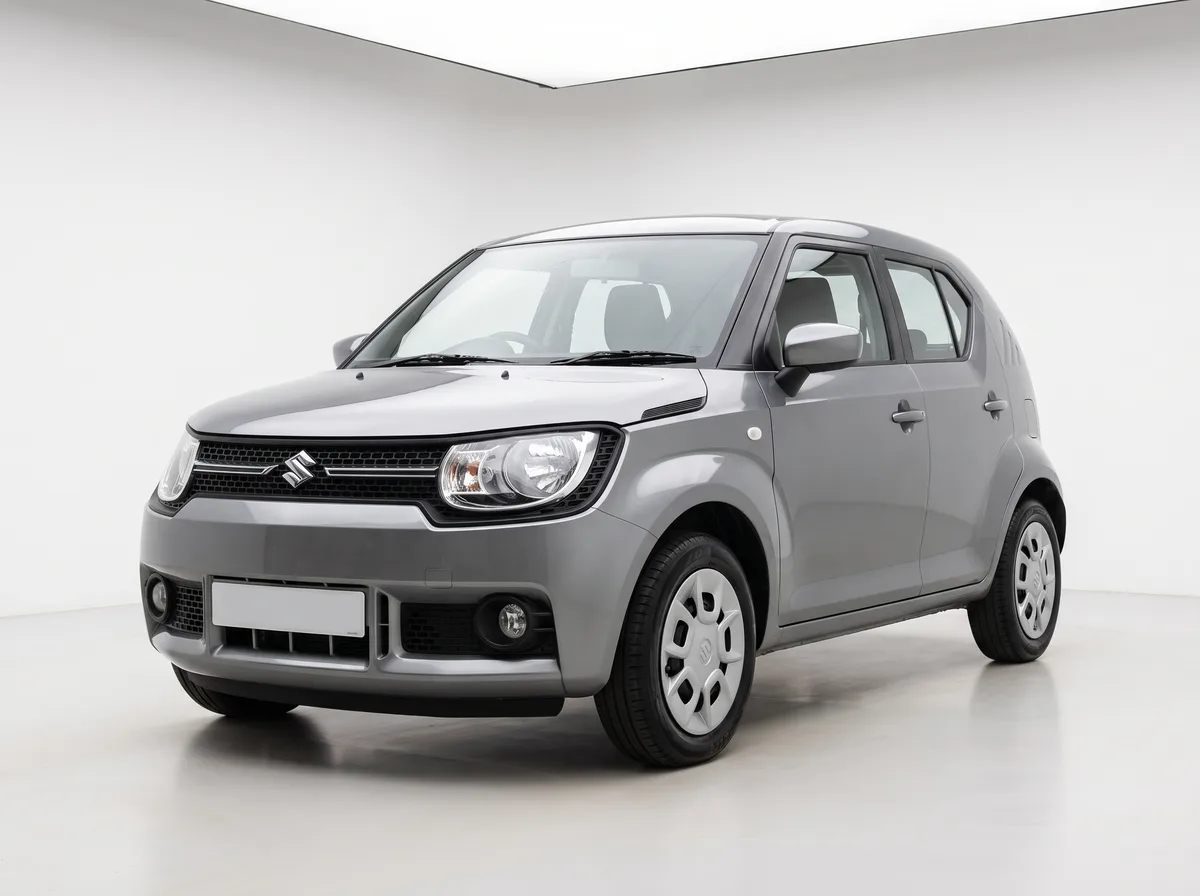
Suzuki Ignis
hatchback

Suzuki Dzire
sedan

Suzuki XL6
mpv

Suzuki Fronx
crossover

Suzuki Brezza
suv

Suzuki Ciaz
sedan

Suzuki SX4
crossover
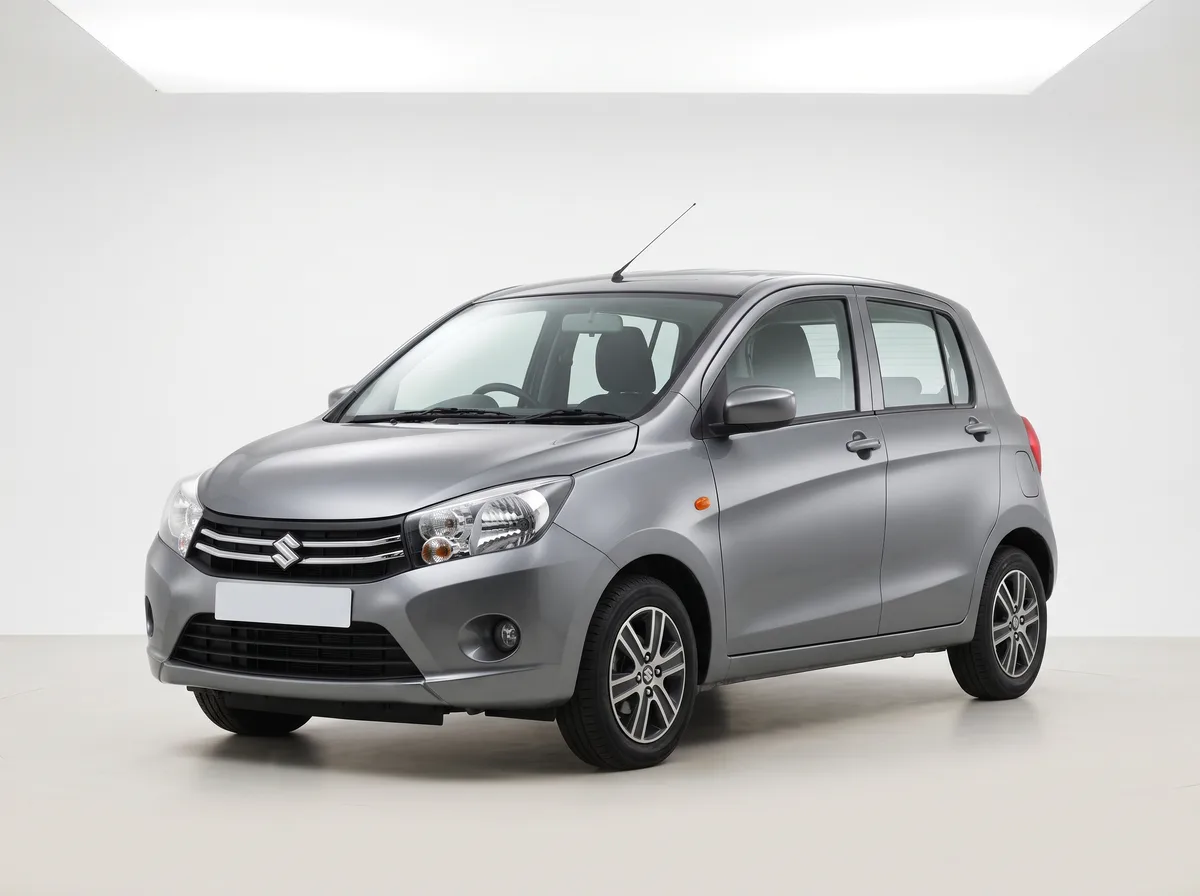
Suzuki Celerio
hatchback
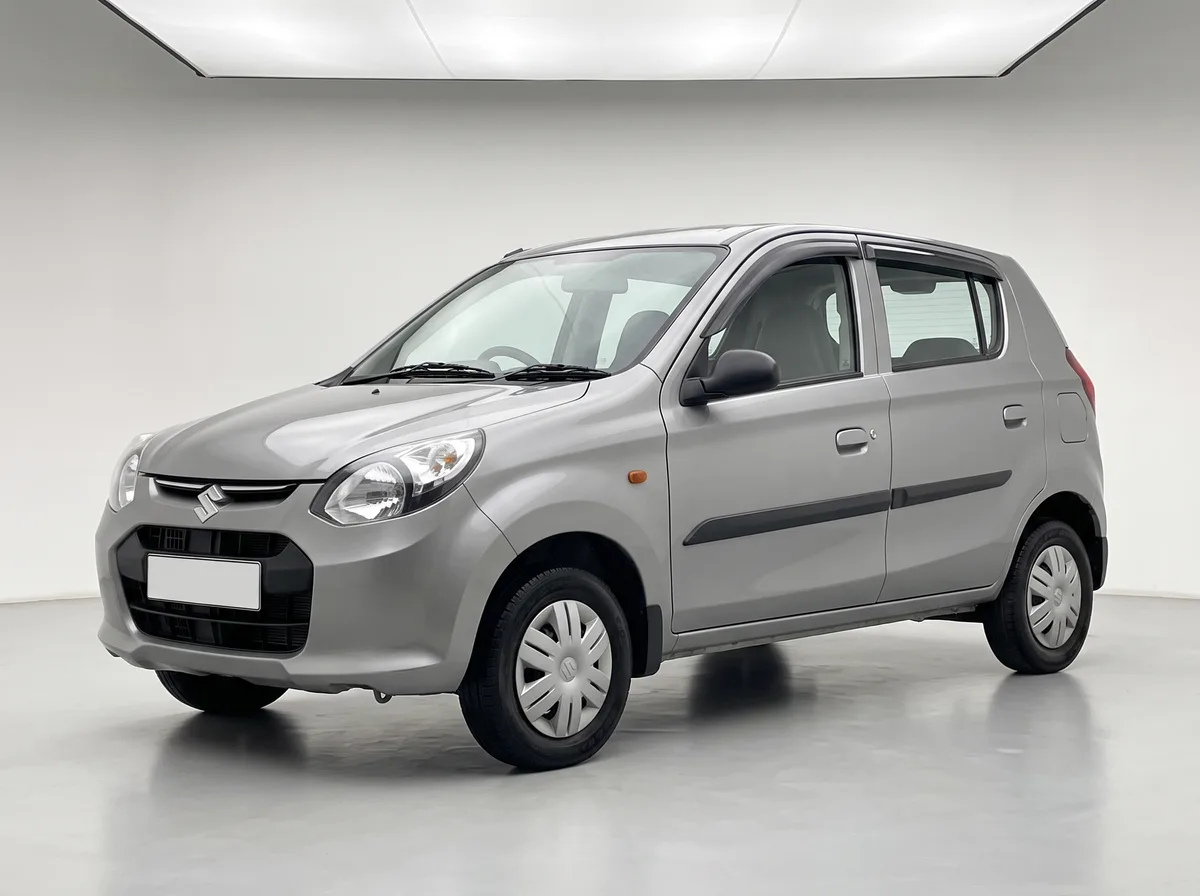
Suzuki Alto
hatchback
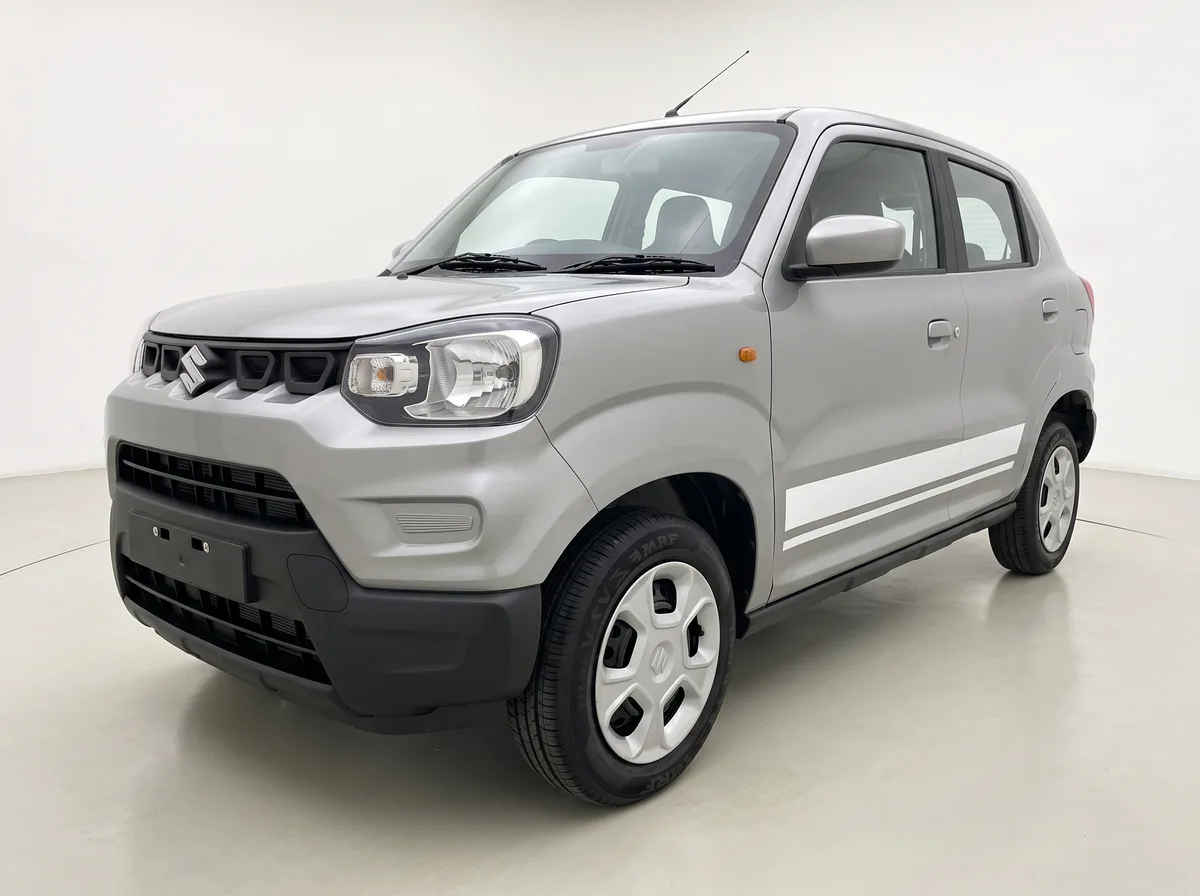
Suzuki S-Presso
hatchback
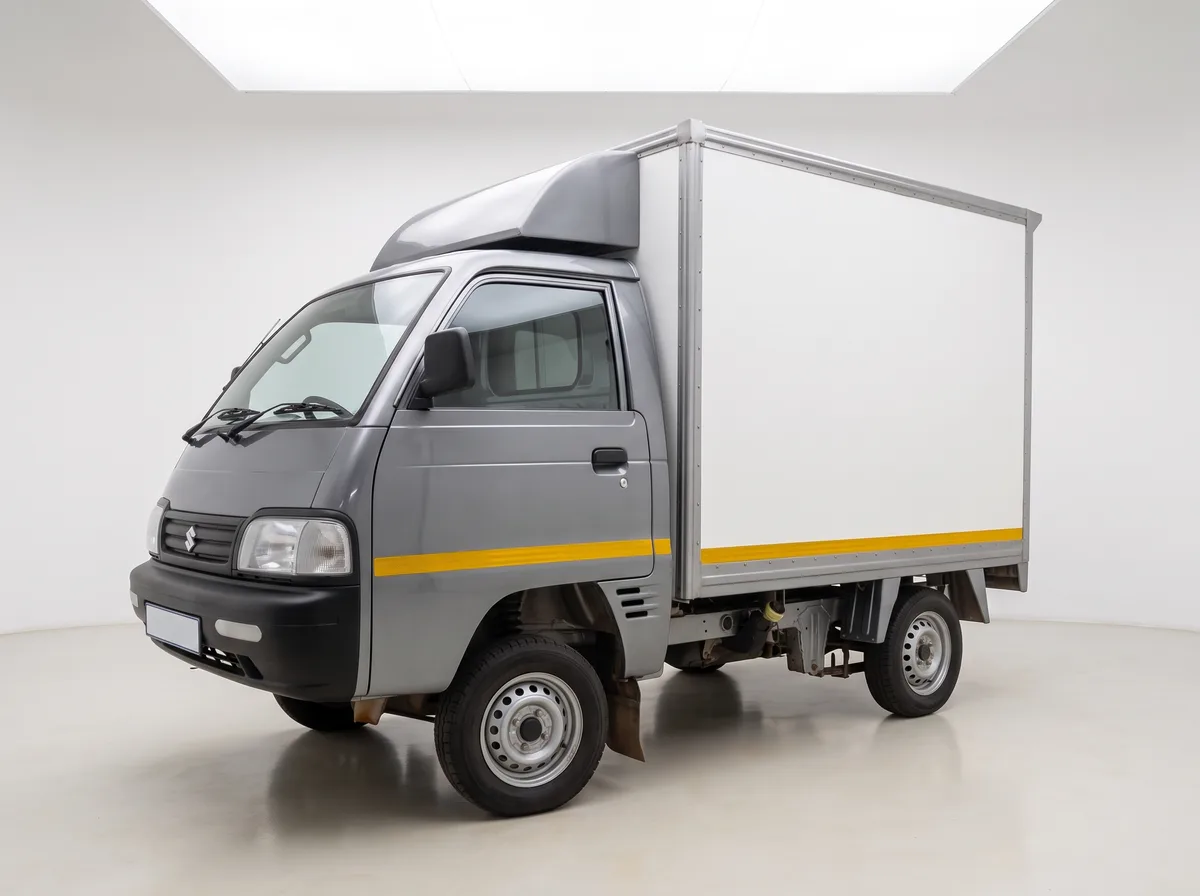
Suzuki Super Carry
commercial
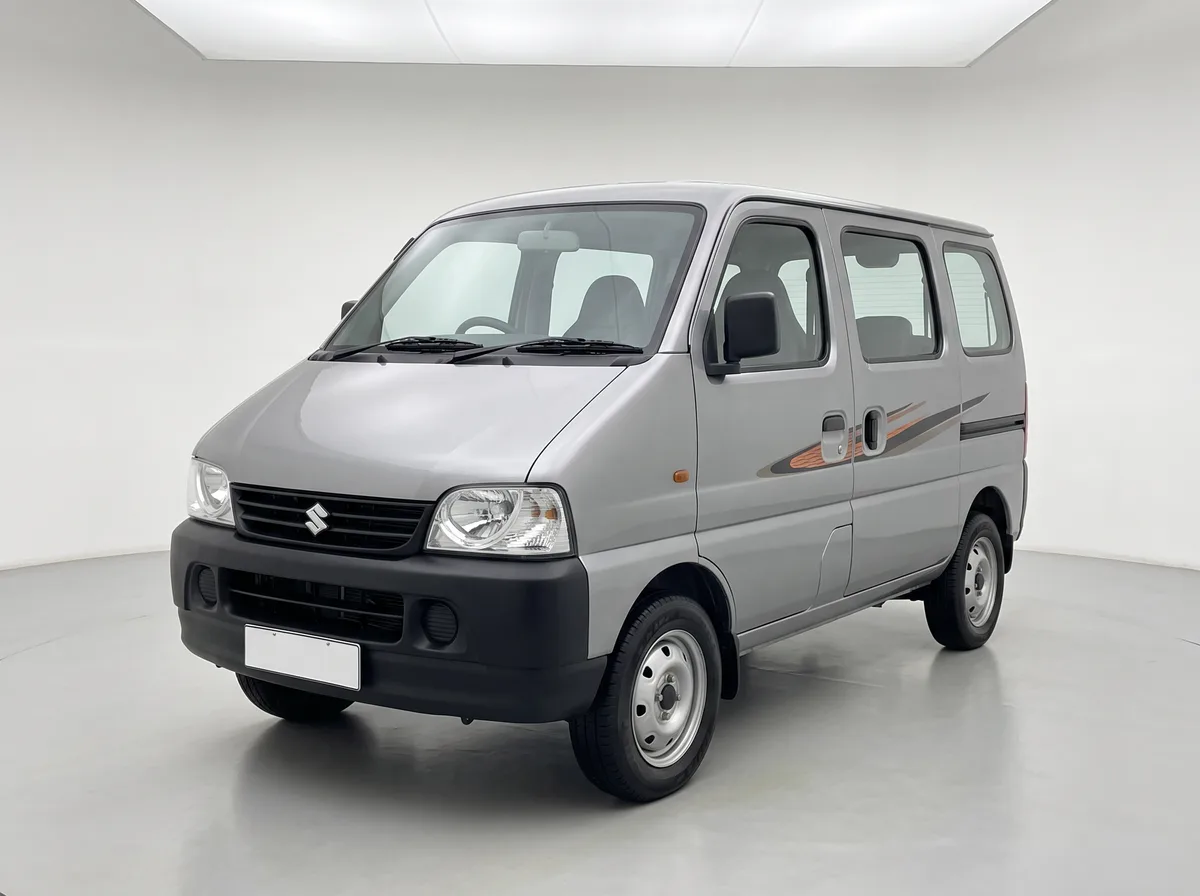
Suzuki Eeco
van

Suzuki Kizashi
sedan
Choosing valves for a Suzuki without guessing
Suzuki's local range is almost entirely petrol, so there is no diesel-versus-petrol fork to navigate — but the same engine turns up under several different nameplates. The 1.5 K15B alone appears in the Ertiga, Baleno, Ciaz, XL6, Fronx and Brezza, and the 1.0 three-cylinder is shared between the Alto, Celerio and S-Presso. That overlap is your advantage: a donor car need not wear the same badge as yours.
In plain terms, the call you have to make is whether the engine you have is worth repairing or whether a replacement unit gets you back on the road for less total outlay — and the model name on the boot lid is not enough information to make it.
Include the code cast into the engine itself or printed on the VIN plate, plus the year of manufacture — on a Suzuki the name on the tailgate will not get you there when you ask us about valves. Two questions up front beats a part that has to be couriered back.
Valves, explained
Intake and exhaust valves open and close thousands of times a minute, sealing the combustion chamber and shedding their own heat through the valve seats. The four-cylinder K and M series engines are twin-cam sixteen-valve designs, so there are four valves per cylinder, and any head work means dealing with the whole set.
How you know valves are on the way out
Recognise any of that? Tell us the model and year and we will go and check what we can get hold of for you.
Suzuki Valves — questions we get asked
What decides which valves fits my Suzuki?
Suzuki's local range is almost entirely petrol, so there is no diesel-versus-petrol fork to navigate — but the same engine turns up under several different nameplates. The 1.5 K15B alone appears in the Ertiga, Baleno, Ciaz, XL6, Fronx and Brezza, and the 1.0 three-cylinder is shared between the Alto, Celerio and S-Presso. That overlap is your advantage: a donor car need not wear the same badge as yours. In practice the decision in front of you is whether the engine you have is worth repairing or whether a replacement unit gets you back on the road for less total outlay.
What do you need from me to quote valves?
The code cast into the engine itself or printed on the VIN plate, plus the year of manufacture — on a Suzuki the name on the tailgate will not get you there. With that we can usually confirm the right part quickly, and we'll tell you whether we're quoting new, aftermarket or good used rather than leaving you to guess.
What is the difference between a burnt valve and a bent one?
A burnt valve is a wear failure. The sealing face erodes over time, usually helped along by a tight valve clearance or a lean-running cylinder, and compression drops gradually. A bent valve is sudden mechanical damage, from a piston striking it after a timing failure or from something entering the chamber. Both show as low compression, but the cause and the repair are different.
Do I replace the valves or the whole head?
That depends on what the head looks like once it is off. A machine shop can pressure test it, check it for straightness and cut new seats, and if the casting is sound then valves, guides and seals are the sensible route. If the head is cracked between the seats or badly warped from an overheat, a good used head is usually the better spend. Have the head assessed before ordering anything.
Do valve clearances need adjusting on these engines?
It depends on the design. Some engines use hydraulic lash adjusters that take up clearance themselves, others use shims or buckets that have to be measured and set. Check what your engine code specifies in the workshop manual rather than assuming either way, and if the top end is ticking, have the clearances measured before you buy parts.
What does an overheat do to the valves?
It costs you sealing, and usually more than just the valves. Exhaust valves run hot and depend on passing that heat into the seat and the head, so when coolant is lost the head distorts, the seats move and the valves stop sealing properly. That is why an engine which ran hot often shows low compression on one or two cylinders afterwards, and why a head that has overheated needs skimming and checking before it goes back on.
Are used valves worth buying?
Individually, rarely. They are relatively cheap new and a used one carries unknown wear on a sealing face you cannot properly inspect by eye. Where used parts make sense on this job is a complete cylinder head, a cam cover or the camshafts. Tell us the engine code and we will let you know what is available.
Other parts in this family
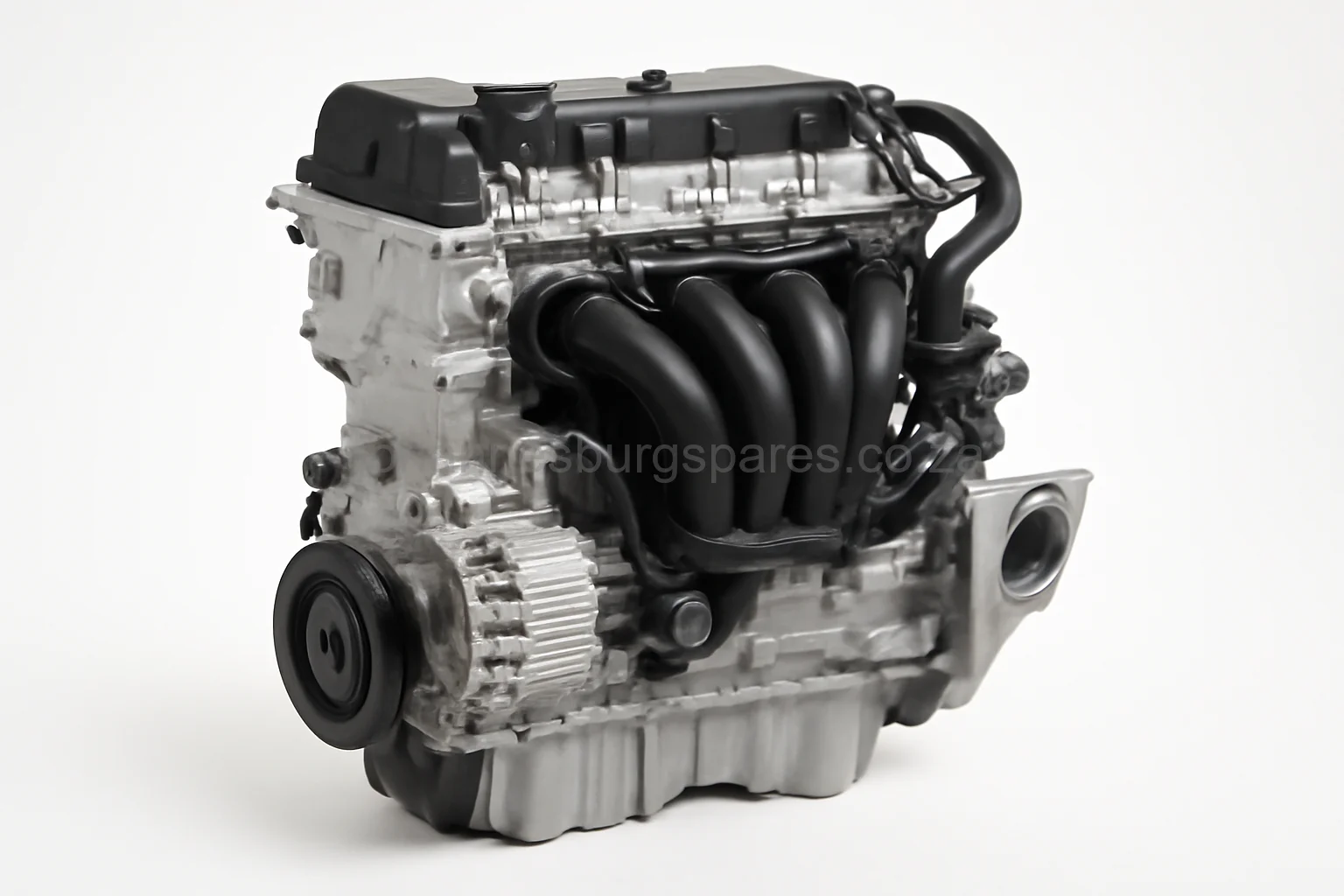
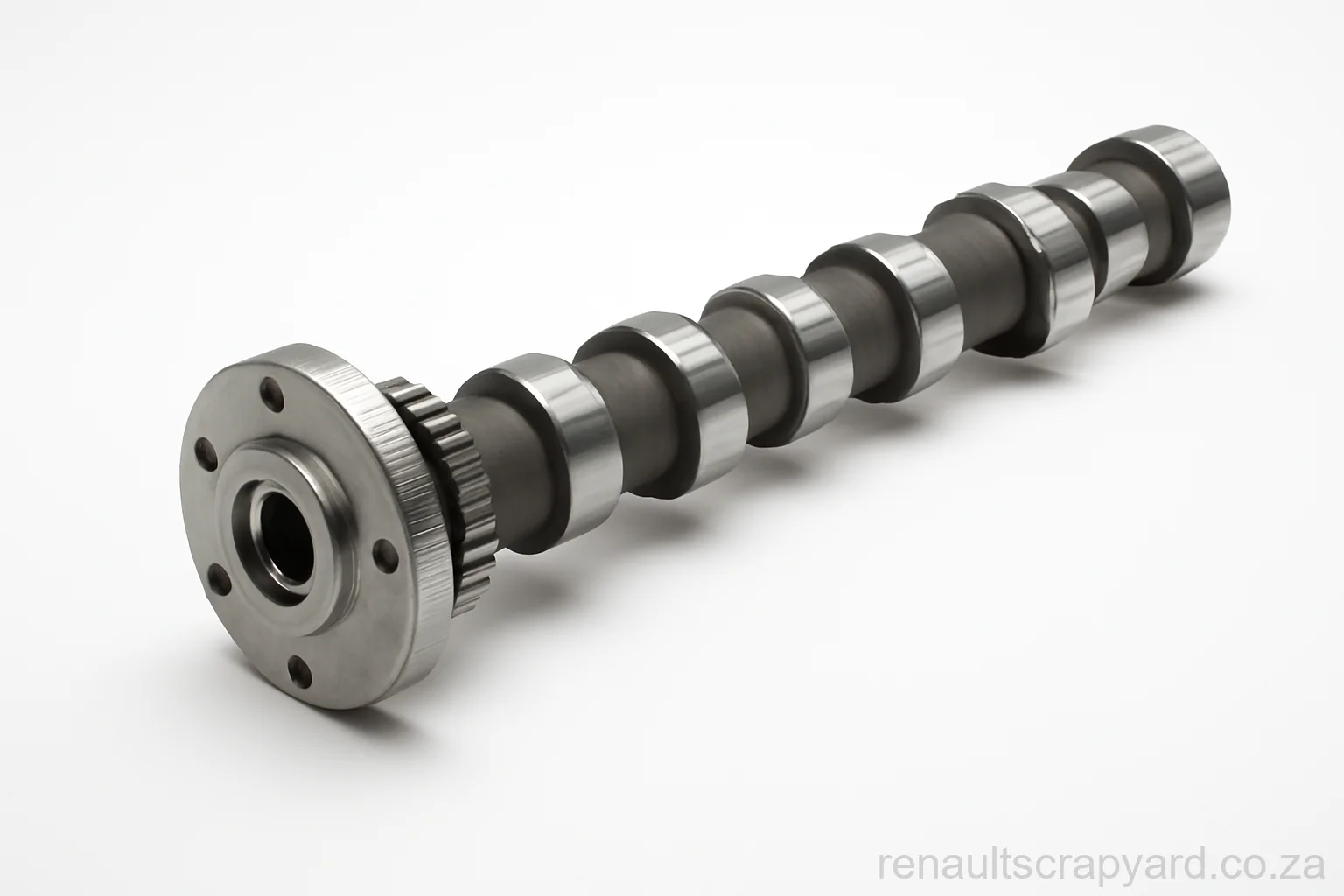
Camshafts pulled from K12, K14, K15 and M-series heads, with the lobes and journals inspected before we quote
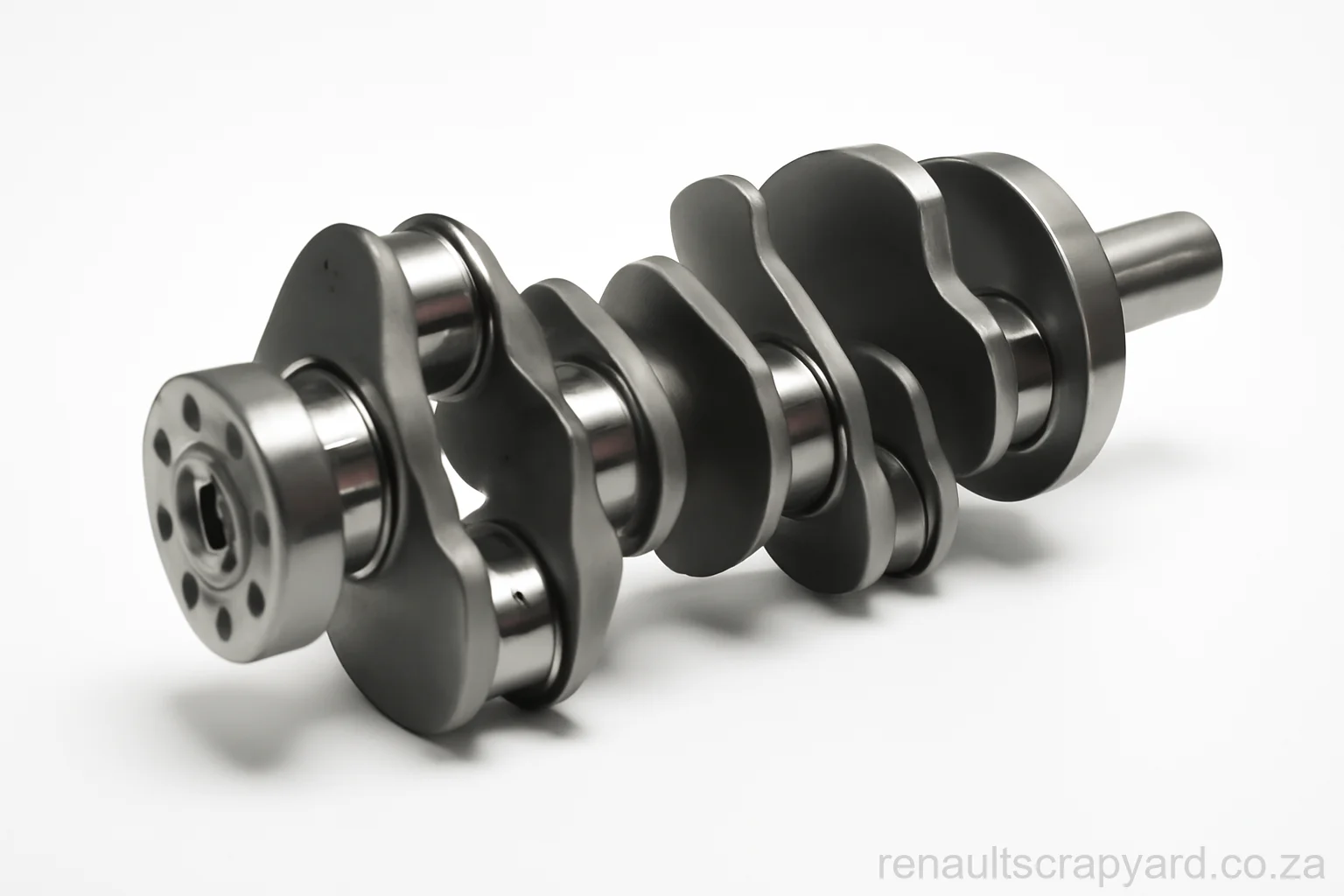
CrankshaftsCrankshafts for Suzuki three- and four-cylinder petrol engines, checked for journal wear and end-float before they leave the yard
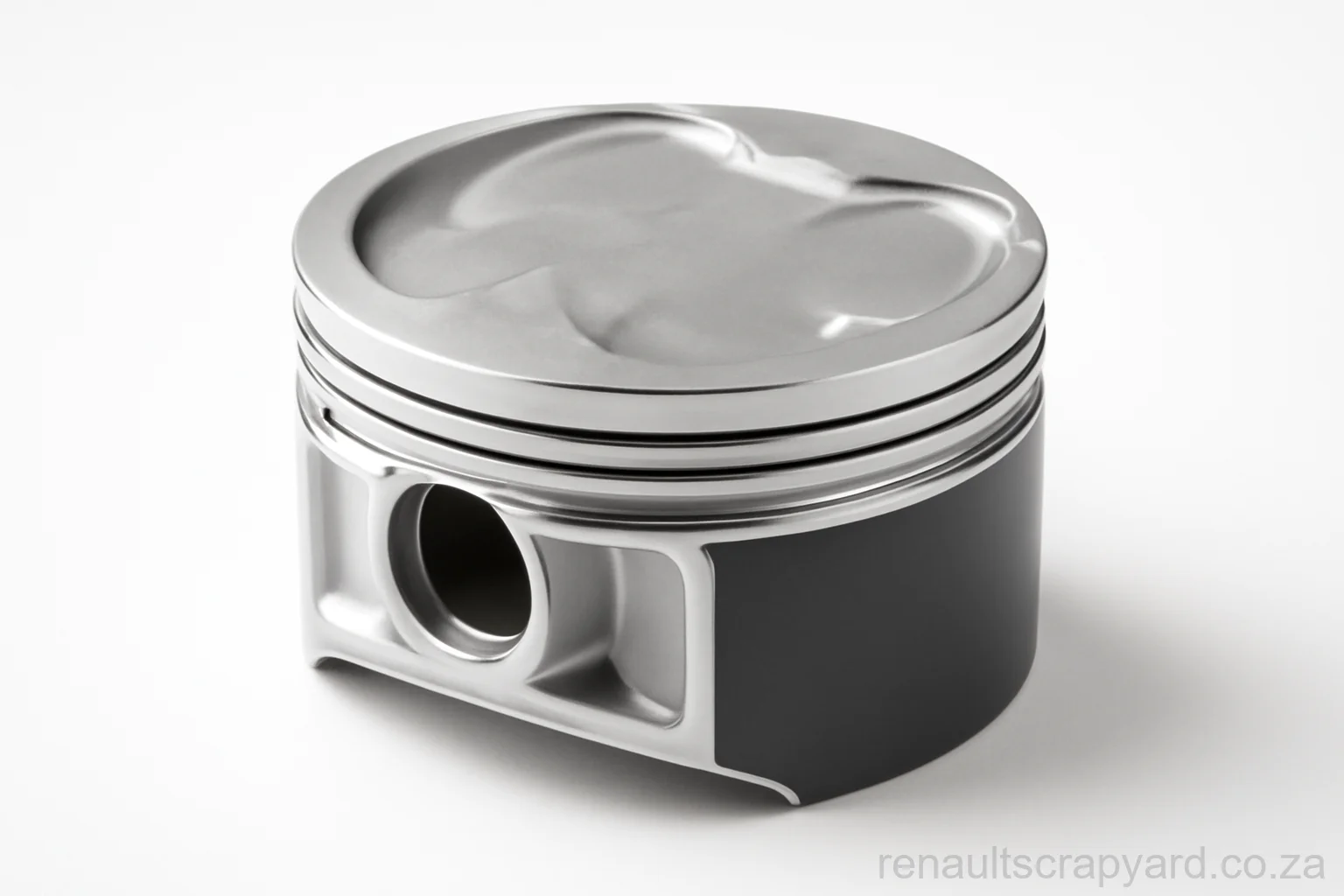
PistonsPistons, rings and gudgeon pins sized for the light, short-stroke petrol engines Suzuki uses across the hatch and MPV range
Connecting RodsCon rods and big-end shells for Suzuki petrol engines, the parts that usually need replacing after a spun bearing
Cylinder HeadsBare and complete cylinder heads for Suzuki petrol engines, pressure-tested where the donor history is unknown
Engine BlocksBlock castings and short motors for Suzuki petrol engines when the bores are past a rebore
Timing ChainsChain, tensioner and guide kits — the timing setup used on virtually every modern Suzuki petrol engine
Timing BeltsBelt kits for the older belt-driven Suzuki engines — most later K and M units are chain-driven instead
Collection or courier
Areas we send valves to.
Tell us the car and we'll go looking
The code cast into the engine itself or printed on the VIN plate, plus the year of manufacture — on a Suzuki the name on the tailgate will not get you there is all we need. We cross-reference it against what we can source and come back with what fits.